
Awakening Your Spirit: Practices for a More Meaningful Life

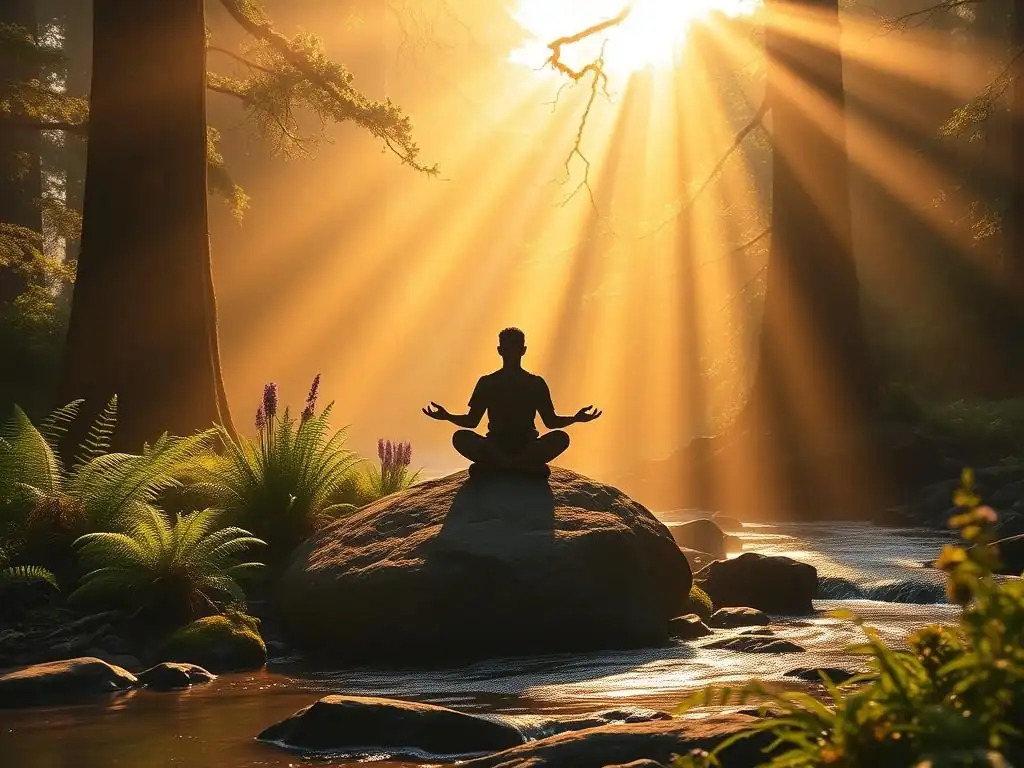
Welcome to Mind Care Guide.
Are you yearning for a deeper connection to yourself, a sense of calm amidst the chaos? We understand. Life can be overwhelming, leaving us searching for solace and meaning. This week, we delve into finding inner peace practices, exploring time-tested techniques to quiet the mind and nourish the soul. Discover how simple shifts in perspective and mindful actions can unlock a wellspring of tranquility within. Intrigued? Let's begin your journey to a more meaningful life.
Awakening Your Spirit: Practices for a More Meaningful Life
- Introduction: The Quest for Spiritual Awakening and Inner Peace
- Exploring Different Avenues to Inner Peace
- Practical Techniques for Integrating Inner Peace Practices into Daily Life
- Overcoming Obstacles on Your Spiritual Journey
- The Long-Term Benefits of Finding Inner Peace Practices
- Conclusion: Embracing a Life of Meaning and Spiritual Fulfillment
-
Frequently Asked Questions
- How can Mind Care Guide help me find inner peace through its "Finding inner peace practices" resources?
- What are some examples of "Finding inner peace practices" discussed in "Awakening Your Spirit: Practices for a More Meaningful Life"?
- Why is it important to prioritize "Finding inner peace practices" for my mental well-being, according to Mind Care Guide?
- How often should I engage in "Finding inner peace practices" to see noticeable improvements in my mental health?
- What if I struggle to consistently implement "Finding inner peace practices" into my daily life? What support does Mind Care Guide offer?
- Final Reflection: Cultivating Inner Peace in a Turbulent World
- Ignite Your Inner Spark: Take the Next Step
Introduction: The Quest for Spiritual Awakening and Inner Peace
In a world that often feels chaotic and demanding, many of us are searching for something deeper – a sense of connection, purpose, and tranquility that transcends the daily grind. This quest often leads us to explore the realms of spirituality and inner peace, recognizing that true well-being extends beyond the physical and mental to encompass the spiritual self. Awakening your spirit isn't about adhering to a specific dogma, but rather about cultivating a profound sense of connection to yourself, others, and the world around you.
This journey is deeply personal and unfolds differently for everyone. It involves introspection, conscious effort, and a willingness to explore practices that nourish the soul. Finding inner peace practices is not a destination, but a continuous process of growth, self-discovery, and acceptance. It's about learning to navigate life's challenges with grace and resilience, finding moments of calm amidst the storm, and living a life that feels authentically meaningful and fulfilling.
Understanding the Connection Between Spirituality and Mental Well-being
Spirituality and mental well-being are intrinsically linked, forming a reciprocal relationship where nurturing one positively impacts the other. Engaging in spiritual practices or exploring one's spiritual identity can provide a framework for understanding life's challenges, fostering hope, and building resilience. Research consistently shows that individuals who report a strong sense of spirituality or religious connection often exhibit lower rates of depression and anxiety, and better coping mechanisms when faced with adversity. This connection can provide a sense of belonging, reduce feelings of isolation, and offer comfort during difficult times.
Furthermore, spirituality often encourages practices that are inherently beneficial for mental health, such as mindfulness, compassion, and gratitude. These practices help individuals regulate emotions, reduce stress, and cultivate a more positive outlook on life. Exploring one's spiritual path can also lead to a greater sense of purpose and meaning, which are crucial components of psychological well-being.
When we feel connected to something larger than ourselves and have a sense of direction, we are better equipped to handle stress and maintain emotional balance. The journey of finding inner peace practices is, therefore, a vital part of a holistic approach to mental health.
Why Finding Inner Peace Practices Matters for a Meaningful Life
A meaningful life is often characterized by a sense of purpose, connection, and overall contentment. Finding inner peace practices is fundamental to achieving this state because inner turmoil, anxiety, and stress can significantly detract from our ability to experience life fully and appreciate its richness. When our minds are cluttered with worry or negativity, it becomes challenging to connect authentically with others, pursue our passions, or even recognize the good that exists in our lives. Cultivating inner peace allows us to quiet the mental noise and create space for presence, clarity, and joy.
Moreover, practices aimed at finding inner peace often cultivate qualities like patience, acceptance, and compassion – not just towards others, but also towards ourselves. These qualities are essential for building strong relationships, navigating conflict constructively, and recovering from setbacks. A person who has cultivated inner peace is better equipped to live in alignment with their values, make conscious choices, and contribute positively to the world around them. It's through this internal cultivation that we unlock the potential for a life that is not only comfortable but profoundly rich in meaning and fulfillment.
Exploring Different Avenues to Inner Peace
Mindfulness Meditation: Cultivating Present Moment Awareness for Spiritual Growth
Mindfulness meditation is a powerful practice for cultivating present moment awareness without judgment. It involves paying attention to your thoughts, feelings, bodily sensations, and the surrounding environment with open curiosity. This practice helps to train the mind to stay focused rather than being carried away by worries about the future or regrets about the past. By observing the constant flow of thoughts without getting entangled in them, individuals can gain perspective and create a greater sense of mental space and calm.
Engaging in mindfulness meditation regularly can lead to profound spiritual growth. It encourages self-awareness, allowing individuals to understand their own patterns of thinking and feeling more deeply. This understanding is a critical step in identifying and releasing negative or limiting beliefs that may be hindering personal and spiritual development. As awareness grows, so too does the capacity for compassion – both for oneself and others – recognizing the shared human experience of struggle and imperfection. This cultivation of presence and non-judgment is a cornerstone in the journey of finding inner peace practices.
How to Practice Mindfulness Meditation for Inner Peace
Practicing mindfulness meditation for inner peace can be as simple as dedicating a few minutes each day to quiet observation. Start by finding a comfortable seat, whether on a cushion on the floor or in a chair, ensuring your spine is relatively straight but relaxed. Close your eyes gently or soften your gaze. Bring your attention to your breath, noticing the sensation of air entering and leaving your nostrils or the rise and fall of your abdomen.
Your mind will inevitably wander – this is perfectly normal. The practice isn't about stopping thoughts, but noticing when your mind has drifted and gently guiding your attention back to your breath without self-criticism. Begin with short sessions, perhaps 5-10 minutes, and gradually increase the duration as you feel comfortable. Consistency is key; even short, regular practice is more beneficial than infrequent long sessions for truly integrating finding inner peace practices into your life.
Here is a simple task list for starting:
- [ ] Find a quiet place.
- [ ] Sit comfortably.
- [ ] Set a timer (start with 5-10 minutes).
- [ ] Close eyes or soften gaze.
- [ ] Focus attention on the breath.
- [ ] Notice thoughts without judgment.
- [ ] Gently return focus to breath when mind wanders.
- [ ] End session mindfully.
Benefits of Mindfulness for Mental and Spiritual Health
Mindfulness meditation offers a wealth of benefits for both mental and spiritual health, supported by extensive research. Mentally, studies have shown that regular mindfulness practice can significantly reduce symptoms of anxiety and depression. For example, meta-analyses of multiple studies often indicate a moderate effect size in reducing symptoms of these common mental health conditions. It improves emotional regulation, helping individuals respond to challenging situations with greater calm and less reactivity. It also enhances cognitive function, including improved attention span and working memory.
Spiritually, mindfulness fosters a deeper connection to one's inner self and the present moment, which can lead to profound insights and a greater sense of connection to the world. It cultivates qualities like patience, non-reactivity, and compassion, which are foundational to many spiritual paths. By training the mind to be present, mindfulness helps individuals appreciate the sacredness in ordinary moments and develop a richer, more meaningful relationship with life itself. This makes it a core component of effective finding inner peace practices.
Gratitude Practices: Appreciating the Goodness in Your Life
Cultivating gratitude is a powerful avenue towards finding inner peace and enhancing overall well-being. It involves consciously recognizing and appreciating the positive aspects of your life, no matter how small they may seem. In a world often focused on what is lacking, shifting attention to abundance can fundamentally alter your perspective and emotional state. This practice isn't about ignoring difficulties, but about acknowledging the good alongside the bad, fostering a more balanced and resilient outlook.
Engaging in gratitude practices regularly can rewire your brain to notice positivity more readily. Research by psychologists like Dr. Robert Emmons has demonstrated that people who regularly practice gratitude report higher levels of positive emotions, optimism, and life satisfaction. They are also more likely to help others, exercise more frequently, and experience fewer physical symptoms. This conscious effort to appreciate the good is a direct path to reducing feelings of entitlement, envy, and resentment, paving the way for deeper inner peace and contentment.
Keeping a Gratitude Journal: A Pathway to Inner Peace
One of the most accessible and effective ways to cultivate gratitude is by keeping a gratitude journal. This involves setting aside a few minutes each day, perhaps in the morning or before bed, to write down things you are grateful for. There's no right or wrong number, but aiming for three to five specific things can be a good start.
The key is to be specific and reflect on why you are grateful for them, engaging with the feeling of gratitude rather than just listing items. For example, instead of just writing "coffee," you might write "I'm grateful for my morning coffee because its warmth and aroma bring a moment of calm before my busy day."
Regularly engaging with a gratitude journal helps train your brain to actively look for the positive aspects of your life throughout the day. Over time, this shifts your default perspective from focusing on problems or deficiencies to recognizing blessings and opportunities. This consistent focus on the good can significantly reduce stress, improve mood, and foster a sense of contentment, making it a valuable tool among finding inner peace practices. Looking back through past entries can also serve as a powerful reminder of the good times and sources of strength during difficult periods.
Expressing Gratitude to Others: Strengthening Connections and Finding Meaning
Gratitude is not just an internal feeling; expressing it externally, particularly to other people, can profoundly enhance your sense of connection and meaning. Taking the time to thank someone, whether verbally, through a handwritten note, or an email, strengthens social bonds and fosters a sense of community. This act benefits not only the recipient, who feels appreciated and valued, but also the giver, who experiences positive emotions and reinforces their own sense of gratitude. Studies have shown that expressing gratitude can improve relationships and increase overall happiness levels.
Consider making it a practice to express gratitude to at least one person each day or week. This could be thanking a colleague for their help, telling a family member how much you appreciate them, or acknowledging the kindness of a stranger. These simple acts of recognition contribute to a more positive social environment and deepen your sense of belonging. By actively acknowledging the positive impact others have on your life, you cultivate a greater awareness of interconnectedness, which is a significant aspect of finding inner peace practices and living a meaningful life.
Connecting with Nature: Finding Solace and Inspiration in the Natural World
Spending time in nature is a powerful antidote to the stresses of modern life and a potent avenue for finding inner peace and spiritual connection. The natural world offers a sense of scale and perspective that can help diminish the perceived size of our own problems. The rhythmic sounds of waves or wind, the vibrant colors of plants and animals, and the simple act of breathing fresh air can have a profoundly calming effect on the nervous system.
Numerous studies have documented the therapeutic benefits of nature exposure. Research indicates that spending time outdoors can lower cortisol levels (a stress hormone), reduce blood pressure, and improve mood. A study published in Environmental Health Perspectives found that spending just 20 minutes in nature significantly lowered stress hormone levels.
Beyond the physiological benefits, nature offers a sense of wonder and awe that can lift the spirit and connect us to something larger than ourselves. Observing the resilience of a tree or the delicate beauty of a flower can inspire reflection and foster a sense of interconnectedness with the living world, enhancing finding inner peace practices.
Forest Bathing (Shinrin-Yoku): Immersing Yourself in Nature for Inner Peace
Forest bathing, or Shinrin-Yoku as it is known in Japan, is a practice that goes beyond a simple walk in the woods. It's about mindfully immersing yourself in the forest atmosphere, engaging all your senses to connect with the natural environment. This practice involves slowing down, breathing deeply, and paying attention to the sights, sounds, smells, and textures around you. It's not about hiking or reaching a destination, but simply being present in the natural world.
Research on forest bathing, particularly originating from Japan where it is a recognized preventative medicine practice, has shown remarkable benefits. Studies have indicated that spending time in forests can boost immune function (increasing natural killer cells), reduce stress and anxiety, and improve sleep quality. For instance, one study showed a decrease in cortisol levels by over 15% after a forest bathing experience. This intentional immersion in nature provides a profound sense of calm and rejuvenation, making it a potent method for finding inner peace practices.
Nature Walks and Contemplation: Finding Spiritual Insights Outdoors
Beyond formal forest bathing, simple nature walks combined with contemplation can be a powerful spiritual practice. Taking a walk in a park, along a beach, or on a trail provides an opportunity to move your body while allowing your mind to settle and observe. This gentle movement can help release tension, while the change of scenery stimulates the senses and encourages a shift in perspective.
Use your nature walks as opportunities for contemplation. You might focus on a specific question or theme, or simply remain open to whatever arises. Pay attention to the details – the way light filters through leaves, the intricate patterns on a rock, the persistence of a plant growing in a crack. These observations can spark insights, foster a sense of awe, and deepen your connection to the cycles of life. This combination of physical activity and mindful observation in nature is an accessible and effective way of engaging in finding inner peace practices.
Creative Expression: Unleashing Your Inner Self Through Art and Music
Creative expression is a vital outlet for processing emotions, exploring identity, and connecting with the deeper parts of ourselves. Engaging in artistic activities, whether it's writing, painting, playing music, dancing, or crafting, allows us to communicate feelings and ideas that may be difficult to articulate verbally. This process of creation can be deeply therapeutic, providing a sense of flow and presence that is inherently calming and centering.
When we engage in creative expression, we often tap into a non-judgmental space where intuition and emotion can flow freely. This can lead to breakthroughs in understanding ourselves and our experiences. It's not about producing a masterpiece, but about the process itself – the act of putting pen to paper, brush to canvas, or fingers to keys. This act of bringing something new into the world from within is incredibly empowering and can significantly contribute to finding inner peace practices.
Journaling as a Tool for Self-Discovery and Finding Inner Peace
Journaling is a highly accessible form of creative expression that serves as a powerful tool for self-discovery and cultivating inner peace. Simply writing down your thoughts and feelings without censoring yourself can help you gain clarity, process difficult emotions, and identify patterns in your thinking. Think of your journal as a safe, private space where you can be completely honest.
Regular journaling can lead to increased self-awareness and emotional regulation. By externalizing worries or frustrations onto the page, they often lose some of their power. You might notice recurring themes or gain insights into the root causes of stress or unhappiness. Many people find that journaling before bed helps quiet a busy mind, promoting better sleep. A study published in the Journal of Experimental Psychology found that expressive writing can reduce intrusive thoughts about negative events. This simple daily practice is a foundational element for many who are focused on finding inner peace practices.
Engaging in Creative Hobbies: Connecting with Your Soul
Beyond journaling, engaging in any creative hobby that resonates with you can be a profound way to connect with your soul and foster inner peace. Whether it's painting, playing a musical instrument, knitting, gardening, or cooking, these activities provide an opportunity to enter a state of flow, where you become fully absorbed in the present moment. This state is inherently meditative and can significantly reduce stress and anxiety.
Choosing a creative hobby that you genuinely enjoy, rather than one you feel you should do, is key. Allow yourself to experiment and explore different mediums until you find something that sparks joy and provides a sense of fulfillment. Dedicating regular time to this creative pursuit nourishes your spirit, allows for self-expression, and provides a break from the demands of daily life. This intentional engagement with activities that feed your soul is essential for finding inner peace practices and nurturing a meaningful existence.
Practical Techniques for Integrating Inner Peace Practices into Daily Life
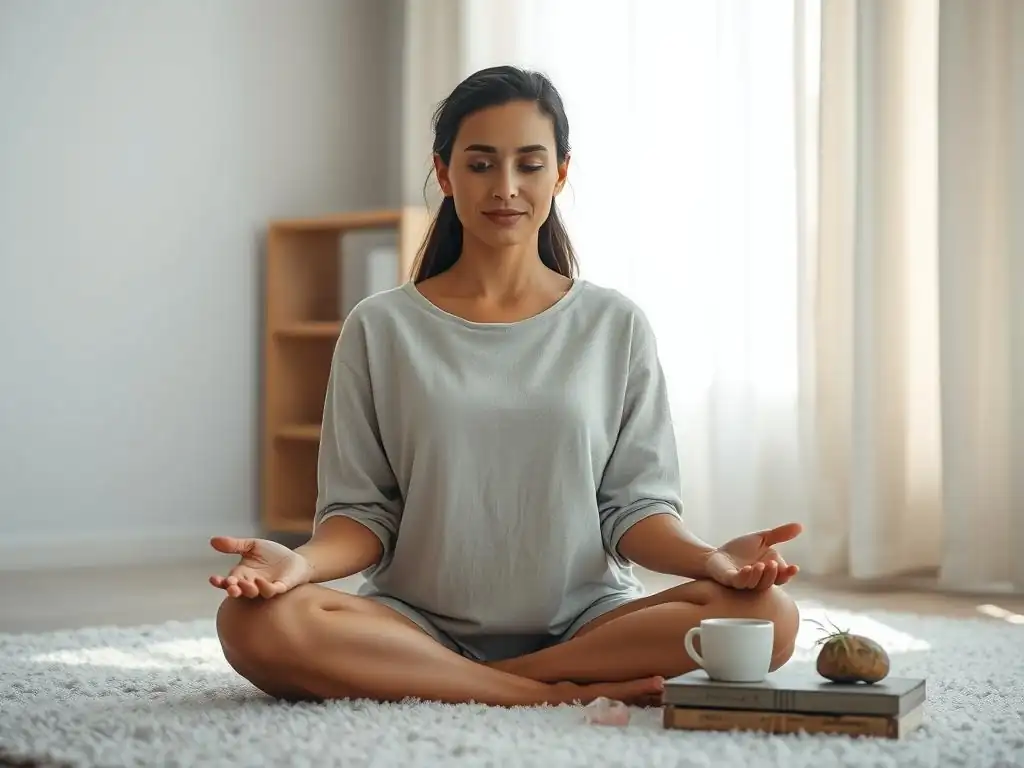
Integrating finding inner peace practices into your daily routine might seem daunting amidst a busy schedule, but it's crucial for sustained well-being. It doesn't require hours of dedicated time; even small, consistent efforts can yield significant results. The key is to find practices that resonate with you and weave them seamlessly into your existing habits. Start small, be patient with yourself, and celebrate small victories along the way.
Think about where you can insert moments of pause and presence. This could be taking three deep breaths before opening your email, walking mindfully during your commute, or spending five minutes in quiet reflection before bed. Making these practices a non-negotiable part of your day, like brushing your teeth, increases the likelihood of sticking with them. The cumulative effect of these small moments of intentional peace building is profound, gradually transforming your daily experience.
Setting Intentions: Aligning Your Actions with Your Values
Setting intentions is a powerful practice for aligning your daily actions with your deeper values and goals, contributing significantly to finding inner peace. An intention is not a rigid goal but a guiding principle or quality you wish to embody or bring into your day or a specific activity. For example, before a challenging meeting, your intention might be "to listen with an open heart" or "to remain calm and centered."
By setting intentions, you become more conscious of your choices and reactions, allowing you to navigate life with greater purpose and less reactivity. This practice helps reduce internal conflict that arises when our actions are out of sync with our values. Begin your day by setting an intention for how you want to show up, or set intentions before specific activities. This simple act brings mindfulness to your daily life and provides a compass for staying true to yourself, which is fundamental for cultivating inner peace.
Example Daily Intention:
"Today, I intend to approach challenges with patience and kindness towards myself and others."
Creating a Sacred Space: Designing a Sanctuary for Spiritual Growth
Having a dedicated sacred space in your home can significantly support your finding inner peace practices. This doesn't need to be an entire room; it could be a corner of a room, a small altar, or even just a comfortable chair where you can sit quietly. The purpose is to create a physical environment that feels peaceful, inspiring, and conducive to reflection, meditation, or prayer.
Fill your sacred space with items that hold meaning for you – perhaps a comfortable cushion, a candle, inspiring books, natural objects like stones or plants, or personal mementos. Keep it tidy and free from clutter. This space becomes a visual cue and a physical anchor for your spiritual practices, making it easier to step away from daily distractions and connect with your inner self. Knowing you have this sanctuary available can be a source of comfort and motivation to prioritize your inner work.
Mindful Movement: Yoga and Tai Chi for Body and Spirit Harmony
Integrating mindful movement practices like yoga and Tai Chi is an excellent way to connect the body and spirit, fostering inner peace. These disciplines are not just forms of exercise; they are practices that combine physical postures or movements with breath awareness and mindful focus. This integration helps to release physical tension, calm the nervous system, and bring you into the present moment.
Yoga, originating in ancient India, involves a series of postures (asanas), breathing techniques (pranayama), and meditation. Tai Chi, an ancient Chinese martial art, consists of slow, flowing movements. Both practices emphasize gentle movement, deep breathing, and concentration. The focus on the body's sensations and the breath during these practices is inherently meditative, offering a moving form of mindfulness that can be particularly helpful for those who find seated meditation challenging. Engaging in mindful movement is a dynamic way of pursuing finding inner peace practices.
The Benefits of Yoga for Stress Reduction and Inner Peace
Yoga is widely recognized for its profound benefits in reducing stress and promoting inner peace. The combination of physical postures, controlled breathing, and meditation helps to activate the body's relaxation response, counteracting the effects of stress. Studies have shown that regular yoga practice can significantly lower cortisol levels and reduce symptoms of anxiety and depression. For instance, research often shows a notable decrease in self-reported stress levels after consistent yoga practice over several weeks.
Beyond stress reduction, yoga cultivates body awareness, flexibility, and strength, which can lead to increased self-confidence and a more positive body image. Spiritually, yoga encourages a deeper connection between mind, body, and spirit, fostering a sense of wholeness and integration. The philosophical underpinnings of yoga often emphasize non-attachment, acceptance, and compassion, which are core tenets of finding inner peace.
Tai Chi: Cultivating Balance and Flow in Life
Tai Chi is another ancient practice that cultivates balance, flow, and inner peace through slow, deliberate movements and deep breathing. Often described as "meditation in motion," Tai Chi is accessible to people of all ages and fitness levels. The gentle, continuous movements promote relaxation, reduce muscle tension, and improve circulation.
Research has demonstrated that Tai Chi can lower blood pressure, improve balance and flexibility, and reduce stress and anxiety. A study published in the Journal of the American Geriatrics Society found that Tai Chi practice led to significant improvements in balance and reduced falls among older adults. Mentally, the focus required to perform the movements helps to quiet the mind and cultivate presence. Spiritually, Tai Chi embodies principles of harmony, balance (Yin and Yang), and connection to the natural flow of energy (Qi), offering a profound way to embody finding inner peace practices in movement.
Overcoming Obstacles on Your Spiritual Journey
Embarking on a spiritual journey and committing to finding inner peace practices is not always a smooth path. You will inevitably encounter obstacles, both internal and external. Internal obstacles often include negative self-talk, limiting beliefs, fear, and resistance to change. External obstacles might involve lack of time, societal pressures, or unsupportive environments. Recognizing that these challenges are a normal part of the process is the first step in navigating them.
Approaching these obstacles with patience, self-compassion, and perseverance is key. Instead of viewing setbacks as failures, see them as opportunities for learning and growth. Develop strategies for dealing with difficult emotions and thoughts, build resilience, and remember why you started this journey in the first place. The path to inner peace is not about perfection, but about consistent effort and a commitment to showing up for yourself, even when it's hard.
Dealing with Negative Thoughts and Emotions: Strategies for Emotional Regulation
Negative thoughts and emotions are part of the human experience, but they can become significant obstacles on the path to finding inner peace if left unchecked. Learning healthy strategies for emotional regulation is crucial. This doesn't mean suppressing or ignoring negative feelings, but rather developing the capacity to acknowledge them without being overwhelmed by them.
One effective strategy is mindful observation, as discussed earlier. Notice the thought or emotion without judgment, recognizing it as a temporary mental or physical state, not necessarily a reflection of reality. Cognitive restructuring involves challenging negative thought patterns by asking questions like "Is this thought true?" or "What is a more balanced perspective?". Emotional regulation techniques might also include deep breathing exercises, progressive muscle relaxation, or engaging in activities that bring you comfort or joy. Learning these skills empowers you to navigate your inner landscape with greater ease, supporting your finding inner peace practices.
Managing Stress and Anxiety: Techniques for Promoting Relaxation
Stress and anxiety are pervasive challenges in modern life and can significantly disrupt inner peace. Developing effective techniques for managing them is essential. While addressing the root causes of stress is important, having tools to alleviate acute stress and anxiety in the moment is invaluable.
Techniques such as deep diaphragmatic breathing can quickly calm the nervous system. Practicing this for just a few minutes can lower heart rate and blood pressure. Progressive muscle relaxation involves tensing and then releasing different muscle groups in the body, helping to relieve physical tension often held during stress. Engaging in gentle physical activity, spending time in nature, listening to calming music, or practicing short bursts of meditation can also be effective stress reducers. Experiment with different techniques to find what works best for you in promoting relaxation and sustaining your finding inner peace practices.
Cultivating Self-Compassion: Treating Yourself with Kindness and Understanding
Perhaps one of the most significant obstacles to inner peace is harsh self-criticism. We are often much harder on ourselves than we would ever be on a friend. Cultivating self-compassion involves treating yourself with the same kindness, understanding, and acceptance you would offer to someone you care about who is struggling. It recognizes that imperfection, failure, and difficult emotions are universal human experiences.
Dr. Kristin Neff, a leading researcher in self-compassion, highlights three core components: self-kindness (being gentle with ourselves instead of harshly critical), common humanity (recognizing that suffering and imperfection are part of the shared human experience), and mindfulness (observing our thoughts and feelings without judgment). Practicing self-compassion involves speaking to yourself gently, comforting yourself during difficult times, and recognizing that you are not alone in your struggles. Embracing self-compassion is a fundamental step towards healing inner wounds and truly embodying finding inner peace practices.
The Long-Term Benefits of Finding Inner Peace Practices

Committing to finding inner peace practices is an investment in your long-term well-being. The benefits extend far beyond moments of calm, influencing your resilience, relationships, and overall sense of fulfillment. These practices build an internal reservoir of strength and stability that can help you navigate life's inevitable ups and downs with greater grace and equanimity.
Over time, consistent practice can lead to a fundamental shift in how you perceive yourself and the world. You may find yourself reacting less impulsively to challenges, experiencing more genuine joy, and feeling more connected to others. The cumulative effect of these practices is a life lived with greater authenticity, purpose, and a deep-seated sense of peace that is not dependent on external circumstances.
Increased Resilience and Emotional Stability
One of the most significant long-term benefits of finding inner peace practices is the development of increased resilience and emotional stability. Resilience is the capacity to bounce back from adversity, and it is significantly enhanced when you have cultivated a strong inner core of peace. Practices like mindfulness, meditation, and self-compassion train the mind to observe challenges without being consumed by them.
Individuals who regularly engage in these practices are often better equipped to manage stress, recover from setbacks, and maintain emotional balance during turbulent times. They develop a greater tolerance for discomfort and uncertainty, recognizing that difficult feelings are temporary. This emotional stability doesn't mean the absence of challenges, but the presence of inner resources to meet those challenges with greater strength and composure. Building this inner resilience is a hallmark of consistent finding inner peace practices.
Enhanced Sense of Purpose and Meaning in Life
Finding inner peace practices often leads to a deeper connection with your values and a clearer understanding of what truly matters to you, resulting in an enhanced sense of purpose and meaning in life. When the noise of external distractions and internal anxieties quiets down, you are better able to hear the whispers of your own heart and intuition.
Practices like journaling, reflection, and mindful living encourage introspection and self-discovery, helping you identify your passions, strengths, and what you wish to contribute to the world. This clarity can guide your choices, motivate your actions, and provide a sense of direction that transcends fleeting desires. Living a life aligned with your purpose, discovered through dedicated finding inner peace practices, is inherently more meaningful and fulfilling.
Deeper Connections with Yourself and Others
Cultivating inner peace naturally extends outwards, leading to deeper and more authentic connections with both yourself and others. When you are at peace within, you are less likely to project your own insecurities or anxieties onto your relationships. You become more present, a better listener, and more capable of empathy and compassion.
Practices like self-compassion improve your relationship with yourself, fostering self-acceptance and reducing self-criticism. This internal harmony makes you more available for genuine connection with others. When you are comfortable in your own skin and grounded in inner peace, you can interact with others from a place of strength and vulnerability, leading to more meaningful and satisfying relationships. These enhanced connections are a beautiful byproduct of diligently pursuing finding inner peace practices.
Conclusion: Embracing a Life of Meaning and Spiritual Fulfillment
Awakening your spirit and committing to finding inner peace practices is a transformative journey that enriches every aspect of your life. It is a path towards greater self-awareness, emotional resilience, and a profound sense of connection and purpose. While the journey may present challenges, the rewards – increased inner peace, enhanced well-being, and a more meaningful existence – are immeasurable.
Embracing these practices is not a one-time event but a continuous process of learning, growing, and returning to yourself. By integrating mindfulness, gratitude, nature connection, creative expression, and mindful movement into your daily life, you cultivate an inner sanctuary that can withstand the storms of the external world. This intentional cultivation of inner peace is the foundation upon which a truly meaningful and spiritually fulfilled life is built.
Frequently Asked Questions
How can Mind Care Guide help me find inner peace through its "Finding inner peace practices" resources?
Mind Care Guide provides access to a comprehensive collection of articles, techniques, and guided meditations designed to help you explore various paths to inner peace. Our resources emphasize practical application and personalized strategies. We aim to empower you to find what works best for your unique journey.
What are some examples of "Finding inner peace practices" discussed in "Awakening Your Spirit: Practices for a More Meaningful Life"?
The article covers practices such as mindfulness meditation, gratitude journaling, spending time in nature, and cultivating self-compassion. It also delves into the importance of setting healthy boundaries and engaging in activities that bring you joy and purpose.
Why is it important to prioritize "Finding inner peace practices" for my mental well-being, according to Mind Care Guide?
Prioritizing inner peace is crucial for reducing stress, improving emotional regulation, and fostering a sense of overall well-being. Mind Care Guide recognizes that inner peace is the foundation for resilience and a fulfilling life.
How often should I engage in "Finding inner peace practices" to see noticeable improvements in my mental health?
Consistency is key. While individual results vary, Mind Care Guide recommends incorporating these practices into your daily or at least weekly routine. Even short, regular sessions can have a significant positive impact over time.
What if I struggle to consistently implement "Finding inner peace practices" into my daily life? What support does Mind Care Guide offer?
Mind Care Guide provides practical tips for habit formation, overcoming obstacles, and staying motivated. We also offer supportive community forums where you can connect with others on a similar journey and share experiences.
Final Reflection: Cultivating Inner Peace in a Turbulent World
The pursuit of inner peace is not a luxury; it's a necessity in today's fast-paced, demanding world. The practices explored in this article – mindfulness, gratitude, self-compassion, and connection with nature – are not merely trendy self-help techniques; they are vital tools for navigating the complexities of modern life and fostering genuine well-being. Ignoring the need for inner peace leaves us vulnerable to stress, anxiety, and burnout, hindering our ability to live fully and meaningfully.
The journey towards inner peace is a lifelong commitment, a continuous unfolding of self-discovery and acceptance. It's a journey I've personally embarked on, and the rewards have been immeasurable. The quiet moments of mindfulness, the profound gratitude for simple blessings, and the gentle self-compassion I've cultivated have transformed my relationship with myself and the world around me. As the poet Mary Oliver so eloquently stated: Tell me, what is it you plan to do with your one wild and precious life?
This question, central to the pursuit of inner peace, compels us to examine our priorities and live with intention.
Now, consider your own life. What practices resonate most deeply with you from those discussed? Which ones can you integrate into your daily routine, even in small ways? Perhaps it's a few minutes of mindful breathing each morning, a daily gratitude journal entry, or a conscious effort to connect with nature. Begin today. Embrace the journey, and allow the transformative power of inner peace to guide you towards a more meaningful and fulfilling existence. Your well-being depends on it.
Ignite Your Inner Spark: Take the Next Step
Thanks for taking the time to explore the path to a more meaningful life! We hope you found practical wisdom and inspiration within "Awakening Your Spirit." Ready to cultivate your own inner peace and purpose?
- Begin your daily mindful practice: Even five minutes of quiet reflection can transform your day. Try the breathing exercise we discussed, or experiment with a new technique. This is your cornerstone for lasting change.
- Share your journey: Connect with others on a similar path. Share your insights and experiences—a simple act that can profoundly impact both yourself and others.
- Explore a new form of self-expression: Whether it's journaling, painting, or learning a musical instrument, unleash your creativity and discover a new outlet for self-discovery.
What small step will you take today to further awaken your spirit?