
Beyond the Ego: Finding Spiritual Self Through Mindfulness


Welcome to Mind Care Guide, a safe space to nurture your mental well-being.
Feeling disconnected? Perhaps a deeper understanding of your spiritual self is the key. This week, we delve into the profound practice of mindfulness for spiritual growth, exploring how present moment awareness can unlock a path to inner peace and self-discovery. Are you ready to journey beyond the ego and find your spiritual self? Let's begin...
Embracing Impermanence: Spiritual Growth Through Acceptance
Embracing the transient nature of life, or impermanence, is a profound step towards spiritual growth. It involves cultivating a deep sense of acceptance for what is, rather than clinging to what was or wishing for what might be. This journey often begins with recognizing and working with resistance, a natural human tendency that can significantly impede our path toward inner peace and spiritual liberation. By understanding resistance and consciously choosing acceptance, we open ourselves to a richer, more connected experience of life, aligning our inner landscape with the ever-changing flow of existence.
- Understanding Resistance and Its Impact on Growth
- Acceptance as a Path to Spiritual Liberation
- Practical Exercises for Spiritual Awakening Through Acceptance
- Benefits of Acceptance for Spiritual Growth
- Integrating Acceptance into Daily Life for Lasting Transformation
- The Interplay of Acceptance and Spiritual Practices
- Advanced Practices for Spiritual Exploration Through Acceptance
- Resources for Deepening Your Understanding of Acceptance
-
Frequently Asked Questions
- What is the connection between mindfulness and spiritual growth as discussed in the article?
- How can mindfulness help overcome ego-centric tendencies?
- What specific mindfulness techniques are recommended for spiritual development?
- Is prior spiritual experience required to benefit from mindfulness for spiritual growth?
- What are some potential benefits of integrating mindfulness into my spiritual practice?
- Final Reflection: Cultivating Inner Peace Through Mindful Living
- Unveil Your Inner Peace: Start Your Mindfulness Journey Today
Understanding Resistance and Its Impact on Growth
Resistance is a fundamental aspect of the human experience, a reactive force within us that pushes against reality. It manifests when we encounter situations, thoughts, or emotions that we deem unpleasant, undesirable, or different from our expectations. This internal struggle, while sometimes serving as a protective mechanism, often becomes a significant barrier to personal development and particularly to the process of mindfulness for spiritual growth.
Defining Resistance: Recognizing Internal Obstacles
Resistance can be defined as the act of opposing or refusing to accept something. On a psychological level, it's the internal conflict we experience when reality doesn't align with our preferences or beliefs. This might look like arguing with ourselves about a difficult situation, dwelling on past regrets, worrying excessively about the future, or simply feeling a persistent sense of unease or irritation about things we cannot change. It's the mind saying "no" to what is happening, whether internally or externally.
Identifying resistance often requires introspection and mindfulness. It can appear as procrastination when faced with a challenging task, avoidance of uncomfortable conversations, or a refusal to acknowledge difficult emotions like grief or anger. For instance, someone might resist accepting a job loss by constantly replaying 'what if' scenarios or blaming others, rather than processing the reality of the situation. This resistance isn't just a passive state; it's an active, albeit often subconscious, expenditure of energy that keeps us stuck.
The Influence of Resistance on Our Thoughts and Actions
Resistance profoundly shapes our internal dialogue and external behaviors. When we resist a thought, we often inadvertently give it more power and persistence. For example, trying not to think about something often makes that thought more prominent. This internal struggle consumes mental energy, leading to fatigue, stress, and a narrow focus that prevents us from seeing possibilities or solutions. Our thoughts become dominated by negation – "I don't want this," "This shouldn't be happening," "I can't handle this."
This negative internal state translates into actions of avoidance, withdrawal, or even aggression. If we resist feeling vulnerable, we might build walls in relationships. If we resist the feeling of failure, we might stop trying new things. This pattern of resistance creates a cycle where our attempts to push away discomfort ironically keep us trapped within it. Consider the case of chronic pain: resisting the sensation often amplifies the suffering, whereas learning to accept the presence of pain, while still seeking relief, can reduce the psychological distress associated with it.
How Resistance Hinders Spiritual Development
Resistance acts as a significant obstacle to spiritual growth because it fundamentally contradicts the principles of presence, non-attachment, and interconnectedness central to many spiritual paths. Spiritual development often involves expanding our consciousness beyond the confines of the ego, which is heavily invested in control, preference, and aversion. Resistance is the ego's defense mechanism against the unpredictable, impermanent nature of reality and the dissolution of its perceived boundaries.
By resisting what is, we remain trapped in the realm of personal desires and fears, unable to connect with a deeper sense of self or the universal flow. This makes cultivating mindfulness for spiritual growth challenging, as mindfulness requires a willingness to meet each moment with open awareness, free from judgment and resistance.
Resistance prevents us from fully experiencing the present moment, which is the only point where spiritual connection and transformation can occur. It keeps us focused on the past or future, on 'what's wrong' rather than 'what is,' thereby blocking the path to inner peace, compassion, and a sense of belonging to something larger than ourselves.
Acceptance as a Path to Spiritual Liberation
Moving beyond resistance involves cultivating acceptance. Acceptance is not about condoning or liking difficult situations; it is about acknowledging reality precisely as it is, without adding layers of judgment, denial, or struggle. This radical honesty with ourselves and the world around us is a powerful practice that opens the door to profound inner shifts and accelerates the process of mindfulness for spiritual growth.
Defining Acceptance: Embracing the Present Moment
Acceptance, in a spiritual context, is the willingness to experience life fully, including its uncomfortable aspects. It means dropping the fight against reality. If it's raining, acceptance is acknowledging "It is raining" without adding "and I hate the rain" or "This shouldn't be happening." It's a state of non-resistance, an open stance towards whatever arises in our internal or external world. This doesn't mean passive resignation; we can still work to change circumstances, but acceptance means starting from a place of clear-eyed acknowledgment of the current reality.
Embracing the present moment is the core of acceptance. The present moment is the only reality we ever truly inhabit. Resistance is always about the past (regret, dwelling) or the future (worry, fear of change). By fully accepting the 'now,' with all its imperfections and challenges, we ground ourselves in reality and free up the energy previously spent on fighting it. This presence is foundational for any genuine mindfulness for spiritual growth practice.
The Connection Between Acceptance and Spirituality
Acceptance is deeply interwoven with spiritual teachings across various traditions. Many paths emphasize letting go of attachment (to outcomes, desires, identities), recognizing impermanence, and finding peace in the present. When we accept, we align ourselves with the fundamental truth of change and the interconnectedness of all things. We stop trying to control the uncontrollable and instead learn to flow with life. This surrender isn't giving up; it's giving in to the wisdom of the universe.
Practicing acceptance cultivates qualities like humility, patience, and compassion – virtues highly valued in spiritual life. It helps dissolve the illusion of the separate, controlling ego, allowing for a deeper connection to a universal consciousness or a sense of inherent belonging. As we accept ourselves, including our flaws and vulnerabilities, we naturally extend that acceptance and compassion to others, fostering a sense of unity. This willingness to see and embrace reality as it is allows for a more authentic and meaningful engagement with both our inner spiritual landscape and the world around us.
Practices for Cultivating Acceptance
Cultivating acceptance is an ongoing practice, not a destination. It requires conscious effort and patience, much like any discipline aimed at mindfulness for spiritual growth. Mindfulness meditation is perhaps the most direct path, as it trains the mind to observe thoughts, emotions, and sensations without judgment or resistance. By simply noticing what is happening, we practice acceptance of our current internal state.
Other practices include journaling about difficult experiences from a perspective of observation rather than judgment, practicing self-compassion by treating ourselves with the same kindness we would offer a friend, and consciously repeating affirmations related to acceptance and letting go. Engaging in loving-kindness meditation, extending goodwill towards ourselves and others, also fosters an accepting heart. These practices gradually retrain the mind to respond to difficulty with openness and gentleness rather than automatic resistance.
Practical Exercises for Spiritual Awakening Through Acceptance
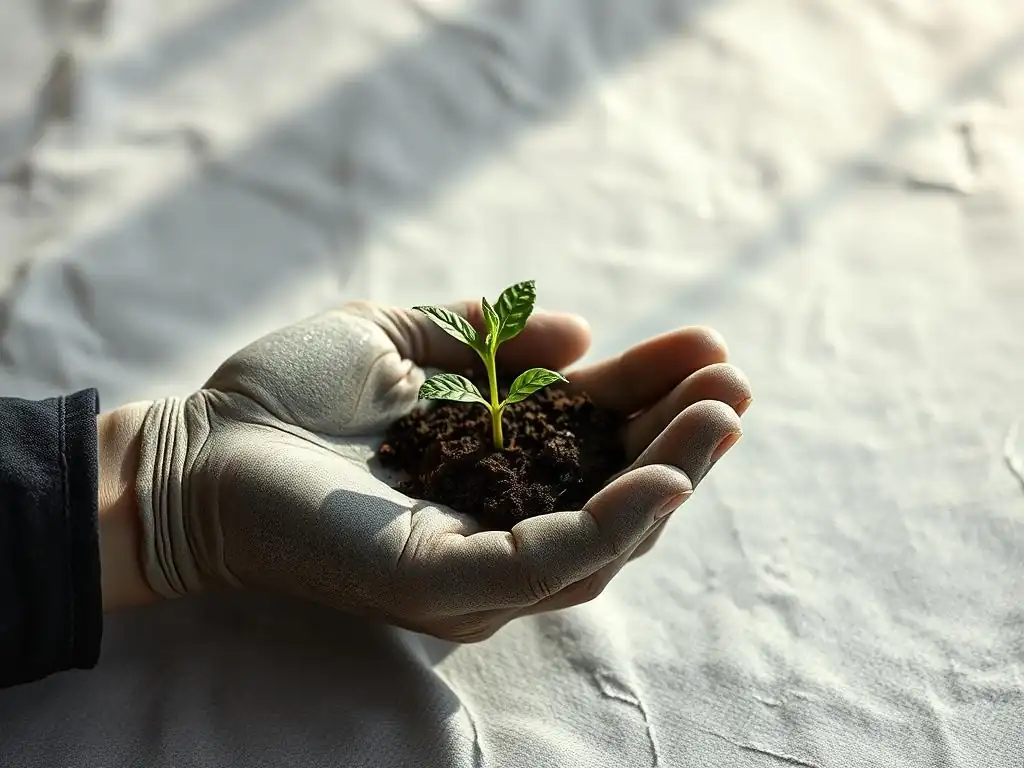
Integrating acceptance into daily life transforms it into a powerful practice for spiritual awakening. These exercises leverage the principles of mindfulness to help you meet your internal and external world with greater openness and less struggle. They are tools for cultivating mindfulness for spiritual growth by directly engaging with the experience of acceptance.
Observing Thoughts Without Judgment
Sit comfortably and close your eyes. Bring your attention to your breath for a few moments to settle the mind. Then, turn your awareness to your thoughts. Imagine your thoughts are like clouds drifting across the sky. Notice them as they appear – they might be worries, judgments, memories, plans, or fantasies. Simply observe each thought without getting caught up in its content. Do not try to push thoughts away or cling to pleasant ones.
The practice is to simply notice the thought and label it mentally (e.g., "thinking," "worry," "planning") before letting it drift on. The key is to refrain from judging the thought as 'good' or 'bad,' 'right' or 'wrong.' This exercise trains you to accept that thoughts are simply mental events, not necessarily truths or commands. By observing thoughts without judgment, you create space between yourself and your thoughts, weakening their hold and fostering a sense of inner freedom that is vital for spiritual growth.
Allowing Emotions to Arise and Pass
Emotions are powerful, and our natural tendency is often to either cling to pleasant ones or push away unpleasant ones. This exercise involves cultivating acceptance of the full spectrum of human emotion. Find a quiet space where you won't be disturbed. Bring to mind an emotion you are currently experiencing, perhaps mild frustration, sadness, or joy. Instead of analyzing the emotion or trying to change it, focus on where and how you feel it in your body.
Notice the physical sensations associated with the emotion – warmth, tightness, pressure, tingling. Breathe into these sensations, allowing the emotion to be present without resistance. Imagine breathing space into the areas of tension. Emotions are energy in motion; when we allow them to be fully felt without judgment or resistance, they naturally move and dissipate. This practice of allowing emotions to arise and pass with acceptance builds emotional resilience and deepens your capacity for empathy, crucial aspects of mindfulness for spiritual growth.
Accepting Physical Sensations Without Resistance
Our bodies are constantly providing us with sensations – some comfortable, others uncomfortable. We often resist unpleasant physical sensations like pain, itching, or fatigue. This exercise encourages you to meet these sensations with acceptance. During meditation or even while engaged in a simple activity like sitting or standing, bring awareness to your physical body. Scan your body from head to toe, noticing any sensations present.
When you encounter an uncomfortable sensation, like tension in the shoulders or a ache in the back, instead of tensing up or wishing it would go away, try to soften around it. Breathe into the area. Observe the sensation with curiosity, noticing its qualities – intensity, location, texture, temperature. Remember that sensations, like thoughts and emotions, are impermanent. By practicing acceptance of physical sensations, you reduce the secondary suffering that comes from resisting discomfort and cultivate a greater sense of presence and embodiment, which anchors mindfulness for spiritual growth.
Embracing Imperfection in Yourself and Others
We all have flaws, make mistakes, and experience moments of awkwardness or failure. Resistance to imperfection, both in ourselves and others, is a major source of suffering and judgment. This exercise involves consciously practicing self-compassion and extending that same grace outwards. Think of a recent mistake you made or a personal trait you dislike. Instead of criticizing yourself, acknowledge the imperfection with kindness. You might place a hand on your heart and say inwardly, "This is a moment of suffering (or imperfection). Suffering is a part of life. May I be kind to myself in this moment."
Similarly, bring to mind someone who has behaved in a way you found difficult or irritating. Instead of dwelling on their flaws, try to see them as a fellow human being who is also imperfect and likely experiencing their own struggles. This doesn't mean condoning harmful behavior, but accepting the reality of human imperfection reduces resentment and fosters forgiveness. Embracing imperfection cultivates humility and connection, recognizing our shared humanity, which is a cornerstone of compassion and essential for genuine mindfulness for spiritual growth.
Benefits of Acceptance for Spiritual Growth
Cultivating acceptance is not just a coping mechanism; it is a transformative practice that yields profound benefits for our inner lives and spiritual journey. By reducing internal conflict and embracing reality, we unlock new levels of peace, resilience, and connection. These benefits directly support and enhance the process of mindfulness for spiritual growth.
Increased Inner Peace and Equanimity
One of the most immediate and noticeable benefits of acceptance is a significant increase in inner peace. When we stop fighting against what is, the internal struggle ceases. Imagine the energy you expend resisting a difficult situation or emotion; acceptance frees up that energy. This leads to a state of equanimity, a stable and balanced mind that is less easily swayed by the ups and downs of life.
A mind grounded in acceptance is less reactive to external circumstances. When faced with challenges, instead of being overwhelmed by frustration or despair, you can approach them with a calmer, clearer perspective. This inner stillness is not apathy but a profound sense of peace that arises from aligning with reality. This peaceful state provides a fertile ground for deeper mindfulness for spiritual growth, allowing for clearer insight and connection.
Reduced Suffering and Emotional Reactivity
Much of our suffering comes not from the difficult events themselves, but from our resistance to them. Pain is inevitable, but suffering is often optional, created by our internal struggle against pain. By accepting difficult emotions and situations, we reduce the secondary layer of suffering caused by denial, judgment, or avoidance. For example, accepting the feeling of anxiety, rather than being anxious about being anxious, can significantly lessen its intensity.
Acceptance also reduces emotional reactivity. When we are less resistant to unpleasant feelings, we are less likely to be swept away by them or act impulsively based on them. We develop the capacity to pause, observe, and choose a response rather than simply reacting out of habit. This emotional regulation fosters resilience and allows us to navigate life's challenges with greater grace, a key outcome of effective mindfulness for spiritual growth practices.
Enhanced Compassion and Understanding
Acceptance naturally extends outwards, fostering greater compassion for others. As we learn to accept our own imperfections and struggles, we recognize that everyone else is also navigating life's difficulties and grappling with their own limitations. This shared human experience creates a bridge of understanding. Judgment and criticism often stem from a place of resistance – resisting the idea that someone could be different from our expectations or that difficult things can happen.
When we drop this resistance, we can see others with more open hearts and minds. We are more able to empathize with their pain and struggles, recognizing that their actions, like ours, often arise from complex circumstances and internal states. This enhanced compassion is not just a benefit of acceptance; it is a fundamental aspect of spiritual growth itself, moving us beyond self-concern towards a deeper connection with all beings.
Deeper Connection with Life's Flow
Resistance is like trying to swim upstream against a strong current; it is exhausting and ultimately futile. Acceptance, on the other hand, is like turning around and allowing yourself to float downstream with the current. It brings a sense of ease and alignment with the natural flow of life. When we stop trying to control everything and accept the unpredictable nature of existence, we feel more connected to the rhythm of the universe.
This connection manifests as a sense of belonging and trust. We trust that life is unfolding as it should, even when things are difficult. We feel less isolated in our struggles, recognizing that impermanence and change are universal experiences. This deeper connection is a hallmark of spiritual awakening, a feeling of being part of something larger than oneself, nurtured by the consistent practice of acceptance and mindfulness for spiritual growth.
Integrating Acceptance into Daily Life for Lasting Transformation
Spiritual growth isn't confined to meditation cushions or retreats; it's lived out in the messy reality of daily life. Integrating acceptance into our everyday interactions and experiences is where the true transformative power lies. This requires conscious effort and a willingness to practice acceptance in the midst of challenges, relationships, and the constant changes of modern living.
Cultivating Acceptance in Relationships
Relationships are fertile ground for practicing acceptance, as they constantly present us with differing opinions, behaviors, and expectations. Resistance in relationships often manifests as trying to change others, feeling frustrated by their actions, or holding onto grudges. Cultivating acceptance means acknowledging that you cannot control another person's thoughts, feelings, or behaviors. It means accepting them as they are, with their strengths and weaknesses, just as you strive to accept yourself.
This doesn't mean tolerating harmful behavior, but rather accepting the reality of who the person is in this moment. For instance, accepting that a loved one struggles with a particular habit doesn't mean you approve of it, but you accept that this is their current reality. This shift reduces conflict and allows for more genuine connection. It fosters patience and understanding, enhancing the quality of your relationships and providing opportunities for mutual mindfulness for spiritual growth.
Acceptance in the Face of Challenges
Life inevitably presents challenges: job loss, illness, financial difficulties, loss of loved ones. Our initial reaction is often resistance – denial, anger, despair, or wishing things were different. Practicing acceptance in these moments doesn't mean liking the challenge, but accepting that it is happening. It means acknowledging the reality of the situation and allowing yourself to feel the difficult emotions that arise without being consumed by them.
For example, if diagnosed with an illness, acceptance means acknowledging the diagnosis and its implications, rather than pretending it isn't real. This allows you to then focus your energy on coping, seeking treatment, and finding support, rather than being stuck in denial. Accepting challenges frees up mental and emotional resources, enabling you to navigate difficulties with greater resilience and clarity, turning obstacles into opportunities for profound mindfulness for spiritual growth.
Letting Go of Control and Attachment
Much of our resistance stems from a deep-seated need to control outcomes and a strong attachment to specific results, people, or circumstances. We become attached to how things 'should' be or how people 'should' behave. Letting go of control and attachment is a continuous practice of recognizing that life is inherently unpredictable and that clinging only causes suffering when things inevitably change.
This involves consciously releasing the reins in situations where you have no real control. It might mean trusting a process, allowing others to make their own choices, or accepting that an outcome is uncertain. For example, submitting a job application and then letting go of the outcome, rather than agonizing over it. Practicing non-attachment allows you to appreciate experiences and relationships while they are present, without the fear of loss dominating your experience. This detachment from outcomes is crucial for freeing the spirit and deepening mindfulness for spiritual growth.
Overcoming Challenges in Practicing Acceptance
Practicing acceptance is not always easy. We will inevitably encounter situations or emotions that trigger strong resistance. Common challenges include the fear that acceptance means resignation or giving up, the difficulty of accepting intense pain or injustice, and the habit of judgment being deeply ingrained. It's important to approach these challenges with patience and self-compassion.
Recognize that acceptance is a skill that develops over time. It's okay to struggle. When resistance arises, simply notice it without judgment – that in itself is a form of acceptance ("I am resisting this"). Remind yourself that acceptance is not condoning harm or giving up on positive change, but rather starting from a place of clear-eyed reality. Seek support from friends, therapists, or spiritual communities if needed. Persistence and gentle effort are key to navigating these difficulties and sustaining your path of mindfulness for spiritual growth.
The Interplay of Acceptance and Spiritual Practices

Acceptance doesn't exist in a vacuum; it is deeply interconnected with other core spiritual practices. It acts as both a foundation for and an outcome of engaging in activities like forgiveness, gratitude, and surrender. These practices mutually reinforce each other, creating a powerful synergy that propels us forward on the path of mindfulness for spiritual growth.
Acceptance and Forgiveness: Releasing the Past
Acceptance is a prerequisite for genuine forgiveness. Forgiveness involves releasing resentment and anger towards someone who has wronged you, or towards yourself for past mistakes. This release is only possible when you first accept the reality of what happened. Resisting the past – wishing it hadn't occurred or staying stuck in the pain – prevents the possibility of letting go.
Accepting that an event occurred, and that you experienced pain as a result, allows you to process those emotions without fighting them. From that place of acceptance, the space for forgiveness opens up. You accept that the past cannot be changed, but you can choose how you relate to it in the present. This act of releasing the burden of the past through acceptance and forgiveness is incredibly liberating and essential for unhindered mindfulness for spiritual growth.
Acceptance and Gratitude: Appreciating the Present
Acceptance anchors us firmly in the present moment, which is precisely where gratitude resides. When we resist reality, we are often focused on what is missing, what is wrong, or what we fear losing. This state of mind makes it difficult to appreciate the good that is already present. Acceptance allows us to see reality clearly, including the simple blessings and positive aspects of our lives.
By accepting 'what is,' we become more attuned to the richness of the present moment – the taste of food, the beauty of nature, the connection with a loved one, the simple fact of being alive. This heightened awareness naturally gives rise to feelings of gratitude. Acceptance opens our eyes to the myriad things we have to be thankful for, fostering a positive feedback loop where acceptance leads to gratitude, and gratitude deepens acceptance of the present moment's gifts. Both are vital components of a joyful practice of mindfulness for spiritual growth.
Acceptance and Surrender: Trusting the Universe
Acceptance is closely linked to the spiritual practice of surrender. Surrender does not mean giving up or becoming passive; it means relinquishing the ego's desperate need for control and placing trust in a higher power, the universe, or the inherent wisdom of life's unfolding. This trust is built upon the foundation of acceptance – accepting that we are not ultimately in control of everything and that there are forces at play beyond our individual will.
When we accept our limitations and the unpredictable nature of existence, we can surrender our rigid plans and expectations. This allows us to be more open to guidance, intuition, and unexpected opportunities. Surrender is an act of profound humility and trust, enabling us to flow with life rather than constantly battling it. This ability to surrender, born from acceptance, is a powerful catalyst for releasing fear and stepping into a deeper, more trusting relationship with life, vital for advanced mindfulness for spiritual growth.
Advanced Practices for Spiritual Exploration Through Acceptance
As acceptance deepens, it can lead to more advanced forms of spiritual exploration. These practices challenge us to embrace even the most difficult aspects of existence and the self, pushing the boundaries of our capacity for non-resistance and opening pathways to profound liberation and wisdom. They represent the cutting edge of using mindfulness for spiritual growth through the lens of acceptance.
Radical Acceptance: Embracing All Aspects of Yourself
Radical acceptance, a term popularized in dialectical behavior therapy (DBT), extends acceptance to include painful realities that seem unbearable or unfair. In a spiritual context, it means embracing all aspects of yourself – your flaws, your past mistakes, your difficult emotions, your shadow side – without judgment or the desire to change them in that moment. It means accepting your entire human experience, including the parts you wish weren't there.
This is not about liking these aspects, but about acknowledging their existence with a willingness to be with them. It means accepting your vulnerabilities, your history, and your current limitations. For example, radically accepting a chronic illness means embracing the reality of living with it, including the limitations and pain, without fighting the fact that you have it. This profound self-acceptance is a powerful act of self-love and integration, crucial for healing and advancing mindfulness for spiritual growth beyond superficial levels.
Acceptance of Death and Dying: Finding Peace in Mortality
Perhaps the most challenging aspect of impermanence to accept is our own mortality and the death of loved ones. Resistance to death is deeply ingrained, fueled by fear of the unknown, loss of control, and attachment to life as we know it. Cultivating acceptance of death is a profound spiritual practice that can bring immense peace and a heightened appreciation for life.
This involves contemplating impermanence not just intellectually, but viscerally. Practices might include meditating on the transient nature of all things, reflecting on the certainty of death, or engaging in 'death meditations' that visualize the process of dying. By confronting our resistance to death and gradually accepting it as a natural part of the life cycle, we can live more fully in the present, free from the pervasive anxiety that resistance to mortality often creates. This acceptance transforms fear into a deeper understanding of the preciousness of life and is a pinnacle of mindfulness for spiritual growth.
Cultivating Non-Attachment: Letting Go of Expectations
Non-attachment is a core principle in many spiritual traditions and a natural extension of acceptance. It means releasing our grasping, clinging, and craving for things to be a certain way. We become attached to outcomes, identities, possessions, even feelings. When these inevitably change or are lost, we suffer. Cultivating non-attachment involves recognizing the impermanent nature of everything and practicing letting go.
This doesn't mean not caring or not pursuing goals, but doing so with an open hand rather than a clenched fist. It's about putting effort into positive actions while accepting that the results are not entirely within our control. For example, working hard towards a goal but accepting that unforeseen circumstances might alter the outcome. Practicing non-attachment reduces fear of loss and allows us to experience life with greater freedom and flexibility, essential for a liberated state of mindfulness for spiritual growth.
Resources for Deepening Your Understanding of Acceptance
Embarking on the path of acceptance is a lifelong journey. Fortunately, there are many resources available to support your practice and deepen your understanding. Engaging with these resources can provide guidance, inspiration, and connection as you continue to cultivate acceptance as a key element of your mindfulness for spiritual growth.
Recommended Books on Acceptance and Spirituality
Numerous authors and teachers have explored the themes of acceptance, impermanence, and their connection to spiritual life. While specific titles cannot be listed here, look for books by authors who integrate psychology, mindfulness, and spiritual wisdom. Topics might include mindfulness-based stress reduction (MBSR), dialectical behavior therapy (DBT) which includes radical acceptance, Buddhist philosophy on impermanence and non-attachment, or general works on spiritual growth and letting go. Reading offers different perspectives and practical techniques to help you navigate the challenges of resistance and embrace acceptance more fully.
Workshops and Retreats Focusing on Acceptance
Participating in workshops or retreats provides an immersive environment dedicated to learning and practicing acceptance. These often include guided meditations, teachings, group discussions, and opportunities for quiet reflection. Programs focused on mindfulness, compassion, or specific spiritual traditions will often incorporate acceptance as a central theme. Look for retreats led by experienced teachers who can guide you through practices designed to build your capacity for non-resistance and enhance your mindfulness for spiritual growth in a supportive setting.
Finding a Supportive Community or Mentor
Connecting with others who are also on a path of spiritual growth and acceptance can be incredibly valuable. A supportive community can offer encouragement, shared wisdom, and a sense of belonging. This might be a meditation group, a spiritual community, or a peer support network. A mentor, such as a therapist specializing in mindfulness or a spiritual teacher, can provide personalized guidance, help you navigate specific challenges with resistance, and offer insights tailored to your unique journey. Sharing your experiences and learning from others reinforces your commitment to acceptance and deepens your practice of mindfulness for spiritual growth.
Frequently Asked Questions
What is the connection between mindfulness and spiritual growth as discussed in the article?
The article explores how mindfulness practices can help you transcend the ego, leading to a deeper connection with your inner self and facilitating spiritual growth. It is about finding your true self.
How can mindfulness help overcome ego-centric tendencies?
Mindfulness allows you to observe your thoughts and emotions without judgment, which helps you to detach from ego-driven narratives and gain a more objective perspective. This detachement helps to grow spiritually.
What specific mindfulness techniques are recommended for spiritual development?
The article likely recommends techniques such as meditation, mindful breathing, and body scan exercises as tools to cultivate present moment awareness, which is crucial for spiritual development.
Is prior spiritual experience required to benefit from mindfulness for spiritual growth?
No, no prior experience is necessary. Mindfulness is a practice that can be beneficial to anyone, regardless of their spiritual background or beliefs. This is a personal journey.
What are some potential benefits of integrating mindfulness into my spiritual practice?
Integrating mindfulness can lead to increased self-awareness, inner peace, and a deeper sense of connection to something larger than yourself. The result would be spiritual enrichment.
Final Reflection: Cultivating Inner Peace Through Mindful Living
The pursuit of spiritual growth through mindfulness is not a fleeting trend; it's a timeless human yearning for deeper connection and inner peace. In a world increasingly dominated by external distractions and the relentless demands of the ego, the practice of mindfulness offers a powerful antidote, a pathway to self-discovery and a richer, more meaningful existence. This journey, as explored throughout this article, requires consistent effort and self-compassion, but the rewards—a quieter mind, a more compassionate heart, and a deeper sense of purpose—are immeasurable.
The impact of mindfulness on our cultural landscape is undeniable, shifting from a niche practice to a widely recognized tool for stress reduction and personal development. Its influence extends beyond individual well-being, touching upon broader societal issues such as empathy, compassion, and the cultivation of a more peaceful and harmonious world. As Thich Nhat Hanh eloquently stated, Peace is not merely the absence of war, but the presence of justice, compassion, and understanding.
This quote encapsulates the transformative potential of mindfulness, extending its benefits far beyond the individual to create ripples of positive change in the world around us.
Now, consider your own journey. What aspects of mindfulness resonate most deeply with you? Where do you see opportunities to integrate these practices into your daily life, to quiet the noise of the ego and cultivate a deeper connection with your inner self?
Perhaps it's through a daily meditation practice, mindful breathing exercises, or simply paying closer attention to the present moment. Embrace the journey, be patient with yourself, and allow the transformative power of mindfulness to guide you towards a more authentic and fulfilling life. The path to spiritual growth is a personal one, but the destination—a life lived with greater presence, purpose, and peace—is worth the effort.
Unveil Your Inner Peace: Start Your Mindfulness Journey Today
Thanks for taking the time to explore the path to inner peace through mindfulness! We hope you gained valuable insights into cultivating a deeper connection with yourself. Now, it's time to put these insights into action.
- Begin your daily mindfulness practice: Start small, even just 5 minutes a day, focusing on your breath or body sensations. Consistency is key!
- Share your experience: Tell a friend or family member about your mindfulness journey and invite them to join you. Sharing your practice can deepen its impact.
- Explore guided meditations: There are countless free resources available online and apps that can guide you through different mindfulness techniques.
Ready to embark on this transformative journey? What small step will you take today to nurture your spiritual self?