
Beyond the Surface: Discovering Deep Meaning Through Spiritual Practices


Welcome to Mind Care Guide, a sanctuary dedicated to nurturing your mental well-being.
Are you feeling a disconnect, a yearning for something more than the everyday? Perhaps the answer lies within. This week, we delve into the profound connection between inner peace and mental health, exploring how spiritual practices improve mental wellbeing. Curious to uncover how ancient wisdom can unlock your inner resilience and bring lasting peace? Join us as we embark on a journey beyond the surface, discovering the deep meaning and transformative power of spirituality in your life.
Cultivating Resilience: Integrating Mindfulness, Nature, and Connection
- Introduction: Resilience as a Foundation for Wellbeing
- Understanding Resilience-Building Practices and Their Benefits
- Key Practices to Cultivate Resilience
- Integrating Resilience-Building Practices into Daily Life
- Measuring the Impact of Resilience-Building Practices
- Conclusion: Embracing Resilience for a More Fulfilling Life
-
Frequently Asked Questions
- How can spiritual practices specifically contribute to mental wellbeing?
- What are some examples of spiritual practices that are easily accessible and beneficial for mental health?
- How does spiritual wellbeing differ from, or relate to, mental health?
- Is it necessary to be religious to benefit from spiritual practices in improving mental wellbeing?
- How often should I engage in spiritual practices to see a positive impact on my mental health?
- Final Reflection: The Enduring Power of Inner Peace
- Unlock Your Inner Wisdom: Take the Next Step on Your Journey
Introduction: Resilience as a Foundation for Wellbeing
Our mental, emotional, and social states are not isolated silos but are deeply intertwined, forming a complex ecosystem that dictates our overall wellbeing. Think of it like a three-legged stool: if one leg is weak, the entire structure becomes unstable. For instance, persistent emotional distress, such as anxiety or sadness, can significantly impair cognitive functions like focus and decision-making, directly impacting mental clarity. Simultaneously, these emotional states can lead to social withdrawal, weakening connections and support systems that are crucial for navigating life's challenges.
Conversely, positive interactions in one area can bolster the others. Strong social bonds provide emotional support during tough times, which in turn helps maintain mental equilibrium. Engaging in activities that boost emotional regulation, like recognizing and processing feelings constructively, can improve interpersonal relationships and reduce social friction. This holistic view underscores why efforts to improve one aspect of wellbeing often have ripple effects, strengthening the entire system and highlighting how practices improve mental wellbeing across multiple dimensions.
Why Resilience-Building Practices are Essential
In a world characterized by rapid change and unpredictable challenges, the ability to bounce back from adversity is not merely beneficial; it's essential for sustained wellbeing. Resilience acts as a buffer against stress, trauma, and everyday difficulties, allowing individuals to navigate hardships without succumbing to prolonged distress or burnout. Without intentional resilience-building, individuals may find themselves overwhelmed by setbacks, leading to chronic stress, anxiety disorders, or depression.
Investing time and effort in resilience-building practices equips us with the tools and internal resources needed to face challenges head-on, adapt effectively, and even emerge stronger from difficult experiences. These practices, which often touch upon aspects that contribute to a sense of meaning or connection, underscore how various practices improve mental wellbeing by enhancing our capacity to cope, fostering a more positive outlook, and strengthening our internal foundation against external pressures.
Understanding Resilience-Building Practices and Their Benefits
Defining Resilience: Bouncing Back and Growing Stronger
Resilience is often described as the process of adapting well in the face of adversity, trauma, tragedy, threats, or significant sources of stress—such as family and relationship problems, serious health problems, or workplace and financial stressors. More than just "bouncing back," it involves growing stronger and developing new coping mechanisms and perspectives through the experience. It's not an innate trait possessed by a few, but rather a capacity that can be learned and developed over time through conscious effort and specific practices.
Resilience isn't about avoiding pain or difficulty; it's about navigating it effectively. It involves flexibility, problem-solving skills, the ability to regulate emotions, and maintaining a sense of hope and purpose. Research suggests that resilient individuals are better equipped to handle high-stress situations, demonstrating lower levels of physiological markers of stress like cortisol and faster recovery rates after stressful events. For instance, a study involving university students found that those scoring higher on resilience scales reported significantly lower levels of perceived stress and depression during exam periods compared to their less resilient peers.
The Multifaceted Benefits of Resilience for Wellbeing
Cultivating resilience yields a wide array of benefits that profoundly impact mental, emotional, and even physical health. These benefits extend beyond merely coping with stress to actively enhancing one's quality of life and capacity for growth.
Improved Stress Management and Coping Skills
Resilience directly enhances our ability to manage stress. Instead of being overwhelmed by stressors, resilient individuals are better able to appraise challenges realistically, develop effective coping strategies, and mobilize resources to address the situation. For example, research indicates that individuals with higher resilience scores are less likely to engage in maladaptive coping mechanisms like avoidance or substance use when faced with stress.
A survey published in 2022 indicated that adults with higher self-reported resilience were 40% less likely to report feeling overwhelmed by stress compared to those with lower resilience. This demonstrates a tangible link between resilience and effective stress navigation.
Enhanced Emotional Regulation and Self-Soothing
A key component of resilience is the ability to understand, process, and regulate one's emotions. Resilient individuals can experience difficult emotions like sadness, anger, or fear without being consumed by them. They possess a greater capacity for self-soothing and can recover more quickly from emotional setbacks. Studies using neuroimaging have shown that resilient individuals exhibit different patterns of brain activity in areas associated with emotional processing, suggesting a more efficient and adaptive response to emotional stimuli. This enhanced emotional regulation is vital for maintaining stable mental health and healthy relationships.
Increased Self-Efficacy and Confidence
Resilience is intrinsically linked to self-efficacy – the belief in one's ability to succeed in specific situations or accomplish a task. As individuals successfully navigate challenges through their resilience skills, they build confidence in their capacity to handle future difficulties. This positive feedback loop strengthens self-efficacy, encouraging them to take on new challenges and pursue goals with greater determination. A study on individuals recovering from significant life events found that increased resilience was strongly correlated with higher levels of self-efficacy and a greater likelihood of achieving personal recovery goals within a 12-month period.
Cultivating a Sense of Hope and Optimism
Resilient individuals tend to maintain a more optimistic outlook, even in the face of adversity. They are better able to see possibilities and opportunities amidst difficulties, fostering a sense of hope that fuels their motivation to persevere. This doesn't mean they ignore reality, but rather that they focus on solutions and growth potential. Research suggests that optimism can act as a protective factor against depression and anxiety, and that cultivating resilience through practices like gratitude can actively foster a more hopeful perspective on life's challenges, illustrating how these practices improve mental wellbeing by shifting internal perspectives.
Key Practices to Cultivate Resilience
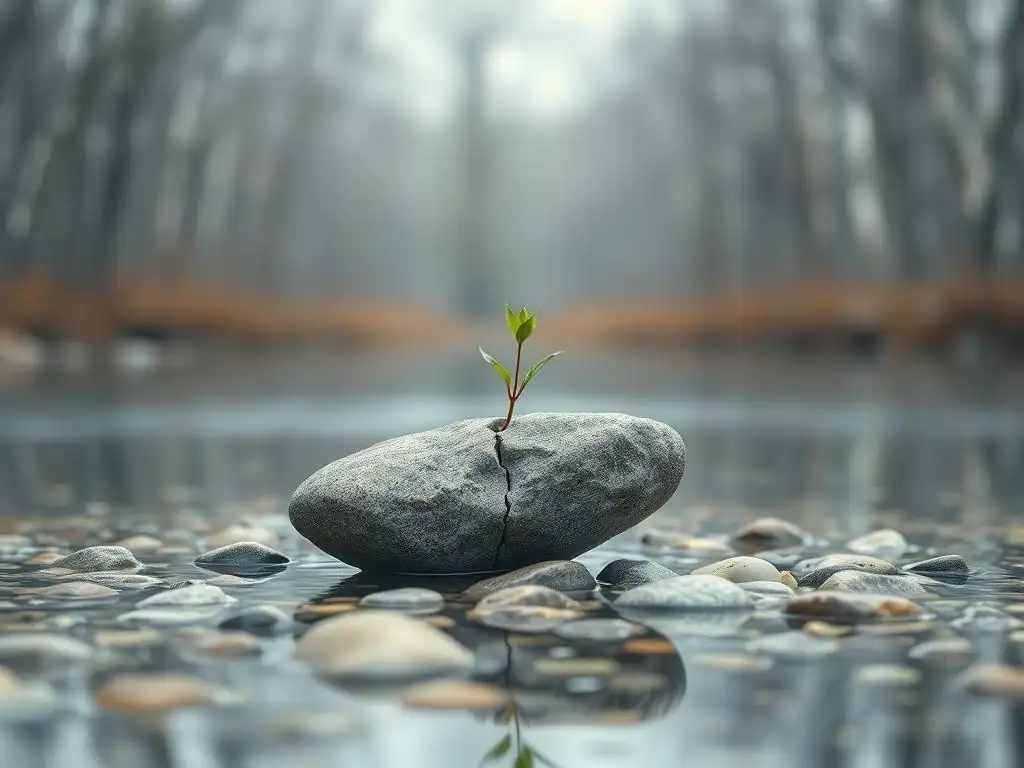
Mindfulness Meditation: Anchoring in the Present Moment
Mindfulness meditation is a practice that involves focusing one's attention on the present moment without judgment. It's about observing thoughts, feelings, bodily sensations, and the surrounding environment with a sense of open curiosity. Regularly practicing mindfulness helps to train the mind to be less reactive to stressful thoughts and emotions, fostering a greater sense of calm and clarity. This anchor in the present allows individuals to step back from rumination about the past or worry about the future, which are significant sources of distress.
Incorporating mindfulness into daily life can be transformative for building resilience. It provides a tool to pause, breathe, and respond to challenges thoughtfully rather than reacting impulsively. This practice, which can be deeply personal and for some, takes on a spiritual dimension by fostering a connection to the present and a sense of inner peace, significantly contributes to how practices improve mental wellbeing by enhancing self-awareness and emotional control.
Techniques for Practicing Mindfulness Meditation
Mindfulness meditation can take many forms, from formal seated meditation sessions to informal moments of mindful awareness throughout the day. A common technique involves finding a quiet place, sitting comfortably, and focusing attention on the breath. When the mind wanders (which it will), the practice is simply to notice the wandering thought without judgment and gently bring the attention back to the breath. This simple act of returning to the breath is the core exercise of mindfulness.
Other techniques include body scans, where attention is systematically brought to different parts of the body to notice sensations, or walking meditation, focusing on the physical feeling of walking. Even simple acts like mindfully eating a meal, paying full attention to the tastes, textures, and smells, or mindfully listening to music can cultivate present moment awareness. Starting with just 5-10 minutes a day can yield significant benefits over time, making mindfulness meditation an accessible practice for enhancing resilience.
Benefits of Mindfulness Meditation for Emotional Regulation and Stress Reduction
Extensive research supports the efficacy of mindfulness meditation in improving emotional regulation and reducing stress. Studies have shown that regular mindfulness practice can lead to measurable changes in brain structure and function, particularly in areas associated with attention, emotional regulation, and self-awareness. For example, research from 2018 indicated that an 8-week mindfulness program led to a significant reduction in symptoms of anxiety and depression in participants, with anxiety scores dropping by an average of 26% and depression scores by 30% in one cohort.
Mindfulness helps individuals become more aware of their emotional states without being overwhelmed by them. This allows for a more skillful response to difficult emotions, rather than automatic reactivity. By observing thoughts and feelings as temporary phenomena rather than absolute truths, individuals gain a greater sense of control and perspective, which is crucial for navigating stressful situations and bolstering resilience.
Nature Immersion: Reconnecting with the Natural World
Spending time in nature, often referred to as nature immersion or "forest bathing" (Shinrin-yoku), involves consciously engaging with the natural environment through our senses. This practice is rooted in the understanding that humans have a deep, innate connection to the natural world, and that spending time outdoors can have profound restorative effects on our physical and mental health. It's not just about being outside, but about intentionally noticing the sights, sounds, smells, and textures of nature.
From walking in a park or forest to simply sitting by a tree or tending a garden, nature immersion offers a potent antidote to the stressors of modern life. It provides a sense of perspective, reduces mental fatigue, and promotes a feeling of calm and groundedness. This connection to something larger than ourselves can also contribute to a sense of meaning, aligning with how various practices improve mental wellbeing by fostering a deeper connection to the world around us.
The Physiological and Psychological Benefits of Nature
Research consistently demonstrates the significant physiological and psychological benefits of nature exposure. Studies have shown that spending time in natural environments can lower cortisol levels (a key stress hormone), reduce blood pressure and heart rate, and boost immune function. For instance, one study found that participants who spent 30 minutes walking in a forest had significantly lower cortisol levels compared to those who walked in an urban environment.
Psychologically, nature immersion has been linked to reduced symptoms of anxiety and depression, improved mood, increased feelings of vitality, and enhanced cognitive function, including improved attention span. The calming effect of natural landscapes and sounds helps to quiet the "busy" mind and promote a state of relaxed alertness, making it a powerful tool for stress reduction and resilience building.
Simple Ways to Incorporate Nature into Daily Life
Even small doses of nature can be beneficial. Incorporating nature into daily life doesn't require a wilderness expedition. Simple strategies include taking a short walk in a local park during lunch breaks, spending time in your backyard or on a balcony with plants, bringing natural elements like plants or stones into your living space, or simply sitting by a window with a view of trees or green space.
Mindful engagement with nature enhances the benefits – try sitting quietly and observing the details of a single leaf or listening intently to the sounds of birds. Planning weekend trips to hiking trails or natural reserves can provide more extended immersion. Even looking at images or videos of nature can have a positive, albeit less potent, effect. Making a conscious effort to integrate nature throughout the week provides consistent support for mental and emotional resilience.
Humans are inherently social creatures, and strong social connections are fundamental to our wellbeing and resilience. Supportive relationships with family, friends, partners, or community members provide a sense of belonging, validation, and emotional support during difficult times. Knowing you are not alone and having people to turn to for help, advice, or simply a listening ear significantly buffers the impact of stress and adversity.
Isolation and loneliness, conversely, are detrimental to both mental and physical health, increasing the risk of depression, anxiety, and even chronic diseases. Actively nurturing and maintaining social bonds is therefore a vital practice for building and sustaining resilience. These connections provide a framework of support that reinforces how social practices improve mental wellbeing by offering comfort, perspective, and practical assistance when needed.
The Importance of Social Support for Wellbeing
The evidence for the importance of social support is overwhelming. Longitudinal studies consistently show that individuals with strong social networks live longer, healthier lives and recover more effectively from illness and trauma. For example, research indicates that individuals with robust social support are significantly less likely to develop symptoms of PTSD after experiencing a traumatic event compared to those with limited support.
Social connections provide different types of support: emotional support (empathy, love, trust), instrumental support (tangible aid and services), informational support (advice and guidance), and appraisal support (constructive feedback). Having access to these varied forms of support enhances our ability to problem-solve, regulate emotions, and maintain a positive outlook when faced with challenges, directly contributing to resilience.
Strategies for Strengthening Social Connections
Building and maintaining strong social connections requires conscious effort. This includes making time for loved ones, actively listening when others share, offering support, and expressing gratitude for the relationships you have. Initiating contact, even a quick text or call, can help maintain ties. Joining groups or clubs based on shared interests is an excellent way to meet new people and expand your social circle.
Being authentic and vulnerable in relationships fosters deeper connections. Sharing your thoughts and feelings, while also being a supportive listener for others, builds trust and intimacy. Setting healthy boundaries is also important to ensure relationships are mutually beneficial and not draining. Prioritizing time for social interactions, even when busy, is an investment in your resilience and overall wellbeing.
Gratitude Practice: Focusing on the Positive
Gratitude is the quality of being thankful; readiness to show appreciation for and to return kindness. A gratitude practice involves consciously acknowledging and appreciating the good things in your life, no matter how small. This simple act of shifting focus towards the positive can have a powerful impact on mood, perspective, and resilience. It helps counteract the brain's natural "negativity bias," which tends to focus more on threats and problems.
Cultivating gratitude isn't about ignoring difficulties, but about widening your perspective to include the positive aspects of your life alongside the challenges. This practice can foster a sense of contentment, reduce feelings of envy or resentment, and strengthen relationships by acknowledging the contributions of others. For many, reflecting on what they are grateful for can connect them to a sense of abundance or blessing, illustrating how such practices improve mental wellbeing by fostering a positive internal state and a sense of connection to the good in life.
Techniques for Cultivating Gratitude
There are many simple and effective ways to cultivate gratitude. Keeping a gratitude journal is a popular method, where you write down 3-5 things you are grateful for each day. These can be major life events or simple pleasures like a good cup of coffee or a sunny day. The key is consistency.
Other techniques include mentally listing things you are grateful for during your commute or before bed, writing thank-you notes (even if unsent) to people who have positively impacted you, or simply taking a moment each day to pause and savor something you appreciate. Expressing gratitude directly to others is also a powerful way to strengthen both your own feelings of gratitude and your relationships.
Benefits of Gratitude for Mood and Perspective
Research robustly supports the benefits of gratitude for mental wellbeing. Studies by psychologists like Dr. Robert Emmons have shown that individuals who regularly practice gratitude report higher levels of positive emotions, optimism, and life satisfaction. They also tend to experience lower levels of depression and anxiety. For instance, participants in gratitude interventions have reported a significant increase in happiness scores, sometimes by as much as 10-15% over several weeks.
Gratitude helps reframe challenges by focusing on lessons learned or the support received during difficult times. It shifts attention away from what is lacking towards what is present, fostering a sense of sufficiency and contentment. This positive shift in perspective is crucial for maintaining resilience in the face of adversity, highlighting how practices improve mental wellbeing by altering our cognitive and emotional landscape.
Physical Activity: Strengthening Body and Mind
The link between physical health and mental wellbeing is undeniable. Regular physical activity is not only crucial for physical health but also serves as a powerful tool for building resilience. Exercise helps manage stress, improve mood, boost energy levels, and enhance cognitive function. It provides a healthy outlet for pent-up energy or frustration and promotes the release of endorphins, natural mood boosters.
Engaging in physical activity offers a sense of accomplishment and control, which can be particularly important when feeling overwhelmed by external circumstances. It's a tangible way to invest in your own wellbeing and build physical strength, which can translate into mental fortitude. This active engagement with one's physical self is a fundamental practice that improves mental wellbeing by enhancing both physiological and psychological states.
The Link Between Physical Health and Mental Wellbeing
The connection between physical activity and mental health is supported by extensive scientific evidence. Regular exercise has been shown to reduce symptoms of depression and anxiety, improve sleep quality, and boost self-esteem. It affects brain chemistry by increasing levels of neurotransmitters like serotonin and norepinephrine, which are associated with mood regulation. Furthermore, physical activity can reduce inflammation, which has been linked to various mental health conditions.
Studies have demonstrated that even moderate levels of physical activity, such as 30 minutes of brisk walking most days of the week, can have a significant positive impact on mental health. For individuals experiencing mild to moderate depression, exercise can be as effective as medication or therapy in some cases. This strong link underscores why physical activity is a cornerstone of a holistic approach to resilience.
Types of Physical Activity that Promote Resilience
Almost any form of physical activity can contribute to resilience, but some may offer unique benefits. Aerobic exercises like running, swimming, or cycling are excellent for stress reduction and mood elevation. Strength training can boost confidence and body image. Mind-body practices like yoga or Tai Chi combine physical movement with mindfulness and breathwork, offering benefits for both physical and emotional regulation.
Finding an activity you enjoy is key to consistency. Whether it's dancing, hiking, playing a sport, or simply taking regular walks, the important thing is to move your body regularly. Aim for at least 150 minutes of moderate-intensity aerobic activity or 75 minutes of vigorous-intensity activity per week, plus muscle-strengthening activities at least two days a week, as recommended by health organizations. This commitment to physical health is a direct investment in your mental resilience.
Integrating Resilience-Building Practices into Daily Life

Creating a Personalized Resilience Plan
Building resilience is an ongoing journey, not a destination. Integrating these practices effectively requires intentionality and planning. Start by identifying which practices resonate most with you and are most feasible to incorporate into your current routine. A personalized resilience plan should be realistic, flexible, and tailored to your individual needs and circumstances.
Consider setting specific, achievable goals, such as "meditate for 10 minutes daily" or "spend 20 minutes in a park three times a week." Schedule these activities like any other important appointment. Reflect on potential obstacles and brainstorm strategies to overcome them. Your plan should also include strategies for seeking support when needed and adapting your practices as your life changes.
Overcoming Challenges and Maintaining Consistency
Maintaining consistency with new habits can be challenging. Life happens, and sometimes our best intentions fall by the wayside. Don't strive for perfection; aim for progress. If you miss a day or a week, don't view it as a failure. Simply acknowledge it and recommit to your practice the next day. Be patient and compassionate with yourself.
Identify what makes consistency difficult – is it lack of time, motivation, or external barriers? Address these challenges directly. Break down practices into smaller, more manageable steps. Find an accountability partner or join a group. Remind yourself why these practices are important for your wellbeing and resilience. Celebrate small victories along the way to reinforce positive behavior.
Seeking Support and Guidance from Others
You don't have to build resilience alone. Seeking support from others is a sign of strength, not weakness. Talk to friends, family, or a therapist about your efforts to build resilience and the challenges you face. They can offer encouragement, perspective, and practical help. Sharing your journey can also strengthen your social connections.
Consider working with a therapist or counselor who specializes in resilience or stress management. They can provide personalized guidance, teach specific coping skills, and help you navigate underlying issues that may be impacting your ability to cope. Joining support groups, either online or in person, where others are also working on resilience or dealing with similar challenges can provide valuable peer support and shared wisdom.
Measuring the Impact of Resilience-Building Practices
Tracking Progress and Identifying Improvements
Measuring the impact of resilience-building practices can help you stay motivated and identify what is working best for you. This doesn't require complex metrics. Simple methods include journaling about how you feel before and after practicing, noting changes in your mood, energy levels, or ability to handle stress over time.
You can also track specific indicators, such as how often you feel overwhelmed in a week, the quality of your sleep, or your overall sense of optimism. Apps designed for mood tracking or habit building can be useful tools. Periodically review your notes or data to see patterns and acknowledge the progress you've made. This tangible evidence reinforces the value of your efforts.
Recognizing Signs of Increased Resilience
As you consistently engage in resilience-building practices, you'll start to notice subtle and significant signs of increased resilience. You might find yourself reacting less intensely to stressful situations, recovering more quickly from setbacks, or feeling a greater sense of control over your emotions. You may observe improved problem-solving skills, increased patience, or a stronger sense of hope for the future.
Other signs include feeling more connected to others, experiencing more moments of joy or contentment, or having a greater appreciation for the simple things in life. Pay attention to how you navigate daily challenges and how you feel overall. These changes are indicators that your resilience is growing, demonstrating how consistent practices improve mental wellbeing and your capacity to thrive.
Adjusting Practices to Meet Evolving Needs
Resilience is dynamic, and your needs will change over time. What worked well when you started might need adjustment as you face new challenges or enter different life stages. Be flexible and willing to adapt your practices. If a particular technique no longer feels effective, try a different one. If your schedule changes, find ways to modify your routine to maintain consistency.
Periodically reassess your resilience plan and make adjustments as needed. Are you facing a particularly stressful period? You might need to increase the frequency or duration of your practices. Are you feeling more stable? You might explore new practices or deepen your existing ones. Resilience building is a lifelong process of learning, adapting, and growing.
Conclusion: Embracing Resilience for a More Fulfilling Life
The Long-Term Benefits of Cultivating Resilience
Cultivating resilience through consistent practice offers profound long-term benefits that extend far beyond simply coping with stress. It lays the foundation for a more fulfilling and meaningful life. Over time, increased resilience leads to improved mental health, stronger relationships, greater success in navigating challenges, and a deeper sense of purpose. It equips you with the internal strength to not just survive adversity, but to learn and grow from it.
The practices discussed – mindfulness, nature immersion, social connection, gratitude, and physical activity – are powerful tools that, when integrated, create a robust framework for resilience. They enhance our ability to manage stress, regulate emotions, maintain perspective, and foster a positive outlook. This journey of building resilience is an investment in your present and future wellbeing, demonstrating unequivocally how dedicated practices improve mental wellbeing and overall life satisfaction.
Continuing the Journey of Self-Discovery and Growth
Building resilience is an ongoing journey of self-discovery and growth. It involves continuously learning about yourself, understanding your strengths and vulnerabilities, and developing new skills to navigate life's complexities. Each challenge overcome, each moment of mindfulness, each connection nurtured contributes to a stronger, more adaptable you.
Embrace this journey with curiosity and compassion. Recognize that setbacks are part of the process and opportunities for further learning. By committing to these resilience-building practices, you are actively shaping your capacity to not only withstand the storms of life but to find deeper meaning and thrive amidst them.
Frequently Asked Questions
How can spiritual practices specifically contribute to mental wellbeing?
Spiritual practices offer a sense of purpose and connection, which can combat feelings of isolation and despair. They often promote mindfulness and acceptance, reducing stress and anxiety. This ultimately contributes to improved emotional regulation.
What are some examples of spiritual practices that are easily accessible and beneficial for mental health?
Common examples include meditation, yoga, and mindfulness. Engaging in nature walks and acts of service can also foster a sense of connection and purpose. Remember to choose practices that resonate with your personal beliefs.
How does spiritual wellbeing differ from, or relate to, mental health?
While mental health encompasses cognitive and emotional functioning, spiritual wellbeing focuses on meaning, purpose, and connection. Spiritual practices can positively impact mental health by providing coping mechanisms and a sense of hope. They are interconnected but distinct aspects of overall wellbeing.
Is it necessary to be religious to benefit from spiritual practices in improving mental wellbeing?
No, spiritual practices don't require religious affiliation. The focus is on cultivating inner peace, meaning, and connection. This can be achieved through various activities that align with your personal values, regardless of religious beliefs.
How often should I engage in spiritual practices to see a positive impact on my mental health?
Consistency is key. Even short, regular sessions can be effective. Aim for at least a few times per week and gradually increase the frequency as you feel comfortable. Listen to your body and mind and adjust accordingly.
Final Reflection: The Enduring Power of Inner Peace
The pursuit of spiritual practices is not a fleeting trend; it's a fundamental human need, deeply intertwined with our mental and emotional wellbeing in a world increasingly demanding resilience. The evidence presented throughout this article demonstrates a clear link between consistent engagement in spiritual practices and improved mental health outcomes, from reduced stress and anxiety to increased self-awareness and compassion. This is not simply a matter of personal preference; it's a pathway to a healthier, more fulfilling life.
The impact of spiritual practices extends far beyond individual benefit; they shape our cultural landscape, influencing how we connect with ourselves, each other, and the world around us. These practices, whether meditation, prayer, yoga, or mindful living, foster a sense of community and shared purpose, offering solace in times of uncertainty and promoting empathy in a world often characterized by division. As the Dalai Lama wisely stated, The purpose of life, after all, is to live it, to taste experience to the utmost, to reach out eagerly and without fear for newer and richer experience.
This pursuit of richer experience, I believe, is profoundly facilitated by the intentional cultivation of inner peace through spiritual practices.
Now, consider your own journey. What resonates most deeply from the exploration of spiritual practices presented here? What small step can you take today to integrate these principles into your daily life? Perhaps it's a five-minute meditation, a moment of mindful breathing, or a conscious act of kindness. Begin where you are, with what feels accessible, and allow the transformative power of inner peace to unfold within you. The path to wellbeing is a personal one, but the destination – a life filled with meaning, purpose, and resilience – is a journey worth embarking on.
Unlock Your Inner Wisdom: Take the Next Step on Your Journey
Thanks for taking the time to explore the world of spiritual practices with us! We hope you gained valuable insights into finding deeper meaning and purpose. Now it's time to put that knowledge into action.
- Begin a daily mindfulness practice: Even 5 minutes a day can make a profound difference in your clarity and sense of peace. Try a simple breathing exercise or guided meditation. This is your key to unlocking inner wisdom.
- Share your reflections: Discuss your experiences with friends, family, or in an online community. Connecting with others on this journey can amplify its impact.
- Consider exploring a new spiritual practice: Perhaps you'd like to try journaling, yoga, or spending time in nature. Experiment and discover what resonates with you.
What small step will you take today to nurture your spiritual growth?