
Finding Your Center: A Guide to Reflective Grounding


Welcome to Mind Care Guide.
Feeling lost in the storm of anxiety? You're not alone. We understand the struggle, and we're here to offer a lifeline. Discover how reflective grounding techniques anxiety can help you reclaim your inner peace and find solid ground amidst the chaos. Curious to learn how connecting with yourself can ease anxiety's grip? Let's explore.
Finding Your Center: A Guide to Reflective Grounding for Anxiety Relief
- Understanding Reflective Grounding: A Path to Inner Peace
-
Reflective Grounding Techniques for Anxiety: A Step-by-Step Guide
- Step 1: Creating a Safe and Quiet Space for Reflection
- Step 2: Focusing on Your Breath and Physical Sensations
- Step 3: Identifying and Acknowledging Anxious Thoughts and Feelings
- Step 4: Reflecting on the Root Causes of Your Anxiety
- Step 5: Challenging Negative Thought Patterns Through Reflection
- Step 6: Cultivating Self-Compassion and Acceptance
- Integrating Reflective Grounding into Your Daily Routine
- Advanced Reflective Grounding Practices for Deeper Healing
- Overcoming Challenges in Reflective Grounding Practice
- Reflective Grounding and Anxiety: Real-Life Applications
- Resources for Further Exploration of Reflective Grounding
-
Frequently Asked Questions
- How can Reflective Grounding Techniques help with anxiety?
- What are some examples of Reflective Grounding Techniques that I can use?
- How often should I practice Reflective Grounding Techniques for anxiety relief?
- Are Reflective Grounding Techniques a substitute for professional mental health care?
- How do I know if Reflective Grounding Techniques are working for me?
- Final Reflection: Cultivating Inner Peace Through Reflective Grounding
- Unveil Your Inner Calm: Take the Next Step
Understanding Reflective Grounding: A Path to Inner Peace
Reflective grounding is a powerful mental technique that combines the principles of traditional grounding with introspection and self-awareness. While traditional grounding often focuses on connecting with the physical present moment through the senses, reflective grounding expands upon this by encouraging a deeper exploration of one's internal landscape – thoughts, feelings, and sensations – within that grounded state. It's about more than just being present; it's about understanding your presence and how your inner world interacts with it, particularly in the face of challenging emotions like anxiety.
This practice invites you to pause, turn inward, and observe your internal state without judgment. By reflecting on what you are feeling and why, you can begin to untangle the roots of your distress. This introspective element is what sets reflective grounding apart, making it a holistic approach to managing anxiety and fostering a sense of inner peace and stability. It's a skill that can be cultivated over time, leading to greater emotional resilience.
What is Reflective Grounding? Exploring the Concept
Reflective grounding is a mental and spiritual practice designed to anchor an individual in the present moment while simultaneously engaging in thoughtful introspection. It involves consciously directing attention to one's immediate surroundings and physical sensations, much like traditional grounding, but then layering this with a deliberate process of reflecting on one's internal state. This reflection isn't about getting lost in thoughts or rumination, but rather about observing them from a place of calm awareness. The goal is to understand the nature of one's thoughts and feelings, especially those related to anxiety, without being overwhelmed by them.
The core concept is to use the stability gained from physical grounding as a safe base from which to explore potentially uncomfortable internal experiences. For example, while feeling the ground beneath your feet, you might reflect on the anxious thoughts swirling in your mind, asking yourself where this anxiety feels located in your body or what specific worries are present. This dual focus allows for both immediate stabilization and deeper insight into one's emotional patterns, offering a pathway not just to cope with anxiety in the moment, but to understand its origins and triggers over time.
Reflective Grounding vs. Traditional Grounding Techniques
Traditional grounding techniques primarily focus on sensory engagement to pull you back into the present moment when feeling overwhelmed. Examples include the "5-4-3-2-1" method (listing five things you see, four you feel, etc.) or focusing intently on the feeling of your feet on the floor. These techniques are highly effective for immediate stabilization and interrupting dissociation or panic attacks. They are outward-focused, anchoring you to the external, tangible world.
Reflective grounding techniques anxiety, while incorporating sensory awareness, add a crucial layer of internal exploration. Instead of just noting the feeling of your feet on the floor, you use that grounded state to then observe and reflect upon your internal experience – the anxious thoughts, the racing heart, the knot in your stomach. This practice acknowledges that while immediate presence is vital, understanding why you feel anxious is equally important for long-term healing. It's a move from simply managing symptoms to gaining insight into their source, making it a more comprehensive approach to mental well-being.
Benefits of Reflective Grounding for Anxiety and Mental Well-being
The benefits of incorporating reflective grounding techniques into your routine, especially for managing anxiety, are multifaceted. Firstly, it provides an immediate tool for interrupting the cycle of anxious thoughts and physical symptoms. By consciously grounding yourself and reflecting, you create a pause that can prevent escalation. Studies on mindfulness-based practices, which share common elements with reflective grounding, have shown significant reductions in self-reported anxiety levels. For instance, a meta-analysis involving thousands of participants found mindfulness interventions led to moderate improvements in anxiety symptoms compared to control groups.
Beyond immediate relief, reflective grounding fosters greater self-awareness. By consistently reflecting on your internal state while grounded, you become better at recognizing the early signs of anxiety and understanding your personal triggers. This insight empowers you to address the root causes of your distress rather than just reacting to its symptoms. Over time, this practice can help rewire your brain's response to stress, building resilience and promoting a more stable emotional baseline. It moves beyond simple coping to deeper personal growth and healing.
Reflective Grounding Techniques for Anxiety: A Step-by-Step Guide
Engaging in reflective grounding for anxiety involves a series of steps that guide you from immediate presence to deeper introspection. This process is designed to be gentle and self-paced, allowing you to explore your internal landscape from a place of safety and stability. Consistency is key, as regular practice strengthens your ability to access this state of grounded reflection whenever anxiety arises.
The steps outlined below provide a framework, but feel free to adapt them to suit your own needs and preferences. Remember, the goal is not perfection, but mindful engagement with your experience. Each step builds upon the last, creating a pathway to greater understanding and relief from anxious feelings.
Step 1: Creating a Safe and Quiet Space for Reflection
The first essential step in practicing reflective grounding techniques anxiety is to find or create an environment where you feel safe, comfortable, and relatively undisturbed. This doesn't necessarily mean you need absolute silence or a dedicated meditation room; it could simply be a quiet corner of your home, a park bench, or even just closing your office door for a few minutes. The key is to minimize external distractions so you can direct your attention inward without interruption.
Ensure you are in a comfortable posture, whether sitting, standing, or even lying down, whatever allows you to feel stable and supported. This physical comfort contributes to the sense of safety needed for introspection. Feeling safe is paramount because exploring anxious thoughts can sometimes feel vulnerable. Knowing you have a private space where you won't be judged or interrupted allows you to relax and open up to the reflective process.
Step 2: Focusing on Your Breath and Physical Sensations
Once you are in your safe space, bring your awareness to your breath. Notice the natural rhythm of your inhale and exhale without trying to change it. Feel the air entering and leaving your body. This focus on respiration is a fundamental aspect of many grounding techniques, helping to anchor you in the present moment and activate your parasympathetic nervous system, which promotes relaxation.
Simultaneously, or after a few breaths, expand your awareness to include other physical sensations. Feel the weight of your body on the chair or floor, the texture of your clothing against your skin, or the temperature of the air. This sensory engagement strengthens your connection to the physical reality of the present, creating a stable foundation before moving into reflection. This step is crucial for establishing the grounded part of reflective grounding techniques anxiety.
Step 3: Identifying and Acknowledging Anxious Thoughts and Feelings
From your grounded state, gently turn your attention inward to observe any thoughts or feelings that are present, particularly those related to anxiety. Imagine your thoughts floating by like clouds in the sky – notice them without latching onto them or judging them. Simply identify them: "Ah, there is a thought about my upcoming deadline," or "I notice a feeling of tightness in my chest."
Acknowledge these thoughts and feelings with compassion. Say to yourself, perhaps silently, "I see you, anxious thought about X," or "I am noticing this feeling of worry." This acknowledgment validates your experience without getting entangled in it. It's about creating a little distance between you and the anxiety, allowing you to observe it rather than being consumed by it. This foundational step is vital before attempting deeper reflection.
Step 4: Reflecting on the Root Causes of Your Anxiety
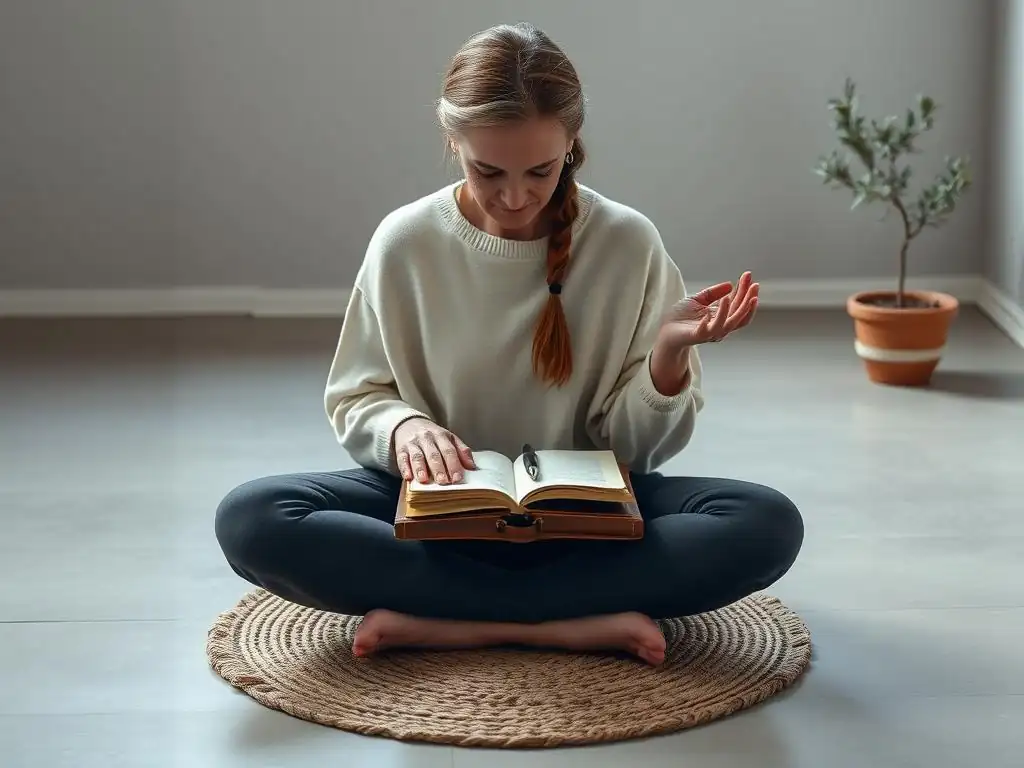
With your senses grounded and your anxious thoughts acknowledged, you can now begin the reflective process. Gently inquire why these specific anxious thoughts or feelings might be present. This is not about finding a definitive answer immediately, but about opening a space for understanding. Ask yourself questions like: "What is this anxiety trying to tell me?" "What underlying fear might be connected to this thought?" or "When have I felt this way before?"
This step moves beyond simply noting the anxiety to exploring its potential origins or triggers. For someone with social anxiety, reflecting might reveal a fear of judgment stemming from past negative experiences. For performance anxiety, it might uncover a deep-seated fear of failure. This introspective inquiry, done from a grounded state, helps illuminate patterns and provides valuable insight into the mechanisms of your anxiety, which is a key aspect of reflective grounding techniques anxiety.
Step 5: Challenging Negative Thought Patterns Through Reflection
Once you've identified some potential roots or patterns, use reflection to gently challenge any negative or distorted thought patterns that contribute to your anxiety. From your grounded perspective, examine the evidence for and against your anxious thoughts. For example, if the thought is "I'm going to fail miserably," reflect on past times you succeeded or handled challenges effectively. Ask: "Is this thought absolutely true?" "What's a more balanced perspective?"
This isn't about forcing positive thinking, but about using reflection to gain perspective and identify cognitive distortions (like catastrophizing or black-and-white thinking). By calmly examining these thoughts from a grounded place, you weaken their hold. This reflective challenge is a powerful tool within reflective grounding techniques anxiety for building cognitive flexibility and reducing the impact of negative self-talk.
Step 6: Cultivating Self-Compassion and Acceptance
The final step in this basic reflective grounding process is cultivating self-compassion and acceptance towards your anxiety and yourself. Acknowledge that experiencing anxiety is part of the human condition, and that you are doing your best to navigate challenging feelings. Offer yourself the same kindness and understanding you would offer a friend who is struggling.
Acceptance doesn't mean resignation; it means acknowledging the present reality of your anxiety without fighting against it. From your grounded and reflective state, gently accept the presence of the feelings, knowing they are temporary and do not define you. This compassionate acceptance is a powerful antidote to the self-criticism that often accompanies anxiety, allowing you to rest in a place of inner peace and understanding.
Integrating Reflective Grounding into Your Daily Routine
Making reflective grounding a regular part of your life can significantly enhance its effectiveness in managing anxiety. Consistency helps build the neural pathways that make it easier to access this grounded and reflective state, even during moments of intense stress. Integrating it doesn't require large blocks of time; short, mindful moments throughout the day can be incredibly beneficial.
Consider how you can weave these reflective grounding techniques anxiety into the natural transitions of your day – first thing in the morning, during a lunch break, or before going to sleep. Even a few minutes of conscious practice can help you stay centered and less reactive to anxious triggers.
Morning Reflection: Starting Your Day with Intention
Beginning your day with reflective grounding sets a positive and grounded tone. Before diving into emails or the day's demands, take 5-10 minutes to sit quietly. Ground yourself by noticing your body's connection to the chair or bed, and the feeling of the morning air. Then, reflect on how you are feeling right now. Are there any lingering anxieties from yesterday, or anticipatory worries about the day ahead?
Acknowledge these feelings without judgment. Then, reflect on your intentions for the day. How do you want to approach challenges? What mindset do you want to cultivate? This brief morning practice using reflective grounding techniques anxiety helps you become aware of your internal state and consciously choose how you want to move forward, rather than being swept away by anxiety from the start.
Mindful Moments: Using Reflective Grounding Throughout the Day
Throughout your day, look for opportunities to insert short moments of reflective grounding. This could be while waiting in line, during a commute, or between tasks at work. Take a few deep breaths to ground yourself in the present moment. Feel your feet on the floor, the chair beneath you, or the steering wheel in your hands.
Then, take a quick internal snapshot. What is your current energy level? Are you feeling stressed, calm, or anxious? Is there a specific thought looping in your mind? Simply notice and acknowledge. These brief check-ins, incorporating elements of reflective grounding techniques anxiety, help you stay connected to your internal state and prevent anxiety from building unnoticed throughout the day.
Evening Reflection: Processing Your Day and Preparing for Rest
Ending your day with reflective grounding can help process the day's experiences and promote restful sleep. Before bed, find a quiet space. Ground yourself by noticing the feeling of your body relaxing. Reflect on the day that has passed. What were the moments of ease, and what were the moments of challenge? How did you feel during those times?
Acknowledge any anxieties that arose during the day or worries about tomorrow. Reflect on what you learned or how you coped. This evening practice allows you to release accumulated tension and gain perspective, preventing anxious thoughts from hijacking your sleep. It's a way to close the day mindfully, using reflective grounding techniques anxiety to transition into a state of peace before rest.
Advanced Reflective Grounding Practices for Deeper Healing
As you become more comfortable with basic reflective grounding techniques anxiety, you may wish to explore more advanced practices that integrate other therapeutic modalities for deeper healing and insight. These practices often combine the core elements of grounding and reflection with tools like writing, meditation, or interaction with the natural world.
These advanced methods can help uncover deeper patterns of anxiety, process past experiences, and foster a stronger connection with your inner self and the world around you. They offer pathways for more profound emotional release and sustained peace.
Journaling for Reflective Grounding: Unlocking Your Inner Thoughts
Combining journaling with reflective grounding is a powerful way to process complex emotions and gain clarity. After grounding yourself through breath and sensory awareness, open your journal. Write down any thoughts, feelings, or sensations that arise, especially those related to anxiety. Don's censor yourself; let the words flow freely.
As you write, engage in reflection. Look at what you've written and gently inquire: "What themes are emerging?" "What emotions are strongest?" "Does this connect to anything from my past?" The act of writing helps externalize anxious thoughts, making them easier to observe and reflect upon from a grounded perspective. Regularly using journaling as part of your reflective grounding techniques anxiety can reveal recurring patterns and insights that might be missed in purely mental reflection.
Meditation and Reflective Grounding: Combining Practices for Enhanced Calm
Meditation, particularly mindfulness meditation, aligns beautifully with reflective grounding. Begin a meditation session by intentionally grounding yourself, focusing on your posture and breath. As thoughts and feelings, including anxiety, arise during the meditation, instead of just letting them pass, gently turn your reflective awareness towards them from your grounded state.
Observe the nature of the thought or feeling. Where do you feel it in your body? What story is attached to it? This isn't about getting caught up in the story, but about observing it with curiosity from a place of centeredness. Combining meditation with reflective grounding techniques anxiety deepens your capacity for non-reactive observation and cultivates a profound sense of calm presence amidst internal turbulence.
Reflective Grounding with Nature: Connecting with the Earth for Stability
Nature provides a powerful grounding force. Take your reflective grounding practice outdoors. Find a park bench, sit by a tree, or walk barefoot on grass. Ground yourself by noticing the sights, sounds, smells, and textures of the natural environment. Feel the earth beneath your feet, the wind on your skin, the scent of leaves.
From this deeply grounded state, reflect on your internal experience. How does being in nature affect your anxiety? What insights arise when you connect with the stability and cycles of the natural world? Reflective grounding techniques anxiety practiced in nature can offer a profound sense of perspective and remind you that you are part of something larger and enduring, which can be incredibly stabilizing when feeling overwhelmed.
Overcoming Challenges in Reflective Grounding Practice
Like any new skill, practicing reflective grounding can present challenges. It's important to approach these obstacles with patience and self-compassion. Recognize that setbacks are a normal part of the process and don't signify failure. The key is to acknowledge the difficulty and gently guide yourself back to the practice.
Common challenges include difficulty focusing, being overwhelmed by intense emotions, and struggling to maintain consistency. Addressing these directly with practical strategies can help you deepen your practice and continue to benefit from reflective grounding techniques anxiety.
Dealing with Distractions During Reflection
Distractions, both external and internal, are common when attempting reflective grounding. The mind is naturally prone to wandering. When you notice your mind drifting into unrelated thoughts or external noises pulling your attention, simply observe this without judgment. Acknowledge, "Ah, my mind has wandered," or "I notice that sound."
Then, gently but firmly guide your attention back to your grounding anchor (breath, body sensations) and the object of your reflection (the current anxious thought or feeling). Think of it like training a puppy – you gently redirect it when it strays. Patience and persistence are key. The more you practice returning your focus, the stronger your ability to concentrate during reflective grounding techniques anxiety will become.
Managing Intense Emotions that Arise
Sometimes, reflective grounding can bring intense emotions to the surface, which can feel overwhelming, especially when dealing with significant anxiety. If this happens, prioritize grounding over deep reflection in that moment. Shift your focus entirely to sensory details – the feeling of your feet on the floor, the texture of your clothes, the sounds around you. Use intense sensory input if needed, like holding a cold object or noticing vibrant colors.
If the emotion feels too intense to process alone, it's okay to pause the reflection and seek support. Remember that reflective grounding techniques anxiety are meant to provide stability and insight, not to re-traumatize. If you consistently encounter overwhelming emotions, consider practicing with the guidance of a therapist or counselor who can help you process these feelings in a safe environment.
Staying Consistent with Your Reflective Grounding Practice
Maintaining consistency with any new practice can be challenging amidst a busy life. One effective strategy is to schedule your reflective grounding sessions, even if they are only 5-10 minutes long, just like you would schedule an appointment. Link the practice to an existing habit, such as immediately after brushing your teeth or before your first cup of coffee.
Start small and gradually increase the duration as you feel more comfortable. Don't aim for perfection; some days will be easier than others. Celebrate small victories and be kind to yourself on days you miss a session. Remembering the benefits you experience – reduced anxiety, increased self-awareness – can also serve as powerful motivation to keep practicing reflective grounding techniques anxiety regularly.
Reflective Grounding and Anxiety: Real-Life Applications
Reflective grounding techniques anxiety are not just abstract concepts; they are practical tools that can be applied to a wide range of real-life situations where anxiety commonly arises. By integrating grounding and introspection, you can navigate challenging moments with greater composure and insight.
These examples illustrate how the combination of being present and reflecting on your internal state can help mitigate anxiety in specific contexts, moving from a reactive state to a more intentional and understanding one.
Reflective Grounding for Managing Performance Anxiety
Consider the scenario of performance anxiety, whether it's giving a speech, taking an exam, or playing music in front of others. Minutes before the event, anxiety often spikes with physical symptoms like a racing heart and mental worries about failure. Using reflective grounding techniques anxiety in this moment can be incredibly helpful.
First, ground yourself by focusing on your physical sensations: feel your feet firmly on the ground, the weight of your body, the texture of your clothing. Then, gently reflect on the anxious thoughts ("What if I forget my lines?"). Acknowledge them ("I notice the thought that I might forget"). From your grounded state, reflect further: "What is the worst that could realistically happen?" or "What preparations have I made that I can rely on?" This reflection, anchored in physical presence, helps challenge catastrophic thinking and access internal resources, shifting focus from imagined disaster to present capability.
Relationship conflicts can trigger significant anxiety, often rooted in fears of abandonment, rejection, or not being heard. In the midst of a tense conversation or anticipating a difficult discussion, anxiety can make it hard to think clearly or communicate effectively. Applying reflective grounding techniques anxiety can create space for a more constructive approach.
Pause the conversation or take a brief break if possible. Ground yourself by focusing on your breath or the feeling of the chair beneath you. Then, reflect on the anxiety you are experiencing. What specific fear is coming up? Is this feeling related to the current situation, or is it tapping into older patterns? Reflecting on your internal state from a grounded place helps you understand your own reactions ("I'm feeling defensive because I fear being blamed") rather than just reacting impulsively. This self-awareness allows you to respond more thoughtfully to the conflict.
Reflective Grounding for Processing Grief and Loss
Grief and loss can be accompanied by waves of intense anxiety, often related to uncertainty about the future, fear of being overwhelmed by sadness, or existential worries. When experiencing these anxious feelings alongside grief, reflective grounding can provide a stable anchor.
Find a quiet moment to ground yourself, perhaps by noticing the feeling of your hands resting in your lap or the sounds around you. Then, gently reflect on the anxiety present. Acknowledge the fear or worry ("I'm afraid I won't be able to handle this sadness").
Reflect on the connection between the grief and the anxiety ("This anxiety is arising because I miss my loved one so deeply and feel uncertain without them"). This practice, using reflective grounding techniques anxiety, allows you to honor your grief and acknowledge the accompanying anxiety without being consumed by it. It provides a space to feel your emotions from a place of grounded presence.
Resources for Further Exploration of Reflective Grounding
Embarking on the journey of reflective grounding is a continuous process of learning and deepening your practice. Fortunately, there are many resources available that can provide additional guidance, support, and inspiration. Exploring these resources can help you enhance your understanding and application of reflective grounding techniques anxiety and other related mindfulness and self-compassion practices.
Whether you prefer reading, listening, or connecting with others, finding resources that resonate with you can support your ongoing growth in using reflection and grounding for anxiety relief.
Recommended Books and Articles on Mindfulness and Reflection
Many excellent books and articles delve into the principles of mindfulness, self-compassion, and reflection, which form the foundation of reflective grounding techniques anxiety. Authors like Jon Kabat-Zinn ("Full Catastrophe Living"), Kristin Neff ("Self-Compassion"), and Tara Brach ("Radical Acceptance") offer profound insights and practical exercises.
These resources often provide detailed explanations of how mindfulness reduces stress and anxiety, guide you through reflective practices, and offer scientific background on the benefits. Reading about others' experiences and expert perspectives can deepen your motivation and provide new ways to approach your own practice.
Online Communities and Support Groups for Anxiety Relief
Connecting with others who are also working on managing anxiety can provide invaluable support and shared wisdom. Online communities and support groups offer a space to share experiences, ask questions, and learn from peers. Many forums and social media groups are dedicated to anxiety management, mindfulness, and specific techniques like grounding.
While not specifically focused only on reflective grounding techniques anxiety, these groups often discuss various coping strategies, including grounding and reflection. Engaging with a supportive community can reduce feelings of isolation and provide encouragement to maintain your practice.
Guided Meditations and Apps for Reflective Grounding
Guided meditations and mobile applications can be excellent tools for learning and practicing reflective grounding. Many meditation apps offer guided sessions specifically focused on anxiety, grounding, or self-compassion. Some guides may specifically incorporate elements of reflection, prompting you to observe thoughts or feelings from a grounded state.
Look for guided meditations that encourage both sensory awareness and gentle introspection. Apps like Headspace, Calm, or Insight Timer offer a wide variety of meditations, often including specific programs for anxiety or stress. Using guided practices can make it easier to integrate reflective grounding techniques anxiety into your routine, especially when you are first starting out.
Frequently Asked Questions
How can Reflective Grounding Techniques help with anxiety?
Reflective grounding techniques help by bringing you back to the present moment, reducing the overwhelming feeling of anxiety. They encourage focused awareness and mindful observation of your thoughts and surroundings.
What are some examples of Reflective Grounding Techniques that I can use?
Examples include paying close attention to your senses (5-4-3-2-1 method), focusing on your breath, or engaging in mindful movement, like walking or stretching. These techniques shift your focus away from anxious thoughts.
How often should I practice Reflective Grounding Techniques for anxiety relief?
Practicing reflective grounding techniques regularly, even when not feeling anxious, is beneficial. Aim for daily practice, even just for a few minutes, to build resilience and improve your ability to cope.
Are Reflective Grounding Techniques a substitute for professional mental health care?
No, reflective grounding techniques are not a replacement for professional help. They are complementary tools that can support your mental well-being, but seeking professional advice is crucial for managing anxiety.
How do I know if Reflective Grounding Techniques are working for me?
You'll likely notice a reduction in anxiety symptoms, such as racing thoughts or physical tension. You may also experience a greater sense of calm and improved ability to focus when using these techniques.
Final Reflection: Cultivating Inner Peace Through Reflective Grounding
The relentless pace of modern life often leaves us feeling scattered and anxious, but the ability to find our center—to practice reflective grounding—is more crucial now than ever before. The techniques explored in this guide offer a powerful antidote to the pervasive anxieties of our time, providing a pathway to a calmer, more focused existence. They are not merely fleeting solutions, but tools for building resilience and cultivating lasting inner peace.
The journey towards reflective grounding is deeply personal, a continuous process of self-discovery and acceptance. It's about recognizing the ebb and flow of emotions, learning to observe them without judgment, and finding solace in the present moment. The present moment is filled with joy and happiness. If you are attentive, you will see it.
– Thich Nhat Hanh. This quote beautifully encapsulates the essence of reflective grounding: finding joy and peace in the stillness amidst the chaos. The impact of these practices extends beyond individual well-being; a society composed of individuals capable of self-regulation and inner peace is a more compassionate and resilient society.
You now hold the key to unlocking a deeper connection with yourself and a more peaceful existence. Don't just read these techniques; embrace them. Experiment with different methods, find what resonates most deeply with you, and integrate these practices into your daily life. Make reflective grounding a consistent part of your self-care routine, a sanctuary you can return to whenever life feels overwhelming. The journey may have its challenges, but the rewards – a greater sense of calm, clarity, and self-awareness – are immeasurable. Begin your journey today.
Unveil Your Inner Calm: Take the Next Step
Thanks for taking the time to explore the power of reflective grounding with us! We hope you gained valuable insights into finding your center amidst life's chaos. Now it's time to put your newfound knowledge into practice.
Here are a few ways to continue your journey:
- Commit to a daily grounding practice: Even 5 minutes of focused reflection can make a significant difference. Try the breathing exercise we detailed, or experiment with a mindful walk. This is your primary step towards lasting inner peace.
- Share your experiences: Connect with others on the Mind Care Guide community forums and share your reflections on grounding techniques. Let's build a supportive space for mindful living together!
- Consider keeping a dedicated reflection journal: Track your progress, note your observations, and use it as a tool for self-discovery. This will help you monitor your personal journey towards inner calm.
Ready to embrace a more peaceful and centered you? What's one small step you can take today to integrate reflective grounding into your daily life?