
Finding Your Center: Integrating Inner Peace and Spiritual Connection

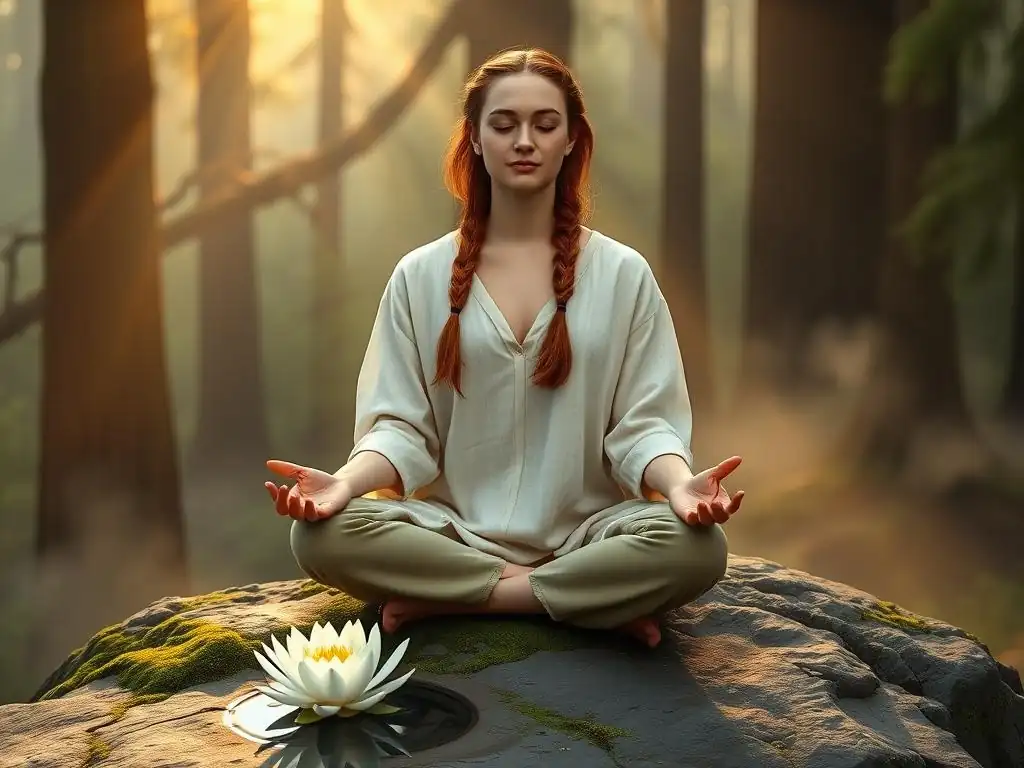
Welcome to Mind Care Guide, your sanctuary for nurturing inner peace and fostering comprehensive mental well-being.
Feeling overwhelmed by anxiety and stress? You're not alone. Discover how cultivating spiritual wellbeing reduces anxiety stress and can unlock a deeper sense of calm and resilience. Explore our guide to understanding this powerful connection, and begin your journey toward a more balanced and fulfilling life. Let's uncover the path to your inner center together.
Cultivating Resilience: Integrating Mindfulness and Self-Compassion
- Understanding Resilience and Its Impact on Mental Wellbeing
- Cultivating Mindfulness: Practical Techniques for Building Resilience
- Deepening Self-Compassion: Exploring Practices for Kindness
- Overcoming Obstacles to Resilience: Addressing Challenges and Setbacks
- Integrating Mindfulness and Self-Compassion into Daily Life
- The Benefits of Integrating Mindfulness and Self-Compassion: A Holistic Perspective
- Resources for Further Exploration of Resilience
-
Frequently Asked Questions
- How does spiritual wellbeing contribute to reducing anxiety and stress?
- What are some practical ways to cultivate spiritual wellbeing in daily life?
- Can spiritual wellbeing be beneficial even for individuals who don't identify with a specific religion?
- What resources are available for individuals seeking to improve their spiritual wellbeing?
- How is spiritual wellbeing different from traditional mental health practices like therapy?
- Final Reflection: Cultivating Inner Peace in a Turbulent World
- Unlock Your Inner Peace: Start Your Journey Today
Understanding Resilience and Its Impact on Mental Wellbeing
Defining Resilience: Beyond Bouncing Back
Resilience is often misunderstood as simply "bouncing back" from adversity without being affected. However, a more comprehensive definition views resilience as the process of adapting well in the face of trauma, tragedy, threats, or significant sources of stress—such as family and relationship problems, serious health problems, or workplace and financial stressors. It involves cultivating psychological flexibility, which is the ability to adapt to changing situations, balance life demands, and recover from negative emotional experiences. It's not about avoiding difficulty, but about navigating it effectively.
This adaptive process isn't a fixed trait but a dynamic capacity that can be developed. Individuals who cultivate resilience tend to report higher levels of life satisfaction and well-being, even when facing significant challenges.
For instance, a study involving adults who had experienced job loss found that those with higher baseline resilience scores were significantly more likely to report positive coping strategies and maintain a stable level of mental health compared to their less resilient counterparts. This highlights that resilience isn't just about enduring; it's about growing through challenge and maintaining a sense of purpose and inner peace, which are often intertwined with spiritual wellbeing reduces anxiety stress.
The Connection Between Mindfulness and Emotional Regulation
Mindfulness, at its core, is the practice of paying attention in a particular way: on purpose, in the present moment, and non-judgmentally. This simple act has profound implications for emotional regulation. By observing thoughts, feelings, and bodily sensations without immediately reacting or judging them, individuals gain a greater awareness of their internal landscape. This creates a space between the stimulus (a challenging event or emotion) and the response, allowing for a more considered reaction rather than an automatic, often stress-driven one.
Neuroscientific research supports this connection. Studies using fMRI have shown that regular mindfulness practice can lead to structural and functional changes in the brain, particularly in areas associated with emotional regulation, such as the prefrontal cortex, while reducing activity in the amygdala, the brain's fear center.
For example, participants in an 8-week Mindfulness-Based Stress Reduction (MBSR) program demonstrated reduced amygdala reactivity to negative stimuli compared to a control group. This neurological basis helps explain how mindfulness provides the foundation for greater emotional balance and reduced susceptibility to overwhelming stress, contributing to a sense of calm and presence that supports overall wellbeing.
How Self-Compassion Reduces Stress and Promotes Wellbeing: Research Findings
Self-compassion involves treating oneself with the same kindness, care, and understanding that one would offer a close friend facing difficulty. It comprises three interconnected components: self-kindness (being gentle with oneself rather than harshly self-critical), common humanity (recognizing that suffering and imperfection are part of the shared human experience), and mindfulness (observing one's painful thoughts and feelings with balanced perspective). Research consistently shows that self-compassion is a powerful antidote to stress and a significant predictor of psychological wellbeing.
Studies by pioneering researchers like Kristin Neff and others have provided compelling evidence. For instance, research indicates that individuals high in self-compassion tend to have lower levels of cortisol, the primary stress hormone, when faced with stressful situations. They also report less anxiety, depression, and fear of failure, while experiencing greater happiness, optimism, and life satisfaction.
One study found that college students high in self-compassion were more likely to cope effectively with academic setbacks and reported higher levels of motivation. This demonstrates how self-compassion helps buffer against the negative impacts of stress and self-criticism, fostering a kinder inner environment that allows for greater emotional resilience and supports the notion that cultivating inner peace, akin to spiritual wellbeing reduces anxiety stress.
Cultivating Mindfulness: Practical Techniques for Building Resilience
Breath Awareness Meditation for Stress Reduction and Emotional Balance
One of the most accessible and fundamental mindfulness practices is breath awareness meditation. This technique involves simply bringing gentle, non-judgmental attention to the sensation of the breath entering and leaving the body. There's no need to control the breath, just to observe its natural rhythm – noticing the feeling of air at the nostrils, the rise and fall of the abdomen or chest, or the subtle pauses between breaths. When the mind inevitably wanders (which it will), the practice is simply to notice the wandering and gently guide the attention back to the breath, again and again, without self-criticism.
Engaging in breath awareness for even a few minutes can have immediate physiological effects. It activates the parasympathetic nervous system, often referred to as the "rest and digest" system, counteracting the "fight or flight" response triggered by stress.
Research has shown that even short periods of mindful breathing can improve heart rate variability (HRV), a marker of the body's ability to adapt to stress and regulate emotions. For example, a study found that just a 10-minute breath-focused meditation session significantly increased HRV and reduced self-reported stress levels in participants, illustrating its direct impact on both physiological and psychological states and contributing to a sense of calm that supports overall wellbeing.
Body Scan Meditation: Developing Present Moment Awareness
The body scan meditation is a practice designed to systematically bring mindful awareness to different regions of the body. Starting typically from the toes and moving gradually up through the legs, torso, arms, neck, and head, the practitioner gently focuses attention on physical sensations in each area. This could include noticing warmth, coolness, tingling, pressure, or absence of sensation, all with an attitude of curiosity and non-judgment. The purpose is not to relax the body (though that is often a pleasant side effect) but to practice present moment awareness by anchoring attention to physical experience.
This practice is particularly effective in developing interoceptive awareness – the ability to perceive internal bodily states. Research suggests that heightened interoceptive awareness is linked to improved emotional regulation, as recognizing physical sensations associated with emotions (like a tight chest with anxiety) allows for earlier detection and more skillful management of those feelings.
A study involving individuals practicing body scan meditation showed increased activity in brain regions associated with interoception, such as the insula, correlating with improved ability to identify and process emotions. By regularly checking in with the body, we build a stronger connection to our physical experience, fostering a grounded presence that helps navigate life's challenges and supports a state where spiritual wellbeing reduces anxiety stress.
Mindful Walking: Connecting with Your Body and Environment
Mindfulness doesn't have to be confined to seated meditation. Mindful walking is a practice that integrates awareness into the simple act of walking, allowing us to connect more deeply with our body and the environment around us. This can be done anywhere – in a park, down a street, or even just across a room.
The focus is on the sensations of walking: the feeling of the feet lifting and touching the ground, the movement of the legs, the swing of the arms, the rhythm of the breath. Attention can also be expanded to include sensory input from the environment, such as sights, sounds, and smells, experienced without judgment or analysis.
Engaging in mindful walking helps train the mind to stay present amidst movement and external stimuli, making mindfulness more accessible in daily life. It can be a powerful tool for interrupting cycles of rumination or worry. Research indicates that walking, especially in natural environments, can significantly reduce negative self-talk and improve mood.
For instance, a study published in PNAS found that participants who took a 90-minute walk in a natural setting reported lower levels of rumination compared to those who walked in an urban environment, highlighting the combined benefits of movement and connection with the surroundings. This practice offers a dynamic way to ground oneself, reduce stress, and cultivate a sense of peace that aligns with how spiritual wellbeing reduces anxiety stress.
Deepening Self-Compassion: Exploring Practices for Kindness
Self-Compassionate Letter Writing: Addressing Inner Criticism
One powerful way to deepen self-compassion is through self-compassionate letter writing. This practice involves writing a letter to yourself from the perspective of a kind, understanding, and non-judgmental friend. Choose a situation in your life that causes you pain or triggers self-criticism – perhaps a mistake you made, a perceived failure, or a struggle you're facing. Then, imagine a truly compassionate friend who sees your flaws and struggles but loves and accepts you unconditionally. Write a letter to yourself from this friend's perspective, offering comfort, understanding, and validation for your feelings.
This exercise helps to externalize the inner critic and allows you to see your situation through a lens of kindness rather than harsh judgment. It provides an opportunity to acknowledge your suffering with warmth and recognize that experiencing difficulty and imperfection is a normal part of being human.
Psychologists often use variations of this technique in therapy to help individuals challenge deeply ingrained patterns of self-criticism. Writing from this compassionate perspective can significantly reduce the intensity of negative self-talk and foster a sense of inner safety and acceptance, which is foundational for resilience and contributes to a state where spiritual wellbeing reduces anxiety stress.
Loving-Kindness Meditation: Extending Compassion to Self and Others
Loving-kindness meditation (often called Metta meditation) is a practice specifically designed to cultivate feelings of warmth, tenderness, and compassion towards oneself and others. It typically involves silently repeating phrases that express benevolent wishes, starting with oneself, then extending to loved ones, neutral acquaintances, difficult individuals, and finally to all beings. Common phrases include: "May I be happy," "May I be healthy," "May I be safe," "May I live with ease." The practice is not about forcing a feeling but gently offering these intentions.
Research on Loving-Kindness Meditation has shown remarkable benefits. Studies indicate that regular practice can increase positive emotions, reduce symptoms of depression and anxiety, and even improve social connection and empathy.
For example, a study published in the Journal of Personality and Social Psychology found that participants who practiced LKM daily for six weeks experienced increased positive emotions such as joy, gratitude, hope, and love, and these positive emotions mediated increases in personal resources like mindfulness and social support. By intentionally cultivating kindness towards ourselves and others, we build an internal reservoir of warmth that helps us navigate difficult emotions and relationships with greater ease and empathy.
A core element of self-compassion is recognizing our common humanity – understanding that suffering, failure, and imperfection are not personal failings that isolate us, but are part of the shared human experience. When we make a mistake or face a setback, it's easy to feel like we're uniquely flawed or alone in our struggle. However, remembering that every single person experiences pain, disappointment, and inadequacy connects us to others rather than separating us.
Actively reflecting on common humanity can significantly reduce feelings of shame and isolation. For instance, when struggling with self-doubt before a presentation, remembering that countless others feel nervous in similar situations can normalize the experience and reduce the feeling that "there's something wrong with me." Sharing vulnerabilities with trusted friends or support groups also reinforces this sense of shared experience.
Research indicates that individuals who recognize their common humanity are less likely to engage in harsh self-criticism and report greater feelings of connection. This understanding fosters a sense of belonging and acceptance, reinforcing the idea that facing challenges is part of life's journey and contributes to a compassionate perspective where spiritual wellbeing reduces anxiety stress.
Overcoming Obstacles to Resilience: Addressing Challenges and Setbacks
Identifying Cognitive Distortions: Challenging Negative Thoughts
Cognitive distortions are irrational ways of thinking that are often inaccurate and negatively biased. These thought patterns can significantly undermine resilience by fueling anxiety, depression, and self-criticism. Common examples include catastrophizing (assuming the worst possible outcome), black-and-white thinking (seeing things only in extremes), mind reading (assuming you know what others are thinking negatively about you), and personalization (taking responsibility for things that are not your fault). Learning to identify these distortions is the first step in challenging their validity.
Techniques derived from Cognitive Behavioral Therapy (CBT) are effective in addressing cognitive distortions. Once a distorted thought is identified, one can question its evidence, consider alternative perspectives, and reframe it in a more balanced and realistic way. For instance, instead of thinking "I failed that task, I'm useless" (black-and-white thinking, personalization), one could identify the distortion and reframe it to "I didn't succeed at that task this time.
What can I learn from it?" Research shows that challenging cognitive distortions leads to significant reductions in symptoms of anxiety and depression. A meta-analysis of CBT studies demonstrated a consistent positive effect size in reducing symptoms by helping individuals restructure their negative thought patterns, thereby strengthening their ability to cope with setbacks.
Managing Difficult Emotions: Developing Healthy Coping Strategies
Resilience isn't about suppressing or avoiding difficult emotions, but about developing healthy ways to acknowledge and manage them. When faced with feelings like sadness, anger, or fear, the natural tendency might be to push them away, numb them, or become overwhelmed by them. Neither extreme is conducive to long-term wellbeing. Instead, mindfulness and self-compassion offer a path to approaching these emotions with acceptance and kindness. This involves allowing the emotion to be present without judgment, observing its physical sensations and transient nature.
Beyond mindful acceptance, developing a repertoire of healthy coping strategies is crucial. These might include engaging in physical activity, practicing expressive writing (journaling), talking to a trusted friend or therapist, engaging in creative activities, or spending time in nature. The key is to find strategies that help process emotions constructively rather than avoiding them or resorting to unhealthy behaviors.
Research contrasting expressive writing with emotional suppression, for example, has shown that writing about difficult experiences can lead to improved physical and psychological health outcomes over time, including reduced stress and fewer illness-related doctor visits. By developing these skills, we build the capacity to navigate the inevitable emotional storms of life with greater stability and grace, supporting a state where spiritual wellbeing reduces anxiety stress.
Social support is a cornerstone of resilience. Having meaningful connections with others provides a buffer against stress and adversity, offering emotional comfort, practical assistance, and a sense of belonging. Human beings are inherently social creatures, and isolation can exacerbate feelings of stress, anxiety, and vulnerability. Actively nurturing relationships with friends, family, partners, or community members is not a luxury, but a vital aspect of mental and emotional health.
Building social support involves both being willing to seek help when needed and offering support to others. It means cultivating authentic connections where you feel seen, heard, and valued, and where you can offer the same to others. Studies have consistently demonstrated the protective effect of strong social ties on both physical and mental health.
For example, longitudinal studies have shown that individuals with robust social networks have higher rates of longevity and are less susceptible to depression and anxiety. During challenging times, reaching out to a friend for a listening ear or accepting practical help can significantly lighten the burden and reinforce the understanding that we don't have to face difficulties alone, further supporting the holistic sense of wellbeing that helps reduce anxiety and stress.
Integrating Mindfulness and Self-Compassion into Daily Life
Practicing Mindful Communication: Enhancing Relationships
Integrating mindfulness into communication can profoundly enhance relationships. Mindful communication involves paying full attention to the person you are interacting with, listening deeply without interrupting or formulating your response while they are still speaking. It also involves speaking intentionally, choosing your words carefully and considering the impact they might have. This practice cultivates presence, empathy, and clarity in interactions, reducing misunderstandings and fostering deeper connection.
In moments of conflict or tension, mindful communication is particularly valuable. Taking a brief pause before reacting allows you to respond thoughtfully rather than impulsively out of emotion. This pause can involve a mindful breath or a quick check-in with your body and feelings.
Research on mindful communication in couples, for instance, has shown that learning and applying these principles leads to increased relationship satisfaction and reduced conflict intensity. By bringing awareness and intention to how we listen and speak, we build stronger, more resilient relationships that contribute significantly to our overall wellbeing, including the inner peace that often accompanies spiritual wellbeing reduces anxiety stress.
Setting Boundaries with Self-Compassion: Prioritizing Wellbeing
Setting healthy boundaries is an essential act of self-care, and doing so with self-compassion is key to maintaining resilience without guilt or resentment. Boundaries are the limits we set to protect our time, energy, and emotional space. This might involve saying no to extra commitments when feeling overwhelmed, limiting time spent with individuals who drain our energy, or establishing clear expectations in personal and professional relationships. Often, people struggle with setting boundaries due to fear of disappointing others or feeling selfish.
Approaching boundary setting with self-compassion means recognizing your own needs and limitations without judgment. It's understanding that prioritizing your wellbeing is not selfish, but necessary for sustainability and the ability to be present for others.
For example, if a colleague asks you to take on a task you don't have capacity for, a self-compassionate response isn't necessarily saying "yes" out of obligation, but acknowledging your limits kindly to yourself and then communicating those limits respectfully to the colleague. This practice reinforces self-worth and prevents burnout, ensuring that you maintain the energy and emotional resources needed to navigate life effectively and uphold your personal wellbeing.
Responding to Stress Mindfully: Pausing and Reflecting
Stress is an unavoidable part of life, but our response to stress is largely within our control. Integrating mindfulness into moments of stress allows us to shift from an automatic, often reactive mode to a more intentional, reflective one. A simple technique is the "STOP" practice: Stop what you are doing; Take a breath; Observe your thoughts, feelings, and sensations without judgment; and Proceed with awareness, choosing your next action rather than reacting habitually.
This pause, however brief, creates a crucial window for conscious choice. Instead of immediately feeling overwhelmed or lashing out, you can notice the stress response (e.g., tightened shoulders, racing thoughts) with curiosity. This observation alone can begin to diffuse the intensity.
For example, if stuck in traffic and feeling rising frustration, a mindful pause allows you to notice the anger without being consumed by it, perhaps choosing to listen to calming music instead of honking the horn. Regularly practicing this mindful response builds resilience by training the brain to interrupt the stress cycle, promoting a sense of calm and control that is deeply supportive of mental and emotional health, and contributes to the inner peace where spiritual wellbeing reduces anxiety stress.
The Benefits of Integrating Mindfulness and Self-Compassion: A Holistic Perspective
Reduced Anxiety and Depression Symptoms
One of the most significant and well-documented benefits of integrating mindfulness and self-compassion practices is the substantial reduction in symptoms of anxiety and depression. Both practices directly address core mechanisms underlying these conditions. Mindfulness helps to decrease rumination – the tendency to get stuck in repetitive negative thought loops – by training the mind to stay present. Self-compassion counteracts the harsh self-criticism that often fuels depression and anxiety, fostering a kinder, more accepting internal environment.
Extensive research supports these benefits. Meta-analyses of numerous studies on Mindfulness-Based Cognitive Therapy (MBCT) and MBSR have shown significant reductions in symptoms of depression and anxiety across diverse populations. For instance, a meta-analysis published in JAMA Internal Medicine found that mindfulness meditation programs had moderate evidence of improving anxiety, depression, and pain.
For individuals prone to depressive relapse, MBCT has been shown to be as effective as maintenance antidepressant medication in preventing future episodes. This tangible impact on mental health symptoms underscores how these practices build psychological resilience, contributing to a state where spiritual wellbeing reduces anxiety stress by fostering inner peace and emotional regulation.
Improved Relationship Satisfaction
Integrating mindfulness and self-compassion can also lead to marked improvements in relationship satisfaction. Mindfulness enhances our ability to be fully present with others, improving communication and empathy. When we listen mindfully, we understand our partners, friends, or family members more deeply, fostering connection and reducing misunderstandings. Self-compassion, on the other hand, reduces reactivity in conflicts. When we are less self-critical, we are often less defensive and more open to understanding another's perspective, even when disagreements arise.
Research on couples who practice mindfulness together or individually shows positive outcomes. Studies indicate that mindful individuals are better able to manage stress within the relationship and are less likely to engage in negative interaction patterns. For example, a study found that self-compassion was associated with greater relationship satisfaction and less conflict in romantic couples, mediated partly by reduced emotional reactivity. By fostering presence, empathy, and reduced defensiveness, these practices help build stronger, more resilient relationships that serve as a vital source of support and contribute significantly to overall life satisfaction.
Increased Self-Acceptance and Authenticity
Perhaps one of the most profound benefits of cultivating mindfulness and self-compassion is a deeper sense of self-acceptance and the freedom to live more authentically. Mindfulness helps us become aware of our thoughts, feelings, and imperfections without immediately judging them. Self-compassion then allows us to embrace these aspects of ourselves with kindness and understanding, recognizing that being imperfect is part of the human condition. This acceptance reduces the need to hide or pretend, freeing up energy that was previously spent on maintaining a façade.
Research suggests that self-compassion is strongly correlated with psychological wellbeing, including greater autonomy, environmental mastery, personal growth, and self-acceptance. Studies have shown that individuals high in self-compassion are more likely to embrace their flaws and less likely to fear failure, enabling them to pursue goals aligned with their true values.
For example, research by Kristin Neff and colleagues has consistently linked higher levels of self-compassion to reduced fear of failure and increased motivation to learn and grow from mistakes. By shedding the burden of constant self-criticism and embracing ourselves fully, we unlock the potential to live more genuinely, fostering an inner peace that is a hallmark of spiritual wellbeing and significantly reduces anxiety and stress.
Resources for Further Exploration of Resilience
Books and Articles on Mindfulness and Self-Compassion
For those interested in delving deeper into the practices of mindfulness and self-compassion, a wealth of written resources is available. Many foundational texts offer comprehensive introductions to the principles and techniques, often including guided practices. Exploring articles from reputable sources can also provide insights into the latest research findings and practical applications. These resources offer a valuable starting point for understanding the theoretical basis and practical steps involved in cultivating these resilience-building skills and deepening one's journey towards inner peace.
Online Courses and Workshops
Structured learning environments can provide valuable guidance and support for developing mindfulness and self-compassion practices. Numerous online courses and workshops are available, ranging from introductory sessions to in-depth programs like Mindfulness-Based Stress Reduction (MBSR), Mindfulness-Based Cognitive Therapy (MBCT), and Mindful Self-Compassion (MSC). These programs often involve guided meditations, group discussions, and theoretical teachings, providing a supportive framework for consistent practice and learning. Participating in a structured course can help establish a regular routine and deepen understanding of how these practices contribute to overall wellbeing and resilience.
Mental Health Professionals Trained in Mindfulness-Based Therapies
For individuals facing significant mental health challenges or those who prefer personalized guidance, working with a mental health professional trained in mindfulness-based therapies can be highly beneficial. Therapists incorporating modalities like MBCT, Acceptance and Commitment Therapy (ACT), or Dialectical Behavior Therapy (DBT) can help individuals apply mindfulness and self-compassion principles to specific issues like anxiety, depression, trauma, or relationship difficulties. A qualified professional can provide tailored support, help navigate obstacles to practice, and integrate these skills into a broader therapeutic plan, supporting the individual's journey towards greater resilience and inner peace.
Frequently Asked Questions
How does spiritual wellbeing contribute to reducing anxiety and stress?
Spiritual wellbeing offers a sense of connection to something greater than oneself, which can provide comfort and perspective during stressful times. This connection fosters inner peace and resilience, buffering against anxiety.
What are some practical ways to cultivate spiritual wellbeing in daily life?
Simple practices like meditation, mindfulness, spending time in nature, or engaging in acts of service can significantly enhance spiritual wellbeing. Connecting with your values and purpose is also crucial.
Can spiritual wellbeing be beneficial even for individuals who don't identify with a specific religion?
Absolutely! Spiritual wellbeing is about inner peace, purpose, and connection, which are independent of religious affiliation. Anyone can cultivate these aspects through various practices.
What resources are available for individuals seeking to improve their spiritual wellbeing?
Many resources are available, including meditation apps, mindfulness courses, support groups, and spiritual guides. Exploring different options helps find what resonates best for each individual.
How is spiritual wellbeing different from traditional mental health practices like therapy?
While therapy focuses on addressing specific mental health conditions, spiritual wellbeing focuses on cultivating inner peace and connection. They can complement each other for holistic well-being.
Final Reflection: Cultivating Inner Peace in a Turbulent World
The pursuit of spiritual wellbeing is not a luxury; it's a necessity in today's fast-paced, anxiety-ridden world. The overwhelming pressures of modern life often leave us feeling disconnected, stressed, and overwhelmed. This article explored the powerful link between inner peace, spiritual connection, and a reduction in anxiety and stress, highlighting practical techniques to cultivate a more balanced and fulfilling life. The journey inward, as we've seen, is a journey towards a healthier, happier self.
The impact of prioritizing spiritual wellbeing extends far beyond individual benefit; it ripples outwards, influencing our relationships, our communities, and even the global landscape. The more individuals find their center, the more compassion, empathy, and understanding permeates society. As the Dalai Lama wisely stated, Peace is not merely the absence of war, but the presence of justice, compassion, and the rule of law.
This quote underscores the profound societal implications of cultivating inner peace, reminding us that our individual journeys towards wellbeing contribute to a larger, more harmonious world.
Now, consider your own life. What practices resonate with you from those explored in this article? What small steps can you take today to nurture your spiritual connection and cultivate a deeper sense of inner peace? Perhaps it's dedicating just five minutes each day to meditation, spending time in nature, or engaging in acts of kindness. Remember, the journey towards spiritual wellbeing is a personal one, a continuous process of growth and discovery. Embrace the journey, and allow the peace you cultivate within to radiate outwards, transforming not only your life, but the lives of those around you.
Unlock Your Inner Peace: Start Your Journey Today
Thanks for taking the time to explore the path to inner peace with us! We hope this article helped you discover valuable tools and insights for connecting with your spirit. Now, it's time to put them into practice. Ready to deepen your journey?
- Begin a daily meditation practice: Even 5 minutes a day can make a profound difference. Try focusing on your breath or a calming mantra. This is the key step to fostering inner peace.
- Share your insights: Discuss your experience with a friend, family member, or in an online forum – sharing your journey can inspire others and solidify your own practice.
- Explore a new mindful activity: Try journaling, nature walks, or listening to calming music. What resonates with you?
What small step will you take today to nurture your inner peace and spiritual connection?