
The Journey Within: Exploring Spirituality for Personal Growth and Meaning


Welcome to Mind Care Guide, your sanctuary for navigating the complexities of mental well-being.
Feeling lost or disconnected? You're not alone. We believe that nurturing your inner self is crucial for overall health. This guide delves into how spirituality can boost personal wellbeing, offering practical insights and resources to help you embark on your own journey within. Are you ready to discover the profound impact of connecting with something larger than yourself? Let's explore together.
Finding Inner Peace: Cultivating Spirituality for Mental Wellbeing
- Spirituality and Wellbeing: An Overview
- Defining Spirituality: A Personal Exploration
- The Mental Health Benefits of Spirituality
- Spiritual Practices for Mental Wellbeing
- Integrating Spirituality into Daily Life
- Navigating Challenges in Your Spiritual Growth
- Spirituality in Healing and Recovery
- Spirituality and Personal Growth: An Ongoing Process
-
Frequently Asked Questions
- How does spirituality contribute to personal wellbeing?
- What are some practical ways to incorporate spirituality into daily life?
- Is spirituality the same as religion?
- How can spirituality help in coping with mental health challenges?
- What resources are available for exploring spirituality and its benefits for wellbeing?
- Final Reflection: The Enduring Power of Inner Exploration
- Unlock Your Inner Wisdom: Take the Next Step on Your Journey
Spirituality and Wellbeing: An Overview
Exploring the connection between spirituality and overall wellbeing reveals a profound relationship that impacts not just our mental state but our sense of purpose and connection. While often seen as distinct from clinical mental health approaches, spirituality offers complementary pathways to navigate life's challenges, foster resilience, and cultivate inner peace. Understanding this link is crucial for a holistic approach to mental wellness.
This section delves into the foundational aspects of how spirituality intersects with mental health, exploring the mechanisms through which it provides support and contributes to a life rich in meaning and fulfillment. It sets the stage for understanding why embracing a spiritual journey can be a powerful tool for enhancing personal growth and overall wellbeing.
The Link Between Spirituality and Mental Health
Research consistently points to a positive correlation between spiritual engagement and improved mental health outcomes. Studies have indicated that individuals who identify as spiritual or religious often report lower rates of depression and anxiety. For example, a large-scale study involving thousands of participants found that those who engaged in regular spiritual practices or held strong spiritual beliefs exhibited greater psychological resilience when faced with stressful life events compared to those who did not. This suggests that spirituality provides a protective factor against common mental health challenges.
Furthermore, the sense of connection fostered by spirituality, whether to a higher power, nature, or a community of shared beliefs, combats feelings of isolation, a significant contributor to mental health issues. The belief in something larger than oneself can provide comfort and perspective during difficult times, reducing the perceived burden of problems. This intrinsic support system, built through spiritual connection, can significantly impact an individual's ability to cope and maintain emotional stability.
Why Spirituality Contributes to a Fulfilling Life
Spirituality contributes to a fulfilling life by providing a framework for understanding one's place in the world and a source of meaning beyond material pursuits. It encourages introspection and the exploration of core values, leading to a clearer sense of identity and purpose. This quest for meaning is a fundamental human need, and fulfilling it through spiritual exploration can lead to greater life satisfaction and a deeper appreciation for existence.
Beyond individual meaning, spirituality often promotes prosocial behaviors such as compassion, forgiveness, and altruism. Engaging in practices that cultivate these qualities not only benefits others but also enhances the practitioner's own sense of wellbeing and connection to humanity. This outward focus, driven by spiritual principles, creates a virtuous cycle where giving and connecting enrich one's own life, reinforcing the idea that spirituality boost personal wellbeing on multiple levels.
Defining Spirituality: A Personal Exploration
Spirituality is a deeply personal concept, often unique to each individual's experience and understanding. It is not confined to organized religion, although for many, it finds expression within religious traditions. At its core, spirituality involves the search for meaning, purpose, and connection – to oneself, others, nature, or something divine or transcendent.
This section invites a personal exploration of what spirituality means to you, distinguishing it from religion and highlighting the core aspects that constitute a spiritual practice, regardless of its specific form.
What Spirituality Means to You
Defining spirituality is less about finding a universal dictionary definition and more about understanding what resonates with your inner self. For some, it might be a connection to a higher power or a sense of the sacred. For others, it could be found in the awe of nature, the practice of mindfulness, or the pursuit of ethical living and compassion towards others. It's about acknowledging a dimension of existence beyond the purely material and engaging with it in a way that feels authentic and meaningful.
Consider moments in your life when you've felt a sense of wonder, deep connection, or profound peace. These experiences often touch upon the spiritual. Reflecting on these moments can provide clues to what spirituality means in your personal context. It's a journey of self-discovery, exploring your values, beliefs, and what gives your life a sense of depth and significance.
Core Aspects of a Spiritual Practice
Regardless of how one defines spirituality personally, certain core aspects often underpin a spiritual practice. These typically include:
- Self-Reflection: Taking time for introspection, meditation, prayer, or contemplation to understand one's inner world.
- Connection: Feeling connected to something larger than oneself – be it a community, nature, humanity, or a divine entity.
- Meaning & Purpose: Seeking and finding significance in life events and pursuing goals aligned with one's deepest values.
- Transcendence: Experiencing moments that go beyond ordinary awareness, offering a sense of awe, wonder, or unity.
- Values & Ethics: Living according to principles like compassion, kindness, forgiveness, and integrity.
These aspects can manifest in countless ways, from attending religious services to spending time in nature, practicing yoga, engaging in creative arts, or volunteering for a cause. The key is consistent engagement with practices that nurture these dimensions of life, thereby helping spirituality boost personal wellbeing.
Spirituality vs. Religion: Understanding the Nuances
While often intertwined, spirituality and religion are not the same. Religion is typically an organized system of beliefs, rituals, and practices shared by a community, often centered around a specific doctrine or deity. It provides a structure, a shared narrative, and communal support for spiritual expression.
Spirituality, on the other hand, is a broader, more personal quest for meaning and connection that may or may not involve religious affiliation. One can be spiritual without being religious, and conversely, one can be religious without feeling a deep sense of personal spirituality. Understanding this distinction allows individuals to explore their inner world and connect with the transcendent in a way that feels authentic, free from institutional constraints if they choose. Both paths can lead to enhanced personal growth and contribute positively to mental wellbeing.
The Mental Health Benefits of Spirituality
Engaging with spirituality offers a range of tangible benefits for mental health. These advantages stem from the unique perspectives and practices that spiritual paths encourage, providing tools and frameworks for navigating the complexities of emotional and psychological life.
Exploring how spirituality impacts mental wellbeing reveals its power in fostering resilience, reducing stress, and cultivating a deeper sense of peace and purpose. This section details some of the key mental health benefits derived from spiritual engagement.
Stress Reduction Through Spiritual Practices
Many spiritual practices are inherently designed to calm the mind and body, acting as powerful stress reducers. Techniques like meditation, contemplative prayer, and deep breathing exercises, common across various spiritual traditions, have been shown to lower cortisol levels, the body's primary stress hormone. For instance, studies on mindfulness meditation, a practice rooted in Buddhist spirituality, demonstrate its effectiveness in reducing symptoms of stress and anxiety, often showing measurable changes in brain activity associated with relaxation and focus.
Beyond specific techniques, the spiritual perspective of surrendering control or trusting in a larger plan can alleviate the burden of worry. Believing that one is not solely responsible for every outcome, or finding solace in a higher power, can provide a sense of peace that significantly mitigates stress. This fundamental shift in perspective is a core reason why spirituality boost personal wellbeing by helping individuals manage stress more effectively.
Enhanced Emotional Resilience
Spirituality cultivates emotional resilience by providing individuals with coping mechanisms and a framework for understanding suffering and adversity. Spiritual beliefs often offer narratives that contextualize hardship, viewing challenges not just as random misfortunes but potentially as opportunities for growth or part of a larger, meaningful pattern. This perspective can transform how individuals respond to setbacks, enabling them to bounce back more effectively.
Moreover, spiritual communities offer social support, a critical component of resilience. Sharing experiences with others who hold similar beliefs can reduce feelings of isolation and provide practical and emotional assistance during difficult times. This combination of internal reframing and external support strengthens an individual's capacity to navigate emotional turmoil and maintain stability.
Finding Purpose and Meaning
A significant mental health benefit of spirituality is its capacity to help individuals find and clarify their sense of purpose and meaning in life. Lack of purpose is often linked to feelings of emptiness, depression, and anxiety. Spiritual paths encourage introspection about one's values, gifts, and how they can contribute to the world. This exploration can lead to a compelling sense of direction and significance.
Whether through aligning one's actions with spiritual principles, serving others based on compassionate values, or simply finding meaning in everyday existence through a spiritual lens, this sense of purpose acts as a powerful anchor. It provides motivation, enhances life satisfaction, and offers a buffer against feelings of despair, illustrating a key way spirituality boost personal wellbeing.
Cultivating Inner Peace and Self-Compassion
Spiritual practices often emphasize the cultivation of inner peace and self-compassion. Techniques like forgiveness (of self and others), acceptance, and mindful awareness of one's thoughts and feelings without judgment are central to many spiritual traditions. These practices directly counter common mental health struggles such as self-criticism, guilt, and rumination.
For example, meditation and prayer often involve letting go of negative thoughts and cultivating a state of calm acceptance. Principles of compassion, found in almost all spiritual paths, encourage treating oneself with the same kindness and understanding extended to others. This internal shift towards peace and self-acceptance is fundamental to psychological health and is a direct outcome of consistent spiritual engagement.
Spiritual Practices for Mental Wellbeing
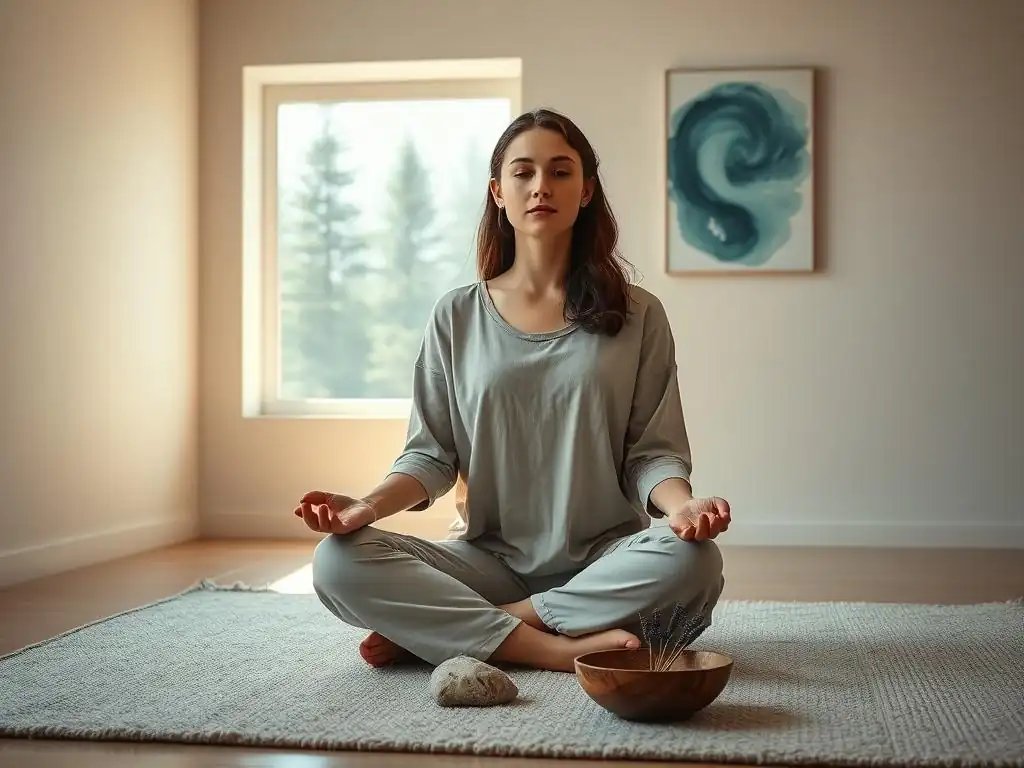
Engaging in specific practices is how spirituality translates from belief or philosophy into lived experience that positively impacts mental health. These practices provide tangible ways to connect with one's inner self, the world around them, and the transcendent, fostering a sense of peace, purpose, and resilience.
This section explores several accessible spiritual practices that can be integrated into daily life to support mental wellbeing.
Mindfulness Meditation
Mindfulness meditation, a practice rooted in ancient spiritual traditions, involves focusing one's attention on the present moment without judgment. By observing thoughts, feelings, and bodily sensations as they arise, individuals can develop greater awareness and detachment from negative thought patterns. Regular practice, even just 10-15 minutes daily, has been shown in numerous studies to reduce symptoms of anxiety and depression, improve focus, and increase emotional regulation.
The core principle of non-judgmental awareness cultivated in mindfulness aligns with spiritual concepts of acceptance and letting go. It teaches patience and self-compassion, allowing individuals to relate to their internal experiences with greater kindness. This practice is a cornerstone for many seeking to use spirituality boost personal wellbeing.
Yoga and Body Awareness
Yoga is a spiritual discipline originating in India that combines physical postures (asanas), breathing techniques (pranayama), and meditation. It emphasizes the connection between mind, body, and spirit. Engaging in yoga can reduce stress and anxiety by calming the nervous system, releasing physical tension, and promoting relaxation.
Beyond the physical benefits, yoga encourages deep body awareness and presence. It can be a moving meditation, helping practitioners connect with their physical form as a sacred vessel. This holistic approach addresses mental wellbeing by integrating physical health with spiritual presence, fostering a sense of harmony within oneself.
Connecting with Nature
Many find deep spiritual connection and mental solace in nature. Spending time outdoors, whether hiking in a forest, walking by the ocean, or simply sitting in a park, can evoke feelings of awe, peace, and interconnectedness. This connection to the natural world can provide perspective, reducing feelings of being overwhelmed by daily stressors.
Research on the benefits of nature exposure supports this, showing decreased rumination and reduced activity in the part of the brain linked to risk for mental illness. Nature serves as a powerful reminder of cycles, growth, and vastness, offering a spiritual perspective that can be incredibly grounding and healing, significantly helping spirituality boost personal wellbeing.
Creative Expression
Engaging in creative activities such as painting, writing, music, or dance can be a profound spiritual practice. Creativity often involves tapping into a source beyond the conscious mind, allowing for the expression of deep emotions, insights, and connection to something transcendent. It can be a form of prayer, meditation, or active contemplation.
Creative expression provides an outlet for processing difficult emotions, fostering self-discovery, and celebrating the beauty of existence. It allows individuals to connect with their inner voice and express their unique spirit, contributing to a sense of vitality and purpose that enhances mental wellbeing.
Journaling for Self-Reflection
Journaling is a simple yet powerful practice for self-reflection and spiritual growth. Regularly writing down thoughts, feelings, experiences, and reflections can provide clarity, help process emotions, and track one's inner journey. It creates a space for honest self-inquiry and can reveal patterns, insights, and areas for growth.
Using journaling to explore questions of meaning, purpose, values, and connection can deepen one's spiritual understanding. It serves as a tangible record of one's path, offering perspective and reinforcing commitment to practices that support mental and spiritual health.
Integrating Spirituality into Daily Life
Making spirituality a consistent part of daily life is key to unlocking its full potential for mental wellbeing. It's not about grand gestures but about weaving spiritual awareness and practice into the fabric of ordinary moments.
This section offers practical ways to integrate spirituality into your routine, fostering a continuous connection to your inner self and the transcendent.
Creating a Dedicated Space for Reflection
Designating a small area in your home for spiritual practice or reflection can serve as a physical reminder and invitation to connect inward. This space doesn't need to be elaborate; it could be a quiet corner with a comfortable cushion, a small altar with meaningful objects, or simply a chair by a window.
Having a dedicated space makes it easier to establish a routine for meditation, prayer, journaling, or quiet contemplation. It signals to yourself that this aspect of your wellbeing is important and worthy of dedicated time and attention, reinforcing how spirituality boost personal wellbeing through consistent practice.
Practicing Gratitude
Cultivating an attitude of gratitude is a powerful spiritual practice with significant mental health benefits. Regularly acknowledging and appreciating the good things in your life, no matter how small, shifts focus away from lack and negativity towards abundance and positivity. This can be done through a daily gratitude journal, a mental list during meditation, or simply pausing throughout the day to feel thankful.
Studies have shown that practicing gratitude can increase feelings of happiness, reduce symptoms of depression, and improve overall life satisfaction. It fosters a sense of connection to the source of these blessings, whether viewed as a higher power, the universe, or simply the kindness of others, enriching one's spiritual and mental landscape.
Connecting with a Supportive Community
Finding a community of like-minded individuals can significantly enhance one's spiritual journey and mental wellbeing. This community could be a religious congregation, a meditation group, a spiritual study circle, or even a group of friends who share similar values and support each other's personal growth.
Sharing experiences, challenges, and insights with others provides validation, encouragement, and a sense of belonging. It combats isolation and offers a network of support during difficult times, demonstrating the communal aspect of how spirituality boost personal wellbeing.
Setting Daily Intentions
Beginning the day by setting a spiritual intention can help anchor your actions and thoughts in your core values and desired state of being. An intention could be as simple as "Today, I will practice patience," "I will look for moments of beauty," or "I will act with compassion."
Setting intentions brings mindful awareness to your day, guiding your interactions and responses. It helps you live more consciously and align your actions with your spiritual path, making every day an opportunity for growth and reinforcing your commitment to enhancing your mental wellbeing through spiritual living.

The spiritual journey is not always smooth; it can involve periods of doubt, questioning, and difficulty maintaining practice. These challenges are normal and part of the process of deepening one's understanding and commitment.
Addressing these obstacles with honesty and perseverance is crucial for continued growth and maintaining the benefits spirituality offers for personal wellbeing.
Addressing Doubt
Doubt is a natural part of any journey of faith or personal exploration. Questioning beliefs, practices, or even the very existence of a spiritual dimension is not a sign of failure but an opportunity for deeper inquiry. Instead of suppressing doubt, try to explore it. What are the questions arising? What fears or uncertainties are they linked to?
Engaging with doubt can lead to a more mature and personal understanding of spirituality, one that is truly your own rather than inherited unquestioningly. It can involve seeking wisdom from others, reading different perspectives, or simply sitting with the discomfort until clarity emerges. Navigating doubt honestly can strengthen your spiritual foundation.
Respecting Diverse Beliefs
As you explore spirituality, you will encounter a vast spectrum of beliefs and practices, both within organized religions and outside them. Cultivating respect for diverse spiritual paths, even those that differ significantly from your own, is essential for personal growth and harmonious interaction with others.
Understanding that there are many valid ways to seek meaning and connection fosters empathy and reduces judgment. It expands your perspective and can even offer new insights into your own path. Embracing this diversity is a spiritual practice in itself, reflecting core values of acceptance and interconnectedness.
Maintaining a Consistent Practice
Life's demands can make it challenging to maintain a consistent spiritual practice. Busy schedules, stress, or lack of motivation can easily lead to practices falling by the wayside. However, consistency, even in small doses, is key to experiencing the ongoing benefits of spirituality for mental wellbeing.
Treat your spiritual practice like any other important commitment – schedule it, protect that time, and be flexible. If you miss a day, don't view it as a failure, but simply return to it the next opportunity. Finding practices that genuinely resonate with you makes consistency easier. Remember that even five minutes of mindful breathing or quiet reflection can make a difference.
Spirituality in Healing and Recovery
Spirituality plays a significant role in the process of healing, particularly from mental health challenges, trauma, and addiction. It offers a source of strength, hope, and a framework for understanding and integrating difficult experiences.
This section explores how spirituality complements traditional healing methods and provides support during times of recovery and grief.
Spirituality as a Complementary Approach to Mental Health
While not a substitute for professional mental healthcare, spirituality can serve as a powerful complementary approach. Many individuals find that integrating spiritual practices with therapy, medication, or other treatments enhances their healing journey. For instance, attending spiritual services or engaging in prayer/meditation alongside therapy for depression can provide additional coping resources and a sense of hope.
Therapists are increasingly recognizing the importance of addressing a client's spiritual dimension as part of holistic care. Understanding a person's spiritual beliefs can provide insight into their values, coping mechanisms, and support systems, all of which are vital components of mental health recovery. This integrated approach recognizes that true wellbeing encompasses more than just the absence of symptoms.
Finding Strength and Hope
During times of mental distress or recovery, finding strength and hope can feel incredibly challenging. Spirituality often provides an essential reservoir of both. Belief in a higher power, a benevolent universe, or an inner resilience connected to something larger than oneself can offer a sense of agency and possibility even when circumstances feel overwhelming.
Spiritual narratives often emphasize themes of perseverance, overcoming adversity, and transformation. These stories and beliefs can instill hope and motivate individuals to continue seeking healing and growth. The sense of being supported or guided by a spiritual force can provide profound comfort and courage.
Using Spiritual Practices to Cope with Grief
Grief is a profound emotional experience, and spiritual practices can offer significant support in navigating its complexities. Many spiritual traditions provide rituals, prayers, and communal support systems specifically designed to help individuals process loss and honor the memory of loved ones.
Practices like prayer, meditation on impermanence, connecting with nature, or engaging in acts of service in memory of the deceased can help individuals find meaning within their grief, connect with a sense of continuity, and find moments of peace amidst the pain. The belief in an afterlife or a continued spiritual connection to the departed can also provide solace and help in the healing process, demonstrating how spirituality boost personal wellbeing even in the face of profound loss.
Spirituality and Personal Growth: An Ongoing Process
Spirituality is not a destination but a continuous journey of exploration, learning, and evolution. It is intimately linked with personal growth, encouraging introspection, authenticity, and a willingness to embrace change.
This final section reflects on spirituality as an ongoing process that fosters self-exploration and living a life aligned with one's deepest truth.
Embracing Change
Spiritual paths often highlight the impermanent nature of life and the universe. Accepting that change is constant and inevitable is a core spiritual principle that can significantly aid personal growth. Instead of resisting change, spiritual perspective encourages embracing it as an opportunity for transformation and learning.
This acceptance helps individuals navigate life transitions with greater grace and resilience. It fosters adaptability and reduces anxiety about the unknown, allowing for continuous evolution and growth throughout life, a key aspect of how spirituality boost personal wellbeing over the long term.
Living Authentically
A deep connection to one's spirituality often leads to a stronger sense of self and a greater desire to live authentically. As you explore your values, beliefs, and inner truth through spiritual practices, you become more attuned to who you are at your core.
Living authentically involves aligning your actions, relationships, and choices with your deepest values and spiritual insights. This requires courage and self-awareness but leads to a more integrated, fulfilling, and peaceful life, reducing the internal conflict that often arises from living out of alignment with one's true self.
Encouraging Self-Exploration
At its heart, spirituality is a journey of self-exploration. It encourages looking inward, questioning assumptions, and seeking a deeper understanding of oneself and one's place in the world. This ongoing inquiry is fundamental to personal growth.
Through practices like meditation, journaling, contemplation, and engaging with spiritual teachings, individuals are invited to delve into their inner landscape, uncover limiting beliefs, heal past wounds, and discover their innate potential. This continuous process of self-discovery, guided by spiritual principles, is perhaps the most profound way spirituality boost personal wellbeing, leading to a life of greater awareness, purpose, and peace.
Frequently Asked Questions
How does spirituality contribute to personal wellbeing?
Spirituality can provide a sense of purpose and meaning in life, fostering inner peace and resilience. This can lead to improved mental and emotional health.
What are some practical ways to incorporate spirituality into daily life?
Practices like meditation, mindfulness, and connecting with nature can cultivate spirituality. Engaging in acts of service and reflecting on values are also helpful.
Is spirituality the same as religion?
No, spirituality is broader than religion. It's about a personal search for meaning and connection, while religion is a specific system of beliefs and practices.
How can spirituality help in coping with mental health challenges?
Spirituality can offer a sense of hope and comfort during difficult times. It provides a framework for understanding suffering and finding strength in adversity.
What resources are available for exploring spirituality and its benefits for wellbeing?
Mind Care Guide offers articles, support groups, and guided meditations focused on spirituality. Also consider books, workshops, and spiritual mentors.
Final Reflection: The Enduring Power of Inner Exploration
The pursuit of spiritual growth is not a fleeting trend; it's a fundamental human need, deeply intertwined with our overall wellbeing. In a world increasingly focused on external validation and material success, the journey within offers a powerful antidote, a path towards genuine contentment and lasting fulfillment. This exploration, as we've seen, isn't about adhering to rigid dogma, but about cultivating a deeper understanding of ourselves and our place in the universe.
The impact of spirituality on the cultural and social landscape is undeniable, subtly shaping our values, relationships, and even our political discourse. We see it in the rise of mindfulness practices, the growing interest in holistic wellness, and the increasing emphasis on compassion and empathy. The purpose of life, after all, is to live it, to taste experience to the utmost, to reach out eagerly and without fear for newer and richer experience.
– Eleanor Roosevelt. This quote perfectly encapsulates the spirit of this exploration: a courageous embrace of life's complexities, fueled by a deeper connection to something larger than ourselves.
Now, consider your own journey. What resonates most deeply with you from this exploration of spirituality? What small step can you take today to nurture your inner world and cultivate a more meaningful life? Perhaps it's dedicating five minutes to quiet reflection, practicing gratitude, or engaging in an act of kindness. Remember, the journey within is a lifelong process, a continuous unfolding of self-discovery. Embrace the path, trust the process, and allow the transformative power of inner exploration to enrich every aspect of your being.
Unlock Your Inner Wisdom: Take the Next Step on Your Journey
Thanks for taking the time to explore the path to spiritual growth with us! We hope you found valuable insights into finding meaning and purpose. Now it's time to put that knowledge into action.
- Start a daily mindfulness practice: Even 5 minutes of focused breathing can make a world of difference. This is the cornerstone of integrating the insights from this article.
- Share your reflections: Discuss your thoughts and experiences with a friend, family member, or in our online community (if available - we encourage you to connect with like-minded individuals!). Sharing your journey can deepen your understanding and inspire others.
- Explore a new spiritual practice: Whether it's journaling, meditation, yoga, or connecting with nature, find something that resonates with you and commit to trying it for a week.
What small step will you take today to nurture your inner wisdom and deepen your spiritual journey?