
The Power of Prayer and Religious Practice in Coping

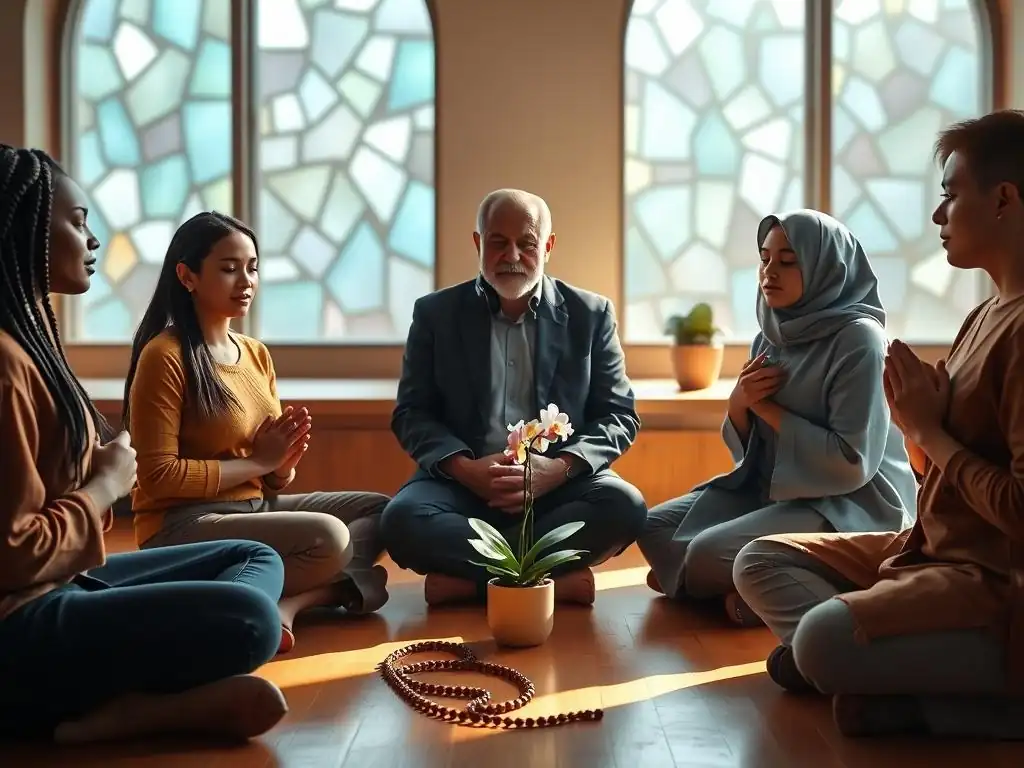
Welcome to Mind Care Guide, a sanctuary dedicated to your mental well-being.
Feeling overwhelmed? Perhaps searching for solace in the face of anxiety and stress? You're not alone. We understand the challenges you face, and we're here to explore a powerful, often overlooked, resource: the profound impact of prayer and religious practice. Could connecting with something larger than yourself truly make a difference? Dive in to discover how the power of prayer can be a vital tool in your journey towards inner peace and resilience. Let's uncover its potential together.
The Power of Faith and Religious Practice in Coping
- Introduction: Faith as a Coping Mechanism for Mental Well-being
- How Prayer Reduces Anxiety and Stress: The Psychological Benefits
- Faith-Based Practices as Sources of Social Support
- Different Types of Prayer and Their Impact on Mental Health
- Religious Rituals and Their Contribution to Emotional Regulation
- The Importance of Personalized Faith Practices
- Addressing Challenges and Considerations in Faith-Based Coping
- Practical Tips for Incorporating Faith-Based Practices into Daily Life
- Conclusion: The Enduring Power of Faith in Promoting Mental Well-being
-
Frequently Asked Questions
- How does prayer specifically help reduce anxiety and stress according to Mind Care Guide?
- Are there specific types of prayer mentioned that are more effective for anxiety and stress relief?
- Does Mind Care Guide suggest prayer is a replacement for professional mental health treatment?
- What role does community and religious practice play, beyond personal prayer, in managing stress?
- Is the effectiveness of prayer for anxiety reduction supported by scientific evidence according to Mind Care Guide?
- Final Reflection: The Enduring Power of Prayer in a Stressed World
- Unlock Your Inner Strength: Take the Next Step
Introduction: Faith as a Coping Mechanism for Mental Well-being
Understanding the Intersection of Faith, Prayer, and Mental Health
For centuries, individuals have turned to faith and religious practices as a source of strength and comfort during challenging times. This deep-rooted connection between spirituality and human resilience is a topic of increasing interest in the field of mental health. Faith can provide a framework for understanding life's difficulties, offering hope and a sense of purpose that can be incredibly grounding when facing adversity. It's not just about belief in a higher power; it's also about the community, rituals, and values that religious practice often provides, all of which can act as powerful coping mechanisms.
The relationship between faith, prayer, and mental health is complex and multifaceted. Research suggests that for many people, engaging in prayer and other religious activities can significantly impact their psychological state. Studies have indicated that individuals who report a strong religious faith often exhibit lower rates of depression and anxiety. This isn't a universal truth, as individual experiences vary, but the potential for faith to support mental well-being is a recognized phenomenon, contributing to the growing understanding of how prayer reduces anxiety and stress for many.
Mental Health Organization's Perspective on Spirituality and Coping
Leading mental health organizations and professionals often acknowledge the significant role that spirituality and faith can play in a person's mental wellness journey. While professional clinical care remains paramount for diagnosing and treating mental health conditions, many organizations recognize that faith can be a valuable complementary resource. They emphasize the importance of integrating a patient's spiritual beliefs and practices into their overall care plan, provided it aligns with the individual's values and does not interfere with evidence-based treatment.
Many mental health associations highlight that spiritual practices, including prayer, can offer individuals a sense of meaning, connection, and hope, all of which are crucial elements in coping with stress and mental health challenges. They often encourage therapists to be culturally competent and sensitive to a patient's spiritual background, viewing faith as a potential source of strength and resilience rather than something to be ignored or dismissed. This perspective underscores the understanding that faith and prayer offer tangible benefits that can help prayer reduce anxiety and stress for many individuals seeking support.
How Prayer Reduces Anxiety and Stress: The Psychological Benefits
The Calming Effect of Prayer on the Nervous System
Engaging in prayer can induce a state of physiological calm that directly impacts the nervous system. Much like meditation or deep breathing exercises, the act of focusing the mind, often through repetitive phrases or silent contemplation, can slow down the heart rate and lower blood pressure. This response is part of the body's parasympathetic nervous system activation, which counteracts the "fight or flight" response triggered by stress and anxiety. When someone dedicates time to prayer, they are often creating a moment of stillness and focused attention that can interrupt the cycle of anxious thoughts and physical tension.
Scientific inquiry into the physiological effects of prayer has shown promising correlations. While direct causal links are complex to isolate, studies using neuroimaging techniques have observed changes in brain activity patterns during prayer that are similar to those seen during meditation, often involving areas associated with self-reflection, emotion regulation, and reduced activity in areas linked to fear and anxiety. This suggests a biological basis for how prayer reduces anxiety and stress, facilitating a state of relaxation and mental quietude that can be profoundly beneficial.
Prayer as a Form of Mindfulness and Meditation
Prayer shares significant similarities with mindfulness and meditation practices, particularly in its ability to focus attention and bring awareness to the present moment. When someone prays, they are often directing their thoughts towards a specific intention, scripture, or a sense of connection with the divine, pulling their focus away from distracting or worrying thoughts about the past or future.
This intentional focus is a core component of mindfulness, which is widely recognized for its ability to reduce stress and improve emotional regulation. The repetitive nature of some prayers, like reciting rosaries or mantras, can also serve as a focal point, anchoring the mind and preventing it from wandering into anxious rumination.
Just as secular mindfulness encourages non-judgmental observation of thoughts and feelings, certain forms of prayer can involve bringing one's authentic self and struggles before a higher power without fear of judgment. This act of vulnerability and honest expression can be incredibly therapeutic, allowing individuals to process difficult emotions in a safe context. By engaging in prayer with a mindful presence, individuals can cultivate greater self-awareness and acceptance, further enhancing the capacity for prayer to reduce anxiety and stress by fostering a sense of inner peace and acceptance.
Religious Practices and the Release of Endorphins
Participation in religious practices, particularly those involving communal singing, chanting, or rhythmic movements, can stimulate the release of endorphins in the brain. Endorphins are natural mood elevators and pain relievers, often associated with feelings of well-being and euphoria. While individual prayer can be calming, the shared experience of worship, singing hymns, or engaging in communal rituals can create a powerful collective effervescence that triggers this physiological response. This shared emotional and physical engagement contributes to a sense of connection and belonging, which are also vital components of mental health resilience.
Beyond communal activities, even solitary acts of fervent prayer or intense spiritual reflection can potentially influence neurochemical pathways. The emotional intensity and focus involved may impact brain chemistry in ways that contribute to improved mood and reduced perception of stress. While research in this specific area is ongoing and complex, the known effects of social connection and focused mental states on neurochemistry provide a plausible mechanism for how participation in religious life and dedicated prayer reduces anxiety and stress, offering a natural boost to emotional well-being.
The Role of Religious Communities in Mental Health
Religious communities often serve as vital social support networks, offering a sense of belonging and connection that is crucial for positive mental health. Attending services, participating in group activities, or simply having peers who share similar values can combat feelings of isolation and loneliness, which are significant risk factors for depression and anxiety. These communities provide opportunities for regular social interaction, mutual support, and shared experiences, creating a buffer against the stresses of daily life. In times of crisis, members often rally around those in need, providing practical help, emotional comfort, and spiritual guidance.
Research consistently shows a correlation between strong social ties and better mental health outcomes. Individuals actively involved in faith communities often report higher levels of life satisfaction and resilience. For example, studies have indicated that older adults who attend religious services regularly tend to have lower rates of depression and anxiety compared to those who do not. This isn't solely about the religious belief itself, but also the tangible benefits of community support, shared purpose, and the structure that belonging to a faith group provides, all contributing to the ways prayer reduces anxiety and stress within a communal context.
Shared faith creates a unique bond among individuals, fostering empathy and understanding. When facing personal struggles, knowing that others in your community share a similar worldview and can offer support rooted in shared spiritual beliefs can be profoundly comforting. This shared understanding can make it easier to communicate feelings and challenges, as there's a common language and framework for discussing suffering, hope, and resilience. Whether through shared prayer, discussing scripture, or simply spending time together, the connection forged through shared faith strengthens social bonds.
This sense of connection is particularly valuable during periods of high stress or grief. For instance, during community crises or personal losses, religious groups often organize support activities, prayer circles, and practical aid. This collective response reinforces that individuals are not alone in their struggles. The shared belief system provides a common narrative and source of hope, helping individuals process difficult experiences and reinforcing how communal prayer reduces anxiety and stress by distributing the emotional burden and providing collective strength.
Religious Leaders as a Support System for Mental Well-being
Religious leaders often serve as frontline caregivers within their communities, providing pastoral counseling and emotional support. They are often the first point of contact for individuals experiencing distress, offering a listening ear, guidance rooted in faith traditions, and comfort. While not substitutes for licensed mental health professionals, pastors, imams, rabbis, and other spiritual leaders play a crucial role in supporting the mental well-being of their congregants. They can offer spiritual perspectives on coping with challenges, help individuals find meaning in suffering, and encourage reliance on faith practices like prayer to navigate difficult emotions.
Furthermore, religious leaders can act as important bridges to professional help. Recognizing the limits of pastoral care, many are trained to identify signs of serious mental health issues and can refer individuals to appropriate clinical resources.
They can also work collaboratively with therapists, with the patient's consent, to ensure that spiritual beliefs are respected and integrated into the therapeutic process. This dual role – offering spiritual support and facilitating access to professional care – highlights the significant contribution religious leaders make to the overall mental health ecosystem, reinforcing how faith leaders can guide individuals in how prayer reduces anxiety and stress in conjunction with other forms of support.
Different Types of Prayer and Their Impact on Mental Health

Petitionary Prayer: Seeking Guidance and Strength
Petitionary prayer, where an individual asks a higher power for intervention, guidance, or strength, is a common form of prayer practiced across many faiths. For individuals facing difficult decisions, health challenges, or overwhelming circumstances, the act of articulating their needs and desires in prayer can be a way of externalizing their worries and seeking a sense of control or hope in situations where they feel powerless. It can provide comfort by shifting the burden of responsibility, even partially, and fostering a belief that support is available from a source greater than themselves.
Psychologically, the process of verbalizing or mentally formulating petitions can help individuals clarify their own thoughts and feelings about a problem. It can also reinforce a sense of hope and agency, even if the outcome is uncertain. The belief that one's prayers are heard and that a higher power is involved can reduce feelings of isolation and despair, contributing to the ways prayer reduces anxiety and stress by providing a spiritual anchor and a sense of potential positive resolution.
Gratitude Prayer: Cultivating Positivity and Appreciation
Gratitude prayer focuses on expressing thankfulness for blessings, both big and small. This practice is a powerful tool for shifting perspective from focusing on problems and deficiencies to acknowledging the positive aspects of life. Engaging in regular gratitude prayer can help rewire the brain to notice and appreciate the good, counteracting the negativity bias that often fuels anxiety and depression. By intentionally focusing on what one is grateful for, individuals can cultivate a more positive outlook and increase feelings of contentment and well-being.
Numerous studies on gratitude, even outside a religious context, have demonstrated its positive impact on mental health, including reduced stress and increased happiness. When gratitude is integrated into prayer, it adds a spiritual dimension, framing blessings as gifts from a divine source. This can deepen the sense of awe and appreciation, further enhancing the psychological benefits. Practicing gratitude prayer regularly is a direct way that prayer reduces anxiety and stress by actively promoting positive emotions and a hopeful perspective on life.
Contemplative Prayer: Finding Inner Peace and Clarity
Contemplative prayer involves quiet reflection, meditation, and focusing on a sense of presence or union with the divine. Unlike petitionary prayer, it's less about asking for things and more about listening, being present, and experiencing spiritual connection. Practices like centering prayer, Christian meditation, or Sufi whirling (in a meditative context) fall under this category. These forms of prayer emphasize stillness, letting go of distracting thoughts, and cultivating a deep sense of inner peace.
The benefits of contemplative prayer closely align with those of secular meditation practices, including reduced rumination, improved focus, and a greater sense of calm. By intentionally quieting the mind and focusing on a spiritual center, individuals can detach from anxious thoughts and experience a sense of tranquility. This practice can help individuals develop greater emotional regulation and resilience, making contemplative prayer a particularly effective method for how prayer reduces anxiety and stress by fostering profound inner stillness and clarity.
Religious Rituals and Their Contribution to Emotional Regulation
The Power of Rituals in Providing Structure and Stability
Religious rituals, such as attending regular services, observing specific holidays, or performing daily prayer routines, provide structure and predictability in life. This structure can be incredibly grounding, especially during times of uncertainty or chaos. Knowing when and how to engage in these practices offers a sense of stability and continuity, anchoring individuals to something larger than their immediate circumstances. The repetitive and familiar nature of rituals can be inherently soothing, providing a sense of safety and control in a world that often feels unpredictable.
For example, the weekly rhythm of attending a Sabbath service or the daily discipline of prayer at set times creates a predictable pattern that can reduce the anxiety associated with unstructured time or feeling adrift. These rituals provide a framework for organizing time and energy, ensuring that moments for reflection, community, and spiritual connection are prioritized. This structured approach helps individuals manage their emotional landscape, contributing to the overall understanding of how religious practice, including prayer within these rituals, reduces anxiety and stress by instilling order and stability.
How Religious Practices Promote a Sense of Meaning and Purpose
Religious practices often connect individuals to a larger narrative or purpose, which can be profoundly beneficial for mental well-being. Belief systems typically offer explanations for life's big questions – suffering, death, morality – and provide a framework for understanding one's place in the world. Engaging in practices like studying scripture, participating in theological discussions, or engaging in faith-based service work can deepen this sense of meaning and purpose, giving individuals a reason to persevere through difficulties.
Having a strong sense of purpose is a known protective factor against depression and anxiety. When individuals feel their lives have meaning, they are often better equipped to cope with adversity and find motivation even when facing challenges.
Religious practices reinforce this sense of purpose by connecting personal struggles to a broader spiritual context and often emphasizing values like love, compassion, and service. This connection to something meaningful beyond oneself is a significant way that faith and its associated practices, including prayer, help individuals cope and can lead to prayer reducing anxiety and stress by providing a hopeful and purposeful perspective.
The Significance of the Sabbath in Promoting Rest and Reflection
Many religious traditions incorporate a concept similar to the Sabbath – a day or period set aside specifically for rest, reflection, and spiritual focus. In today's fast-paced world, the deliberate act of stepping away from work, consumerism, and daily pressures to rest and reflect is a powerful antidote to stress and burnout. The Sabbath provides a mandated opportunity to slow down, connect with family and community, engage in prayer or contemplation, and recharge mentally and spiritually.
Observing the Sabbath encourages a necessary pause that can break the cycle of chronic stress. It prioritizes well-being over productivity for a designated period, sending a powerful message about the importance of rest. This regular, intentional break allows the nervous system to calm down, reduces mental fatigue, and provides space for spiritual nourishment. The restorative nature of the Sabbath is a clear example of how religious practices are designed to promote well-being and how dedicating time for spiritual activities, including prayer during this period, reduces anxiety and stress by facilitating essential rest and reflection.
The Importance of Personalized Faith Practices
Finding a Religious Practice That Resonates With You
Just as mental health treatment is highly individualized, so too should be the approach to incorporating faith into coping strategies. Not all religious practices resonate with everyone, and what brings comfort and meaning to one person may not for another. It is important for individuals to explore different aspects of their faith or different traditions to find practices that genuinely connect with their inner needs and values. This might involve trying different forms of prayer, exploring various community groups, or engaging with different types of spiritual texts or teachings.
Authenticity is key. Engaging in practices that feel forced or are done out of obligation rather than genuine connection is unlikely to yield significant mental health benefits. Finding a practice that feels personal and meaningful makes it more likely to be sustained and effective as a coping mechanism. This personal resonance enhances the potential for prayer to reduce anxiety and stress because it becomes a genuine expression of one's inner life and spiritual seeking.
Adapting Religious Practices to Individual Needs and Preferences
Religious practices can and should be adapted to fit individual circumstances, abilities, and preferences. For someone with social anxiety, large communal gatherings might be overwhelming; finding a smaller prayer group or focusing on solitary prayer might be more beneficial. For someone with physical limitations, adapting traditional postures or finding accessible ways to participate in rituals is important. Faith is meant to be a support, not an additional burden.
This adaptability ensures that faith practices remain accessible and helpful. It might involve finding creative ways to integrate prayer into a busy schedule, using technology to connect with a faith community if in-person attendance is difficult, or focusing on the aspects of faith that are most personally relevant. Tailoring the practice ensures it remains a source of comfort and strength, maximizing its effectiveness in helping prayer reduce anxiety and stress by making it a sustainable and integrated part of daily life.
Combining Faith with Other Mental Health Strategies
Faith-based coping should be seen as complementary to, rather than a replacement for, professional mental health care. For individuals struggling with significant mental health conditions like clinical depression, severe anxiety disorders, or bipolar disorder, professional diagnosis and treatment (which may include therapy, medication, or other interventions) are essential. Faith practices can work alongside these treatments, providing additional layers of support and resilience.
Many therapists and counselors are open to incorporating a patient's faith into therapy, exploring how beliefs and practices can be used as resources in the healing process. For example, a therapist might work with a patient to identify how their faith encourages hope or resilience, or how prayer can be used as a tool for managing anxious thoughts alongside cognitive behavioral techniques. Integrating faith with evidence-based therapies offers a holistic approach that addresses the individual's mental, emotional, and spiritual needs, leveraging all available resources to help prayer reduce anxiety and stress in conjunction with professional support.
Addressing Challenges and Considerations in Faith-Based Coping

It is crucial to acknowledge that for some individuals, religious experiences may have been negative or even traumatic. Experiences of religious abuse, judgment, exclusion, or rigid dogma can cause deep psychological wounds and make faith a source of pain rather than comfort. For these individuals, faith-based coping mechanisms, including prayer, may be difficult or even harmful to engage with without first addressing the trauma. Healing from religious trauma often requires professional therapeutic support specifically trained in this area.
Navigating religious trauma involves processing past hurts, potentially re-evaluating beliefs, and finding a path towards healing that may or may not include continued engagement with organized religion or specific faith practices. It is a delicate process that requires empathy and understanding. For survivors, the idea that prayer reduces anxiety and stress might seem counterintuitive or even hurtful, highlighting that the impact of faith is deeply personal and dependent on individual experiences.
Balancing Faith with Professional Mental Health Care
While faith can be a powerful coping mechanism, it is vital to strike a balance between relying on faith and seeking professional help when needed. Mental health conditions are complex and often require evidence-based treatments that address biological, psychological, and social factors. Relying solely on faith or prayer to address conditions like severe depression, psychosis, or addiction can be detrimental and delay necessary medical or therapeutic intervention.
A healthy approach involves viewing faith and professional care as partners. Faith can provide spiritual strength, community support, and a framework for meaning, while therapy and medication (if needed) address the clinical aspects of the condition. It's about utilizing all available resources for well-being. Recognizing when faith-based coping is insufficient and professional help is necessary is a sign of wisdom and self-care. Encouraging individuals to seek professional support alongside their faith practices is key to maximizing the benefits of both approaches.
Addressing Potential Conflicts Between Religious Beliefs and Therapeutic Approaches
Occasionally, there can be perceived or actual conflicts between certain religious beliefs and specific therapeutic approaches or medical treatments. For example, some religious doctrines may hold particular views on mental illness, therapeutic interventions, or the use of medication that can create conflict for an individual seeking help. Navigating these conflicts requires open communication between the individual, their religious leaders, and their mental health professionals.
Many therapists are trained to work within a patient's value system and can adapt approaches to be culturally and spiritually sensitive. Finding a therapist who understands and respects your faith can be incredibly helpful. Similarly, seeking guidance from compassionate and open-minded religious leaders can help individuals reconcile potential conflicts. Addressing these issues collaboratively ensures that individuals can access effective care without compromising deeply held beliefs, allowing them to integrate faith, including how prayer reduces anxiety and stress for them, within a comprehensive care plan.
Practical Tips for Incorporating Faith-Based Practices into Daily Life
Creating a Dedicated Prayer or Meditation Space
Designating a specific area in your home for prayer, meditation, or quiet reflection can help establish a consistent practice. This space doesn't need to be elaborate; it could be a quiet corner with a comfortable cushion, a small table with meaningful objects like scriptures or prayer beads, or simply a spot where you feel peaceful and undisturbed. Having a dedicated space signals to your mind that this is a time for spiritual focus and helps create a sense of ritual around the practice.
Creating this physical space can make it easier to transition from the busyness of daily life into a state of prayer or contemplation. It removes the barrier of having to find a suitable spot each time and reinforces the importance of setting aside time for spiritual nourishment. This dedicated space can become a sanctuary where you can regularly turn to prayer to reduce anxiety and stress, finding peace and connection away from distractions.
Setting Aside Time for Religious Reflection
In our busy lives, spiritual reflection often gets pushed aside unless it is intentionally scheduled. Make a conscious effort to set aside specific time each day or week for prayer, reading sacred texts, or quiet contemplation. This could be first thing in the morning, during a lunch break, or before bed. Even just 5-10 minutes of focused time can make a difference. Consistency is often more important than duration when building a spiritual practice.
Treat this time as a non-negotiable appointment with yourself and your spiritual life. Putting it on your calendar or setting a reminder can help ensure it happens. This dedicated time allows for intentional engagement with your faith, providing a regular opportunity to connect spiritually, seek guidance, and utilize prayer to reduce anxiety and stress by grounding yourself in moments of quiet reflection amidst the demands of life.
Joining a Religious Community or Support Group
Connecting with others who share your faith can provide invaluable support and enhance your spiritual journey. Explore local religious institutions, faith-based community groups, or online spiritual communities. Participating in services, study groups, volunteer activities, or simply social gatherings can provide a sense of belonging, offer mutual support, and deepen your understanding of your faith.
Finding a community that feels welcoming and supportive is key. This provides a network of people who can offer encouragement, share insights, and provide practical or emotional help during difficult times. Engaging with a faith community reinforces the social benefits of religious practice and provides a collective context for how prayer reduces anxiety and stress, offering shared rituals, communal support, and a sense of not being alone in your struggles.
Conclusion: The Enduring Power of Faith in Promoting Mental Well-being
Recap of the Benefits of Faith-Based Practices for Coping
Throughout this article, we have explored the many ways faith and religious practices can serve as powerful coping mechanisms for mental well-being. From the physiological calming effects of prayer, similar to mindfulness, which helps prayer reduce anxiety and stress, to the strong social support networks provided by religious communities, the benefits are diverse and significant for many individuals. We've seen how different forms of prayer cultivate positive emotions and inner peace, and how religious rituals offer structure, meaning, and essential opportunities for rest.
Faith-based coping provides a holistic approach that addresses the spiritual dimension of human experience, offering hope, resilience, and a framework for navigating life's inevitable challenges. While not a substitute for professional mental health care, it serves as a valuable complementary resource that can enhance overall well-being and support recovery. The ability of prayer reduces anxiety and stress for many people is a testament to the enduring power of faith as a source of comfort and strength.
Mental Health Organization's Commitment to Supporting Faith-Based Approaches to Mental Health
Major mental health organizations increasingly recognize and respect the role of faith and spirituality in mental wellness. They advocate for culturally sensitive care that acknowledges and integrates a patient's spiritual beliefs and practices into treatment plans where appropriate. This commitment reflects an understanding that mental health is not solely a clinical issue but is intertwined with an individual's entire life experience, including their spiritual dimension.
By encouraging collaboration between mental health professionals and faith leaders, and by acknowledging faith as a potential source of strength, these organizations help destigmatize both mental health challenges and the use of faith in coping. They support the idea that individuals should feel empowered to draw upon all available resources, including their faith and the practice of prayer, to help manage their mental health and utilize prayer to reduce anxiety and stress in conjunction with professional support.
Encouraging Further Exploration of Spirituality and Mental Wellness
The journey of understanding the connection between spirituality and mental wellness is ongoing and deeply personal. This article has provided an overview of how faith and religious practices, particularly prayer, can positively impact coping and reduce anxiety and stress. We encourage readers to explore this connection further, whether through deepening their existing faith practice, learning about different spiritual traditions, or discussing the role of faith with a trusted mental health professional or spiritual advisor.
Embracing the potential benefits of faith-based coping can be a significant step towards enhanced mental well-being. By integrating spiritual practices like prayer into daily life, connecting with supportive communities, and seeking professional help when needed, individuals can build a robust toolkit for navigating the complexities of life and fostering resilience. The power of faith, including the profound ways prayer reduces anxiety and stress, remains a vital avenue for many seeking peace and strength.
Frequently Asked Questions
How does prayer specifically help reduce anxiety and stress according to Mind Care Guide?
Prayer offers a sense of control and connection to a higher power, which can significantly reduce feelings of anxiety. It provides emotional comfort and a framework for coping with stressful situations. This feeling of connection helps reduce isolation and worry.
Are there specific types of prayer mentioned that are more effective for anxiety and stress relief?
While no single type is universally superior, Mind Care Guide suggests that mindful prayer, focusing on the present moment and gratitude, can be particularly helpful. Also, intercessory prayer, praying for others, can shift focus away from personal anxieties.
Does Mind Care Guide suggest prayer is a replacement for professional mental health treatment?
No, prayer and religious practice are presented as complementary tools, not replacements. Mind Care Guide emphasizes the importance of seeking professional help for mental health challenges, viewing prayer as an additional source of support.
What role does community and religious practice play, beyond personal prayer, in managing stress?
Religious communities offer social support and a sense of belonging, reducing feelings of isolation. Shared rituals and beliefs create a supportive environment that can buffer against stress. This sense of belonging aids in mental wellbeing.
Is the effectiveness of prayer for anxiety reduction supported by scientific evidence according to Mind Care Guide?
Mind Care Guide acknowledges that while faith is subjective, some studies suggest a correlation between religious practice and improved mental well-being. However, it's essential to approach these findings with nuance, recognizing the complex interplay of faith, belief, and psychological factors.
Final Reflection: The Enduring Power of Prayer in a Stressed World
The pervasive anxiety and stress of modern life highlight the timeless relevance of prayer and religious practice. Finding solace and strength in faith is not merely a historical phenomenon; it's a vital coping mechanism actively employed by millions navigating the complexities of the 21st century. The research presented clearly demonstrates the tangible benefits of prayer, offering a pathway to emotional resilience in a world often characterized by uncertainty and overwhelming pressure.
The impact of prayer extends far beyond individual coping mechanisms; it shapes communities, cultures, and the very fabric of our social landscape. It provides a framework for meaning-making, fostering a sense of belonging and shared purpose that can buffer against feelings of isolation and despair. As the theologian Frederick Buechner eloquently stated, Prayer is not asking. It is listening. It is waiting. It is being still.
This quiet attentiveness, this intentional space for reflection, is precisely what many find lacking in their fast-paced lives, making the practice of prayer all the more crucial.
Consider the ways in which prayer has touched your own life, or the lives of those around you. Perhaps it's time to rediscover or re-evaluate the role of faith and spiritual practice in your own journey toward well-being. Whether through formal prayer, meditation, or simply taking moments of quiet reflection, explore the potential for inner peace and resilience that lies within. Embrace the power of connection, both with a higher power and with yourself, and discover the transformative strength that awaits.
Unlock Your Inner Strength: Take the Next Step
Thanks for taking the time to explore the powerful connection between prayer, religious practice, and coping mechanisms. We hope you found valuable insights to support your well-being. Now, let's turn those insights into action!
- Start a daily mindfulness practice: Even five minutes of quiet reflection can make a difference. Try incorporating prayer or meditation into your routine, focusing on gratitude and peace. This is your primary step towards cultivating inner strength.
- Share your experience: Connect with others in your faith community or online. Sharing your journey can be incredibly supportive and strengthen your sense of belonging.
- Explore different practices: Consider trying a new form of prayer or meditation that resonates with you. Perhaps explore guided meditations or different religious texts.
What small step will you take today to nurture your spiritual well-being and enhance your coping strategies?