
The Power of Ritual: Creating Meaningful Spiritual Practices

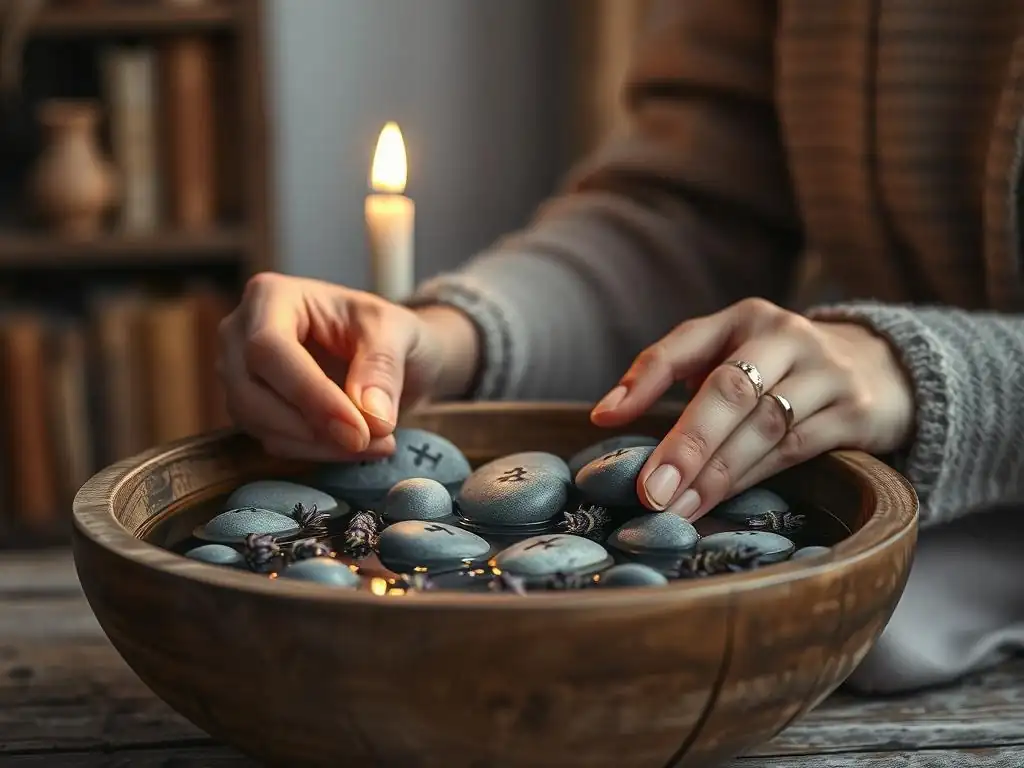
Welcome to Mind Care Guide, a sanctuary for your mental well-being.
Feeling lost or disconnected? Discover the profound impact of integrating spirituality into your daily life. This week, we delve into the transformative power of rituals for mental wellbeing. Uncover simple yet effective practices that can ground you, foster inner peace, and cultivate a deeper sense of meaning. Are you ready to unlock the potential of ritual and embark on a journey towards a more balanced and fulfilling life? Let's explore together...
The Power of Ritual: Creating Meaningful Spiritual Practices
Rituals are ancient practices woven into the fabric of human history and culture. They provide structure, meaning, and a sense of connection in our lives. In the context of mental wellbeing, engaging in rituals can be a powerful tool, offering comfort, reducing anxiety, and fostering a deeper connection with ourselves and the world around us. Exploring how rituals can support mental health opens up new pathways to inner peace and resilience.
Understanding the role of rituals for mental wellbeing involves looking beyond rigid religious ceremonies to encompass any intentional action performed with significance. These practices, whether personal or communal, can profoundly impact our psychological state, providing anchors in a sometimes chaotic world.
- Understanding Rituals and Mental Wellbeing
- Designing Your Own Rituals for Enhanced Wellbeing
- Examples of Powerful Rituals for Mental Clarity
- Overcoming Challenges in Ritual Practice
- The Science Behind Rituals: Exploring the Research
- Integrating Rituals into Your Daily Life: A Sustainable Approach
-
Frequently Asked Questions
- What are rituals and how can they contribute to mental wellbeing?
- How do rituals for mental wellbeing differ from everyday routines?
- Can rituals be personalized, or are there specific ones that are universally beneficial for mental health?
- What are some examples of simple rituals that can be easily incorporated into a daily routine to improve mental wellbeing?
- How can I identify and develop rituals that are most effective for my mental wellbeing, considering my specific challenges?
- Final Reflection: Weaving Ritual into the Fabric of Wellbeing
- Unleash Your Inner Peace: Cultivate a Daily Ritual
Understanding Rituals and Mental Wellbeing
Rituals serve as more than just repetitive actions; they are imbued with intention and meaning, offering psychological benefits that support our overall mental health. By understanding what constitutes a ritual and its impact, we can begin to harness their power.
Defining Ritual: More Than Just Routine
A routine is typically a functional, often unconscious sequence of actions aimed at efficiency – like brushing your teeth or driving the same route to work. A ritual, however, elevates an action beyond mere function by infusing it with symbolic meaning and intention. It's about why and how you do something, not just what you do. For instance, making your morning coffee might be a routine, but mindfully preparing it while setting an intention for the day transforms it into a ritual.
These intentional acts are often rich in symbolism and can connect us to deeper values, emotions, or spiritual beliefs. They provide a framework for processing complex feelings or navigating transitions. Unlike habits, which can sometimes feel automatic or even compulsive, rituals are typically chosen acts of presence and meaning-making, central to enhancing rituals for mental wellbeing.
The Psychological Benefits of Rituals
Engaging in rituals has been shown to offer significant psychological advantages. One primary benefit is the creation of a sense of order and predictability, which can be incredibly grounding, especially during times of uncertainty or stress. Research suggests that rituals can activate the brain's prefrontal cortex, helping to manage anxiety and improve focus.
Moreover, rituals provide a sense of control in situations where we might feel powerless. Performing a specific sequence of actions, even simple ones like lighting a candle before meditation or writing down thoughts in a journal, can instill a feeling of agency. A study published in Journal of Experimental Psychology: General (while specific data varies by study, general findings indicate a reduction in grief and anxiety) found that performing simple rituals after experiencing loss significantly reduced feelings of grief compared to a control group. This highlights the tangible impact of rituals for mental wellbeing.
Rituals for Mental Health: A Path to Inner Peace
Incorporating rituals into daily life offers a structured approach to cultivating inner peace and resilience. They act as deliberate pauses, allowing us to step away from the demands of the external world and connect with our inner landscape. A daily meditation ritual, for example, even for just 5-10 minutes, can significantly lower cortisol levels (the stress hormone) over time, contributing to a calmer nervous system.
Rituals can also provide a container for difficult emotions, making them feel more manageable. A ritual of writing down worries before bed and then symbolically discarding the paper can help release anxious thoughts. Similarly, a ritual of spending time in nature can foster a sense of perspective and connection, reducing feelings of isolation. These intentional practices become anchors, helping to navigate the ups and downs of life with greater equanimity and fostering powerful rituals for mental wellbeing.
Designing Your Own Rituals for Enhanced Wellbeing
Creating personal rituals is a deeply personal process. The most effective rituals are those that resonate with your individual needs, values, and intentions. They should feel authentic and supportive, not like another chore.
Identifying Your Needs and Intentions: The Foundation of a Meaningful Ritual
Before you can design a ritual, take time to reflect on what you need most in your life right now. Are you seeking more calm, clarity, connection, or perhaps release from stress? What intentions do you want to set for your day, week, or even a specific task? For instance, if you feel overwhelmed, your need might be stress reduction, and your intention could be to cultivate peace.
Journaling about your current emotional state, challenges, and aspirations can help clarify your needs and intentions. Consider what areas of your life feel out of balance and how a ritual could help restore harmony. Perhaps you need to feel more grounded in the morning or release the day's tension before sleep. Identifying these core needs is the first crucial step in developing effective rituals for mental wellbeing.
Types of Rituals for Different Mental Health Goals
Rituals can be tailored to address a wide range of mental health objectives. They can be simple or elaborate, solitary or communal, depending on your preference and goal.
Morning Rituals for a Positive Start
Starting the day with intention can significantly impact your mood and productivity. A morning ritual might involve quiet reflection, mindful movement, or setting positive affirmations. For example, waking up 15 minutes earlier to sit in silence, focus on your breath, and visualize a positive day can set a calming tone.
Another common morning ritual is mindful stretching or yoga, even for just 10 minutes, which can help release physical tension accumulated overnight and prepare the body and mind for the day ahead. These small, consistent practices build momentum for positive mental states, serving as foundational rituals for mental wellbeing.
Evening Rituals for Relaxation and Stress Reduction
Creating a buffer zone between the demands of the day and sleep is vital for mental rest. Evening rituals help signal to your body and mind that it's time to wind down. This could involve a warm bath, reading a physical book, listening to calming music, or gentle stretching.
Avoiding screens for the hour before bed is a widely recommended practice, often incorporated into evening rituals to improve sleep quality. A simple ritual of writing down three things you are grateful for from the day can also shift focus from stressors to positive experiences, promoting relaxation and contributing positively to rituals for mental wellbeing.
Rituals for Grief and Loss: Finding Comfort in Remembrance
Rituals are particularly powerful in processing grief and loss, providing a structure for navigating intense emotions and honoring memories. A common ritual is creating a small memorial space with photos or meaningful objects. Lighting a candle on specific anniversaries or birthdays can also provide a tangible way to remember and connect.
Writing letters to the person lost, even if never sent, can be a powerful release. Some people find comfort in rituals involving nature, such as planting a tree or scattering ashes in a significant location. These acts provide a way to actively process grief and find a sense of continuity, offering solace through rituals for mental wellbeing specific to healing.
Rituals for Self-Care: Nurturing Your Inner Self
Self-care rituals are intentional acts focused on replenishing your energy and nurturing your physical, emotional, and spiritual needs. These go beyond basic hygiene and into practices that feel restorative and comforting. This might include a weekly ritual of taking a long bath with essential oils, dedicating an hour to a hobby you love, or simply ensuring you take a true lunch break away from your workspace.
Scheduling regular "me time" as a non-negotiable ritual, perhaps 30 minutes daily or a few hours weekly, reinforces your value and prevents burnout. These rituals are not selfish; they are essential for maintaining the energy and resilience needed to navigate life's challenges and are core components of effective rituals for mental wellbeing.
Practical Tips for Creating Effective Rituals
Once you have identified your needs and chosen the type of ritual, consider these practical tips to make your practice effective and sustainable.
Choosing the Right Time and Place for Your Rituals
Consistency is key to embedding rituals into your life, and selecting a dedicated time and place can significantly help. Choose a time when you are least likely to be interrupted and a place where you feel comfortable and can minimize distractions. For a morning ritual, this might be before others in your household wake up, in a quiet corner of your home.
For an evening ritual, setting a specific time to begin winding down, perhaps 9:00 PM, helps create a clear boundary between active time and rest time. Having a designated "ritual space," even if it's just a specific chair or mat, can help signal to your brain that it's time to shift gears and engage in your practice, reinforcing the power of rituals for mental wellbeing.
Incorporating Sensory Elements: Enhancing the Experience
Engaging your senses can deepen the experience of your ritual and make it more impactful. Consider what sights, sounds, smells, tastes, and textures could enhance your chosen practice. Lighting a scented candle (smell, sight), playing calming music (sound), holding a smooth stone (touch), or sipping a special tea (taste, touch) can all enrich the ritual.
These sensory anchors help ground you in the present moment and make the ritual feel more immersive and distinct from ordinary activities. For example, a stress-reduction ritual might involve the scent of lavender, the feel of a soft blanket, and the sound of gentle rain, creating a multi-sensory experience that promotes relaxation, adding depth to your rituals for mental wellbeing.
Using Symbols and Objects: Adding Depth to Your Rituals
Symbols and objects can carry significant personal meaning and act as focal points for your intention during a ritual. These don't need to be elaborate; they can be anything that holds personal significance – a smooth stone found on a walk, a cherished photograph, a particular type of candle, a journal, or a small figurine.
Using a specific object, like holding a worry stone during meditation or lighting a particular candle to signify the start of reflective time, can help focus your mind and reinforce the purpose of the ritual. These items serve as tangible reminders of your intentions and the meaning you've infused into the practice, strengthening the effectiveness of your rituals for mental wellbeing.
Examples of Powerful Rituals for Mental Clarity
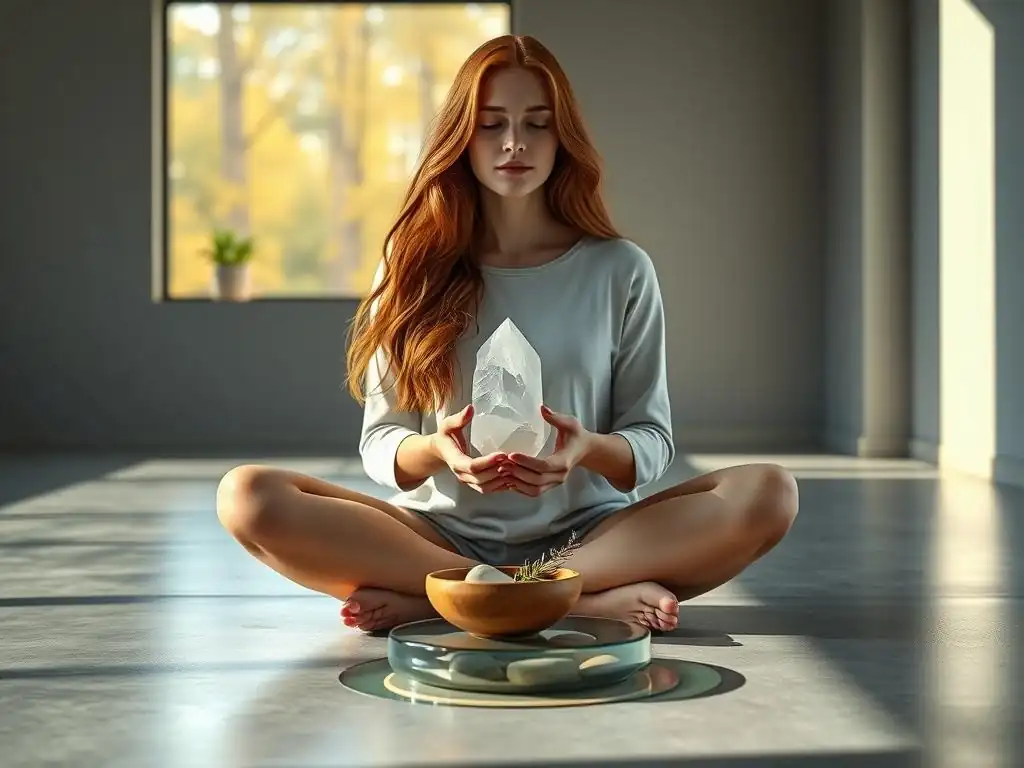
Many established practices can be adapted and adopted as personal rituals to enhance mental clarity and overall wellbeing.
Mindfulness Meditation: A Ritual for Present Moment Awareness
Mindfulness meditation, practiced regularly, is a powerful ritual for training the mind to stay present and reduce rumination. Even 5-10 minutes daily can significantly improve focus and emotional regulation. Find a quiet space, sit comfortably, and bring your attention to your breath or bodily sensations.
This ritual isn't about emptying your mind but about noticing thoughts and feelings without judgment and gently returning your attention to the present moment. Consistent practice, perhaps every morning at the same time, builds a habit of presence that extends beyond the formal meditation period, contributing significantly to mental clarity and serving as a core practice among rituals for mental wellbeing.
Gratitude Practices: Cultivating Appreciation and Joy
Regularly focusing on what you are grateful for can shift your perspective from scarcity to abundance, increasing feelings of joy and contentment. A simple gratitude ritual might involve writing down three things you are grateful for each evening. This could be anything from a sunny day to a kind word from a friend.
Alternatively, a morning gratitude ritual could involve thinking about five things you appreciate before getting out of bed. Studies have shown that consistently practicing gratitude can lead to measurable increases in happiness levels over several weeks or months. This intentional focus on the positive is a simple yet profound form of rituals for mental wellbeing.
Nature Connection Rituals: Reconnecting with the Earth
Spending time in nature has well-documented benefits for mental health, including reducing symptoms of depression and anxiety. A nature connection ritual could be a daily walk in a park, sitting by a tree and simply observing, or spending time gardening. The key is to engage mindfully with the natural world.
This might involve paying close attention to the details – the texture of bark, the sound of birds, the smell of damp earth. Even 15-20 minutes spent mindfully in nature can lower stress hormones. Making this a regular, intentional practice, like a "forest bathing" walk each weekend, serves as a grounding rituals for mental wellbeing.
Creative Expression Rituals: Unleashing Your Inner Artist
Engaging in creative activities purely for the joy of expression can be incredibly therapeutic and support mental health. A creative expression ritual isn't about producing a masterpiece but about the process itself. This could be daily journaling, sketching for 10 minutes, playing a musical instrument, or spending time on any craft.
Setting aside dedicated time regularly for creative play, without pressure or judgment, allows for emotional release and self-discovery. This ritual provides an outlet for feelings that may be difficult to articulate verbally and fosters a sense of accomplishment and flow, acting as a vibrant example of rituals for mental wellbeing.
Overcoming Challenges in Ritual Practice
Establishing and maintaining rituals isn't always easy. Life happens, distractions arise, and motivation can wane. Recognizing common challenges and developing strategies to overcome them is part of the journey.
Dealing with Distractions and Interruptions
Distractions are perhaps the most common challenge to maintaining a ritual practice. Phones, notifications, other people, and even wandering thoughts can pull you away. To combat this, try to create a physical and mental space free from interruptions during your ritual time. Turn off notifications, let others in your household know you need uninterrupted time, or find a quiet corner.
If your mind wanders during a ritual like meditation, simply notice the thought without judgment and gently guide your attention back to your intended focus. This act of returning is part of the practice itself. Being prepared for distractions helps you navigate them gracefully and maintain the integrity of your rituals for mental wellbeing.
Maintaining Consistency: Making Rituals a Habit
Consistency is crucial for rituals to yield their full benefits, but making them a regular habit requires effort. Start small – even 5 minutes a day is better than nothing. Choose one ritual to focus on first before adding others. Link your new ritual to an existing habit; for example, perform your gratitude ritual right after brushing your teeth.
Don't strive for perfection. If you miss a day, don't see it as a failure; simply resume your practice the next day. Tracking your rituals in a journal or using a habit-tracking app can also provide visual motivation and reinforce your commitment to your rituals for mental wellbeing.
Adapting Rituals to Changing Circumstances
Life is dynamic, and what works today might not work tomorrow. Be prepared to adapt your rituals as your schedule, energy levels, or needs change. If you're traveling, find a simplified version of your ritual you can perform in a different environment. If you're feeling unwell, reduce the duration or intensity of your practice.
Flexibility is key to long-term sustainability. Instead of abandoning a ritual when circumstances shift, think about how you can modify it to fit your current situation. This adaptability ensures that your rituals for mental wellbeing remain supportive rather than becoming a source of stress.
The Science Behind Rituals: Exploring the Research
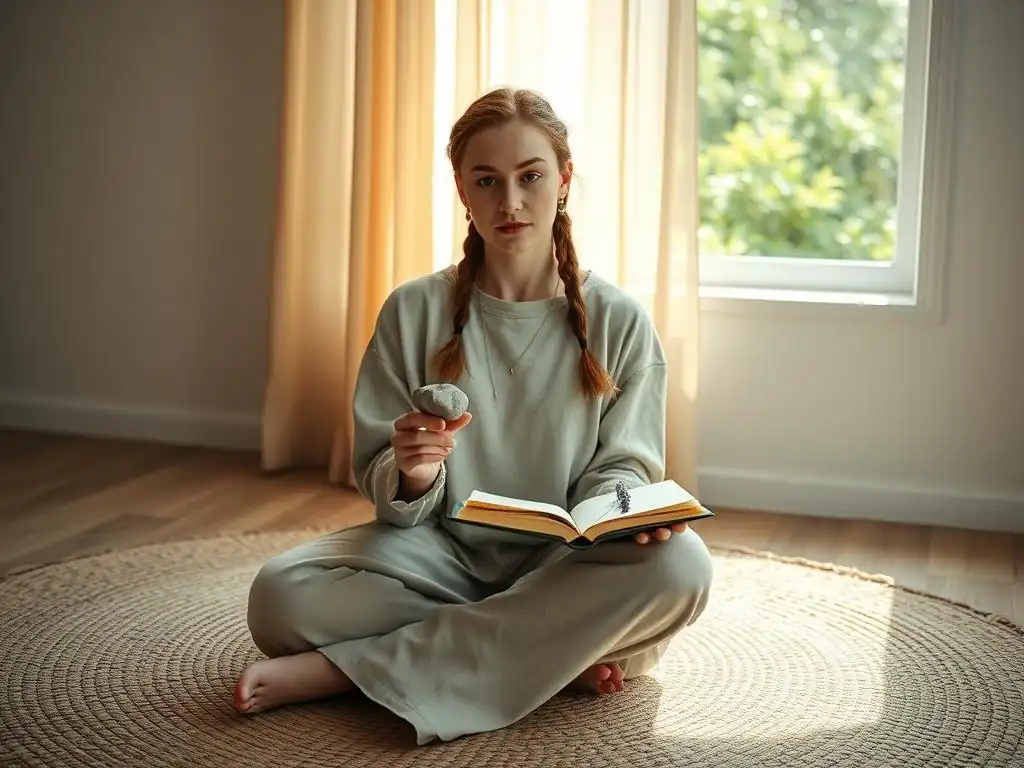
Scientific inquiry is increasingly shedding light on why rituals are effective for mental wellbeing, exploring their impact on the brain and psychological states.
Rituals and the Brain: Understanding the Neurological Effects
Neuroscientific research suggests that engaging in rituals can influence brain activity in ways that promote calm and focus. Repetitive, intentional actions associated with rituals can activate the brain's reward pathways and reduce activity in areas associated with fear and anxiety, like the amygdala. The predictable sequence of actions can also create a sense of order that is soothing to the nervous system.
Performing rituals, especially those involving focused attention or symbolic meaning, can also strengthen neural pathways related to self-regulation and emotional control. While specific brain imaging data varies greatly depending on the type of ritual studied, the general consensus points towards a reduction in stress-related brain activity and an increase in activity associated with presence and calm, underscoring the biological basis of rituals for mental wellbeing.
The Role of Rituals in Reducing Anxiety and Stress
One of the most significant findings is the power of rituals to alleviate anxiety and stress. The structured nature of rituals provides a sense of predictability and control, which are potent antidotes to the feelings of uncertainty that often fuel anxiety. Studies have shown that even invented, simple rituals performed before a stressful task (like public speaking or taking a test) can measurably reduce performance anxiety.
The intentional focus required by many rituals also acts as a form of mindfulness, pulling attention away from anxious thoughts about the future or ruminations about the past and grounding it in the present moment. This present-moment focus is a core mechanism by which rituals for mental wellbeing help manage stress responses.
While many personal rituals are solitary, shared rituals play a crucial role in fostering social connection and belonging, which are vital for mental health. Participating in communal rituals, whether formal ceremonies or informal family traditions, strengthens bonds and creates a sense of shared identity and support.
The synchronized actions and shared intentions in group rituals can create feelings of unity and reduce feelings of isolation. This sense of belonging is a powerful protective factor against mental health challenges like depression and loneliness. Even simple shared rituals, like a family meal together each evening or a weekly coffee chat with a friend, contribute to social wellbeing and reinforce the community aspect of rituals for mental wellbeing.
Integrating Rituals into Your Daily Life: A Sustainable Approach
Making rituals a sustainable part of your life involves a mindful and patient approach. It's about building a practice that supports you long-term.
Start Small: Building a Foundation for Long-Term Practice
Trying to implement too many new rituals at once can feel overwhelming and lead to burnout. Begin by choosing one or two simple rituals that resonate with you and are easy to incorporate into your existing schedule. Perhaps it's a 5-minute mindful breathing exercise in the morning or a 10-minute wind-down routine in the evening.
Once these smaller rituals feel comfortable and established, you can gradually add others or expand the duration of your current practices. This slow, steady approach builds a strong foundation and increases the likelihood that your rituals for mental wellbeing will become lasting habits.
Be Patient and Kind to Yourself: Embracing the Journey
Building a consistent ritual practice takes time and effort, and there will be days when you miss your practice or feel like it's not working. It's essential to approach this process with patience and self-compassion. Avoid self-criticism if you falter; simply acknowledge it and gently recommit to your practice the next opportunity you have.
Think of your ritual practice as a journey, not a destination. Some days will feel more impactful than others, and that's okay. The benefits of rituals for mental wellbeing accumulate over time through consistent effort and a kind attitude towards yourself.
Seeking Guidance and Support: Connecting with Others
You don't have to navigate the process of creating and maintaining rituals alone. Connecting with others who share similar interests or goals can provide valuable support and inspiration. This might involve joining a meditation group, participating in a yoga class, or simply discussing your experiences with a trusted friend or family member.
Sharing your intentions and challenges with others can offer accountability and encouragement. There are also many resources available, such as books, online communities, and workshops, that can provide guidance on developing meaningful practices. Seeking support strengthens your commitment and enriches your journey with rituals for mental wellbeing.
Frequently Asked Questions
What are rituals and how can they contribute to mental wellbeing?
Rituals are structured, repeated actions that can provide a sense of stability and purpose. By engaging in them, you can reduce stress and enhance feelings of control and connection.
How do rituals for mental wellbeing differ from everyday routines?
Unlike routines, rituals are infused with intention and meaning. They are performed with a specific focus and purpose, often connecting you to something larger than yourself.
Can rituals be personalized, or are there specific ones that are universally beneficial for mental health?
Rituals are highly personalizable. While some, like meditation or journaling, are widely practiced, the most effective ones are tailored to your individual needs and preferences.
What are some examples of simple rituals that can be easily incorporated into a daily routine to improve mental wellbeing?
Examples include starting the day with a gratitude practice, creating a mindful tea-making ritual, or ending the day with a relaxing bedtime routine.
How can I identify and develop rituals that are most effective for my mental wellbeing, considering my specific challenges?
Reflect on activities that bring you joy, peace, or a sense of accomplishment. Then, structure them into a consistent practice with a clear intention, adapting as needed based on your personal experience.
Final Reflection: Weaving Ritual into the Fabric of Wellbeing
The intentional creation of ritual is not a relic of the past; it's a vital tool for navigating the complexities of modern life and fostering genuine mental wellbeing. In a world saturated with information and demands, carving out space for meaningful practices offers a powerful antidote to the pervasive anxieties of our time. The rituals we discussed – from simple acts of gratitude to more elaborate contemplative practices – provide a framework for self-care that goes beyond fleeting trends, offering lasting resilience and inner peace.
The exploration of ritual has profoundly impacted my own understanding of self-care and mental health. It's shown me the profound power of intentionality, the beauty of consistency, and the unexpected solace found in repetition. The soul needs rituals as much as the body needs food.
This quote, though its origin is debated, perfectly encapsulates the fundamental truth at the heart of this article: our spiritual and mental health thrive when nurtured through consistent, meaningful practices. The impact of ritual extends beyond the individual, shaping our communities and cultures through shared traditions and practices that bind us together.
Consider the rituals you already engage in, both consciously and unconsciously. Are they serving you? Do they bring you joy, peace, or a sense of grounding? I invite you to consciously cultivate rituals that resonate with your soul, that nourish your spirit, and that help you build a life rich in meaning and purpose. Experiment, adapt, and discover the unique power of ritual in your own journey towards a more balanced and fulfilling life. The path to wellbeing is paved with intention, and the stones that build that path are the rituals we choose to embrace.
Unleash Your Inner Peace: Cultivate a Daily Ritual
Thanks for taking the time to explore the power of ritual with us! We hope you found new insights into creating meaningful spiritual practices that enrich your life. Ready to take the next step?
- Begin your own personalized ritual: Start small! Choose one practice from the article – whether it's mindful breathing, journaling, or a short meditation – and commit to it daily for a week. Notice how it shifts your perspective.
- Share your experience: Tell us (or a friend!) about your chosen ritual and how it's impacting your well-being. We love hearing from our community!
- Explore different practices: Use the article as a springboard to research other rituals that resonate with you. Consider incorporating elements of nature, art, or movement into your routine.
What small, consistent practice will you commit to cultivating inner peace?