
From Stress to Serenity: Using Spiritual Principles for Mental Peace

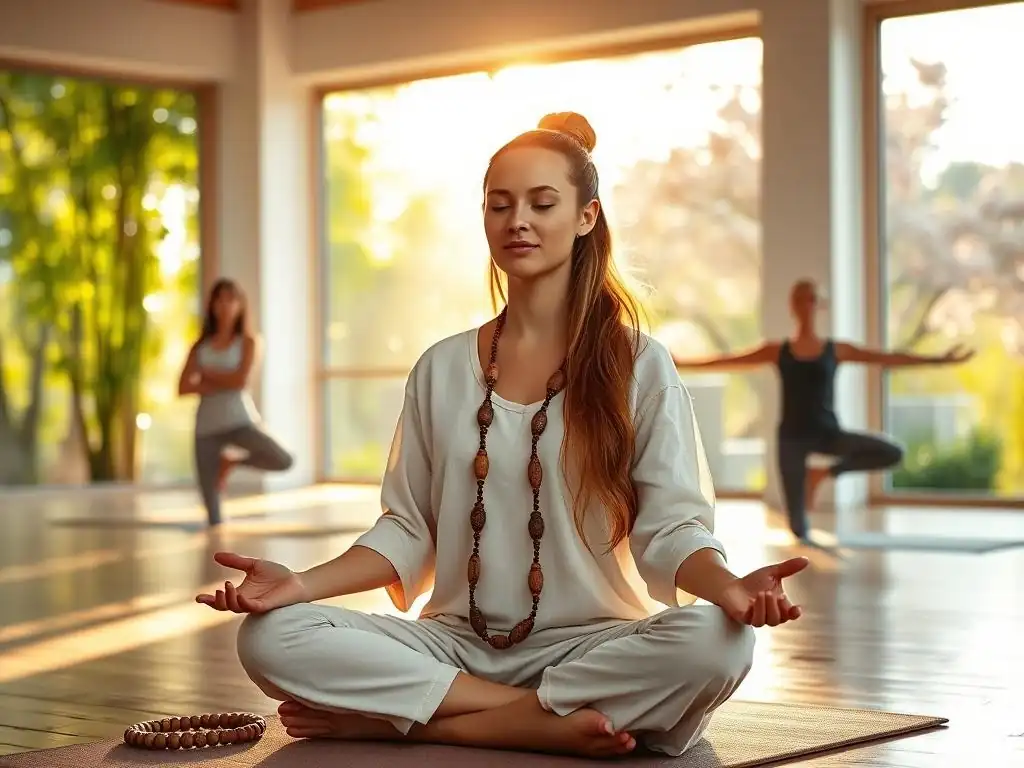
Welcome to Mind Care Guide, where we understand the delicate balance between mind, body, and spirit. Are you feeling overwhelmed by stress and anxiety, searching for a deeper sense of peace? This isn't just about coping; it's about transforming your inner landscape. Discover how spiritual practices reduce stress anxiety and pave the way for a more serene and fulfilling life. Could the key to lasting mental well-being be closer than you think? Let's explore together...
From Stress to Serenity: Using Spiritual Principles for Mental Peace
- Understanding Stress and Anxiety: The Need for Spiritual Practices
- Core Spiritual Principles for Managing Stress and Anxiety
- Spiritual Practices to Reduce Stress and Anxiety: A Practical Guide
- Integrating Spiritual Practices into Your Daily Routine for Lasting Mental Peace
- The Science Behind Spirituality and Mental Health: Understanding the Connection
- Building a Resilient Mind: Combining Spiritual Practices with Other Mental Health Strategies
- Finding Your Path to Serenity: A Personalized Approach to Spiritual Well-being
-
Frequently Asked Questions
- ### How can spiritual practices actually help reduce stress and anxiety?
- ### What are some examples of spiritual practices that are effective for stress reduction?
- ### If I'm not religious, can I still benefit from spiritual practices for mental well-being?
- ### How often should I engage in spiritual practices to see a noticeable reduction in stress and anxiety?
- ### Where can I find resources or guidance to learn more about incorporating spiritual practices into my life for stress management?
- Final Reflection: Cultivating Inner Peace in a Turbulent World
- Unleash Your Inner Calm: Start Your Journey to Serenity Now!
Understanding Stress and Anxiety: The Need for Spiritual Practices
The Pervasive Impact of Stress on Mental Well-being
Stress is an unavoidable part of life, yet its persistent presence can significantly erode mental well-being. Chronic stress is linked to a host of mental health challenges, including depression, anxiety disorders, and difficulty concentrating. Data from various health organizations consistently show that a large percentage of the population reports experiencing high levels of stress.
For instance, a survey by the American Psychological Association indicated that a significant majority of adults feel their stress levels are increasing, impacting both their physical and mental health. This ongoing pressure can disrupt sleep patterns, impair cognitive function, and create a constant state of hypervigilance, making everyday life feel overwhelming and joyless.
Furthermore, prolonged exposure to stress hormones like cortisol can alter brain structure and function, particularly in areas responsible for mood regulation and memory. This biological impact underscores why stress is not just a feeling but a physiological state that requires mindful management. Without effective coping mechanisms, the cumulative effect of stress can lead to burnout, emotional exhaustion, and a diminished capacity to handle life's challenges. Recognizing the profound impact of stress is the first step towards seeking practical ways, like spiritual practices, to reduce stress anxiety and cultivate a sense of calm.
Anxiety Disorders and Their Connection to a Lack of Inner Peace
Anxiety disorders represent a spectrum of conditions characterized by excessive worry, fear, and nervousness that interfere with daily activities. Conditions such as Generalized Anxiety Disorder (GAD), Panic Disorder, and Social Anxiety Disorder affect millions globally. For example, it's estimated that anxiety disorders are the most common mental illness in the U.S., affecting approximately 40 million adults annually, or about 18% of the population. These disorders often stem from a complex interplay of genetic, environmental, and psychological factors, but a common thread for many individuals is a profound lack of inner peace and security.
The relentless cycle of anxious thoughts can make individuals feel disconnected from themselves and the world around them. This internal turmoil often manifests as physical symptoms like a racing heart, muscle tension, and difficulty breathing, further intensifying feelings of distress. While clinical treatments are vital for managing anxiety disorders, many people find that incorporating spiritual principles and practices can complement traditional approaches, helping to address the underlying feeling of disquiet and fostering a deeper sense of inner peace. These spiritual practices reduce stress anxiety by offering tools to navigate difficult emotions and cultivate resilience.
Why Spiritual Practices Can Be Effective for Stress Reduction
Spiritual practices offer a unique pathway to stress reduction by addressing the individual on a deeper, more holistic level. Unlike purely behavioral techniques, spiritual approaches often involve connecting with something larger than oneself, fostering a sense of meaning, purpose, and interconnectedness. This can shift perspective away from immediate stressors and towards a broader understanding of life's challenges. For example, practices like meditation or prayer can activate the parasympathetic nervous system, counteracting the "fight or flight" response triggered by stress and promoting a state of relaxation.
Moreover, spiritual frameworks often provide tools for cultivating virtues like patience, compassion, and acceptance, which are invaluable in navigating stressful situations. By encouraging a focus on the present moment, letting go of attachment to outcomes, and finding comfort in difficult times, these practices build emotional resilience. Research, such as studies published in journals like Health Psychology, has shown correlations between engaging in spiritual or religious practices and lower levels of stress, anxiety, and depression. These findings suggest that integrating spiritual practices can indeed reduce stress anxiety and enhance overall mental well-being.
Core Spiritual Principles for Managing Stress and Anxiety
Mindfulness: Cultivating Presence to Reduce Stress
Mindfulness, often considered a cornerstone of many spiritual traditions, is the practice of intentionally bringing one's attention to the present moment without judgment. In the context of stress, this means observing your thoughts, feelings, and physical sensations as they arise, rather than getting caught up in worry about the past or future. Stress often thrives on rumination and anticipation of potential problems. By anchoring your awareness in the here and now, mindfulness helps to interrupt this cycle, providing a mental pause button. This simple act of present-moment awareness is a powerful spiritual practice that can reduce stress anxiety effectively.
Cultivating presence through mindfulness helps you to respond to stressors more skillfully instead of reacting impulsively. When you are mindful, you can recognize the physical signs of stress or the onset of anxious thoughts without being overwhelmed by them. This creates a space between the stimulus (the stressor) and your response, allowing for a more considered reaction.
Regular mindfulness practice has been shown in studies to decrease activity in the amygdala, the brain's fear center, and increase activity in the prefrontal cortex, which is involved in conscious control and decision-making. This neurological evidence supports the idea that mindfulness is a tangible tool for managing stress and anxiety.
Practicing Mindfulness Meditation for Anxiety Relief
Mindfulness meditation is a formal way to cultivate presence, involving sitting quietly and focusing attention on a specific anchor, most commonly the breath. When the mind wanders, as it inevitably will, the practice is simply to gently bring the attention back to the breath without self-criticism. This repeated act of returning to the present strengthens the "muscle" of attention and detachment from intrusive thoughts. Even short sessions, perhaps just 5-10 minutes daily, can begin to yield benefits, helping individuals feel more grounded and less reactive to anxious feelings.
Consistent practice of mindfulness meditation has demonstrated significant positive effects on anxiety levels. Clinical trials have shown that Mindfulness-Based Stress Reduction (MBSR) programs, which heavily feature mindfulness meditation, can lead to measurable reductions in anxiety symptoms and improve overall psychological well-being. Participants often report feeling calmer, having better emotional regulation, and experiencing a greater sense of peace. These outcomes highlight how dedicated spiritual practices reduce stress anxiety by training the mind to be less controlled by fear and worry.
Integrating Mindfulness into Daily Life for Sustained Peace
While formal meditation is beneficial, the true power of mindfulness lies in integrating its principles into everyday activities. This means bringing conscious awareness to routine tasks like eating, walking, or even washing dishes. By paying attention to the sensory details of these moments – the taste of food, the feeling of feet on the ground, the warmth of water – you can interrupt automatic negative thought patterns and experience moments of calm throughout the day. This continuous practice reinforces the ability to stay present even when faced with challenges.
Integrating mindfulness also involves conscious responses to difficult emotions or situations. Instead of immediately reacting to stress with frustration or panic, a mindful approach encourages pausing, acknowledging the feeling without judgment ("I notice I am feeling anxious"), and then choosing how to respond. This shift from automatic reaction to conscious response is a fundamental aspect of many spiritual paths and is profoundly effective in managing stress and cultivating sustained inner peace. Making mindfulness a way of life is a powerful spiritual practice to reduce stress anxiety over the long term.
Acceptance: Embracing Imperfection and Reducing Resistance
Acceptance, in a spiritual context, is not about resignation or approval of difficult circumstances, but rather the willingness to acknowledge reality as it is, without fighting against it. Stress and anxiety often arise from resisting things we cannot change – past events, other people's behavior, or uncertain future outcomes. The spiritual principle of acceptance encourages letting go of this struggle, recognizing that suffering often comes not from the situation itself, but from our resistance to it. This perspective is a powerful spiritual practice that can reduce stress anxiety significantly.
Embracing imperfection, both in ourselves and in the world, is a core aspect of acceptance. We often create stress by striving for unattainable standards or judging ourselves harshly when we fall short. Spiritual teachings frequently emphasize the inherent worth of individuals, independent of their achievements or flaws. By accepting our own humanity, with all its imperfections, we release a significant source of internal pressure and anxiety. This compassionate self-acceptance is a profound spiritual principle that fosters inner peace.
The Power of Acceptance in Overcoming Stressful Situations
Applying acceptance in stressful situations means acknowledging the reality of the challenge without wishing it were different. For example, if you are stuck in traffic and feeling stressed, acceptance involves recognizing "I am in traffic, and I feel stressed" rather than thinking "This shouldn't be happening!" or "I can't stand this!" This simple shift in perspective can dramatically reduce the emotional intensity of the experience. It doesn't mean you like being in traffic, but you stop expending energy fighting the situation, which is often futile.
Studies in psychology, particularly within the framework of Acceptance and Commitment Therapy (ACT), demonstrate that cultivating acceptance is highly effective in reducing anxiety and improving coping skills. By accepting difficult thoughts and feelings instead of trying to suppress or eliminate them, individuals can reduce their impact and focus on values-driven actions. This principle aligns closely with many spiritual teachings that encourage embracing suffering as part of the human condition and finding peace within challenging circumstances. This demonstrates how acceptance-based spiritual practices reduce stress anxiety by changing your relationship with difficult experiences.
Letting Go of Control: A Spiritual Approach to Anxiety
Anxiety is often rooted in the fear of uncertainty and a strong desire to control outcomes. We worry about things we cannot influence, attempting to predict and manage every potential threat. Spiritual principles often emphasize the wisdom of surrendering the need for absolute control, recognizing that much of life is inherently unpredictable. This surrender is not about giving up or becoming passive, but about acknowledging our limitations and trusting in a larger process or higher power, depending on one's belief system.
Practicing letting go of control can be incredibly freeing for individuals prone to anxiety. It involves consciously releasing the grip on outcomes and focusing energy instead on what is within your control – your actions, your attitude, and your present-moment responses. This spiritual approach helps to dismantle the foundation of much anxious thinking.
For example, instead of worrying excessively about a job interview outcome (which you cannot control), you focus on preparing diligently (which you can control) and then letting go of the rest. This act of relinquishing control is a powerful spiritual practice that reduces stress anxiety by dismantling the illusion that we can orchestrate every aspect of our lives.
Connection: Finding Meaning and Purpose Beyond Yourself
Humans are inherently social beings, and a sense of connection is vital for mental well-being. Spiritual principles often highlight the interconnectedness of all things and the importance of community, purpose, and relationships. Feeling connected to something larger than your individual self – whether it's nature, humanity, a community, or a divine presence – can provide perspective, reduce feelings of isolation, and imbue life with deeper meaning. This sense of belonging and purpose is a potent spiritual practice that reduces stress anxiety by providing a buffer against life's difficulties.
Stress and anxiety can often make individuals feel isolated and overwhelmed by their own problems. Connecting with others, engaging in acts of service, or finding solace in the natural world can shift focus outward, providing relief from internal rumination. This outward orientation is a key aspect of many spiritual paths, which emphasize compassion, service, and community. Finding meaning and purpose beyond personal concerns can provide a powerful antidote to the self-absorption that anxiety can foster.
Connecting with Nature for Stress Reduction and Well-being
Spending time in nature is a widely recognized spiritual practice that offers profound benefits for mental health. Many spiritual traditions view nature as sacred and a source of healing and wisdom. Engaging with the natural world – walking in a park, sitting by a lake, gardening, or simply observing the sky – can evoke feelings of awe, peace, and connection. Research has shown that exposure to nature can lower cortisol levels, reduce blood pressure, and decrease activity in the prefrontal cortex associated with rumination, demonstrating how this spiritual practice can reduce stress anxiety.
The concept of "forest bathing" (shinrin-yoku), originating in Japan, is a specific practice of immersing oneself in the forest atmosphere. Studies on forest bathing have shown significant reductions in stress hormones, improved mood, and enhanced immune function. This underscores the tangible, physiological benefits of connecting with the earth. For many, nature serves as a sanctuary, a place to feel grounded and remember their place within a larger, interconnected web of life, offering a potent counterpoint to the pressures of modern life.
Building Meaningful Relationships: A Spiritual Antidote to Anxiety
Meaningful relationships are a crucial component of spiritual well-being and a powerful antidote to stress and anxiety. Connecting authentically with others – friends, family, or members of a spiritual community – provides support, understanding, and a sense of belonging. Sharing burdens, receiving empathy, and knowing you are not alone can significantly alleviate the weight of stress and anxious feelings. Many spiritual paths emphasize love, compassion, and community as central tenets.
Investing in and nurturing relationships is a spiritual practice in itself, requiring patience, forgiveness, and empathy. Research consistently shows that strong social support networks are correlated with better mental health outcomes and increased resilience to stress. For example, studies indicate that individuals with strong social ties recover more quickly from stressful events and have lower rates of anxiety and depression. Engaging in community activities or simply spending quality time with loved ones are simple yet profound ways that spiritual principles, applied through connection, reduce stress anxiety.
Gratitude: Shifting Your Focus to What You Have
Gratitude is the practice of acknowledging and appreciating the good things in your life, whether big or small. It's a spiritual principle found across many traditions, encouraging a focus on abundance rather than lack. When we are stressed or anxious, our minds often fixate on problems, worries, and what is going wrong. Cultivating gratitude intentionally shifts this focus, helping to reframe perspective and foster a more positive outlook. This simple yet powerful spiritual practice can reduce stress anxiety by altering cognitive patterns.
Practicing gratitude regularly trains the brain to notice the positive aspects of life, even amidst difficulties. This doesn't mean ignoring problems, but rather developing a balanced view that includes appreciation for blessings. Studies have shown that expressing gratitude can increase feelings of happiness, reduce symptoms of depression, and even improve physical health. By consciously choosing to focus on what you are thankful for, you create a mental space that is less fertile ground for stress and worry.
Practicing Gratitude Journaling for Anxiety Management
Gratitude journaling is a practical and effective way to cultivate a grateful mindset. It involves regularly writing down things you are thankful for, even if it's just one or two items each day. This could be as simple as appreciating a sunny day, a good cup of coffee, or a moment of connection with a loved one. The act of writing helps solidify these positive observations and reinforces the habit of looking for the good.
Research on gratitude journaling has demonstrated its effectiveness in reducing anxiety and improving overall well-being. Participants who regularly journaled about things they were grateful for reported lower levels of stress and increased feelings of optimism compared to control groups. This practice provides a tangible record of positive experiences, which can be a powerful reminder during times of stress or anxiety. Making gratitude journaling a regular part of your routine is a spiritual practice that actively works to reduce stress anxiety by retraining your focus.
Cultivating a Gratitude Mindset for Long-Term Serenity
Moving beyond a simple practice like journaling, cultivating a gratitude mindset means approaching life with an underlying sense of appreciation for existence itself. This involves consciously reframing challenges, when possible, as opportunities for growth, and recognizing the interconnectedness of all things that contribute to your life. It's about seeing the extraordinary in the ordinary and not taking everyday blessings for granted.
Developing a deep sense of gratitude is a spiritual journey that fosters long-term serenity. It builds resilience by helping you appreciate what you have, even when faced with loss or difficulty. This perspective diminishes the power of fear and worry, which often stem from a perceived lack or threat. By consistently focusing on thankfulness, you actively nurture a state of mind that is less susceptible to the pervasive grip of stress and anxiety, demonstrating how profound spiritual practices reduce stress anxiety over time.
Spiritual Practices to Reduce Stress and Anxiety: A Practical Guide
Meditation: A Cornerstone of Spiritual Stress Relief
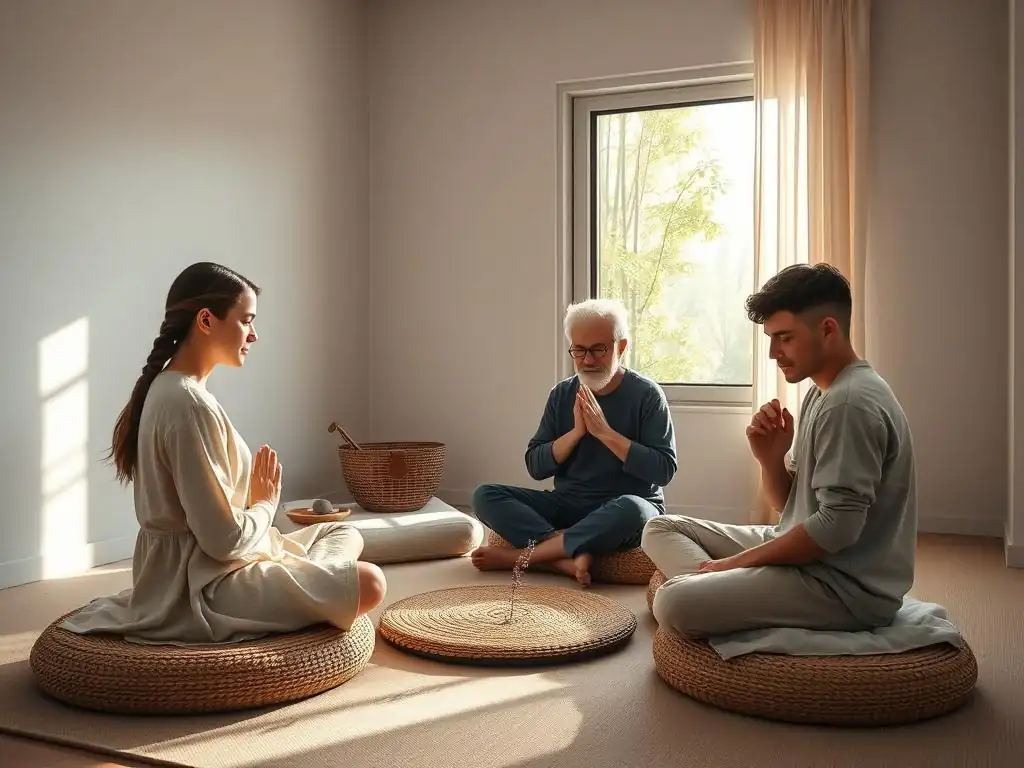
Meditation is perhaps one of the most widely recognized spiritual practices used for stress and anxiety reduction. It involves training the mind to achieve a state of focused awareness or deep relaxation. Rooted in ancient spiritual traditions across the globe, from Buddhism to Hinduism to contemplative Christianity, meditation offers a direct path to quieting the incessant chatter of the mind that often fuels stress and anxiety. Regular meditation practice can lead to significant physiological changes, including reduced heart rate, lower blood pressure, and decreased production of stress hormones like cortisol.
The consistent act of setting aside time to simply 'be' without the need to 'do' or 'solve' is inherently stress-reducing. It provides a mental sanctuary where the nervous system can downregulate. Beyond immediate relaxation, meditation cultivates skills like non-reactivity, emotional regulation, and self-awareness, which are crucial for managing stress effectively in daily life. The ability to observe thoughts and feelings without getting swept away by them is a core benefit, enabling individuals to navigate challenges with greater calm and clarity.
Different Types of Meditation for Anxiety Reduction
There are numerous forms of meditation, each with a slightly different focus, offering various pathways to reduce stress anxiety.
- Mindfulness Meditation: Focuses on present-moment awareness, observing thoughts, feelings, and sensations without judgment. Excellent for grounding and reducing rumination.
- Loving-Kindness Meditation (Metta): Cultivates feelings of warmth, compassion, and kindness towards oneself and others. Can be particularly helpful for social anxiety or self-criticism.
- Transcendental Meditation (TM): Uses a specific mantra to settle the mind into a state of deep rest and relaxed awareness. Known for its profound relaxation effects.
- Walking Meditation: Practicing mindfulness while walking, focusing on the physical sensations of movement and the environment. Integrates meditation into physical activity.
- Body Scan Meditation: Systematically bringing attention to different parts of the body to release tension and increase body awareness. Effective for reducing physical symptoms of anxiety.
Exploring different types allows individuals to find a practice that resonates most deeply with them, making it easier to establish a consistent routine. Each method, while distinct, shares the common goal of training the mind away from anxious patterns towards a state of greater peace.
How to Start and Maintain a Regular Meditation Practice
Starting a meditation practice doesn't require special equipment or extensive training. Begin simply: find a quiet place where you won't be disturbed, set a timer for a short duration (even 5 minutes), and choose a comfortable posture, whether seated on a cushion or chair. You can focus on your breath, a mantra, or body sensations. The key is consistency, even if it's just for a few minutes daily. Don't aim for a perfectly clear mind; the practice is in noticing when your mind wanders and gently bringing it back.
Maintaining consistency can be challenging. Try integrating meditation into your existing routine, perhaps first thing in the morning or before bed. Using guided meditations (available through apps or online) can be helpful initially. Be patient and compassionate with yourself; some days will be easier than others. View missed sessions not as failure, but simply as a reason to start again the next day. Joining a meditation group or finding a teacher can also provide support and motivation, helping ensure these spiritual practices reduce stress anxiety over time.
Prayer: Finding Comfort and Strength in a Higher Power
Prayer, in its many forms, is a spiritual practice that involves communicating with a higher power or transcendent reality. For many, it is a source of immense comfort, strength, and hope during times of stress and anxiety. Prayer can involve petitioning for help, expressing gratitude, seeking guidance, or simply being in contemplative presence. The act of surrendering worries and fears to a higher power can alleviate the burden of feeling solely responsible for managing life's difficulties.
Beyond the theological aspects, the psychological benefits of prayer are significant. It can provide a sense of connection, reduce feelings of isolation, and foster a belief that one is supported. This belief system itself can be a powerful coping mechanism. Engaging in prayer can also induce a state of calm and focus, similar to meditation, by directing attention away from anxious thoughts and towards a sense of peace and trust. Studies have indicated that individuals who engage in regular prayer often report lower levels of stress and higher levels of life satisfaction.
The Role of Prayer in Alleviating Stress and Fear
Prayer serves as a direct channel for individuals to voice their fears, anxieties, and burdens. The act of articulating these concerns, even silently, can be cathartic. Furthermore, the belief that these concerns are being heard and potentially acted upon by a benevolent power can significantly reduce the psychological weight they carry. This is particularly true for fears about the future or situations beyond one's control, where surrendering to a higher will can replace anxiety with a sense of peace and acceptance.
For example, someone facing a serious illness might use prayer to find strength and peace, releasing their fear of the unknown outcome by placing trust in their faith. This doesn't eliminate the challenge, but it changes their internal experience of it. Prayer can also foster resilience by reinforcing belief in one's ability to overcome adversity with divine support. This demonstrates how the spiritual practice of prayer can directly reduce stress anxiety by providing a framework for processing fear and finding comfort.
Different Forms of Prayer and Their Benefits
Prayer is a deeply personal practice and can take many forms depending on individual beliefs and traditions.
- Petitionary Prayer: Asking for specific help or intervention. Can provide hope and a sense of agency.
- Thanksgiving Prayer: Expressing gratitude for blessings received. Shifts focus to the positive and increases feelings of contentment.
- Contemplative Prayer: Resting in silence or using a simple phrase to deepen connection with the divine. Similar to meditation, promotes inner stillness.
- Intercessory Prayer: Praying for others. Fosters compassion and shifts focus away from personal worries.
- Ritual Prayer: Following set prayers or liturgy, often communally. Provides structure, tradition, and a sense of community belonging.
Each form offers unique benefits for mental well-being, allowing individuals to engage with their spirituality in ways that best support their needs during stressful or anxious times. Exploring different prayer practices can help uncover the most effective ways to use this spiritual tool to reduce stress anxiety.
Yoga and Tai Chi: Integrating Mind, Body, and Spirit
Yoga and Tai Chi are ancient practices that emphasize the interconnectedness of mind, body, and spirit. They combine gentle physical movements, breath control, and focused awareness, offering a holistic approach to well-being that is highly effective for managing stress and anxiety. Unlike strenuous exercise, these practices cultivate strength, flexibility, and balance through slow, deliberate movements, making them accessible to many.
These disciplines are powerful spiritual practices that reduce stress anxiety by bringing attention to the physical self, releasing tension stored in the body, and calming the nervous system through regulated breathing. The focus required to perform the movements and coordinate them with breath acts as a form of moving meditation, quieting mental chatter and promoting a state of presence. They not only improve physical health but also foster a deeper connection with one's inner self and the flow of energy within the body.
The Calming Effects of Yoga on the Nervous System
Yoga postures (asanas), breathwork (pranayama), and meditation work synergistically to calm the nervous system. Specific yoga poses can help release physical tension commonly held during stress and anxiety, such as tightness in the shoulders, neck, and hips. Pranayama techniques, like deep abdominal breathing or alternate nostril breathing, directly influence the autonomic nervous system, activating the parasympathetic branch responsible for rest and digestion, and counteracting the sympathetic "fight or flight" response.
Studies published in journals like the Journal of Alternative and Complementary Medicine have shown that regular yoga practice can reduce cortisol levels, lower heart rate, and decrease blood pressure. Participants in yoga programs often report significant reductions in perceived stress and anxiety symptoms. The combination of physical release, controlled breathing, and mindful movement makes yoga a potent spiritual practice to reduce stress anxiety by targeting both the physical and mental manifestations of distress.
Tai Chi for Stress Reduction and Improved Mental Clarity
Tai Chi, often described as "meditation in motion," involves a series of slow, flowing movements performed with focused intention and deep breathing. Originating as a martial art, it is now widely practiced for its health benefits, particularly stress reduction. The gentle, continuous movements promote relaxation and improve circulation, while the concentration required helps to quiet the mind.
Research has shown that Tai Chi practice can significantly reduce stress, anxiety, and depression, particularly in older adults and individuals with chronic conditions. It improves balance, flexibility, and overall physical function, which can also reduce anxiety related to physical limitations. The meditative aspect of Tai Chi helps cultivate inner peace and mental clarity, offering a calming retreat from mental clutter. Like yoga, Tai Chi is a powerful spiritual practice that reduces stress anxiety by harmonizing mind, body, and spirit through gentle, mindful movement.
Nature Walks: Connecting with the Earth for Inner Peace
As previously touched upon, connecting with nature is a spiritual practice that offers profound benefits for mental well-being. Taking mindful walks in natural settings provides a simple yet effective way to reduce stress and anxiety. It involves immersing the senses in the natural environment – noticing the colors, sounds, smells, and textures of trees, plants, water, and sky. This sensory engagement pulls attention away from internal worries and anchors it in the external world.
Nature walks offer a change of scenery and pace from urban or indoor environments that can contribute to stress. The physical act of walking is itself a mild form of exercise that releases endorphins, known as natural mood boosters. Combined with the calming influence of nature, this creates a powerful therapeutic effect. Many spiritual traditions hold deep reverence for the earth, viewing it as a source of healing and connection to the divine or universal energy.
The Therapeutic Benefits of Spending Time in Nature
Scientific research increasingly validates the long-held intuition that nature is healing. Studies have shown that spending time in green spaces can lower heart rate, reduce muscle tension, and decrease the production of stress hormones. A study published in Frontiers in Psychology found that just 20 minutes of contact with nature was enough to significantly lower cortisol levels. Being in nature can also boost mood, improve cognitive function, and increase feelings of vitality.
Beyond the physiological effects, nature provides a sense of perspective. The vastness of the sky, the resilience of trees, and the cycles of growth and decay can remind us of our place in a larger ecosystem and help put our personal worries into perspective. This connection to something larger than ourselves is a deeply spiritual experience that can alleviate feelings of isolation and overwhelm often associated with anxiety, highlighting how nature-based spiritual practices reduce stress anxiety.
Mindful Walking as a Spiritual Practice
Mindful walking integrates the principles of mindfulness meditation with the physical act of walking, specifically in a natural setting. It involves paying deliberate attention to the sensations of walking – the feeling of your feet hitting the ground, the swing of your arms, the rhythm of your breath – while also remaining open to the sensory input from the surrounding environment. This practice turns a simple walk into an opportunity for presence and connection.
During a mindful nature walk, you might pause to observe the intricate details of a leaf, listen to the sounds of birds, or simply feel the breeze on your skin. This intentional engagement with the present moment, combined with the calming effects of nature, creates a powerful synergy for stress reduction. It allows the mind to settle, the body to relax, and the spirit to feel refreshed and connected. Mindful walking is an accessible spiritual practice that actively works to reduce stress anxiety by grounding you in the present moment and the natural world.
Integrating Spiritual Practices into Your Daily Routine for Lasting Mental Peace
Integrating spiritual practices into the rhythm of daily life is key to achieving lasting mental peace and ensuring that spiritual practices reduce stress anxiety consistently. It's not about adding another burden to an already busy schedule, but rather finding ways to weave moments of mindfulness, connection, acceptance, and gratitude into the fabric of your day. This intentional integration helps make these practices habitual responses to stress rather than just occasional coping mechanisms.
Start small and be realistic about what you can commit to. Even a few minutes dedicated to a practice can make a difference. The goal is consistency over intensity. Think about where you can naturally incorporate these moments – perhaps a few minutes of mindful breathing while commuting, expressing gratitude during a meal, or taking a short mindful walk during a break. Making these practices a non-negotiable part of your day helps solidify their place in your life and reinforces their benefits for managing stress and anxiety.
Creating a Spiritual Practice Schedule
Creating a schedule for your spiritual practices doesn't have to be rigid, but it can help ensure they happen regularly. Identify specific times or triggers in your day when you can dedicate a few minutes to a practice. For example, you might schedule 10 minutes of meditation first thing in the morning, practice mindful eating during lunch, or spend 5 minutes before bed writing in a gratitude journal. Linking a new practice to an existing habit (like brushing your teeth or drinking your morning coffee) can make it easier to remember.
Consider using a planner, phone reminders, or a habit-tracking app to help you stay on track. Be flexible and willing to adjust your schedule as needed. The aim is to create a sustainable routine that supports your well-being, not to add another source of stress. Experiment with different times of day and different practices to see what works best for you. A consistent schedule, even a flexible one, reinforces the commitment to using spiritual practices to reduce stress anxiety.
Overcoming Challenges and Maintaining Consistency
Maintaining consistency in any new practice can be challenging. Life happens, schedules get disrupted, and motivation can wane. It's important to anticipate these challenges and develop strategies to overcome them. One common challenge is finding time; break down practices into smaller, more manageable chunks if necessary (e.g., 2 minutes of deep breathing instead of 10 minutes of meditation). Another challenge is self-judgment; recognize that minds wander during meditation or that you might forget to practice gratitude one day – simply acknowledge it and gently return to the practice when you remember.
Finding an accountability partner or joining a group can also be incredibly helpful for maintaining consistency. Sharing your intentions and progress with someone else can provide support and motivation. Remember why you started these practices – to find peace, reduce stress, and manage anxiety. Reconnecting with this intention can reignite your commitment. View setbacks as temporary and part of the process, not as failures. Persistence and self-compassion are key to making spiritual practices a lasting part of your life for stress and anxiety management.
Seeking Guidance and Support from Spiritual Communities
Connecting with others who share similar spiritual interests can provide invaluable support and guidance on your journey towards using spiritual practices to reduce stress anxiety. Spiritual communities – whether religious congregations, meditation groups, yoga studios, or nature enthusiasts – offer a sense of belonging, shared purpose, and collective wisdom. Learning from experienced teachers or practitioners can deepen your understanding and practice.
Being part of a community provides a space to share experiences, challenges, and insights, reducing feelings of isolation. Many spiritual traditions emphasize the importance of community (sangha in Buddhism, church in Christianity, etc.) as essential for spiritual growth. Attending classes, workshops, or gatherings can provide structure, inspiration, and practical tips for integrating practices into your life. The shared energy and support of a community can make it easier to maintain consistency and navigate difficulties, reinforcing the power of collective spiritual practices to reduce stress anxiety.
The Science Behind Spirituality and Mental Health: Understanding the Connection

While spiritual practices have been used for millennia to cultivate inner peace, modern science is increasingly exploring and validating their effects on mental health. Research across psychology, neuroscience, and medicine is shedding light on how these practices work to reduce stress and anxiety and promote overall well-being. This scientific understanding complements the experiential benefits, providing a more complete picture of the mind-body-spirit connection.
Studies are investigating the physiological changes that occur during meditation and prayer, the neurological effects of practices like mindfulness, and the broader impact of spiritual beliefs and community on health outcomes. This growing body of evidence supports the idea that engaging in spiritual practices can indeed lead to measurable improvements in mental health indicators, including reduced levels of stress hormones, changes in brain structure related to emotional regulation, and improved coping mechanisms. Understanding the science can strengthen belief in the efficacy of these practices, encouraging wider adoption.
Research on the Benefits of Spiritual Practices for Stress Reduction
Numerous studies have investigated the impact of various spiritual practices on stress levels. For example, research on mindfulness meditation has consistently shown reductions in self-reported stress and anxiety, as well as physiological markers like cortisol. A meta-analysis of multiple studies on meditation found significant improvements in anxiety and depression symptoms. Similarly, studies on the effects of prayer and religious coping have shown positive correlations with reduced stress and increased resilience in individuals facing difficult life circumstances.
Beyond individual practices, the broader concept of spirituality and religiosity has been linked to better stress management. Individuals who report higher levels of spiritual well-being often exhibit healthier coping styles and a greater ability to find meaning in adversity. This suggests that a strong spiritual foundation, cultivated through consistent practice, acts as a protective factor against the negative impacts of stress. The cumulative evidence demonstrates that spiritual practices reduce stress anxiety across diverse populations and contexts.
The Neurological Effects of Meditation and Prayer
Neuroscientific research is beginning to reveal the ways spiritual practices alter brain function and structure. Studies using fMRI scans have shown that regular meditation practice can lead to changes in brain regions associated with attention, self-awareness, and emotional regulation. For instance, meditators often show increased gray matter density in areas like the prefrontal cortex (executive function) and hippocampus (learning and memory), while showing decreased activity in the amygdala (fear response).
Similarly, research on prayer and contemplative practices is exploring their impact on brain activity. Some studies suggest that prayer can induce states of relaxation and alter brainwave patterns. While research in this area is still evolving, the findings to date support the idea that engaging in spiritual practices leads to tangible neurological changes that are conducive to reducing stress and anxiety and promoting a calmer, more resilient mind. These insights into the brain's plasticity highlight the power of intentional practice.
Spirituality and the Placebo Effect: The Power of Belief
The placebo effect is a well-documented phenomenon where a person's belief in the efficacy of a treatment leads to real physiological or psychological improvements, even if the treatment itself has no inherent therapeutic properties. While spiritual practices offer tangible mechanisms for stress reduction (like breath control, mindfulness), the power of belief inherent in spirituality likely plays a significant role in their effectiveness. Believing that a higher power is supporting you, that there is meaning in suffering, or that consistent practice will lead to peace can powerfully shape your experience.
This isn't to say that the effects of spiritual practices are only placebo; the scientific evidence for physiological changes during meditation, for example, is strong. However, the faith and hope that are central to many spiritual paths amplify the benefits. Expectation and belief can influence neurochemical pathways, including the release of endorphins and other mood-regulating substances. Understanding this aspect acknowledges the profound power of the mind and belief system in the healing process, demonstrating how the subjective experience fostered by spiritual practices reduces stress anxiety.
Building a Resilient Mind: Combining Spiritual Practices with Other Mental Health Strategies
While spiritual practices offer powerful tools for managing stress and anxiety, they are most effective when integrated into a comprehensive approach to mental well-being. Building a truly resilient mind involves utilizing a range of strategies that address physical, emotional, psychological, and spiritual needs. Spiritual practices can complement traditional mental health treatments, lifestyle changes, and professional support, creating a robust foundation for lasting peace.
Viewing spiritual practices as one essential component within a larger framework allows individuals to draw upon multiple resources for support. For example, someone managing an anxiety disorder might benefit from therapy to address underlying thought patterns, medication to regulate brain chemistry, and spiritual practices like meditation and prayer to cultivate inner calm and perspective. This integrated approach acknowledges the complexity of mental health and leverages the strengths of different modalities.
The Importance of Professional Help When Needed
It is crucial to recognize that spiritual practices are not a substitute for professional mental health care when it is needed. For individuals experiencing severe or persistent stress, anxiety disorders, depression, or other mental health conditions, seeking help from qualified therapists, counselors, or psychiatrists is essential. These professionals can provide diagnosis, evidence-based treatments like Cognitive Behavioral Therapy (CBT) or medication, and tailored support.
An empathetic approach recognizes that sometimes, the weight of mental health challenges requires expert intervention. Spiritual practices can work alongside these treatments, supporting recovery and building long-term coping skills, but they may not be sufficient on their own to manage certain conditions. Acknowledging the need for professional help is a sign of strength and self-care, ensuring access to the most appropriate support for your specific situation.
Integrating Spirituality with Therapy and Medication
Many individuals find immense benefit in combining spiritual practices with traditional therapy and, when necessary, medication. Therapy can provide tools for understanding the root causes of stress and anxiety, developing healthier thought patterns, and learning practical coping strategies. Medication can help regulate neurochemical imbalances that contribute to severe symptoms. Spiritual practices can then enhance these effects by fostering inner peace, resilience, and a sense of meaning that therapy and medication might not fully address.
For example, a therapist might teach relaxation techniques, while a spiritual practice like mindfulness meditation deepens the ability to stay present and calm. Medication might alleviate panic attacks, while prayer provides comfort and hope during difficult periods. Discussing your spiritual practices with your therapist or doctor can help create a more integrated treatment plan that respects all aspects of your well-being. This holistic approach ensures that spiritual practices reduce stress anxiety effectively as part of a broader healing journey.
Lifestyle Changes to Support Spiritual and Mental Well-being
Supporting your spiritual and mental well-being also involves attending to fundamental lifestyle factors. Practices like getting sufficient sleep, maintaining a balanced diet, engaging in regular physical exercise, and avoiding excessive alcohol or substance use are foundational for mental health. These healthy habits create a stable physiological and psychological base that enhances the effectiveness of both spiritual practices and clinical treatments.
For instance, poor sleep can exacerbate anxiety, while regular exercise has been shown to reduce stress hormones and improve mood. Nourishing your body provides the energy needed to engage in practices and cope with stress. Integrating these healthy lifestyle choices with your spiritual practices and any necessary professional care creates a powerful synergy for building a resilient mind and achieving lasting mental peace. It's about nurturing the whole person – body, mind, and spirit – to effectively manage stress and anxiety.
Finding Your Path to Serenity: A Personalized Approach to Spiritual Well-being
The journey from stress to serenity through spiritual principles is deeply personal. There is no one-size-fits-all approach. Different spiritual traditions and practices resonate with different individuals. Finding your path involves exploration, experimentation, and listening to your inner self to discover what truly nourishes your spirit and helps you manage stress and anxiety most effectively.
Embrace the process with curiosity and an open heart. What feels authentic to you? What practices bring you a sense of peace, connection, or meaning? Your path may evolve over time, and that is a natural part of growth. The goal is not perfection, but progress – finding sustainable ways to integrate spiritual principles into your life to support your mental well-being.
Exploring Different Spiritual Traditions and Practices
The world is rich with diverse spiritual traditions, each offering unique perspectives and practices for cultivating inner peace. You might explore meditation techniques from Buddhism, contemplative prayer from Christianity, the wisdom of Stoicism, the connection to nature found in indigenous traditions, or the mindful movement of Tai Chi from Taoism. Many people also find meaningful spiritual paths outside of organized religion, focusing on universal principles like compassion, interconnectedness, or the pursuit of wisdom.
Read books, attend introductory workshops, visit different spiritual centers if you feel drawn to them, or simply research online. Be open to learning about practices that are new to you. The aim is not necessarily to adopt an entire tradition, but to discover principles and practices that resonate with your individual needs and beliefs, offering potent ways that spiritual practices can reduce stress anxiety in your life.
Identifying What Resonates with You
As you explore, pay attention to how different practices make you feel. Does a particular type of meditation calm your mind? Does spending time in nature uplift your spirit? Does connecting with a certain community provide a sense of belonging? What principles, like acceptance or gratitude, feel most challenging yet most rewarding to cultivate? Identifying what resonates involves listening to your intuition and observing the impact of different practices on your stress and anxiety levels.
Don't feel pressured to adopt a practice just because it's popular or recommended. Your spiritual path should feel authentic and supportive. It's okay to try something and decide it's not for you, and then try something else. This process of self-discovery is a vital part of building a spiritual practice that genuinely helps you navigate the challenges of stress and anxiety.
The Journey is the Destination: Embracing Continuous Growth and Learning
Finding serenity through spiritual principles is not a final destination but a continuous journey of growth and learning. There will be times when stress and anxiety resurface, and that is part of being human. The strength gained from spiritual practices lies in your ability to meet these challenges with greater awareness, acceptance, and resilience.
Embrace the ongoing process of deepening your understanding, refining your practices, and integrating spiritual principles more fully into your life. Stay curious, remain compassionate towards yourself, and remember that each moment offers an opportunity to return to your spiritual center. By committing to this journey, you empower yourself with profound tools rooted in ancient wisdom and supported by modern understanding, ensuring that your spiritual practices continue to reduce stress anxiety and cultivate lasting inner peace.
Frequently Asked Questions
### How can spiritual practices actually help reduce stress and anxiety?
Spiritual practices offer coping mechanisms by fostering a sense of connection and purpose. This can help individuals reframe stressful situations and reduce feelings of isolation, leading to lower anxiety levels.
### What are some examples of spiritual practices that are effective for stress reduction?
Examples include mindfulness meditation, prayer, yoga, and spending time in nature. These practices promote relaxation and can help individuals to become more present in the moment.
### If I'm not religious, can I still benefit from spiritual practices for mental well-being?
Absolutely! Spirituality doesn't necessarily equate to religion. Focus on practices that resonate with you, such as connecting with nature, practicing gratitude, or engaging in self-reflection.
### How often should I engage in spiritual practices to see a noticeable reduction in stress and anxiety?
Consistency is key. Even 10-15 minutes daily of a chosen practice can have a positive impact. Experiment to find what works best for you and make it a regular part of your routine.
### Where can I find resources or guidance to learn more about incorporating spiritual practices into my life for stress management?
Mind Care Guide offers resources, articles, and support on various spiritual practices. You can also explore local community centers, yoga studios, or consult with a spiritual advisor for personalized guidance.
Final Reflection: Cultivating Inner Peace in a Turbulent World
The pursuit of serenity amidst the chaos of modern life is not a luxury, but a necessity. The overwhelming pressures of daily existence – from demanding careers to social anxieties – leave many feeling depleted and overwhelmed. This article explored how integrating spiritual principles into our daily routines can provide a powerful antidote to stress and anxiety, offering a path towards lasting mental peace. The techniques discussed, from mindfulness meditation to cultivating gratitude, are not merely abstract concepts; they are practical tools readily available to anyone seeking a more balanced and fulfilling life.
The impact of incorporating spiritual practices into our lives extends far beyond individual well-being. It ripples outwards, influencing our relationships, our work, and even the broader social landscape. By fostering inner peace, we cultivate empathy, compassion, and a greater capacity for understanding. This shift in perspective can lead to more harmonious communities and a more peaceful world. As the Dalai Lama wisely stated, Peace is not merely the absence of war, but the presence of justice, compassion, and the understanding of others.
This quote encapsulates the profound and far-reaching consequences of prioritizing inner peace.
Now, consider your own journey towards serenity. What resonates most deeply with you from the practices discussed? What small step can you take today to integrate a spiritual principle into your daily life? Perhaps it's a few minutes of quiet reflection, a conscious act of gratitude, or a commitment to mindful breathing. Remember, the path to inner peace is a journey, not a destination. Embrace the process, be patient with yourself, and allow the transformative power of spiritual practices to guide you towards a life filled with greater calm, clarity, and joy.
Unleash Your Inner Calm: Start Your Journey to Serenity Now!
Thanks for taking the time to explore the path to mental peace with us! We hope you found valuable insights in our guide to using spiritual principles for stress reduction. Now it's time to put those insights into action. Ready to cultivate more serenity in your life?
- Prioritize a daily mindfulness practice: Even 5 minutes of focused breathing can make a world of difference. Try it now – you might be surprised at the immediate shift.
- Share your key takeaway: What resonated most with you from the article? Sharing your thoughts with others might inspire their own journey toward peace.
- Explore a new spiritual practice: Maybe it's journaling, meditation, or simply spending time in nature. Experiment and discover what helps you connect with your inner calm.
What small step will you take today to nurture your mental wellbeing and discover a deeper sense of serenity?