
Expert Advice in Print: Top SelfHelp Books for Lasting Relationship Growth

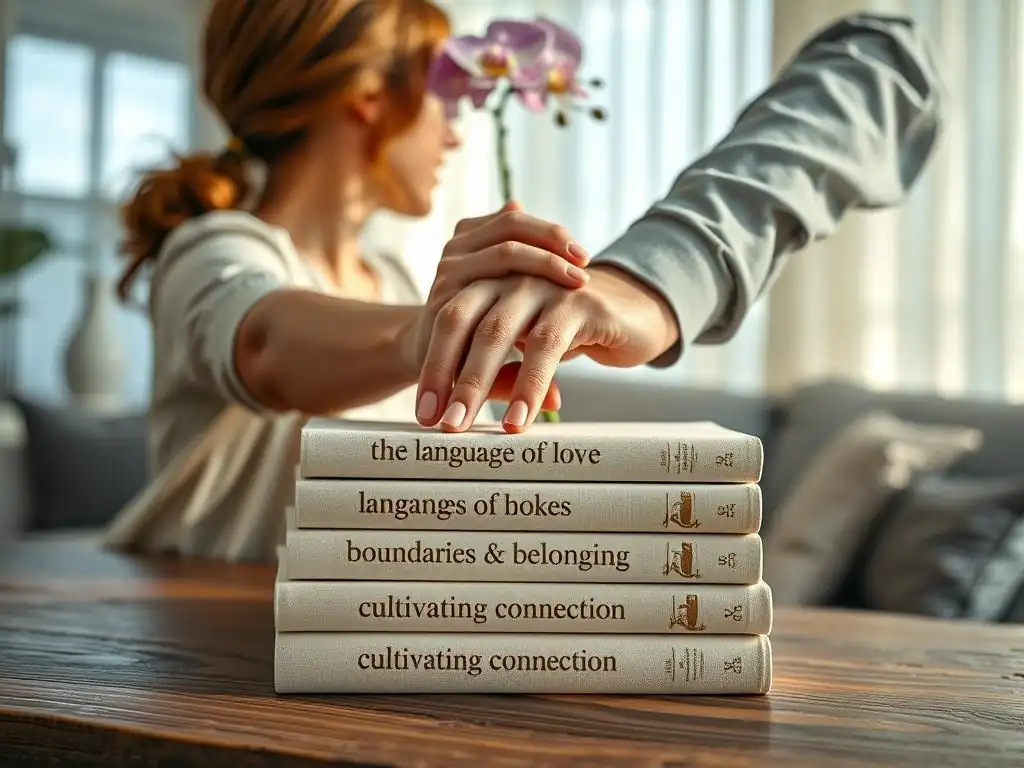
Welcome to Mind Care Guide, a sanctuary for your mental well-being. Are you feeling lost in the labyrinth of relationships, yearning for deeper connection and lasting growth? You're not alone. Our latest article delves into the transformative power of selfhelp books relationship growth, offering expert insights and practical tools. Discover how these literary companions can guide you towards building stronger, healthier bonds. Intrigued? Let's begin your journey to a more fulfilling relationship...
Expert Advice in Print: Top Self-Help Books for Lasting Relationship Growth
- Boosting Relationship Growth with the Best Self-Help Books
-
Top Picks: Self-Help Books for Improving Your Relationship
- 1. "Attached: The New Science of Adult Attachment and How It Can Help You Find - and Keep - Love" by Amir Levine and Rachel Heller
- 2. "The 5 Love Languages: The Secret to Love That Lasts" by Gary Chapman
- 3. "Hold Me Tight: Seven Conversations for a Lifetime of Love" by Dr. Sue Johnson
- 4. "Getting the Love You Want: A Guide for Couples" by Harville Hendrix
- 5. "After the Affair: Healing the Pain and Rebuilding Trust When a Partner Has Been Unfaithful" by Janis Abrahms Spring
- Choosing the Right Self-Help Book for Your Relationship Needs
- Beyond the Books: Further Resources for Relationship Growth
- Investing in Your Relationship: A Path to Lasting Happiness.
-
Frequently Asked Questions
- What are the key benefits of using self-help books for relationship growth?
- How can I choose the right self-help book for my relationship needs?
- Can self-help books replace professional relationship counseling?
- How long does it typically take to see noticeable improvements in my relationship after using self-help books?
- What are some common pitfalls to avoid when using self-help books for relationship growth?
- Final Reflection: Cultivating Connection Through the Written Word
- Unlock Deeper Connections: Start Your Relationship Growth Journey Today!
Boosting Relationship Growth with the Best Self-Help Books
Navigating the complexities of relationships can be challenging, but fortunately, there are many valuable resources available to help individuals and couples foster deeper connections and resolve conflicts. Engaging with self-help books specifically focused on relationship growth offers a practical and accessible way to gain insight, learn new communication skills, and understand relationship dynamics from different perspectives. These books, often written by experienced therapists, researchers, and counselors, distill years of expertise into actionable advice that readers can apply in their daily lives.
Choosing the right self-help books for relationship growth can feel overwhelming given the vast number of titles available. However, identifying books grounded in psychological principles and proven therapeutic approaches can make a significant difference. Whether you're looking to improve communication, rebuild trust, understand attachment styles, or simply strengthen your bond, the right book can serve as a personal guide, offering strategies and exercises to cultivate a healthier, more fulfilling partnership. Many people find that reading these guides, sometimes even together, provides a shared language and framework for discussing sensitive topics and working towards common goals.
Top Picks: Self-Help Books for Improving Your Relationship
1. "Attached: The New Science of Adult Attachment and How It Can Help You Find - and Keep - Love" by Amir Levine and Rachel Heller
This groundbreaking book introduces readers to the science of adult attachment, explaining how understanding your own attachment style and that of your partner can profoundly impact your relationship dynamics. The authors, a psychiatrist and a neuroscientist, simplify complex psychological concepts, categorizing individuals into secure, anxious, and avoidant attachment styles. They explain how these styles manifest in relationships, influencing everything from communication patterns to conflict resolution and intimacy. For example, someone with an anxious attachment might crave constant reassurance, while an avoidant partner might withdraw during times of stress, leading to predictable, often painful cycles.
"Attached" provides practical guidance on how to identify your style and, more importantly, how to navigate relationships with partners of different styles. It offers insights into recognizing insecure patterns and provides strategies for building a more secure bond. Readers often report feeling validated and empowered by understanding the root causes of their relationship behaviors. The book emphasizes the importance of finding a secure partner or working together to cultivate security within an existing relationship, providing tools and examples to help couples communicate needs effectively and respond to each other's signals in a way that fosters closeness and trust.
2. "The 5 Love Languages: The Secret to Love That Lasts" by Gary Chapman
Gary Chapman's enduring bestseller proposes that individuals express and receive love in five primary ways: Words of Affirmation, Acts of Service, Receiving Gifts, Quality Time, and Physical Touch. The core premise is that problems often arise when partners are speaking different "love languages" – expressing love in a way that the other person doesn't fully recognize or appreciate. For instance, one partner might feel most loved through "Acts of Service," like their partner doing chores, while the other might prioritize "Quality Time," simply wanting uninterrupted attention.
This book is a foundational text for many seeking self-help books for relationship growth because it provides a simple yet powerful framework for understanding and meeting each other's emotional needs. It encourages readers to identify their own primary love language and that of their partner, offering practical suggestions for how to express love in ways that genuinely resonate with the other person.
Millions of couples have used the principles from "The 5 Love Languages" to improve communication and deepen their connection, reporting a significant increase in feeling loved and appreciated when partners make a conscious effort to "speak" the correct language.
3. "Hold Me Tight: Seven Conversations for a Lifetime of Love" by Dr. Sue Johnson
Based on Emotionally Focused Therapy (EFT), "Hold Me Tight" guides couples through seven structured conversations designed to help them understand and change the negative interactional patterns that lead to conflict and distance. Dr. Sue Johnson, a leading developer of EFT, explains how relationship distress often stems from a perceived lack of secure emotional connection. The book uses compelling case studies to illustrate common "demon dialogues," such as the "Find the Bad Guy" or "Protest Polka," showing couples how they get stuck in cycles of blame, withdrawal, or pursuit.
The power of this book lies in its focus on the underlying emotions and attachment needs that drive these negative cycles. It teaches couples how to step out of these patterns and create new, more secure ways of interacting. Through exercises and guided reflection, the book helps partners express their deeper feelings and needs in a way that invites connection rather than conflict. Couples who engage with the "Hold Me Tight" conversations often report a profound shift in their relationship, moving from feeling distant and frustrated to feeling more emotionally available, responsive, and securely bonded.
4. "Getting the Love You Want: A Guide for Couples" by Harville Hendrix

Harville Hendrix's influential work introduces Imago Relationship Therapy, which posits that we unconsciously choose partners who have both the positive and negative traits of our primary caregivers. This "imago" or unconscious image of love is what we seek to heal childhood wounds within the context of our adult relationships. The book delves into the concept of the "conscious partnership," arguing that relationships are not just about romance but are powerful vehicles for mutual healing and growth. Hendrix explains how conflict, often seen as a problem, is actually an opportunity for growth and deeper connection if approached correctly.
"Getting the Love You Want" provides specific, structured communication techniques, most notably the "Imago Dialogue." This three-step process (mirroring, validation, and empathy) helps couples talk about difficult issues safely, ensuring each partner feels heard and understood without interruption or defensiveness. By practicing this dialogue, couples can move beyond reactive arguments to a place of mutual understanding and compassion. Many couples therapists utilize Imago principles, and those who work through the book's exercises often find they can transform their conflicts into opportunities for greater intimacy and personal healing.
5. "After the Affair: Healing the Pain and Rebuilding Trust When a Partner Has Been Unfaithful" by Janis Abrahms Spring
Infidelity is one of the most devastating challenges a relationship can face, and "After the Affair" is widely regarded as an essential guide for couples navigating this crisis. Written by a clinical psychologist with extensive experience in trauma and relationships, the book offers a compassionate and realistic roadmap for both the injured partner and the unfaithful partner. It acknowledges the immense pain and complexity involved, avoiding simplistic solutions and instead providing a structured approach to healing. The book does not guarantee reconciliation but offers a path forward whether the couple decides to stay together or separate.
The book meticulously addresses the specific tasks required for healing, such as confronting the reality of the affair, understanding its impact, and deciding whether and how to rebuild trust. It provides practical advice for both individuals: the injured partner is guided on how to process their trauma and set boundaries, while the unfaithful partner is guided on how to take responsibility, express remorse, and become a safe partner.
Janis Abrahms Spring emphasizes that rebuilding trust is a long, arduous process requiring commitment from both individuals. Couples who use this book often find it provides the necessary structure and understanding to begin the difficult work of healing and potentially forging a stronger, more honest relationship.
Choosing the Right Self-Help Book for Your Relationship Needs
Selecting the ideal self-help book for relationship growth depends heavily on the specific challenges you and your partner are facing. Consider what aspects of your relationship feel most strained. Is it communication? Trust? Feeling disconnected? Understanding the root cause of your difficulties can help you narrow down the options. For instance, if you and your partner seem to argue constantly about seemingly small things, a book focusing on communication patterns or conflict resolution might be most helpful. If you feel distant or lack intimacy, a book about emotional connection or love languages could be a better fit.
It's also beneficial to consider your preferred learning style. Some books are more theoretical, explaining psychological concepts in depth, while others are highly practical, offering exercises and scripts. Reading reviews or summaries can give you a sense of the book's approach. Furthermore, openly discussing with your partner what you both hope to gain from reading a self-help guide can lead to a more successful experience. Remember that one book might not solve all your problems, but it can provide valuable insights and tools to start making positive changes and investing in your relationship's future.
Beyond the Books: Further Resources for Relationship Growth
While self-help books are invaluable tools for fostering relationship growth, they are just one part of a comprehensive approach to mental well-being and relationship health. Many couples find that combining insights from books with other resources enhances their journey. Engaging in open and honest conversations with your partner about what you are learning from the books is crucial; simply reading the material isn't enough – active application is key. Discussing chapters, trying exercises together, and reflecting on how the concepts apply to your own relationship dynamics can significantly deepen the impact of the self-help process.
Beyond reading, considering other avenues for support can be highly beneficial. Attending workshops or retreats focused on relationship skills can provide intensive learning opportunities and a supportive environment. Participating in online forums or support groups related to relationship challenges allows you to connect with others facing similar issues and share experiences and insights. While self-help books offer a private way to learn, engaging with external resources can provide different perspectives, accountability, and a sense of community as you work towards lasting relationship growth.
Investing in Your Relationship: A Path to Lasting Happiness.
Committing to self-help books for relationship growth is a significant investment in the health and longevity of your partnership. It demonstrates a willingness to learn, adapt, and work through challenges together. The insights gained from understanding attachment styles, communication patterns, love languages, or healing from betrayal can equip couples with the tools needed to navigate life's inevitable ups and downs with greater resilience and connection. This proactive approach not only addresses existing issues but also builds a stronger foundation for future happiness and fulfillment.
Ultimately, the journey of relationship growth is ongoing. It requires patience, effort, and a commitment from both partners. By utilizing resources like expert-recommended self-help books, couples can embark on a path of continuous learning and mutual support. This dedication to understanding each other better and implementing positive changes is a powerful way to nurture a loving, secure, and lasting bond that can bring profound joy and stability to both individuals' lives.
Frequently Asked Questions
What are the key benefits of using self-help books for relationship growth?
Self-help books offer structured guidance and expert advice that can help individuals understand relationship dynamics. They provide actionable strategies for improving communication and resolving conflicts.
How can I choose the right self-help book for my relationship needs?
Consider the book's focus (e.g., communication, conflict resolution, intimacy). Look for authors with credible expertise and check reviews to see if the book resonates with others who have similar relationship challenges. Pay attention to the book's approach and ensure it aligns with your values.
Can self-help books replace professional relationship counseling?
Self-help books can be a valuable supplement, but they are not a replacement for professional counseling. Complex issues may require the personalized attention and guidance of a trained therapist.
How long does it typically take to see noticeable improvements in my relationship after using self-help books?
The timeline varies depending on the individual and the relationship. Consistent effort and application of the book's principles are crucial. You may see small changes immediately, but lasting improvements take time and dedication.
What are some common pitfalls to avoid when using self-help books for relationship growth?
Avoid treating the book as a quick fix. Active engagement and consistent practice are essential. Remember to adapt the advice to your specific relationship context and communicate openly with your partner.
Final Reflection: Cultivating Connection Through the Written Word
The quest for lasting relationship growth is a universal human experience, and the advice found within the pages of self-help books continues to offer invaluable guidance in navigating the complexities of love and commitment. These aren't just dusty tomes gathering dust on shelves; they are living resources, constantly evolving to meet the changing needs of modern relationships. The insights shared within these pages, when thoughtfully applied, can transform the way we connect, communicate, and ultimately, love.
The impact of these books extends far beyond individual relationships; they contribute to a broader cultural conversation about healthy partnership dynamics. They challenge outdated norms, promote open communication, and encourage self-awareness – all crucial elements for fostering strong and resilient bonds.
As the poet Maya Angelou wisely stated, >“I've learned that people will forget what you said, people will forget what you did, but people will never forget how you made them feel.” These books, at their best, empower us to create relationships built on mutual respect, understanding, and a genuine desire to make our partners feel seen, heard, and cherished.
Consider the lessons you've gleaned from this exploration of expert advice. Which insights resonated most deeply with your own experiences? Take a moment to reflect on your own relationships and identify areas where you can apply the principles discussed. Perhaps it's time to initiate a meaningful conversation, practice active listening, or simply express your appreciation more often. The journey towards lasting relationship growth is ongoing, and the power to cultivate deeper connections lies within your reach. Embrace the opportunity to learn, grow, and build the relationships you've always dreamed of.
Unlock Deeper Connections: Start Your Relationship Growth Journey Today!
Thanks for taking the time to explore the power of self-help in strengthening your relationships! We hope you found insightful advice within our expert recommendations. Now, it's time to put that knowledge into action. Ready to cultivate deeper, more fulfilling connections?
- Prioritize one book: Choose the self-help guide that resonated most with you and commit to reading it. This focused approach will allow for deeper reflection and practical application of the advice.
- Share your insights: Discuss a key takeaway or exercise from the chosen book with your partner. This shared learning experience can strengthen your bond and improve communication.
- Explore related resources: Consider browsing MindCareGuide.org for more articles and advice on relationship building – discover even more ways to enhance your connection!
What's one small step you'll take this week to nurture your relationships based on what you learned today?