
Top Books Therapists Recommend for Overcoming Anxiety


Welcome to Mind Care Guide, a safe space dedicated to nurturing your mental well-being. Feeling overwhelmed by anxiety is a common experience, and finding effective tools is crucial. Are you searching for the right resources to support yourself or your clients? Dive in as we explore Top Books Therapists Recommend for Overcoming Anxiety, offering insights and guidance that can make a real difference. Curious to know which reads professionals trust most? Let's begin your journey to understanding and managing anxiety, together.
Top Books Therapists Recommend for Managing Anxiety: A Holistic Approach
- Introduction: Finding Effective Anxiety Management Books Recommended by Professionals
- Understanding Anxiety: A Foundation for Informed Book Selection
-
Top 5 Anxiety Management Books: Professional Reviews and Recommendations
- 1. "The Mindful Path to Self-Compassion" by Christopher Germer, PhD: Cultivating Kindness and Acceptance
- 2. "Your Erroneous Zones" by Wayne Dyer: Challenging Limiting Beliefs
- 3. "When Panic Attacks" by David Burns, MD: Cognitive Behavioral Techniques for Panic Disorder
- 4. "Anxious for Nothing" by Max Lucado: Finding Calm in a Chaotic World
- 5. "Overcoming Unwanted Intrusive Thoughts" by Sally M. Winston and Martin N. Seif: Managing Obsessive Thoughts
- Choosing the Right Anxiety Management Book: Individual Needs and Preferences
- Beyond Books: Additional Resources for Holistic Anxiety Management
- Conclusion: Empowering Yourself with Knowledge and Comprehensive Anxiety Management
-
Frequently Asked Questions
- What are some popular anxiety books that therapists often recommend to their clients?
- How can anxiety books be a helpful tool in therapy?
- Where can therapists find recommendations for the best anxiety books to use with their clients?
- Are there anxiety books specifically designed for different types of anxiety disorders?
- What should therapists look for when selecting anxiety books to recommend?
- Final Reflection: Finding Solace in the Pages: A Therapist's Guide to Anxiety Relief
- Unlock Your Calm: Start Your Anxiety-Reducing Journey Today!
Introduction: Finding Effective Anxiety Management Books Recommended by Professionals
Navigating the landscape of mental health resources can feel overwhelming, especially when seeking support for anxiety. For many individuals, finding reliable, evidence-based information is a crucial first step towards managing their symptoms effectively. This is where the guidance of mental health professionals becomes invaluable. Therapists, with their extensive knowledge and experience, often recommend specific resources to complement therapy sessions or serve as standalone self-help tools. These therapist-recommended anxiety books offer structured approaches, practical techniques, and profound insights grounded in psychological principles.
The search for effective anxiety management often leads people to explore various avenues, including self-help literature. However, not all books are created equal, and discerning which ones offer genuine value can be challenging. That's why understanding which anxiety books therapists recommend is so important. These books are typically chosen for their alignment with therapeutic modalities like Cognitive Behavioral Therapy (CBT), Mindfulness, or Acceptance and Commitment Therapy (ACT), providing readers with credible strategies they can implement in their daily lives to reduce anxiety's grip.
The Value of Reading in Managing Anxiety: A Professional Perspective
Reading self-help books, particularly those vetted by mental health experts, holds significant value in the journey toward managing anxiety. Professionals often view these resources as powerful adjuncts to therapy, extending the therapeutic process beyond the session room. A well-chosen book can provide foundational knowledge about anxiety, explain the mechanisms behind symptoms, and introduce practical coping strategies that individuals can practice at their own pace. This self-guided learning empowers individuals, giving them a sense of agency and control over their mental well-being.
Moreover, reading offers a private and accessible way to explore difficult emotions and learn new skills. For someone struggling with social anxiety, for example, reading about exposure techniques in a book might feel less intimidating than practicing them immediately in real-life situations.
Therapists recognize that these books can reinforce concepts discussed in therapy, provide different perspectives, and offer repeated exposure to therapeutic principles, solidifying learning and promoting consistent application of strategies. The best anxiety books recommended by therapists often include exercises, worksheets, and reflective prompts designed to facilitate active engagement with the material, turning passive reading into an active process of change.
Why Professionals Recommend Books for Anxiety Relief: Complementing Therapeutic Interventions
Therapists recommend specific anxiety books for several key reasons, primarily because they effectively complement and reinforce therapeutic interventions. While therapy provides personalized guidance and support, books can offer a structured curriculum that covers essential concepts and techniques in detail. For instance, a therapist might introduce the concept of cognitive restructuring in a session, and then recommend a book that dedicates several chapters to explaining and practicing this technique through various examples and exercises. This allows the client to delve deeper into the material between sessions, consolidating their understanding and skills.
Another reason therapists recommend books is to provide clients with tools they can use independently. This is particularly helpful for managing acute anxiety symptoms or practicing skills learned in therapy on a regular basis. Many of the anxiety books therapists recommend are based on empirically supported treatments, meaning their strategies have been validated through research. By recommending these resources, therapists ensure clients have access to reliable information and effective techniques, enhancing the overall effectiveness of their treatment plan. These books act as personal guides, available anytime the reader needs a reminder or a new approach to a challenging moment.
Understanding Anxiety: A Foundation for Informed Book Selection
Before diving into specific book recommendations, it's crucial to establish a foundational understanding of anxiety itself. Anxiety is a complex experience that manifests differently in different people. Recognizing the nuances of this condition is key to selecting the most relevant and effective reading material. The books recommended by therapists for anxiety management often begin by educating the reader about the nature of anxiety, helping them to contextualize their own experiences.
Understanding the spectrum of anxiety, from normal, adaptive worry to debilitating clinical disorders, is essential. This knowledge allows individuals to approach their symptoms with greater clarity and less self-judgment. Furthermore, learning about the physiological, cognitive, and behavioral components of anxiety helps demystify the experience. When selecting anxiety books, therapists often look for resources that provide this comprehensive overview, empowering the reader with knowledge that forms the basis for applying coping strategies effectively.
Defining Anxiety: From Normal Reactions to Clinical Disorders
Anxiety is a fundamental human emotion characterized by feelings of tension, worried thoughts, and physical changes like increased blood pressure. In its normal form, it's an adaptive response to perceived threats, preparing us to face or avoid danger (the 'fight or flight' response). This type of anxiety is temporary and proportionate to the situation, such as feeling nervous before a job interview or cautious when walking alone at night. It serves a protective function, prompting us to be vigilant and prepared.
However, anxiety becomes problematic when it is excessive, persistent, and interferes with daily life, relationships, or work. This is when it moves into the realm of clinical disorders. The Diagnostic and Statistical Manual of Mental Disorders (DSM-5) outlines various anxiety disorders, including Generalized Anxiety Disorder (GAD), Panic Disorder, Social Anxiety Disorder, and specific phobias. These disorders are characterized by intense, disproportionate fear or worry that is difficult to control and causes significant distress or impairment. Understanding this distinction is vital when choosing anxiety books, as different books may focus on specific manifestations or disorders.
Recognizing Anxiety Symptoms: Identifying Individual Experiences
Anxiety symptoms are highly varied and can manifest physically, mentally, and behaviorally. Physically, symptoms might include a racing heart, shortness of breath, sweating, trembling, muscle tension, headaches, or digestive issues. These somatic symptoms can be particularly distressing and are often the first signs people notice. For example, someone with panic disorder might experience sudden, intense physical symptoms that feel like a heart attack.
Mentally, anxiety often involves excessive worry, catastrophic thinking, difficulty concentrating, irritability, and a sense of impending doom. This constant mental chatter can be exhausting and make it hard to focus on tasks or enjoy activities. Behaviorally, anxiety can lead to avoidance of situations that trigger fear, restlessness, difficulty sleeping, or engaging in safety behaviors (like repeatedly checking things). Identifying which of these symptoms are most prominent for an individual helps in selecting anxiety books that offer targeted strategies. For instance, a book focusing on cognitive restructuring might be particularly helpful for someone plagued by excessive worry and negative thoughts.
Different Types of Anxiety Presentations: Tailoring Book Choices to Specific Needs
Anxiety is not a monolithic condition; it presents in various forms, each with unique characteristics and challenges. Generalized Anxiety Disorder (GAD), for example, involves persistent and excessive worry about everyday things, often accompanied by restlessness, fatigue, difficulty concentrating, irritability, muscle tension, and sleep problems. Panic Disorder, in contrast, is characterized by recurrent, unexpected panic attacks—sudden episodes of intense fear that trigger severe physical reactions even when there is no real danger.
Social Anxiety Disorder involves intense fear of being judged, scrutinized, or humiliated in social situations, often leading to avoidance of social interactions. Specific Phobias are marked by an intense, irrational fear of a particular object or situation, such as heights, spiders, or flying.
Obsessive-Compulsive Disorder (OCD), while now classified separately from anxiety disorders in the DSM-5, involves intrusive, unwanted thoughts (obsessions) that cause significant anxiety, leading to repetitive behaviors or mental acts (compulsions) aimed at reducing the distress. Understanding these different presentations is crucial, as the most effective anxiety books therapists recommend often specialize in certain areas, offering techniques specifically tailored for GAD, panic, social anxiety, or even intrusive thoughts associated with OCD.
Top 5 Anxiety Management Books: Professional Reviews and Recommendations
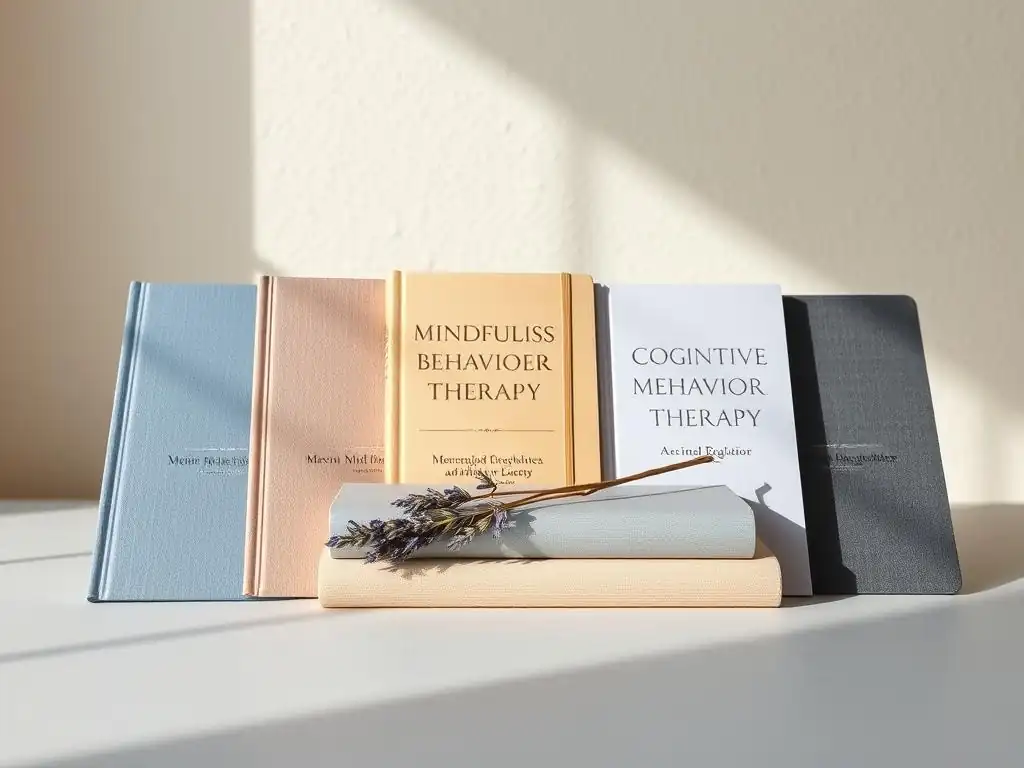
Many excellent books exist for managing anxiety, but some stand out as consistently recommended by mental health professionals. These books are often praised for their clear explanations, evidence-based techniques, and compassionate tone. When therapists suggest anxiety books, they are typically looking for resources that empower individuals with practical tools and a deeper understanding of their experiences.
The following five books represent a diverse range of approaches and focuses within anxiety management, making them popular choices among therapists for various client needs. They cover topics from self-compassion and challenging negative thoughts to managing panic and intrusive thoughts, reflecting the multifaceted nature of anxiety. Exploring these options can provide valuable insights into the types of anxiety books therapists find most effective for supporting their clients' journeys toward greater well-being.
1. "The Mindful Path to Self-Compassion" by Christopher Germer, PhD: Cultivating Kindness and Acceptance
Dr. Christopher Germer's "The Mindful Path to Self-Compassion" is a widely recommended book that focuses on the powerful combination of mindfulness and self-compassion as tools for emotional healing, particularly for anxiety. The book guides readers through various exercises and meditations designed to help them respond to difficult emotions, including anxiety and self-criticism, with kindness and understanding rather than harsh judgment. It emphasizes that self-compassion is not about self-pity or making excuses, but rather about acknowledging suffering and responding to oneself with the same warmth and care one would offer a friend.
The book is structured to be highly practical, incorporating guided meditations (often accessible via accompanying audio resources or scripts within the book) and written exercises. It delves into the three core components of self-compassion: mindfulness (being present with suffering), common humanity (recognizing that suffering is part of the shared human experience), and self-kindness (being warm and understanding toward oneself). By practicing these elements, readers learn to interrupt cycles of self-blame and rumination that often fuel anxiety, fostering a more accepting and resilient relationship with themselves and their difficult emotions.
Features and Benefits of "The Mindful Path to Self-Compassion": Self-Compassion Practices for Anxiety Reduction
This book offers a wealth of guided meditations and practical exercises, making it a highly interactive resource. Readers are encouraged to engage in practices like the "Mindful Self-Compassion Break," which involves acknowledging a moment of suffering, connecting with others who also suffer, and offering kindness to oneself. The exercises are designed to be integrated into daily life, helping individuals build a consistent practice of self-compassion. A key benefit is learning to soothe the nervous system during times of distress, which can directly reduce the intensity of anxiety symptoms.
Another significant benefit is the book's focus on reducing self-criticism, a common fuel for anxiety. By cultivating self-compassion, individuals learn to respond to perceived failures or mistakes with acceptance rather than harsh judgment, breaking the cycle of anxiety driven by the fear of not being good enough. The book provides clear explanations of the psychological principles behind self-compassion and mindfulness, making the concepts accessible and demonstrating how they can be applied to specific challenges like social anxiety, perfectionism, or fear of failure. It helps readers understand that difficult emotions are valid and manageable with a compassionate approach.
Who is "The Mindful Path to Self-Compassion" Best Suited For?
This book is particularly well-suited for individuals whose anxiety is strongly linked to self-criticism, perfectionism, fear of failure, or a harsh inner dialogue. It is also excellent for those interested in exploring mindfulness and meditation as tools for emotional regulation. People who find traditional cognitive-focused approaches challenging might benefit from the gentle, acceptance-based techniques offered here.
It can also be a valuable resource for individuals dealing with shame, guilt, or feelings of inadequacy that contribute to their anxiety. While not a replacement for therapy, it serves as an excellent companion for clients working with therapists who integrate mindfulness and self-compassion into their practice. It provides a solid foundation for understanding and implementing these powerful concepts.
Why Professionals Recommend This Book: Fostering Emotional Resilience and Reducing Self-Criticism
Therapists frequently recommend "The Mindful Path to Self-Compassion" because it addresses a core issue underlying much anxiety: the internal struggle against difficult feelings and a harsh inner critic. Many clients with anxiety suffer significantly from self-judgment and fear of not meeting internal or external standards. This book provides concrete, evidence-based methods—grounded in the work of Kristin Neff and others—to counter this self-criticism and foster a more accepting stance towards oneself and one's experiences.
The emphasis on building emotional resilience through acceptance, rather than trying to eliminate difficult emotions, aligns well with modern therapeutic approaches like ACT. Therapists see this book as a powerful tool for helping clients develop a healthier relationship with their anxiety, reducing the secondary suffering caused by fighting against the feeling itself. It equips individuals with lifelong skills for navigating emotional challenges with greater ease and kindness, making it one of the go-to anxiety books therapists often suggest.
2. "Your Erroneous Zones" by Wayne Dyer: Challenging Limiting Beliefs
Wayne Dyer's classic, "Your Erroneous Zones," takes a distinctly different approach, focusing on identifying and challenging the self-defeating thought patterns and beliefs that prevent people from living fulfilling lives, often contributing significantly to anxiety and unhappiness. While not strictly focused on clinical anxiety disorders, its principles are highly relevant to managing the worry, guilt, and fear that fuel many anxious states. The book encourages readers to take control of their thoughts and emotions by recognizing how they create their own distress through specific "erroneous zones" – patterns of thinking that are based on irrational assumptions.
Dyer identifies common erroneous zones such as the need for approval, the tendency to worry about the future, the burden of the past, and the paralyzing effect of guilt and worry. He uses straightforward language and compelling anecdotes to illustrate how these thought patterns manifest and provides clear, actionable advice on how to dismantle them. The book promotes a philosophy of personal responsibility and empowerment, urging readers to live in the present moment and refuse to be controlled by external circumstances or internal fears.
Features and Benefits of "Your Erroneous Zones": Cognitive Restructuring for Anxiety Relief
A primary feature of "Your Erroneous Zones" is its emphasis on cognitive restructuring, a core technique in CBT. Dyer breaks down common irrational beliefs (erroneous zones) and shows readers how to identify them in their own thinking. For example, he dedicates chapters to the "Erroneous Zone of Worry," explaining how worrying about hypothetical future events is a choice that generates anxiety without providing solutions. He offers practical steps, such as focusing on the present and challenging worst-case scenarios, to counteract this tendency.
The book's benefit lies in its empowering message: you have the power to choose your thoughts and reactions. It provides direct challenges to common anxiety-inducing beliefs, such as the idea that you must please everyone or that your worth depends on external achievements. By systematically addressing these "erroneous zones," readers can learn to dispute irrational thoughts that fuel their anxiety, replacing them with more rational and empowering perspectives. While the language is less clinical than some modern texts, the underlying principles of identifying and changing negative thought patterns are highly effective for anxiety relief.
Who is "Your Erroneous Zones" Best Suited For?
This book is ideal for individuals whose anxiety is significantly driven by negative self-talk, excessive worry about future events, guilt about the past, or a strong need for external validation. It resonates well with those who appreciate a direct, philosophical, and motivational approach to self-improvement.
It's also a good fit for people who are new to the concept of how thoughts influence feelings and are looking for a clear, accessible introduction to challenging irrational beliefs. While it doesn't delve into specific anxiety disorder diagnoses, its focus on cognitive control makes it broadly applicable to many forms of anxiety fueled by problematic thinking patterns.
Why Professionals Recommend This Book: Empowering Individuals to Take Control of Their Emotions
Despite its age and non-clinical language, many therapists recommend "Your Erroneous Zones" because of its powerful and accessible message about personal agency in managing emotions. It effectively communicates the idea that individuals are not simply passive victims of their feelings but have the capacity to influence their emotional state by changing their thinking. This aligns with core principles taught in therapy, particularly CBT, which emphasizes the link between thoughts, feelings, and behaviors.
Therapists find that the book's clear identification of common self-defeating thought patterns resonates strongly with clients. It provides a simple framework for understanding how their own internal dialogue might be contributing to their anxiety. By encouraging readers to challenge these "erroneous zones," the book empowers them to take an active role in reducing their anxiety, reinforcing the idea that they have the ability to change their emotional experience. Its enduring popularity among therapists highlights its effectiveness as a self-help tool for cognitive change, making it one of the enduring anxiety books for therapists to suggest.
3. "When Panic Attacks" by David Burns, MD: Cognitive Behavioral Techniques for Panic Disorder
Dr. David Burns, a pioneer in cognitive behavioral therapy (CBT), offers "When Panic Attacks: The New, Drug-Free Therapy That Can Change Your Life" as a comprehensive guide specifically aimed at individuals struggling with panic disorder, phobias, and generalized anxiety. Building on the principles from his widely acclaimed book "Feeling Good," this volume applies evidence-based CBT techniques directly to the challenges of panic attacks and associated anxiety. It provides readers with a step-by-step program to understand, confront, and ultimately overcome their anxiety symptoms.
The book is highly practical, filled with questionnaires, exercises, and real-life examples from Dr. Burns's clinical practice. It meticulously explains the cognitive distortions and negative thought patterns that fuel panic and anxiety, such as catastrophic thinking and misinterpreting bodily sensations. Dr. Burns introduces specific techniques like cognitive restructuring, exposure therapy (explained in an accessible way), and techniques for managing hyperventilation, offering readers a toolkit to dismantle the cycle of fear and avoidance that characterizes panic disorder.
Features and Benefits of "When Panic Attacks": Practical Strategies for Managing Panic Symptoms
A key feature of "When Panic Attacks" is its detailed explanation of how the "panic cycle" works, helping readers understand the interplay between anxious thoughts, physical sensations, and behaviors like avoidance. Dr. Burns provides specific techniques for each part of the cycle. For cognitive symptoms, he offers methods like the "Daily Mood Log" and techniques to identify and challenge cognitive distortions using evidence-based questioning. For physical symptoms, he teaches breathing exercises and strategies to tolerate uncomfortable sensations rather than fearing them.
The book is particularly beneficial for its practical, step-by-step approach to exposure therapy, a highly effective treatment for phobias and panic disorder. It guides readers on how to gradually confront feared situations or sensations in a controlled manner, helping them to learn that their feared outcomes do not materialize or are manageable. For example, it includes detailed instructions on techniques like interoceptive exposure (intentionally triggering physical sensations associated with panic in a safe environment) to reduce the fear of the sensations themselves. This practical guidance makes it a powerful self-help tool.
Who is "When Panic Attacks" Best Suited For?
This book is specifically designed for individuals who experience panic attacks, panic disorder, or significant phobias. It is also highly relevant for those with Generalized Anxiety Disorder (GAD) who experience significant physical symptoms or catastrophic thinking.
It is best suited for readers who are motivated to actively engage with exercises and practice techniques regularly. It's an excellent resource for clients working with therapists who use CBT, as it provides detailed explanations and homework assignments that complement in-session work. Individuals who appreciate a structured, evidence-based approach will find this book particularly helpful.
Why Professionals Recommend This Book: Providing a Step-by-Step Guide to Overcoming Panic
Therapists widely recommend "When Panic Attacks" because it offers a comprehensive, evidence-based, and highly practical roadmap for overcoming panic and phobias. Dr. Burns's expertise in CBT is evident throughout the book, providing readers with techniques that have been shown through extensive research to be effective. Its structured format, complete with exercises and examples, makes it easy for clients to follow the program independently or in conjunction with therapy.
The book's strength lies in its ability to demystify panic attacks and provide concrete strategies for managing the distressing physical and cognitive symptoms. By teaching techniques like cognitive restructuring and gradual exposure, it empowers individuals to challenge their fears and break free from avoidance behaviors. It's considered one of the essential anxiety books therapists suggest for anyone struggling with the debilitating effects of panic and phobias due to its clear, actionable guidance rooted in proven therapeutic principles.
4. "Anxious for Nothing" by Max Lucado: Finding Calm in a Chaotic World
Max Lucado's "Anxious for Nothing: Finding Calm in a Chaotic World" offers a faith-based perspective on managing anxiety, drawing heavily on Christian scripture, particularly Philippians 4:6-7, which encourages believers to present their requests to God with prayer and thanksgiving, promising that "the peace of God, which transcends all understanding, will guard your hearts and your minds." The book provides comfort, hope, and practical strategies rooted in faith to help readers navigate their worries and fears.
Lucado explores themes such as the power of prayer, the importance of trusting God, the practice of mindfulness and gratitude from a spiritual perspective, and the role of community in finding peace. While it acknowledges the reality of anxiety's impact, the book positions faith as a central resource for finding calm. It is written in an accessible, gentle, and encouraging tone, using anecdotes and reflections to illustrate its points.
Features and Benefits of "Anxious for Nothing": Faith-Based Approach to Anxiety Management
A key feature of "Anxious for Nothing" is its reliance on biblical wisdom and Christian principles as the foundation for managing anxiety. Each chapter often centers around a scripture passage and explores how its message can be applied to contemporary struggles with worry. Lucado translates spiritual concepts like surrender, trust, and thankfulness into actionable steps for reducing anxiety. For instance, he discusses how focusing on gratitude can shift perspective away from fear and onto blessings.
The primary benefit for its target audience is the integration of faith into mental wellness. For individuals whose faith is a central part of their lives, this book offers a framework that aligns with their values and beliefs. It provides comfort and reassurance through the promise of divine peace and the idea that they are not alone in their struggles. While it may not delve into clinical techniques as deeply as other books, it offers spiritual practices like prayer, meditation on scripture, and reliance on community as powerful coping mechanisms.
Who is "Anxious for Nothing" Best Suited For?
This book is specifically tailored for individuals who identify as Christian and are looking for a faith-based perspective on managing their anxiety. It is best suited for readers who find comfort and guidance in religious texts and principles.
It can be a valuable resource for those seeking spiritual support alongside or instead of purely clinical approaches. Individuals who appreciate an empathetic and encouraging tone that speaks directly to their faith will likely find this book particularly resonant and helpful in their journey.
Why Professionals Recommend This Book: Offering Hope and Encouragement Through Spiritual Principles
Some therapists, particularly those working with clients who value their faith or practice from a faith-integrated perspective, may recommend "Anxious for Nothing." They recognize that for many individuals, spiritual beliefs are a significant source of strength and coping. This book effectively leverages these spiritual principles to offer hope, comfort, and a framework for understanding and managing anxiety within a faith context.
While it doesn't replace evidence-based clinical treatments for severe anxiety disorders, it can be a valuable supplementary resource for clients whose faith is central to their identity and coping. Therapists might suggest it to clients who are already engaged in therapy to reinforce concepts like letting go of control (surrender), finding peace in the present moment (mindfulness from a spiritual angle), and the importance of community support, framed within their spiritual beliefs.
It provides a unique lens through which to approach anxiety, making it a relevant addition to the list of anxiety books therapists might recommend depending on the client's background and needs.
5. "Overcoming Unwanted Intrusive Thoughts" by Sally M. Winston and Martin N. Seif: Managing Obsessive Thoughts
Sally M. Winston and Martin N. Seif's "Overcoming Unwanted Intrusive Thoughts: A CBT-Based Guide to Getting Over Frightening, Obsessive, and Disturbing Thoughts" is a highly specific and invaluable resource for individuals plagued by intrusive thoughts. While intrusive thoughts are common and can occur in various anxiety presentations, they are a core feature of Obsessive-Compulsive Disorder (OCD) and can be extremely distressing. This book offers a clear, compassionate, and evidence-based approach grounded in Exposure and Response Prevention (ERP) and Acceptance and Commitment Therapy (ACT) principles to help readers manage these challenging mental experiences.
The authors explain that intrusive thoughts are normal mental phenomena and that the struggle arises from how individuals react to them – by trying to analyze, control, or get rid of them. The book teaches readers to change their relationship with these thoughts rather than trying to eliminate them. It distinguishes between having a thought and believing or acting on it, providing strategies to tolerate uncertainty and resist engaging in compulsions or reassurance-seeking behaviors that perpetuate the cycle of distress.
Features and Benefits of "Overcoming Unwanted Intrusive Thoughts": Exposure and Response Prevention (ERP) Techniques
The core feature of this book is its adaptation of Exposure and Response Prevention (ERP) principles for managing intrusive thoughts. ERP is the gold standard treatment for OCD. The book guides readers through the process of willingly exposing themselves to their feared thoughts (exposure) without performing mental or physical compulsions (response prevention) that temporarily relieve anxiety but reinforce the underlying fear. This helps individuals learn that the thoughts themselves are not dangerous and that the anxiety they provoke decreases over time without engaging in rituals.
A significant benefit is the book's detailed explanation of why fighting or analyzing intrusive thoughts makes them worse. It introduces concepts like "the thought-action fusion" and the paradox of thought suppression. By understanding these mechanisms, readers are better equipped to apply the recommended techniques, such as mindful acceptance of thoughts, resisting reassurance, and delaying or eliminating compulsions. The book provides practical exercises for implementing these strategies, helping readers develop tolerance for uncertainty and discomfort associated with intrusive thoughts, ultimately reducing their power.
Who is "Overcoming Unwanted Intrusive Thoughts" Best Suited For?
This book is essential reading for individuals who struggle with frequent, distressing, and unwanted intrusive thoughts, whether they have a formal diagnosis of OCD or experience these thoughts as part of other anxiety conditions like GAD or panic disorder.
It is particularly helpful for those who engage in significant mental or physical compulsions (like checking, seeking reassurance, rumination, or avoidance) in response to their thoughts. It is an excellent resource for clients undergoing ERP therapy, providing supplementary explanations and exercises. Individuals seeking a highly specific, evidence-based approach to managing obsessive thinking will find this book invaluable.
Why Professionals Recommend This Book: Providing Specific Strategies for Managing Obsessive Compulsive Disorder (OCD)
Therapists who work with OCD and intrusive thoughts frequently recommend this book because it provides a clear, accessible, and accurate explanation of these challenging experiences and offers empirically supported strategies for managing them. It correctly frames intrusive thoughts as normal phenomena and highlights the problematic nature of the response to these thoughts, which is the core focus of ERP.
The book empowers individuals by teaching them how to break the cycle of obsession and compulsion/avoidance. Its detailed guidance on resisting mental and physical rituals resonates with the core principles of ERP and ACT, making it a powerful adjunct to therapy or a robust self-help tool for motivated individuals. For therapists seeking effective anxiety books to recommend for clients struggling specifically with obsessive thinking, this book is consistently at the top of the list due to its targeted and evidence-based approach.
Choosing the Right Anxiety Management Book: Individual Needs and Preferences

Selecting the most helpful anxiety management book from the vast array available can feel daunting. The "best" book is highly subjective and depends heavily on the individual's specific experiences with anxiety, their symptoms, their learning style, and their personal beliefs. What works wonders for one person might not resonate with another. Therefore, a thoughtful approach is needed to identify the resource that will be most beneficial.
Considering your unique situation is paramount. Are your anxieties primarily driven by excessive worry about the future, or are they centered around social interactions? Do you experience debilitating panic attacks, or are you troubled by persistent, unwanted thoughts? Answering these questions can help narrow down the options and point you toward books that address your most pressing concerns directly. Furthermore, reflecting on how you best absorb information—through practical exercises, theoretical explanations, or personal stories—can guide your choice.
Identifying Your Specific Anxiety Patterns: Tailoring Book Selection to Individual Experiences
Understanding the specific patterns of your anxiety is the first critical step in choosing the right book. Anxiety manifests differently, and a book highly effective for panic disorder might not be the best fit for someone primarily dealing with social anxiety or generalized worry. For example, if your main challenge is recurrent panic attacks accompanied by intense physical symptoms and fear of losing control, a book like "When Panic Attacks" by David Burns, which focuses on interoceptive exposure and challenging catastrophic interpretations of physical sensations, would be highly relevant.
Conversely, if your anxiety is characterized by chronic, pervasive worry about multiple aspects of life, accompanied by restlessness and difficulty concentrating, a book that teaches cognitive restructuring and worry management techniques, perhaps within a general CBT framework, might be more appropriate. For individuals struggling with intrusive thoughts and compulsions, "Overcoming Unwanted Intrusive Thoughts" by Winston and Seif offers targeted strategies like ERP. Identifying whether your anxiety is more about performance, social situations, health, or specific fears helps you select anxiety books therapists suggest that align with your unique profile of symptoms and triggers.
Understanding Your Learning Style: Finding a Book That Resonates with Your Personality
Beyond the specific content, consider how the book presents information and whether that style aligns with how you learn best. Some people prefer highly structured books with clear steps, exercises, and worksheets, like those based on CBT principles. These readers might benefit from a book that feels like a guided course, offering homework assignments and specific techniques to practice regularly.
Others might prefer a more narrative, reflective, or philosophical approach, such as books that use anecdotes, metaphors, or integrate spiritual principles. These readers might find inspiration and insight from a less rigid format that encourages contemplation and shifts in perspective. Some might respond best to a compassionate, acceptance-focused tone, while others might prefer a more direct, challenging style. Reading reviews or sample chapters can give you a sense of the author's voice and structure, helping you determine if the book is likely to resonate with your personality and learning preferences.
The Importance of Professional Support: Integrating Reading with Therapeutic Interventions
While self-help books can be incredibly valuable tools for managing anxiety, it is crucial to remember that they are often most effective when used in conjunction with professional support. Anxiety disorders are complex, and a book alone may not provide sufficient guidance or personalized strategies for severe or long-standing issues. Therapists can help you select the most appropriate books, explain concepts that are unclear, help you troubleshoot difficulties in applying techniques, and provide the necessary support and accountability.
Integrating reading with therapy allows for a synergistic approach. Concepts learned in a book can be discussed and processed in therapy sessions, and the therapist can tailor the application of techniques to your specific situation. For example, a therapist might guide you through exposure exercises described in a book or help you challenge cognitive distortions identified through reading.
Professional support ensures that you are using the book effectively and safely, maximizing its potential benefits while addressing any underlying issues that self-help alone cannot resolve. Many of the best anxiety books therapists recommend are specifically designed to be used as part of a broader treatment plan.
Beyond Books: Additional Resources for Holistic Anxiety Management
While books offer a wealth of knowledge and practical techniques, a holistic approach to anxiety management often involves utilizing a variety of resources. Anxiety is a complex condition that can benefit from multiple layers of support, addressing not only cognitive and behavioral aspects but also physical well-being, social connection, and accessibility to care. Exploring resources beyond traditional reading materials can significantly enhance your ability to cope with anxiety and build resilience.
These additional tools can complement the insights gained from reading and provide different avenues for practicing skills, seeking support, and maintaining overall mental well-being. They range from accessible digital tools to connecting with others who share similar experiences, offering diverse pathways to finding calm and managing anxious feelings in a chaotic world. Integrating these resources can create a more comprehensive and effective personal anxiety management plan.
Telehealth Services: Accessing Remote Mental Health Support
Telehealth services, also known as teletherapy or online therapy, have become an increasingly accessible and convenient way to receive professional mental health support. These services allow individuals to connect with licensed therapists, counselors, and psychiatrists remotely through video conferencing, phone calls, or secure messaging platforms. This eliminates barriers such as geographical location, transportation issues, and scheduling difficulties, making it easier for people to access care from the comfort of their own homes.
For individuals struggling with anxiety, telehealth offers several advantages. It can be particularly helpful for those with social anxiety or agoraphobia who find it difficult to leave their homes or interact in person. It provides flexibility, allowing sessions to be scheduled around work or family commitments.
Furthermore, telehealth can be a cost-effective option compared to traditional in-person therapy in some cases. Many therapists who provide telehealth services are skilled in delivering evidence-based treatments for anxiety, such as CBT and ACT, and can integrate the use of self-help books into the remote therapeutic process, discussing concepts from the anxiety books therapists might recommend during virtual sessions.
Meditation and Mindfulness Apps: Guided Practices for Relaxation and Stress Reduction
Meditation and mindfulness are well-established practices for reducing stress and anxiety, and numerous mobile applications now make these techniques highly accessible. Apps like Calm, Headspace, Insight Timer, and Ten Percent Happier offer guided meditations, breathing exercises, body scans, and mindfulness practices ranging from a few minutes to longer sessions. They often include specific programs tailored for anxiety, sleep, or stress reduction.
These apps provide a convenient way to incorporate mindfulness into daily routines. They offer structure and guidance, which can be particularly helpful for beginners. Regular practice of mindfulness, as taught through these apps, can help individuals become more aware of their thoughts and feelings without judgment, reducing reactivity to anxious thoughts and physical sensations.
This aligns with principles found in many anxiety books therapists recommend that incorporate mindfulness, providing a practical tool to implement those concepts on the go. For example, practicing mindful breathing through an app can be a quick and effective way to manage acute anxiety symptoms in the moment.
Connecting with others who understand what you're going through can be a powerful component of anxiety management. Support groups, whether in-person or online, provide a safe space to share experiences, gain perspective, and receive encouragement from peers facing similar challenges. Hearing from others who have successfully navigated anxiety or are actively working on their recovery can reduce feelings of isolation and instill hope.
Organizations like the Anxiety & Depression Association of America (ADAA) and the National Alliance on Mental Illness (NAMI) offer resources for finding local or online support groups. Online communities and forums dedicated to anxiety can also provide a sense of belonging and a platform for sharing coping strategies. While support groups are not a substitute for professional therapy, they offer valuable emotional support, practical tips, and a reminder that you are not alone in your journey. This sense of community complements the personal work done through reading anxiety books and engaging in therapy.
Conclusion: Empowering Yourself with Knowledge and Comprehensive Anxiety Management
Managing anxiety is a journey that often involves acquiring knowledge, developing new skills, and seeking support. Self-help books recommended by therapists can be invaluable tools in this process, offering structured guidance and evidence-based techniques rooted in psychological science. By understanding the nature of anxiety and selecting resources that align with your specific needs and learning style, you can empower yourself with the knowledge needed to navigate your symptoms more effectively.
The books discussed represent just a few of the many high-quality resources available, each offering a unique perspective and set of tools. Whether focusing on self-compassion, challenging negative thoughts, managing panic, finding peace through faith, or tackling intrusive thoughts, these books provide pathways to greater well-being. However, it's important to view these resources as part of a broader strategy that may include professional therapy, lifestyle changes, and utilizing other supportive tools like meditation apps or support groups.
Utilizing Anxiety Management Books as a Self-Help Tool: A Pathway to Well-being
Anxiety management books serve as powerful self-help tools, providing accessible education and practical strategies that individuals can implement independently. They allow readers to learn at their own pace, revisit concepts as needed, and practice techniques in the privacy of their homes. For many, these books are a first step towards seeking help or a way to supplement ongoing professional treatment.
Engaging actively with the material—completing exercises, reflecting on prompts, and consistently practicing techniques—is key to maximizing the benefits of these resources. Using anxiety books recommended by therapists can help individuals identify their specific thought patterns and behaviors, understand the mechanisms of anxiety, and build a repertoire of coping skills. This proactive approach fosters a sense of agency and empowers individuals to take an active role in their mental health journey, paving a path towards greater resilience and well-being.
The Role of Professionals in Guiding Your Anxiety Management Journey
While self-help books are beneficial, the guidance of mental health professionals remains crucial for many individuals navigating anxiety. Therapists can provide personalized assessments, diagnose specific conditions, develop tailored treatment plans, and offer support in applying the strategies learned from books. They can help individuals address complex issues, work through underlying trauma, and provide a safe space to process difficult emotions that might arise during the self-help process.
Think of the best anxiety books therapists recommend as valuable companions on your journey, but your therapist as your experienced guide. They can help you select the most appropriate books based on your needs, clarify any confusion, troubleshoot challenges in applying techniques, and integrate the book's teachings with other therapeutic interventions. This collaborative approach ensures that you receive comprehensive care and support tailored to your unique situation, maximizing the potential for successful anxiety management and lasting recovery.
Further Resources for Mental Well-being
Beyond books and traditional therapy, a wealth of resources exists to support mental well-being and anxiety management. Exploring options like mindfulness and meditation apps, engaging in regular physical activity, practicing good sleep hygiene, maintaining a balanced diet, and connecting with supportive friends and family can all contribute significantly to reducing anxiety symptoms.
Online resources from reputable organizations like the National Institute of Mental Health (NIMH) or the World Health Organization (WHO) provide valuable information about anxiety and available treatments. Support groups, both online and in-person, offer peer support and shared experiences. Building a comprehensive toolkit of resources, including therapist-recommended anxiety books, professional support, and healthy lifestyle practices, provides a robust foundation for effectively managing anxiety and fostering overall mental resilience.
Frequently Asked Questions
What are some popular anxiety books that therapists often recommend to their clients?
Therapists often recommend books like The Anxiety and Phobia Workbook and Feeling Good: The New Mood Therapy. These offer evidence-based techniques and practical strategies for managing anxiety.
How can anxiety books be a helpful tool in therapy?
Anxiety books can supplement therapy by providing clients with additional support and information outside of sessions. They offer self-help strategies and can reinforce concepts discussed in therapy.
Where can therapists find recommendations for the best anxiety books to use with their clients?
Resources like Mind Care Guide and professional organizations often provide curated lists of recommended anxiety books for therapists. These lists are frequently updated with new publications and research.
Are there anxiety books specifically designed for different types of anxiety disorders?
Yes, some anxiety books focus on specific disorders like social anxiety, panic disorder, or generalized anxiety disorder. These targeted resources can be particularly helpful.
What should therapists look for when selecting anxiety books to recommend?
Therapists should prioritize books that are evidence-based, written by qualified professionals, and aligned with their client's individual needs and preferences. They should also consider readability and cultural sensitivity.
Final Reflection: Finding Solace in the Pages: A Therapist's Guide to Anxiety Relief
The battle against anxiety is a deeply personal one, yet the tools for navigating its complexities are surprisingly accessible. This exploration of top therapist-recommended books highlights a crucial truth: effective coping mechanisms aren't always found in clinical settings; sometimes, they reside within the pages of a well-written book. These resources offer not just information, but a pathway toward understanding, acceptance, and ultimately, healing.
The impact of anxiety on our collective well-being is undeniable, shaping our social interactions, professional lives, and personal relationships. The books discussed here represent a diverse range of approaches, reflecting the multifaceted nature of anxiety itself. They offer a lifeline to those struggling in silence, providing validation and practical strategies. As one therapist wisely stated, The power of reading lies in its ability to foster self-awareness and empower individuals to take control of their mental health journey.
This resonates deeply, as I've witnessed firsthand the transformative potential of these literary companions in the lives of my clients.
Consider the books highlighted in this article not as mere reading material, but as potential allies in your own journey. Which resonated most with your personal experiences? Which strategies feel most accessible and applicable to your life? Take the time to reflect on these questions, and remember that seeking support, whether through therapy, self-help resources, or a supportive community, is a sign of strength, not weakness. Embrace the opportunity to cultivate a healthier relationship with your mind, one page at a time.
Unlock Your Calm: Start Your Anxiety-Reducing Journey Today!
Thanks for taking the time to explore ways to manage anxiety with us here at Mind Care Guide. We hope you found valuable insights in our selection of therapist-recommended books. Now, let's put that knowledge into action!
- Begin your reading journey: Pick one of the recommended books that resonated most with you and order it today. Even a few chapters can make a difference!
- Share your thoughts: Let us know in the comments which book you chose and why! We love hearing your experiences and creating a supportive community.
- Explore additional resources: Visit our website, MindCareGuide.org, for more articles and tools to support your mental well-being.
What's the one small step you'll take this week to prioritize your mental health?