
Body Image Issues: Impact on Women's Mental Health


Welcome to Mind Care Guide, a space dedicated to nurturing your mental well-being. Are you navigating the complex landscape of self-perception? Understanding how body image impacts women's self-esteem is a crucial step towards building a healthier relationship with yourself. This is where we begin. Explore our guide to discover insights, resources, and support – because your mental health journey matters. What if you could finally understand the root of your struggles and start building lasting confidence? Let's find out.
- Body Image Issues: A Guide to Understanding the Impact on Women's Mental Health
- Understanding Body Image and Self-Esteem in Women
- The Detrimental Impact of Negative Body Image on Mental Health
- Factors Contributing to Negative Body Image in Women
- Recognizing the Signs of Body Image Issues
- Strategies for Improving Body Image and Self-Esteem in Women
- Building a Healthier Body Image: Practical Tips for Women
- Body Image and Self-Esteem in Specific Life Stages for Women
- Resources and Support for Women Struggling with Body Image
- Supporting a Loved One Struggling with Body Image
- Conclusion: Empowering Women to Embrace Body Positivity and Mental Well-being
-
Frequently Asked Questions
- What is the connection between body image and self-esteem in women?
- How does societal media influence women's body image and mental health?
- What are some common mental health challenges associated with poor body image?
- What are some practical strategies women can use to improve their body image?
- Where can women find resources and support for body image and self-esteem issues?
- Final Reflection: Reclaiming Our Bodies, Reclaiming Ourselves
- Unleash Your Inner Confidence: Take Charge of Your Body Image
Body Image Issues: A Guide to Understanding the Impact on Women's Mental Health
Mind Care Guide: Nurturing Women's Well-being
At Mind Care Guide, we understand that mental well-being is a complex tapestry, woven from various threads of life experience, societal factors, and personal perceptions. For many women, one significant thread that can profoundly impact this tapestry is body image. The way a woman perceives, feels about, and thinks about her physical self is deeply intertwined with her overall mental health and self-worth.
Addressing the challenges related to body image is crucial for fostering positive body image selfesteem women can carry throughout their lives. This guide delves into the nuances of body image issues specifically affecting women, exploring their origins, impact, and pathways toward healing and acceptance. Our aim is to provide clear, empathetic information to empower women to navigate these complex feelings and build a stronger sense of self.
Understanding Body Image and Self-Esteem in Women
Defining Body Image: Perceptions and Realities
Body image is not simply how you look; it's how you think and feel about how you look. It encompasses your perception of your physical appearance, your thoughts and beliefs about your body, your feelings about your shape, weight, and individual features, and the behaviors you engage in as a result of these perceptions and feelings. It's a deeply personal construct, often varying significantly from how others see you.
This internal representation of one's body is shaped by a myriad of factors, both internal and external. While objective physical characteristics exist, the subjective interpretation is paramount. For instance, two women with similar body types might have vastly different body images – one feeling confident and accepting, the other experiencing intense dissatisfaction and self-criticism, highlighting the gap between perception and reality.
The Link Between Body Image and Self-Esteem
There is a powerful and often reciprocal relationship between body image and self-esteem, particularly for women. Self-esteem is your overall sense of self-worth and value as a person. When a woman holds a negative body image – feeling inadequate, unattractive, or flawed based on her appearance – it can significantly erode her general self-esteem. She may come to believe that her worth is tied directly to her physical appearance.
Conversely, low self-esteem can also contribute to a negative body image. If a woman already feels fundamentally "not good enough," she may project these feelings onto her physical form, finding fault with her body as a tangible representation of her perceived inadequacies. This interconnectedness means that addressing one often requires addressing the other to build robust body image selfesteem women need for thriving mental health.
Societal Influences on Female Body Image
Societal pressures play an undeniable role in shaping female body image. From a young age, girls are bombarded with messages about ideal beauty standards, often emphasizing thinness, youth, and specific physical features. These standards are frequently unrealistic and narrowly defined, leaving many women feeling inadequate simply because they do not fit a mold that is not representative of natural human diversity.
These influences are pervasive, appearing in everything from children's toys and fairy tales to advertising, fashion, and entertainment. Cultural norms dictate what is considered attractive, and these norms can shift over time and vary geographically, yet the underlying pressure on women to conform to a specific physical ideal remains a constant challenge for positive body image selfesteem women strive for.
The Detrimental Impact of Negative Body Image on Mental Health
Body Dissatisfaction and Increased Risk of Anxiety
Persistent body dissatisfaction is a significant precursor to increased anxiety levels in women. The constant worry about one's appearance – fretting over perceived flaws, comparing oneself to others, and fearing negative judgment – creates a state of chronic stress. This can manifest as generalized anxiety, social anxiety (especially concerning situations where the body is more visible like beaches or parties), and even panic attacks related to appearance concerns.
Studies consistently show a strong correlation between negative body image and anxiety disorders. For example, research indicates that women with higher levels of body dissatisfaction report greater social anxiety, particularly fear of negative evaluation based on appearance. This constant internal focus on perceived physical shortcomings drains mental energy and fuels a cycle of worry and avoidance.
The Connection Between Body Image and Depression in Women
Negative body image is a well-established risk factor for depression in women. When a woman feels consistently unhappy with her body, she may experience feelings of shame, hopelessness, and worthlessness. This can lead to withdrawal from social activities, loss of interest in previously enjoyed hobbies, and a pervasive sense of sadness – all hallmark symptoms of depression.
The feeling of being "not good enough" because of one's appearance can become deeply ingrained, contributing to a negative self-view that extends beyond just the physical. Approximately 20% of women in Western societies report significant body dissatisfaction, and this dissatisfaction is linked to a higher incidence of depressive symptoms compared to those with more neutral or positive body images. This highlights the critical need to support body image selfesteem women struggle to maintain.
Eating Disorders and Distorted Body Image: A Dangerous Cycle
Distorted body image is a core feature of many eating disorders, including anorexia nervosa, bulimia nervosa, and body dysmorphic disorder (BDD). Individuals with these conditions often perceive their bodies in ways that are drastically different from reality. For instance, someone with anorexia nervosa may see themselves as overweight even when critically underweight, while someone with BDD might obsess over a minor or imagined physical flaw.
This distorted perception fuels dangerous behaviors such as extreme dieting, excessive exercise, purging, or ritualistic grooming. The behaviors are often aimed at altering the body to match a desired image, but they are driven by a perception that is fundamentally untrue. This creates a vicious cycle: the body dissatisfaction leads to disordered behaviors, which can further damage physical and mental health, often reinforcing the negative body image.
Low Self-Esteem and its Manifestations in Daily Life
Low self-esteem, frequently a consequence of negative body image, can permeate every aspect of a woman's life. It can impact her relationships, making her hesitant to form close bonds or feel worthy of love and attention. In professional settings, it might manifest as a lack of assertiveness, reluctance to take on challenges, or difficulty accepting praise, limiting career progression.
Simple daily tasks can become fraught with anxiety. Choosing an outfit, going to the gym, or even eating a meal in public can trigger intense self-consciousness and negative self-judgment. This constant internal battle is exhausting and can significantly reduce quality of life, underscoring how vital it is to nurture body image selfesteem women need to live fully and confidently.
Factors Contributing to Negative Body Image in Women
Media Portrayals and Unrealistic Beauty Standards
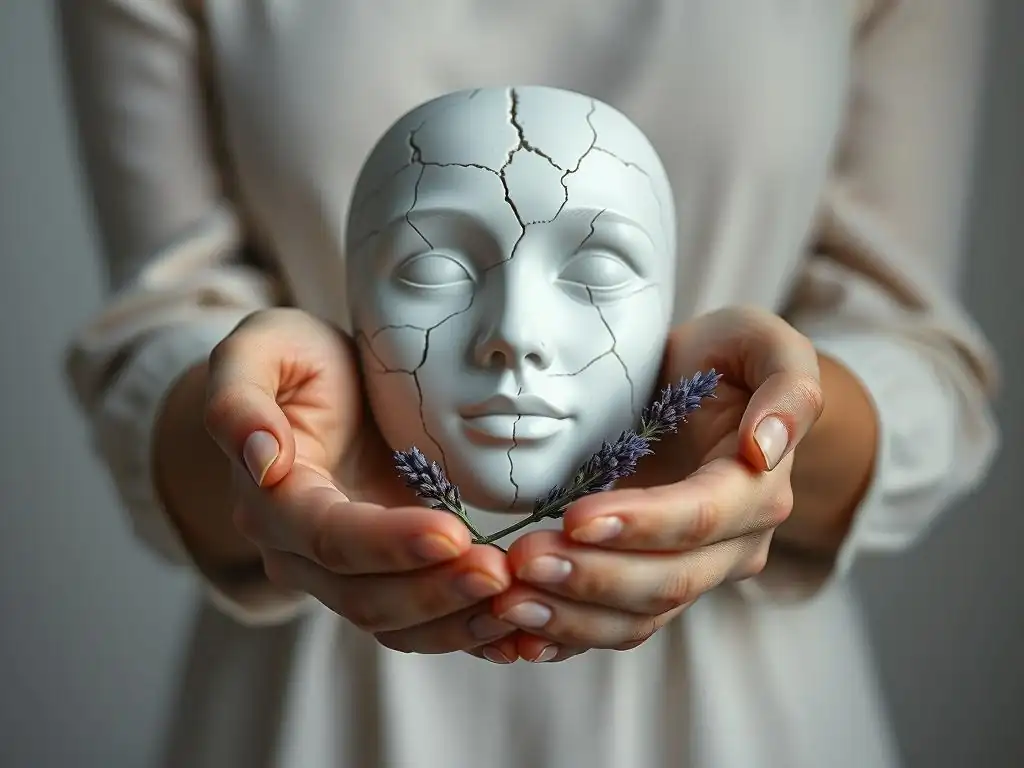
Traditional media outlets have historically presented a narrow and often unattainable standard of beauty. Magazines, television shows, and advertisements frequently feature highly stylized and often digitally altered images of women who represent a very specific, and often underweight, body type. This creates a pervasive visual narrative that equates thinness and a youthful appearance with beauty and success.
Exposure to these images can lead women to internalize these standards as the norm, resulting in unfavorable comparisons to their own bodies. While there has been some progress towards greater diversity in media representation in recent years, the dominant imagery still heavily favors a particular aesthetic, making it challenging for many women to feel their natural bodies are acceptable or beautiful.
Social media platforms have added another layer of complexity to body image issues. The curated nature of platforms like Instagram and TikTok means users are often exposed to highlight reels of others' lives and appearances. Filters, editing apps, and strategic posing create images of perfection that are often far removed from reality, yet they are presented as everyday life.
The constant exposure to these idealized images, coupled with the ability for instant comparison and the pressure to present a perfect online persona, can significantly increase body dissatisfaction. Studies have shown a correlation between heavy social media use and negative body image, particularly among young women, highlighting the unique challenges social media poses for fostering positive body image selfesteem women develop.
Cultural Norms and Gender Expectations
Cultural norms and gender expectations profoundly influence how women perceive their bodies. Many cultures place a strong emphasis on women's physical appearance as a measure of their value and desirability. This can manifest in expectations around weight, shape, skin tone, hair, and clothing, creating external pressure to conform to culturally defined ideals.
These expectations are often tied to traditional gender roles, where a woman's primary role might historically have been linked to attracting a partner or maintaining a certain social status based on her appearance. While gender roles are evolving, the legacy of these expectations persists, contributing to the pressure women feel to meet specific beauty standards and impacting their body image selfesteem women navigate daily.
Internalized Beliefs and Negative Self-Talk
External pressures, whether from media, society, or even well-meaning family members, can become internalized over time, forming deeply held beliefs about one's body. A woman might internalize the message that "thin is better" or "my worth depends on how I look." These internalized beliefs then fuel negative self-talk – the critical inner voice that constantly finds fault with her appearance.
This negative self-talk can become a pervasive habit, automatically criticizing perceived flaws, comparing oneself unfavorably to others, and reinforcing feelings of inadequacy. Overcoming these internalized beliefs and challenging negative self-talk is a crucial step in improving body image selfesteem women hold and fostering a more compassionate relationship with their bodies.
Recognizing the Signs of Body Image Issues
Obsessive Thoughts About Weight and Appearance
One of the key indicators of body image issues is obsessive thinking about weight, shape, or specific physical features. This isn't just occasional concern; it's a persistent, intrusive preoccupation that consumes significant mental energy. A woman might spend excessive time thinking about her body, analyzing perceived flaws, or planning ways to change her appearance.
This obsession can lead to behaviors like frequent mirror checking (sometimes for hours) or, conversely, complete avoidance of mirrors. There might be constant weighing, measuring, or pinching of skin. These thoughts can be so consuming that they interfere with concentration, sleep, and the ability to engage fully in daily activities.
Constant Self-Criticism and Comparison
A hallmark sign is relentless self-criticism focused on appearance. This involves finding fault with one's body on a regular basis, often using harsh and unforgiving language internally. This self-criticism is frequently accompanied by constant comparison to others – friends, family, celebrities, or even strangers seen in public or online.
These comparisons are almost always unfavorable, leading to feelings of inadequacy and envy. The woman might focus on what others have that she perceives herself lacking, fueling dissatisfaction with her own body. This cycle of criticism and comparison significantly erodes body image selfesteem women need to feel confident and secure.
Body image issues can lead to significant social withdrawal and avoidance. Fear of being judged for one's appearance can cause a woman to decline invitations to social events, especially those where appearance feels scrutinized, such as parties, dates, or events involving swimwear or revealing clothing.
She might avoid activities she enjoys, like going to the gym, participating in sports, or even spending time with friends, if she feels uncomfortable or self-conscious about her body in those settings. This avoidance can lead to isolation, loneliness, and a further decline in mental well-being, impacting the development of positive body image selfesteem women gain through social connection.
Extreme Dieting or Exercise Habits
While healthy eating and regular exercise are beneficial, body image issues can drive these behaviors to dangerous extremes. This might involve severe caloric restriction, eliminating entire food groups, or following rigid, unsustainable diet rules. Exercise might become compulsive, performed for excessive durations or at high intensity, even when injured or exhausted, driven by a need to burn calories or change shape rather than for health or enjoyment.
These extreme habits are often secretive and can become all-consuming, interfering with work, relationships, and health. They are not motivated by a desire for overall wellness but by a desperate attempt to control or change a body that is perceived as unacceptable. Recognizing the difference between healthy habits and extreme, body-image-driven behaviors is crucial.
Strategies for Improving Body Image and Self-Esteem in Women
Challenging Negative Thoughts and Cognitive Restructuring
A powerful strategy for improving body image involves actively challenging and restructuring negative thought patterns. This process, often employed in cognitive behavioral therapy (CBT), involves identifying the specific negative thoughts you have about your body (e.g., "My thighs are too big," "I'm ugly"). Once identified, you question their validity and accuracy.
Ask yourself: Is this thought based on fact or feeling? What evidence supports or contradicts this thought? Would I say this to a friend? Then, work on replacing the negative thought with a more balanced, realistic, or self-compassionate one (e.g., "My thighs allow me to walk and run," "My worth isn't determined by my appearance"). This practice weakens the hold of negative self-talk over time and strengthens body image selfesteem women build internally.
Practicing Self-Compassion and Acceptance
Cultivating self-compassion is fundamental to healing body image issues. Self-compassion involves treating yourself with the same kindness, understanding, and empathy you would offer a close friend who is struggling. It means acknowledging that experiencing body dissatisfaction is difficult and responding to your own suffering with warmth, rather than harsh self-criticism.
Acceptance doesn't mean giving up on health goals; it means accepting your body as it is right now without judgment. It's about recognizing that your body is a vessel for your life and experiences, worthy of care and respect regardless of its size, shape, or appearance. Practicing self-compassion helps to quiet the inner critic and foster a sense of peace with your physical self.
Cultivating a Positive Relationship with Food and Exercise
Moving away from restrictive dieting and punitive exercise is key to fostering a healthier body image. This involves shifting the focus from weight loss and appearance to nourishing your body and moving it in ways that feel good and promote well-being. Explore principles of mindful eating, paying attention to hunger and fullness cues and enjoying food without guilt.
Find forms of movement you genuinely enjoy, whether it's dancing, walking in nature, swimming, or yoga. Exercise should be seen as a way to strengthen your body, boost your mood, and improve your health, rather than a tool for punishment or calorie burning. This shift helps to detach food and exercise from negative body image and connect them to self-care, supporting positive body image selfesteem women cultivate through healthy habits.
Seeking Professional Help: Therapy and Counseling Options
For many women, body image issues are deeply ingrained and difficult to overcome alone. Seeking professional help from a therapist or counselor specializing in body image, disordered eating, or related mental health conditions can be incredibly beneficial. Therapists can provide tools and strategies to challenge negative thoughts, process underlying emotional issues, and develop healthier coping mechanisms.
Therapeutic approaches like Cognitive Behavioral Therapy (CBT), Dialectical Behavior Therapy (DBT), or Acceptance and Commitment Therapy (ACT) are often used to address body image concerns. A therapist can help identify the root causes of dissatisfaction, teach techniques for managing distress, and support the journey toward building positive body image selfesteem women deserve.
Building a Healthier Body Image: Practical Tips for Women
Focus on Health and Well-being, Not Just Appearance
Shift your focus from how your body looks to how it feels and what it can do. Prioritize behaviors that enhance your overall health and well-being, such as getting enough sleep, managing stress, nourishing your body with balanced meals, and engaging in enjoyable physical activity. Celebrate the strength and capabilities of your body.
When you focus on health as the primary goal, rather than achieving a specific aesthetic, you build a more sustainable and positive relationship with your body. This approach reinforces the idea that your body is functional and capable, not just an object to be judged, contributing significantly to positive body image selfesteem women cultivate.
Limit Exposure to Triggering Media Content
Be mindful of the media you consume, both traditional and social. Unfollow social media accounts that make you feel inadequate or encourage unhealthy comparisons. Curate your feed to include diverse body types, body-positive advocates, and content that celebrates health and well-being over unrealistic beauty standards.
Be a critical consumer of media. Recognize that images are often edited and presented to sell a product or lifestyle. Reducing exposure to content that triggers negative feelings about your body is a proactive step in protecting your mental health and fostering a healthier body image selfesteem women can feel genuinely.
Surround Yourself with Supportive and Positive Influences
The people you spend time with have a significant impact on how you feel about yourself. Seek out friends, family members, and communities who uplift you, value you for who you are (not just how you look), and promote a positive and accepting attitude towards bodies of all shapes and sizes.
Distance yourself from relationships that are critical, judgmental, or overly focused on appearance, dieting, or weight. Surrounding yourself with positive influences reinforces your worth and helps counteract negative societal messages, creating an environment conducive to building strong body image selfesteem women need.
Celebrate Your Strengths and Accomplishments
Your body is only one part of who you are. Make an effort to focus on your non-physical strengths, talents, and accomplishments. Recognize your intelligence, creativity, kindness, resilience, and the positive impact you have on others.
Engage in activities that make you feel competent and proud, whether it's excelling at your job, pursuing a hobby, volunteering, or mastering a new skill. By celebrating these aspects of yourself, you build a sense of self-worth that is not dependent on appearance, which is crucial for developing robust body image selfesteem women can rely on.
Body Image and Self-Esteem in Specific Life Stages for Women
Body Image During Adolescence and Puberty
Adolescence is a period of rapid physical change, making it a particularly vulnerable time for body image development. Puberty brings shifts in body shape, weight distribution, and the onset of menstruation, often coinciding with increased awareness of societal beauty standards and intense peer pressure. Girls may compare their developing bodies to those of their peers or media figures, leading to significant dissatisfaction if they feel they don't measure up.
Approximately 50-80% of adolescent girls report dissatisfaction with their bodies. This dissatisfaction during these formative years can have long-lasting effects on body image selfesteem women carry into adulthood, increasing the risk of developing eating disorders, depression, and anxiety later in life. Supportive environments and education about natural body diversity are crucial during this stage.
Body Image During Pregnancy and Postpartum
Pregnancy brings dramatic and rapid changes to a woman's body, including weight gain, swelling, and shifts in shape. While some women embrace these changes as part of creating life, others struggle with the loss of control over their bodies and the divergence from pre-pregnancy appearance. Societal pressure to remain "small" during pregnancy or "bounce back" quickly postpartum adds significant stress.
The postpartum period, characterized by exhaustion, hormonal shifts, and the demands of caring for a newborn, can further exacerbate body image concerns. Many women feel pressure to rapidly lose pregnancy weight, fueled by media portrayals of celebrity mothers. Navigating these physical and emotional changes with self-compassion is vital for maintaining positive body image selfesteem women need during this demanding time.
Body Image and Aging: Embracing the Natural Changes
As women age, their bodies naturally change – skin wrinkles, hair grays, weight may redistribute, and physical capabilities may shift. In societies that heavily value youth and equate it with beauty, aging can present significant body image challenges. Women may feel pressure to hide signs of aging through cosmetic procedures, anti-aging products, or restrictive lifestyle choices.
Embracing aging involves accepting these natural transitions as a normal and beautiful part of life. It requires challenging ageist societal attitudes and recognizing that beauty and value are not solely tied to youthful appearance. Focusing on health, vitality, and the wisdom gained through experience can help women cultivate positive body image selfesteem women need to age gracefully and confidently.
Resources and Support for Women Struggling with Body Image
Organizations Dedicated to Body Image Awareness
Numerous organizations are dedicated to promoting positive body image and providing support for those struggling. These groups often offer educational resources, advocacy programs, and campaigns aimed at challenging unrealistic beauty standards and promoting body diversity and acceptance.
They work to raise public awareness about the harmful effects of negative body image and advocate for healthier media representations. Engaging with these organizations can provide valuable information, a sense of community, and opportunities to contribute to a movement promoting positive body image selfesteem women and girls globally.
Online Communities and Support Groups
Connecting with others who understand your struggles can be incredibly validating. Online communities and support groups focused on body image issues offer a space to share experiences, offer mutual support, and find encouragement. These platforms can reduce feelings of isolation and provide practical tips from peers navigating similar challenges.
It is important to seek out well-moderated groups that promote healthy, body-positive attitudes and discourage disordered behaviors. While peer support is beneficial, it should not replace professional help, especially for severe body image distress or suspected eating disorders. Finding a safe and supportive online space can be a powerful adjunct to healing.
Finding a Therapist Specializing in Body Image Issues
For persistent or severe body image issues, or if you suspect an eating disorder, seeking help from a mental health professional is crucial. Look for therapists who specialize in body image, eating disorders, or related conditions like anxiety and depression. They have specific training and experience in addressing the complex factors underlying these struggles.
You can often find specialists through national mental health directories, referrals from doctors, or by contacting organizations dedicated to eating disorders or body image. Don't hesitate to ask about a therapist's experience and approach during an initial consultation to ensure they are a good fit for your needs in cultivating positive body image selfesteem women can achieve.
Supporting a Loved One Struggling with Body Image
Recognizing the Signs and Symptoms
If you are concerned about a friend or family member, it's important to recognize the potential signs of body image issues. These might include frequent negative comments about their body, excessive dieting or exercise, avoidance of social situations, constant comparison to others, or signs of disordered eating (e.g., skipping meals, secretive eating, frequent trips to the bathroom after meals).
Other indicators could be changes in mood, increased anxiety or depression, withdrawal from activities they once enjoyed, or an intense preoccupation with weight and appearance that seems to consume their thoughts and time. Observing these patterns can help you approach the conversation with awareness.
Offering Empathetic and Non-Judgmental Support
If you decide to talk to your loved one, approach them with empathy, compassion, and without judgment. Express your concerns gently, focusing on their well-being rather than their appearance. Avoid commenting on their weight or body shape, even if you think you are being positive, as this can reinforce the idea that their body is something to be judged.
Listen actively to their feelings and validate their struggles. Let them know you are there for them and that you care about their happiness and health. Avoid offering simple solutions or minimizing their feelings. Your support provides a safe space for them to express their difficulties related to body image selfesteem women often hide.
Encouraging Professional Help When Needed
If you observe signs of significant distress, disordered eating, or a potential eating disorder, encouraging professional help is essential. You can offer to help them find resources, research therapists, or even accompany them to an appointment. Frame professional help as a sign of strength and a path toward healing and recovery.
It's important to remember that you cannot force someone to seek help, but you can offer unwavering support and provide information about available resources. Let them know that specialized help exists to address body image issues and build healthier body image selfesteem women need to recover and thrive.
Conclusion: Empowering Women to Embrace Body Positivity and Mental Well-being
Body image issues are a pervasive challenge for women, deeply impacting their mental health and overall well-being. From societal pressures and media influence to internalized beliefs and specific life stages, the journey toward accepting and appreciating one's body can be complex and difficult. However, it is a journey worth taking, as cultivating a positive relationship with your body is fundamental to fostering robust mental health.
Empowering women to embrace body positivity involves challenging external pressures, cultivating self-compassion, building healthy habits focused on well-being, and seeking support when needed. By understanding the intricate link between body image selfesteem women hold and their mental health, we can create a more supportive environment where women feel valued for who they are, not just how they look, paving the way for greater confidence, resilience, and lasting well-being.
Frequently Asked Questions
What is the connection between body image and self-esteem in women?
Body image significantly impacts self-esteem, particularly in women. Negative body image often leads to lower self-esteem as women internalize societal pressures and compare themselves to unrealistic standards.
How does societal media influence women's body image and mental health?
Social media often portrays unrealistic beauty standards, contributing to body dissatisfaction and lowered self-esteem in women. Constant exposure to idealized images can fuel negative comparisons and mental health challenges.
What are some common mental health challenges associated with poor body image?
Poor body image can contribute to various mental health issues, including anxiety, depression, and eating disorders. These conditions often stem from constant self-criticism and feelings of inadequacy.
What are some practical strategies women can use to improve their body image?
Strategies include practicing self-compassion, focusing on inner qualities rather than physical appearance, and challenging negative self-talk. Limiting exposure to unrealistic media and seeking support are also helpful.
Where can women find resources and support for body image and self-esteem issues?
Resources include therapy, support groups, and online communities dedicated to body positivity and mental well-being. Websites like Mind Care Guide also provide information and guidance on this topic.
Final Reflection: Reclaiming Our Bodies, Reclaiming Ourselves
The pervasive nature of negative body image continues to significantly impact women's mental health, creating a silent epidemic that demands our urgent attention. This isn't simply a matter of vanity; it's a deeply rooted societal issue affecting self-worth, confidence, and overall well-being, impacting everything from career choices to relationships. The statistics are stark, but the human cost is immeasurable.
The relentless bombardment of unrealistic beauty standards through media and social platforms has profoundly shaped our understanding of what constitutes "ideal" femininity, leaving many women feeling inadequate and perpetually striving for an unattainable goal. This internalized pressure, often subtly reinforced by family, friends, and even well-meaning individuals, creates a cycle of self-criticism that can be incredibly damaging. As Chimamanda Ngozi Adichie eloquently stated, The problem with stereotypes is not that they are untrue, but that they are incomplete. They make one story become the only story.
This holds true for the narrative surrounding women's bodies; we must actively challenge the singular, often unrealistic, story presented to us.
Now, consider your own relationship with your body. How has societal pressure influenced your self-perception? What steps can you take today to cultivate a healthier, more positive body image? This isn't about achieving a specific aesthetic; it's about embracing your unique beauty, celebrating your strength, and prioritizing your mental well-being. Let's work together to dismantle the harmful narratives and create a world where every woman feels empowered, confident, and comfortable in her own skin. Start by practicing self-compassion, challenging negative self-talk, and surrounding yourself with supportive individuals who uplift and encourage you. Your journey to self-acceptance is worth it.
Unleash Your Inner Confidence: Take Charge of Your Body Image
Thanks for taking the time to explore the impact of body image on women's mental health. We hope this article provided valuable insights and empowered you to start your journey towards self-acceptance. Now, let's take the next steps:
- Prioritize self-compassion: Practice positive self-talk and challenge negative thoughts about your body. Start small – replace one negative thought with a positive affirmation today.
- Share this article with someone you care about: Open a conversation about body image and mental well-being within your community.
- Explore Mind Care Guide's resources on self-esteem: We've curated further support to help you develop a healthier relationship with yourself.
What small step will you take today to nurture your self-love and improve your body image?