
Exercise for Mental Health: Tailoring Approaches for Women


Welcome to Mind Care Guide, your trusted companion on the journey to mental well-being.
Feeling overwhelmed? You're not alone. We understand the unique challenges women face when it comes to mental health. That's why we're diving deep into how exercise boosts female mental health, offering practical strategies and insights tailored to your needs. Discover the power of movement and unlock a brighter, healthier you. Ready to explore how a little activity can make a big difference?
- Exercise Boosts Female Mental Health: A Mind Care Guide
- Tailoring Exercise Approaches for Women's Unique Needs
- Types of Exercise Beneficial for Female Mental Health
- Creating a Personalized Exercise Plan for Optimal Mental Health Benefits
- Overcoming Barriers to Exercise for Women's Mental Health
- Exercise and Specific Mental Health Conditions in Women
- Monitoring Progress and Maintaining Motivation
- Resources and Support for Women's Mental Health and Exercise
- Conclusion: Empowering Women Through Exercise for Mental Well-being
-
Frequently Asked Questions
- How does exercise specifically benefit women's mental health?
- What types of exercise are most effective for improving female mental health?
- How much exercise is recommended to see a positive impact on mental health?
- Can exercise help with specific mental health conditions common in women, such as postpartum depression?
- What are some strategies for women to overcome barriers to exercising for mental health?
- Final Reflection: The Empowering Link Between Exercise and Women's Mental Wellbeing
- Unleash Your Inner Strength: Boost Your Mental Wellbeing Today!
Exercise Boosts Female Mental Health: A Mind Care Guide
The Science Behind Exercise and Mental Health Improvements in Women
Engaging in regular physical activity triggers a cascade of beneficial biological processes within the female body that directly impact mental state. Exercise stimulates the release of endorphins, often dubbed 'feel-good' chemicals, which act as natural mood elevators and pain relievers. These neurochemicals interact with receptors in the brain, producing feelings of happiness and euphoria, similar to that experienced during states of pleasure. Beyond endorphins, exercise also influences other neurotransmitters vital for mood regulation, such as serotonin, dopamine, and norepinephrine, which are often targeted by antidepressant medications.
Furthermore, consistent exercise helps regulate the body's stress response system. It can reduce levels of cortisol, the primary stress hormone, which in chronically elevated states is linked to anxiety and depression. By providing a healthy outlet for stress and mimicking a fight-or-flight response in a controlled environment, exercise trains the body to recover more efficiently from real-world stressors. This improved physiological resilience contributes significantly to emotional stability and a greater sense of calm, demonstrating how exercise boosts female mental health by fundamentally altering brain chemistry and stress reactivity.
Common Mental Health Challenges Faced by Women
Women are disproportionately affected by certain mental health conditions compared to men. For instance, studies consistently show that women are about twice as likely to experience depression and anxiety disorders over their lifetime. Factors contributing to this disparity can include hormonal fluctuations throughout the life cycle (menstruation, pregnancy, postpartum, perimenopause, menopause), societal pressures, caregiving responsibilities, and higher rates of certain types of trauma. These unique vulnerabilities mean that strategies for mental well-being must often be tailored to address these specific contexts.
Conditions like Generalized Anxiety Disorder, Panic Disorder, and Major Depressive Disorder can significantly impair daily functioning, relationships, and overall quality of life for women. Additionally, specific challenges like Postpartum Depression affect a substantial percentage of new mothers, estimated to be around 1 in 7. Perinatal anxiety is also common. Understanding these prevalent issues is crucial when discussing the potential benefits of exercise, as it offers a non-pharmacological or complementary tool that can help manage symptoms and improve resilience against these widespread challenges.
Why Exercise is a Powerful Tool for Women's Mental Wellness
Exercise serves as a potent, accessible, and empowering tool for women seeking to improve their mental health. It provides a tangible sense of accomplishment and control, which can be particularly valuable for those feeling overwhelmed or powerless due to mental health struggles. The physical act of moving the body can interrupt negative thought patterns, providing a much-needed distraction and a shift in focus away from rumination. This immediate effect, combined with the long-term physiological benefits, makes it a cornerstone strategy.
Beyond the biochemical and psychological impacts, exercise offers practical benefits like improved sleep quality, increased energy levels, and better physical health, all of which contribute positively to mental well-being. For many women, incorporating regular physical activity can be a proactive step in self-care, fostering a sense of agency and self-worth. It's a versatile tool that can be adapted to various needs and preferences, proving that exercise boosts female mental health through a holistic impact on body and mind.
Tailoring Exercise Approaches for Women's Unique Needs
Considering Hormonal Fluctuations and Exercise
Women's bodies experience significant hormonal shifts throughout their lives, from monthly menstrual cycles to major transitions like pregnancy and menopause. These fluctuations can impact energy levels, mood, motivation, and physical performance, which in turn affects exercise consistency and enjoyment. For example, some women may feel more fatigued or experience more discomfort during certain phases of their menstrual cycle, such as the luteal phase leading up to menstruation.
Tailoring exercise to align with these natural cycles can enhance benefits and reduce frustration. This might involve opting for lower-intensity activities like yoga or walking during times of fatigue or discomfort, and increasing intensity with cardio or strength training when energy levels are higher, typically during the follicular phase. During perimenopause and menopause, exercise, particularly strength training, can help manage symptoms like hot flashes, sleep disturbances, and mood swings, while also supporting bone density. Recognizing and working with one's hormonal landscape is key to making exercise a sustainable and positive part of life.
Addressing Body Image Concerns and Exercise
Body image is a significant concern for many women and can heavily influence their relationship with exercise. Societal pressures often emphasize exercise purely for weight loss or achieving a specific aesthetic, which can lead to negative self-talk, disordered eating patterns, and a focus on punishment rather than well-being. This can make starting or maintaining an exercise routine challenging, particularly in environments like gyms where comparisons might occur.
Shifting the focus from appearance to the functional and mental health benefits of exercise is crucial. Encouraging women to exercise for strength, energy, stress reduction, improved mood, or simply the joy of movement can foster a healthier and more sustainable relationship with physical activity. Finding activities that are enjoyable and empowering, rather than those solely aimed at changing one's body shape, helps dismantle negative associations and reinforces the idea that exercise boosts female mental health by improving how one feels, not just how one looks.
Social expectations and traditional gender roles can create unique barriers for women trying to prioritize exercise. Women often shoulder a greater burden of caregiving responsibilities for children, elderly parents, and managing household tasks. These demands significantly limit the time and energy available for personal activities like exercise. Studies frequently cite lack of time due to family obligations as a primary reason women struggle to exercise regularly.
Furthermore, there can be subtle or overt social pressures regarding how women should engage in physical activity, sometimes favoring less strenuous or more 'feminine' forms of exercise. Overcoming these barriers requires acknowledging these external pressures and actively seeking ways to integrate activity into daily life despite them. This might involve advocating for shared responsibilities, finding exercise options that include family, or challenging internalised beliefs about prioritizing one's own well-being, reinforcing that making time for exercise boosts female mental health and is a valid priority.
Types of Exercise Beneficial for Female Mental Health

Cardio for Mood Enhancement in Women
Cardiovascular or aerobic exercise, such as running, swimming, cycling, or brisk walking, is widely recognized for its mood-boosting effects. These activities elevate heart rate and increase blood flow to the brain, facilitating the release of endorphins and improving the delivery of oxygen and nutrients. Engaging in moderate-intensity cardio for even 20-30 minutes can provide an immediate lift in mood and reduction in stress levels.
Regular aerobic exercise has been shown in numerous studies to be as effective as medication for some individuals with mild to moderate depression. For women, incorporating cardio into their routine can provide a powerful tool against feelings of sadness, lethargy, and irritability. Whether it's a solo jog, a group fitness class, or dancing, finding an enjoyable form of cardio is key to harnessing its significant benefits for mental well-being.
Strength Training for Confidence and Mental Resilience in Women
Strength training, using weights, resistance bands, or bodyweight, offers unique mental health benefits for women beyond physical strength. Building muscle mass and increasing physical capability can lead to a profound sense of empowerment and increased self-efficacy. This feeling of physical strength often translates into greater confidence and resilience in facing life's mental and emotional challenges.
For women, who are also at higher risk for osteoporosis, strength training is vital for bone health, adding another layer of long-term well-being. The process of setting and achieving strength goals provides tangible evidence of progress and capability, counteracting feelings of helplessness that can accompany mental health struggles. Seeing physical improvements reinforces positive self-perception and proves that consistent effort yields results, demonstrating how strength-focused exercise boosts female mental health through empowerment.
Yoga and Mindfulness for Stress Reduction in Women
Yoga combines physical postures, breathing techniques, and meditation, making it an exceptional practice for reducing stress and anxiety. The focus on breath and present moment awareness inherent in yoga and mindfulness practices helps to calm the nervous system, reducing the physiological symptoms of stress like rapid heart rate and muscle tension. It encourages a non-judgmental awareness of thoughts and feelings, which can be particularly helpful for managing rumination and worry.
Many women find the gentle, yet challenging, nature of yoga to be a safe and nurturing way to connect with their bodies. It offers flexibility, balance, and strength while cultivating inner peace. Regular practice can improve emotional regulation and increase resilience to stress, offering a holistic approach to mental wellness that addresses both mind and body.
Participating in team sports or group fitness activities provides the dual benefits of physical activity and social connection, both vital for mental health. For women, who may face social isolation due to caregiving roles or other factors, these activities offer a valuable opportunity to connect with others, build relationships, and feel part of a community. This social support network can be a buffer against stress and loneliness.
The camaraderie, shared goals, and positive interactions experienced in group settings contribute significantly to improved mood and reduced feelings of isolation. Whether it's a local soccer league, a running club, or a dance class, the social aspect adds an extra layer of enjoyment and accountability, making it easier to stick with an exercise routine. Combining physical activity with social engagement is a powerful strategy for boosting female mental health.
Creating a Personalized Exercise Plan for Optimal Mental Health Benefits
Setting Realistic Exercise Goals for Women
When starting an exercise program for mental health, setting realistic and achievable goals is paramount, especially for women navigating busy lives. Overly ambitious goals can lead to feelings of failure and demotivation if not met. Instead of aiming for daily strenuous workouts from the start, begin with smaller, manageable steps, such as committing to two or three 30-minute sessions per week.
Goals should also be focused on consistency and well-being rather than solely on intensity or duration initially. Celebrating the act of showing up or completing a planned session is more important than hitting specific performance metrics. As consistency builds and energy levels improve, goals can be gradually adjusted upwards. Realistic goal setting ensures that exercise remains a positive and sustainable practice that truly exercise boosts female mental health over time.
Incorporating Exercise into a Busy Lifestyle
Integrating exercise into a demanding schedule is a common challenge for many women. It requires creativity, planning, and prioritizing. Instead of viewing exercise as a single, large block of time, consider breaking it down into smaller segments throughout the day. Even 10-15 minute bursts of activity, like a brisk walk during a lunch break or a quick workout video at home, can accumulate and provide significant benefits.
Look for opportunities to combine activities: walk or bike to errands, do squats while waiting for something to cook, or incorporate active play with children. Scheduling exercise like any other important appointment can also increase adherence. Identifying potential time slots, no matter how short, and planning activities for them helps make exercise a non-negotiable part of the routine, proving that even small bouts of exercise boost female mental health.
Finding an Exercise Buddy or Support Group
Exercising with a friend, family member, or joining a support group can dramatically increase motivation, accountability, and enjoyment. Having someone to meet for a walk, attend a class with, or simply share progress and challenges with provides valuable social support. This shared experience can make exercise feel less like a chore and more like an enjoyable social activity.
Support groups, whether formal or informal, offer a space to connect with others who share similar goals or challenges. Sharing tips, celebrating successes, and offering encouragement can build a strong sense of community and commitment. For women, who may feel isolated in their mental health journey, finding an exercise buddy or group can provide much-needed connection and reinforcement, making it easier to maintain consistency and experience how exercise boosts female mental health through shared effort.
Listening to Your Body and Preventing Burnout
While consistency is important, it's equally crucial to listen to your body and recognize signs of fatigue, pain, or burnout. Pushing too hard when feeling unwell or overly stressed can be counterproductive, leading to injury, exhaustion, and a negative association with exercise. Rest days are not a sign of weakness but an essential part of any sustainable fitness plan, allowing the body and mind to recover.
Pay attention to how different types of exercise make you feel, both physically and mentally. Some days might call for a high-energy workout, while others might be better suited for gentle stretching or a leisurely walk. Adjusting your activity based on your energy levels and mood on any given day is key to long-term adherence and ensuring that exercise remains a positive force for mental well-being. Learning to honor your body's needs prevents burnout and sustains the benefits that exercise boosts female mental health.
Overcoming Barriers to Exercise for Women's Mental Health
Addressing Time Constraints and Prioritization
Time is frequently cited by women as the biggest barrier to exercise, often stemming from extensive caregiving responsibilities and work demands. Overcoming this requires a conscious decision to prioritize self-care and creative scheduling. This isn't about finding more time, but about using existing time more effectively and potentially renegotiating responsibilities.
Strategies include scheduling exercise first thing in the morning before other demands arise, utilizing childcare options or trading babysitting with a friend, incorporating activity during downtime (like exercising while watching TV), or breaking up workouts into shorter, more manageable segments throughout the day. Viewing exercise as a vital investment in mental and physical health, rather than a luxury, is key to making it a priority despite a busy schedule.
Managing Fatigue and Low Energy Levels
Mental health conditions like depression and anxiety often come with debilitating fatigue and low energy, making the thought of exercise feel overwhelming. It's a challenging cycle: you need energy to exercise, but exercise helps increase energy. Starting small is critical here. Even 5-10 minutes of gentle movement, like stretching or a very slow walk, can help break the inertia.
Focus on finding activities that are energizing rather than draining initially. Light yoga, walking in nature, or dancing to uplifting music might feel more accessible than a high-intensity workout. Understanding that some movement is always better than none helps manage expectations and build momentum gradually. As consistency increases, energy levels often naturally improve, making longer or more intense workouts feasible, thereby allowing exercise boosts female mental health to become a reality.
Many women experience anxiety about exercising in public spaces like gyms, stemming from body image concerns, fear of judgment, or feeling unsure about how to use equipment. This 'gym anxiety' can be a significant barrier to accessing facilities that might offer a variety of exercise options and structured classes.
To mitigate this, consider alternative environments: exercising outdoors, at home using online resources, or finding women-only gyms or classes. If a traditional gym is the goal, visiting during off-peak hours, going with a friend, or hiring a few sessions with a trainer to learn the equipment can help build confidence. Focusing on your own workout and remembering that most people are focused on themselves can also alleviate some of the pressure.
Finding Affordable Exercise Options
Cost can be a barrier, with gym memberships, fitness classes, and equipment sometimes being expensive. However, numerous effective and affordable exercise options are available that don't require significant financial investment. Walking, running, and hiking are free activities that can be done almost anywhere.
Many communities offer free or low-cost parks with trails and outdoor exercise equipment. Online platforms provide a wealth of free workout videos covering various types of exercise, from yoga to strength training. Utilizing bodyweight exercises requires no equipment. Exploring local community centers, libraries (which sometimes offer free passes or resources), or workplace wellness programs can also uncover affordable ways to stay active and ensure that financial constraints don't prevent experiencing how exercise boosts female mental health.
Exercise and Specific Mental Health Conditions in Women
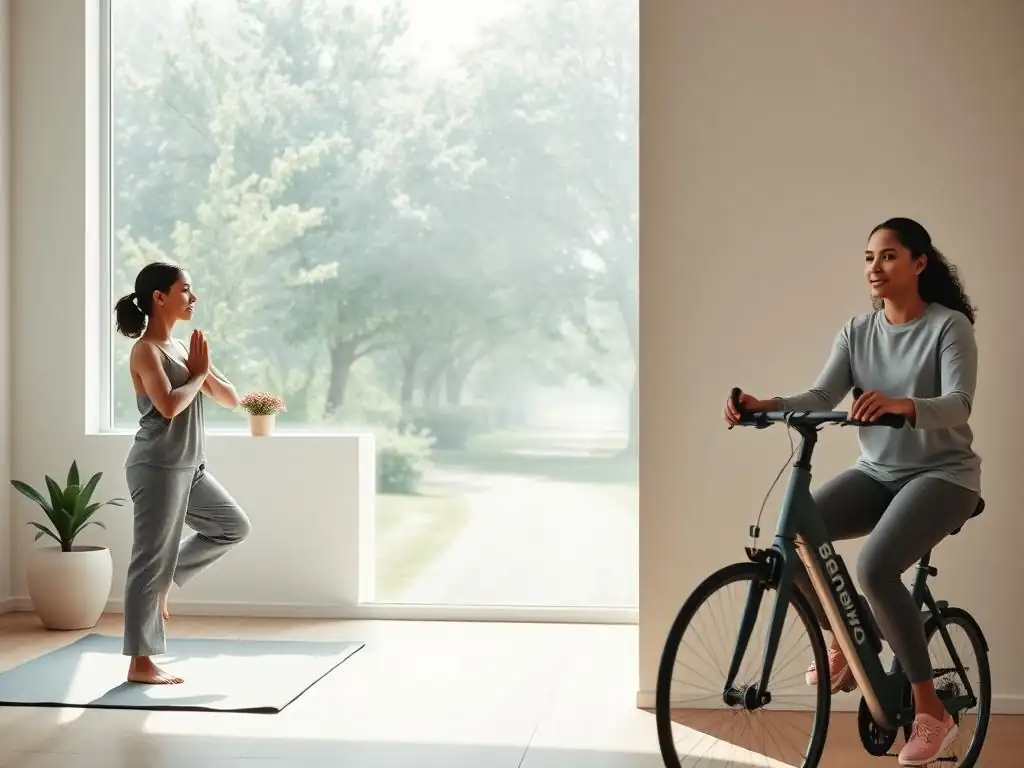
Exercise for Postpartum Depression and Anxiety
Postpartum Depression (PPD) and anxiety affect a significant number of new mothers, impacting their ability to bond with their baby and navigate the challenges of early parenthood. Gentle, consistent exercise has shown promise as a complementary therapy for these conditions. Activities like walking with the baby in a stroller, postpartum yoga, or swimming can provide physical and mental relief.
Studies suggest that regular moderate-intensity exercise can help reduce symptoms of PPD and improve mood. It provides a dedicated time for self-care, helps combat fatigue, improves sleep (when sleep is possible), and offers a sense of control and accomplishment during a period that can feel overwhelming. Finding mother-and-baby exercise classes can also provide valuable social support, further enhancing the benefits.
The hormonal shifts during perimenopause and menopause can lead to symptoms like mood swings, irritability, anxiety, and depression. Exercise, particularly a combination of aerobic activity and strength training, can be highly effective in managing these mood changes. Aerobic exercise helps regulate neurotransmitters and improve sleep, both crucial for mood stability.
Strength training is vital for maintaining muscle mass and bone density, which decline during menopause, but it also has significant psychological benefits, improving body image and confidence. Weight-bearing exercise can also help manage hot flashes for some women. Regular physical activity provides a sense of control and well-being during a time of significant physiological change, demonstrating how exercise boosts female mental health through the menopausal transition.
Exercise for Women with Anxiety Disorders
Exercise is a powerful tool for managing anxiety symptoms. Physical activity reduces muscle tension, a common symptom of anxiety, and interrupts the cycle of worry by focusing the mind on movement. The release of endorphins creates a calming effect and improves overall mood, making it easier to cope with anxious thoughts.
Regular aerobic exercise has been shown to decrease the frequency and intensity of panic attacks and reduce symptoms of Generalized Anxiety Disorder. For women with anxiety, finding an activity that feels safe and enjoyable is key. This could be walking in nature, practicing yoga or tai chi, or engaging in rhythmic activities like swimming or cycling, all of which can help regulate breathing and promote a sense of calm.
Exercise for Women with Depression
Exercise is a well-established intervention for depression, often recommended alongside therapy and medication. It provides a sense of structure and routine, which can be challenging to maintain when depressed. The physical activity itself helps combat lethargy and increases energy levels, making daily tasks feel less daunting.
The neurochemical changes induced by exercise, such as increased serotonin and dopamine, directly target some of the underlying biological mechanisms of depression. Achieving exercise goals, no matter how small, provides a sense of accomplishment and improves self-esteem, counteracting feelings of worthlessness that can accompany depression. For women struggling with depression, incorporating even short bouts of movement can be a crucial step towards recovery and experiencing how exercise boosts female mental health.
Monitoring Progress and Maintaining Motivation
Tracking Your Mental Health and Fitness Journey
Monitoring progress can be a powerful motivator and provide valuable insights into the relationship between exercise and your mental health. This doesn't require complex tools; simply keeping a journal or using a basic app to track physical activity (type, duration, intensity) and noting your mood or energy levels on the same days can reveal patterns.
Observing how consistent exercise correlates with improved mood, reduced stress, or better sleep provides tangible evidence of the benefits, reinforcing the commitment to stay active. Tracking can also help identify potential triggers for setbacks or periods when adjustments to the exercise routine might be needed. This data-driven approach empowers women to take ownership of their well-being journey.
Celebrating Small Victories and Achievements
Maintaining motivation over the long term requires acknowledging and celebrating progress, no matter how small. Finishing a workout when you didn't feel like starting, increasing the duration of a walk by a few minutes, trying a new exercise class, or simply being consistent for a week are all achievements worth recognizing.
Focusing on these small wins helps build momentum and reinforces positive habits. It shifts the focus from distant, potentially overwhelming goals to the effort and consistency in the present moment. Celebrating progress fosters a positive mindset and makes the exercise journey more enjoyable and sustainable, contributing to the long-term benefits of how exercise boosts female mental health.
Seeking Professional Guidance When Needed
While exercise offers significant mental health benefits, it is not a substitute for professional help when dealing with moderate to severe mental health conditions. If you are struggling with persistent symptoms of depression, anxiety, or other mental health challenges, seeking guidance from a therapist, counselor, or psychiatrist is essential.
Mental health professionals can provide diagnosis, therapy (such as CBT or DBT), and potentially medication, offering comprehensive support tailored to individual needs. They can also help integrate exercise into a broader treatment plan and address any psychological barriers that might be preventing consistent activity. Professional support ensures a holistic approach to mental well-being.
Resources and Support for Women's Mental Health and Exercise
Online Exercise Programs for Women
The digital age offers a wealth of online resources tailored specifically for women, providing flexible and accessible exercise options. Numerous websites, apps, and streaming services offer guided workouts ranging from yoga and Pilates to strength training and cardio, often with modifications for different fitness levels and life stages (like postpartum or menopause).
Many online platforms feature female instructors and build communities, addressing some of the barriers women face like lack of time, gym anxiety, or preference for exercising at home. While not a replacement for in-person interaction if that's what's needed, these resources provide convenient ways to incorporate physical activity into busy lives and explore different types of exercise to find what works best.
Mental Health Organizations and Support Groups
Numerous organizations are dedicated to supporting women's mental health and can provide valuable information, resources, and community support. These organizations often offer helplines, online forums, educational materials, and directories of local support groups. Connecting with others who have similar experiences can reduce feelings of isolation and provide practical coping strategies.
Support groups, whether condition-specific (e.g., for PPD or anxiety) or general mental wellness groups, offer a safe space to share challenges and successes. While not exclusively focused on exercise, many groups recognize its importance and may discuss ways to incorporate it into recovery or management plans. These resources are vital for a holistic approach to mental well-being.
Finding a Qualified Therapist or Counselor
For women seeking professional mental health support, finding a qualified therapist or counselor is a crucial step. Therapists can help process emotions, develop coping mechanisms, and address underlying issues contributing to mental health challenges. They can also work with clients to identify barriers to exercise and develop strategies to overcome them as part of a treatment plan.
Look for licensed professionals with experience in women's mental health or the specific conditions you are facing. Online directories, referrals from doctors, or recommendations from trusted sources can help in finding a suitable match. Building a strong therapeutic relationship is key to effective treatment and overall mental wellness.
Conclusion: Empowering Women Through Exercise for Mental Well-being
Frequently Asked Questions
How does exercise specifically benefit women's mental health?
Exercise triggers the release of endorphins, which have mood-boosting effects and can reduce symptoms of anxiety and depression. Furthermore, it can improve self-esteem and body image, which are often significant factors in women's mental well-being.
What types of exercise are most effective for improving female mental health?
There isn't a one-size-fits-all answer, but studies suggest that both aerobic exercise (like running or swimming) and strength training can be beneficial. Finding an activity you enjoy is key to adherence.
How much exercise is recommended to see a positive impact on mental health?
Generally, aiming for at least 150 minutes of moderate-intensity or 75 minutes of vigorous-intensity aerobic activity per week is recommended. Combining this with strength training two days a week can amplify the benefits.
Can exercise help with specific mental health conditions common in women, such as postpartum depression?
Yes, exercise has shown promise in managing postpartum depression. It can help regulate hormones, improve sleep, and reduce stress levels, all of which contribute to better mental well-being after childbirth.
What are some strategies for women to overcome barriers to exercising for mental health?
Addressing barriers like lack of time, childcare responsibilities, and low motivation is crucial. Strategies include finding short bursts of exercise, incorporating family activities, and seeking support from friends or a therapist.
Final Reflection: The Empowering Link Between Exercise and Women's Mental Wellbeing
The undeniable link between regular exercise and improved mental health in women is not just a trend; it's a vital pathway to empowerment and overall wellbeing. This article has explored the multifaceted ways physical activity combats anxiety, depression, and stress, specifically tailored to the unique needs and challenges faced by women. We've seen how different exercise modalities offer diverse benefits, highlighting the importance of finding an approach that resonates personally and fosters a sustainable, positive relationship with movement.
The impact of this connection extends far beyond the individual. By prioritizing physical activity, women contribute to a broader societal shift towards valuing mental health and challenging the stigma surrounding mental illness. Taking care of your body is a form of self-respect.
– Unknown. This simple yet profound statement encapsulates the power of exercise not just as a physical activity, but as an act of self-love and self-care, crucial for navigating the complexities of modern life and fostering resilience. The ongoing conversation surrounding women's mental health necessitates a continued focus on accessible and inclusive approaches to exercise, ensuring that every woman has the opportunity to harness its transformative power.
Now, consider your own relationship with exercise. What resonates with you from this article? What small step can you take today to prioritize your mental and physical wellbeing? Perhaps it's a brisk walk during your lunch break, a yoga class, or simply dedicating 15 minutes to mindful stretching. Remember, the journey towards a healthier mind and body begins with a single step, and the rewards are immeasurable. Embrace the power of movement, and discover the transformative strength within yourself.
Unleash Your Inner Strength: Boost Your Mental Wellbeing Today!
Thanks for taking the time to explore how exercise can benefit your mental health! We hope you found practical strategies to incorporate movement into your routine. Now it's time to put those insights into action.
- Prioritize one new exercise this week: Choose just one activity – whether it's a brisk walk, a yoga class, or a dance session – and schedule it into your week. Make it a non-negotiable appointment with yourself!
- Share your experience: Connect with other women on social media and share what exercise you're incorporating into your life. Let’s build a supportive community focused on mental wellbeing through movement.
- Track your mood: Keep a simple journal to note how you feel before and after your chosen exercise. Notice the subtle shifts and celebrate your progress.
What small step will you take today to nurture your mental and physical strength?