
Creating Safe Spaces: Encouraging Men to Share Without Judgment

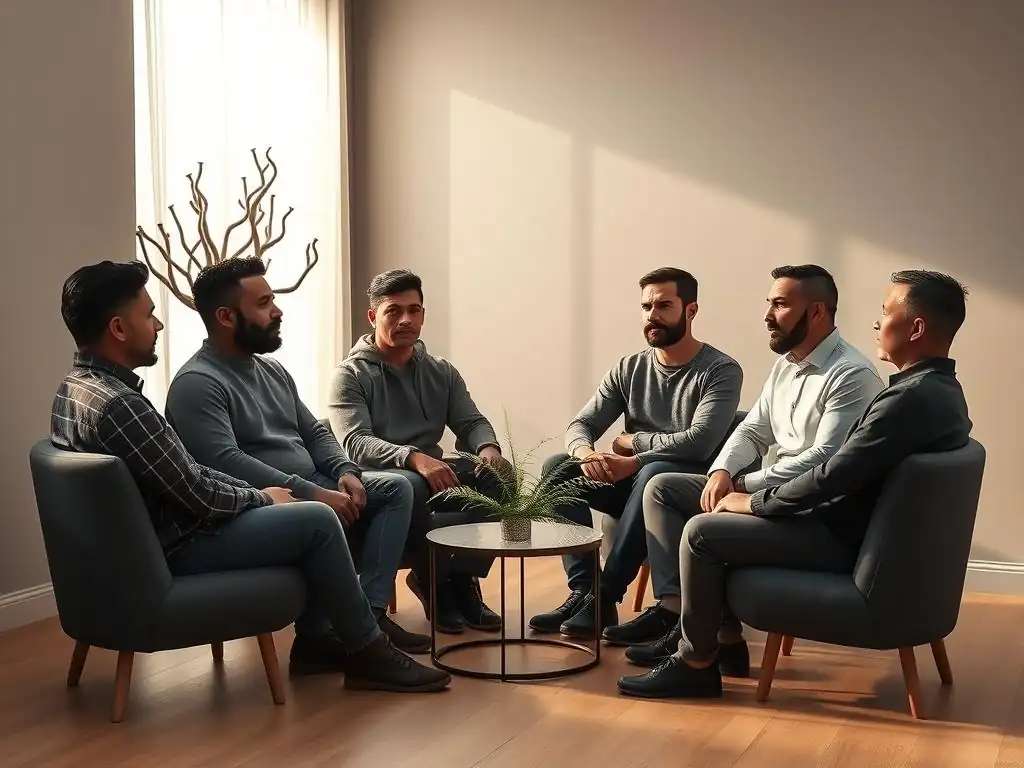
Welcome to Mind Care Guide, a sanctuary for nurturing your mental well-being. Feeling alone in your struggles is never the answer. This month, we're diving deep into Men's mental health support sharing, exploring how to build safe spaces where vulnerability is celebrated, not stigmatized. Are you ready to discover how we can collectively foster a culture of understanding and empathy? Let's begin...
Creating Safe Spaces: Encouraging Men to Share Without Judgment
- Understanding the Crisis in Men's Mental Health
- Building Trust: The Foundation of Safe Sharing Spaces
- Practical Strategies for Facilitating Men’s Mental Health Support Sharing
- Addressing Concerns and Challenges in Men's Mental Health
- Resources and Tools for Men Seeking Mental Health Support
- The Long-Term Benefits of Encouraging Men to Share
- Encouraging a Culture of Openness in Men's Lives
- Conclusion: Empowering Men Through Shared Experiences and Mental Health Support
-
Frequently Asked Questions
- How can I create a safe space for men to discuss their mental health?
- What are some common barriers that prevent men from seeking mental health support?
- What resources are available specifically for men's mental health support?
- Why is it important to encourage men to share their mental health struggles?
- What role does judgment play in men's reluctance to discuss their mental health?
- Final Reflection: The Unburdening Heart: Fostering Openness in Men's Mental Health
- Unleash Your Voice: Start a Safe Conversation Today
Understanding the Crisis in Men's Mental Health
The Stigma Surrounding Men's Mental Health
Mental health challenges affect everyone, but the societal stigma surrounding these issues often disproportionately impacts men. Traditional notions of masculinity frequently equate strength with emotional stoicism, creating an environment where expressing vulnerability is perceived as weakness. This cultural barrier makes it incredibly difficult for men to acknowledge their struggles, let alone seek help or engage in men’s mental health support sharing. The fear of being judged, seen as less capable, or losing face among peers or family members acts as a significant deterrent.
This pervasive stigma contributes to alarming statistics. Studies consistently show that men are less likely than women to be diagnosed with mental health conditions, not necessarily because they experience them less, but because they are less likely to report symptoms or seek professional help. For example, while depression and anxiety affect millions of men, they are often underdiagnosed. This silence can lead to issues escalating, sometimes manifesting in harmful ways like substance abuse or reckless behavior, rather than open communication about feelings.
Why Men Struggle to Seek Mental Health Support
Several factors contribute to men's reluctance to seek formal mental health support. Beyond the general stigma, practical barriers include a lack of awareness about available resources, difficulty articulating their emotional state, and a preference for self-reliance instilled by societal norms. The process of finding a therapist, scheduling appointments, and discussing deeply personal issues can feel overwhelming and counter to the perceived masculine ideal of handling problems independently.
Furthermore, many men may not recognize the signs of a mental health issue in themselves or others. They might attribute symptoms like irritability, fatigue, or difficulty concentrating to stress or physical ailments rather than depression or anxiety. The idea of therapy or counseling is sometimes viewed as a last resort, only necessary in times of extreme crisis, rather than a valid tool for managing well-being proactively. This delay in seeking help often means that by the time a man reaches out, his condition may be more severe and complex to treat.
The Impact of Societal Expectations on Male Emotional Expression
Societal expectations play a powerful role in shaping how men perceive and express emotions. From a young age, boys are often encouraged to be tough, suppress tears, and resolve conflicts physically or stoically. Phrases like "man up" or "boys don't cry" subtly reinforce the idea that showing vulnerability is inappropriate for men. This conditioning can lead to a limited emotional vocabulary and an inability to process complex feelings in healthy ways.
The pressure to be a provider, protector, and emotionally impenetrable figure creates immense internal conflict when men face challenges like job loss, relationship issues, or personal failures. Instead of seeking comfort or discussing their feelings, they may internalize stress, leading to increased risk of physical health problems, anger management issues, or withdrawal. Breaking down these entrenched expectations is crucial for fostering environments where men feel safe to engage in men’s mental health support sharing without fear of reprisal or judgment.
Building Trust: The Foundation of Safe Sharing Spaces
Creating a Judgment-Free Environment for Men's Mental Health
Establishing a truly judgment-free environment is paramount for encouraging men’s mental health support sharing. This goes beyond simply saying "it's okay to talk." It requires actively cultivating a culture where all emotions and experiences are met with acceptance and understanding, not criticism or dismissal. In such spaces, there's no ranking of problems or comparison of struggles; every individual's experience is valid.
This involves setting clear group norms or interpersonal boundaries that explicitly prohibit mockery, shaming, or unsolicited advice unless requested. Facilitators or peers need to model non-judgmental responses, demonstrating through their reactions that vulnerability is met with respect. When men feel confident that their honesty will not be met with negative consequences, they are far more likely to open up about sensitive topics, creating a cycle of trust and mutual support essential for effective men’s mental health support sharing.
Active Listening: A Key Skill for Encouraging Disclosure
Active listening is perhaps the most critical skill in facilitating men’s mental health support sharing. It involves paying full attention to the speaker, understanding their message, responding thoughtfully, and remembering what was said. This means putting away distractions, making eye contact (if culturally appropriate and comfortable for both parties), and using verbal and non-verbal cues to show engagement, such as nodding or saying "I hear you."
Crucially, active listening requires listening to understand, not to respond or formulate a rebuttal. It involves asking open-ended questions to encourage elaboration rather than closed questions that yield only "yes" or "no" answers. Reflecting or summarizing what the speaker has said ("So, if I understand correctly, you're feeling...?") validates their experience and ensures accurate comprehension. This focused attention signals respect and patience, building the trust necessary for men to feel safe disclosing their innermost thoughts and feelings.
Empathy and Validation: Showing Men Their Feelings Matter
Empathy and validation are the emotional cornerstones of safe spaces for men’s mental health support sharing. Empathy is the ability to understand and share the feelings of another person – seeing the world from their perspective, even if you haven't had the exact same experience. Validation is the act of confirming or supporting someone's feelings, acknowledging that their emotional response is understandable given their situation, without necessarily agreeing with their actions or perspective.
When a man shares a struggle, responding with phrases like "That sounds incredibly tough," "It makes sense that you would feel that way," or "Thank you for sharing that; I appreciate you trusting me" can be profoundly impactful. These responses communicate that his feelings are legitimate and that he is not alone or overreacting. This validation counteracts years of conditioning that may have told him his emotions were inconvenient or inappropriate, paving the way for deeper connection and more meaningful men’s mental health support sharing.
Practical Strategies for Facilitating Men’s Mental Health Support Sharing
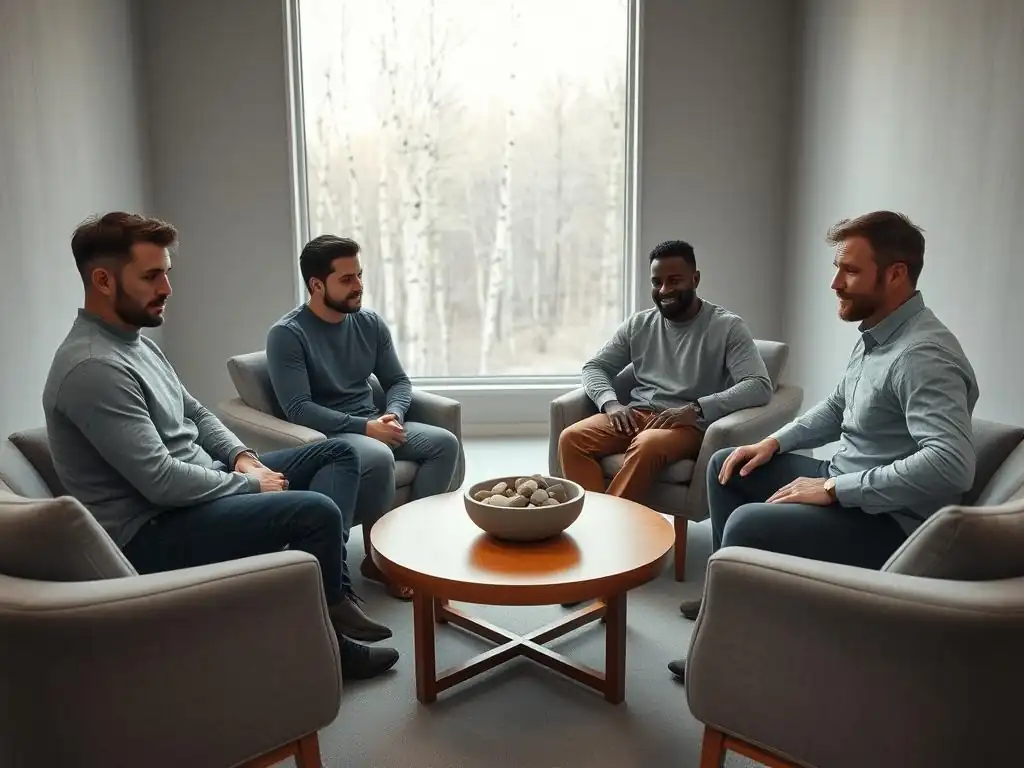
Organizing Informal Men's Support Groups
Informal men's support groups can provide a relaxed, low-pressure environment conducive to men’s mental health support sharing. Unlike clinical therapy groups, these might form around shared activities or interests – like a walking group, a cycling club, a woodworking workshop, or simply meeting for coffee or a meal. The shared activity can reduce the intensity of a direct focus on emotional problems, allowing conversations to emerge naturally as trust builds.
These groups benefit from consistency and a casual structure. Meeting regularly, perhaps weekly or bi-weekly, allows relationships to deepen. While a formal therapist isn't necessary, having one or two individuals who are comfortable initiating conversations or gently steering topics towards well-being can be helpful. The key is informality and peer-to-peer connection, making the idea of "support" less intimidating and more about shared experience and mutual understanding among men.
Utilizing Online Forums and Communities for Men's Mental Health
The internet offers a valuable avenue for men to explore mental health support sharing anonymously or semi-anonymously, which can lower the barrier to entry for those hesitant about face-to-face interaction. Dedicated online forums and communities focused on men's mental health provide platforms where men can read about others' experiences, ask questions, and share their own stories at their own pace and comfort level.
These digital spaces often have moderators to ensure the environment remains supportive and free from judgment or harmful content. While they don't replace professional help, they serve as a vital first step for many, offering validation and connection with peers facing similar challenges. The ability to connect globally means men in isolated areas can find community. However, it's important to choose reputable platforms that prioritize user safety and well-being when engaging in online men’s mental health support sharing.
The Role of Mentorship in Fostering Open Communication
Mentorship provides a unique dynamic for encouraging men’s mental health support sharing. A mentor, typically an older or more experienced man, can serve as a trusted confidant and role model. This relationship is often built on respect and shared experience, creating a foundation of trust that facilitates open communication about life's challenges, including mental and emotional struggles.
Mentors can share their own experiences of overcoming difficulties, normalizing the idea that it's okay not to have all the answers and that seeking help is a sign of strength, not weakness. They can offer guidance, a listening ear, and practical advice gleaned from their own lives. This one-on-one connection can be less intimidating than group settings for some men, providing a safe space to practice vulnerability and discuss mental well-being in a supportive, non-hierarchical relationship focused on personal growth.
Addressing Concerns and Challenges in Men's Mental Health
Overcoming Resistance and Skepticism
Encouraging men’s mental health support sharing often involves navigating resistance and skepticism. Many men may be resistant due to past negative experiences, ingrained beliefs about masculinity, or simply not seeing the value in talking about feelings. Skepticism can arise from a lack of understanding about mental health, doubt about the effectiveness of talking, or a belief that they should be able to "handle it" themselves.
Addressing this requires patience and a non-confrontational approach. Instead of pushing men to talk, focus on creating inviting environments where they feel safe to listen and observe. Highlight the benefits of sharing through relatable examples or stories from other men. Emphasize that men’s mental health support sharing is not about being weak, but about building resilience and connection. Providing information about common mental health issues and the positive impact of support can gradually chip away at skepticism and open the door to engagement.
Managing Conflict and Disagreements Respectfully
Even in supportive spaces for men’s mental health support sharing, conflicts or disagreements can arise. Differences in perspective, communication styles, or opinions on how to handle challenges are natural. The key is to manage these situations constructively to maintain the safety and integrity of the space. This requires clear guidelines on respectful communication and conflict resolution.
Encourage participants to use "I" statements to express their feelings ("I feel frustrated when...") rather than making accusations ("You always..."). Promote active listening during disagreements to ensure everyone feels heard. If conflicts escalate, having a designated facilitator or peer mediator can help de-escalate the situation and guide the conversation back to respectful dialogue. Learning to navigate disagreements constructively within these spaces can also equip men with valuable skills for managing conflict in other areas of their lives.
Maintaining Confidentiality and Privacy in Sharing Spaces
Confidentiality and privacy are absolutely critical for building and maintaining trust in any setting designed for men’s mental health support sharing. Men need to feel secure that what they share within the group or with a trusted individual will not be disclosed to others without their explicit consent. A breach of confidentiality can shatter trust instantly and prevent future openness, both for the individual affected and the group as a whole.
For organized groups, establishing a clear confidentiality agreement at the outset is essential. This might involve a verbal commitment or a written statement outlining expectations around privacy. For one-on-one interactions, like mentorships or peer support, mutual understanding about what stays private is key. While there are legal and ethical limits to confidentiality (e.g., threats of harm to self or others), these should be clearly communicated. Prioritizing privacy ensures that men feel safe enough to be truly vulnerable.
Resources and Tools for Men Seeking Mental Health Support
Identifying Mental Health Professionals Sensitive to Men's Issues
Finding a mental health professional who understands and is sensitive to the unique challenges men face can significantly improve the effectiveness of therapy or counseling. Some therapists specialize in men's issues, focusing on topics like identity, societal pressures, emotional expression, and relationship dynamics from a male perspective. They are often skilled in addressing the specific barriers that might make it difficult for men to engage in therapy initially.
When seeking a professional, men can look for therapists who explicitly mention experience with men's mental health on their websites or profiles. It can also be helpful to read reviews or ask for recommendations. A good fit is crucial, as the therapeutic relationship itself is a key component of successful treatment. Don't hesitate to have initial consultations to see if the therapist's approach feels comfortable and understanding of your specific needs related to men’s mental health support sharing.
Recommended Books and Articles on Men's Mental Health
Educating oneself about men's mental health can be a powerful step towards understanding personal struggles and feeling less alone. There are many insightful books and articles available that explore the specific ways mental health issues manifest in men, the impact of societal expectations, and strategies for coping and seeking help. Reading can provide context, validation, and practical tools.
Topics covered often include navigating emotions, healthy communication in relationships, dealing with anger and stress, and understanding conditions like depression and anxiety from a male viewpoint. Some resources offer personal stories from men who have navigated their own mental health journeys, providing relatable examples of men’s mental health support sharing and recovery. Exploring these resources can be a private way to begin engaging with mental health concepts before, or in parallel with, seeking interpersonal support.
Online Mental Health Platforms Offering Support for Men
Beyond forums, various online mental health platforms offer structured support specifically tailored for men. These can include telehealth services providing access to licensed therapists via video calls, text-based therapy apps, or platforms offering digital cognitive behavioral therapy (CBT) programs. Some platforms curate content and resources specifically with men in mind, addressing common concerns and communication styles.
These online tools offer flexibility and accessibility, allowing men to seek help from the privacy of their own homes and often at times that fit their schedules. They can be particularly useful for men in rural areas or those with mobility issues. While the level of interaction varies, many platforms incorporate elements of men’s mental health support sharing through community features or group session options, providing multiple avenues for connection and recovery.
Improved Mental Well-being and Reduced Suicide Rates
Perhaps the most critical long-term benefit of encouraging men’s mental health support sharing is the direct improvement in individual mental well-being and, consequently, a potential reduction in suicide rates. When men feel safe to discuss their feelings, anxieties, and challenges, they are less likely to internalize distress or resort to harmful coping mechanisms. Sharing can alleviate the burden of carrying emotional weight alone.
Globally and in many Western countries, men account for a disproportionately high percentage of suicide deaths, often cited as being three to four times higher than women. This stark statistic is frequently linked to lower rates of help-seeking and emotional suppression. By creating spaces where vulnerability is accepted, men are more likely to access the support they need before reaching a crisis point, directly impacting these tragic figures and saving lives through proactive men’s mental health support sharing.
Stronger Relationships and Enhanced Communication Skills
Learning to share and communicate openly about emotions has a profound positive impact on men's relationships – with partners, family members, friends, and colleagues. Emotional availability fosters deeper connection and understanding. When men can articulate their feelings and needs, it reduces misunderstandings and allows for more authentic interactions.
Engaging in men’s mental health support sharing, whether in groups or one-on-one, provides a practical environment to practice and develop essential communication skills. This includes expressing oneself clearly, active listening, managing conflict constructively, and setting healthy boundaries. These skills translate directly into stronger, more resilient relationships built on mutual respect and emotional honesty, improving overall life satisfaction.
Breaking Down Stigma for Future Generations of Men
Every instance of a man choosing to speak openly about his mental health contributes to breaking down the decades-old stigma for current and future generations. When boys and young men see fathers, uncles, mentors, or public figures discussing their struggles and seeking help, it normalizes these behaviors and challenges the traditional narrative of stoic masculinity.
By actively participating in or supporting men’s mental health support sharing, men become agents of change. They demonstrate that strength lies not in hiding vulnerability, but in acknowledging it and seeking connection. This shifts cultural norms, making it easier for the next generation of men to prioritize their mental well-being and understand that seeking support is a sign of courage and self-awareness, ultimately leading to a society where emotional expression is valued for all genders.
Encouraging a Culture of Openness in Men's Lives
Starting Conversations About Mental Health at Home
Fostering a culture of openness begins in the most fundamental social unit: the home. Parents, particularly fathers, have a crucial role to play in modeling healthy emotional expression for their sons. This means talking about feelings, both positive and negative, in an age-appropriate way and showing that it's okay to be sad, scared, or frustrated.
Creating a safe space at home involves listening without judgment when boys and young men share their feelings, validating their experiences, and encouraging them to verbalize their emotions rather than bottling them up. Discussing mental health as a normal part of overall well-being, similar to physical health, helps destigmatize it. Encouraging men’s mental health support sharing within the family unit builds a foundation for seeking support outside the home later in life.
Promoting Mental Health Awareness in the Workplace
The workplace is a significant part of many men's lives, and promoting mental health awareness in this environment is vital. Stress, long hours, and job insecurity can all impact mental well-being. Companies can play a role by offering mental health resources through employee assistance programs (EAPs), providing training on recognizing signs of distress, and fostering a culture where taking mental health days is acceptable.
Leadership can model healthy behaviors, such as talking about managing stress or utilizing available resources. Creating informal opportunities for colleagues to connect and talk, even briefly, can build peer support networks. Employers can also support initiatives focused on men’s mental health support sharing, perhaps through internal awareness campaigns or facilitating access to external groups, making it clear that employees' well-being is valued and supported.
Challenging Traditional Masculinity Norms
Ultimately, encouraging men to share without judgment requires a broader societal effort to challenge and redefine traditional masculinity norms that equate emotional suppression with strength. This involves critically examining the messages sent through media, advertising, and everyday language about what it means to "be a man."
Promoting a more flexible and inclusive understanding of masculinity allows men to embrace a fuller range of human emotions and behaviors. This isn't about diminishing strength, but about recognizing that true strength includes self-awareness, vulnerability, and the capacity for connection and men’s mental health support sharing. By celebrating diverse expressions of masculinity, society can create an environment where it's not just acceptable, but encouraged, for men to prioritize their mental and emotional well-being.
Frequently Asked Questions
How can I create a safe space for men to discuss their mental health?
Creating a safe space involves fostering trust and confidentiality. Actively listen without judgment and validate their feelings. Ensure privacy and respect boundaries to encourage open and honest communication.
What are some common barriers that prevent men from seeking mental health support?
Men often face societal pressures to be strong and independent, leading to a reluctance to admit vulnerability. Stigma surrounding mental health and a lack of accessible resources tailored to men also contribute to this issue.
What resources are available specifically for men's mental health support?
Organizations like the Movember Foundation and Man Therapy provide online resources, support groups, and educational materials designed to address men's mental health needs. Local community centers and mental health professionals specializing in men's issues can also be valuable.
Encouraging men to share can reduce feelings of isolation and shame. Early intervention and support can prevent mental health issues from escalating and improve their overall well-being.
What role does judgment play in men's reluctance to discuss their mental health?
Fear of judgment and stigma is a significant deterrent. Men may worry about being perceived as weak or incapable, leading them to suppress their emotions and avoid seeking help, so non-judgmental support is vital.
Final Reflection: The Unburdening Heart: Fostering Openness in Men's Mental Health
The urgent need for safe spaces where men can share their struggles without fear of judgment is more critical than ever. The rising rates of suicide and mental health crises among men highlight a devastating truth: societal pressures often silence their voices and prevent them from seeking help. This silence is a crisis we must actively combat.
The journey towards creating genuine support networks for men's mental health is a long and complex one, deeply intertwined with cultural expectations of masculinity and stoicism. These ingrained norms often prevent men from expressing vulnerability, leading to isolation and suffering. What is needed is not a new theory, but a new practice,
– a sentiment that rings true when considering the practical steps needed to build trust and encourage open communication among men. We must actively challenge these harmful stereotypes and create environments where vulnerability is seen as strength, not weakness.
You, the reader, hold a powerful key to unlocking change. Consider your own role in fostering supportive relationships with the men in your life. Listen actively, offer empathy without judgment, and challenge the toxic masculinity that silences so many. By creating space for open dialogue and genuine connection, we can collectively dismantle the barriers preventing men from seeking the help they deserve and build a future where mental well-being is prioritized for all.
Unleash Your Voice: Start a Safe Conversation Today
Thanks for taking the time to explore the importance of creating safe spaces for men to share their experiences. You've gained valuable insights into fostering genuine connection and understanding. Now, let's put that knowledge into action!
- Start a conversation: Share this article with a friend, family member, or colleague who might benefit from creating a more open and supportive environment. This simple act can make a world of difference.
- Deepen your understanding: Explore further resources online about building supportive communication skills; there are excellent resources dedicated to fostering empathetic listening and creating safe spaces.
- Challenge the status quo: Reflect on your own communication style and identify small ways you can actively encourage open dialogue and vulnerability in your daily interactions.
What small step will you take today to foster a more supportive and understanding community for men?