
Recognizing the Signs: When a Woman Needs Mental Health Support

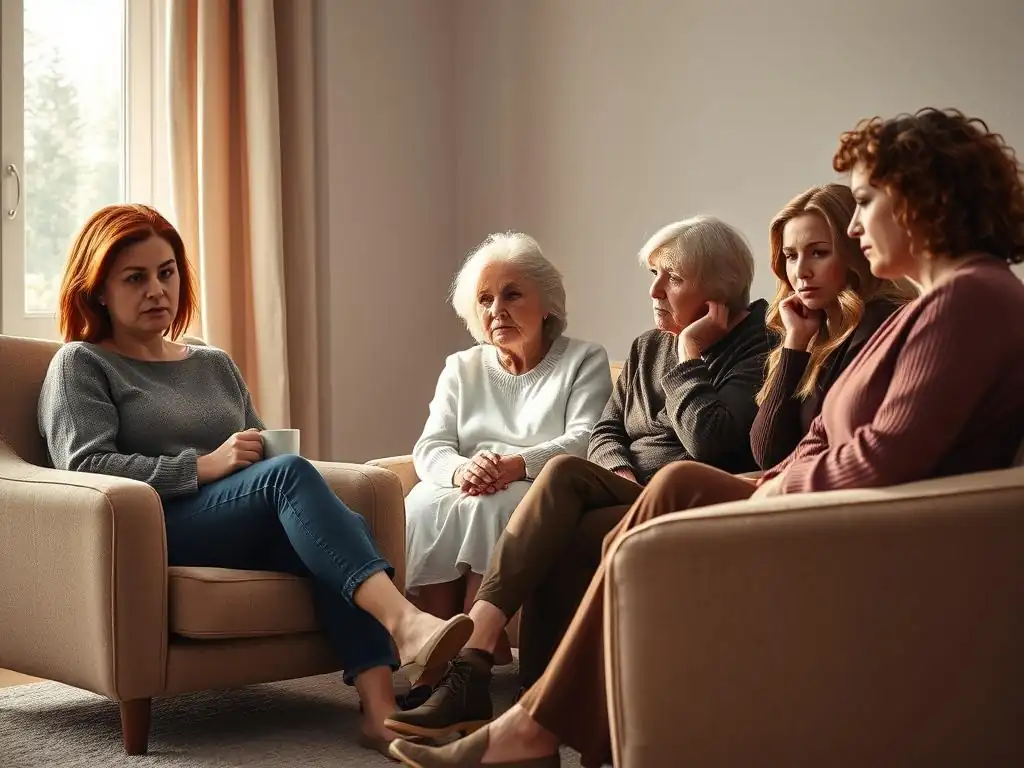
Welcome to Mind Care Guide, a sanctuary for your mental well-being.
Feeling lost or uncertain about how to support the women in your life? You're not alone. We understand the unique challenges they face. This article delves into the crucial topic of Women’s Mental Health Support Needs, offering insights and guidance to help you recognize the signs and provide meaningful assistance. Curious to learn how you can make a difference? Let's begin.
Recognizing the Signs: When a Woman Needs Mental Health Support
- Understanding Women’s Mental Health Support Needs
- Identifying Potential Mental Health Concerns in Women
- Common Mental Health Issues Affecting Women
-
Recognizing the Signs: Specific Indicators That a Woman Needs Help
- Sleep Disturbances and Fatigue: More Than Just Tiredness
- Social Withdrawal and Loss of Interest in Activities
- Difficulty Concentrating and Making Decisions
- Increased Irritability or Anger Outbursts
- Changes in Appetite or Weight
- Expressing Feelings of Hopelessness or Worthlessness
- Self-Harm or Suicidal Thoughts: A Critical Sign
- Factors Contributing to Women's Mental Health Struggles
- How to Offer Support to a Woman Struggling with Mental Health
- Where to Find Women’s Mental Health Support Resources
- Breaking the Stigma: Encouraging Women to Seek Help
- Supporting Long-Term Mental Wellness for Women
-
Frequently Asked Questions
- What are some common signs that a woman might need mental health support?
- Why are specific mental health needs different for women compared to men?
- Where can women find reliable and accessible mental health support resources?
- How can family and friends effectively support a woman struggling with her mental health?
- What are some preventative measures women can take to maintain their mental well-being?
- Final Reflection: The Urgent Need for Understanding Women's Mental Health
- Unveil Your Strength: Support Her Journey
Understanding Women’s Mental Health Support Needs
The Unique Challenges Faced by Women
Women navigate a complex landscape of challenges throughout their lives, many of which can significantly impact their mental well-being. These challenges often include biological factors like hormonal fluctuations tied to menstruation, pregnancy, and menopause, as well as psychosocial elements such as societal expectations, caregiving responsibilities, and experiences of discrimination or violence. For instance, studies consistently show that women are nearly twice as likely as men to be diagnosed with depression or anxiety disorders. The cumulative effect of these unique pressures underscores the specific nature of women’s mental health support needs.
Furthermore, women are disproportionately affected by certain mental health conditions like eating disorders and specific trauma-related disorders. The pressures to conform to beauty standards or the higher prevalence of experiencing sexual abuse contribute to these statistics. Understanding these distinct vulnerabilities is crucial for providing effective and targeted support that acknowledges the multifaceted experiences shaping women's mental health. Addressing these unique factors is key to meeting the specific women’s mental health support needs.
Why Gender-Specific Mental Health Awareness Matters
Recognizing that mental health issues can manifest differently in women compared to men is vital for early identification and intervention. Gender-specific awareness helps healthcare professionals and the general public understand the nuances of how symptoms might present, increasing the likelihood of accurate diagnosis. For example, while men might externalize distress through anger or substance abuse, women are more likely to internalize it, leading to symptoms like pervasive sadness or excessive worry.
Promoting gender-specific mental health awareness also helps destigmatize conditions prevalent in women and encourages them to seek help without shame. It validates their experiences and ensures that support systems are tailored to address their particular circumstances. For instance, understanding the specific risk factors for postpartum depression allows for targeted screening and support programs for new mothers, directly addressing a significant women’s mental health support need. This focus ensures that resources and interventions are relevant and accessible.
Identifying Potential Mental Health Concerns in Women
Recognizing Changes in Behavior and Mood
Significant shifts in a woman's usual behavior or mood can be strong indicators that she is struggling with her mental health. These changes might be subtle at first but can become more pronounced over time. Examples include becoming unusually withdrawn from social interactions, exhibiting increased irritability or anger that is out of character, or displaying a noticeable lack of energy or motivation for activities she once enjoyed.
Observing changes in daily routines, such as neglecting personal hygiene, having difficulty maintaining responsibilities at work or home, or exhibiting impulsive behaviors, can also signal underlying mental health challenges. These behavioral and mood changes are often the first visible signs that a woman may require mental health support, indicating a departure from her typical functioning and well-being.
Spotting Signs of Anxiety and Depression in Women
Anxiety and depression are among the most common mental health conditions affecting women, and their symptoms can vary. Signs of depression might include persistent feelings of sadness, hopelessness, or emptiness; loss of interest in hobbies; changes in appetite or weight; and difficulty sleeping or sleeping too much. Women may also experience physical symptoms like headaches or digestive issues.
Anxiety in women often presents as excessive worry that is difficult to control, restlessness, fatigue, difficulty concentrating, and muscle tension. Panic attacks, characterized by sudden intense fear, palpitations, sweating, and shortness of breath, are also common. Recognizing these specific symptom patterns is crucial for identifying when a woman needs targeted mental health support for these prevalent conditions.
Understanding Eating Disorder Warning Signs Specific to Women
Eating disorders, such as anorexia nervosa, bulimia nervosa, and binge eating disorder, affect women at significantly higher rates than men. Warning signs specific to women can include an intense fear of gaining weight, even when underweight, or a distorted body image. This might manifest as excessive dieting, compulsive exercise, or secretive eating behaviors.
Other indicators include frequent comments about feeling "fat" despite being thin, avoidance of eating in front of others, or disappearing after meals (which could suggest purging). Physical signs like significant weight fluctuations, dental problems, or amenorrhea (absence of menstruation) can also be red flags. Awareness of these specific signs is essential for recognizing when a woman requires specialized mental health support for an eating disorder.
Common Mental Health Issues Affecting Women
Depression and Anxiety in Women: Prevalence and Symptoms
As noted earlier, women experience depression and anxiety at roughly double the rate of men. The reasons are multifactorial, involving biological predisposition, hormonal changes, and psychosocial stressors. For instance, the lifetime prevalence of major depressive disorder is estimated to be around 20-25% for women compared to 10-15% for men.
Symptoms of depression in women often include profound sadness, tearfulness, feelings of worthlessness or guilt, fatigue, and physical complaints. Anxiety symptoms can range from generalized worry and nervousness to specific phobias or panic disorder, often accompanied by physical symptoms like heart palpitations or stomach upset. Understanding this higher prevalence and varied symptom presentation is key to addressing women’s mental health support needs effectively.
Postpartum Depression and Mental Health After Childbirth
Childbirth is a significant life event that can trigger unique mental health challenges in women. Postpartum depression (PPD) affects approximately 1 in 7 women after giving birth, distinguishing it from the milder "baby blues." Symptoms are more severe and persistent than the baby blues, including intense sadness, anxiety, irritability, difficulty bonding with the baby, and thoughts of harming oneself or the baby.
Beyond PPD, other perinatal mood and anxiety disorders (PMADs) like postpartum anxiety, postpartum OCD, and postpartum psychosis can occur. These conditions highlight a critical period where women require specific mental health support tailored to the emotional and hormonal shifts following childbirth. Recognizing these as distinct issues is vital for timely intervention and support.
The Impact of Hormonal Changes on Women's Mental Well-being
Fluctuations in hormones like estrogen and progesterone throughout a woman's life cycle can significantly influence her mood and mental health. These hormonal shifts occur during puberty, the menstrual cycle (contributing to Premenstrual Dysphoric Disorder - PMDD), pregnancy, the postpartum period, and menopause.
For example, PMDD affects an estimated 5-8% of women of reproductive age and involves severe mood symptoms like irritability, depression, and anxiety in the week or two before menstruation. Similarly, the hormonal changes during perimenopause and menopause can contribute to increased rates of depression and anxiety. Understanding the link between hormones and mood is crucial for addressing specific women’s mental health support needs at different life stages.
Recognizing the Signs: Specific Indicators That a Woman Needs Help

Sleep Disturbances and Fatigue: More Than Just Tiredness
Persistent difficulties with sleep, such as insomnia (trouble falling or staying asleep) or hypersomnia (excessive sleeping), are common indicators of underlying mental health issues like depression or anxiety in women. Feeling constantly fatigued, even after sleeping, can also be a symptom.
While occasional sleepless nights are normal, chronic sleep disturbances that impact daily functioning and energy levels for weeks or months can signal a need for mental health support. For instance, women with depression often report significant changes in sleep patterns, with many experiencing early morning waking.
A noticeable pattern of withdrawing from social interactions, avoiding friends and family, or losing interest in hobbies and activities that were once enjoyable are significant warning signs. This symptom, known as anhedonia, is a core feature of depression but can also be present in other conditions.
When a woman stops engaging in her usual social circles or neglects activities she previously found pleasurable, it suggests a potential decline in her mental well-being. This isolation can exacerbate feelings of loneliness and sadness, further highlighting the need for intervention and women’s mental health support.
Difficulty Concentrating and Making Decisions
Mental health challenges can significantly impair cognitive functions. Women struggling with depression or anxiety may find it difficult to focus on tasks, remember details, or make even simple decisions. This can impact performance at work or school and make daily responsibilities feel overwhelming.
This cognitive slowing or difficulty with concentration is not merely a matter of distraction; it is a symptom that reflects changes in brain function associated with mental illness. Recognizing this as a potential sign, rather than just forgetfulness, is important for identifying the need for mental health support.
Increased Irritability or Anger Outbursts
While depression is often associated with sadness, it can also manifest as increased irritability, frustration, or uncharacteristic anger outbursts, particularly in women. What might seem like moodiness could be a sign of underlying distress.
If a woman who is typically calm or patient begins to have frequent arguments, snap at others, or express persistent frustration over minor issues, it could indicate she is struggling to cope with her emotions and may need mental health support.
Changes in Appetite or Weight
Significant and unintentional changes in appetite or weight are common physical symptoms associated with mental health conditions, especially depression and eating disorders. Some women may experience a loss of appetite and subsequent weight loss, while others may find comfort in food and gain weight.
Rapid or unexplained weight changes, or obsessions with food and body weight, warrant attention as they can be direct indicators of mental distress or an eating disorder requiring specialized women’s mental health support.
Expressing Feelings of Hopelessness or Worthlessness
Verbal expressions of feeling hopeless about the future, feeling like a burden to others, or believing one is worthless are critical signs that a woman is experiencing significant emotional pain. These feelings are central to conditions like depression.
Statements such as "What's the point?" or "Everyone would be better off without me" should be taken very seriously as they reflect a deep level of despair and a potential risk that requires immediate attention and mental health support.
Self-Harm or Suicidal Thoughts: A Critical Sign
Any mention of self-harm or suicidal thoughts, feelings, or intentions is an emergency and requires immediate action. This can range from passive thoughts ("I wish I weren't here") to active planning. Self-harm behaviors, such as cutting or burning, are often attempts to cope with intense emotional pain.
If a woman expresses suicidal ideation or engages in self-harm, it is the most critical indicator that she is in crisis and needs urgent professional mental health support. Do not leave her alone and seek help immediately.
Factors Contributing to Women's Mental Health Struggles
Societal Pressures and Expectations
Women often face intense societal pressures and expectations regarding their roles, appearance, and behavior. These can include the pressure to conform to unrealistic beauty standards, the expectation to balance a career with primary caregiving responsibilities, and navigating gender stereotypes.
These external pressures can lead to chronic stress, low self-esteem, and feelings of inadequacy, contributing to conditions like anxiety, depression, and eating disorders. The constant striving to meet these often conflicting expectations is a significant factor impacting women’s mental health support needs.
Work-Life Balance Challenges and Stress
Many women juggle multiple roles – professional, partner, mother, caregiver for elderly parents – leading to significant challenges in achieving work-life balance. The mental load of managing household responsibilities, childcare, and employment can be overwhelming.
Studies show that women often spend more time on unpaid domestic and caregiving work than men, even when working full-time. This imbalance contributes to higher stress levels, burnout, and can negatively impact mental well-being, highlighting the need for support systems that address these specific stressors.
Relationship Issues and Domestic Violence
Interpersonal relationships are a significant source of support but can also be a source of stress and trauma. Relationship conflicts, divorce, or experiencing domestic violence or abuse are major risk factors for mental health problems in women.
Approximately 1 in 4 women in the United States have experienced severe physical violence by an intimate partner. The psychological impact of such trauma, including feelings of fear, helplessness, and isolation, can lead to PTSD, depression, anxiety, and other mental health conditions, underscoring a critical need for specialized women’s mental health support.
Trauma and Abuse: The Long-Term Effects
Women are disproportionately affected by certain types of trauma, including sexual assault and childhood sexual abuse. The long-term effects of trauma can be profound and enduring, leading to complex mental health challenges.
Trauma can manifest years later as Post-Traumatic Stress Disorder (PTSD), anxiety disorders, depression, substance use disorders, and difficulties with emotional regulation and interpersonal relationships. Healing from trauma requires specialized, often long-term, mental health support tailored to the unique experiences of women survivors.
How to Offer Support to a Woman Struggling with Mental Health

Initiating a Supportive Conversation
Approaching a woman you believe may be struggling requires sensitivity and care. Choose a private, comfortable setting and express your concerns gently and non-judgmentally. Start with observations like, "I've noticed you seem a bit down lately, and I'm concerned about you."
Let her know you are there for her and willing to listen without trying to fix things immediately. Simply opening the door for communication can be a crucial first step in helping her feel less alone and more open to seeking women’s mental health support.
Active Listening and Validation of Feelings
When she shares her feelings, practice active listening. This means paying full attention, making eye contact, and using verbal and non-verbal cues to show you are engaged. Avoid interrupting or offering unsolicited advice.
Crucially, validate her feelings. Phrases like "That sounds incredibly difficult" or "It makes sense that you would feel that way" show empathy and help her feel understood. Validation doesn't mean you agree with everything, but that you acknowledge her emotional experience is real and valid for her.
Encouraging Professional Help: Therapy and Counseling
While your support is invaluable, professional help is often necessary for recovery. Gently encourage her to speak with a doctor or mental health professional. You can offer to help her find resources or even accompany her to an appointment if she feels comfortable.
Frame seeking therapy or counseling as a sign of strength and a proactive step towards feeling better, rather than a weakness. Explain that professionals are trained to provide tools and strategies to navigate mental health challenges effectively, meeting her specific women’s mental health support needs.
Practical Ways to Provide Assistance and Support
Support extends beyond conversations. Practical help can make a significant difference when someone is struggling. This might involve offering to help with errands, childcare, meal preparation, or household chores that feel overwhelming to her.
Maintaining regular contact through texts, calls, or visits (if welcome) shows consistent support. Respect her need for space when she needs it, but let her know you are available. Small acts of kindness and practical assistance can ease her burden and demonstrate genuine care.
Where to Find Women’s Mental Health Support Resources
Mental Health Professionals Specializing in Women's Issues
Seeking out therapists, counselors, psychologists, or psychiatrists who have experience or specialize in women's mental health can be particularly beneficial. These professionals are often more attuned to the unique biological, social, and cultural factors that influence women's mental well-being.
They can provide tailored therapy approaches, such as trauma-informed care or support for perinatal mood disorders, that specifically address the challenges women face. Directories of mental health professionals often allow filtering by specialization, making it easier to find someone with relevant expertise in women’s mental health support.
Support Groups and Peer Support Networks for Women
Connecting with other women who have similar experiences can be incredibly validating and empowering. Support groups, whether in-person or online, provide a safe space to share feelings, challenges, and coping strategies with peers who understand.
Organizations focused on specific issues like postpartum depression, domestic violence recovery, or eating disorders often host women-only support groups. These networks offer emotional support, reduce isolation, and provide a sense of community, fulfilling a key aspect of women’s mental health support needs.
Online Resources and Mental Health Websites
Numerous reputable websites and online platforms offer valuable information, self-help tools, and directories of mental health services. Websites from national mental health organizations, government health agencies, and non-profit foundations are good starting points.
These resources can provide educational articles on various conditions, screening tools, and guidance on finding help. While online information should not replace professional advice, it can empower women with knowledge and connect them to potential support pathways.
National and Local Mental Health Organizations
National mental health organizations often have helplines, crisis lines, and resources specific to different populations, including women. They can provide referrals to local services and offer guidance on navigating the mental healthcare system.
Local community mental health centers, non-profits, and government health departments also provide services, often on a sliding scale based on income. These organizations are vital for accessing affordable and accessible women’s mental health support within one's own community.
Breaking the Stigma: Encouraging Women to Seek Help
Addressing Barriers to Mental Health Treatment
Stigma is a major barrier preventing women from seeking the mental health support they need. Fear of judgment, shame, and the belief that they should be able to handle problems on their own are powerful deterrents. Practical barriers like cost, lack of insurance, transportation issues, or difficulty finding childcare also play a role.
Addressing these barriers requires systemic changes, such as increasing access to affordable care, and cultural shifts, like promoting open conversations about mental health. Highlighting that seeking help is a sign of strength, not weakness, is crucial.
Promoting Open Conversations About Mental Health
Talking openly and honestly about mental health in everyday life helps normalize the experience and reduces shame. Sharing personal stories (when appropriate and comfortable), discussing mental health like any other health issue, and correcting misconceptions can chip away at stigma.
Encouraging women to talk about their feelings without fear of being labeled or judged creates an environment where seeking help feels safer. This open dialogue is fundamental to ensuring women feel empowered to pursue the mental health support they deserve.
The Importance of Self-Care for Women's Mental Well-being
Self-care is not a luxury but a necessity for maintaining mental health, particularly for women who often prioritize the needs of others. Encouraging self-care involves setting boundaries, managing stress, ensuring adequate rest, engaging in enjoyable activities, and nurturing physical health.
Promoting self-care as a vital component of overall well-being helps women understand that tending to their own needs is essential for their mental health and their ability to care for others. It's a proactive step in managing stress and preventing burnout.
Supporting Long-Term Mental Wellness for Women
Developing Healthy Coping Mechanisms
Learning and utilizing healthy coping mechanisms is key to managing stress and navigating life's challenges without resorting to detrimental behaviors. This might include practicing mindfulness, engaging in regular physical activity, journaling, creative expression, or spending time in nature.
Helping women identify and practice coping strategies that work for them provides valuable tools for managing difficult emotions and situations, fostering resilience and supporting long-term mental wellness.
Building a Strong Support System
A robust support system is a protective factor for mental health. Encouraging women to nurture relationships with supportive friends, family, or partners provides a buffer against stress and loneliness.
This network offers emotional support, practical help, and a sense of belonging. Building and maintaining these connections is vital for overall well-being and provides ongoing women’s mental health support.
Prioritizing Self-Care and Well-being
Reiterating the importance of prioritizing self-care is crucial for sustained mental wellness. This involves making conscious choices to allocate time and energy towards activities that replenish and restore, rather than constantly depleting resources.
Self-care plans are personal and should be integrated into daily or weekly routines. This sustained focus on well-being is not selfish; it's essential for maintaining mental health resilience over the long term.
The Role of Lifestyle Factors in Maintaining Mental Health
Lifestyle choices significantly impact mental health. Encouraging healthy habits such as balanced nutrition, regular exercise, sufficient sleep, and limiting substance use contributes to better mood regulation and stress management.
Educating women about the connection between physical and mental health empowers them to make choices that support their overall well-being. These lifestyle factors are foundational components of maintaining long-term mental wellness and complement professional women’s mental health support.
Frequently Asked Questions
What are some common signs that a woman might need mental health support?
Common signs include persistent sadness, changes in sleep or appetite, and loss of interest in activities. These can indicate underlying mental health challenges.
Why are specific mental health needs different for women compared to men?
Women often experience hormonal fluctuations related to menstruation, pregnancy, and menopause, which can impact their mental health. They also face unique societal pressures and expectations.
Where can women find reliable and accessible mental health support resources?
Resources include mental health professionals, support groups, and online platforms like Mind Care Guide. Access depends on location and insurance coverage.
How can family and friends effectively support a woman struggling with her mental health?
Offer a listening ear, encourage professional help, and provide practical assistance. Avoid judgment and respect her boundaries.
What are some preventative measures women can take to maintain their mental well-being?
Prioritize self-care activities, maintain healthy relationships, and seek support when needed. Practicing mindfulness and stress management techniques is beneficial.
Final Reflection: The Urgent Need for Understanding Women's Mental Health
The pervasive silence surrounding women's mental health is a crisis demanding immediate attention. We've explored the often-subtle signs, the unique challenges faced by women, and the crucial role of supportive networks in fostering healing and well-being. Ignoring these issues is not an option; the consequences are too significant to ignore.
The journey to understanding and addressing women's mental health is a continuous one, deeply intertwined with societal expectations, cultural norms, and the complexities of lived experience. The stigma surrounding mental illness, particularly for women, remains a formidable barrier. The most common way people give up their power is by thinking they don't have any.
– Alice Walker. This quote highlights the importance of empowering women to recognize their own strength and seek help when needed, breaking free from the constraints of societal pressure and self-doubt. The fight for better mental health support for women is a fight for their empowerment and their right to thrive.
Now, consider your own life. Have you witnessed the struggles of a woman in your life? Have you recognized the signs discussed in this article? Take a moment to reflect on how you can contribute to a more supportive and understanding environment. Whether it's educating yourself, reaching out to a friend in need, or advocating for better mental health resources, every action, no matter how small, can make a difference. Let's work together to create a world where every woman feels safe, supported, and empowered to prioritize her mental well-being.
Unveil Your Strength: Support Her Journey
Thanks for taking the time to learn about recognizing the signs of mental health struggles in women. We hope this article provided valuable insights and empowered you to make a difference. Now, let's turn that knowledge into action:
- Reach out: If you suspect someone you know needs support, initiate a conversation. A simple, caring gesture can be incredibly impactful. Let them know you're there for them, without judgment.
- Share this article: Spread awareness by sharing this article with your network. Help others identify the signs early and support those who need it most.
- Explore resources: Discover additional support resources available in your community – perhaps a local support group, hotline, or online community. Learning more expands your ability to help.
What small step will you take today to support the mental well-being of the women in your life?