
Finding Strength in Shared Experiences: Peer Support in Minority Communities


Welcome to Mind Care Guide, a sanctuary for your mental well-being.
Feeling alone in your mental health journey, especially within a minority community? Discover the powerful impact of shared experiences. This article delves into the crucial role of peer support minority mental health, offering insights and resources to foster connection and resilience. Curious to learn how others are finding strength together? Read on and explore the transformative potential of community.
Finding Strength in Shared Experiences: Peer Support in Indigenous Communities
- Understanding the Need for Peer Support in Indigenous Mental Health
- What is Peer Support for Indigenous Mental Health?
- Benefits of Peer Support for Mental Well-being in Indigenous Groups
- Creating and Sustaining Effective Peer Support Programs for Indigenous Peoples
- Types of Peer Support Programs for Indigenous Mental Health
- Overcoming Challenges in Implementing Peer Support for Indigenous Mental Health
- Real-Life Examples: Success Stories of Peer Support in Indigenous Communities
- Resources for Finding Peer Support in Indigenous Communities
- The Future of Peer Support: Expanding Access and Promoting Equity in Mental Healthcare
-
Frequently Asked Questions
- How does peer support specifically benefit minority communities dealing with mental health challenges?
- What are some of the unique barriers that minority communities face when accessing mental health services, and how can peer support address them?
- How can peer support programs be tailored to effectively serve diverse minority groups with varying cultural backgrounds and mental health needs?
- What resources and training are available to help individuals from minority communities become effective peer support providers?
- How can the effectiveness of peer support programs in minority communities be measured and improved to ensure they are meeting the needs of participants?
- Final Reflection: The Enduring Power of Shared Strength
- Unlock Your Community's Strength: Take the Next Step
Understanding the Need for Peer Support in Indigenous Mental Health
Addressing Mental Health Disparities in Indigenous Communities
Indigenous populations globally face significant mental health challenges, often stemming from the enduring impacts of colonization, historical trauma, systemic discrimination, and socioeconomic inequities. These factors contribute to disproportionately high rates of conditions such as depression, anxiety, post-traumatic stress disorder, and substance use disorders compared to non-Indigenous populations. For instance, suicide rates among Indigenous youth in some regions can be several times higher than the national average, highlighting a critical need for accessible and effective mental health support. Addressing these disparities requires approaches that acknowledge the unique cultural contexts and historical experiences of Indigenous peoples.
Furthermore, the intergenerational effects of residential schools, forced displacement, and cultural suppression have created deep wounds that impact mental well-being across generations. Many Indigenous individuals carry the burden of trauma inherited from their ancestors, manifesting in complex mental health needs. Traditional Western mental healthcare models often fail to adequately address this complex trauma or incorporate culturally relevant healing practices. This gap underscores the urgency for culturally sensitive interventions and support systems that resonate with Indigenous worldviews and promote holistic healing, where peer support minority mental health initiatives can play a vital role.
The Role of Cultural Sensitivity in Mental Health Support
Cultural sensitivity is paramount when addressing mental health in Indigenous communities. It involves understanding and respecting the diverse histories, traditions, languages, and social structures of different Indigenous groups. A culturally sensitive approach recognizes that mental well-being is often interconnected with spiritual, emotional, physical, and community health, differing significantly from Western biomedical models. This means moving beyond a one-size-fits-all approach and tailoring support to align with Indigenous cultural values, beliefs, and healing practices.
Lack of cultural sensitivity in mental healthcare settings can lead to mistrust, misdiagnosis, and ineffective treatment. For example, communication styles, views on illness and healing, and family involvement in care decisions can vary greatly across cultures. Providers must be trained to understand these nuances and build rapport based on respect and humility. Culturally sensitive peer support programs are designed by and for Indigenous peoples, ensuring that support is delivered in a way that feels safe, relevant, and empowering, directly addressing the need for culturally appropriate peer support minority mental health resources.
Why Traditional Mental Healthcare May Fall Short for Indigenous Peoples
Traditional Western mental healthcare systems often present significant barriers for Indigenous individuals seeking help. These barriers include geographical isolation from clinics, lack of culturally competent providers, language differences, and historical mistrust due to past negative experiences with institutions. The clinical setting itself can feel alienating and intimidating, particularly for those who have experienced trauma within institutional environments like residential schools.
Moreover, Western therapeutic approaches may not resonate with Indigenous concepts of healing, which often emphasize collective well-being, connection to land, spirituality, and traditional ceremonies. A focus solely on individual pathology, common in Western models, may overlook the systemic and historical factors contributing to distress in Indigenous communities. This mismatch in approaches and understanding highlights why alternative or complementary forms of support, such as culturally grounded peer support minority mental health programs, are essential to fill the gaps left by conventional services.
What is Peer Support for Indigenous Mental Health?
Peer support for Indigenous mental health involves individuals who have lived experience with mental health challenges, addiction, or trauma providing support and guidance to others facing similar struggles. It is founded on the principle of mutual respect, shared understanding, and empathy. Unlike clinical therapy, the relationship in peer support is one of equality and solidarity, where the peer supporter acts as a guide, mentor, and fellow traveler on the path to recovery and well-being, rather than a clinical authority figure.
This form of support leverages the power of shared experience, creating a safe space where individuals feel understood without judgment. It recognizes that healing is not just about overcoming illness but also about reclaiming identity, strengthening cultural connections, and fostering resilience within the community. Peer support minority mental health initiatives specifically within Indigenous contexts integrate cultural practices, values, and knowledge into the support process, making it deeply relevant and effective.
Key Principles of Effective Peer Support Programs
Effective peer support programs, especially within Indigenous communities, are built upon several core principles. Voluntary participation is fundamental, ensuring individuals choose to engage on their own terms. Mutuality and reciprocity are key, acknowledging that both the peer supporter and the person receiving support benefit from the relationship through shared learning and growth. Empowerment is central, focusing on helping individuals recognize their strengths, regain control over their lives, and make informed decisions about their well-being.
Another crucial principle is cultural relevance. Programs must be designed and delivered in a way that respects and incorporates Indigenous cultures, traditions, and languages. This includes training peer supporters from the community who understand the local context and can weave cultural practices, such as storytelling, ceremony, or connecting with nature, into the support. Confidentiality and trust are also paramount, requiring clear guidelines and a commitment to creating a safe and reliable environment for sharing personal experiences.
How Peer Support Differs from Therapy or Counseling
While both therapy and peer support aim to improve mental well-being, they differ significantly in their structure, relationship dynamics, and goals. Therapy or counseling is typically provided by licensed mental health professionals (e.g., psychologists, social workers) who have formal clinical training and operate within a diagnostic and treatment framework. The relationship is hierarchical, with the professional holding clinical expertise. The focus often involves exploring root causes of issues, developing coping strategies based on psychological theories, and sometimes managing symptoms with medication in collaboration with a psychiatrist.
Peer support, conversely, is non-clinical and based on lived experience rather than professional credentials. The relationship is non-hierarchical and reciprocal. Peer supporters do not diagnose, treat, or provide clinical advice. Their role is to offer empathy, validation, practical tips from their own journey, and hope by demonstrating that recovery and well-being are possible. Peer support complements, rather than replaces, professional care, offering a unique source of connection, understanding, and community that clinical settings often cannot replicate, making it a vital component of comprehensive peer support minority mental health strategies.
Benefits of Peer Support for Mental Well-being in Indigenous Groups
Reduced Stigma and Increased Help-Seeking Behaviors
Stigma surrounding mental health is a significant barrier to seeking help in many communities, including Indigenous ones. Fear of judgment, shame, or being seen as weak can prevent individuals from reaching out. Peer support directly challenges this stigma by creating a space where mental health challenges are normalized and viewed as experiences that many people share. Hearing from someone who has walked a similar path and is open about their struggles can be incredibly validating and reduce feelings of isolation.
This reduction in stigma often leads to increased help-seeking behaviors. When individuals feel safe and understood within a peer support setting, they are more likely to talk about their difficulties and, importantly, become more open to accessing other forms of support, including professional services, if needed. Peer support minority mental health initiatives build trust within the community, making it easier for individuals to take the first step towards addressing their mental health needs without the fear of being misunderstood or judged.
Fostering a Sense of Belonging and Community
Historical trauma and systemic issues have often disrupted traditional community structures and social connections within Indigenous populations. Feelings of isolation and disconnection can exacerbate mental health challenges. Peer support programs help rebuild these connections by bringing people together based on shared experiences. Participants find solidarity and a sense of belonging that can be deeply healing.
Being part of a peer group provides a network of support where individuals feel seen, heard, and valued. This collective environment fosters a sense of community that counteracts the isolation often associated with mental health struggles. Sharing stories and supporting one another strengthens social bonds and contributes to the overall well-being of the group and the wider community, reinforcing the communal healing aspects vital to Indigenous cultures and effective peer support minority mental health approaches.
Improved Coping Mechanisms and Resilience
Peer support provides a practical platform for learning and sharing effective coping strategies. Peer supporters, drawing from their own experiences, can offer insights into what has worked for them in managing symptoms, navigating difficult situations, and maintaining well-being. This practical, lived-experience knowledge is often highly relatable and actionable for participants.
Through sharing experiences and learning from others, individuals can develop a wider repertoire of coping skills. Peer support also inherently builds resilience by highlighting individuals' strengths and capacity to overcome adversity. Witnessing others' recovery journeys instills hope and demonstrates that navigating challenges is possible, empowering individuals to build their own resilience. This exchange of practical wisdom is a cornerstone of effective peer support minority mental health initiatives.
Enhanced Self-Esteem and Empowerment
Mental health challenges can significantly erode self-esteem and leave individuals feeling powerless. Peer support counteracts this by emphasizing inherent strengths and the potential for recovery and growth. As individuals share their stories and receive validation and encouragement from peers, their confidence grows. They realize they are not defined by their struggles but are capable of healing and living meaningful lives.
Peer support models are inherently empowering because they are often peer-led and community-driven. Participants are not passive recipients of care but active contributors to their own and others' healing journeys. This active role fosters a sense of agency and control, enhancing self-esteem and empowering individuals to take charge of their mental well-being. This empowerment is particularly significant in communities where historical disempowerment has been a pervasive issue, making peer support minority mental health a powerful tool for reclaiming agency.
Creating and Sustaining Effective Peer Support Programs for Indigenous Peoples

Identifying Specific Needs Within the Community
Developing effective peer support programs for Indigenous peoples must begin with a deep understanding of the specific needs, strengths, and cultural contexts of the target community. This requires engaging community members, elders, knowledge keepers, and leaders in the planning process from the outset. What are the most pressing mental health concerns? What traditional healing practices are important? What are the preferred ways of gathering and sharing?
Community-led needs assessments ensure that programs are relevant, respectful, and tailored to local realities. For example, a program in a northern community might need to address challenges related to isolation and access to land, while a program in an urban setting might focus more on navigating systemic barriers and reconnecting with cultural roots in an urban environment. Identifying these specific needs ensures that peer support minority mental health efforts are truly impactful and utilized by those who need them most.
Building Trust and Cultural Competence Among Peer Support Providers
Trust is foundational for any effective support system, and particularly so within Indigenous communities where historical trauma and negative experiences with external institutions have created deep-seated mistrust. Building trust requires consistent, respectful engagement and demonstrating a genuine commitment to the community's well-being. This means showing up, listening intently, and following through on commitments.
Cultural competence among peer support providers is non-negotiable. While lived experience is key, peer supporters must also be trained in cultural humility, understanding the history and ongoing impacts of colonization, and respecting diverse Indigenous cultures and worldviews. Training should ideally be developed and delivered by Indigenous trainers and incorporate traditional knowledge and protocols. This ensures that peer support minority mental health providers can offer support in a way that is safe, respectful, and congruent with cultural values.
Recruiting and Training Peer Support Specialists from Indigenous Backgrounds
The effectiveness of peer support hinges on the authenticity and relatability of the peer supporters. Therefore, recruiting individuals with lived experience from the Indigenous community the program serves is crucial. These individuals possess invaluable insights into the unique challenges and strengths of their community and can build rapport based on shared identity and understanding.
Training programs for Indigenous peer support specialists must be culturally relevant and comprehensive. Beyond basic peer support skills like active listening, empathy, and boundary setting, training should include modules on historical trauma, cultural safety, traditional healing practices, crisis response protocols, and navigating local resources. Ongoing supervision, mentorship, and professional development are also essential to support peer supporters in their demanding roles and ensure the sustainability and quality of peer support minority mental health services.
Ensuring Accessibility and Affordability of Peer Support Services
For peer support programs to be truly effective, they must be accessible to those who need them. This involves considering geographical location, transportation barriers, and the digital divide in remote or underserved areas. Services might need to be offered in community centers, homes, or via culturally appropriate virtual platforms. Language accessibility is also vital, potentially requiring support in Indigenous languages.
Affordability should not be a barrier. Ideally, peer support services should be free or low-cost for participants. Securing sustainable funding is a significant challenge for many community-based initiatives. Advocacy for government funding, grants from foundations, and partnerships with health organizations can help ensure that peer support minority mental health programs can operate consistently and reach those who are most marginalized.
Types of Peer Support Programs for Indigenous Mental Health
Group Support Meetings: Sharing and Learning Together
Group support meetings are a common and powerful format for peer support. They bring together individuals with shared experiences in a facilitated setting, allowing participants to share their stories, offer mutual support, and learn from one another's coping strategies. These groups can be structured around specific themes, such as residential school intergenerational trauma, grief and loss, or managing anxiety.
Within Indigenous communities, group meetings often incorporate cultural elements like opening prayers, smudging ceremonies, drumming, or sharing circles, which differ from Western group therapy models. The facilitator is typically a trained peer supporter, sometimes co-facilitated with an elder or cultural helper, who ensures a safe and respectful environment for sharing. Group peer support minority mental health settings foster a strong sense of collective healing and solidarity.
One-on-One Peer Mentoring: Personalized Guidance and Encouragement
One-on-one peer mentoring provides more personalized support. An individual is matched with a peer supporter who offers guidance, encouragement, and practical assistance tailored to their specific needs and goals. This can involve meeting regularly to talk, setting personal wellness goals, practicing coping skills, or navigating resources.
This format allows for deeper connection and trust to develop between the mentor and mentee. It can be particularly helpful for individuals who may be hesitant to share in a group setting or who have specific, individual challenges they wish to address. One-on-one peer support minority mental health relationships provide consistent, individualized support on the healing journey.
Online Peer Support Communities: Connecting Virtually
In increasingly connected world, online peer support communities offer a valuable way for Indigenous individuals, particularly those in remote areas or who face mobility challenges, to connect with peers. These can take various forms, including moderated online forums, social media groups, or videoconferencing support groups.
Online platforms must be carefully designed to ensure cultural safety, privacy, and moderation that prevents harm. While not replacing face-to-face interaction, online peer support minority mental health communities can bridge geographical distances and provide access to support for those who might otherwise be isolated. They offer flexibility and anonymity that can lower barriers for some individuals seeking help.
Crisis Support and Emotional Support Hotlines: Immediate Assistance
While not always exclusively peer-led, some crisis hotlines and emotional support lines integrate peer support principles or are staffed by individuals with lived experience. These services provide immediate, confidential support during times of distress. For Indigenous communities, culturally specific hotlines staffed by Indigenous responders who understand the unique context and challenges can be lifelines.
These services offer a crucial point of contact for individuals experiencing acute mental health crises, providing a compassionate listener and connecting them with further support if needed. While they differ from ongoing peer support relationships, they embody the principle of compassionate connection based on empathy, providing immediate peer support minority mental health resources during critical moments.
Overcoming Challenges in Implementing Peer Support for Indigenous Mental Health
Addressing Language Barriers and Cultural Differences
Implementing peer support effectively across diverse Indigenous communities means confronting potential language barriers and significant cultural differences between groups. Canada alone has over 60 distinct Indigenous languages, and cultural norms vary widely. A program designed for one First Nation may not be appropriate for another.
Addressing this requires local control and adaptation. Programs must be developed and delivered by individuals from the specific community, ideally in their language if possible. Training materials and support resources need to be translated or created in local languages and reflect specific cultural practices and protocols. Acknowledging and respecting this diversity is key to successful peer support minority mental health initiatives.
Combating Stigma and Mistrust of Mental Health Services
Despite the inherent trust-building nature of peer support, programs may still face initial skepticism due to general mistrust of mental health services stemming from historical trauma and negative experiences. Internalized stigma within communities can also make individuals hesitant to participate.
Building trust takes time and consistent effort. Programs must demonstrate their commitment through actions, prioritizing confidentiality, transparency, and community involvement. Utilizing respected community members and elders as champions for the program can help reduce stigma and build confidence. Sharing positive testimonials and success stories (with permission) can also encourage participation in peer support minority mental health programs.
Ensuring Sustainability and Funding for Peer Support Programs
A major challenge for many community-based initiatives, including peer support programs, is securing stable and long-term funding. Grant cycles can be short and unpredictable, making it difficult to plan and retain trained staff. The reliance on volunteer peer supporters, while valuable, is not always sustainable for comprehensive services.
Advocacy is crucial to highlight the value and effectiveness of peer support minority mental health programs to government agencies, funders, and healthcare systems. Securing multi-year funding commitments and integrating peer support into mainstream health and social service budgets can provide the stability needed for programs to thrive and serve their communities effectively over the long term.
Measuring the Impact of Peer Support on Mental Health Outcomes
Demonstrating the effectiveness of peer support programs through rigorous evaluation can be challenging, particularly in a way that respects Indigenous research methodologies and data sovereignty. Traditional outcome measures may not capture the holistic improvements in well-being valued by Indigenous communities, such as reconnection to culture, strengthened relationships, or increased community engagement.
Developing evaluation frameworks in partnership with communities is essential. This involves identifying culturally relevant indicators of success and utilizing participatory research methods. While quantitative data (e.g., changes in reported symptoms, service utilization) can be useful, qualitative data, such as storytelling and participant narratives, often provide richer insights into the profound impact of peer support minority mental health initiatives on individuals' lives and community healing.
Real-Life Examples: Success Stories of Peer Support in Indigenous Communities
Peer Support for First Nations Youth Facing Intergenerational Trauma
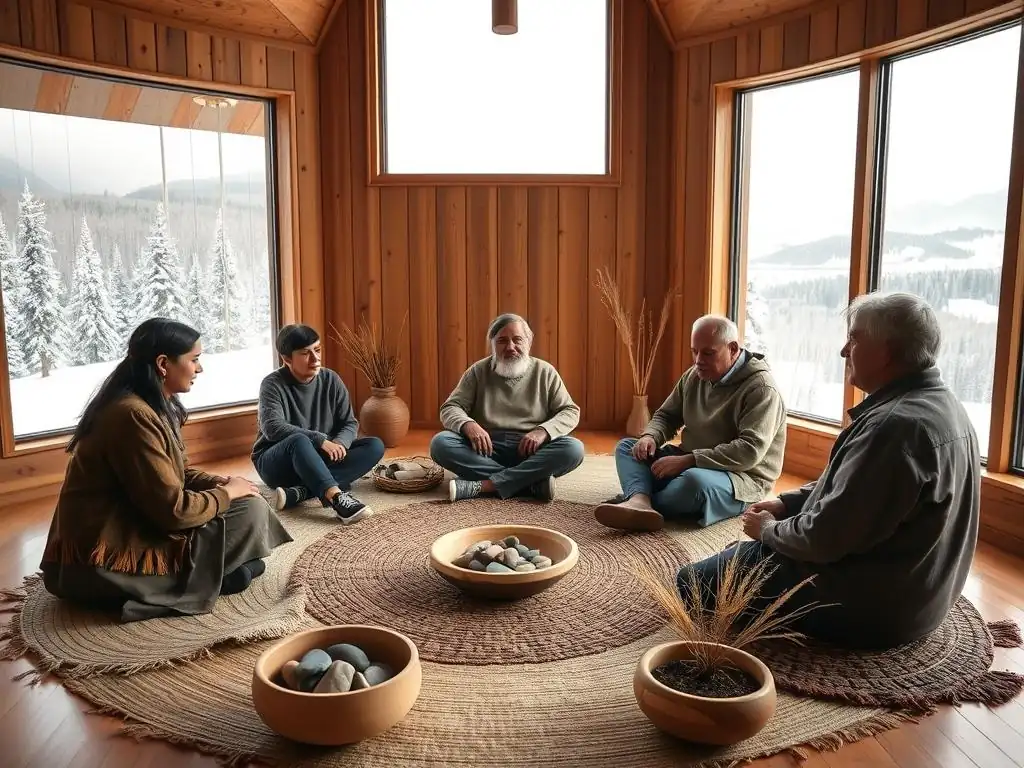
Numerous initiatives across Canada have focused on providing peer support to First Nations youth grappling with the legacy of residential schools and intergenerational trauma. One such program, often community-led, trains youth and young adults with lived experience to become peer mentors for their peers. These mentors facilitate talking circles, organize cultural activities like land-based healing camps, and provide one-on-one support.
Anecdotal evidence and program reports suggest that these peer support programs have led to significant reductions in feelings of isolation among participants, increased engagement in cultural activities, and improved communication about difficult emotions. For example, a program report from a Northern Ontario First Nation indicated increased school attendance and a decrease in reported bullying incidents among youth participating in their peer mentorship program, highlighting the positive ripple effects of peer support minority mental health approaches.
Community-Based Peer Support Initiative in Remote Northern Communities
In remote regions, where access to professional mental healthcare is extremely limited, community-based peer support has emerged as a vital resource. Initiatives in places like the Canadian Arctic or remote Alaskan villages train community members to become certified peer support workers. These individuals provide support within their own communities, often integrating traditional knowledge and practices into their work.
These programs have demonstrated success in providing accessible support where none existed before. For instance, a program in a remote Nunavut community reported that peer supporters were often the first point of contact for individuals experiencing distress, providing immediate support and connecting them with local resources, including elders and cultural ceremonies. This model exemplifies how peer support minority mental health can be adapted to serve highly isolated populations.
Testimonials from Individuals Benefiting from Peer Support
The most compelling evidence for the impact of peer support comes from the individuals who have experienced it. Testimonials often highlight the power of connection and understanding. One individual shared, "Talking to someone who actually gets it, who's been there... it made me feel less broken. They didn't try to fix me, they just walked with me." Another commented, "Being in the peer group brought back a sense of community I thought we'd lost. We heal together."
These personal accounts underscore that peer support provides not just symptom management, but hope, connection, and a renewed sense of possibility. They emphasize the relational aspect of healing and the importance of shared identity and experience in navigating mental health challenges within Indigenous communities, demonstrating the profound personal impact of peer support minority mental health initiatives.
Resources for Finding Peer Support in Indigenous Communities
National Indigenous Organizations Offering Peer Support Programs
Several national Indigenous organizations offer or can provide information about peer support initiatives tailored for Indigenous peoples. Organizations like the Native American Health Service (in the US) or the First Nations Health Authority (in Canada) often have directories or links to culturally relevant mental health resources, which may include peer support networks. These organizations work at a higher level to advocate for and sometimes fund peer support minority mental health programs.
Checking the websites of these national bodies is a good starting point to learn about broader initiatives or to find contact information for regional or local affiliates that might offer direct services. They can often guide individuals towards culturally appropriate support options available in their area or specific to their Indigenous nation.
Local Community Centers and Mental Health Agencies
The most direct way to find peer support is often through local channels. Indigenous friendship centers, band offices, tribal health centers, and community-based mental health agencies frequently run peer support programs or can refer individuals to them. These local entities are deeply embedded within the community and understand the specific needs and available resources.
Contacting local community centers or health services and asking about peer support programs, cultural supports, or mental health groups is highly recommended. Staff at these locations can provide information about meeting times, eligibility, and how to connect with a peer supporter. They are key providers of on-the-ground peer support minority mental health services.
Online Directories and Support Groups for Indigenous Mental Health
A growing number of online resources are available, including directories of Indigenous mental health services and online support groups. Websites dedicated to Indigenous health and wellness may list organizations that offer peer support. Some online platforms host forums or groups specifically for Indigenous individuals to connect and share experiences.
While using online resources, it's important to ensure they are reputable and culturally safe. Look for platforms affiliated with trusted Indigenous organizations or health authorities. Online directories can be a convenient way to discover options, but reaching out directly to the listed organizations is necessary to confirm program details and availability for peer support minority mental health.
The Future of Peer Support: Expanding Access and Promoting Equity in Mental Healthcare
Integrating Peer Support into Mainstream Mental Health Services
A key direction for the future is the greater integration of peer support into mainstream mental health services. This involves recognizing peer support as a vital, evidence-informed component of comprehensive care, not merely an add-on. Hospitals, clinics, and mental health agencies can hire and train peer support specialists, including those from Indigenous backgrounds, to work alongside clinicians.
Integrating peer support can help make mainstream services more welcoming and effective for Indigenous clients by providing a culturally relevant bridge between clinical care and lived experience. It can improve engagement rates, reduce no-shows, and enhance treatment outcomes by offering a layer of support that clinical professionals cannot provide. This integration is crucial for advancing peer support minority mental health initiatives within the broader healthcare system.
Advocating for Policies that Support Peer-Run Organizations
Ensuring the sustainability and growth of peer support requires supportive policies at all levels of government. This includes dedicated funding streams for peer-run organizations, certification processes for peer support specialists that recognize lived experience and cultural knowledge, and policies that promote the hiring of peer workers within health and social services.
Advocacy efforts are needed to educate policymakers about the unique value of peer support, particularly for marginalized populations like Indigenous peoples. Policies should prioritize funding for culturally specific, community-led peer support minority mental health programs that are designed and delivered by Indigenous individuals, ensuring that resources reach the communities that need them most and are used in a way that respects cultural autonomy.
Empowering Indigenous Communities to Lead and Shape Peer Support Initiatives
Ultimately, the future of peer support for Indigenous mental health lies in the hands of Indigenous communities themselves. Empowering communities to design, implement, and govern their own peer support programs is essential for ensuring cultural relevance, trust, and long-term sustainability. This requires shifting power and resources to community-based organizations.
Funding models and policies should support self-determination in health and wellness. This means providing flexible resources that communities can use to develop programs that align with their unique cultural values and priorities, whether that involves integrating traditional healing practices, focusing on specific age groups, or addressing particular local challenges. Empowering Indigenous leadership in peer support minority mental health initiatives ensures that these vital services are truly responsive to the needs and aspirations of the people they serve.
Frequently Asked Questions
How does peer support specifically benefit minority communities dealing with mental health challenges?
Peer support offers a safe and culturally sensitive space where individuals can share experiences and receive empathy. This reduces feelings of isolation and promotes a sense of belonging, crucial for minority mental health. It fosters trust and understanding.
What are some of the unique barriers that minority communities face when accessing mental health services, and how can peer support address them?
Barriers include stigma, lack of culturally competent providers, and language differences. Peer support programs can combat stigma by normalizing mental health discussions and provide culturally relevant guidance. They can also bridge communication gaps.
How can peer support programs be tailored to effectively serve diverse minority groups with varying cultural backgrounds and mental health needs?
Tailoring involves cultural sensitivity training for peer supporters, offering services in multiple languages, and partnering with community organizations. Understanding specific cultural beliefs about mental health is also paramount. This ensures relevance and effectiveness.
What resources and training are available to help individuals from minority communities become effective peer support providers?
Organizations like the National Alliance on Mental Illness (NAMI) offer training and resources. Local community centers and mental health agencies often provide specialized training focused on cultural competency. Mentorship programs can also be invaluable.
How can the effectiveness of peer support programs in minority communities be measured and improved to ensure they are meeting the needs of participants?
Effectiveness can be measured through participant feedback surveys, tracking program attendance, and monitoring mental health outcomes. Regular program evaluations should be conducted to identify areas for improvement and ensure cultural relevance and impact.
The struggle for mental well-being within minority communities is not a solitary journey, but a shared experience demanding collective action. The pervasive stigma surrounding mental health, coupled with systemic inequalities, creates unique challenges that necessitate innovative solutions. This article has explored the vital role of peer support in mitigating these challenges and fostering resilience within these communities.
The power of shared experience is profoundly moving. To witness individuals finding solace and strength in the understanding of their peers, to see the blossoming of community-based support networks, is a testament to the human spirit's capacity for resilience. The most basic of all human needs is the need to understand and be understood.
- Carl Rogers. This quote perfectly encapsulates the core of peer support; it's about fostering a space where individuals feel truly seen, heard, and validated in their struggles. This understanding, often absent in broader societal contexts, becomes a lifeline for those navigating the complexities of mental health within marginalized communities.
Now, consider the impact you can have. You have read about the transformative power of peer support, witnessed its effectiveness, and understood its urgent need. Will you be a part of building stronger, more supportive communities? Will you reach out to someone struggling, offer a listening ear, or actively seek out peer support resources in your own community? The journey towards better mental health for all begins with each of us embracing our shared humanity and extending a hand to those who need it most.
Unlock Your Community's Strength: Take the Next Step
Thanks for taking the time to explore the power of peer support within minority communities! We hope you gained valuable insights into building resilience and connection. Now, let's put that knowledge into action.
- Start a conversation: Reach out to someone in your community and share your experiences. Even a small step can make a big difference. This could be someone you already know, or someone you meet through a local organization.
- Join or create a support group: Find existing groups focused on shared experiences or consider starting your own. This can provide a safe space for connection and mutual support.
- Share this article: Spread the word and inspire others to build stronger, more supportive communities. Let's create a ripple effect of positive change!
What unique strength does your community offer, and how can you help foster it through peer support?