
Finding Strength in Diversity: Cultural Resilience and Mental Wellbeing

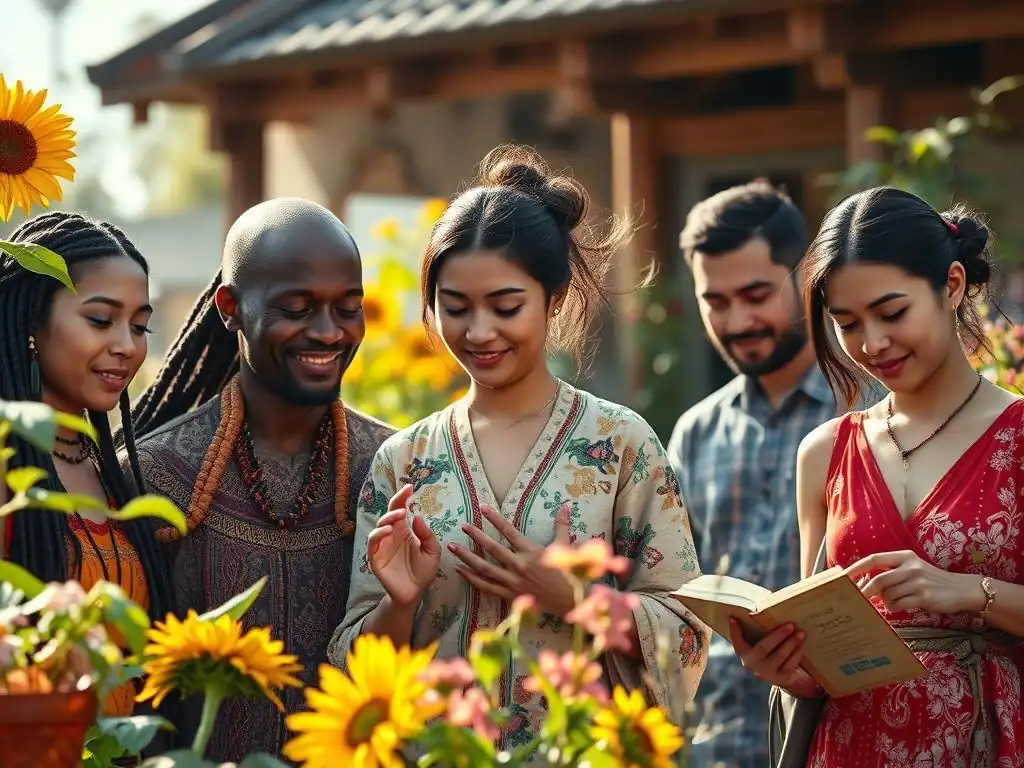
Welcome to Mind Care Guide, a space dedicated to nurturing your mental well-being. Are you seeking strength and support that resonates with your unique cultural background? This article delves into the powerful concept of Cultural Resilience and how it can profoundly impact your mental health. Discover valuable resources and insights that honor your heritage while empowering you to thrive. Let's explore how cultural connection can be a vital key to unlocking inner peace.
- Finding Strength in Diversity: Cultural Resilience and Mental Wellbeing
- Understanding Cultural Resilience: Bouncing Back Stronger
- Mental Wellbeing Challenges in Diverse Communities
- Building Cultural Resilience for Improved Mental Wellbeing
- The Importance of Culturally Competent Mental Health Support
- Case Studies: Examples of Cultural Resilience in Action
- Practical Tips for Fostering Cultural Resilience and Mental Wellbeing
- Conclusion: Embracing Diversity for a Healthier Future
-
Frequently Asked Questions
- How does cultural resilience specifically contribute to mental wellbeing?
- What are some examples of culturally informed mental wellbeing support?
- How can cultural resilience act as a buffer against mental health challenges?
- Why is it important for mental health professionals to consider cultural factors?
- How can individuals strengthen their own cultural resilience for better mental wellbeing?
- Final Reflection: Cultivating Resilience Through Cultural Understanding
- Unleash Your Inner Resilience: Cultivate a Thriving Mindset
Finding Strength in Diversity: Cultural Resilience and Mental Wellbeing
Introduction: The Interplay of Culture, Resilience, and Mental Health
Mental wellbeing is intricately woven into the fabric of our lives, influenced by a myriad of factors including our personal experiences, environment, and crucially, our cultural background. Culture provides a framework of values, beliefs, traditions, and social structures that shape our understanding of the world, our relationships, and even how we perceive and cope with challenges. In diverse communities, where cultural heritage is a cornerstone of identity, the ability to draw strength from this background becomes a powerful form of resilience. This collective strength, often termed cultural resilience, is vital for navigating adversity and fostering robust mental health.
Understanding the dynamic relationship between cultural heritage and mental wellbeing is essential for providing effective support. Cultural resilience mental wellbeing support recognizes that coping mechanisms and healing processes are not universal but are often deeply rooted in cultural practices and community bonds. For individuals from minority or marginalized communities, facing unique stressors like discrimination, prejudice, or acculturation challenges, tapping into cultural strengths can provide a crucial buffer against negative mental health outcomes, offering a sense of belonging, continuity, and empowerment in the face of hardship.
Understanding Cultural Resilience: Bouncing Back Stronger
Defining Cultural Resilience: More Than Just Coping
Cultural resilience is not merely an individual's ability to bounce back from adversity, but rather a collective capacity inherent within a community or group that stems from shared cultural values, practices, and historical experiences. It encompasses the ways in which cultural knowledge, social networks, and traditional coping strategies are utilized to confront challenges, maintain mental and emotional equilibrium, and promote collective wellbeing. This form of resilience is deeply embedded in the group's identity and serves as a protective factor against external stressors, particularly those related to marginalization, historical trauma, or cultural erosion.
Unlike individual resilience, which focuses on personal traits and skills, cultural resilience highlights the strength derived from belonging to a group with a shared heritage. For instance, studies have shown that Indigenous communities in North America, despite facing generations of systemic oppression and trauma, often demonstrate remarkable cultural resilience by revitalizing language, traditional ceremonies, and community governance structures. This collective action strengthens identity, fosters intergenerational connection, and provides a foundation for mental wellbeing, offering a powerful example of how cultural resilience mental wellbeing support operates at a community level.
The Role of Cultural Identity in Fostering Resilience
A strong sense of cultural identity is a fundamental pillar of cultural resilience. It provides individuals with a sense of belonging, continuity, and purpose, anchoring them within a larger narrative and community. When individuals feel connected to their cultural heritage, they often experience higher self-esteem, greater social support, and a clearer understanding of their place in the world, all of which are critical components of mental fortitude. This connection acts as a protective shield, particularly when facing external threats to one's identity or community.
For example, research among immigrant populations indicates that maintaining ties to one's culture through language, food, festivals, and community gatherings can significantly mitigate the stress of acculturation and reduce the risk of depression and anxiety. A strong cultural identity provides a stable base amidst change, offering familiar coping mechanisms and a supportive network. This reinforces the idea that fostering cultural identity is a key element in building cultural resilience mental wellbeing support systems, helping individuals and communities navigate challenges while preserving their unique heritage.
How Cultural Traditions Support Mental Wellbeing
Cultural traditions and practices serve as vital resources for mental wellbeing within diverse communities. Rituals, ceremonies, storytelling, music, dance, and shared meals are not just historical relics; they are dynamic processes that reinforce social bonds, transmit intergenerational wisdom, and provide structured ways to process emotions and experiences. These traditions often offer culturally sanctioned methods for mourning loss, celebrating achievements, resolving conflict, and seeking spiritual or emotional solace.
Consider the role of communal grieving practices in many cultures, which provide a structured and supportive environment for individuals to process loss collectively, preventing isolation and facilitating healing. Similarly, traditional storytelling can impart valuable life lessons, coping strategies, and historical context, fostering resilience by connecting individuals to their ancestors' struggles and triumphs. Engaging in these traditions strengthens community ties, provides a sense of continuity, and offers culturally relevant tools for maintaining mental health, underscoring the importance of cultural resilience mental wellbeing support rooted in community practices.
Mental Wellbeing Challenges in Diverse Communities
Identifying Unique Mental Health Needs
Diverse communities often face unique mental health challenges shaped by their specific histories, social positions, and cultural contexts. Beyond general mental health conditions, individuals within these groups may grapple with issues stemming from intergenerational trauma, resulting from historical injustices such as slavery, colonization, or forced migration. This trauma can manifest in various ways, including higher rates of depression, anxiety, PTSD, and substance use disorders, impacting not just the individuals who experienced the initial trauma but also their descendants.
Furthermore, the stress of navigating multiple cultural identities or the pressure to assimilate can create internal conflict and distress. Minority stress, which arises from the chronic social stressors experienced by members of stigmatized minority groups (such as discrimination, prejudice, and the anticipation of these), contributes significantly to poorer mental health outcomes.
For example, studies have consistently shown that racial and ethnic minorities in the United States report higher rates of certain mental health conditions compared to the general population, partly attributable to the cumulative impact of these unique stressors. Providing effective cultural resilience mental wellbeing support requires acknowledging and addressing these specific needs.
The Impact of Discrimination and Prejudice on Mental Health
Discrimination and prejudice are significant and pervasive stressors that severely undermine mental wellbeing in diverse communities. Experiencing unfair treatment, microaggressions, or systemic bias based on race, ethnicity, religion, sexual orientation, or other aspects of identity can lead to chronic stress, feelings of worthlessness, anger, and fear. The constant vigilance required to navigate potentially hostile environments is emotionally exhausting and detrimental to psychological health. Research indicates a strong correlation between experiences of discrimination and increased rates of depression, anxiety disorders, and even physical health problems.
For instance, a survey might reveal that individuals reporting frequent experiences of racial discrimination are significantly more likely to screen positive for major depressive disorder or generalized anxiety disorder compared to those who do not. This impact is not just psychological; chronic exposure to stress hormones triggered by discrimination can have long-term physiological effects. Addressing this pervasive issue is critical for fostering mental wellbeing and requires not only individual coping strategies but also broader societal changes and robust cultural resilience mental wellbeing support systems that acknowledge and validate these experiences.
Barriers to Accessing Mental Healthcare
Despite facing significant mental health challenges, individuals in diverse communities often encounter substantial barriers to accessing quality mental healthcare. These barriers are multifaceted and include economic limitations, lack of insurance, geographic distance from services, and insufficient culturally and linguistically appropriate resources. A major hurdle is the stigma associated with mental illness, which can be particularly strong in certain cultural contexts, discouraging individuals from seeking help or even acknowledging mental health struggles.
Furthermore, a critical barrier is the lack of culturally competent mental health professionals. Patients from diverse backgrounds may struggle to find therapists who understand their cultural context, speak their language, or are sensitive to their unique experiences, such as the impact of discrimination or acculturation stress. This lack of understanding can lead to misdiagnosis, ineffective treatment, and mistrust in the healthcare system. For example, studies show that ethnic minorities are less likely to receive appropriate follow-up care after an initial mental health visit, highlighting the systemic gaps in cultural resilience mental wellbeing support provision.
Building Cultural Resilience for Improved Mental Wellbeing
Strategies for Strengthening Cultural Identity and Connection
Embracing Cultural Heritage and Traditions
Actively engaging with one's cultural heritage is a powerful strategy for building resilience. This can involve learning or maintaining one's ancestral language, participating in traditional ceremonies and festivals, practicing cultural arts like music, dance, or crafts, and exploring the history and stories of one's community. These activities reinforce a sense of identity and continuity, connecting individuals to their roots and providing a strong foundation for navigating contemporary challenges.
For example, a young person of immigrant background might find strength and belonging in joining a community group that practices traditional dance or celebrates cultural holidays. This engagement provides positive social interaction, reduces feelings of isolation, and instills pride in their heritage. Such activities are fundamental to building cultural resilience mental wellbeing support from within the community itself, creating spaces where individuals feel seen, valued, and connected.
Building Strong Community Networks
Strong social support networks within one's cultural community are invaluable for mental wellbeing. These networks provide emotional support, practical assistance, shared understanding, and a sense of belonging. Family, extended family, elders, community leaders, and cultural organizations can all play a crucial role in providing a safety net during times of stress and reinforcing positive coping mechanisms rooted in shared values.
Consider the role of mutual aid networks or community elders who offer guidance and support based on traditional wisdom. These informal systems of care can provide a level of understanding and trust that formal systems sometimes lack, particularly for those wary of external institutions. Cultivating and strengthening these internal community bonds is a core component of building effective cultural resilience mental wellbeing support structures.
Finding Strength in Shared Experiences
Connecting with others who share similar cultural backgrounds and experiences, especially those related to marginalization or historical trauma, can be incredibly validating and empowering. Sharing stories, challenges, and triumphs within a supportive group fosters a sense of solidarity and reduces feelings of isolation and shame often associated with adverse experiences or mental health struggles.
Support groups specifically designed for individuals from particular cultural backgrounds can provide a safe space to discuss sensitive issues like discrimination, acculturation challenges, or intergenerational trauma with people who truly understand. This shared understanding validates experiences and collectively builds coping strategies, reinforcing the idea that collective strength is a key aspect of cultural resilience mental wellbeing support.
Cultivating Positive Coping Mechanisms
Practicing Mindfulness and Self-Care
Integrating mindfulness and self-care practices into daily life is crucial for managing stress and promoting mental wellbeing. While often discussed in Western contexts, many mindfulness principles, such as paying attention to the present moment without judgment, have parallels in traditional cultural or spiritual practices. Self-care should be culturally relevant and meaningful to the individual.
This could involve traditional forms of meditation, prayer, spending time in nature in ways valued by one's culture, engaging in cultural hobbies, or simply allowing oneself time for rest and reflection. The key is to identify practices that resonate personally and culturally, making them sustainable and effective tools for maintaining mental balance and enhancing cultural resilience mental wellbeing support on a personal level.
Seeking Support from Mental Health Professionals
While cultural resilience emphasizes community strength, seeking support from mental health professionals is also a vital coping mechanism when needed. Therapy and counseling can provide individuals with tools to process difficult experiences, manage symptoms of mental health conditions, and develop personalized coping strategies. It is essential, however, to seek professionals who are culturally competent or willing to learn about and respect your cultural background.
Finding a therapist who understands the nuances of your cultural identity, potential experiences of discrimination, and culturally specific ways of expressing distress can make the therapeutic process much more effective and less intimidating. This highlights the importance of integrating professional help with cultural resilience mental wellbeing support strategies, ensuring care is both effective and culturally appropriate.
Addressing Systemic Barriers to Mental Healthcare
Advocacy for Equitable Policies
Addressing systemic barriers requires advocating for policies that promote equity in mental healthcare access and quality. This includes advocating for increased funding for mental health services in underserved communities, policies that expand insurance coverage, initiatives to reduce the cost of care, and legislation that combats discrimination and promotes social justice, which are root causes of mental health disparities.
Advocacy efforts can also focus on policy changes within healthcare systems to ensure cultural competence training for providers, support for community-based mental health programs, and the recruitment and retention of mental health professionals from diverse backgrounds. These systemic changes are crucial for creating an environment where cultural resilience mental wellbeing support can thrive and be accessible to all who need it.
Promoting Diversity and Inclusion in Mental Health Services
Increasing diversity within the mental health workforce is paramount. Patients are more likely to feel comfortable and understood by providers who share their cultural background or have received specific training in cultural competence. Efforts should focus on recruiting and supporting students from diverse communities in mental health fields and providing ongoing cultural humility training for existing professionals.
Furthermore, mental health services themselves need to be inclusive and culturally sensitive in their delivery. This means offering services in community settings, providing language services, using culturally relevant assessment tools and therapeutic approaches, and involving community leaders in the design and implementation of programs. Promoting diversity and inclusion within services is a direct way to strengthen cultural resilience mental wellbeing support infrastructure.
The Importance of Culturally Competent Mental Health Support
What is Culturally Competent Care?
Culturally competent mental healthcare is an approach that recognizes the profound influence of culture on mental health and illness, as well as on the help-seeking process. It involves a provider's ability to understand, appreciate, and interact effectively with people from cultures different from their own. This goes beyond simply knowing about different cultures; it requires self-awareness of one's own cultural biases, knowledge of the patient's cultural context, and the skills to adapt clinical practice to meet the patient's unique needs and preferences.
Key components of culturally competent care include using culturally appropriate language, understanding how culture shapes symptom expression and interpretation, respecting traditional healing practices, and being mindful of the impact of historical trauma and systemic oppression on mental health. Providing this level of care is essential for building trust, improving patient engagement, and ensuring that cultural resilience mental wellbeing support is integrated into professional treatment.
Finding a Culturally Sensitive Therapist or Counselor
Finding a mental health professional who is culturally sensitive can significantly impact the effectiveness of therapy. Begin by asking potential therapists about their experience working with individuals from your cultural background or their training in cultural competence. Professional directories, community organizations, and word-of-mouth within your community can be valuable resources for finding therapists who are known for their culturally sensitive approach.
Do not hesitate to ask questions about their understanding of specific cultural practices, beliefs about mental health within your community, or experiences with issues like discrimination or acculturation. A good culturally sensitive therapist will be open to learning from you and collaborating to ensure that therapy aligns with your values and experiences, reinforcing the power of cultural resilience mental wellbeing support within a therapeutic context.
Resources for Mental Wellbeing
Accessing appropriate resources is a key part of cultural resilience mental wellbeing support. While professional therapy is one resource, others include community-based mental health programs, peer support groups, cultural centers that offer wellness programs, religious or spiritual institutions that provide counseling, and traditional healers within the community.
- [ ] Explore local community centers for mental health programs tailored to specific cultural groups.
- [ ] Look for directories of culturally competent therapists online or through professional organizations.
- [ ] Connect with cultural or ethnic organizations in your area for information on community-specific resources.
- [ ] Consider peer support groups where individuals share similar cultural backgrounds and experiences.
- [ ] Investigate whether local universities or clinics offer specialized programs for diverse populations.
Many organizations are dedicated to providing culturally specific mental health resources and advocating for equitable access to care. Utilizing a combination of formal and informal, culturally relevant resources can provide comprehensive support for mental wellbeing.
Case Studies: Examples of Cultural Resilience in Action

-
Case Study 1: The Healing Power of Ceremony
In a Native American community facing high rates of historical trauma and related mental health challenges, traditional healing ceremonies were revitalized. Participation in these ceremonies, led by elders, provided a culturally safe space for individuals to process grief, connect with ancestral wisdom, and strengthen community bonds. Over time, community members reported feeling more connected, experiencing reduced feelings of isolation, and a renewed sense of hope and collective strength, demonstrating cultural resilience mental wellbeing support through traditional practices.
-
Case Study 2: Building Support Among Refugees
A group of refugees from a war-torn country, resettled in a new urban environment, established a community association. This association organized cultural events, language classes, and peer support groups where individuals could share their experiences of trauma, loss, and acculturation challenges. The shared language, cultural norms, and mutual understanding within the group provided a critical support system that helped members cope with stress, find employment, and navigate daily life, illustrating cultural resilience built through community organizing and shared experience.
-
Case Study 3: Youth Finding Strength in Identity
Young people in a marginalized ethnic neighborhood, facing discrimination and limited opportunities, started a cultural arts program. Through traditional music, dance, and visual arts, they explored their heritage, expressed their frustrations, and built a strong sense of collective identity and pride. The program not only provided a safe space but also fostered leadership skills and a sense of empowerment, contributing to improved self-esteem and reduced engagement in risky behaviors, showcasing cultural resilience mental wellbeing support through creative expression and identity affirmation.
These examples, while illustrative, highlight how diverse communities draw upon their unique cultural assets – ceremonies, community bonds, shared identity – to build resilience and support mental wellbeing in the face of adversity.
Practical Tips for Fostering Cultural Resilience and Mental Wellbeing
Here are some actionable steps you can take to cultivate cultural resilience and support your mental wellbeing:
- [ ] Connecting with Your Cultural Heritage
- Learn about your history and traditions.
- Practice your cultural language, if applicable.
- Participate in cultural events, festivals, or ceremonies.
- Engage in cultural arts (music, dance, crafts).
- Cook traditional foods.
- [ ] Building Supportive Relationships Within Your Community
- Spend time with family and elders.
- Join cultural or community organizations.
- Volunteer in your community.
- Connect with peers who share your background.
- Participate in community gatherings.
- [ ] Practicing Self-Care Strategies
- Identify culturally relevant ways to relax and de-stress (e.g., prayer, meditation, time in nature).
- Maintain healthy habits (sleep, nutrition, physical activity).
- Engage in hobbies that are meaningful to you, possibly those connected to your culture.
- Set boundaries to protect your energy and time.
- Practice mindfulness or other reflective practices.
- [ ] Seeking Professional Help When Needed
- Research culturally competent therapists or counselors.
- Ask potential providers about their experience with your cultural group.
- Utilize resources like community mental health centers or cultural organizations for referrals.
- Remember that seeking help is a sign of strength, not weakness.
- Be open about your cultural background and how it influences your experiences.
By actively engaging in these practices, you can strengthen your cultural resilience and build a strong foundation for lasting mental wellbeing.
Conclusion: Embracing Diversity for a Healthier Future
The Power of Cultural Resilience in Promoting Mental Wellbeing
Cultural resilience is a powerful, often untapped, resource for promoting mental wellbeing, particularly within diverse communities that face unique challenges. It is the collective strength derived from shared history, values, traditions, and community bonds that enables individuals and groups to navigate adversity, resist the negative impacts of discrimination and trauma, and maintain psychological health.
By drawing upon their cultural heritage, individuals gain a sense of identity, belonging, and continuity that serves as a protective factor against stress and promotes healing. Recognizing and nurturing cultural resilience is not just about preserving traditions; it is a fundamental strategy for fostering robust mental health and creating supportive environments where diverse individuals can thrive.
The strategies for building cultural resilience mental wellbeing support are diverse, ranging from individual actions like embracing cultural heritage and practicing culturally relevant self-care to community-level efforts like strengthening social networks and advocating for systemic change. Professional mental healthcare also plays a crucial role, but its effectiveness is significantly enhanced when it is culturally competent and integrated with community-based support systems. Embracing the unique strengths found within diverse cultures is key to developing more effective and equitable approaches to mental health care and promotion for all.
Continuing the Conversation: Promoting Equity and Inclusion in Mental Health
Promoting mental wellbeing in diverse communities requires a continued commitment to equity and inclusion. This involves dismantling systemic barriers to care, combating discrimination and prejudice, and ensuring that mental health services are accessible, affordable, and culturally sensitive. It also means valuing and supporting the inherent cultural resilience that exists within these communities, recognizing it as a vital asset in the journey towards healing and wellbeing.
The conversation around cultural resilience mental wellbeing support must continue to evolve, incorporating the voices and experiences of individuals from diverse backgrounds. By working together to create more equitable and inclusive societies and healthcare systems, we can leverage the power of cultural resilience to build a healthier future where everyone has the opportunity to achieve their full mental health potential, supported by their community and their heritage.
Frequently Asked Questions
How does cultural resilience specifically contribute to mental wellbeing?
Cultural resilience provides a strong sense of identity and belonging, which helps individuals cope with stress and adversity. It fosters collective coping mechanisms and offers access to culturally relevant support systems.
What are some examples of culturally informed mental wellbeing support?
Examples include traditional healing practices, community-based mental health programs tailored to specific cultural needs, and language-accessible resources. These approaches recognize and respect cultural values and beliefs.
How can cultural resilience act as a buffer against mental health challenges?
Cultural resilience can act as a buffer by providing a sense of purpose and meaning, strengthening social connections within the community, and offering protective factors against discrimination and marginalization, reducing stress levels.
Why is it important for mental health professionals to consider cultural factors?
Ignoring cultural factors can lead to misdiagnosis, ineffective treatment, and a lack of trust between clients and providers. Culturally sensitive care ensures that interventions are appropriate and respectful of the individual's background, improving treatment outcomes.
How can individuals strengthen their own cultural resilience for better mental wellbeing?
Individuals can strengthen their cultural resilience by connecting with their heritage, participating in cultural activities, seeking support from cultural communities, and learning about their ancestral coping strategies, promoting positive mental health outcomes.
Final Reflection: Cultivating Resilience Through Cultural Understanding
The interconnectedness of cultural identity and mental wellbeing is no longer a niche topic; it's a critical lens through which we must view societal progress and individual flourishing. Ignoring the profound impact of cultural factors on mental health is not only irresponsible but actively detrimental to building truly inclusive and supportive communities. We must actively dismantle the systems that marginalize and silence certain voices, creating spaces where diverse experiences are celebrated and understood.
The journey towards understanding cultural resilience and its impact on mental wellbeing is a continuous one, requiring ongoing dialogue and a commitment to empathy. It's a journey I've personally found deeply enriching, forcing me to confront my own biases and appreciate the strength found in embracing difference. The strength of a community lies in its diversity, and its resilience lies in its ability to embrace that diversity.
This quote encapsulates the core message of this article, highlighting the power of collective understanding and support in fostering mental wellbeing within diverse populations.
Now, consider your own cultural landscape. How can you contribute to building a more supportive and inclusive environment for those around you? What steps can you take to better understand the unique challenges and strengths inherent in different cultural experiences? This isn't just about passive observation; it's about active participation in creating a world where everyone feels seen, heard, and valued, ultimately fostering a stronger sense of belonging and resilience for all. Let's work together to build a future where cultural diversity is celebrated as a source of strength, not a barrier to wellbeing.
Unleash Your Inner Resilience: Cultivate a Thriving Mindset
Thanks for exploring the powerful connection between cultural diversity and mental wellbeing! We hope you gained valuable insights into building resilience. Now, let's put that knowledge into action.
- Prioritize self-care practices: Identify one new mindfulness technique from the article and dedicate just 5 minutes each day to it. This could be meditation, deep breathing, or simply enjoying nature.
- Share your story: Inspire others by sharing your thoughts on how celebrating cultural diversity contributes to your mental strength on social media using #MindCareDiversity.
- Connect with your community: Reach out to someone in your life from a different cultural background and learn something new about their traditions.
What small step will you take today to nurture your cultural awareness and enhance your mental wellbeing?