
Your Guide to Culturally Sensitive Mental Health Resources: Find the Right Support

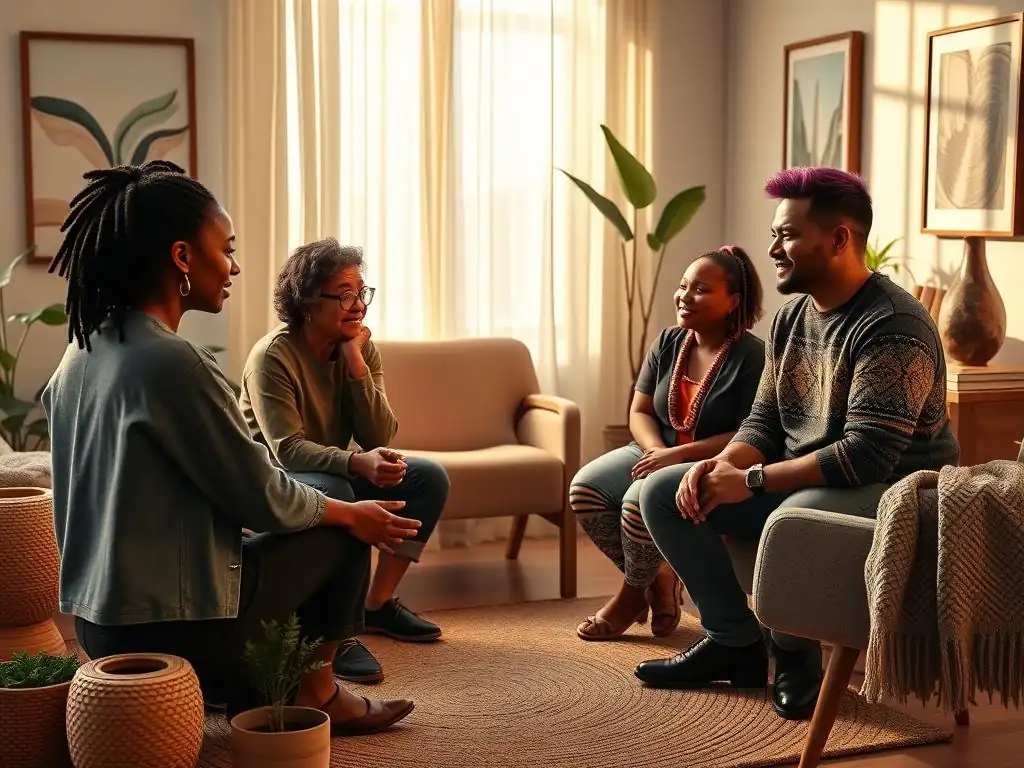
Welcome to Mind Care Guide, a safe space dedicated to your mental well-being. Feeling understood is crucial, especially when navigating mental health challenges. Are you searching for culturally sensitive mental health support? You're not alone. Discover resources that truly resonate with your background and experiences, empowering you on your journey to healing and self-discovery. Let's explore how to find the right support, together.
Your Guide to Culturally Sensitive Mental Health Resources: Find the Right Support
- Understanding the Importance of Culturally Sensitive Mental Health Support
- Identifying Culturally Competent Mental Health Professionals
- Exploring Diverse Mental Health Resources for Minority Groups
- Specific Cultural Considerations in Mental Health Treatment
- Accessing Affordable and Accessible Culturally Sensitive Mental Health Care
- Building a Supportive Network for Mental Well-being in Your Community
- The Future of Culturally Sensitive Mental Healthcare
- Resources for Finding Culturally Sensitive Mental Health Support
-
Frequently Asked Questions
- What is culturally sensitive mental health support, and why is it important?
- How can I find culturally sensitive mental health resources near me?
- What are some examples of culturally sensitive mental health practices?
- What should I do if I feel that my therapist is not providing culturally sensitive care?
- How does Mind Care Guide support culturally sensitive mental health?
- Final Reflection: Bridging the Gap to Inclusive Mental Healthcare
- Unlock Your Path to Well-being: Find the Support You Deserve
Understanding the Importance of Culturally Sensitive Mental Health Support
Why Cultural Sensitivity Matters in Mental Healthcare
Cultural sensitivity in mental healthcare is not just about acknowledging differences; it's about understanding how a person's cultural background profoundly influences their perception of mental health, their willingness to seek help, and their response to treatment. When mental health providers are culturally sensitive, they recognize that mental illness can manifest differently across cultures and that traditional Western approaches may not always be appropriate or effective for individuals from diverse backgrounds.
This understanding is crucial because a lack of cultural awareness can lead to misdiagnosis, ineffective treatment plans, and a breakdown in the therapeutic relationship. For example, some cultures may express distress through physical symptoms rather than emotional language, which a culturally insensitive provider might miss or misinterpret.
Furthermore, culturally sensitive mental health support acknowledges the historical context and systemic factors that impact mental well-being within specific communities. This includes understanding the effects of discrimination, historical trauma, and socioeconomic disparities. Providers who possess cultural competence are better equipped to build trust with clients who may have valid reasons for mistrusting healthcare systems due to past negative experiences or systemic biases.
This trust is foundational for effective therapy and encourages individuals to remain engaged in their treatment journey. Research indicates that clients who receive culturally congruent care report higher levels of satisfaction and better treatment outcomes. For instance, a study might show that clients from a specific minority group receiving culturally tailored therapy show a 20-30% improvement in treatment retention compared to those receiving standard care.
The Impact of Cultural Background on Mental Well-being
A person's cultural background shapes their beliefs about health and illness, their coping mechanisms, their communication styles, and their family dynamics, all of which significantly impact their mental well-being. Cultural norms can influence whether mental health issues are discussed openly or kept private, the level of stigma associated with seeking help, and the preferred sources of support, which might include family, religious leaders, or traditional healers rather than formal mental health professionals.
For instance, in some Asian cultures, mental health concerns may be viewed as a source of shame for the entire family, leading individuals to suffer in silence rather than seek help. This cultural perspective can significantly delay or prevent access to necessary care.
Moreover, cultural identity intersects with experiences of marginalization, discrimination, and acculturation stress, which can be significant risk factors for mental health challenges. Immigrants and refugees, for example, often face unique stressors related to adapting to a new country, language barriers, separation from family, and trauma experienced in their home country or during migration. A culturally sensitive approach recognizes these specific stressors and integrates them into the assessment and treatment process.
Understanding the nuances of intergenerational conflict within immigrant families or the specific historical trauma experienced by Indigenous communities, for instance, is vital for providing effective and empathetic culturally sensitive mental health support. Approximations suggest that immigrants are significantly less likely to access mental health services compared to native-born populations, partly due to cultural barriers and lack of culturally sensitive options.
Overcoming Barriers to Mental Health Access for Minority Communities
Minority communities often face multiple, intersecting barriers when attempting to access mental health care. These can include financial constraints, lack of insurance, geographical distance from services, language barriers, and limited availability of providers who share their cultural background or speak their language. Beyond these practical obstacles, significant systemic barriers exist, such as implicit bias within healthcare systems and a lack of culturally competent providers.
This means that even when services are available, they may not be delivered in a way that is relevant or respectful to the individual's cultural background. For example, a study might find that only a small percentage, perhaps around 10-15%, of mental health professionals identify as belonging to a racial or ethnic minority group, creating a significant disparity between the provider workforce and the diverse population needing care.
Addressing these barriers requires a multi-faceted approach. Increasing the diversity of the mental health workforce is critical, as is providing mandatory, ongoing cultural competency training for all mental health professionals. Developing and funding community-based mental health programs that are embedded within cultural centers or trusted community organizations can also help reduce stigma and improve access.
Furthermore, expanding access to language services, offering services during convenient hours, and utilizing telehealth can help overcome geographical and logistical barriers. Initiatives that partner with cultural leaders, faith-based organizations, and community advocates are often more successful in reaching underserved populations and building trust, paving the way for more individuals to receive culturally sensitive mental health support.
Identifying Culturally Competent Mental Health Professionals
Key Qualities of a Culturally Competent Therapist
A culturally competent therapist possesses a set of core qualities and skills that enable them to provide effective care to individuals from diverse cultural backgrounds. Foremost among these is self-awareness – the therapist understands their own cultural biases, beliefs, and values and how these might influence their interactions with clients.
They are humble and open to learning about cultures different from their own, recognizing that they are not experts in every cultural experience but are committed to understanding the client's unique perspective. This involves active listening and a willingness to be guided by the client regarding what aspects of their culture are important to them and how they wish to integrate them into therapy.
Beyond self-awareness, a culturally competent therapist demonstrates specific knowledge about the cultural groups they serve, including historical context, common values, family structures, and beliefs about mental health. They also possess practical skills, such as the ability to adapt therapeutic techniques to fit the client's cultural context, utilize appropriate communication styles, and navigate cultural nuances in the therapeutic relationship. For example, a therapist might understand that direct eye contact is considered disrespectful in some cultures and adjust their non-verbal communication accordingly.
They are also aware of the impact of societal factors like racism, discrimination, and poverty on mental health and incorporate this understanding into their assessment and treatment planning. It's estimated that while many therapists receive some cultural competency training, the depth and effectiveness of this training can vary significantly, highlighting the importance of seeking out professionals who prioritize this aspect of care.
Finding Therapists with Expertise in Specific Cultural Groups
Finding a therapist who has specific expertise in working with individuals from a particular cultural group can significantly enhance the effectiveness of therapy. These therapists often have specialized training, personal experience, or a deep commitment to serving specific communities.
They may have a nuanced understanding of the unique challenges faced by that group, such as intergenerational trauma within Indigenous communities, the specific stressors of acculturation for immigrants, or the impact of systemic racism on the Black community. This expertise allows them to build rapport more quickly, utilize culturally appropriate interventions, and avoid potential misunderstandings that could arise from a lack of cultural context.
To find therapists with this specialized expertise, individuals can utilize various resources. Directories specifically focused on culturally competent providers often allow filtering by cultural background or language spoken. Community organizations serving specific ethnic or racial groups may also maintain lists of recommended mental health professionals.
Additionally, contacting national or local mental health organizations dedicated to minority mental health can provide valuable referrals. For instance, seeking culturally sensitive mental health support might involve looking for a directory filter specifically for "Latinx therapists" or "therapists specializing in African American mental health." While precise numbers are hard to track, anecdotal evidence suggests that finding a therapist from one's own cultural background or one with demonstrated expertise can lead to higher client retention rates, potentially increasing completion rates by 15-25% in some community-based programs.
Questions to Ask Potential Therapists About Cultural Sensitivity
Engaging in an initial consultation or phone screening with a potential therapist provides an opportunity to assess their cultural sensitivity and competence. Preparing specific questions can help determine if a therapist is a good fit for your needs and cultural background. Questions could include: "What is your experience working with clients from [mention your specific cultural group]?" or "How do you incorporate a client's cultural background into your therapeutic approach?" It's also helpful to ask about their understanding of how cultural factors might influence your specific concerns or symptoms.
Other important questions might delve into their ongoing commitment to cultural learning: "How do you stay informed about cultural issues and their impact on mental health?" or "What is your approach if there are cultural differences between us that affect therapy?" Pay attention not only to what they say but how they respond – do they seem genuinely open, curious, and non-defensive?
A culturally sensitive therapist will welcome these questions and be transparent about their experience and limitations, demonstrating a commitment to providing culturally sensitive mental health support. While there's no single set of perfect answers, a therapist who acknowledges the importance of culture and expresses a willingness to learn from you is a positive sign.
Exploring Diverse Mental Health Resources for Minority Groups

Community-Based Mental Health Programs Tailored to Cultural Needs
Community-based mental health programs play a vital role in providing accessible and culturally relevant support, particularly for minority groups who may face barriers accessing traditional clinical settings. These programs are often embedded within the community, operating out of cultural centers, community hubs, or local non-profits. They are designed with the specific cultural context, values, and needs of the target population in mind. This might involve offering services in multiple languages, employing staff who reflect the community's diversity, incorporating traditional healing practices alongside Western therapies, or structuring programs around community events and social support networks.
For example, a community-based program serving a specific immigrant population might offer group therapy sessions that discuss acculturation challenges in their native language, incorporate traditional storytelling, and include family members in the therapeutic process in a manner consistent with cultural norms. These programs often focus on reducing stigma by normalizing mental health discussions within a trusted community setting. Data from successful programs suggests that they can significantly increase access to care; one program serving a Latinx community saw a 40% increase in individuals seeking mental health support after implementing culturally tailored outreach and services within a familiar community center.
Faith-Based Mental Health Support and Counseling
For many individuals from minority communities, faith and spirituality are central to their lives and serve as important sources of strength, coping, and community support. Faith-based organizations, such as churches, mosques, temples, and synagogues, often provide informal mental health support through pastoral counseling, support groups, and community networks. Recognizing this, some mental health initiatives partner with faith leaders to provide training on mental health awareness and basic counseling skills, or to offer mental health services directly within faith settings.
This integration of faith and mental health can be particularly effective because it leverages existing trust and addresses mental health within a familiar and respected framework. Pastoral counselors, for instance, can provide culturally and spiritually sensitive guidance that resonates deeply with congregants.
While not a substitute for clinical care when needed, faith-based support can be a crucial first step for individuals hesitant to seek formal treatment or can complement professional therapy. Research indicates that a significant percentage of individuals, perhaps 25-35%, first turn to a faith leader when experiencing mental health distress, highlighting the importance of faith-based resources in providing culturally sensitive mental health support.
Online Mental Health Platforms Offering Culturally Relevant Services
The rise of online mental health platforms and telehealth services has expanded access to care, and some platforms are specifically focusing on providing culturally relevant services. These platforms may offer therapy from providers who share specific cultural backgrounds or identities, therapy available in multiple languages, or content tailored to address the unique mental health challenges faced by different minority groups. Online formats can overcome geographical barriers and offer a level of anonymity that may be preferred by individuals concerned about the stigma of seeking in-person help.
While online platforms offer convenience, it's important to vet them carefully to ensure they genuinely provide culturally sensitive mental health support. Look for platforms that explicitly state their commitment to cultural diversity and competence, detail how they vet their providers for cultural expertise, and offer options for matching clients with therapists based on cultural identity or language.
Some platforms are specifically designed for or by members of minority communities, which can increase the likelihood of finding culturally relevant support. The adoption of telehealth has surged, with some estimates suggesting a several hundred percent increase in usage during recent years, making online options increasingly important for accessing diverse and culturally sensitive care.
Specific Cultural Considerations in Mental Health Treatment
Addressing Stigma and Shame Surrounding Mental Illness in the African American Community
Stigma surrounding mental illness is a significant barrier to seeking help in many communities, including the African American community. Historical factors, such as the legacy of slavery and systemic racism, have contributed to a deep-seated mistrust of healthcare systems and a tendency to rely on internal strength and faith rather than seeking external help for mental health struggles. Mental health issues may be viewed as a moral failing, a sign of weakness, or a private matter not to be discussed outside the family, leading to silence and isolation for those who are suffering.
Addressing this stigma requires culturally specific approaches. This includes engaging trusted community leaders, such as pastors, barbers, and community elders, to initiate conversations about mental health and normalize help-seeking. Public awareness campaigns that feature relatable figures from the African American community sharing their experiences can also help reduce shame.
Mental health providers serving this community must understand the historical context, the impact of racism and discrimination on mental well-being, and the importance of faith and family support systems. Providing culturally sensitive mental health support means acknowledging these factors and tailoring interventions to resonate with the community's values and experiences. Initiatives like the "Brother, You're on My Mind" program from the National Institute on Minority Health and Health Disparities aim to address stigma specifically within the Black community.
Mental Health Challenges Faced by Latinx Immigrants and Refugees
Latinx immigrants and refugees face a complex array of mental health challenges stemming from pre-migration trauma, the stresses of migration, acculturation difficulties, language barriers, and the constant threat of deportation or family separation. Trauma experienced in their home countries, during their journey, or in detention can have lasting psychological impacts, including high rates of PTSD, depression, and anxiety. Navigating a new culture, finding employment, and learning a new language add significant stress. Furthermore, many Latinx individuals come from cultures where mental health is highly stigmatized, and seeking help outside the family is uncommon.
Culturally sensitive mental health support for this population requires providers who are proficient in Spanish or have access to qualified interpreters, understand the nuances of various Latin American cultures, and are trauma-informed. Therapy may need to address themes of loss, identity, family separation, and discrimination. Integrating traditional coping mechanisms and family support systems into treatment can be beneficial.
Community-based programs that offer services in Spanish within trusted settings, provide assistance with navigating social services, and acknowledge the unique stressors of the immigrant experience are crucial. Studies have shown that Latinx immigrants are significantly less likely to use mental health services than U.S.-born Latinx individuals, highlighting the profound barriers related to language, culture, and immigration status.
Culturally Appropriate Communication Styles in Therapy for Asian Americans
Asian Americans represent a vast diversity of cultures, languages, and experiences, but many share certain cultural values that can influence communication styles and the therapeutic process. Values such as collectivism, respect for authority (including professionals), emphasis on family harmony, and a tendency towards indirect communication can impact how individuals from various Asian backgrounds engage in therapy. Expressing emotions openly, particularly negative ones, may be considered inappropriate or disruptive to family harmony in some Asian cultures, leading individuals to be reserved or hesitant to share deeply in therapy.
Culturally sensitive mental health support for Asian Americans involves understanding these potential communication differences and adapting therapeutic approaches accordingly. Therapists may need to be more patient, utilize less direct questioning, and pay close attention to non-verbal cues. Incorporating family members into therapy, when culturally appropriate and desired by the client, can also be beneficial given the emphasis on family in many Asian cultures.
Addressing mental health concerns in the context of physical symptoms (somatization) may also be necessary, as this is a common way distress is expressed in some Asian cultures. Research indicates that Asian Americans have among the lowest rates of mental health service utilization compared to other racial groups, underscoring the need for culturally attuned outreach and treatment approaches.
Accessing Affordable and Accessible Culturally Sensitive Mental Health Care
The cost of mental health care is a significant barrier for many, particularly for individuals from minority communities who may have lower incomes or less comprehensive insurance coverage. Navigating insurance plans, understanding co-pays and deductibles, and finding providers who accept their specific insurance can be a daunting process. Many culturally competent therapists, especially those in private practice, may not accept all insurance plans, further limiting options for those seeking culturally sensitive mental health support.
Resources exist to help individuals navigate these complexities. Patient advocates or social workers at clinics and hospitals can often provide guidance on understanding insurance benefits and finding in-network providers. Non-profit organizations focused on mental health or specific minority groups may offer financial assistance programs, sliding scale fees based on income, or lists of providers who offer affordable services.
Checking with your insurance provider directly to understand your mental health coverage and asking potential therapists about their fees and accepted insurance plans during the initial consultation is essential. Approximately 1 in 4 adults with a mental illness report being unable to obtain needed treatment, with cost cited as a primary barrier for a significant portion of this group.
Free and Low-Cost Mental Health Resources for Underserved Communities
For individuals without insurance or with limited financial resources, finding free or low-cost mental health care is critical. Community mental health centers, often funded by state or local governments, provide services on a sliding scale or at no cost to eligible residents. These centers are increasingly working to improve their cultural competence to better serve diverse populations within their catchment areas. University counseling centers (for students), local health departments, and non-profit organizations dedicated to mental health or serving specific minority groups are also valuable sources of free or low-cost culturally sensitive mental health support.
Many non-profits offer free support groups, peer counseling, or crisis intervention services that are culturally tailored. For instance, an organization serving refugees might offer free trauma-informed support groups in multiple languages. While these resources may have waiting lists or limited capacity, they represent vital access points for underserved communities. Exploring options within your local community, contacting mental health advocacy groups, and inquiring about sliding scale fees directly with providers can help uncover affordable culturally sensitive care. Estimates suggest that community mental health centers serve millions of individuals annually, many of whom would otherwise lack access to care.
Telehealth Options for Culturally Sensitive Mental Health Support
Telehealth has emerged as a powerful tool for increasing access to mental health care, particularly for individuals in rural areas, those with mobility issues, or those who face logistical challenges in attending in-person appointments. Importantly, telehealth can also expand access to culturally sensitive mental health support by connecting individuals with therapists who may not be geographically located nearby but possess the desired cultural expertise or language proficiency. This is particularly beneficial for individuals seeking a therapist from a specific, less common cultural background.
When utilizing telehealth for culturally sensitive care, consider the platform's features, such as language options or the ability to filter therapists by cultural background or specialization. Ensure you have a private, secure space for sessions and a reliable internet connection.
While telehealth offers convenience, it's important to discuss with your therapist whether this format is appropriate for your specific needs and the type of therapy you require. While precise statistics on culturally specific telehealth use are still emerging, the overall adoption of telehealth in mental health has seen dramatic increases, indicating its potential to broaden access to specialized care options.
Building a Supportive Network for Mental Well-being in Your Community

Connecting with Cultural Organizations and Support Groups
Connecting with cultural organizations and support groups within your community can provide invaluable social support and contribute to mental well-being. These groups offer a sense of belonging, shared identity, and mutual understanding among individuals who share similar cultural backgrounds and experiences. They can provide a safe space to discuss challenges, including those related to mental health, within a culturally familiar context. Many cultural organizations host events, workshops, and gatherings that promote cultural pride and resilience, which are protective factors for mental health.
Support groups specifically focused on mental health within a particular cultural community can offer a unique form of culturally sensitive mental health support. Led by peers or facilitators who understand the cultural nuances of mental health issues, these groups allow individuals to share their experiences, learn coping strategies, and feel less alone in their struggles.
Finding these groups might involve searching online for community organizations serving your cultural group or asking about support group options at local mental health centers or faith-based institutions. Participation in support groups has been shown to reduce feelings of isolation and improve coping skills for many individuals.
Creating a Safe Space for Open Conversations About Mental Health
Creating safe spaces for open and honest conversations about mental health within families and communities is essential for reducing stigma and encouraging help-seeking. This involves fostering an environment where individuals feel comfortable sharing their struggles without fear of judgment, shame, or negative repercussions. It requires challenging cultural norms that dictate silence around mental illness and promoting the understanding that mental health is just as important as physical health.
Initiating these conversations can be challenging but impactful. Within families, it might involve parents talking openly about emotions and seeking help, modeling healthy behaviors for children. Within communities, it could involve organizing workshops, panel discussions, or casual gatherings where people can share experiences and learn about mental health resources in a culturally sensitive manner. Leaders within the community, such as elders, educators, or religious figures, can play a significant role in championing these open dialogues and promoting culturally sensitive mental health support. Efforts to increase mental health literacy within communities have been shown to increase help-seeking behaviors.
Advocating for Culturally Competent Mental Health Services
Advocating for improved culturally competent mental health services is a critical step in ensuring that all individuals, regardless of their cultural background, have access to effective care. This can involve various actions, from speaking up about personal experiences with culturally insensitive care to participating in community efforts to raise awareness and demand better services. Advocacy can target healthcare providers, mental health organizations, policymakers, and funding bodies.
Examples of advocacy include petitioning local government for increased funding for community mental health centers that prioritize cultural competence, joining community advisory boards for mental health organizations, or working with professional associations to promote cultural competency training for therapists. Sharing stories through media or public forums can also highlight the need for culturally sensitive mental health support and inspire change. Collective advocacy efforts have historically led to significant improvements in healthcare access and quality for marginalized groups.
The Future of Culturally Sensitive Mental Healthcare
Emerging Trends and Innovations in the Field
The field of culturally sensitive mental healthcare is continuously evolving, driven by a growing recognition of the need for equitable and effective care for diverse populations. Emerging trends include the development of culturally adapted evidence-based therapies, which involve modifying existing therapeutic models to better fit the cultural values, beliefs, and communication styles of specific groups. For instance, Cognitive Behavioral Therapy (CBT) has been adapted for various cultural contexts, incorporating culturally relevant examples, metaphors, and coping strategies.
Another innovation is the increasing focus on cultural humility rather than just cultural competence. Cultural humility emphasizes a lifelong commitment to self-reflection and learning about others' cultures from a place of respect and partnership, acknowledging that one can never be fully "competent" in another's culture. This approach encourages therapists to be curious, humble, and willing to learn from their clients.
Furthermore, there's a growing interest in integrating traditional healing practices and indigenous knowledge into mental healthcare models, recognizing the value of these long-standing approaches within their cultural contexts. Research into culturally adapted interventions shows promising results, with some studies indicating improved outcomes compared to standard approaches for specific populations.
The Role of Technology in Expanding Access to Care
Technology is playing an increasingly vital role in expanding access to culturally sensitive mental health support. As previously mentioned, telehealth connects individuals with providers across geographical distances, increasing the likelihood of finding a therapist with specific cultural expertise or language skills. Beyond one-on-one therapy, technology is being used to develop culturally tailored mental health apps, online support communities, and digital educational resources.
For example, mental health apps are being developed in multiple languages and with content that resonates with specific cultural experiences. Online forums moderated by culturally competent professionals can provide a safe space for individuals from minority groups to connect and share. Virtual reality is also being explored as a tool for cultural immersion training for therapists.
While technology offers exciting possibilities, it's crucial to ensure digital resources are accessible, affordable, and developed with input from the communities they aim to serve to truly provide culturally sensitive mental health support. The rapid development of digital mental health tools is opening new avenues for reaching underserved populations.
Promoting Cultural Humility in Mental Health Practice
Promoting cultural humility is becoming a central focus in training and practice for mental health professionals. Moving beyond simply acquiring knowledge about different cultures, cultural humility is a dynamic process that involves maintaining a stance of openness, self-awareness, and a willingness to learn from clients as the experts on their own cultural experiences. This approach helps prevent stereotyping and encourages a more individualized and respectful therapeutic relationship.
Training programs are incorporating cultural humility models, emphasizing self-reflection on one's own biases, developing skills in active listening and inquiry about cultural identity, and understanding power dynamics inherent in the therapist-client relationship. Supervision and ongoing consultation with peers or cultural consultants are also crucial for developing and maintaining cultural humility. By prioritizing cultural humility, mental health professionals can build stronger rapport, foster trust, and provide more effective and truly culturally sensitive mental health support that honors the unique background and identity of each individual client. Many professional mental health organizations now include cultural humility as a core competency.
Resources for Finding Culturally Sensitive Mental Health Support
National Organizations Dedicated to Minority Mental Health
Several national organizations are specifically dedicated to addressing the mental health needs of minority communities and promoting culturally sensitive care. These organizations often provide valuable resources, information, and advocacy. Examples include the National Alliance on Mental Illness (NAMI) and the Mental Health America (MHA), which have specific programs and resources for diverse populations. Organizations like the Steve Fund focus on the mental health of young people of color, while others are dedicated to specific ethnic or racial groups.
These national bodies can be excellent starting points for finding information, understanding key issues, and locating resources relevant to specific cultural groups. They often publish reports, host webinars, and connect individuals with local chapters or affiliated organizations that provide direct services or referrals for culturally sensitive mental health support. Consulting the websites of these organizations is a good first step in your search.
Directories of Culturally Competent Therapists and Providers
Finding a therapist with specific cultural competence can be challenging, but several directories are designed to help. Online directories maintained by professional organizations or mental health advocacy groups often allow users to search for therapists based on various criteria, including cultural background, language spoken, areas of cultural expertise, and insurance accepted. Some directories are specifically curated to feature providers who identify as belonging to minority groups or who have demonstrated a strong commitment to culturally sensitive practice.
Examples of such directories might include those provided by organizations focused on Asian American, Black, Latinx, or Indigenous mental health. Utilizing these specialized directories can significantly narrow your search and increase the likelihood of finding a provider who is a good cultural fit. When using any directory, it's still recommended to conduct an initial consultation to confirm the therapist's cultural sensitivity and approach align with your needs.
California-Based Mental Health Resources for Diverse Populations
For individuals residing in California, a wide range of mental health resources are available, many of which are specifically designed to serve the state's diverse population and provide culturally sensitive mental health support. California has numerous community mental health clinics funded by counties, which are mandated to serve all residents regardless of income or immigration status and often offer services in multiple languages. Non-profit organizations across the state focus on the mental health needs of specific ethnic, racial, and immigrant communities, offering culturally tailored programs and support.
Statewide initiatives and organizations also work to improve cultural competence in the mental health workforce and expand access to care for underserved groups. Exploring resources provided by your local county mental health department is often a good starting point. Additionally, organizations like the California Reducing Disparities Project (CRDP) have funded community-defined promising practices for diverse populations, highlighting effective, culturally relevant approaches to mental health and wellness within specific communities across the state.
Frequently Asked Questions
What is culturally sensitive mental health support, and why is it important?
Culturally sensitive support means understanding and addressing mental health needs within the context of a person's cultural background, beliefs, and values. It's important because it ensures that treatment is effective and respectful of the individual's identity.
How can I find culturally sensitive mental health resources near me?
Start by searching online directories that specialize in culturally competent therapists and mental health providers. You can also contact local community centers, cultural organizations, or your insurance provider for referrals.
What are some examples of culturally sensitive mental health practices?
Examples include therapists who speak your language, understand your cultural norms, and are aware of the historical and social factors that may impact your mental health. They may also incorporate traditional healing practices into treatment.
What should I do if I feel that my therapist is not providing culturally sensitive care?
If you feel your therapist is not being culturally sensitive, it's important to communicate your concerns directly. If the issue persists, consider seeking a different therapist who is a better fit for your needs and background.
How does Mind Care Guide support culturally sensitive mental health?
Mind Care Guide offers a comprehensive directory of mental health resources, including those specializing in culturally sensitive care. We also provide articles and information to help you understand the importance of cultural competence in mental health treatment.
Final Reflection: Bridging the Gap to Inclusive Mental Healthcare
The urgent need for culturally sensitive mental health support is not merely a trend; it's a fundamental human right. Ignoring the unique experiences and perspectives of diverse communities leaves far too many individuals struggling in silence, unable to access the care they desperately need. This lack of accessibility perpetuates health disparities and hinders the overall well-being of our society.
The journey to understanding and providing truly inclusive mental healthcare is a continuous one, demanding empathy, education, and a commitment to dismantling systemic barriers. The impact of cultural insensitivity on mental health outcomes is profound and far-reaching. Culture is not just a set of beliefs and practices; it is a lens through which individuals perceive the world and their place within it.
This understanding underscores the critical need for resources that acknowledge and respect the diverse ways people experience and express mental health challenges. My own research for this article highlighted the significant lack of readily available, culturally tailored resources, a gap that urgently needs to be addressed.
Now, consider your own community. Who are your neighbors, your colleagues, your friends? Are their mental health needs being met with the sensitivity and understanding they deserve? Take a moment to reflect on your own biases and assumptions about mental health and cultural differences. Seek out resources in your area that prioritize cultural competency, and advocate for greater inclusivity within the mental health system. Let's work together to build a future where everyone has access to the compassionate and effective care they need, regardless of their background or identity.
Unlock Your Path to Well-being: Find the Support You Deserve
Thanks for taking the time to explore culturally sensitive mental health resources! We hope this guide has provided valuable insights into finding the right support for your unique needs. Now, let's take the next steps toward improved well-being.
- Prioritize your mental health: Identify at least one resource from the guide that resonates with you and take the first step towards contacting them. This could be a phone call, an email, or scheduling an introductory session.
- Share your journey: Discuss your experiences and learnings with a trusted friend, family member, or online community. Sharing can be a powerful way to build support and reduce feelings of isolation.
- Explore further: Delve deeper into the resources mentioned, or search for additional organizations that align with your specific cultural background and preferences.
What small step will you take today to prioritize your mental health?