
Mental Health in Hindu Communities: Cultural Beliefs and Practices


Welcome to Mind Care Guide, a space dedicated to nurturing your mental well-being. Feeling understood is the first step towards healing. This article delves into the unique landscape of Hindu mental health practices, exploring how cultural beliefs and traditions can offer profound pathways to support and resilience. Curious to discover how ancient wisdom can illuminate your journey towards inner peace? Let's begin...
Mental Health in Hindu Communities: Cultural Beliefs and Practices
- Understanding Mental Wellbeing in the Hindu Context
- Key Hindu Beliefs Influencing Mental Health
- Common Mental Health Challenges Faced by Hindu Communities
- Hindu Mental Health Practices: Traditional Approaches
- Seeking Professional Mental Health Support within a Hindu Framework
- Supporting Mental Health in Hindu Families: A Guide for Caregivers
- Resources for Hindu Mental Health Support
- The Future of Hindu Mental Health: Promoting Understanding and Acceptance
-
Frequently Asked Questions
- What are some common misconceptions about mental health within Hindu communities?
- How do traditional Hindu practices contribute to mental well-being?
- What role does family and community support play in addressing mental health challenges in Hindu families?
- How can mental health professionals better serve Hindu clients?
- What are some resources available for Hindus seeking mental health support?
- Final Reflection: Bridging the Gap Between Tradition and Wellbeing
- Unveil Your Inner Strength: Cultivating Mental Wellbeing
Understanding Mental Wellbeing in the Hindu Context
The Intersection of Spirituality and Mental Health in Hinduism
In Hinduism, the concept of well-being is deeply intertwined with spirituality. Unlike purely biomedical models that separate mind and body, Hindu philosophy often views mental health as connected to spiritual balance and the individual's journey towards self-realization ( moksha).
The mind ( manas), intellect ( buddhi), ego ( ahamkara), and consciousness ( chitta) are considered interconnected aspects of a person's inner world, influenced by cosmic principles and individual actions ( karma). Practices aimed at spiritual growth, such as meditation, prayer, and ethical living ( dharma), are traditionally seen as pathways not just to spiritual enlightenment but also to achieving a calm, focused, and resilient mind.
This holistic perspective means that distress is often interpreted through a spiritual or philosophical lens. Difficulties might be attributed to past actions, karmic imbalances, or a lack of spiritual discipline. While this integration can provide a framework for understanding suffering and resilience, it can also complicate the recognition of clinical mental health conditions. Individuals might first seek remedies through religious rituals, astrological consultations, or spiritual healers before considering professional psychological or psychiatric help, sometimes delaying necessary intervention for conditions like severe depression or anxiety disorders.
Cultural Nuances Affecting Mental Health Discussions in Hindu Families
Discussion about mental health within Hindu families is significantly shaped by cultural norms, particularly concerning privacy, family honor, and interdependence. There is often a strong emphasis on maintaining a positive public image, and mental illness can be perceived as a source of shame or weakness that reflects poorly on the entire family. This fear of judgment from the community ( log kya kahenge - "what will people say?")
is a powerful deterrent to openly discussing struggles or seeking outside help. Families may prefer to handle issues internally, sometimes minimizing the severity of symptoms or attributing them to stress, physical ailments, or character flaws.
Furthermore, the traditional hierarchical structure and emphasis on respect for elders can make it difficult for younger generations to voice their mental health concerns, especially if parents or grandparents hold stigmatizing views. Intergenerational differences in understanding mental health, influenced by exposure to Western concepts versus traditional beliefs, can create communication gaps. These cultural nuances mean that recognizing signs of distress, initiating conversations about feelings, and advocating for professional support requires navigating complex family dynamics and challenging deeply ingrained societal attitudes towards vulnerability and illness.
Key Hindu Beliefs Influencing Mental Health
Karma, Dharma, and Their Impact on Mental Wellbeing
The concepts of Karma (action and its consequences) and Dharma (righteous conduct, duty) are central to Hindu philosophy and significantly influence how individuals perceive their life circumstances, including challenges to their mental health. Karma suggests that one's present experiences, both positive and negative, are outcomes of actions performed in this or previous lives.
While this can foster a sense of personal responsibility and resilience ("this is my karma to work through"), it can also lead to self-blame or a fatalistic acceptance of suffering, potentially discouraging individuals from actively seeking treatment for mental health conditions, viewing them perhaps solely as karmic burdens to be endured.
Dharma, on the other hand, provides a framework for ethical living and fulfilling one's duties according to one's station in life. Living in accordance with dharma is believed to lead to inner peace and spiritual progress. Conversely, perceived failure to uphold one's dharma can lead to guilt, anxiety, and a sense of spiritual or moral failing, impacting mental well-being. The pressure to conform to societal or familial expectations tied to dharma, such as career choices, marriage, or caregiving responsibilities, can also be a significant source of stress, particularly for individuals navigating conflicting cultural identities or personal aspirations.
The Role of Spirituality in Coping with Mental Health Challenges
Spirituality serves as a crucial coping mechanism for many Hindus facing mental health challenges. Practices such as daily prayer ( puja), chanting mantras, reading scriptures (like the Bhagavad Gita), visiting temples, and observing religious festivals provide comfort, structure, and a sense of connection to something larger than oneself. Devotion ( bhakti) to a chosen deity can offer solace and a sense of unconditional love and support. These spiritual practices for mental health in Hinduism are often the first line of defense against stress and emotional distress.
Meditation and various forms of yoga, deeply rooted in Hindu traditions, are also widely practiced for their calming and mind-centering effects. These Hindu mental health practices can help individuals manage anxiety, improve focus, and cultivate emotional regulation. For many, engaging in these activities within a community setting, such as attending satsangs (spiritual gatherings), provides social support and reduces feelings of isolation. While these spiritual resources are invaluable for building resilience and providing comfort, it is important to recognize that they may not be sufficient to address the complexities of clinical mental disorders, which often require professional intervention.
Understanding Maya (Illusion) and Its Connection to Psychological Distress
In Advaita Vedanta philosophy, Maya refers to the illusion that the phenomenal world is ultimately real and separate from the divine reality (Brahman). Understanding Maya involves recognizing that much of what causes suffering – attachment to material possessions, ego, desires, and the perception of separation – is rooted in this illusion. Psychological distress, such as anxiety driven by fear of loss or depression stemming from identification with transient experiences, can be seen as a consequence of being trapped within the veil of Maya.
From this perspective, techniques aimed at transcending Maya, such as detachment ( vairagya), discrimination between the real and the unreal ( viveka), and meditation, are considered methods for achieving liberation not only spiritually but also from psychological bondage. While this philosophical framework can provide a profound understanding of the transient nature of suffering and encourage a shift in perspective, it can also, in some interpretations, lead to the minimization of genuine psychological pain.
Someone experiencing severe depression might be told their suffering is merely Maya, potentially invalidating their experience and discouraging them from seeking practical help for a treatable condition.
Common Mental Health Challenges Faced by Hindu Communities
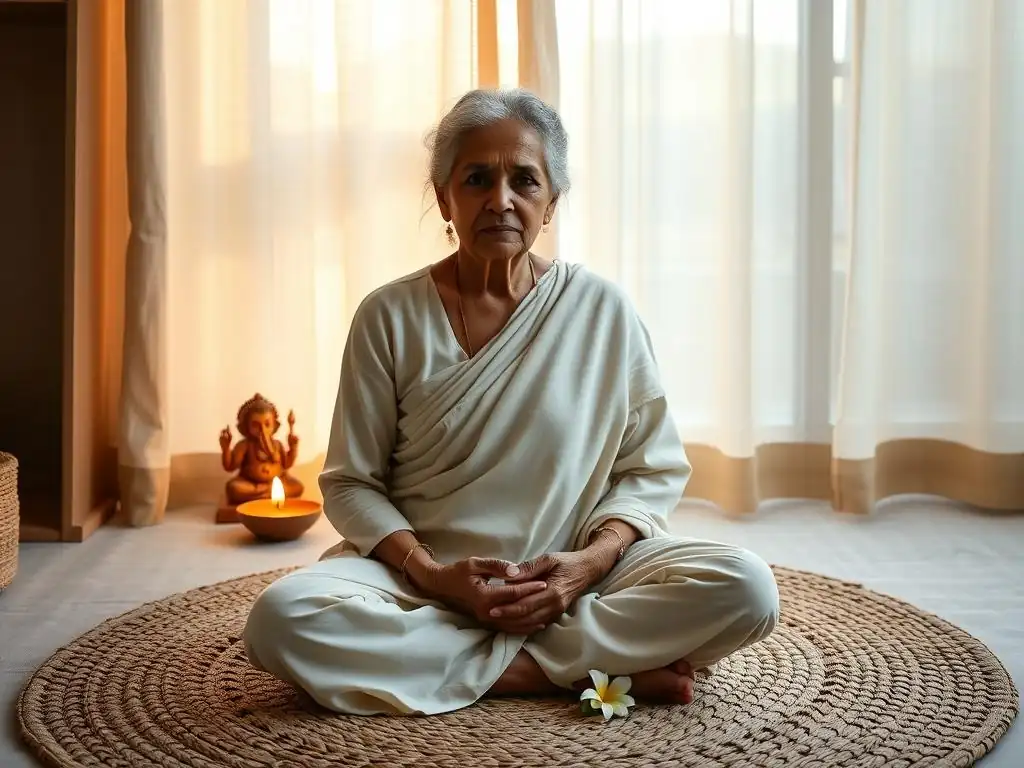
Stigma Surrounding Mental Illness within Hindu Culture
Stigma is a significant barrier to mental health care within Hindu communities, often rooted in cultural beliefs and social pressures. Mental illness is sometimes attributed to supernatural causes (like evil spirits or curses), karmic debt, personal weakness, or moral failing, rather than being understood as a health condition.
This leads to intense shame and secrecy, as families fear social ostracism, difficulty finding suitable marriage partners for their children, or damage to their reputation. A 2018 study involving South Asian communities in the UK, which include a large Hindu population, indicated that fear of stigma was a primary reason for not seeking help for mental health issues, with over 50% of surveyed individuals reporting this as a major concern.
This pervasive stigma means that symptoms are often hidden or dismissed. Individuals may suffer in silence for years, and families may delay seeking help until a crisis point is reached. The term "mental illness" itself carries heavy negative connotations, and families might prefer euphemisms like "stress" or "nervousness." Addressing this stigma requires open dialogue, education within communities about the biological and environmental factors contributing to mental health conditions, and highlighting successful recovery stories to demonstrate that mental illness is treatable and not a source of shame.
Depression in the Hindu Community: Prevalence and Contributing Factors
While precise prevalence data specifically for Hindu populations globally is limited and often aggregated within broader ethnic categories (e.g., South Asian), studies and clinical observations suggest that depression is a significant concern. Contributing factors are often a complex interplay of cultural, social, and personal elements. Acculturative stress experienced by immigrants navigating new societies, intergenerational conflict over values and lifestyles, pressure to succeed academically or professionally, and challenges related to identity can all contribute.
Cultural expectations, such as the pressure to marry within the community, fulfill traditional gender roles, or care for extended family, can also be stressors. Furthermore, the reluctance to discuss feelings openly due to cultural norms around emotional restraint can lead to internalized distress.
Symptoms of depression might be expressed somatically (as physical complaints like headaches or fatigue) rather than overtly as sadness or hopelessness, making them harder to recognize as mental health issues. Estimates from various community health surveys involving South Asian groups in Western countries have indicated rates of depression that are comparable to or higher than the general population, sometimes ranging from 15% to 25% in specific subgroups facing significant stressors.
Anxiety in the Hindu Community: Prevalence and Contributing Factors
Anxiety disorders are also prevalent within Hindu communities, influenced by similar factors contributing to depression. The pressure to maintain family honor and meet high expectations can generate significant performance anxiety and worry. Social anxiety might stem from the fear of judgment or scrutiny within close-knit community structures. Specific cultural anxieties related to marriage prospects, financial stability for the family, or upholding religious duties can be pronounced.
The collectivist nature of many Hindu families, while providing support, can also create anxiety around individual choices that deviate from group norms. Acculturation stress, particularly for young people balancing traditional values with Western influences, is a frequent source of anxiety. As with depression, anxiety symptoms may be expressed physically (e.g., palpitations, digestive issues) or through excessive worry about external circumstances rather than recognized as an internal state of anxiety. Community-based surveys in areas with significant Hindu populations have reported heightened levels of generalized anxiety disorder and panic disorder, often linked to stressors like migration, discrimination, and cultural conflict.
Hindu Mental Health Practices: Traditional Approaches
Yoga and Meditation for Mental Wellness: A Hindu Perspective
Yoga and meditation are ancient Hindu mental health practices widely recognized for their profound impact on mental well-being. Rooted in classical Hindu texts like the Yoga Sutras of Patanjali, these disciplines aim to calm the fluctuations of the mind ( chitta vritti nirodhah), leading to a state of peace and clarity. Hatha Yoga, with its physical postures ( asanas), breathing exercises ( pranayama), and meditation, is practiced globally. Asanas help release physical tension, which is often linked to psychological stress, while pranayama techniques regulate the breath, directly influencing the nervous system and promoting relaxation.
Meditation ( dhyana) practices, such as focused attention or mindfulness, train the mind to observe thoughts without judgment, reducing rumination and reactivity. Regular meditation has been shown in numerous studies to reduce symptoms of anxiety and depression, improve emotional regulation, and increase self-awareness. From a Hindu perspective, these practices are not just therapeutic techniques but steps on a spiritual path towards self-knowledge and union with the divine, providing a holistic approach to mental and spiritual health.
Ayurvedic Principles for Mental and Emotional Balance
Ayurveda, the traditional Hindu system of medicine, offers a comprehensive approach to maintaining mental and emotional balance ( sattva). It views health as a state of equilibrium between the mind, body, and spirit, influenced by the three doshas (Vata, Pitta, Kapha) and the five elements. Mental imbalances are understood as disruptions in these fundamental energies, often aggravated by improper diet, lifestyle, or environmental factors. Ayurvedic treatments for mental well-being focus on restoring this balance through personalized interventions.
These interventions include dietary recommendations tailored to one's dosha type, herbal remedies (such as Brahmi, Ashwagandha, and Tulsi, known for their adaptogenic and calming properties), detoxification procedures ( Panchakarma), and lifestyle adjustments. Practices like daily routines ( Dinacharya) and seasonal routines ( Ritucharya) are emphasized to align the body and mind with natural rhythms, promoting stability.
Specific Ayurvedic therapies like Shirodhara (warm oil poured on the forehead) are used to calm the nervous system and alleviate anxiety and insomnia. This traditional Hindu approach to mental wellness provides a framework for understanding and addressing mental health challenges through natural and holistic methods.
The Power of Prayer and Rituals in Mental Health Management
Prayer ( prarthana) and religious rituals play a vital role as Hindu mental health practices for many individuals. Engaging in daily puja (worship), visiting temples, participating in community prayers, and observing festivals provide structure, comfort, and a sense of connection to a higher power and community. Prayer can serve as a form of emotional release, allowing individuals to express their fears, hopes, and struggles. The act of surrendering worries to a deity can alleviate feelings of being overwhelmed and foster a sense of peace and trust.
Rituals, such as lighting lamps, offering flowers, or chanting mantras, can be grounding and meditative. The repetitive nature of chanting, for example, can calm the mind and reduce anxiety. Participating in religious ceremonies within a community setting provides social support, reduces isolation, and reinforces a sense of belonging. While these practices offer significant psychological benefits and are powerful coping mechanisms, it is important to recognize their role as complementary supports. They can provide comfort and resilience but should not necessarily replace professional mental health care when dealing with clinical conditions.
Seeking Professional Mental Health Support within a Hindu Framework
Bridging the Gap Between Western Psychology and Hindu Beliefs
Bridging the gap between Western psychological approaches and Hindu beliefs is crucial for providing effective and culturally sensitive mental health support. Western psychology often focuses on the individual, cognitive processes, and environmental factors, while Hindu perspectives may incorporate spiritual, karmic, and familial dimensions. Acknowledging and respecting a client's belief system is the first step. Therapists working with Hindu clients can explore how concepts like karma, dharma, and spiritual practices influence their understanding of their difficulties and their coping mechanisms.
Integrating this understanding means not dismissing a client's spiritual beliefs but exploring how they might be a source of strength or, conversely, contributing to distress (e.g., misinterpretations of karma leading to self-blame). Therapists can work with clients to leverage their spiritual resources, such as meditation or prayer, as part of their therapeutic plan, aligning professional guidance with existing Hindu mental health practices. This collaborative approach validates the client's cultural identity and builds trust, making therapy more accessible and effective.
Finding Culturally Sensitive Mental Health Professionals for Hindu Individuals
Finding a culturally sensitive mental health professional is essential for Hindu individuals seeking support. A culturally sensitive therapist understands the specific beliefs, values, and social dynamics prevalent in Hindu communities. They are aware of potential barriers like stigma, family pressures, and communication styles. Such professionals do not necessarily need to be of Hindu background themselves but should have received training in cultural competence and have experience working with diverse populations, including South Asians.
Key qualities include an open-minded attitude, a willingness to learn about the client's specific cultural context (acknowledging the diversity within Hinduism), and the ability to adapt therapeutic approaches to align with cultural values. For instance, understanding the role of the family is critical; a therapist might need to involve family members in therapy, with the client's consent, which is a common practice in some cultural contexts but less so in traditional Western individual therapy.
Resources like ethnic community organizations, cultural centers, and online directories specializing in culturally competent care can help individuals find suitable professionals who respect and understand Hindu mental health practices and perspectives.
Integrating Traditional Hindu Practices with Modern Therapy
Integrating traditional Hindu mental health practices with modern therapy can offer a holistic and effective approach to mental well-being for Hindu individuals. This means combining evidence-based psychological interventions, such as Cognitive Behavioral Therapy (CBT) or psychotherapy, with culturally relevant practices like yoga, meditation, prayer, or consultations with spiritual advisors. For example, a therapist might help a client use mindfulness techniques derived from meditation to manage anxiety, while also supporting their engagement in daily prayer or spiritual reading as a source of comfort and resilience.
This integration should be collaborative, with the client's preferences and beliefs guiding which traditional practices are incorporated. It's not about replacing professional treatment with spiritual practices, but about leveraging these deeply rooted resources as complementary tools for healing and coping. A therapist might encourage a client struggling with negative self-talk to explore concepts of self-compassion found in Hindu philosophy, or suggest gentle yoga asanas to manage physical symptoms of stress. This integrated approach acknowledges the client's full identity – encompassing their psychological, social, and spiritual dimensions – leading to more comprehensive care.
Supporting Mental Health in Hindu Families: A Guide for Caregivers

Recognizing Signs of Mental Health Struggles in Loved Ones
Recognizing signs of mental health struggles in loved ones within Hindu families can be challenging due to cultural norms around stoicism and the somatic expression of distress. Caregivers should look beyond obvious signs of sadness or withdrawal and be attentive to subtle changes in behavior, mood, and physical health. Persistent fatigue, changes in sleep or appetite, unexplained physical complaints (headaches, digestive issues), irritability, restlessness, difficulty concentrating, loss of interest in activities they once enjoyed (including religious or social events), or increased use of substances could all be indicators.
It's also important to pay attention to changes in how a person expresses their beliefs or fulfills their duties ( dharma). A sudden loss of interest in prayer or rituals, or conversely, an excessive or obsessive focus on religious practices, might signal distress. Caregivers should trust their intuition if they feel something is "off," even if the person denies having a problem. Being informed about common symptoms of conditions like depression and anxiety, while understanding they may manifest differently across individuals and cultures, is key.
Encouraging Open Communication and Reducing Stigma
Encouraging open communication about feelings and mental health within Hindu families is vital for reducing stigma and fostering a supportive environment. This starts with caregivers modeling open communication themselves, sharing their own experiences with stress or difficulty in a healthy way (appropriately for their role). Creating a safe space where family members feel heard and validated, without judgment or immediate problem-solving, is crucial. Simple acts like actively listening and expressing empathy can make a significant difference.
Caregivers can gently introduce conversations about mental well-being, perhaps by discussing articles or media about mental health in a neutral way. Educating the family about mental health conditions as treatable illnesses, rather than character flaws or spiritual failings, helps demystify them. Sharing accurate information counters myths and superstitions. Using language that is sensitive and non-stigmatizing is also important. Instead of saying "he is crazy," one might say "he is going through a difficult time with his thoughts." Patience and persistence are needed, as changing deeply ingrained cultural attitudes takes time.
Addressing Concerns About "Log Kya Kahenge" (What Will People Say?)
The fear of "Log Kya Kahenge" (What will people say?) is a powerful cultural barrier to seeking help for mental health issues in Hindu communities. Caregivers need to address this concern directly and empathetically. Acknowledge the validity of the fear of social judgment, but gently challenge its power. Frame seeking help not as a source of shame, but as an act of courage and self-care, similar to seeking treatment for a physical illness. Emphasize that the well-being of the individual and the family unit is paramount.
Focus on the benefits of getting help – improved health, better relationships, and the ability to live a fulfilling life – as opposed to the potential (and often exaggerated) negative reactions from others. Highlight that confidential professional help exists and that the family can choose who they share information with. Educate family members about the fact that many families face similar challenges and that seeking help is becoming increasingly common and accepted. Sometimes, connecting with other families who have successfully navigated mental health challenges can provide reassurance and reduce the perceived risk of negative social consequences.
Resources for Hindu Mental Health Support
Organizations Providing Culturally Relevant Mental Health Services
Several organizations are dedicated to providing culturally relevant mental health services that understand and respect Hindu mental health practices and beliefs. These organizations often have staff who are bilingual, bicultural, or have specific training in working with South Asian communities. They may offer counseling services that integrate cultural considerations, support groups tailored to community needs, and educational programs to reduce stigma.
Examples, though specific availability varies by region, might include local chapters of national mental health organizations that have cultural competency programs, non-profit organizations founded by or serving the South Asian diaspora, or faith-based mental health initiatives linked to Hindu temples or community centers. These resources often provide a safer and more familiar environment for individuals and families who might feel apprehensive about accessing mainstream mental health services.
Online Resources and Support Groups for Hindu Individuals and Families
The internet offers a growing number of online resources and support groups that cater to the mental health needs of Hindu individuals and families. These platforms provide accessible information, forums for sharing experiences, and virtual support networks. Online communities can be particularly valuable for individuals who face geographical barriers to accessing culturally sensitive services or who prefer the anonymity that online interaction offers, especially when dealing with stigma.
Many websites offer articles and guides that discuss mental health issues through a lens that incorporates Hindu cultural and spiritual perspectives. Online support groups, often facilitated by mental health professionals or peers, allow individuals to connect with others who share similar backgrounds and challenges. These resources can provide validation, practical coping strategies, and a sense of community, complementing traditional Hindu mental health practices and professional care.
Books and Articles on Hindu Philosophy and Mental Wellbeing
A wealth of literature explores the intersection of Hindu philosophy and mental wellbeing. Books and articles by scholars, spiritual teachers, and mental health professionals delve into how concepts like the nature of the mind, the pursuit of happiness, the understanding of suffering, and the practice of yoga and meditation are relevant to psychological health. Reading these materials can provide valuable insights for both individuals seeking to understand their own experiences and for practitioners looking to deepen their cultural competency.
Texts discussing the Bhagavad Gita's teachings on managing the mind and emotions, the Yoga Sutras' guidance on controlling mental fluctuations, or Ayurvedic perspectives on achieving inner balance offer frameworks for understanding mental wellness from a traditional Hindu viewpoint. These resources can empower individuals by connecting them to their heritage and providing time-tested wisdom that complements modern psychological understanding and supports effective Hindu mental health practices.
The Future of Hindu Mental Health: Promoting Understanding and Acceptance
Advocating for Culturally Competent Mental Healthcare
Advocating for culturally competent mental healthcare is crucial for improving mental health outcomes in Hindu communities. This involves pushing for mental health professionals to receive adequate training on cultural sensitivity, including understanding specific cultural beliefs, family dynamics, and the impact of migration and acculturation on mental health within diverse populations, including Hindus. It also means increasing the representation of Hindu and South Asian mental health professionals who can offer care with inherent cultural understanding.
Advocacy efforts should target healthcare institutions, educational programs, and policymakers to ensure that mental health services are accessible, acceptable, and effective for Hindu individuals. This includes developing culturally adapted therapeutic materials and assessment tools, as well that integrate traditional Hindu mental health practices. It also involves ensuring that language barriers are addressed and that services are provided in settings that feel safe and welcoming.
Fostering Dialogue and Education within Hindu Communities
Fostering open dialogue and education within Hindu communities is perhaps the most powerful way to combat stigma and promote mental well-being. This can be achieved through community-based initiatives, workshops, and events organized by temples, community centers, and cultural organizations. These platforms can provide accurate information about mental health, share personal stories of recovery (where appropriate and safe), and discuss the interplay between cultural beliefs and mental health in a non-judgmental space.
Educating community leaders, including priests and elders, is also vital, as they are often trusted sources of guidance. Equipping them with basic mental health literacy can help them recognize signs of distress and appropriately refer individuals to professional help, while also endorsing the importance of seeking such help. Promoting discussions among youth can help normalize conversations about mental health from an early age, reducing future stigma. These efforts support the effective utilization of both modern and traditional Hindu mental health practices.
Breaking Down Barriers to Mental Health Treatment
Breaking down barriers to mental health treatment for Hindu individuals requires a multi-pronged approach addressing financial, logistical, cultural, and attitudinal obstacles. Increasing the affordability and accessibility of culturally competent services is key. This might involve advocating for better insurance coverage, funding for community-based clinics, and expanding tele-mental health options that can reach individuals in remote areas or those with mobility issues.
Culturally, challenging the narrative that mental illness is a weakness or a source of shame is paramount. Public awareness campaigns within the community, using relatable examples and testimonials, can help shift perceptions. Highlighting the strengths derived from Hindu culture, such as resilience, community support, and the potential benefits of traditional Hindu mental health practices, can empower individuals to seek help. Ultimately, creating an environment where seeking support is seen as a sign of strength, not weakness, is essential for improving mental health outcomes.
Disclaimer: This article provides general information and is not a substitute for professional medical advice. If you or someone you know is experiencing mental health difficulties, please seek help from a qualified mental health professional.
Frequently Asked Questions
What are some common misconceptions about mental health within Hindu communities?
Many mistakenly believe mental illness is solely due to karma or divine punishment, neglecting the biological and environmental factors. This can lead to delaying professional help and relying solely on spiritual remedies.
How do traditional Hindu practices contribute to mental well-being?
Practices like yoga, meditation, and chanting are believed to promote inner peace and stress reduction. These practices aim to achieve mind-body harmony which is vital for mental wellness.
What role does family and community support play in addressing mental health challenges in Hindu families?
Family and community provide a crucial support system, offering understanding and acceptance. However, stigma surrounding mental illness can sometimes hinder open communication and access to care.
How can mental health professionals better serve Hindu clients?
Professionals should demonstrate cultural sensitivity, understanding Hindu beliefs and values. Integrating spiritual practices into treatment plans, when appropriate, can improve outcomes.
What are some resources available for Hindus seeking mental health support?
Besides traditional healers and spiritual leaders, organizations like the Hindu American Foundation may offer culturally informed resources. Seeking therapists familiar with Hindu philosophy is also beneficial.
Final Reflection: Bridging the Gap Between Tradition and Wellbeing
The stigma surrounding mental health within Hindu communities remains a significant barrier to accessing vital support, yet the rich tapestry of traditional practices offers untapped potential for holistic healing. This disconnect between cultural beliefs and modern mental healthcare necessitates a nuanced understanding and a collaborative approach to bridge this gap and foster a more supportive environment for individuals struggling with their mental wellbeing.
The exploration of traditional Hindu practices, from yoga and meditation to the power of devotional chanting and community support, reveals a profound interconnectedness between mind, body, and spirit often overlooked in Westernized approaches to mental health. These practices, passed down through generations, offer valuable tools for self-care and resilience. The mind is everything. What you think you become.
– Buddha. While not strictly Hindu, this quote encapsulates the core principle of the mind's power, a concept deeply ingrained in Hindu philosophy and a crucial element in addressing mental health challenges.
Consider the insights shared within this article. Reflect on how the intersection of traditional Hindu beliefs and modern mental healthcare can inform your own approach to wellbeing. Are there practices you can incorporate into your life to cultivate inner peace and resilience? Let this exploration serve as a catalyst for open dialogue, fostering understanding and empathy within your own community and beyond. Let's work together to create a future where seeking help for mental health is not a source of shame, but a path towards wholeness and flourishing.
Unveil Your Inner Strength: Cultivating Mental Wellbeing
Thanks for exploring the intersection of Hindu culture and mental health with us! We hope this article provided valuable insights into the rich traditions and practices that support inner peace and resilience. Now it's time to put these insights into action.
- Prioritize a mindful practice: Even 5 minutes of daily meditation or yoga can significantly impact your mental clarity and emotional well-being. This could be as simple as focusing on your breath or practicing a short guided meditation.
- Connect with your community: Share this article with family and friends, sparking conversations about mental health within your cultural context. Let's break down the stigma together!
- Explore ancient wisdom: Research traditional Hindu practices like chanting or spending time in nature – elements that can deeply nurture your mental and spiritual health.
Ready to embark on your journey to a more balanced and fulfilling life? What small step will you take today to nurture your inner strength?