
Mental Health in the Middle Eastern and North African (MENA) Community: Cultural Perspectives


Welcome to Mind Care Guide.
We understand the unique challenges life can present, especially when navigating mental well-being within diverse cultural contexts. Are you seeking understanding and support tailored for the Middle Eastern and North African (MENA) community? This guide offers a compassionate lens into mental health from a cultural perspective, and critically, provides access to vital MENA mental health support resources. Let's begin a journey of self-discovery and access the support you deserve.
Mental Health in the Middle Eastern and North African (MENA) Community: Cultural Perspectives
- Understanding Mental Health in the MENA Region: An Introduction
- Cultural Stigma and Barriers to Mental Health Support in MENA
- Cultural Beliefs and Mental Health: A MENA Perspective
- Common Mental Health Challenges Faced by the MENA Community
- Culturally Sensitive Mental Health Approaches for the MENA Community
- Common Mental Health Challenges Faced by the MENA Community
- Culturally Sensitive Mental Health Approaches for the MENA Community
- MENA Mental Health Support Resources: Finding Help and Building Resilience
- Supporting MENA Youth: Addressing Mental Health in Younger Generations
- Breaking Down Barriers: Advocating for Improved Mental Health Services in the MENA Community
- Conclusion: Fostering Mental Wellness in the MENA Community Through Understanding and Support
-
Frequently Asked Questions
- What are some unique cultural factors that influence mental health in the MENA region?
- Where can I find MENA mental health support resources tailored to specific languages?
- How can I overcome the stigma associated with seeking mental health support in the MENA community?
- What are some common mental health challenges faced by individuals in the MENA region?
- How can I find a mental health professional who understands MENA cultural values?
- Final Reflection: Reclaiming Narrative, Redefining Support in the MENA Region
- Unlock Your Understanding: Embrace a More Inclusive Approach to Mental Wellness
Understanding Mental Health in the MENA Region: An Introduction
The Unique Landscape of MENA Mental Wellbeing
The landscape of mental wellbeing within the Middle Eastern and North African (MENA) community is deeply intertwined with unique cultural, social, and historical factors. This region, diverse in its ethnic and national compositions, shares common threads related to family structures, religious beliefs, and societal norms that profoundly impact how mental health is perceived, experienced, and addressed.
Unlike Western contexts, discussions around mental health in many MENA countries and diaspora communities often occur within a framework of shame, secrecy, and strong reliance on family support systems rather than professional help. This creates a complex environment where the need for mental health services is significant, yet access and willingness to seek help are often constrained by cultural barriers.
Understanding this unique landscape is crucial for providing effective mental health support resources. For instance, while global data suggests that around 10-15% of populations experience some form of mental health disorder annually, specific studies within the MENA region indicate varying prevalence rates depending on the country and context, often exacerbated by conflict, displacement, and socioeconomic stress.
Research from countries like Lebanon or Iraq, for example, highlights significantly higher rates of anxiety and depression linked to conflict exposure. Recognizing these region-specific pressures and the inherent cultural lens through which mental health is viewed is the first step towards developing relevant and accessible MENA mental health support resources.
Cultural Factors Influencing Mental Health in MENA Communities
Several powerful cultural factors significantly influence mental health experiences and help-seeking behaviors within MENA communities. One prominent factor is the emphasis on collectivism, where the family unit and community often take precedence over individual needs.
This can be both a source of strength, providing a robust support network, and a source of stress, as individuals may feel pressure to conform to family expectations, sometimes at the expense of their own emotional wellbeing. The concept of "shame" or 'عيب' (ayb) is also deeply ingrained, often attaching stigma not only to the individual experiencing a mental health issue but also to their entire family, leading to concealment and avoidance of seeking external help.
Furthermore, traditional gender roles play a significant role. Women may face unique pressures related to societal expectations, marriage, and family honor, which can impact their mental health. Men, on the other hand, may feel compelled to embody strength and resilience, making it difficult to express vulnerability or admit to struggling with mental health issues.
Religious interpretations, while often a source of comfort and coping, can sometimes pathologize mental illness, viewing it through a lens of spiritual weakness or external forces rather than a medical condition requiring professional intervention. Navigating these intricate cultural dynamics is essential when considering and developing MENA mental health support resources that are truly effective and respectful.
Cultural Stigma and Barriers to Mental Health Support in MENA
Addressing Stigma Surrounding Mental Illness in MENA Cultures
The stigma surrounding mental illness is perhaps the most significant hurdle to overcome in improving mental health outcomes within MENA communities. This stigma is multifaceted, stemming from cultural beliefs, lack of awareness, and historical perceptions. It manifests as social avoidance, discrimination, and the internalization of negative stereotypes by individuals experiencing mental health challenges.
Families may hide a relative's condition to protect their reputation, leading to delayed or absent treatment. This pervasive shame means that even when individuals recognize they need help, the fear of judgment from family, friends, and the wider community can prevent them from reaching out to mental health professionals.
Efforts to address this deeply rooted stigma require culturally sensitive approaches. Public awareness campaigns, for instance, must be designed with an understanding of cultural nuances, potentially leveraging trusted community figures like religious leaders or respected elders to disseminate information. Personal stories shared by individuals who have successfully navigated mental health challenges can be powerful, but they must be presented in a way that respects privacy and cultural sensitivities.
Focusing on mental wellbeing as part of overall health, rather than solely on illness, can also help destigmatize the conversation. Building trust within communities and providing discreet, accessible MENA mental health support resources are key strategies.
Barriers to Accessing Mental Healthcare for MENA Individuals
Beyond cultural stigma, MENA individuals face numerous practical barriers in accessing mental healthcare. Economic constraints are significant; mental health services, where available, are often expensive and not widely covered by health insurance, especially in countries with limited public health budgets. Geographic accessibility is another challenge, particularly in rural areas where mental health professionals and facilities are scarce. Even in urban centers, the number of trained psychiatrists, psychologists, and social workers per capita is often much lower than in Western countries.
Furthermore, language barriers and a lack of culturally competent practitioners pose significant challenges for MENA individuals living in diaspora communities. Finding a therapist who understands their cultural background, speaks their language (such as Arabic, Berber, Kurdish, etc. ), and is sensitive to their specific experiences (like migration, acculturation stress, or trauma) can be extremely difficult. This lack of culturally informed care can lead to misdiagnosis, ineffective treatment, and a feeling of being misunderstood by the healthcare system. Developing accessible, affordable, and culturally competent MENA mental health support resources is therefore paramount.
Cultural Beliefs and Mental Health: A MENA Perspective
The Role of Religion and Spirituality in MENA Mental Health
Religion and spirituality, particularly Islam, play a profound and complex role in the mental health of individuals within the MENA community. For many, faith is a primary source of coping, resilience, and meaning. Prayer, reading religious texts (like the Quran), seeking guidance from religious leaders, and belief in divine providence can offer comfort during times of distress and provide a framework for understanding suffering.
Religious communities often serve as important social support networks, offering practical and emotional assistance. In some cases, traditional healing practices rooted in religious beliefs, such as seeking blessings or performing specific rituals, are the first line of response to mental or emotional distress before professional help is considered.
However, the intersection of religion and mental health is not without its challenges. Misinterpretations of religious texts can sometimes lead to the belief that mental illness is a punishment for sin, a sign of weak faith, or caused by spiritual possession (Jinn).
This can exacerbate stigma and discourage individuals from seeking professional, evidence-based treatment, leading them instead to rely solely on religious or traditional healers who may not be equipped to address complex psychological conditions. Integrating mental health education within religious institutions and training religious leaders to recognize signs of mental illness and refer individuals to appropriate professional MENA mental health support resources is a critical step.
Family Dynamics and their Impact on Mental Wellbeing in MENA Communities
Family dynamics are central to the lives of individuals in MENA communities and exert a significant influence on mental wellbeing. The strong emphasis on family cohesion, interdependency, and respect for elders provides a robust support system that can buffer against stress and loneliness. Family members often share living spaces, financial resources, and responsibilities, creating a sense of collective strength. This close-knit structure means that family members are often the first to notice signs of distress and provide support, albeit sometimes through traditional, non-professional means.
Conversely, intense family scrutiny, pressure to conform to family expectations (regarding marriage, career, etc. ), and unresolved family conflicts can be significant sources of stress and contribute to mental health issues. The collective nature of the family means that an individual's struggles can be seen as reflecting on the entire family unit, increasing pressure to hide difficulties.
Decisions about seeking mental health treatment are often made collectively by the family, rather than solely by the individual, which can delay or prevent access to care, especially if the family holds stigmatizing views. Navigating these complex family dynamics is essential for mental health professionals and requires involving families in the therapeutic process where appropriate and culturally acceptable, while also providing individuals with confidential MENA mental health support resources.
Common Mental Health Challenges Faced by the MENA Community
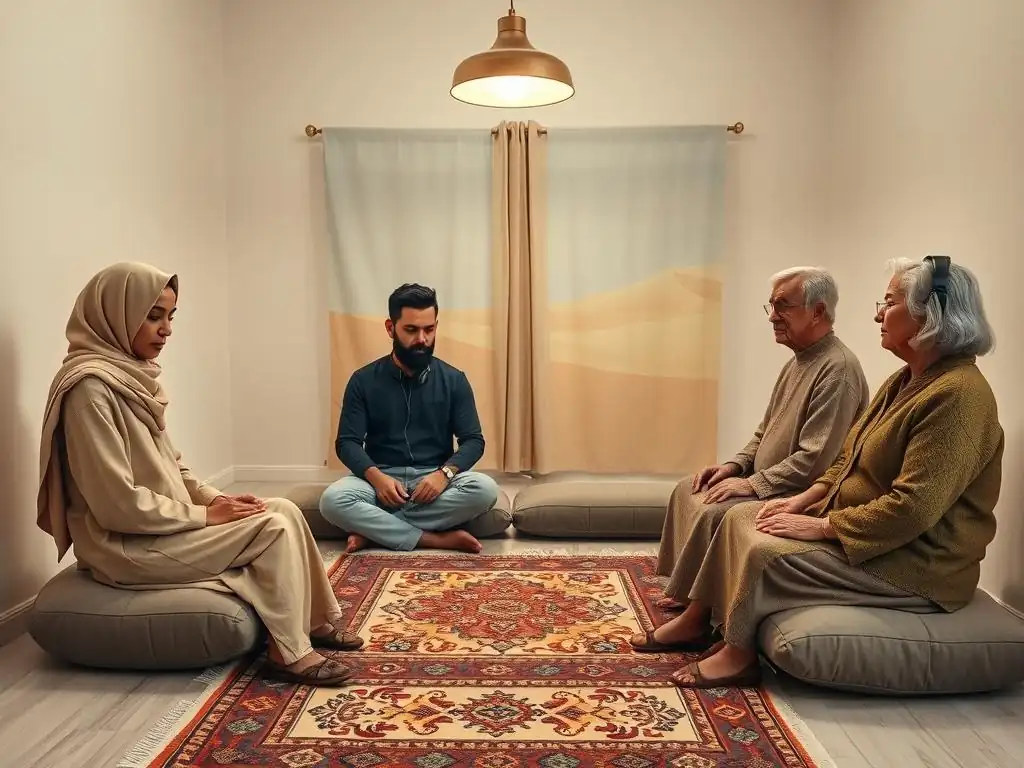
Anxiety and Depression in the MENA Region: Prevalence and Contributing Factors
Anxiety and depression are among the most commonly reported mental health conditions globally, and the MENA region is no exception. While precise, region-wide prevalence data is challenging to gather consistently, studies indicate that rates of anxiety and depression are often comparable to or higher than global averages, particularly in areas affected by conflict or significant socioeconomic challenges.
For instance, surveys in conflict-affected countries like Syria or Yemen have shown alarmingly high rates of depressive and anxious symptoms among the population. Factors contributing to these rates include exposure to trauma, political instability, economic hardship, unemployment, and social stressors such as discrimination or family pressure.
The way anxiety and depression are experienced and expressed can also differ culturally. Instead of explicitly reporting feelings of sadness or worry, individuals might present with somatic symptoms like headaches, fatigue, or digestive issues, which are more culturally acceptable ways of expressing distress. This somatic presentation can sometimes lead to misdiagnosis or delayed recognition of the underlying mental health condition. Understanding these cultural variations in symptom presentation is vital for effective diagnosis and for providing appropriate MENA mental health support resources.
Trauma and PTSD Among MENA Refugees and Immigrants
Trauma and Post-Traumatic Stress Disorder (PTSD) are particularly prevalent mental health challenges among MENA refugees and immigrants. Many individuals from the region have experienced significant traumatic events, including war, political persecution, displacement, loss of loved ones, and dangerous journeys seeking refuge. These experiences can have profound and lasting impacts on mental health, leading to symptoms such as flashbacks, nightmares, hypervigilance, avoidance behaviors, and emotional numbness. The stress of resettlement, including challenges with acculturation, discrimination, language barriers, and economic instability, can further exacerbate trauma-related symptoms.
Studies among Syrian refugees, for example, have documented high rates of PTSD and complex trauma. Providing effective trauma-informed care requires specialized expertise and a deep understanding of the specific traumatic experiences faced by individuals from the region. Furthermore, the collective trauma experienced by entire communities can impact family dynamics and social support systems. Culturally sensitive interventions that acknowledge the impact of historical and ongoing trauma, potentially incorporating traditional healing practices alongside evidence-based therapies, are crucial components of MENA mental health support resources for this population.
For MENA individuals living outside their countries of origin, particularly in Western societies, navigating acculturation and identity can pose significant mental health challenges. Acculturation stress arises from the process of adapting to a new culture, which can involve language difficulties, navigating different social norms, facing discrimination, and feeling a sense of displacement or not fully belonging to either their heritage culture or the host culture. Young people, in particular, may struggle with balancing the expectations of their traditional families with the values and norms of the wider society, leading to identity confusion and intergenerational conflict.
This struggle with identity and belonging can contribute to increased rates of depression, anxiety, and sometimes substance use among diaspora communities. The pressure to succeed in a new environment while maintaining cultural ties can be immense. Furthermore, experiencing discrimination or prejudice based on their ethnicity, religion, or origin can significantly impact self-esteem and mental wellbeing. Providing culturally relevant counseling that addresses issues of identity, belonging, and navigating cultural differences is a key aspect of offering effective MENA mental health support resources for individuals in the diaspora.
Culturally Sensitive Mental Health Approaches for the MENA Community
The Importance of Cultural Competency in Mental Healthcare for MENA Individuals
Cultural competency is not merely an advantage but a necessity when providing mental healthcare to individuals from the MENA community. It involves understanding and respecting the cultural beliefs, values, practices, and linguistic needs of clients from diverse MENA backgrounds. A culturally competent practitioner is aware of the potential impact of factors such as family structure, religious beliefs, concepts of shame and honor, and experiences of migration or trauma on a client's mental health presentation and help-seeking behavior. Without this understanding, there is a significant risk of misdiagnosis, ineffective treatment, and alienating the client.
For example, a therapist who is unaware of the cultural norms around discussing personal problems outside the family might misinterpret a client's reluctance to disclose sensitive information as resistance, rather than a culturally ingrained behavior. Similarly, a lack of understanding of the role of faith can lead to overlooking a crucial coping mechanism or source of support for the client. Training mental health professionals in cultural competency specific to MENA populations, including language skills where possible, is essential to build trust and provide effective MENA mental health support resources.
Adapting Therapeutic Techniques to Respect MENA Cultural Values
Adapting standard therapeutic techniques to align with MENA cultural values can significantly enhance their effectiveness. Traditional Western therapeutic models, which often emphasize individualism, self-disclosure, and direct communication, may need modification. For instance, family-based therapy approaches might be more culturally appropriate and effective than individual therapy in many cases, given the central role of the family unit. Therapists might need to be more directive initially, respecting hierarchical communication patterns, before fostering a more collaborative relationship.
Furthermore, incorporating discussions about spirituality and religious coping mechanisms into therapy can be beneficial for clients who find strength in their faith. Using metaphors or storytelling, which are common in MENA cultures, can sometimes be a more accessible way to explore complex emotional issues than direct questioning.
Group therapy formats might also be adapted to be more structured or involve same-gender groups to align with cultural norms. The goal is not to abandon evidence-based practices but to deliver them in a manner that is respectful, relatable, and effective within the specific cultural context, thereby improving the accessibility and impact of MENA mental health support resources.
Integrating Traditional Healing Practices with Modern Mental Healthcare
Integrating traditional healing practices with modern mental healthcare is a promising approach to providing culturally sensitive care to MENA individuals. Many people in the region first turn to traditional healers, religious figures, or family elders when experiencing distress. Dismissing these practices outright can alienate individuals and prevent them from accessing professional help. Instead, understanding the role and function of these traditional methods allows for a more collaborative and integrated approach.
This integration could involve mental health professionals working alongside or consulting with traditional healers or religious leaders (with the client's consent) to ensure a holistic approach to care. It might also involve incorporating culturally relevant coping strategies derived from traditional practices, such as specific forms of prayer, meditation, or community rituals, into a therapeutic plan.
Bridging the gap between traditional beliefs and modern medical understanding can help reduce stigma, build trust, and make professional mental health services more acceptable and accessible. This integrated model could significantly enhance the range and effectiveness of MENA mental health support resources available to the community.
Common Mental Health Challenges Faced by the MENA Community
Anxiety and Depression in the MENA Region: Prevalence and Contributing Factors
Anxiety and depression are among the most commonly reported mental health conditions globally, and the MENA region is no exception. While precise, region-wide prevalence data is challenging to gather consistently due to data limitations and cultural barriers to reporting, studies indicate that rates of anxiety and depression are often comparable to or higher than global averages, particularly in areas affected by conflict or significant socioeconomic challenges. For instance, a 2019 World Health Organization (WHO) report highlighted that mental health conditions, including depression and anxiety disorders, account for a substantial portion of the disease burden in the Eastern Mediterranean Region, which includes most MENA countries.
Prevalence estimates for depression can range from roughly 10% to over 20% in conflict-affected populations, significantly exceeding rates in more stable regions. Factors contributing to these rates include exposure to trauma, political instability, economic hardship, unemployment, and social stressors such as discrimination or family pressure.
The way anxiety and depression are experienced and expressed can also differ culturally. Instead of explicitly reporting feelings of sadness or worry, individuals might present with somatic symptoms like headaches, fatigue, back pain, or digestive issues, which are often more culturally acceptable ways of expressing distress without the stigma associated with mental illness.
This somatic presentation can sometimes lead to misdiagnosis or delayed recognition of the underlying mental health condition by healthcare providers who are not trained in cultural sensitivity. Understanding these cultural variations in symptom presentation is vital for effective diagnosis and for providing appropriate MENA mental health support resources that address the underlying psychological issues.
Trauma and PTSD Among MENA Refugees and Immigrants
Trauma and Post-Traumatic Stress Disorder (PTSD) are particularly prevalent mental health challenges among MENA refugees and immigrants. Many individuals from the region have experienced significant traumatic events, including war, political persecution, torture, forced displacement, loss of loved ones, and dangerous journeys seeking refuge.
These experiences can have profound and lasting impacts on mental health, leading to symptoms such as intrusive thoughts, flashbacks, nightmares, hypervigilance, avoidance behaviors, and emotional numbness. The stress of resettlement in a new country, including challenges with acculturation, facing discrimination, language barriers, economic instability, and navigating complex asylum processes, can further exacerbate trauma-related symptoms and contribute to complex trauma presentations.
Studies among Syrian refugees living in neighboring countries and Europe, for example, have documented alarmingly high rates of PTSD, often estimated between 30% and 50%, significantly higher than rates typically seen in non-refugee populations. Providing effective trauma-informed care requires specialized expertise and a deep understanding of the specific traumatic experiences faced by individuals from the region, delivered in a way that is culturally sensitive and builds trust.
Furthermore, the collective trauma experienced by entire communities due to prolonged conflict can impact family dynamics and social support systems, creating intergenerational effects. Culturally sensitive interventions that acknowledge the impact of historical and ongoing trauma, potentially incorporating traditional healing practices alongside evidence-based therapies like Trauma-Focused Cognitive Behavioral Therapy (TF-CBT) or Eye Movement Desensitization and Reprocessing (EMDR) adapted for cultural context, are crucial components of MENA mental health support resources for this population.
For MENA individuals living outside their countries of origin, particularly in Western societies, navigating acculturation and identity can pose significant mental health challenges. Acculturation stress arises from the process of adapting to a new culture, which can involve language difficulties, navigating different social norms, facing discrimination, and feeling a sense of displacement or not fully belonging to either their heritage culture or the host culture.
This is particularly true for second-generation youth who may feel caught between the traditional expectations of their immigrant parents and the values of the society they are growing up in, leading to identity confusion and intergenerational conflict.
This struggle with identity and belonging can contribute to increased rates of depression, anxiety, and sometimes substance use or behavioral issues among diaspora communities. For instance, research among Arab American youth has highlighted the unique stressors related to negotiating cultural identity, dealing with stereotypes, and the pressure to succeed academically while maintaining strong family ties. The pressure to succeed in a new environment while maintaining cultural ties can be immense.
Furthermore, experiencing discrimination or prejudice based on their ethnicity, religion, or origin, especially in the wake of geopolitical events, can significantly impact self-esteem and mental wellbeing. Providing culturally relevant counseling that addresses issues of identity formation, navigating cultural differences, building resilience against discrimination, and facilitating healthy family communication is a key aspect of offering effective MENA mental health support resources for individuals in the diaspora.
Culturally Sensitive Mental Health Approaches for the MENA Community
The Importance of Cultural Competency in Mental Healthcare for MENA Individuals
Cultural competency is not merely an advantage but a necessity when providing mental healthcare to individuals from the MENA community. It involves understanding and respecting the cultural beliefs, values, practices, and linguistic needs of clients from diverse MENA backgrounds. A culturally competent practitioner is aware of the potential impact of factors such as family structure, religious beliefs, concepts of shame and honor, experiences of migration or trauma, and varying expressions of distress on a client's mental health presentation and help-seeking behavior.
This includes understanding that direct eye contact might be considered disrespectful in certain contexts, that discussing personal problems outside the family is often taboo, or that somatic complaints might be a primary way of expressing psychological pain. Without this understanding, there is a significant risk of misdiagnosis, ineffective treatment, and alienating the client, potentially reinforcing their reluctance to seek help in the future.
For example, a therapist who is unaware of the cultural norms around discussing personal problems outside the family might misinterpret a client's reluctance to disclose sensitive information as resistance, rather than a culturally ingrained behavior aimed at protecting family privacy or honor. Similarly, a lack of understanding of the central role of faith for many MENA individuals can lead to overlooking a crucial coping mechanism or source of support for the client, or even pathologizing religious beliefs.
Training mental health professionals in cultural competency specific to MENA populations, including providing access to language services where needed and education on the historical and sociopolitical contexts of the region, is essential to build trust, establish rapport, and provide effective MENA mental health support resources that are truly helpful and respectful.
Adapting Therapeutic Techniques to Respect MENA Cultural Values
Adapting standard therapeutic techniques to align with MENA cultural values can significantly enhance their effectiveness and acceptability. Traditional Western therapeutic models, which often emphasize individualism, extensive self-disclosure, and direct, confrontational communication, may not resonate with individuals from more collectivist cultures where indirect communication and group harmony are valued.
For instance, family-based therapy approaches might be more culturally appropriate and effective than individual therapy in many cases, given the central role of the family unit in decision-making and support. Therapists might need to adopt a more structured or psychoeducational approach initially, respecting hierarchical communication patterns and building trust gradually, before fostering a more collaborative or exploratory dynamic.
Furthermore, incorporating discussions about spirituality, religious coping mechanisms, and the role of the community into therapy can be beneficial for clients who find strength and meaning in their faith and social networks. Using metaphors, storytelling, or proverbs, which are common in MENA cultures, can sometimes be a more accessible and less threatening way to explore complex emotional issues than direct questioning or abstract concepts.
Group therapy formats might also be adapted to be more structured, focus on shared experiences like migration or cultural adjustment, or involve same-gender groups to align with cultural norms around mixed-gender interactions. The goal is not to abandon evidence-based practices but to deliver them in a manner that is respectful, relatable, and effective within the specific cultural context, thereby improving the accessibility and impact of MENA mental health support resources.
Integrating Traditional Healing Practices with Modern Mental Healthcare
Integrating traditional healing practices with modern mental healthcare is a promising approach to providing culturally sensitive care to MENA individuals. Many people in the region first turn to traditional healers, religious figures, or family elders when experiencing distress, viewing their issues through a lens that may include spiritual, social, or physical imbalances alongside psychological ones.
Dismissing these practices outright can alienate individuals and prevent them from accessing professional help, reinforcing the idea that Western medicine does not understand their experience. Instead, understanding the role and function of these traditional methods allows for a more collaborative and integrated approach that respects the client's belief system.
This integration could involve mental health professionals working alongside or consulting with trusted traditional healers or religious leaders (with the client's informed consent) to ensure a holistic approach to care. This collaboration can help bridge the gap between different understandings of distress and facilitate referrals to professional services when necessary.
It might also involve incorporating culturally relevant coping strategies derived from traditional practices, such as specific forms of prayer, recitation of religious texts, community-based support rituals, or dietary practices, into a therapeutic plan. By acknowledging and respecting the role of traditional healing, mental health services can become more approachable and trustworthy, ultimately making professional MENA mental health support resources more acceptable and accessible to those who need them.
MENA Mental Health Support Resources: Finding Help and Building Resilience
Identifying and Accessing MENA-Specific Mental Health Services
Identifying and accessing appropriate MENA mental health support resources can be a significant challenge, but specialized services are increasingly becoming available, particularly in areas with large MENA diaspora populations or within the region itself through dedicated NGOs and government initiatives. These services often employ staff who are culturally competent, speak relevant languages (such as Arabic, Berber, Kurdish, etc.
), and understand the unique stressors faced by individuals from the region, including experiences of war, displacement, acculturation, and discrimination. Finding these services typically requires specific knowledge of local community organizations, ethnic-specific health centers, or mental health clinics that have made a concerted effort to train their staff in cultural sensitivity towards MENA populations.
Accessing these services can still be difficult due to factors like limited availability, long waiting lists, geographical distance, cost, and the need for transportation. Furthermore, navigating complex healthcare systems in host countries can be a barrier for immigrants and refugees who may not be familiar with the procedures or their rights. Information about available MENA mental health support resources needs to be disseminated through trusted community channels, such as mosques, community centers, ethnic grocery stores, and word-of-mouth within families, rather than solely relying on mainstream healthcare directories.
Community-Based Mental Health Initiatives for the MENA Region
Community-based mental health initiatives play a crucial role in providing accessible and culturally relevant support within the MENA region and its diaspora. These initiatives often originate from within the community itself, leveraging existing social networks, religious institutions, and community leaders to promote mental wellbeing and offer support. Examples include peer support groups facilitated by trained community members, workshops on stress management and coping skills delivered in local languages, and outreach programs that visit homes or community gathering places to provide information and support.
These initiatives are particularly effective because they reduce barriers related to stigma and trust. People are often more comfortable seeking help from individuals they know and trust within their own community than from formal, external institutions. Community-based programs can also tailor their services to the specific needs and cultural contexts of different MENA subgroups.
For instance, a program for Syrian refugees might focus heavily on trauma and loss, while a program for first-generation immigrants might address acculturation stress and intergenerational conflict. Scaling up and supporting these grassroots MENA mental health support resources is vital for expanding access to care in a culturally appropriate manner.
Online Mental Health Resources and Support Groups for the MENA Community
The digital landscape offers promising avenues for expanding MENA mental health support resources, especially for individuals who face geographical barriers, fear of stigma, or lack of in-person options. A growing number of online platforms, websites, and mobile applications are providing mental health information, self-help tools, and even teletherapy services specifically tailored for Arabic-speaking populations or those from MENA backgrounds. These resources can offer anonymity, convenience, and accessibility.
Online support groups, whether on social media platforms or dedicated forums, allow individuals to connect with peers who share similar cultural backgrounds and experiences. This can be particularly valuable for discussing sensitive topics like mental health within a safe and understanding online community. However, challenges remain, including ensuring the quality and cultural appropriateness of online content, addressing digital literacy barriers, protecting privacy, and providing crisis support for online users. Despite these challenges, developing and promoting reliable online MENA mental health support resources is a critical step towards reaching individuals who might otherwise remain unsupported.
Supporting MENA Youth: Addressing Mental Health in Younger Generations

Challenges Faced by MENA Youth Regarding Mental Wellbeing
MENA youth, whether living in the region or in diaspora communities, face unique challenges that can significantly impact their mental wellbeing. In the MENA region, young people are often disproportionately affected by high unemployment rates, limited opportunities, political uncertainty, and, in many areas, the direct or indirect consequences of conflict and instability. These factors can lead to feelings of hopelessness, frustration, and anxiety about the future. Studies have shown elevated rates of depression and suicidal ideation among youth in some parts of the region.
In diaspora communities, MENA youth often navigate complex identity issues, caught between the cultural expectations of their families and the norms of the wider society. They may experience pressure to excel academically while also adhering to traditional values regarding relationships, career choices, and family obligations. Discrimination and prejudice in their host countries can also take a toll on their self-esteem and sense of belonging.
Furthermore, intergenerational communication gaps regarding mental health can make it difficult for young people to discuss their struggles with their parents, who may hold more traditional, stigmatizing views. These layered challenges highlight the urgent need for targeted MENA mental health support resources specifically designed for youth.
Promoting Mental Health Awareness and Education Among MENA Youth
Promoting mental health awareness and education specifically tailored for MENA youth is crucial for early intervention and destigmatization. Educational programs in schools, universities, and community centers can provide young people with accurate information about mental health conditions, challenge myths and stereotypes, and teach coping skills. These programs should be culturally sensitive, delivered by relatable figures, and use language and formats that resonate with young audiences, such as social media campaigns or interactive workshops.
Empowering youth to talk openly about their mental health struggles and encouraging peer support networks can help break down the culture of silence. Training teachers, youth workers, and religious leaders to recognize signs of distress in young people and providing them with the skills to offer initial support and make referrals to professional MENA mental health support resources is also vital. By equipping youth with knowledge and fostering a supportive environment, communities can help young people build resilience and seek help when needed.
Breaking Down Barriers: Advocating for Improved Mental Health Services in the MENA Community
The Role of Advocacy in Addressing Mental Health Disparities
Advocacy plays a critical role in addressing the significant disparities in mental health services available to the MENA community. This involves actively campaigning for increased government funding for mental healthcare, particularly in countries within the region where budgets are often low. It also includes advocating for policies that promote mental health literacy, reduce stigma, and integrate mental healthcare into primary healthcare systems, making services more accessible and less intimidating.
Advocacy efforts must also focus on cultural competency training for healthcare professionals and the recruitment of more mental health practitioners from MENA backgrounds who can provide culturally and linguistically appropriate care. In diaspora countries, advocacy involves pushing for policies that recognize the unique mental health needs of immigrant and refugee populations and allocate resources accordingly. By highlighting the human and economic costs of untreated mental illness, advocates can press for systemic changes that improve access to quality MENA mental health support resources for all.
Partnering with Community Leaders to Promote Mental Wellbeing
Partnering with trusted community leaders is an effective strategy for promoting mental wellbeing and increasing access to mental health services within the MENA community. Religious leaders, elders, school principals, and heads of community organizations hold significant influence and are often the first point of contact for individuals experiencing distress. By educating these leaders about mental health, the signs of common conditions, and the importance of seeking professional help, they can become powerful allies in destigmatizing mental illness and encouraging community members to utilize available MENA mental health support resources.
These partnerships can facilitate the dissemination of accurate information, organize awareness events, and even provide safe spaces within community centers or religious institutions for mental health support groups or outreach programs. Collaborating with community leaders helps to build trust between mental health services and the community, ensuring that initiatives are culturally appropriate and meet the real needs of the population. This grassroots approach is essential for reaching individuals who might be hesitant to engage with formal healthcare systems.
Conclusion: Fostering Mental Wellness in the MENA Community Through Understanding and Support
The Future of MENA Mental Health: Towards a More Inclusive and Supportive System
The future of mental health in the MENA community hinges on a collective commitment to fostering a more inclusive and supportive system. This requires continued efforts to dismantle cultural stigma, increase mental health literacy, and expand access to culturally competent and affordable care. Investing in the training of more mental health professionals from within the region and diaspora communities is paramount, as is integrating mental health services into primary care settings to make them more accessible and less stigmatizing.
Moving forward, it is essential to recognize the diversity within the MENA region and tailor interventions to the specific needs and contexts of different national, ethnic, and religious groups. Leveraging technology through online platforms and teletherapy holds significant potential for reaching underserved populations. Ultimately, fostering mental wellness in the MENA community requires a holistic approach that respects cultural values, builds on community strengths, advocates for systemic change, and ensures that comprehensive MENA mental health support resources are available to all who need them, paving the way for healing and resilience.
Frequently Asked Questions
What are some unique cultural factors that influence mental health in the MENA region?
Mental health in the MENA region is often shaped by factors like stigma surrounding mental illness, strong family ties and their influence on decision-making, and the impact of religious beliefs on coping mechanisms.
Where can I find MENA mental health support resources tailored to specific languages?
Many organizations offer resources in Arabic, Farsi, and other languages spoken in the MENA region. Look for websites and helplines that explicitly state their language accessibility or offer translation services.
How can I overcome the stigma associated with seeking mental health support in the MENA community?
Education and open conversations within families and communities are crucial. Seeking support from culturally sensitive therapists who understand the nuances of MENA cultures can also be beneficial.
What are some common mental health challenges faced by individuals in the MENA region?
Common challenges include anxiety, depression, PTSD (often related to conflict or displacement), and issues stemming from cultural adjustment and acculturation.
How can I find a mental health professional who understands MENA cultural values?
Seek therapists listed in directories that specify cultural competence or experience working with MENA populations. You can also ask for referrals from community leaders or religious institutions.
Final Reflection: Reclaiming Narrative, Redefining Support in the MENA Region
The stigma surrounding mental health in the Middle East and North Africa remains a significant barrier to accessing vital support, yet a growing movement is challenging traditional narratives and demanding better resources. This silence, this unwillingness to openly discuss mental well-being, has devastating consequences, impacting individuals, families, and entire communities. We must actively work to dismantle these barriers and create a future where seeking help is not a source of shame, but a sign of strength.
The exploration of cultural perspectives within this article highlights the complex interplay between tradition, religion, and the individual experience of mental illness in the MENA region. It's crucial to understand that there is no single narrative; experiences vary widely across countries and communities. Yet, a common thread emerges: the need for culturally sensitive and accessible support systems. The greatest barrier to mental health care is not the lack of resources, but the lack of access.
This quote underscores the importance of tailoring interventions to specific cultural contexts, ensuring that help is not only available but also readily accepted and utilized.
You, the reader, now hold the power to contribute to this vital shift. Consider how you can become an advocate for improved mental health support within your own circles. Educate yourself, challenge stigma wherever you encounter it, and actively seek out resources to support those in need. By fostering open conversations, promoting understanding, and demanding better access to care, we can collectively build a more supportive and compassionate future for the MENA community and beyond. Let's work together to redefine what it means to seek help and ensure that mental well-being is prioritized for all.
Unlock Your Understanding: Embrace a More Inclusive Approach to Mental Wellness
Thanks for taking the time to explore the vital topic of mental health within the MENA community. We hope you gained valuable insights into the cultural nuances that shape experiences and access to care. Now, let's move forward together.
- Share this article: Help spread awareness and encourage open conversations about mental health within your own circles. Consider sharing on social media using #MENAMentalHealth or tagging a friend who might find this information valuable. This simple act can make a powerful difference.
- Explore resources: Discover additional support networks and organizations dedicated to providing culturally sensitive mental health services within the MENA region. A quick online search can reveal a wealth of resources.
- Reflect on your own biases: Take a moment to consider how your own cultural perspectives might influence your understanding and approach to mental health. This reflective practice is key to building a more inclusive and supportive environment.
What steps will you take today to promote greater understanding and access to mental healthcare within the MENA community?