
Decolonizing Mental Health: Rethinking Approaches for Minority Populations


Welcome to Mind Care Guide, a sanctuary for your mental well-being.
Are you ready to rethink mental health? We understand that traditional approaches often fall short, especially for minority populations. Our exploration into mental health for minorities starts here, offering a fresh perspective and culturally sensitive guidance. Discover how to decolonize your understanding of mental well-being and find resources tailored to your unique experiences. Let's begin this journey together.
- Understanding Mental Health Disparities in Indigenous Communities
- What Does Decolonizing Mental Health Mean?
- Rethinking Therapeutic Approaches
- Key Principles of Decolonized Practices
- Practical Strategies for Decolonizing Mental Health
- The Role of Intersectionality
- Overcoming Challenges
- The Future: A Decolonized Vision
- Resources for Mental Health and Decolonization
-
Frequently Asked Questions
- What does "decolonizing mental health" mean in the context of minority populations?
- Why is it important to rethink mental health approaches specifically for minorities?
- What are some examples of Eurocentric biases present in mental healthcare?
- How can mental health professionals become more culturally competent when working with minority clients?
- Where can minorities find culturally sensitive mental health resources?
- Final Reflection: Reclaiming Narrative, Reclaiming Wellness
- Uncover Your Path to Inclusive Mental Wellness
Understanding Mental Health Disparities in Indigenous Communities
Addressing mental health for minorities requires a deep understanding of the unique challenges faced by different groups, particularly Indigenous populations who have endured centuries of systemic oppression and cultural disruption. Disparities in mental health outcomes are stark, often manifesting as significantly higher rates of conditions such as depression, anxiety, post-traumatic stress disorder, and substance use challenges compared to non-Indigenous populations.
For instance, studies in countries with significant Indigenous populations, like Canada, the United States, and Australia, consistently show elevated suicide rates among Indigenous youth, sometimes several times the national average. These disparities are not merely statistical anomalies but are rooted in complex historical, social, and economic factors.
The impact of these disparities extends beyond individual suffering, affecting families and entire communities. Limited access to appropriate care, coupled with a healthcare system often ill-equipped to understand or respect Indigenous cultural contexts, exacerbates existing issues. Furthermore, the intergenerational transmission of trauma means that the effects of past injustices continue to influence the mental well-being of current generations. Recognizing these disparities is the crucial first step in developing effective strategies for mental health for minorities, moving towards equitable and culturally safe care that acknowledges and addresses the specific historical and contemporary realities of Indigenous peoples.
The Impact of Systemic Oppression on Well-being
Systemic oppression has profoundly shaped the mental health landscape for Indigenous populations. Policies such as forced assimilation, removal from lands, and the residential or boarding school systems inflicted immense trauma across generations. These institutions, designed to erase Indigenous cultures and languages, resulted in widespread abuse, loss of identity, and disconnection from traditional support systems, leaving deep wounds that continue to affect psychological and emotional health today. The ongoing effects of these historical injustices contribute to complex trauma, which manifests in various mental health challenges, including high rates of substance use disorders and chronic stress-related conditions.
Contemporary forms of systemic oppression persist, including discrimination, economic marginalization, inadequate housing, and ongoing resource exploitation on traditional lands. These factors perpetuate cycles of poverty and instability, creating chronic stressors that negatively impact mental well-being. For example, limited access to quality education and employment opportunities in many Indigenous communities can lead to feelings of hopelessness and despair, contributing to higher rates of depression and anxiety. Addressing mental health for minorities necessitates confronting these systemic issues directly, advocating for policy changes that promote equity, self-determination, and cultural revitalization as integral components of healing.
Cultural Barriers to Accessing Mental Healthcare
Significant cultural barriers prevent many Indigenous individuals from accessing or benefiting from mainstream mental healthcare services. Western therapeutic models often prioritize individualistic perspectives and may not resonate with Indigenous worldviews that emphasize collective well-being, family, and community interconnectedness. Language differences can also pose a major hurdle, as therapeutic concepts and assessments may not translate effectively, and the availability of services in Indigenous languages is severely limited in most regions.
Mistrust of the healthcare system is another major barrier, stemming from past negative experiences, discrimination, and the historical role of institutions in enforcing oppressive policies. Many Indigenous individuals feel that healthcare providers do not understand their cultural background, beliefs, or the unique impact of historical trauma. This lack of cultural safety can lead to reluctance to seek help or difficulty building rapport with therapists. Overcoming these barriers is essential for improving mental health for minorities and requires healthcare systems to develop cultural humility, employ Indigenous practitioners, and integrate traditional healing practices into service delivery.
Examining the Role of Historical Trauma
Historical trauma is a cumulative emotional and psychological wounding over the lifespan and across generations, emanating from massive group trauma experiences. For Indigenous peoples, this includes the trauma of colonization, genocide, forced displacement, residential schools, and the loss of land, language, and culture. The impact of this trauma is not confined to the past; it is a lived reality that influences the present-day mental health of individuals and communities. Symptoms can include high rates of depression, anxiety, substance use, suicide, and complex PTSD, as well as intergenerational patterns of dysfunction and distress.
The concept of historical trauma helps explain why many Indigenous individuals experience challenges that may not fit neatly into Western diagnostic categories. It highlights the importance of understanding the historical context of suffering and the collective nature of healing. For example, the trauma of residential schools continues to affect survivors and their descendants, contributing to family disruption and mental health issues in subsequent generations. Effective approaches to mental health for minorities, particularly Indigenous groups, must acknowledge and actively work with the legacy of historical trauma, incorporating culturally relevant healing practices that address collective as well as individual pain.
What Does Decolonizing Mental Health Mean?
Decolonizing mental health involves a fundamental shift away from Eurocentric models of understanding and treating mental illness, recognizing that these approaches have historically marginalized and pathologized Indigenous experiences and healing practices. It is a process of dismantling the colonial structures and ideologies embedded within mental healthcare systems that perpetuate inequities and undermine Indigenous self-determination in health and well-being. This means challenging the assumption that Western science holds the sole truth about mental health and instead valuing the diverse knowledge systems, healing traditions, and worldviews of Indigenous peoples.
This process is not about rejecting Western medicine entirely but about creating a more equitable, respectful, and effective system that integrates multiple ways of knowing and healing. It requires acknowledging the harm caused by past and present colonial practices within healthcare. For instance, diagnostic criteria developed in Western contexts may not accurately capture the symptoms or experiences of trauma and distress as understood within specific Indigenous cultural frameworks. Decolonization seeks to empower Indigenous communities to define mental health and healing on their own terms, leading to services that are truly relevant and beneficial.
Defining Decolonization in Mental Healthcare
Decolonization in mental healthcare is the active and intentional process of identifying, challenging, and dismantling the colonial power structures, ideologies, and practices that have shaped current systems. This involves critically examining how Western biomedical and psychological models have become dominant, often dismissing or pathologizing Indigenous knowledge and healing traditions. It is about shifting power and resources towards Indigenous communities, enabling them to design, control, and implement their own mental health services based on their cultural values and needs.
A key aspect of this definition is recognizing that mental health is deeply intertwined with social, cultural, spiritual, and political factors, not solely individual biological or psychological issues. Colonialism disrupted these interconnected aspects of well-being, and decolonization aims to restore balance and connection. This includes addressing the social determinants of health that are direct consequences of colonial policies, such as poverty, lack of access to clean water, and inadequate housing. Decolonizing mental health for minorities means creating systems that are not just culturally sensitive but are fundamentally driven by Indigenous perspectives and self-determination.
Moving Beyond Western Models of Mental Health
Moving beyond Western models of mental health is crucial because these models often fail to adequately address the unique historical, cultural, and social contexts that shape the mental health of Indigenous peoples. Western approaches tend to focus on individual pathology and treatment, often overlooking the collective trauma, intergenerational impacts of colonization, and the importance of community and cultural connection in Indigenous healing. Diagnostic categories developed in Western settings may not accurately reflect the ways distress is experienced or expressed in different Indigenous cultures.
Furthermore, the emphasis on specific therapeutic modalities like Cognitive Behavioral Therapy (CBT) or Dialectical Behavior Therapy (DBT), while effective for some, may not resonate or be culturally appropriate for all Indigenous individuals. These therapies often require a level of individual introspection and verbal expression that may conflict with cultural norms. Decolonization encourages exploring and validating alternative frameworks for understanding well-being, such as Indigenous concepts of balance, harmony with nature, and the interconnectedness of mind, body, and spirit. This shift is vital for developing effective mental health for minorities, ensuring services are relevant and respectful.
The Importance of Indigenous Knowledge and Healing
Indigenous knowledge systems and traditional healing practices hold immense value and are essential components of decolonizing mental health. These practices, which have sustained Indigenous communities for millennia, often involve ceremony, storytelling, connection to land, traditional medicines, and the guidance of Elders and knowledge keepers. They emphasize holistic well-being, addressing the spiritual, emotional, physical, and social aspects of health in an integrated manner. For example, healing circles provide a communal space for sharing and support, fostering connection and collective healing in ways that individual therapy often cannot.
Incorporating Indigenous knowledge means recognizing Elders as experts in well-being and healing, valuing their wisdom and guidance in therapeutic processes and service design. It involves revitalizing cultural practices that were suppressed by colonial policies, as cultural connection is a powerful protective factor for mental health. For instance, reclaiming traditional languages and participating in cultural ceremonies can strengthen identity and resilience. Acknowledging and integrating Indigenous knowledge is not just about adding cultural elements to Western therapy; it's about centering Indigenous worldviews as legitimate and powerful pathways to healing for mental health for minorities.
Rethinking Therapeutic Approaches
Rethinking therapeutic approaches is a necessary step in decolonizing mental health and providing effective mental health for minorities, particularly Indigenous populations. This involves critically examining existing therapeutic modalities and adapting them or developing new ones that are culturally relevant and responsive to the unique experiences of Indigenous peoples. It moves beyond a one-size-fits-all model to one that respects diverse worldviews and healing practices. This requires humility from practitioners and a willingness to learn from and collaborate with Indigenous communities.
This rethinking also includes challenging the power dynamics inherent in many therapeutic relationships, where the therapist is positioned as the expert. Decolonized approaches emphasize collaboration, partnership, and empowering the individual and community in their healing journey. It recognizes that healing is often a collective process, not solely an individual one. Implementing these changes requires significant training and systemic shifts within mental healthcare institutions.
Culturally Sensitive Therapy: Tailoring Treatment
Culturally sensitive therapy for Indigenous populations involves tailoring therapeutic approaches to align with cultural values, beliefs, and communication styles. This goes beyond simply being aware of cultural differences; it requires actively incorporating cultural elements into the therapeutic process. For example, therapy might take place in natural settings, incorporate storytelling, involve family members or Elders, or utilize traditional art forms or practices as part of healing. The pace and structure of therapy may also need adjustment to feel comfortable and safe.
Tailoring treatment also means using assessment methods that are culturally appropriate and do not pathologize culturally normative behaviors or beliefs. It requires therapists to be knowledgeable about the specific history and social context of the Indigenous group they are working with, understanding the impact of colonization, historical trauma, and ongoing systemic issues. Effective mental health for minorities depends on therapists' ability to build trust and rapport by demonstrating genuine respect for cultural identity and traditional healing practices, integrating them into treatment plans where appropriate and desired by the client.
Addressing Implicit Bias in Professionals
Implicit bias among mental health professionals can significantly hinder the provision of equitable and effective care for Indigenous populations. Unconscious stereotypes or assumptions about Indigenous peoples, often rooted in colonial narratives, can affect how professionals perceive symptoms, diagnose conditions, and interact with clients. For example, a professional might mistakenly attribute symptoms of trauma or historical grief to individual pathology rather than understanding them within the context of systemic oppression and intergenerational wounding.
Addressing implicit bias requires ongoing cultural humility training and self-reflection for all mental health professionals. Training should go beyond surface-level cultural awareness to explore the historical context of colonization, the impact of trauma, and the diversity within Indigenous cultures. Professionals must learn to recognize their own biases and actively work to counteract them, ensuring that their interactions and clinical decisions are based on respect, empathy, and a genuine understanding of the client's lived experience. Reducing bias is fundamental to improving mental health for minorities and building trust between communities and healthcare providers.
Integrating Traditional Healing with Modern Therapy
Integrating traditional healing practices with modern therapy offers a powerful pathway for decolonized mental health care. This approach recognizes the validity and effectiveness of both systems, seeking to create a collaborative model that honors Indigenous knowledge while utilizing beneficial aspects of Western therapy. Integration can take many forms, from having Elders or traditional healers work alongside clinical therapists to incorporating traditional ceremonies, land-based healing practices, or cultural activities into treatment plans.
Successful integration requires mutual respect and understanding between traditional healers and Western-trained professionals. It is not about using traditional practices as mere adjuncts to Western therapy but about creating a co-equal partnership where both forms of knowledge inform the healing process. For example, an individual might participate in traditional healing ceremonies to address spiritual imbalance while also engaging in trauma-informed talk therapy to process specific traumatic events. This integrated approach provides more comprehensive and culturally relevant care, significantly improving mental health for minorities by centering Indigenous ways of healing.
Key Principles of Decolonized Practices

Decolonized mental health practices are guided by several core principles that prioritize Indigenous self-determination, cultural integrity, and social justice. These principles represent a fundamental shift from traditional healthcare models that often operate from a position of colonial power and expertise. They emphasize that Indigenous communities are the experts in their own well-being and should lead the design and delivery of services intended to support them.
Implementing these principles requires systemic transformation, not just minor adjustments to existing services. It involves shifting resources, power, and decision-making authority to Indigenous governance structures and community organizations. Adherence to these principles is essential for creating effective and respectful mental health for minorities, ensuring that services are not only accessible but also genuinely helpful and culturally safe.
Empowerment and Self-Determination
Empowerment and self-determination are central tenets of decolonized mental health. This means supporting Indigenous individuals and communities in taking control of their own healing journeys and health systems. It involves recognizing and strengthening inherent Indigenous rights to self-governance and self-determination in health. Instead of external agencies designing and delivering services to communities, decolonization advocates for communities to design and deliver services for themselves.
This principle is crucial because historical trauma and systemic oppression have stripped away power and control from Indigenous peoples. Restoring agency is a vital part of the healing process. For example, supporting the establishment of Indigenous-led health centers and mental wellness programs ensures that services are grounded in local cultural knowledge and priorities. Empowering communities is key to building resilience and developing sustainable solutions for mental health for minorities.
Community-Based Mental Health Initiatives
Community-based mental health initiatives are vital for decolonized practice, shifting the focus from clinical settings to the places where people live and connect. These initiatives are designed and run by community members, incorporating local cultural practices, social support networks, and healing traditions. They recognize that healing often happens within the context of family, community, and connection to land. Examples include peer support programs, cultural camps, land-based healing programs, and community wellness gatherings.
These initiatives are often more accessible and less intimidating than formal clinical services, particularly for those who have had negative experiences with mainstream healthcare. They build on existing community strengths and resources, fostering collective well-being and resilience. For instance, a community might develop a program that uses traditional drumming and singing to support healing from trauma. Investing in and supporting these community-led efforts is essential for providing effective mental health for minorities and fostering healing on a collective level.
Promoting social justice and advocacy is an inseparable part of decolonizing mental health. Mental health disparities among Indigenous populations are deeply rooted in social inequities, historical injustices, and ongoing discrimination. Therefore, addressing mental health requires advocating for systemic change that tackles the root causes of these issues. This includes advocating for the implementation of the UN Declaration on the Rights of Indigenous Peoples, upholding treaties, and addressing issues like inadequate housing, poverty, and discrimination in education and employment.
Mental health professionals and systems have a responsibility to be allies in this advocacy work, using their platforms to raise awareness about the impact of social determinants on Indigenous mental well-being. This might involve supporting Indigenous-led calls for justice, participating in policy reform efforts, or challenging discriminatory practices within institutions. Working towards social justice is fundamental to improving mental health for minorities and creating conditions where Indigenous individuals and communities can thrive.
Practical Strategies for Decolonizing Mental Health
Implementing decolonized mental health practices requires concrete strategies that move beyond theoretical discussions. These strategies involve specific actions that can be taken by individuals, organizations, and systems to transform how mental healthcare is delivered to Indigenous populations. They focus on making services more culturally safe, relevant, and accessible.
These practical steps represent tangible ways to shift power dynamics, integrate Indigenous knowledge, and address the specific impacts of colonization and historical trauma. While implementing these strategies requires effort and resources, they are essential for creating a healthcare system that truly serves the needs of Indigenous peoples and improves mental health for minorities.
Implementing Culturally Competent Assessments
Implementing culturally competent assessments is a critical practical step in decolonizing mental health. Standardized psychological assessments, often developed and validated on non-Indigenous populations, may not accurately capture the experiences, symptoms, or strengths of Indigenous individuals. Questions or concepts may be culturally irrelevant, confusing, or even offensive, leading to misdiagnosis or an incomplete understanding of the person's well-being.
Culturally competent assessments involve using assessment tools that have been validated or adapted for specific Indigenous populations or using alternative assessment methods like narrative approaches, genograms that map family history and trauma, or incorporating input from family or community members where appropriate and consented to. It also requires assessors to have cultural humility, understand the potential impact of historical trauma on presentation, and interpret results within the client's cultural context. Ensuring assessments are culturally safe is fundamental to providing appropriate mental health for minorities.
Adapting Cognitive Processing Therapy for Indigenous Populations Experiencing Grief
Adapting evidence-based therapies like Cognitive Processing Therapy (CPT) for Indigenous populations experiencing grief or trauma is an example of integrating approaches in a culturally sensitive way. While CPT focuses on identifying and challenging unhelpful thoughts related to trauma, a decolonized adaptation would need to acknowledge and address the collective nature of historical trauma and grief, which is often experienced communally and intergenerationally. The concept of "stuck points" (unhelpful thoughts) might need to be reframed to include thoughts related to systemic injustice, loss of culture, or mistrust of authority.
Adaptations could involve incorporating storytelling, traditional teachings about grief and healing, or connecting the therapy to land-based activities. The therapist would need to be acutely aware of the historical context of the trauma being processed (e.g., residential school experiences) and validate the client's feelings of anger or mistrust towards systems that perpetuated harm. This adaptation demonstrates how Western therapies can be modified to be more relevant and effective for mental health for minorities when grounded in cultural understanding and historical context.
Developing Culturally Relevant Resources
Developing culturally relevant resources is essential for supporting Indigenous mental health. This includes creating educational materials, self-help guides, and therapeutic tools that are in Indigenous languages, use culturally appropriate imagery and metaphors, and address the specific issues faced by Indigenous communities, such as historical trauma, cultural identity, and intergenerational impacts. Resources should be developed in partnership with, and ideally led by, Indigenous community members and experts.
Examples of culturally relevant resources include workbooks on processing historical trauma that incorporate traditional stories or teachings, psychoeducational materials about common mental health conditions explained through cultural lenses, or apps that connect users with traditional healers and cultural practices. Making information and tools accessible and relatable is key to encouraging help-seeking and supporting healing within Indigenous communities. Providing such tailored resources is a practical way to improve mental health for minorities.
The Role of Intersectionality
Understanding the role of intersectionality is crucial when addressing mental health for minorities, especially Indigenous populations. Intersectionality recognizes that individuals hold multiple social identities – such as race, gender, sexual orientation, socioeconomic status, disability, and age – and that these identities intersect to create unique experiences of discrimination and privilege. For Indigenous peoples, the intersection of Indigenous identity with other marginalized identities can compound the impact of systemic oppression and influence mental health outcomes.
For example, an Indigenous woman may face discrimination based on both her race and her gender, leading to unique stressors and barriers to care compared to an Indigenous man or a non-Indigenous woman. Recognizing these intersecting identities is essential for providing nuanced and effective mental health support that addresses the specific challenges faced by individuals. It moves beyond a single-axis understanding of identity and acknowledges the complex layers of oppression and resilience.
Recognizing interconnected social identities means understanding that a person's experience of mental health and their access to care are shaped by the confluence of various aspects of their identity. For Indigenous individuals, this might involve considering how being Indigenous intersects with being LGBTQ+, having a disability, being an elder, or living in a remote community. Each intersection can bring unique challenges and forms of discrimination that impact mental well-being.
For example, Indigenous youth who are also LGBTQ+ may face not only racism but also homophobia or transphobia within their communities or in mainstream society, increasing their risk for mental health issues like depression and suicide. Providing effective mental health for minorities requires acknowledging these multiple layers of identity and ensuring that services are inclusive and responsive to the specific needs that arise from these intersections.
Addressing Unique Needs of Marginalized Groups
Addressing the unique needs of marginalized groups within Indigenous populations is vital for equitable mental healthcare. This involves recognizing that not all Indigenous individuals have the same experiences or face the same barriers. For instance, urban Indigenous populations may have different needs and access challenges compared to those living on reserves or in remote communities. Elders may require different approaches than youth, and those with disabilities may need specific accommodations.
Focusing on these unique needs requires targeted outreach, specialized services, and a commitment to cultural humility and responsiveness across diverse groups within the broader Indigenous population. It means listening to the voices of individuals from these specific groups and allowing them to guide the development of services that are relevant and accessible to them. This nuanced approach is necessary to truly improve mental health for minorities across the spectrum of Indigenous experiences.
Understanding the Impact of Discrimination
Understanding the pervasive impact of discrimination is fundamental to addressing mental health for minorities. Indigenous peoples frequently experience discrimination in healthcare settings, educational institutions, workplaces, and daily interactions, based on their race and other intersecting identities. This chronic exposure to discrimination is a significant stressor that contributes to anxiety, depression, trauma symptoms, and other mental health challenges.
Discrimination can manifest in various ways, from overt racism to microaggressions, stereotyping, and the denial of culturally appropriate care. For example, an Indigenous person seeking help may feel judged, misunderstood, or dismissed by healthcare providers due to implicit biases. Recognizing discrimination as a determinant of mental health is crucial. Effective interventions must not only treat the symptoms but also work to mitigate the impact of discrimination and advocate for environments free from prejudice.
Overcoming Challenges
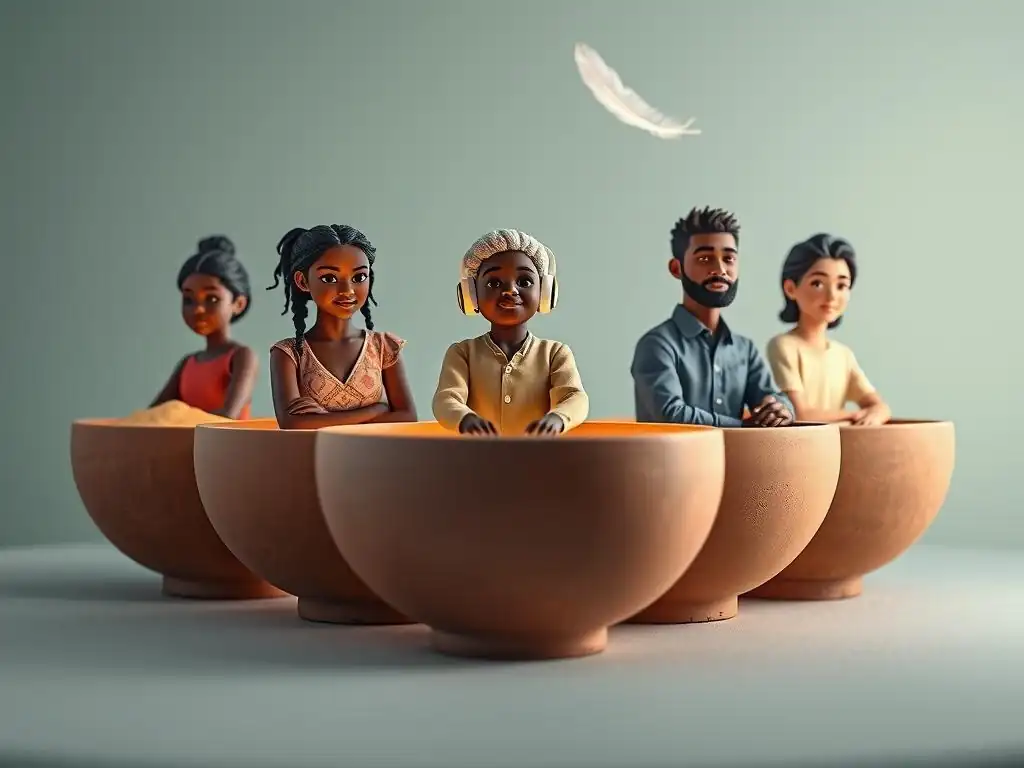
Decolonizing mental health and improving mental health for minorities, specifically Indigenous peoples, is not without its challenges. These obstacles exist at systemic, institutional, and community levels and require sustained effort and commitment to overcome. Recognizing these challenges is the first step in developing strategies to address them effectively.
These challenges highlight the deeply entrenched nature of colonial systems and the need for significant transformation. Overcoming them requires collaboration, political will, adequate resources, and a commitment to centering Indigenous voices and leadership in the process of change.
Resistance to Change within the System
Resistance to change within existing mental healthcare systems is a significant challenge to decolonization. Institutions and individuals may be reluctant to cede power, challenge established practices, or invest in approaches that differ from familiar Western models. Bureaucratic inertia, fear of the unknown, and a lack of understanding about the principles and necessity of decolonization can create significant barriers.
For example, implementing culturally integrated care models may face resistance from practitioners trained solely in Western methods or administrators concerned about funding structures and liability. Overcoming this requires education, advocacy, and demonstrating the effectiveness and ethical imperative of decolonized approaches. It involves challenging the status quo and advocating for policies and funding that support transformative change in mental health for minorities.
Lack of Funding and Resources
A persistent lack of adequate funding and resources is a major impediment to implementing decolonized mental health initiatives. Indigenous communities often face chronic underfunding for essential services, including mental healthcare. Developing and sustaining culturally relevant programs, training Indigenous practitioners, and integrating traditional healing practices require dedicated financial investment, which is often insufficient or unstable.
For example, community-led wellness programs may struggle to secure long-term funding, limiting their capacity to provide consistent support. Furthermore, remote communities often lack basic infrastructure and access to trained professionals, exacerbating disparities. Addressing the lack of funding and resources is critical for turning the principles of decolonization into reality and providing effective mental health for minorities. It requires governments and institutions to commit to equitable resource allocation and long-term investment in Indigenous-led initiatives.
Addressing Stigma within Communities
Addressing stigma related to mental health within Indigenous communities is another important challenge. While traditional cultures often had holistic understandings of well-being, the impacts of colonization, trauma, and the imposition of Western concepts of illness have sometimes contributed to shame and silence around mental health struggles. Fear of judgment, discrimination, or being misunderstood can prevent individuals from seeking help, even from culturally relevant services.
Stigma can be compounded by the intergenerational trauma experienced within families and communities, making it difficult to openly discuss past harms and their ongoing impacts. Community-based initiatives, cultural revitalization efforts, and peer support programs play a vital role in breaking down stigma by creating safe spaces for sharing and healing. Addressing stigma is essential for ensuring that individuals feel empowered to seek the support they need for their mental health, contributing to improved mental health for minorities.
The Future: A Decolonized Vision
The future of mental health for Indigenous populations, within a decolonized framework, envisions a system that is equitable, culturally grounded, and fundamentally led by Indigenous communities. It is a future where the harms of colonization are acknowledged and actively addressed, and where healing is understood as a collective and ongoing process that restores balance and connection.
This vision is not merely aspirational; it is a necessary path forward to address the deep-seated mental health disparities that persist. Achieving this future requires sustained commitment, collaboration, and a willingness to fundamentally transform existing structures. It is a vision of hope and resilience, rooted in the strength and wisdom of Indigenous cultures.
Creating an Equitable and Inclusive System
Creating an equitable and inclusive mental health system means ensuring that all Indigenous individuals, regardless of where they live or their specific circumstances, have access to high-quality, culturally safe, and effective care. This involves dismantling systemic barriers, addressing discrimination, and ensuring that services are designed and delivered in ways that respect and affirm Indigenous identities, cultures, and languages.
An equitable system would see resources allocated based on need, with significant investment in Indigenous-led initiatives and infrastructure in communities. It would involve training a diverse workforce, including a significant number of Indigenous practitioners and traditional healers. Building such a system is paramount for achieving true equity in mental health for minorities.
Empowering Communities to Lead Reform
Empowering communities to lead reform is the cornerstone of a decolonized future for mental health. This means shifting decision-making power and resources to Indigenous governance structures and community organizations. Communities are best positioned to understand their own needs, identify priorities, and develop solutions that are relevant and effective within their unique cultural contexts.
Supporting community-led reform involves providing stable, long-term funding, respecting Indigenous data sovereignty, and removing bureaucratic obstacles that hinder community control. It is about trusting communities to lead their own healing journeys and recognizing their inherent capacity for resilience and innovation. This empowerment is fundamental to creating sustainable improvements in mental health for minorities.
Advocate for Indigenous-led Mental Health Initiatives
Advocating for Indigenous-led mental health initiatives is crucial to realizing a decolonized vision. These initiatives, designed, implemented, and evaluated by Indigenous peoples, are more likely to be culturally relevant, accessible, and effective than programs imposed from the outside. Advocacy is needed at all levels – from local communities to national governments and international bodies – to secure the necessary political will and resources.
This advocacy involves highlighting the successes of existing Indigenous-led programs, raising awareness about the ongoing impacts of colonization, and pushing for policy changes that support Indigenous self-determination in health. Supporting and advocating for these initiatives is essential for ensuring that the future of mental health for minorities, particularly Indigenous peoples, is one defined by healing, equity, and cultural strength.
Resources for Mental Health and Decolonization
Accessing relevant resources is an important part of the journey towards improving mental health for minorities and supporting decolonization efforts. While direct links are not provided here, exploring the types of resources available can point individuals and communities in the right direction for support, information, and engagement in decolonization work.
These resources range from formal organizations and academic work to community-based support networks and cultural practices. Engaging with these resources can provide valuable knowledge, connections, and pathways for healing and advocacy.
Organizations and Websites
Numerous organizations are dedicated to supporting Indigenous mental health and advocating for decolonized approaches. These include national and regional Indigenous health organizations, mental health associations with specific Indigenous programs, and grassroots community groups. Websites often provide information on services, resources, and policy initiatives.
Seeking out organizations that are Indigenous-led or have strong partnerships with Indigenous communities is recommended. These bodies often offer culturally specific programs, connect individuals with traditional healers, or provide advocacy and support navigating healthcare systems. Exploring their websites can offer valuable insights into culturally safe care and decolonization efforts related to mental health for minorities.
Recommended Reading
A growing body of literature explores the intersection of Indigenous knowledge, colonization, trauma, and mental health, as well as the principles and practices of decolonization in healthcare. Recommended reading includes academic texts, research papers, books by Indigenous authors on healing and resilience, and reports from Indigenous organizations and commissions.
Engaging with this literature provides a deeper understanding of the historical context, the impacts of systemic issues, and the theoretical underpinnings of decolonized approaches. It can also highlight successful models and ongoing challenges in addressing mental health for minorities.
Support Groups and Community Programs
Support groups and community programs play a vital role in providing culturally safe spaces for healing and connection. These can include peer support groups, healing circles, cultural wellness programs, land-based healing camps, and programs focused on specific issues like residential school intergenerational trauma or substance use recovery.
These programs are often rooted in traditional practices and community strengths, offering collective support and shared experiences that are crucial for healing. Connecting with local Indigenous community centers or health services can help individuals find information about available support groups and programs tailored to their needs, providing essential resources for mental health for minorities.
Frequently Asked Questions
What does "decolonizing mental health" mean in the context of minority populations?
It refers to critically examining and dismantling the Eurocentric biases inherent in traditional mental healthcare systems. This involves centering the cultural perspectives and lived experiences of minority groups to create more effective and equitable care.
Why is it important to rethink mental health approaches specifically for minorities?
Traditional approaches often fail to address the unique stressors faced by minority communities, such as systemic racism and discrimination. This can lead to misdiagnosis, ineffective treatment, and ultimately, poorer mental health outcomes.
What are some examples of Eurocentric biases present in mental healthcare?
Over-reliance on individualistic models of therapy that neglect the importance of family and community. Diagnostic criteria that fail to account for cultural expressions of distress and trauma.
How can mental health professionals become more culturally competent when working with minority clients?
By actively seeking cultural humility, engaging in ongoing education, and building trust-based relationships. It also involves understanding the impact of historical trauma and systemic oppression.
Where can minorities find culturally sensitive mental health resources?
Look for organizations and therapists specializing in culturally competent care. Community centers and online directories can provide access to minority-focused support groups and mental health services.
Final Reflection: Reclaiming Narrative, Reclaiming Wellness
The fight for equitable mental healthcare is not merely a social justice issue; it's a fundamental human rights imperative. The disparities highlighted in this article – from access to culturally competent care to the pervasive impact of systemic racism on mental well-being – remain stark realities for minority populations today. Ignoring these disparities is not only ethically unacceptable but also actively undermines the collective mental health of our societies.
The journey towards decolonizing mental health is a continuous process of unlearning, listening, and rebuilding. It requires a fundamental shift in perspective, moving away from a dominant, often Western-centric, model that fails to account for the unique experiences and cultural contexts of minority groups. This process demands a deep introspection, acknowledging the historical and ongoing trauma inflicted upon marginalized communities. As Audre Lorde powerfully stated, Caring for myself is not self-indulgence, it is self-preservation, and that is an act of political warfare.
This quote underscores the profound connection between self-care and social justice, highlighting the importance of reclaiming narratives and fostering healing within communities.
The path forward requires collective action. It demands that we, as individuals and as a society, actively challenge the status quo, advocate for policy changes that promote equitable access to care, and support the development of culturally sensitive mental health services. You have a role to play in this vital work. Consider how you can contribute to this movement – whether through supporting community initiatives, engaging in respectful dialogue, or simply educating yourself on the unique challenges faced by minority populations. Let us work together to build a future where mental wellness is accessible and attainable for all.
Uncover Your Path to Inclusive Mental Wellness
Thank you for taking the time to explore the crucial topic of decolonizing mental health. We hope this article provided valuable insights into creating more equitable and culturally sensitive approaches. Now, let's put this knowledge into action!
- Prioritize culturally relevant resources: Identify and actively seek out mental health professionals and resources that prioritize the unique needs of minority communities. This is the most impactful step you can take.
- Share this article with your network: Let's spark important conversations about mental health equity and inspire others to take action.
- Reflect on your own biases:Consider how your perceptions and assumptions about mental health might impact your interactions with individuals from diverse backgrounds.
What steps will you take today to build a more inclusive mental health landscape?