
Identity Stress: How Discrimination Impacts Mental Health in Minority Populations


Welcome to Mind Care Guide, a space dedicated to nurturing your mental well-being.
Are you feeling the weight of societal pressures and discrimination? It's not just you. This article dives deep into the often-overlooked reality of minority groups mental health stress, exploring the unique challenges faced and offering pathways towards healing and resilience. We understand the struggles you may be experiencing and invite you to read on to discover insights and resources designed to help you navigate these complex issues. Your journey to understanding and empowerment starts here.
- Identity Stress: The Impact of Discrimination on Minority Groups' Mental Health
- Minority Group Mental Health Stress: A Deeper Look
- How Discrimination Affects the Mental Health of Minority Populations
- The Mental Health Challenges Faced by Minority Communities
- Addressing Minority Mental Health Stress: Strategies for Healing and Resilience
- Fostering Inclusivity and Reducing Discrimination to Improve Mental Health
- Resources for Minority Mental Health Support
- Conclusion: Towards a More Equitable and Mentally Healthy Society for All
-
Frequently Asked Questions
- How does discrimination contribute to mental health stress in minority groups?
- What are some specific examples of identity-related stressors faced by minority populations?
- What role does cultural identity play in mitigating mental health stress for minority groups?
- What resources are available to support the mental health of minority groups experiencing identity stress?
- How can allies support minority groups in addressing identity stress and promoting mental well-being?
- Final Reflection: The Unseen Weight of Identity
- Unlock Your Mental Wellbeing: Take Action Today
Identity Stress: The Impact of Discrimination on Minority Groups' Mental Health
Understanding Identity Stress and Its Roots
Identity stress, often referred to as minority stress, is a concept that describes the unique, chronic stress experienced by members of stigmatized social categories. This stress is not just about general life stressors, but stems specifically from the social environment and the experiences of prejudice, discrimination, and marginalization based on one's identity – whether it's race, ethnicity, sexual orientation, gender identity, religion, disability, or other minority statuses.
Unlike acute stress responses, identity stress is often persistent and pervasive, rooted in the constant vigilance required to navigate a world where one's identity is devalued or threatened. The cumulative effect of these stressors can be significant, leading to profound challenges for minority groups mental health stress.
The roots of identity stress are deeply embedded in societal structures and historical contexts that perpetuate inequality and discrimination. Systemic racism, homophobia, transphobia, xenophobia, and other forms of bias create environments where minority individuals face daily microaggressions, overt acts of discrimination, and institutional barriers.
These experiences are not random occurrences but are often predictable outcomes of living in a society that privileges dominant groups. For instance, studies on racial minority groups mental health stress frequently highlight the impact of historical trauma and ongoing systemic inequities, such as disparities in housing, education, and the justice system, which contribute to a heightened state of stress and vulnerability.
Minority Group Mental Health Stress: A Deeper Look
Defining Minority Group Mental Health Stress
Minority group mental health stress specifically refers to the psychological burden carried by individuals belonging to minority populations as a direct consequence of their minority status and the associated societal challenges. This stress goes beyond typical life difficulties and is intrinsically linked to experiences of prejudice, discrimination, social exclusion, and the constant need to navigate hostile or unsupportive environments. It encompasses the strain of anticipated discrimination, the emotional toll of experiencing discrimination, and the psychological impact of internalizing negative societal messages about one's group. Addressing minority groups mental health stress requires understanding these unique, identity-based stressors.
This form of stress is cumulative and can manifest in various ways, impacting not only individual well-being but also community health. Research consistently shows that the chronic exposure to minority stress contributes significantly to disparities in mental health outcomes between minority and majority populations. For example, data often indicates that individuals from racial and ethnic minority groups report higher levels of psychological distress related to discrimination compared to their non-minority counterparts. Understanding the specific nature of minority group mental health stress is the first step toward developing effective interventions and support systems.
The Interplay of Identity, Discrimination, and Mental Well-being
The relationship between a person's identity, the discrimination they face, and their mental well-being is complex and deeply intertwined. One's identity is a core part of who they are, providing a sense of belonging and self-worth. However, when that identity is targeted by societal prejudice, it creates a fundamental conflict between self-perception and external validation.
Discrimination, whether subtle or overt, sends powerful negative messages about an individual's worth and place in society, directly undermining self-esteem and increasing vulnerability to mental health challenges. This constant negotiation of identity in the face of adversity is a significant source of minority groups mental health stress.
Moreover, the experience of discrimination can force individuals to conceal or alter aspects of their identity to feel safe or accepted, a process known as "covering." While this might offer temporary relief from external threats, it can lead to internal conflict, feelings of inauthenticity, and emotional exhaustion, further impacting mental health.
Studies on LGBTQ+ individuals, for instance, show that the stress associated with concealing one's sexual orientation or gender identity is strongly linked to increased rates of depression and anxiety. The interplay between identity, the societal response to that identity (discrimination), and the resulting psychological strain is a central theme in understanding minority group mental health stress.
How Discrimination Affects the Mental Health of Minority Populations

Types of Discrimination and Their Psychological Impact
Discrimination manifests in various forms, each contributing uniquely to the psychological burden experienced by minority populations. Racial discrimination, for example, can range from overt acts of hate and violence to subtle microaggressions, such as being followed in a store or experiencing assumptions based on stereotypes. Research consistently links racial discrimination to higher rates of anxiety, depression, and even physical health problems among racial and ethnic minority groups. The psychological impact is profound, fostering feelings of powerlessness, anger, and chronic stress, which are significant contributors to minority groups mental health stress.
Ethnic and religious discrimination also inflict significant psychological harm. Individuals from certain ethnic backgrounds may face prejudice based on their nationality, language, or cultural practices, leading to social exclusion and feelings of being perpetual outsiders. Similarly, religious minorities can experience discrimination through targeted harassment, restrictions on religious practices, or negative stereotyping, eroding their sense of safety and belonging.
For LGBTQ+ individuals, discrimination can occur in various settings, including employment, housing, healthcare, and social interactions, often leading to feelings of shame, isolation, and increased risk of mental health disorders like suicidal ideation, particularly among youth. The cumulative exposure to these varied forms of discrimination creates a toxic environment that severely impacts the mental health of minority populations.
Intersectionality: The Complexities of Multiple Identities and Discrimination
It is crucial to recognize that many individuals hold multiple minority identities simultaneously – for example, being a Black woman, a Latino gay man, or a Muslim immigrant woman. This concept, known as intersectionality, highlights how these overlapping identities can lead to unique and compounded experiences of discrimination.
A Black transgender individual, for instance, may face discrimination rooted in racism, transphobia, and potentially other biases, creating a complex web of stressors that is distinct from experiencing only one form of prejudice. This layered discrimination can exacerbate the psychological impact, leading to higher levels of distress and more complex mental health needs.
The intersectional experience means that the mental health challenges faced by individuals with multiple minority identities are often more severe and require a more nuanced understanding. Research suggests that individuals navigating multiple forms of systemic oppression may experience higher rates of certain mental health conditions compared to those with single minority identities. For example, studies on Black LGBTQ+ individuals have sometimes shown elevated risks for depression, anxiety, and substance use disorders compared to their non-LGBTQ+ Black peers or non-Black LGBTQ+ peers. Understanding intersectionality is vital for accurately assessing and addressing the full scope of minority groups mental health stress.
The Psychological Mechanisms Linking Discrimination and Mental Illness
The link between experiencing discrimination and developing mental health problems is not merely correlational; specific psychological mechanisms explain this connection. One primary mechanism is the chronic stress response. Repeated exposure to discriminatory events, even seemingly minor ones (microaggressions), triggers the body's stress response system.
Over time, this chronic activation can dysregulate the stress hormones like cortisol, leading to increased inflammation and impacting brain regions associated with mood regulation and emotional processing. This constant state of hypervigilance and physiological arousal significantly contributes to the development of anxiety disorders, depression, and other stress-related conditions, marking a clear pathway for minority groups mental health stress.
Another critical mechanism is internalized oppression. This occurs when individuals from minority groups internalize the negative stereotypes and prejudices directed at their group by the dominant society. Believing these negative messages can lead to feelings of shame, self-blame, low self-worth, and self-hatred. For example, LGBTQ+ individuals might internalize homophobia or transphobia, leading to difficulties accepting their identity and increasing the risk of depression and suicidal behavior. Racial minorities might internalize racist stereotypes, impacting their self-esteem and aspirations. This internalization of societal negativity is a profound psychological burden.
Finally, social isolation and lack of belonging represent a significant psychological mechanism. Discrimination and marginalization can lead to individuals feeling excluded from mainstream society, facing rejection from family or friends, or struggling to find supportive communities. This lack of social connection is a known risk factor for various mental health issues, including depression and anxiety. When combined with the stress of navigating discrimination, social isolation can amplify feelings of loneliness and despair. These interconnected psychological pathways demonstrate the deep and damaging impact of discrimination on the mental health of minority populations.
The Mental Health Challenges Faced by Minority Communities
Increased Risk of Mental Health Disorders
Minority communities often face a disproportionately higher risk of experiencing various mental health disorders compared to the general population. This elevated risk is directly linked to the unique stressors associated with discrimination, marginalization, and socioeconomic disparities. Higher rates of anxiety and depression are commonly observed. Studies have indicated that racial and ethnic minority groups may experience symptoms of depression and anxiety at rates comparable to or higher than white populations, but often face greater barriers to diagnosis and treatment. The chronic stress of navigating prejudice contributes significantly to this burden.
Furthermore, Post-Traumatic Stress Disorder (PTSD) and discrimination are closely linked. Experiences of severe discrimination, hate crimes, or repeated exposure to community violence (often linked to systemic inequities) can be deeply traumatizing, leading to PTSD symptoms such as intrusive thoughts, avoidance behaviors, and hyperarousal. For example, research has documented PTSD symptoms among individuals who have experienced racial profiling or immigration-related trauma.
Substance use disorders as a coping mechanism are also more prevalent in some minority communities. Facing chronic stress and limited access to healthy coping resources, some individuals may turn to alcohol or drugs to self-medicate symptoms of anxiety, depression, or trauma, creating a cycle that further complicates their mental health. These increased rates of disorder highlight the urgent need to address minority groups mental health stress.
Barriers to Mental Health Care for Minority Groups
Despite facing increased mental health risks, minority groups often encounter significant barriers that prevent them from accessing necessary care. Stigma and cultural beliefs surrounding mental illness are major obstacles. In some cultures, mental health issues may be misunderstood, viewed as a sign of weakness, or attributed to spiritual or supernatural causes, discouraging individuals from seeking professional help. Fear of judgment from family or community members can also keep people from discussing their struggles or seeking treatment, contributing to the silent burden of minority groups mental health stress.
A critical barrier is the lack of culturally competent mental health professionals. Many therapists and counselors may not have adequate training or understanding of the cultural backgrounds, unique stressors (like discrimination), and lived experiences of minority individuals. This can lead to misdiagnosis, ineffective treatment approaches, or a lack of trust between the patient and therapist, making it difficult for minority individuals to feel understood and supported. The absence of representation among mental health providers also means that many minority individuals never see a therapist who shares their background or identity.
Finally, socioeconomic barriers and access to care play a significant role. Minority communities are often disproportionately affected by poverty, lack of health insurance, and limited access to transportation. These factors make it difficult to afford therapy, take time off work for appointments, or travel to mental health facilities, especially those located far from their homes. Even when services are available, they may not be affordable or accessible, leaving many minority individuals without the support they desperately need to manage minority groups mental health stress.
Addressing Minority Mental Health Stress: Strategies for Healing and Resilience
Individual Coping Mechanisms for Dealing with Discrimination
Individuals from minority groups have developed various strategies to cope with the pervasive stress of discrimination and protect their mental well-being. Mindfulness and meditation for stress reduction can be powerful tools, helping individuals to stay present, manage anxious thoughts, and cultivate a sense of inner calm amidst external turmoil. Practicing mindfulness can reduce the physiological stress response triggered by experiences of prejudice, offering a buffer against the long-term effects on mental health.
Self-care practices for mental well-being are also essential. This includes prioritizing adequate sleep, engaging in regular physical activity, maintaining a healthy diet, and pursuing hobbies or activities that bring joy and relaxation. For minority individuals, self-care can also involve setting boundaries against discriminatory interactions and intentionally creating space for healing and rejuvenation away from stressful environments.
Crucially, building a strong support network is vital. Connecting with family, friends, or community members who share similar experiences provides validation, emotional support, and a sense of belonging. These networks can offer a safe space to process experiences of discrimination and provide collective strength and resilience against minority groups mental health stress. Support groups specifically for individuals from minority backgrounds can be particularly impactful, fostering a sense of shared understanding and empowerment.
Community-Based Approaches to Promote Mental Health
Addressing minority groups mental health stress effectively requires not only individual strategies but also robust community-based initiatives. Culturally specific mental health programs are essential. These programs are designed with the cultural values, beliefs, and practices of specific minority communities in mind, making mental health services more accessible, relevant, and effective. Examples include incorporating traditional healing practices, involving community elders, or conducting therapy in culturally familiar settings and languages. Such programs build trust and reduce stigma within the community.
Advocacy and social justice initiatives play a critical role in tackling the root causes of minority stress. Working to dismantle systemic discrimination through policy change, public awareness campaigns, and community organizing directly addresses the external stressors that impact mental health. Empowering communities to advocate for their rights and challenge injustice fosters a sense of agency and collective strength, which can buffer the negative psychological effects of marginalization.
Finally, creating safe spaces for dialogue and support within minority communities is paramount. These can be physical or virtual spaces where individuals can share their experiences of discrimination without fear of judgment, find solidarity, and access support. Community centers, cultural organizations, and online forums can serve as vital resources for fostering connection, resilience, and healing in the face of minority groups mental health stress.
The Role of Culturally Competent Mental Health Care
Culturally competent mental health care is fundamental to effectively supporting minority populations. This involves providers having the knowledge, skills, and attitudes to work effectively with clients from diverse cultural backgrounds. Finding a culturally sensitive therapist is a critical step for minority individuals seeking help. These therapists understand the impact of culture, identity, and discrimination on mental health and can tailor treatment approaches accordingly, fostering a stronger therapeutic alliance and improving outcomes.
Understanding cultural considerations in treatment means that therapists acknowledge and respect a client's cultural background, including their beliefs about mental health, family dynamics, and communication styles. This might involve adapting therapeutic techniques, incorporating cultural or religious practices into treatment plans, or recognizing the influence of historical trauma and systemic oppression. For instance, a culturally competent therapist working with an immigrant client would consider the stress of acculturation and potential experiences of xenophobia.
The importance of representation in mental health cannot be overstated. Having mental health professionals who share the racial, ethnic, sexual orientation, or gender identity of their clients can significantly increase trust and reduce barriers to care. When clients see themselves reflected in their providers, it can validate their experiences and make them feel more comfortable opening up about sensitive issues, including the impact of discrimination on their minority groups mental health stress. Increasing diversity within the mental health workforce is a vital goal for improving access and quality of care for minority populations.
Fostering Inclusivity and Reducing Discrimination to Improve Mental Health
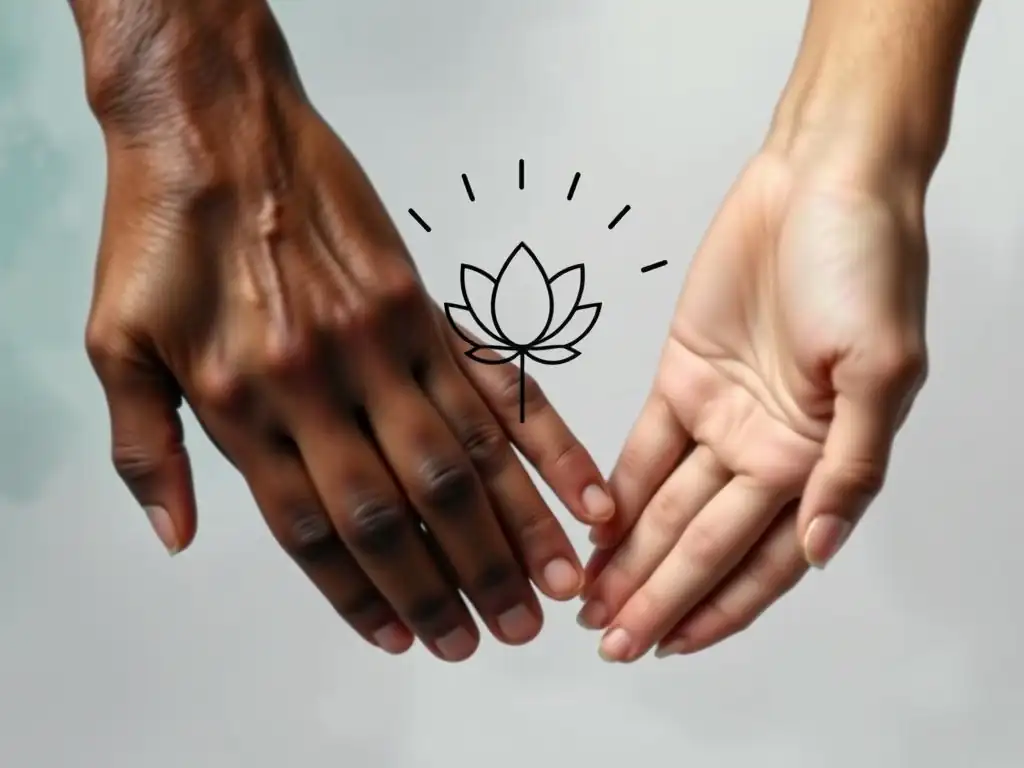
Creating a society that supports the mental well-being of minority populations requires a concerted effort to foster inclusivity and actively reduce discrimination at all levels. Education and awareness campaigns are essential tools in this fight. By educating the public about the realities of discrimination, the concept of identity stress, and the profound impact on minority groups mental health stress, we can challenge stereotypes, reduce prejudice, and build empathy. Campaigns can highlight the unique challenges faced by different minority communities and promote understanding and acceptance.
Furthermore, policy changes to combat discrimination are necessary to address the systemic roots of minority stress. This includes advocating for and implementing anti-discrimination laws in areas such as employment, housing, healthcare, and the justice system. Policies that promote equity and protect the rights of minority individuals create safer and more supportive environments, directly reducing the exposure to stressors that harm mental health. For example, policies addressing police brutality or ensuring equitable access to resources can have a significant positive impact.
Finally, promoting diversity and inclusion in all aspects of society is key to long-term change. This involves actively working to ensure that minority voices are heard and valued in workplaces, schools, media, government, and community organizations. Creating truly inclusive environments where individuals feel safe, respected, and celebrated for their identities reduces the burden of minority stress and fosters a sense of belonging for everyone. When diversity is embraced and discrimination is actively challenged, it lays the groundwork for a society where all individuals, including those from minority groups, can thrive mentally and emotionally, alleviating minority groups mental health stress.
Resources for Minority Mental Health Support
Accessing culturally appropriate support is crucial for individuals navigating minority groups mental health stress. Several organizations offer resources tailored to the needs of minority communities.
National Alliance on Mental Illness (NAMI)
NAMI provides valuable information, support, and advocacy for individuals and families affected by mental illness. They offer programs and resources specifically aimed at addressing the mental health needs of various minority groups, including culturally specific support groups and educational materials.
Mental Health America (MHA)
MHA works to promote mental health and prevent mental illness through advocacy, education, and service. They provide resources and information on finding help, with a focus on reducing stigma and addressing disparities in mental health care for minority populations.
The Trevor Project
The Trevor Project is a leading national organization providing crisis intervention and suicide prevention services to lesbian, gay, bisexual, transgender, queer & questioning (LGBTQ) young people. They offer culturally competent support and resources specifically designed for LGBTQ+ youth facing minority stress.
Conclusion: Towards a More Equitable and Mentally Healthy Society for All
The Importance of Addressing Systemic Issues
Addressing minority groups mental health stress requires a fundamental understanding that these challenges are not solely individual burdens but are deeply rooted in systemic issues of discrimination, inequality, and historical trauma. While individual coping strategies and culturally competent therapy are vital for healing and resilience, they cannot fully alleviate the problem without simultaneously dismantling the oppressive systems that perpetuate minority stress.
Focusing solely on individual treatment without addressing the societal context is akin to treating a wound while ignoring the source of the injury. True progress requires challenging discriminatory policies, institutions, and attitudes that create hostile environments for minority populations.
Therefore, working towards a more equitable society is not just a matter of social justice; it is a critical component of promoting mental health for all. This involves advocating for legislative changes, promoting diversity and inclusion in all sectors, and challenging prejudice in our daily lives. Recognizing and addressing the unique impact of discrimination on minority groups mental health stress is an essential step towards creating a society where everyone has the opportunity to achieve optimal mental well-being, free from the burden of identity-based oppression.
Empowering Minority Voices and Promoting Mental Well-being
Empowering minority voices is central to effectively addressing minority groups mental health stress. Those with lived experience of discrimination and mental health challenges are the experts on their own needs and the most effective advocates for change. Creating platforms for minority individuals to share their stories, advocate for culturally relevant services, and shape policies ensures that interventions and support systems are truly responsive and effective. Empowerment fosters agency and resilience, countering the feelings of powerlessness that can arise from experiencing discrimination.
Ultimately, promoting mental well-being for minority populations is an ongoing process that requires sustained effort from individuals, communities, institutions, and society as a whole. It involves fostering environments where diverse identities are celebrated, discrimination is actively challenged, and equitable access to culturally competent care is guaranteed. By prioritizing the mental health needs of minority groups and working collaboratively to dismantle systemic barriers, we can move closer to a future where everyone, regardless of their background, can live a life free from the debilitating effects of identity stress and achieve their full potential for mental health and flourishing.
Frequently Asked Questions
How does discrimination contribute to mental health stress in minority groups?
Discrimination creates significant chronic stress due to experiences of prejudice and bias. This can lead to increased anxiety, depression, and other mental health challenges.
Examples include microaggressions, overt racism, and feeling the need to constantly prove oneself. These stressors can significantly impact self-esteem and well-being.
What role does cultural identity play in mitigating mental health stress for minority groups?
A strong sense of cultural identity can act as a protective factor. It provides social support and resilience against the negative effects of discrimination.
What resources are available to support the mental health of minority groups experiencing identity stress?
Many organizations offer culturally competent therapy and support groups. Seeking help from mental health professionals who understand these specific challenges is crucial.
How can allies support minority groups in addressing identity stress and promoting mental well-being?
Allies can educate themselves on systemic discrimination, actively challenge bias, and advocate for equitable policies that promote mental health access for all.
Final Reflection: The Unseen Weight of Identity
The pervasive impact of discrimination on the mental health of minority groups is not merely a statistic; it's a crisis demanding immediate attention. This article has explored the multifaceted ways in which systemic prejudice and microaggressions contribute to heightened stress, anxiety, and depression within these communities. The data presented paints a stark picture, highlighting the urgent need for systemic change and improved access to culturally competent mental health services.
The weight of navigating a world designed to marginalize you is a burden many in minority groups carry daily. It's a burden that manifests in countless ways, from the subtle sting of microaggressions to the overwhelming trauma of overt discrimination. This experience profoundly shapes individual identities and collective narratives. The most common way people give up their power is by thinking they don't have any.
– Alice Walker. This quote resonates deeply, as the constant struggle against systemic barriers can lead to a sense of powerlessness and resignation. Understanding this dynamic is crucial to fostering empathy and implementing effective solutions.
The journey towards mental wellness for minority groups requires a collective effort. It's not enough to simply acknowledge the problem; we must actively dismantle the systems that perpetuate it. You have a role to play in this. Consider how you can challenge prejudice in your own life, advocate for inclusive policies, and support organizations working to improve mental health access for marginalized communities. Let's work together to create a world where identity is a source of strength, not stress.
Unlock Your Mental Wellbeing: Take Action Today
Thanks for taking the time to explore the crucial link between identity stress and mental health within minority communities. We hope this article provided valuable insights and empowered you to understand this important issue better. Now, let's turn that knowledge into action.
- Prioritize self-care: Schedule a mindful activity – even 15 minutes of meditation or journaling – to help manage stress related to identity. This is your primary step toward building resilience.
- Share this article: Spread awareness by sharing this article with your network on social media or via email. Let's start a crucial conversation about inclusivity and mental wellness.
- Engage with our community: Join the Mind Care Guide forum (link omitted as per instructions) to connect with others and share your experiences. Let's build a supportive space for mutual understanding and strength.
What small step can you take today to prioritize your mental health and contribute to a more inclusive community?