
The Silent Battle: Why Men Hide Their Mental Health Struggles

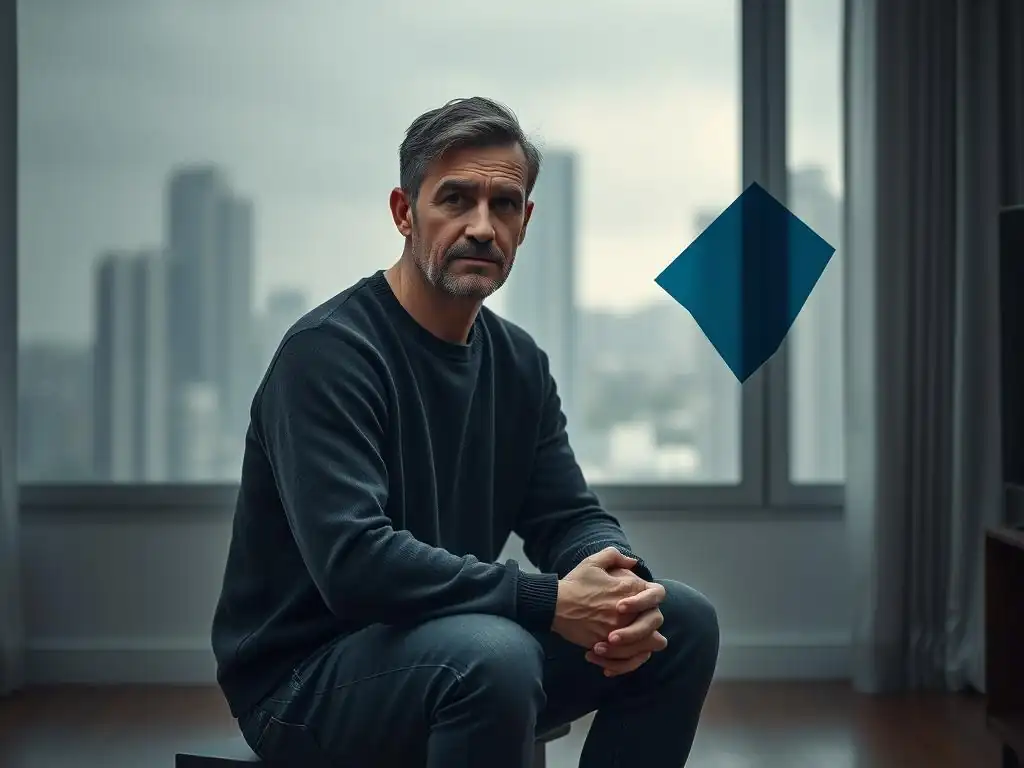
Welcome to Mind Care Guide.
We understand. The weight of the world can feel especially heavy, and sometimes, the hardest battles are fought in silence. Are you ready to shed light on a critical issue often shrouded in shadow? Dive into our exploration of Men’s mental health struggles hidden, and discover why so many men are hesitant to seek the support they deserve. What if understanding the reasons behind this silence could be the first step towards breaking it? Let's begin.
The Silent Battle: Why Men Hide Their Mental Health Struggles
- Understanding the Hidden Challenges in Men's Mental Health
- Societal Pressures and Masculinity: Fueling the Stigma
- Emotional Vulnerability and Male Identity
- The Impact of Workplace Culture on Men's Mental Health
- Identifying the Signs: Recognizing Hidden Mental Health Struggles in Men
- The Consequences of Ignoring Men's Mental Health Struggles
- Breaking the Silence: Strategies for Supporting Men's Mental Health
- Resources and Support for Men Struggling with Mental Health
- Challenging the Stigma: A Collective Effort for Men's Mental Health
-
Frequently Asked Questions
- Why are men often reluctant to seek help for mental health issues?
- What are some common signs that a man might be struggling with his mental health, even if he doesn't express it directly?
- How does societal pressure contribute to men hiding their mental health struggles?
- What are some practical steps that can be taken to encourage men to open up about their mental health?
- Where can men find resources and support specifically tailored to their mental health needs?
- Final Reflection: Unmasking the Silent Battle
- Unlock Your Support Network: Take the First Step Towards Better Mental Wellbeing
The Unseen Burden: Exploring Men's Mental Health Issues
Men face a range of mental health challenges, often silently battling conditions such as depression, anxiety, substance use disorders, and PTSD. While these conditions affect people of all genders, the presentation and willingness to seek help can differ significantly for men. For instance, depression in men might manifest more as irritability, anger, or risk-taking behavior rather than overt sadness, making recognition difficult for both the individual and those around them. This difference in presentation is one reason why men’s mental health struggles hidden from view can be particularly insidious.
Data from various health organizations consistently shows disparities in help-seeking behavior. For example, studies in the United States indicate that men are less likely than women to utilize mental health services. This isn't necessarily because men experience less distress, but often due to barriers in identifying their struggles and feeling comfortable accessing support. These barriers are deeply rooted in societal norms and personal beliefs about masculinity, contributing significantly to the silent nature of many men's mental health struggles hidden beneath a facade of strength.
Why Men Conceal Their Mental Health Struggles: An Overview
The reasons behind why men often conceal their mental health struggles are complex and multifaceted, stemming from a blend of personal beliefs, societal expectations, and learned behaviors. A primary driver is the ingrained notion that expressing emotional pain or admitting vulnerability is a sign of weakness, a concept often at odds with traditional masculine ideals. This cultural programming begins early in life, shaping how men perceive and respond to their internal experiences.
Furthermore, a lack of mental health literacy plays a significant role. Many men may not recognize the signs of a mental health condition in themselves, attributing symptoms like persistent fatigue, difficulty concentrating, or increased substance use to stress or physical ailments. This lack of awareness, combined with the fear of judgment or the belief that they should "man up" and handle problems on their own, creates a powerful disincentive to disclose their struggles, reinforcing the pattern of men's mental health struggles hidden from public view.
Societal Pressures and Masculinity: Fueling the Stigma
The Stigma Surrounding Mental Health and Masculinity
The societal stigma surrounding mental health is a major barrier for everyone, but it intersects with traditional concepts of masculinity in ways that disproportionately affect men. Admitting to struggling with anxiety, depression, or any other mental health condition can feel like a direct challenge to the expectation of being strong, stoic, and self-reliant. This cultural narrative often equates mental wellness with emotional invulnerability, making it incredibly difficult for men to acknowledge their need for help without feeling like they are failing to live up to masculine ideals.
This stigma is not just an abstract concept; it has tangible consequences. It can lead to discrimination in the workplace, social isolation, and internal shame, all of which discourage men from seeking treatment. The fear of being labeled "weak" or "unstable" can be so powerful that many men choose to suffer in silence, compounding their pain and delaying access to crucial support. This deeply embedded stigma is a primary reason why men’s mental health struggles hidden from view persist across many cultures.
Traditional Gender Roles and Their Impact on Men Seeking Help
Traditional gender roles have historically assigned men the role of the provider and protector, expected to be resilient, unemotional, and capable of handling challenges independently. These roles, while evolving, still exert significant influence. The expectation to "be tough" and suppress emotions is diametrically opposed to the process of seeking mental health support, which requires vulnerability and open communication about feelings and difficulties.
This conflict creates a significant internal hurdle. Men who internalize these traditional norms may view seeking therapy or even talking about their feelings as a failure to fulfill their prescribed role. They might believe that relying on others for emotional support is a sign of dependence, which contradicts the ideal of the self-sufficient man. This deeply ingrained belief system actively works against the help-seeking process, contributing significantly to the issue of men’s mental health struggles hidden.
Fear of Judgment: How Societal Expectations Silence Men
A pervasive fear of judgment acts as a powerful silencer for men struggling with their mental health. This fear stems from the anticipation of negative reactions from friends, family, colleagues, or society at large if their struggles become known. Men worry about being seen as less competent, less reliable, or less "manly." This can be particularly acute in professional settings, where admitting to mental health issues might be perceived as a career liability, potentially impacting promotions or job security.
This fear is often reinforced by real-life experiences or observations of how others who have disclosed mental health issues are treated. The potential for ridicule, dismissal of their feelings, or being told to simply "get over it" makes the risk of opening up seem too high for many. Consequently, men learn to mask their distress, presenting a facade of well-being while internally grappling with significant challenges. This fear is a critical factor perpetuating men’s mental health struggles hidden from public and private view.
Emotional Vulnerability and Male Identity
The Difficulty Men Face in Expressing Emotions
From a young age, boys are often implicitly and explicitly taught to suppress certain emotions, particularly those perceived as vulnerable or weak, such as sadness, fear, or even empathy in certain contexts. Phrases like "boys don't cry" or "man up" reinforce the idea that emotional expression, beyond anger or stoicism, is inappropriate or unmanly. This conditioning makes it genuinely difficult for many adult men to identify, articulate, and process their feelings in a healthy way.
This emotional constriction doesn't eliminate feelings; it simply pushes them inward, making them harder to manage and understand. When men are not equipped with the language or permission to express their emotional landscape, distress can manifest in alternative, often less healthy, ways. This difficulty in emotional expression is a fundamental barrier to recognizing and addressing men’s mental health struggles hidden beneath the surface.
Linking Emotional Repression to Worsening Mental Health
The consistent suppression of emotions is directly linked to negative mental health outcomes. When men bottle up feelings like stress, anxiety, or sadness, these emotions don't disappear; they often intensify and can contribute to the development or worsening of mental health conditions. This internal pressure cooker can lead to increased irritability, anger outbursts, difficulty sleeping, and even physical health problems.
Moreover, emotional repression hinders the ability to cope with stress effectively. Without the capacity to process difficult experiences through expression or seeking support, men may turn to unhealthy coping mechanisms like excessive alcohol consumption, substance abuse, or compulsive behaviors. These behaviors can provide temporary relief but ultimately exacerbate mental health issues, creating a vicious cycle where hidden struggles lead to destructive coping, further cementing the pattern of men’s mental health struggles hidden.
Exploring the Conflict Between Vulnerability and Perceived Strength
The core conflict lies in the societal narrative that equates vulnerability with weakness, while simultaneously defining masculine strength as stoicism and emotional control. For many men, showing vulnerability feels like betraying their fundamental identity and risking the loss of respect or status. This internal conflict is a significant source of distress and a powerful deterrent to seeking help.
This perceived dichotomy means that men often feel they must choose between being "strong" (by hiding their struggles) and being "weak" (by admitting they need help). This false choice prevents them from understanding that true strength often lies in acknowledging limitations, seeking support, and working through challenges openly. Navigating this conflict is crucial to dismantling the barriers that keep men’s mental health struggles hidden.
The Impact of Workplace Culture on Men's Mental Health

High-Pressure Environments and the Reluctance to Show Weakness
Many workplaces, particularly in competitive or demanding industries, foster cultures that prioritize performance, resilience, and the appearance of being constantly in control. In such environments, admitting to feeling overwhelmed, stressed, or struggling with mental health can be perceived as a sign of inability to handle the pressure or a lack of commitment. This perception creates a strong disincentive for men to disclose their mental health challenges.
Men in these settings often feel immense pressure to maintain a facade of unwavering competence and strength, fearing that any sign of vulnerability could jeopardize their career progression or even their job security. This reluctance to show any perceived weakness directly contributes to men’s mental health struggles hidden within the professional sphere, where the mask of capability is often worn tightest.
The "Always On" Culture and Its Toll on Male Well-being
The modern "always on" work culture, fueled by technology and globalization, blurs the lines between work and personal life, leading to increased stress and burnout. Men, often feeling the traditional pressure to be primary providers, may feel compelled to be constantly available and working, sacrificing rest, leisure, and time for self-care or seeking support.
This relentless pace, combined with the expectation of perpetual productivity, leaves little room for acknowledging or addressing mental health needs. The guilt associated with taking time off for mental health or even admitting to feeling overwhelmed is significant. This constant state of being "on" exacerbates stress and anxiety, contributing to the burden of men’s mental health struggles hidden behind busy schedules and demanding roles.
Addressing Mental Health in the Workplace: A Call for Change
Creating mentally healthy workplaces is crucial for supporting men's mental well-being. This requires a shift in culture, starting from leadership. Companies need to actively promote open conversations about mental health, destigmatize help-seeking, and provide accessible resources like Employee Assistance Programs (EAPs) and mental health leave. Training managers to recognize signs of distress and respond empathetically is also vital.
Implementing policies that support work-life balance, encourage taking breaks, and reduce the pressure to be constantly available can significantly alleviate stress. When workplaces foster an environment where vulnerability is accepted and support is readily available without fear of negative repercussions, men are more likely to feel safe disclosing their struggles and seeking help. This proactive approach is essential for uncovering and addressing men’s mental health struggles hidden by the demands of work.
Subtle Indicators of Mental Health Issues in Men
Recognizing mental health issues in men can be challenging because the signs are often subtle or manifest differently than typically portrayed. Instead of overt sadness, indicators might include increased irritability, anger, or aggression. Men might withdraw from social activities they once enjoyed, exhibit significant changes in appetite or sleep patterns, or complain of persistent physical ailments like headaches or digestive issues without a clear medical cause.
Other subtle signs can include increased risk-taking behavior, difficulty concentrating, unexplained fatigue, or a noticeable decline in performance at work or in hobbies. These behaviors can be easily dismissed as stress or personality traits, making it harder to identify the underlying mental health struggle. Learning to recognize these less obvious indicators is key to supporting men whose mental health struggles hidden from plain sight.
Changes in Behavior: Recognizing Red Flags
More pronounced changes in behavior serve as significant red flags. These might include a noticeable increase in alcohol or drug use as a coping mechanism, engaging in reckless activities, or exhibiting sudden and dramatic mood swings. A man who was typically engaged might become withdrawn and isolated, or conversely, someone usually quiet might become uncharacteristically agitated or restless.
Observing changes in how a man manages daily responsibilities can also be telling. Neglecting personal hygiene, missing work frequently, or struggling with tasks that were previously easy can indicate underlying distress. These behavioral shifts are often outward manifestations of the internal battle being fought, signaling that men’s mental health struggles hidden are reaching a critical point and require attention.
When to Seek Help: Identifying Critical Moments
Identifying critical moments when seeking help is essential involves recognizing signs that indicate a person is in significant distress or potential danger. This includes any mention of self-harm or suicide, expressing feelings of hopelessness or worthlessness, or giving away possessions. These are not subtle signs and should be treated with immediate seriousness.
Beyond immediate crisis situations, critical moments also include when a man's mental health struggles begin to significantly impact his daily functioning, relationships, or physical health. If behavioral changes persist, coping mechanisms become destructive, or the individual expresses a desire for help, these are clear indicators that professional support is needed. Encouraging men to recognize these moments is vital in moving from suffering with men’s mental health struggles hidden to actively seeking recovery.
The Consequences of Ignoring Men's Mental Health Struggles
The Link Between Untreated Mental Health and Increased Risk of Suicide in Men
One of the most tragic consequences of ignoring men's mental health struggles is the increased risk of suicide. Globally, men are statistically more likely to die by suicide than women, despite women often reporting higher rates of attempted suicide. This disparity is attributed to various factors, including men's tendency to use more lethal means and the aforementioned reluctance to seek help or discuss their feelings, leading to crises that escalate without intervention.
When depression, anxiety, or other conditions go untreated, they can deepen feelings of despair, isolation, and hopelessness. The stoicism and silence often associated with masculinity mean that men may not express their suicidal ideation, making it harder for others to intervene. This critical link underscores the life-or-death importance of addressing men’s mental health struggles hidden.
Impact on Relationships and Family Life
Untreated mental health issues can severely strain personal relationships and family life. Men struggling internally may become irritable, withdrawn, or emotionally unavailable, making it difficult for partners, children, and friends to connect with them. Communication breaks down, trust erodes, and loved ones may feel confused, hurt, or resentful without understanding the underlying cause.
The inability to express emotions or process stress healthily can lead to increased conflict within families or lead men to withdraw entirely. Children may witness unhealthy coping mechanisms or emotional distance, impacting their own development and understanding of mental well-being. The ripple effect of men’s mental health struggles hidden extends far beyond the individual, affecting the entire family unit.
The Cycle of Silence: Passing Down Unhealthy Coping Mechanisms
When men do not address their own mental health struggles, they may inadvertently pass down unhealthy coping mechanisms and attitudes towards mental well-being to the next generation, particularly to sons. Boys learn by observing the men in their lives, and if they see emotions being suppressed, difficulties being ignored, and help-seeking being avoided, they are likely to internalize these behaviors.
This perpetuates a cycle where the stigma is reinforced, and the next generation of men also learns to keep their mental health struggles hidden. Breaking this cycle requires men to model healthy emotional expression, seek help when needed, and openly discuss the importance of mental well-being, demonstrating that vulnerability is not weakness but a necessary part of human experience.
Breaking the Silence: Strategies for Supporting Men's Mental Health

Creating safe, non-judgmental spaces where men feel comfortable sharing their experiences is paramount. This can take many forms, from structured support groups specifically for men to informal gatherings among friends where open conversation is encouraged. These spaces need to actively counteract the traditional pressures that silence men, emphasizing confidentiality, empathy, and acceptance.
Initiatives that normalize male vulnerability and provide platforms for sharing stories can be incredibly powerful. This could involve community centers, online forums, or even workplace initiatives designed with men's specific communication styles and comfort levels in mind. The goal is to build trust and demonstrate that expressing struggles is not only acceptable but necessary for healing, helping to bring men’s mental health struggles hidden into the light.
Encouraging Open Conversations About Mental Health
Promoting open conversations about mental health in everyday life is essential. This means moving beyond surface-level check-ins and being willing to ask direct, caring questions about how men are truly feeling. It requires actively listening without judgment and validating their experiences. Family members, friends, and colleagues all have a role to play in fostering this environment.
Public campaigns and media representation that challenge stereotypes and show diverse examples of men discussing their mental health can also significantly contribute to normalizing these conversations. The more mental health is discussed openly as a normal part of human health, the less shame men will feel in admitting their own challenges, chipping away at the wall of men’s mental health struggles hidden.
Promoting Mental Health Literacy Among Men
Increasing mental health literacy among men is a crucial step. This involves educating men about what mental health is, common conditions they might experience, recognizing the signs and symptoms (especially those unique to men), and understanding that mental health conditions are treatable. Knowledge empowers men to identify their own struggles and understand that seeking help is a sign of proactivity, not failure.
Accessible information through websites, brochures, workshops, and health campaigns tailored to men can make a significant difference. This education should emphasize that mental health is just as important as physical health and that seeking support is a positive step towards well-being. Improved literacy helps men understand what to look for, making their mental health struggles hidden less likely to go unnoticed by themselves and others.
Resources and Support for Men Struggling with Mental Health
Online Mental Health Resources Specifically for Men
The internet offers a wealth of resources that can be a first step for men who may feel more comfortable seeking information anonymously or from the privacy of their own home. Numerous websites and organizations are dedicated to men's mental health, providing information on specific conditions, coping strategies, and self-assessment tools.
These online platforms often feature articles, videos, and forums designed to resonate with men's experiences, offering relatable content and practical advice. While not a substitute for professional help in all cases, these resources can provide valuable initial support and guidance for men beginning to acknowledge their mental health struggles hidden.
Therapy and Counseling Options for Men
Therapy and counseling are effective treatment options for a wide range of mental health issues. Finding a therapist who is a good fit is key; some men may prefer therapists who specialize in men's issues or have experience working with the specific challenges men face regarding emotional expression and societal pressures.
Therapy provides a confidential space to explore feelings, understand the roots of difficulties, and develop healthy coping mechanisms. Various modalities exist, including individual therapy, cognitive behavioral therapy (CBT), and group therapy, offering different approaches to suit individual needs. Encouraging men to explore these options is vital for moving past the stage of keeping their mental health struggles hidden.
Support Groups and Communities for Male Mental Wellness
Support groups offer a powerful sense of community and shared experience. Connecting with other men who are facing similar challenges can reduce feelings of isolation and provide validation. These groups, whether in-person or online, offer a safe space to share stories, exchange advice, and receive encouragement from peers who truly understand the unique pressures men face.
Organizations and initiatives focused on male mental wellness often host these groups. Participating can help men realize they are not alone in their struggles and build a support network. This peer support is invaluable in challenging the isolation that often accompanies men’s mental health struggles hidden.
Challenging the Stigma: A Collective Effort for Men's Mental Health
Raising Awareness and Promoting Understanding
Challenging the stigma around men's mental health requires a collective effort to raise awareness and promote understanding across society. This involves educating the public about the specific ways mental health issues affect men and the barriers they face in seeking help. Campaigns that feature diverse male voices sharing their stories of struggle and recovery can be incredibly impactful in demonstrating that seeking help is a sign of courage, not weakness.
Increased awareness helps dismantle myths and stereotypes about mental illness and masculinity. When people understand the pressures men face and the signs to look for, they are better equipped to offer support and encourage help-seeking. This broad understanding is fundamental to creating an environment where men feel safe to reveal their mental health struggles hidden.
The Role of Media in Shaping Perceptions of Men's Mental Health
Media plays a significant role in shaping societal perceptions of masculinity and mental health. Responsible representation in movies, television, news, and advertising can challenge harmful stereotypes and portray men seeking help in a positive and realistic light. Showing diverse male characters who experience emotional vulnerability and seek support can help normalize these behaviors.
Conversely, media that perpetuates stereotypes of the stoic, unemotional man or sensationalizes mental illness can reinforce stigma. Advocates are working to encourage more nuanced and accurate portrayals that reflect the reality of men's experiences and promote understanding, helping to counter the cultural narrative that keeps men’s mental health struggles hidden.
Advocating for Change: Supporting Men's Mental Health Initiatives
Advocacy is crucial for driving systemic change and ensuring that adequate resources and support are available for men's mental health. This includes advocating for increased funding for mental health services, particularly those tailored to men, and promoting policies that support mental well-being in workplaces, schools, and communities.
Supporting organizations specifically focused on men's mental health helps amplify their impact. Donating, volunteering, or simply sharing information about these initiatives can contribute to a larger movement aimed at breaking down the barriers that prevent men from getting the help they need. Collective advocacy is essential to create a future where men's mental health struggles hidden are no longer the norm.
Frequently Asked Questions
Why are men often reluctant to seek help for mental health issues?
Men are often socialized to believe that expressing emotions is a sign of weakness, leading them to suppress their feelings and avoid seeking help. This societal pressure contributes to a culture where vulnerability is discouraged.
What are some common signs that a man might be struggling with his mental health, even if he doesn't express it directly?
Signs can include increased irritability, withdrawing from social activities, changes in sleep patterns, or engaging in risky behaviors as a coping mechanism. Recognizing these subtle indicators is crucial.
How does societal pressure contribute to men hiding their mental health struggles?
Societal expectations often dictate that men should be strong and self-reliant, making it difficult for them to admit vulnerability or seek help. This perpetuates a cycle of silence and isolation.
What are some practical steps that can be taken to encourage men to open up about their mental health?
Creating a safe and non-judgmental environment is essential. Encourage open communication, offer support, and normalize seeking professional help for mental well-being.
Where can men find resources and support specifically tailored to their mental health needs?
Many organizations offer resources tailored to men's mental health, including online support groups, therapy services, and educational materials. Look for services that understand men's unique challenges and promote positive mental health.
Final Reflection: Unmasking the Silent Battle
The pervasive silence surrounding men's mental health struggles is not merely a societal issue; it's a crisis demanding immediate attention. The statistics are stark, the consequences devastating, and the human cost immeasurable. This article has explored the complex web of societal expectations, ingrained masculinity norms, and fear of judgment that contribute to men's reluctance to seek help, highlighting the urgent need for a cultural shift.
The impact of this hidden struggle extends far beyond individual suffering; it ripples through families, communities, and society as a whole. The unspoken pain, the suppressed emotions, and the resulting isolation contribute to a climate of misunderstanding and inaction. What is needed is not more research, but more action.
This quote, though not directly related to men's mental health, perfectly encapsulates the essence of the problem. We have the knowledge; we need the collective will to translate that knowledge into tangible support and systemic change. The ongoing influence of toxic masculinity continues to perpetuate this cycle, demanding a conscious and concerted effort to dismantle harmful stereotypes and foster a culture of empathy and understanding.
You, the reader, now hold a piece of this puzzle. Consider the men in your life – fathers, brothers, sons, friends, colleagues. Are you listening? Are you seeing beyond the surface? This isn't about fixing someone else; it's about creating a space where vulnerability is strength, where seeking help is a sign of courage, not weakness. Take the time to learn the signs, to offer support without judgment, and to advocate for a world where men feel empowered to share their struggles and receive the help they deserve. Let's break the silence together.
Unlock Your Support Network: Take the First Step Towards Better Mental Wellbeing
We appreciate you taking the time to learn about the often-silent struggles men face with their mental health. You've gained valuable insights into the complexities of this issue, and now it's time to translate that knowledge into action. Here's how:
- Reach out to a trusted friend or family member: Share what you've learned and open a dialogue about mental wellbeing in your own life, or simply listen to someone who might need to talk. This is the most impactful step you can take today.
- Explore resources for men's mental health: Take some time to research local support groups or online communities dedicated to supporting men's mental wellness.
- Share this article: Help spread awareness and encourage open conversations about men's mental health with others.
What small step can you take today to support yourself or someone else in their journey towards better mental wellbeing?