
Single Parenting and Mental Health: The Unique Strain on Women


Welcome to Mind Care Guide, where we understand the complexities of mental well-being.
It takes immense strength to navigate life's challenges, and we know that the journey of single parenting can present unique hurdles. Are you feeling the weight of single parenting mental health struggles? You're not alone. This guide offers insights and support specifically tailored to the experiences of women, providing a safe space to explore the pressures, find resources, and rediscover your inner strength. Let's begin to unravel the complexities together...
Single Parenting and Mental Health: The Unique Strain
Single parenting is a demanding role, often requiring one individual to fulfill the responsibilities typically shared by two. While both men and women experience the challenges of raising children alone, research consistently shows that women comprise the vast majority of single-parent households globally, often shouldering a disproportionate burden. This reality brings into sharp focus the significant single parenting mental health struggles they face, stemming from a complex interplay of financial pressures, time constraints, lack of support, and societal expectations. Understanding and addressing these specific challenges is crucial for promoting the wellbeing of single mothers and their families.
- Understanding the Mental Health Challenges of Single Parents
- The Unique Pressures Faced by Single Parents
- Specific Mental Health Conditions Affecting Single Parents
- The Impact of Single Parent's Mental Health on Children
-
Strategies for Single Parents to Prioritize Mental Wellbeing
- Self-Care Techniques for Single Parents: Making Time for Yourself
- Building a Strong Support System: Finding Community and Connection
- Seeking Professional Help: Therapy and Counseling Options
- Mindfulness and Stress Reduction for Single Parents
- Time Management and Organization Tips to Reduce Overwhelm
- Resources and Support for Single Parents Facing Mental Health Issues
- Breaking the Stigma: Encouraging Open Conversations About Mental Health in Single-Parent Families
- Conclusion: Prioritizing Mental Health for a Thriving Single-Parent Family
-
Frequently Asked Questions
- What are the primary mental health challenges faced by single mothers?
- How does single parenting specifically impact women's mental well-being differently than partnered parenting?
- What resources are available to support the mental health of single mothers?
- How can single mothers prioritize their mental health amidst the demands of parenting?
- What are some strategies for coping with stress and anxiety as a single mother?
- Final Reflection: The Unsung Strength of Single Mothers
- Unleash Your Inner Strength: Nurturing Your Wellbeing
Understanding the Mental Health Challenges of Single Parents
The journey of single parenthood is frequently marked by elevated stress levels and increased vulnerability to mental health issues. Unlike two-parent households where responsibilities, decision-making, and emotional support can be shared, single parents must navigate the complexities of child-rearing, financial management, and personal needs largely on their own. This constant demand on physical and emotional resources can lead to chronic stress, a known precursor to various mental health conditions. The unique strain of single parenting significantly impacts mental health, making it a critical area for support and intervention.
The Prevalence of Mental Health Issues in Single Parents
Studies indicate that single parents, particularly women, experience higher rates of depression, anxiety, and other mental health conditions compared to their married counterparts. For instance, data from various national surveys suggests that single mothers are approximately 1.5 to 2 times more likely to report symptoms of depression and anxiety than mothers in two-parent families. This elevated risk highlights the specific environmental and social factors inherent in single-parenting that contribute to mental health struggles.
This heightened prevalence is not just theoretical; it translates into tangible impacts on daily life. A single mother managing multiple jobs to make ends meet, for example, might experience persistent fatigue, difficulty concentrating, and feelings of hopelessness – classic symptoms of depression. The constant worry about providing for her children, coupled with a lack of personal time, can fuel chronic anxiety. These single parenting mental health struggles are not isolated incidents but rather systemic issues rooted in the realities of raising a family alone in often challenging circumstances.
Factors Contributing to Mental Health Struggles in Single Parenting
Several intertwined factors contribute to the increased likelihood of single parenting mental health struggles. Foremost among these are financial insecurity, which often means juggling low-wage jobs, dealing with debt, and worrying about basic necessities like housing and food. The economic precariousness alone can be a significant source of chronic stress and anxiety. Beyond finances, the sheer workload of managing a household, children's needs, and potentially a job leaves very little time for self-care or rest, leading to burnout.
Furthermore, social isolation is a major contributor. Single parents may find it difficult to maintain social connections due to time constraints or feel stigmatized. Lack of a reliable support network – whether from family, friends, or community – means there's often no one to share the load, offer emotional support, or provide practical help like occasional childcare. This isolation exacerbates feelings of loneliness and can make coping with stress significantly harder, amplifying the single parenting mental health struggles.
The Unique Pressures Faced by Single Parents
Single parents navigate a landscape filled with pressures that are often less pronounced or shared in two-parent households. These pressures are not merely inconvenient; they represent significant, ongoing stressors that directly impact mental and emotional wellbeing. From the relentless nature of financial burdens to the demanding juggle of time and responsibilities, each pressure point adds to the cumulative strain, making single parenting mental health struggles a common reality.
Financial Strain and its Impact on Mental Wellbeing
Financial pressure is arguably one of the most significant stressors for single parents, especially single mothers who, on average, earn less than single fathers and married mothers. The responsibility of being the sole or primary breadwinner while also covering all household and childcare expenses can be overwhelming. This often means making difficult choices between necessities, working multiple jobs with little flexibility, and facing constant worry about making ends meet.
This chronic financial stress has a profound impact on mental health. It can manifest as persistent anxiety about the future, feelings of inadequacy or failure, and even depression stemming from a perceived lack of control over one's circumstances. The constant worry about bills, food, and housing security creates a pervasive sense of unease that can erode mental resilience and contribute significantly to single parenting mental health struggles.
Juggling Work, Childcare, and Personal Life: A Mental Health Balancing Act
The logistical challenge of balancing work, childcare, and any semblance of personal life is a monumental task for single parents. Arranging reliable and affordable childcare during work hours, managing school schedules, extracurricular activities, and unexpected sick days falls solely on their shoulders. This often leaves no room for flexibility, making even minor disruptions feel catastrophic.
The lack of time for personal needs – whether it's exercising, pursuing a hobby, or simply resting – leads to physical and emotional exhaustion. This perpetual state of being "on-call" and having no downtime is a direct pathway to burnout, anxiety, and depression. The mental load of constantly planning, organizing, and reacting to the demands of both work and family life without a partner to share the burden is a significant contributor to single parenting mental health struggles.
Many single parents experience a profound sense of social isolation. Their demanding schedules often make it difficult to maintain existing friendships or build new ones. They may miss out on social events due to childcare issues or simply lack the energy after a long day. This can lead to feelings of loneliness and detachment from their community.
Furthermore, the absence of a consistent co-parent means there's often no one readily available for emotional support, to debrief at the end of the day, or to step in during emergencies. While some single parents have supportive extended families or friends, many do not. This lack of a robust, reliable support system means single parents must bear the emotional weight of their challenges alone, significantly increasing their vulnerability to single parenting mental health struggles.
The Emotional Toll of Single Parenting: Loneliness and Guilt
Beyond the practical pressures, single parenting carries a significant emotional toll. Loneliness is a common experience, stemming from the lack of a partner to share life's ups and downs with, both the joys and the frustrations of raising children. This can be particularly acute after the children are asleep, leaving the parent alone with their thoughts and worries.
Guilt is another pervasive emotion. Single parents often feel guilty about not being able to provide their children with a "traditional" two-parent family structure, about working long hours and missing out on time with their children, or about not being "enough." This internal pressure to compensate for the absent parent or the perceived shortcomings of their situation adds another layer of stress, contributing significantly to single parenting mental health struggles.
Specific Mental Health Conditions Affecting Single Parents
The chronic stress and unique pressures of single parenting can exacerbate existing mental health vulnerabilities or trigger new conditions. While any mental health condition can affect a single parent, some are particularly prevalent or present with specific challenges in this context. Recognizing the signs and symptoms of these conditions is the first step towards seeking help and managing single parenting mental health struggles effectively.
Depression and Single Parenthood: Recognizing the Symptoms
Depression is a significant concern for single parents, with studies indicating higher rates compared to parents in two-parent households. Symptoms can include persistent sadness, loss of interest in activities once enjoyed, fatigue, changes in appetite or sleep patterns, difficulty concentrating, feelings of worthlessness or guilt, and in severe cases, thoughts of self-harm. For a single parent, these symptoms can be particularly debilitating, making it hard to perform daily tasks like getting children ready for school or maintaining the household.
The relentless demands of single parenting often mean that signs of depression are dismissed as mere exhaustion or stress. However, when these feelings persist for more than two weeks and interfere with daily functioning, it's crucial to consider depression. A single mother might experience profound sadness not just about her circumstances but a general lack of joy, finding it hard to connect emotionally with her children, or feeling overwhelmed by tasks that were once manageable. These are critical indicators of underlying single parenting mental health struggles.
Anxiety Disorders: Managing Worry and Fear as a Single Parent
Anxiety disorders, including Generalized Anxiety Disorder, Panic Disorder, and Social Anxiety Disorder, are also common among single parents. The constant worry about finances, children's safety and future, job security, and the ability to manage everything can easily escalate into chronic, uncontrollable worry characteristic of GAD. Panic attacks, characterized by sudden episodes of intense fear accompanied by physical symptoms like racing heart and shortness of breath, can be terrifying and debilitating.
For a single parent, anxiety might manifest as excessive worrying about their child when they are not with them, constant fear of unexpected expenses or emergencies, or difficulty relaxing even during rare moments of downtime. The pressure to be solely responsible can fuel a pervasive sense of dread and nervousness. Managing these single parenting mental health struggles requires recognizing that this level of worry is not normal stress but a treatable condition.
Postpartum Depression and Single Parenting: A Vulnerable Time
The postpartum period is a time of significant hormonal and emotional shifts, making any new parent vulnerable to depression. For single mothers, the risk of Postpartum Depression (PPD) can be even higher due to existing stressors like lack of sleep, financial worries, and lack of partner support during this crucial time. Symptoms are similar to major depression but occur within the first year after childbirth and can include intense sadness, anxiety, irritability, difficulty bonding with the baby, and thoughts of harming oneself or the baby.
A single mother experiencing PPD might struggle intensely with the demands of caring for a newborn alone, feeling overwhelmed and inadequate. The lack of a partner to share night feedings or offer emotional support can exacerbate feelings of isolation and despair. Recognizing PPD symptoms early and seeking immediate help is vital, not only for the mother's wellbeing but also for the healthy development of the child. This specific form of single parenting mental health struggle requires targeted support.
Trauma and its Impact on Single Parents' Mental Health
Many single parents become single due to difficult circumstances, such as divorce, death of a partner, or leaving an abusive relationship. These experiences can be traumatic and have long-lasting effects on mental health. Post-Traumatic Stress Disorder (PTSD) can develop after experiencing or witnessing a traumatic event, leading to symptoms like flashbacks, nightmares, avoidance of reminders of the trauma, hypervigilance, and difficulty sleeping or concentrating.
A single parent who left an abusive relationship might experience PTSD symptoms triggered by everyday events, making it difficult to feel safe or regulate emotions. The trauma of losing a partner can lead to complicated grief and depression. These past traumas, combined with the ongoing stress of single parenting, can significantly impact a parent's ability to cope and parent effectively, underscoring the deep and varied nature of single parenting mental health struggles.
The Impact of Single Parent's Mental Health on Children

A single parent's mental health does not exist in a vacuum; it has a profound and direct impact on their children's wellbeing and development. Children are highly sensitive to their parent's emotional state and the overall atmosphere in the home. When a single parent is struggling with mental health issues, it can affect their ability to be emotionally available, consistent in their parenting, and create a stable environment, potentially perpetuating a cycle of stress and vulnerability.
Understanding this connection is vital for appreciating the urgency of addressing single parenting mental health struggles. Supporting the parent is, in essence, supporting the entire family unit. While the challenges are real, it's also important to remember that many children raised by single parents grow up to be resilient, well-adjusted individuals, highlighting the power of protective factors and the importance of targeted support.
The Cycle of Stress: How Parental Mental Health Affects Children
When a single parent is experiencing significant mental health challenges like depression or anxiety, it can create a cycle of stress that impacts their children. A depressed parent might have less energy to engage with their children, provide consistent routines, or respond warmly to their needs. An anxious parent might unintentionally pass on their worries or create a tense home environment. Children can pick up on this stress, leading to their own difficulties with emotional regulation, behavior, and even academic performance.
Research indicates that children of parents with untreated mental health issues are at a higher risk for developing their own mental health problems, behavioral issues, and academic difficulties. For example, a study might show that children of depressed single mothers are more likely to exhibit internalizing behaviors like withdrawal or sadness. This doesn't mean negative outcomes are inevitable, but it highlights the vulnerability created by unaddressed single parenting mental health struggles and the critical need for intervention.
Promoting Child Wellbeing Despite Single Parenting Challenges
Despite the potential challenges, single parents can take proactive steps to promote their children's wellbeing, even while navigating their own mental health struggles. One of the most important things is seeking help for themselves. When a parent's mental health improves, they are better equipped to provide a stable, nurturing environment. Openly communicating with children in an age-appropriate way about feelings (without burdening them) can also be helpful.
Creating consistent routines, ensuring children feel loved and secure, and fostering open communication are protective factors. Encouraging children to talk about their own feelings and providing them with their own support systems, such as positive relationships with other adults or participation in activities, can also build resilience. While single parenting mental health struggles are real, focusing on these protective factors can mitigate negative impacts on children.
Strategies for Single Parents to Prioritize Mental Wellbeing
Prioritizing mental wellbeing isn't a luxury for single parents; it's a necessity for their health and the stability of their family. Recognizing the unique single parenting mental health struggles is the first step; the next is actively implementing strategies to cope, build resilience, and seek support. This requires intentional effort and often involves making difficult choices about time and resources, but the benefits for both parent and child are invaluable.
Here are some strategies single parents can adopt:
- Acknowledge and Validate: Recognize that the challenges and feelings are real and valid.
- Set Realistic Expectations: Let go of the idea of being a "perfect" parent.
- Celebrate Small Wins: Acknowledge accomplishments, no matter how small.
- Practice Self-Compassion: Be kind to yourself, just as you would be to a friend facing similar challenges.
Self-Care Techniques for Single Parents: Making Time for Yourself
Finding time for self-care can feel impossible amidst the demands of single parenting, but even small pockets of time can make a difference. Self-care isn't selfish; it's essential for recharging and maintaining resilience against single parenting mental health struggles. This could involve simple acts like taking a few minutes each day to enjoy a cup of tea in peace, reading a chapter of a book, listening to music, or taking a short walk.
More substantial self-care might involve scheduling a regular activity, such as an exercise class, a hobby group, or time with friends, even if it requires arranging childcare. The key is to intentionally carve out time that is solely for the parent, allowing them to decompress and reconnect with themselves outside of their parenting role. Even 15-30 minutes a day dedicated to oneself can significantly impact stress levels and mood.
Building a Strong Support System: Finding Community and Connection
Combating social isolation by actively building and nurturing a support system is crucial. This can involve connecting with other single parents who understand the unique challenges, reaching out to trusted friends or family members, or joining community groups. Sharing experiences and receiving emotional validation from others facing similar single parenting mental health struggles can be incredibly powerful.
Support can take many forms – practical help like occasional childcare swaps, emotional support through listening and encouragement, or simply having someone to share a meal or laugh with. Actively seeking out and investing in these relationships provides a buffer against stress and loneliness. Even if the support network is small, having a few reliable people to turn to makes a significant difference.
Seeking Professional Help: Therapy and Counseling Options
For single parents struggling with significant mental health issues, professional help is a vital resource. Therapy or counseling provides a safe space to explore feelings, develop coping strategies, and address underlying issues contributing to single parenting mental health struggles. A therapist can offer objective support, teach stress management techniques, and help process difficult emotions or past traumas.
There are various types of therapy available, such as Cognitive Behavioral Therapy (CBT) for managing anxiety and depression, or trauma-informed therapy for those with PTSD. Many therapists offer sliding scale fees or work with insurance. Telehealth options have also made accessing therapy more convenient for parents with limited time or transportation. Seeking professional support is a sign of strength, not weakness.
Mindfulness and Stress Reduction for Single Parents
Mindfulness and stress reduction techniques can help single parents manage the daily pressures and build emotional resilience. Mindfulness involves paying attention to the present moment without judgment, which can help interrupt cycles of worry and negative thinking. Simple practices like deep breathing exercises, guided meditations (even for just a few minutes), or mindful walking can help calm the nervous system.
Other stress reduction techniques include progressive muscle relaxation, journaling, or engaging in creative activities. Incorporating these practices into the daily routine, even briefly, can help single parents feel more centered and less overwhelmed by their single parenting mental health struggles. These techniques provide tools to cope with stress in the moment and build a greater capacity for emotional regulation over time.
Time Management and Organization Tips to Reduce Overwhelm
Feeling overwhelmed by the sheer volume of tasks is a common experience for single parents. Implementing effective time management and organization strategies can help reduce this feeling of chaos and regain a sense of control. This doesn't mean becoming a productivity guru overnight, but finding systems that work for the individual and their family.
Examples include creating a simple daily or weekly schedule, prioritizing tasks (identifying what absolutely must get done versus what can wait), delegating age-appropriate chores to children, and breaking down large tasks into smaller, more manageable steps. Using lists, calendars, or planning apps can also be helpful. Reducing the feeling of being constantly behind or disorganized can significantly alleviate stress associated with single parenting mental health struggles.
Resources and Support for Single Parents Facing Mental Health Issues
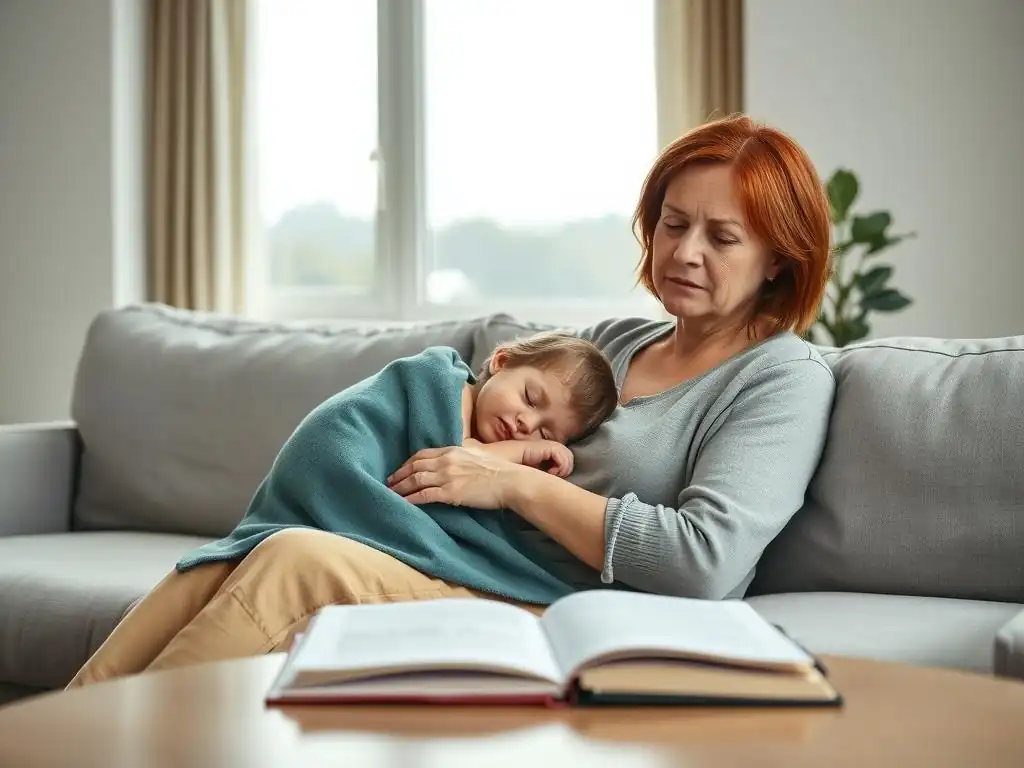
Navigating single parenting mental health struggles is challenging, but no parent has to do it completely alone. A variety of resources and support systems exist to provide assistance, both practical and emotional. Accessing these resources can alleviate some of the pressure points that contribute to mental health challenges and connect parents with communities that understand their experiences.
Exploring these options is a proactive step towards finding help and building a more sustainable life as a single parent. It requires research and reaching out, but the potential benefits in terms of reduced stress and improved wellbeing are immense.
Government Assistance Programs and Mental Health Support
Government programs can provide a crucial safety net for single-parent families, addressing some of the core financial stressors that contribute to single parenting mental health struggles. These programs vary by location but can include financial assistance (like Temporary Assistance for Needy Families - TANF in the US), food assistance (SNAP), housing subsidies, and childcare subsidies.
Additionally, public health services often provide access to affordable mental health services, including counseling and psychiatric support. Understanding eligibility requirements and applying for these programs can significantly reduce financial anxiety and free up mental energy to focus on wellbeing. While navigating bureaucracy can be challenging, the support offered can be foundational for managing single parenting mental health struggles.
Non-Profit Organizations Offering Assistance to Single-Parent Families
Numerous non-profit organizations are dedicated to supporting single-parent families. These organizations often provide a range of services beyond financial aid, such as parenting classes, job training assistance, legal aid, and sometimes direct mental health support or referrals. They can also offer community-building activities and peer support.
Examples might include local YWCA branches, specific single-parent support charities, or community resource centers. These organizations often have a deep understanding of the unique challenges faced by single parents and can provide targeted support and resources that address specific single parenting mental health struggles. Reaching out to local community organizations is a valuable step.
Online Communities and Support Groups for Single Parents
For single parents who find it difficult to attend in-person meetings due to time constraints or location, online communities and support groups offer a flexible and accessible alternative. These platforms allow single parents to connect with others around the world or in their local area, share experiences, ask for advice, and offer mutual support.
Online forums, social media groups, and dedicated single-parenting websites host vibrant communities where parents can discuss everything from childcare tips to managing emotional challenges. While online interactions don't replace in-person connections, they can provide a valuable sense of belonging and reduce feelings of isolation, offering a consistent source of understanding for single parenting mental health struggles.
Breaking the Stigma: Encouraging Open Conversations About Mental Health in Single-Parent Families
Despite increasing awareness, a stigma still surrounds mental health, particularly the idea that struggling with mental health somehow equates to being a "bad" parent. This stigma can prevent single parents from acknowledging their single parenting mental health struggles and seeking the help they desperately need. Breaking down this barrier requires open conversations, normalization, and empowerment.
Creating an environment where single parents feel safe to talk about their challenges without fear of judgment is essential. This involves societal shifts in how we view single parenthood and mental health, as well as individual efforts within communities and families to foster understanding and empathy.
Normalizing Mental Health Challenges in Single Parenthood
It is crucial to normalize the fact that experiencing mental health challenges is a common response to the significant stress and pressure of single parenting. It's not a personal failing but a consequence of challenging circumstances. Public health campaigns, media representation, and conversations within healthcare settings can all play a role in conveying that single parenting mental health struggles are valid and widespread experiences.
Sharing personal stories (when comfortable and safe to do so) can also help others feel less alone. Hearing that another single parent experiences anxiety or depression can provide validation and encourage them to seek help. Normalizing these struggles is a powerful step towards dismantling the shame that often accompanies them.
Empowering Single Parents to Seek Help Without Shame
Empowering single parents means providing them with the knowledge that help is available and assuring them that seeking it is a sign of strength. It involves educating them about available resources, simplifying access to services, and ensuring that healthcare providers are sensitive to the unique context of single parenthood.
Advocacy efforts can also help ensure policies support single-parent families, reducing some of the systemic stressors that contribute to mental health issues. Ultimately, empowering single parents to prioritize their mental health benefits not just the individual parent but the entire family unit, leading to healthier, more resilient households.
Conclusion: Prioritizing Mental Health for a Thriving Single-Parent Family
Single parenting, particularly for women, presents a unique set of challenges that significantly impact mental health. From financial strain and social isolation to the emotional burden of loneliness and guilt, single parenting mental health struggles are a pervasive reality. Conditions like depression, anxiety, and the effects of trauma are more prevalent in this population, and these challenges can have a direct impact on the wellbeing of children.
However, recognizing these struggles is the first step towards resilience. By prioritizing mental wellbeing through self-care, building support systems, seeking professional help, and utilizing available resources, single parents can navigate these difficulties more effectively. Breaking the stigma around single parenting mental health allows for more open conversations and empowers parents to seek the help they deserve. Ultimately, investing in the mental health of single parents is an investment in the health and future of their children and the creation of thriving single-parent families.
Frequently Asked Questions
What are the primary mental health challenges faced by single mothers?
Single mothers often grapple with increased stress, financial instability, and social isolation, which can lead to anxiety, depression, and burnout.
How does single parenting specifically impact women's mental well-being differently than partnered parenting?
Single parenting places the entire burden of childcare, household management, and financial support solely on one person, resulting in higher levels of stress and exhaustion for women. This can also lead to feelings of inadequacy.
What resources are available to support the mental health of single mothers?
Many organizations offer counseling services, support groups, and financial assistance programs specifically designed for single parents. Online resources and community centers can also provide valuable support.
How can single mothers prioritize their mental health amidst the demands of parenting?
Prioritizing mental health involves scheduling self-care activities, such as exercise or meditation, and seeking support from friends, family, or professionals. Setting realistic expectations is also crucial.
What are some strategies for coping with stress and anxiety as a single mother?
Effective coping strategies include practicing mindfulness, engaging in regular physical activity, and establishing a strong support network. Also, learning to say "no" is essential.
Final Reflection: The Unsung Strength of Single Mothers
The unique challenges faced by single mothers in navigating parenthood and mental well-being are not merely anecdotal; they represent a significant societal issue demanding immediate attention. The sheer weight of responsibility, coupled with the pervasive societal biases and lack of adequate support systems, creates a perfect storm impacting the mental health of millions. This is not simply a matter of statistics; it's a crisis of human resilience, demanding a compassionate and effective response.
The pervasive societal pressure on women to be "supermoms," capable of flawlessly juggling career, childcare, and personal well-being, only exacerbates the already immense strain of single parenthood. This expectation, often unspoken yet deeply felt, contributes to a cycle of guilt, self-doubt, and burnout. The most common way people give up their power is by thinking they don't have any.
– Alice Walker. This quote resonates deeply, as many single mothers feel powerless against the overwhelming demands placed upon them, hindering their ability to prioritize their own mental health. The article explored this powerlessness, highlighting the systemic issues that contribute to this feeling.
You, the reader, are now equipped with a deeper understanding of the complex interplay between single motherhood and mental health. Consider the women in your life – mothers, sisters, friends, colleagues – and reflect on the invisible burdens they may be carrying. Reach out, offer support, advocate for better policies, and challenge the societal narratives that perpetuate this struggle. Let's move beyond empathy and towards tangible action, creating a more supportive and equitable environment for single mothers to thrive, not just survive.
Unleash Your Inner Strength: Nurturing Your Wellbeing
Thanks for taking the time to explore the unique challenges single mothers face in maintaining their mental health. We hope this article provided valuable insights and empowered you to prioritize self-care.
Now, let's take the next step towards a healthier, happier you:
- Prioritize one self-care activity this week. Even 15 minutes of quiet time, a warm bath, or a phone call with a friend can make a difference. This is your primary focus.
- Connect with our supportive community. Share your experiences and learn from others facing similar challenges in the comments section below. Your story can inspire others!
- Discover additional resources: Explore our website for more articles on stress management, coping mechanisms, and support groups tailored to single parents.
What small act of self-care will you commit to today, and how will it impact your wellbeing this week?