
From Stoic to Strong: Redefining Masculinity and Mental Health

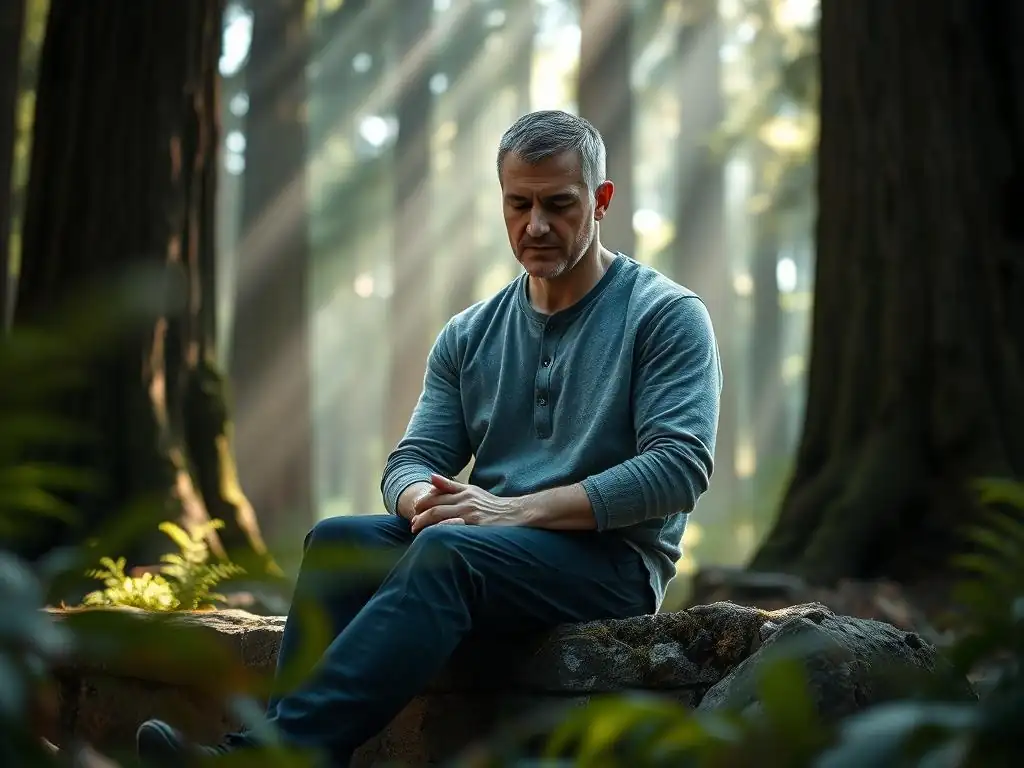
Welcome to Mind Care Guide, a space dedicated to nurturing your mental well-being. Are you grappling with the pressures of modern masculinity and searching for a healthier path? This is where your journey begins. Our featured article, " From Stoic to Strong: Redefining Masculinity and Mental Health," delves into how the principles of Stoicism can be a powerful tool for navigating the complexities of mental health. Discover how to build resilience, manage emotions, and cultivate inner strength—without sacrificing vulnerability. Intrigued? Let's explore together.
From Stoic to Strong: Redefining Masculinity and Mental Health
- Understanding the Intersection of Stoic Philosophy, Masculinity, and Mental Health
- The Challenges of Applying Traditional Stoic Ideals to Modern Mental Health
- Redefining Stoic Masculinity: A Balanced Approach to Mental Wellness
- Practical Strategies for Men to Improve Mental Health Using Stoic Principles
- Building a Supportive Community: Fostering Open Conversations About Men's Mental Health
- Resources for Men's Mental Health and Stoic Philosophy
- Conclusion: Embracing a New Vision of Stoic Masculinity and Mental Well-being
-
Frequently Asked Questions
- What is Stoic masculinity and how does it relate to mental health?
- How can Stoic principles help men address mental health challenges, particularly in the context of masculinity?
- What are some common misconceptions about Stoicism and masculinity that might hinder men from seeking mental health support?
- Where can men find resources and support to explore Stoic philosophy and its application to mental health and masculinity?
- How can adopting a Stoic mindset improve a man's overall mental well-being and challenge traditional notions of masculinity?
- Final Reflection: Forging a Stronger, Healthier Masculinity
- Unleash Your Inner Strength: Take Charge of Your Mental Well-being
Understanding the Intersection of Stoic Philosophy, Masculinity, and Mental Health
Exploring Societal Expectations of Masculinity and Their Impact on Mental Well-being
Societal expectations have long shaped what it means to be a "man," often emphasizing traits like toughness, self-reliance, emotional control, and a reluctance to show vulnerability. These norms, sometimes labeled as traditional masculinity, can create significant pressure on men. From a young age, boys may internalize messages that discourage the expression of 'weak' emotions like sadness or fear, pushing them towards suppressing feelings rather than processing them. This cultural conditioning can make it difficult for men to acknowledge mental health struggles or seek help, fearing it might be perceived as a failure to live up to these rigid ideals.
The impact of these expectations on mental health is substantial. Research indicates that while men and women experience mental health conditions at similar rates overall, men are less likely to be diagnosed and treated. For instance, estimates suggest that men are significantly less likely than women to seek therapy or counseling.
This disparity is often attributed to the stigma associated with mental health challenges being seen as incompatible with traditional masculine roles. The pressure to "man up" or "deal with it" silently can lead to delayed diagnosis, worsening symptoms, and higher rates of serious outcomes, including tragically higher rates of suicide among men compared to women in many age groups.
The Historical Appeal of Stoicism: A Framework for Male Resilience
Stoic philosophy, originating in ancient Greece, has historically resonated with masculine ideals due to its emphasis on resilience, self-control, reason, and focus on what is within one's power. Figures like Epictetus, Seneca, and Marcus Aurelius advocated for cultivating inner strength and tranquility by focusing on virtue and accepting the external world as largely beyond our control. This framework provided a philosophical basis for enduring hardship with dignity and maintaining composure in the face of adversity – qualities often celebrated within traditional concepts of masculinity.
For centuries, this aspect of Stoicism has appealed to men seeking a philosophical approach to navigating life's challenges. It offers tools for managing reactions to stress and misfortune, promoting a sense of agency even when circumstances are difficult. The emphasis on reason and logic over impulsive emotion, and the pursuit of virtue as the highest good, presented a path to strength that aligned with societal expectations of male behavior, offering a sense of purpose and control in an often chaotic world.
Core Stoic Principles: Virtue, Reason, and Acceptance
At the heart of Stoicism lie several key principles. Virtue is considered the sole good, encompassing wisdom, justice, courage, and temperance. These virtues are seen as the only things truly within our control and the path to a flourishing life (eudaimonia). Reason is the primary tool for understanding the world and guiding one's actions; it helps discern what is within our power (our thoughts, judgments, desires) from what is not (external events, other people's actions, health, wealth).
Acceptance, particularly of what is outside our control, is another crucial tenet. This involves understanding the nature of reality and not being disturbed by things that are indifferent to our virtue. The Stoic dichotomy of control teaches us to focus our energy only on what we can influence. By cultivating these principles – striving for virtue, employing reason in judgments, and accepting external realities – Stoics aimed to achieve apatheia, not a lack of feeling, but freedom from disturbing passions and a state of inner peace.
The Challenges of Applying Traditional Stoic Ideals to Modern Mental Health
The Misinterpretation of Stoicism: Emotional Regulation vs. Emotional Suppression
A common challenge when discussing Stoic masculinity and mental health is the misinterpretation of Stoic emotional principles. Traditional Stoicism advocates for regulating one's reactions to emotions, particularly intense or destructive passions, through reason and judgment. It teaches that our suffering often comes from our judgments about external events, not the events themselves. This is a sophisticated approach to emotional regulation and cognitive restructuring.
However, this has often been simplified or distorted in popular culture and traditional masculine norms into emotional suppression. The idea that a "strong" person doesn't show negative emotions, or simply "shuts them down," is a harmful deviation from true Stoic practice. While Stoicism encourages not being ruled by emotions, it doesn't demand their absence. Suppressing emotions can lead to increased stress, anxiety, and depression, preventing individuals from processing experiences and developing healthy coping mechanisms, which is counterproductive to genuine mental wellness.
The Pressure to be Invulnerable: Hindering Mental Health Help-Seeking
The societal expectation, sometimes wrongly associated with a simplistic view of Stoic ideals, that men must be invulnerable creates a significant barrier to seeking mental health help. The idea that admitting struggle or asking for support is a sign of weakness is deeply ingrained in many cultures. This pressure can be particularly intense for men striving to embody traditional masculine strengths like self-sufficiency and resilience.
This cultural barrier contributes directly to the underutilization of mental health services by men. For example, studies consistently show lower rates of men attending therapy compared to women, even when experiencing similar levels of distress. The fear of being judged, appearing weak, or failing to live up to an impossible standard of emotional fortitude prevents many men from accessing the support they desperately need, exacerbating conditions like depression, anxiety, and substance abuse.
Toxic Masculinity and the Rejection of Vulnerability: A Damaging Cycle
Toxic masculinity refers to harmful norms associated with manhood that encourage aggression, dominance, emotional repression, and the rejection of anything perceived as feminine or weak, including vulnerability. This construct is particularly damaging to mental health as it actively discourages the very behaviors necessary for emotional well-being and healthy relationships: open communication, emotional expression, and seeking help.
The rejection of vulnerability within toxic masculinity creates a vicious cycle. Men are pressured to hide their pain, which prevents them from connecting authentically with others or accessing support systems. This isolation can worsen mental health issues. Furthermore, the emphasis on aggression and dominance can manifest in harmful behaviors towards themselves and others, including higher rates of substance misuse and violence. Addressing toxic masculinity is crucial for fostering an environment where men feel safe to prioritize their mental health.
Redefining Stoic Masculinity: A Balanced Approach to Mental Wellness

Embracing Emotional Intelligence: Recognizing, Understanding, and Expressing Feelings
Redefining Stoic masculinity for modern mental health requires integrating emotional intelligence. This involves not suppressing emotions but recognizing and understanding them, both in oneself and others. A truly strong individual isn't someone who feels nothing, but someone who understands their emotional landscape and can navigate it effectively. This means acknowledging feelings like sadness, frustration, or fear without judgment, seeing them as valuable information rather than signs of weakness.
Developing emotional intelligence is a key component of a balanced approach to Stoic masculinity mental health. It involves learning to articulate feelings in a healthy way, which is essential for building strong relationships and managing stress. This is not about being overwhelmed by emotions, but about using reason (a core Stoic principle) to interpret and respond to them constructively, leading to greater self-awareness and resilience.
The Power of Vulnerability: Fostering Connection and Facilitating Support
Contrary to the traditional, rigid view, vulnerability is not weakness; it is a pathway to authentic connection and receiving support. Allowing oneself to be vulnerable means sharing one's true feelings and struggles with trusted individuals. This act requires courage and is fundamental to building deep, meaningful relationships, which are vital for mental well-being.
Embracing vulnerability challenges the harmful norm of emotional isolation often associated with traditional masculinity. When men feel safe to open up about their mental health challenges, they break down barriers and encourage others to do the same. This fosters a supportive environment where seeking help is seen as an act of strength and self-care, leading to better mental health outcomes for individuals and the community.
Practical Applications of Stoicism for Men's Mental Health in the 21st Century
Modern Stoicism offers practical tools for men navigating mental health challenges. The Stoic practice of distinguishing between what is within our control (our thoughts, actions, judgments) and what is not (external events, other people's opinions) is incredibly powerful for managing anxiety and stress. Instead of worrying about uncontrollable outcomes, men can focus their energy on their responses and actions, cultivating a sense of agency.
Another practical application is the Stoic exercise of negative visualization – contemplating potential losses or difficulties. This isn't pessimism, but a way to appreciate what one has and prepare mentally for adversity, building resilience. Applying Stoic principles involves using reason to challenge irrational fears and judgments, practicing mindfulness of one's thoughts, and focusing on living virtuously – acting with courage, justice, wisdom, and temperance in daily life – which inherently supports mental well-being.
Practical Strategies for Men to Improve Mental Health Using Stoic Principles
Mindfulness and Acceptance: Managing Anxiety and Stress
Mindfulness, a practice rooted in paying attention to the present moment without judgment, aligns closely with the Stoic principle of acceptance. For men dealing with anxiety or stress, mindfulness can be a powerful tool. It helps in recognizing anxious thoughts or stressful feelings as temporary mental events rather than absolute truths or threats. By observing these thoughts and feelings without getting swept away by them, men can gain perspective and reduce their intensity.
Acceptance, in the Stoic sense, means acknowledging reality as it is, including difficult circumstances or uncomfortable emotions, without resistance. This doesn't mean resignation or liking the situation, but facing it with clear eyes. Combining mindfulness and acceptance allows men to manage the internal turmoil often associated with anxiety and stress, focusing their energy on reasoned responses rather than fruitless struggle against what is outside their control.
Building Resilience: Developing Mental Fortitude Through Adversity
Resilience, the ability to bounce back from adversity, is a cornerstone of both Stoicism and good mental health. Stoics viewed challenges as opportunities to practice virtue and strengthen character. For men seeking to improve their mental fortitude, adopting this perspective can be transformative. Instead of viewing setbacks as failures, they can be reframed as exercises in courage, patience, and wisdom.
Developing resilience involves actively practicing Stoic virtues when faced with difficulties. This might mean exercising courage to face a fear, applying wisdom to make difficult decisions, or practicing temperance in controlling emotional reactions. By embracing challenges as part of life and focusing on their response within their control, men can build inner strength and mental fortitude, essential for navigating life's inevitable ups and downs with greater stability.
Seeking Help When Needed: Recognizing Limitations and Prioritizing Well-being
A key aspect of a strong, redefined Stoic masculinity mental health approach is the wisdom to recognize one's limitations and the courage to seek help when needed. While Stoicism emphasizes self-reliance on one's inner resources (reason, virtue), it does not advocate for isolation or rejecting external support that aligns with reason and promotes well-being. Acknowledging that one cannot solve every problem alone is not a failure of self-sufficiency but an act of rational self-preservation and wisdom.
Prioritizing mental well-being by seeking professional help, connecting with supportive friends or family, or joining a support group is a rational and courageous act. It aligns with the Stoic pursuit of a flourishing life (eudaimonia) by addressing obstacles to inner peace and effective functioning. Embracing help-seeking as a strength, not a weakness, is vital for men breaking free from harmful traditional norms and actively pursuing a healthier, more balanced life.
Building a Supportive Community: Fostering Open Conversations About Men's Mental Health

Challenging Stigma: Creating Safe Spaces for Sharing Experiences
Challenging the pervasive stigma surrounding men's mental health is crucial for fostering supportive communities. Stigma thrives in silence and shame. By encouraging open conversations, we create safe spaces where men feel comfortable sharing their experiences without fear of judgment or ridicule. This involves actively pushing back against the idea that discussing feelings or struggles is 'unmanly'.
Creating these safe spaces can take many forms, from informal conversations among friends to structured support groups or online forums dedicated to men's mental health. The goal is to normalize the experience of mental health challenges and the act of seeking help. When men hear others share similar struggles, they feel less alone, reducing isolation and encouraging them to take steps towards their own well-being.
The Role of Mentorship: Guidance and Support for Personal Growth
Mentorship can play a significant role in supporting men's mental health and personal growth. Having a trusted mentor, perhaps an older man who embodies a healthy, balanced form of masculinity, can provide guidance, perspective, and encouragement. Mentors can share their own experiences, model healthy coping strategies, and validate the struggles young men face, particularly regarding expectations around masculinity and mental health.
A mentor can offer practical advice and emotional support, helping men navigate difficult life transitions, understand their emotions, and challenge harmful beliefs they may hold about themselves or what it means to be a man. This relationship provides a valuable source of connection and wisdom outside of formal therapy, contributing to resilience and a positive sense of identity that integrates strength with emotional intelligence.
Promoting Positive Masculinity: Celebrating Strength, Empathy, and Connection
Promoting positive masculinity involves highlighting and celebrating traits like empathy, compassion, healthy emotional expression, and the ability to form meaningful connections, alongside traditional strengths like courage and resilience. This redefined view acknowledges that true strength includes the capacity for care, vulnerability, and seeking support, moving away from the restrictive and harmful norms of toxic masculinity.
Celebrating positive masculinity creates role models who demonstrate a balanced approach to life and mental well-being. It shows younger generations that they don't have to conform to outdated stereotypes to be considered strong or successful. By valuing emotional intelligence and connection, we build communities where men feel empowered to prioritize their mental health and support one another, fostering a healthier society for everyone.
Resources for Men's Mental Health and Stoic Philosophy
Relevant Websites and Organizations
Numerous organizations offer resources specifically tailored to men's mental health. These often provide information on common conditions, coping strategies, and guidance on how to seek help. Examples include national mental health associations with dedicated men's health sections or non-profits focused on suicide prevention among men. Many also offer online forums or helplines.
For those interested in Stoic philosophy, various websites, online communities, and organizations are dedicated to studying and applying Stoicism in modern life. These resources can provide access to texts, interpretations, and discussions on how Stoic principles can be used for personal development and resilience, complementing mental health strategies.
Recommended Reading on Stoicism and Mental Health
Exploring the intersection of Stoic masculinity mental health can be greatly enhanced by reading. Key Stoic texts like Marcus Aurelius's Meditations, Epictetus's Enchiridion and Discourses, and Seneca's Letters from a Stoic offer foundational wisdom.
Beyond the classics, many contemporary books explore how ancient Stoicism can be applied to modern challenges, including mental health. Look for titles that discuss Stoicism not as emotional suppression but as a practical philosophy for building resilience, managing emotions through reason, and finding tranquility in a complex world.
Therapy Options and Support Groups
Professional therapy is a vital resource for men navigating mental health challenges. Therapists can provide evidence-based treatments for conditions like depression and anxiety, help men develop healthy coping mechanisms, and offer a safe space to process emotions and experiences. Options include individual therapy, couples counseling, and group therapy.
Support groups, specifically for men or for particular mental health conditions, offer peer support and shared understanding. Connecting with others facing similar struggles can reduce feelings of isolation and provide practical advice and emotional encouragement. These groups can be found through local mental health services, community centers, or online platforms.
Conclusion: Embracing a New Vision of Stoic Masculinity and Mental Well-being
Moving Forward: Promoting a Healthier and More Balanced Approach to Men's Mental Health
Moving forward requires a collective effort to redefine what it means to be strong, integrating the valuable aspects of Stoic philosophy – reason, virtue, resilience – with essential components of modern mental health – emotional intelligence, vulnerability, and seeking support. This balanced approach to Stoic masculinity mental health acknowledges the importance of inner fortitude while rejecting harmful norms that equate strength with emotional silence or isolation.
Promoting a healthier and more balanced approach involves challenging outdated stereotypes, fostering open conversations about mental health, and creating environments where men feel empowered to express their emotions and seek help without judgment. By embracing a vision of masculinity that values both resilience and emotional well-being, we can support men in living fuller, healthier lives and build stronger, more compassionate communities.
Frequently Asked Questions
What is Stoic masculinity and how does it relate to mental health?
Stoic masculinity is a philosophy emphasizing virtue, reason, and self-control to navigate challenges. It promotes emotional resilience and inner strength, which can positively impact mental well-being by fostering a more balanced and rational approach to life's difficulties.
How can Stoic principles help men address mental health challenges, particularly in the context of masculinity?
Stoic principles encourage focusing on what's within your control, accepting what isn't, and developing inner resilience. This allows men to confront negative emotions and stressful situations with greater clarity and self-awareness, breaking down traditional masculine norms that discourage vulnerability.
What are some common misconceptions about Stoicism and masculinity that might hinder men from seeking mental health support?
A common misconception is that Stoicism equates to suppressing emotions, rather than managing them constructively. The idea that masculinity requires emotional invulnerability can also prevent men from seeking help for mental health issues, reinforcing harmful stereotypes.
Where can men find resources and support to explore Stoic philosophy and its application to mental health and masculinity?
Resources include books on Stoicism by authors like Marcus Aurelius and Epictetus. Online communities and mental health professionals specializing in cognitive behavioral therapy (CBT), which shares similarities with Stoic principles, can also offer guidance and support.
How can adopting a Stoic mindset improve a man's overall mental well-being and challenge traditional notions of masculinity?
By focusing on inner values and developing emotional regulation skills, a Stoic mindset promotes self-acceptance and resilience. This challenges the traditional masculine ideal of constant strength and dominance, allowing men to embrace vulnerability and seek help when needed, ultimately enhancing mental well-being.
Final Reflection: Forging a Stronger, Healthier Masculinity
The outdated ideals of stoicism, often conflated with emotional repression, are actively harming men's mental health. This article has explored the dangerous disconnect between traditional notions of masculinity and the vital need for emotional expression and vulnerability. We've seen how a rigid adherence to stoic ideals can silence suffering and prevent men from seeking the help they desperately need.
The impact of this toxic masculinity is far-reaching, affecting not only individual men but also their relationships and the broader societal fabric. We've witnessed a shift, a growing awareness of the importance of mental well-being, yet the ingrained societal pressures remain. The struggle is real, and the path to change is paved with self-awareness and a willingness to challenge ingrained beliefs. The unexamined life is not worth living,
Socrates famously said, and this rings truer than ever when discussing men's mental health. We must examine, challenge, and redefine what it means to be a man in the 21st century.
Now, it's your turn. Consider the ways in which you've internalized societal expectations of masculinity. Are you allowing yourself to feel the full spectrum of human emotion, or are you suppressing feelings out of fear of judgment? Take this opportunity to reflect on your own mental well-being, and remember that seeking help is a sign of strength, not weakness. Embrace vulnerability, cultivate empathy, and build a healthier, more authentic version of masculinity – one that prioritizes well-being and genuine connection. The journey towards a stronger, healthier you begins with a single, courageous step.
Unleash Your Inner Strength: Take Charge of Your Mental Well-being
Thanks for taking the time to explore the evolving landscape of masculinity and mental health. We hope this article provided valuable insights and empowered you to prioritize your well-being. Now, let's turn those insights into action!
- Start a mindful self-reflection practice: Dedicate just 5 minutes each day to journal your thoughts and feelings, noticing any patterns or triggers impacting your mental health. This is your key to unlocking inner strength.
- Share this article with someone you care about: Open a conversation about mental well-being with a friend, family member, or colleague. Let's break the stigma together.
- Consider exploring a new hobby or activity that promotes self-care and reduces stress; something completely unexpected – try pottery, knitting, or even competitive eating!
What new self-care strategy will you implement today to strengthen your mental well-being?