
Team Mental Dynamics: How Group Support Impacts Athlete Wellbeing

Welcome to Mind Care Guide, a space dedicated to nurturing your mental well-being.
Ever wondered how the strength of a team extends beyond the field and into the minds of its players? Dive into our insightful exploration of Athlete Group Mental Support and discover the profound impact of collective encouragement on athlete wellbeing. This is just the beginning; let's unravel the power of team dynamics together.
Team Mental Dynamics: How Group Support Impacts Athlete Wellbeing
- Introduction: The Crucial Role of Athlete Group Mental Support
- Defining Team Mental Dynamics and its Components
- The Benefits of Strong Athlete Group Mental Support
- Identifying Weaknesses in Athlete Group Mental Support Systems
- Strategies for Building a Supportive Team Environment
- Practical Tools and Techniques for Athlete Group Mental Support
- The Coach's Role in Cultivating Athlete Wellbeing Through Group Support
- Measuring the Impact of Athlete Group Mental Support Initiatives
- Case Studies: Real-World Examples of Athlete Group Mental Support
- Conclusion: Investing in Athlete Group Mental Support for Long-Term Success
-
Frequently Asked Questions
- What is the main benefit of group mental support for athletes?
- How does group support improve individual athlete performance?
- What are some common challenges faced when implementing group mental support programs for athletes?
- How can coaches and team leaders promote a culture of mental well-being within an athlete group?
- What resources are available for athlete groups seeking to establish or improve their mental support systems?
- Final Reflection: The Unseen Power of Team Mental Dynamics
- Ignite Your Team's Potential: Level Up Your Mental Game!
Introduction: The Crucial Role of Athlete Group Mental Support
Understanding the Unique Mental Health Challenges Faced by Athletes
Athletes face a unique confluence of pressures that can significantly impact their mental health. Beyond the physical demands of training and competition, they navigate intense public scrutiny, the constant pressure to perform, the risk of injury, and the uncertainties of career progression.
Elite athletes, for instance, often dedicate upwards of 30-40 hours per week to their sport, balancing this with academic or professional pursuits, leaving limited time for social connections outside their team or processing emotional challenges. This high-stakes environment, coupled with a culture that historically prioritizes physical toughness over emotional vulnerability, can make it difficult for athletes to acknowledge or seek help for mental health issues like anxiety, depression, or burnout.
Furthermore, the identity of an athlete is often deeply intertwined with their performance and sport. Slumps, injuries, or failures can lead to a significant loss of self-esteem and identity confusion. Research indicates that athletes report experiencing symptoms of depression and anxiety at rates comparable to, and sometimes higher than, the general population, particularly during periods of transition, injury, or poor performance. The constant evaluation and comparison inherent in competitive sports amplify these pressures, highlighting the critical need for robust support systems that go beyond individual therapy and include the collective strength found in athlete group mental support.
Why Athlete Group Mental Support Matters for Wellbeing and Performance
Athlete group mental support serves as a vital buffer against the intense stressors of competitive sports, offering a layer of protection and resilience that individual support alone cannot fully provide. When athletes feel connected to their teammates, sharing common experiences and challenges, it normalizes their struggles and reduces feelings of isolation. This collective understanding fosters an environment where vulnerability is more acceptable, encouraging athletes to open up about their mental health concerns without fear of judgment. Strong group support can significantly contribute to an athlete's overall wellbeing by providing emotional validation, practical assistance, and a sense of belonging.
Beyond individual wellbeing, effective athlete group mental support directly impacts team performance. A team with strong cohesion, trust, and mutual support is better equipped to handle adversity, communicate effectively under pressure, and maintain focus during critical moments. Studies and anecdotal evidence from successful teams across various sports suggest that teams prioritizing psychological safety and collective wellbeing often exhibit greater resilience, better problem-solving abilities, and improved performance outcomes, particularly in high-pressure situations. Investing in athlete group mental support is not just about caring for individuals; it's about building a more robust, resilient, and ultimately more successful team unit.
Defining Team Mental Dynamics and its Components
What is Team Cohesion and its Impact on Mental Health?
Team cohesion refers to the degree to which members of a group are attracted to the group and are motivated to stay in it. It encompasses both task cohesion (the degree to which team members work together to achieve common goals) and social cohesion (the degree to which team members like each other and enjoy being together).
High levels of team cohesion are widely recognized as a cornerstone of successful teams in various fields, including sports. For athlete group mental support, social cohesion is particularly impactful, as it relates directly to the quality of interpersonal relationships and the sense of belonging within the team.
The link between team cohesion and mental health is significant. In a highly cohesive team, athletes are more likely to feel supported, understood, and valued by their peers. This psychological safety net can dramatically reduce feelings of loneliness and isolation, which are known risk factors for depression and anxiety.
When athletes trust their teammates and feel a strong bond, they are more likely to share their struggles, seek help from within the group, and feel less overwhelmed by individual pressures. Conversely, low cohesion can lead to internal conflict, lack of trust, and feelings of being unsupported, exacerbating stress and potentially contributing to mental health challenges among athletes.
The Role of Leadership in Fostering Positive Team Mental Dynamics
Leadership, particularly from coaches and team captains, is paramount in shaping positive team mental dynamics and cultivating effective athlete group mental support. A coach sets the tone for the team culture; if they prioritize open communication, empathy, and psychological safety, these values are more likely to permeate the group.
Leaders who model vulnerability, actively listen to their athletes' concerns, and demonstrate genuine care for their wellbeing beyond performance metrics create an environment where athletes feel safe to express themselves and support one another. This involves not just tactical instruction but also emotional intelligence and the ability to facilitate healthy interpersonal interactions.
Effective leadership also involves proactively addressing potential conflicts and negative dynamics that can undermine team cohesion and athlete group mental support. This might include mediating disagreements, setting clear expectations for respectful communication, and promoting inclusive behaviors. Leaders can also empower athletes to take ownership of their collective wellbeing by establishing peer support initiatives or designating team captains as mental health advocates. Ultimately, the quality of leadership significantly influences whether a team becomes a source of stress or a vital support system for its athletes.
Communication Strategies for Enhanced Athlete Group Mental Support
Open, honest, and effective communication is the bedrock upon which strong athlete group mental support is built. It allows teammates to understand each other's perspectives, share their experiences, and provide timely support. Implementing communication strategies that promote active listening, empathy, and non-judgmental dialogue is crucial. This means creating dedicated spaces and times for athletes to talk about things other than their sport, fostering deeper personal connections. It also involves teaching athletes how to express their feelings constructively and how to respond empathetically when a teammate is struggling.
Specific strategies can include regular team meetings where check-ins on emotional wellbeing are encouraged, establishing a confidential way for athletes to raise concerns, and training athletes in communication skills. For example, teaching techniques like reflective listening ("So, if I understand correctly, you're feeling...") or using "I" statements ("I feel frustrated when...") can help athletes communicate their needs and feelings more effectively without placing blame.
Encouraging athletes to simply ask "Are you okay?" and being prepared to listen without immediately offering solutions can make a significant difference in building trust and ensuring athlete group mental support is genuinely accessible and effective.
The Benefits of Strong Athlete Group Mental Support
Reduced Stress and Anxiety Among Athletes
Strong athlete group mental support acts as a powerful stress buffer, significantly reducing the burden of performance anxiety and general life stressors on individual athletes. Knowing that you have a network of teammates who understand the unique pressures you face can make those pressures feel less overwhelming. When an athlete is struggling with a poor performance or an injury, peer support can provide perspective, validation, and practical encouragement, helping to de-escalate feelings of panic or self-doubt. This collective resilience means that the stress is shared, rather than carried alone.
Furthermore, a supportive team environment can help athletes manage anticipatory anxiety related to competition. Sharing pre-game nerves with teammates, engaging in lighthearted banter, or participating in team rituals can help ground athletes and shift their focus away from debilitating worry. Research in sports psychology consistently highlights that perceived social support is inversely related to stress and anxiety levels among athletes. Effective athlete group mental support provides this crucial social safety net, allowing athletes to approach challenges with greater calm and confidence.
Improved Resilience and Coping Mechanisms in Sports
Resilience is the ability to bounce back from setbacks, and strong athlete group mental support is a key factor in cultivating this trait within individuals and the team as a whole. When facing losses, injuries, or personal difficulties, athletes in a supportive group can draw strength from their teammates.
Sharing experiences of overcoming adversity, learning from each other's coping strategies, and receiving encouragement during tough times builds a collective resilience that makes the entire team more robust. Teammates can offer practical advice based on their own experiences, provide emotional comfort, and help maintain a positive outlook even when things are difficult.
Moreover, athlete group mental support fosters the development of healthier coping mechanisms. Instead of resorting to isolation or maladaptive behaviors when stressed, athletes are encouraged to communicate their feelings and seek support. Group discussions or facilitated sessions can introduce athletes to a range of coping strategies, from mindfulness techniques to problem-solving approaches, which they can then practice and reinforce together. This shared learning and application of coping skills through athlete group mental support enhances individual resilience and strengthens the team's collective ability to navigate challenges.
Enhanced Self-Esteem and Confidence Through Team Support
An athlete's self-esteem and confidence are profoundly influenced by their interactions and standing within their team. Positive athlete group mental support provides consistent validation and affirmation that can significantly boost an athlete's self-worth, independent of their performance outcomes. Teammates who offer encouragement after a mistake, celebrate small victories, and acknowledge effort regardless of the result contribute to a positive self-image. This kind of unconditional support helps athletes internalize a sense of value that isn't solely contingent on winning or achieving personal bests.
Feeling accepted and valued as a person, not just as a performer, is critical for sustainable confidence. When athletes feel a strong sense of belonging within their group, it reinforces their identity and reduces the fear of failure that can erode confidence. Peer feedback, when delivered constructively and within a supportive framework of athlete group mental support, can also be incredibly powerful for development. Knowing that teammates believe in you and are invested in your success, even when you doubt yourself, can provide the necessary push to overcome challenges and build lasting confidence.
Fostering a Sense of Belonging and Identity Within the Team
A fundamental human need is the desire to belong, and for athletes, the team often serves as a primary social unit and a significant source of identity. Strong athlete group mental support cultivates a deep sense of belonging, making athletes feel like integral and valued members of the group. This feeling of connection goes beyond simply being part of a roster; it means feeling seen, heard, and accepted by peers and coaches. This shared identity and purpose create a powerful bond that transcends individual differences and focuses on collective goals and mutual support.
This sense of belonging is particularly important for athletes who may be far from home, navigating cultural adjustments, or transitioning between different levels of sport. The team becomes a surrogate family, providing a stable and supportive environment. The shared experiences, inside jokes, and collective challenges faced together forge a unique team identity. This robust sense of belonging fostered by athlete group mental support is not only crucial for mental wellbeing but also translates into increased commitment, motivation, and a willingness to sacrifice for the good of the team.
Identifying Weaknesses in Athlete Group Mental Support Systems

Recognizing Signs of Isolation and Disconnection Within the Team
Identifying weaknesses in athlete group mental support begins with recognizing the subtle and overt signs of isolation and disconnection among team members. This might manifest as athletes consistently keeping to themselves, avoiding team social activities, or showing a lack of engagement during team meetings or practices. Observing changes in behavior, such as increased quietness in previously outgoing individuals or withdrawal from typical group interactions, can be red flags. On the field or court, disconnection might show up as a lack of communication, unwillingness to help teammates, or a general sense of apathy towards collective goals.
Coaches, support staff, and observant teammates play a critical role in noticing these signs. For example, if an athlete consistently eats alone, is the first to leave after practice, or rarely interacts with others on bus rides, it could indicate feelings of isolation. It's important not to jump to conclusions, but to see these as potential indicators that an athlete might not feel fully integrated or supported by the group. Addressing these early signs through empathetic outreach and encouraging greater inclusion is vital for strengthening athlete group mental support.
Addressing Conflicts and Negative Dynamics That Hinder Support
Internal conflicts and negative dynamics are significant barriers to effective athlete group mental support. Unresolved disagreements, cliques, gossip, jealousy over playing time or attention, and disrespectful communication erode trust and create a toxic environment. These dynamics can make athletes feel unsafe to be vulnerable or seek help, fearing judgment or exploitation of their weaknesses. A team plagued by conflict cannot function as a supportive unit, as the focus shifts from mutual aid to self-preservation or internal competition.
Addressing these issues requires proactive intervention. It's crucial to establish clear expectations for respectful behavior and communication from the outset. When conflicts arise, they should be mediated promptly and fairly, focusing on understanding perspectives and finding constructive solutions rather than assigning blame. Facilitated team discussions or workshops on conflict resolution can equip athletes with the skills to navigate disagreements healthily. Ignoring negative dynamics allows them to fester, directly undermining the foundation of athlete group mental support and jeopardizing both wellbeing and performance.
Overcoming Communication Barriers in Athlete Groups
Communication barriers are a common weakness in athlete group mental support systems. These barriers can stem from various sources, including shyness, fear of judgment, language differences, cultural misunderstandings, or simply a lack of developed communication skills among team members. Athletes might struggle to articulate their feelings, or they might not know how to respond appropriately when a teammate shares something difficult. Hierarchical structures within the team (e.g., rookies vs. veterans) can also create barriers, making younger athletes hesitant to speak up or challenge established norms, even when they need support.
Overcoming these barriers requires intentional effort and training. Providing athletes with education on effective communication, active listening, and empathy can equip them with the tools they need. Creating safe spaces for open dialogue, such as structured team meetings or informal check-ins, can encourage practice. Utilizing methods like anonymous feedback mechanisms might help athletes who are uncomfortable speaking directly. Addressing communication barriers is fundamental to ensuring that athlete group mental support is not just theoretically available but genuinely accessible and effective for everyone on the team.
Strategies for Building a Supportive Team Environment
Implementing Team-Building Activities to Foster Connection
Implementing thoughtfully designed team-building activities is a practical strategy for fostering connection and strengthening athlete group mental support. These activities should go beyond sport-specific training and be aimed at building rapport, trust, and understanding among teammates on a personal level. Examples could range from simple shared meals or social outings to more structured exercises like ropes courses, escape rooms, or community service projects. The key is to create opportunities for athletes to interact in non-competitive, relaxed settings where they can discover common interests and build friendships.
Well-executed team-building can break down cliques, improve communication patterns, and increase empathy. For instance, a team volunteering together at a local charity might foster a sense of shared purpose outside of their sport, strengthening bonds. Similarly, activities that require collaboration and problem-solving can highlight individual strengths and teach teammates to rely on each other in different ways. Investing time and resources in these activities is an investment in the social cohesion that underpins effective athlete group mental support.
Encouraging Open Communication and Active Listening Skills
Actively encouraging and teaching open communication and active listening are essential strategies for enhancing athlete group mental support. This goes beyond simply saying "talk to each other." It involves providing guidance on how to communicate effectively, especially about sensitive topics like mental health or performance struggles. Workshops led by sports psychologists or counselors can teach athletes about non-verbal cues, empathetic responses, and the importance of confidentiality within peer support.
Creating dedicated forums for open communication is also crucial. This could be a weekly team meeting where athletes are specifically asked to share challenges or successes (on or off the field), or establishing a buddy system where athletes are paired up for regular check-ins. Coaches need to model these behaviors, demonstrating active listening when athletes speak and fostering an environment where honesty is valued over appearing constantly strong. By prioritizing and training these communication skills, athlete group mental support becomes a dynamic, living part of the team culture.
Promoting Empathy and Understanding Among Team Members
Promoting empathy and understanding is fundamental to creating a truly supportive team environment and enhancing athlete group mental support. Empathy involves the ability to understand and share the feelings of another. In a team context, this means athletes trying to see things from their teammates' perspectives – understanding the pressure a starting player faces, the frustration of an injured athlete, or the anxiety of someone struggling with form. This requires encouraging athletes to look beyond their own experiences and cultivate compassion for others.
Strategies for promoting empathy can include facilitated discussions about different roles and challenges within the team, sharing personal stories (voluntarily), or even role-playing exercises. Education about common mental health challenges faced by athletes can also build understanding and reduce stigma. When athletes feel understood and supported by empathetic teammates, they are more likely to feel safe being vulnerable, which is a cornerstone of effective athlete group mental support. A team that prioritizes understanding is better equipped to rally around a struggling member and provide the specific support they need.
Creating a Culture of Psychological Safety for Athletes
Creating a culture of psychological safety is perhaps the most critical strategy for enabling robust athlete group mental support. Psychological safety is a shared belief held by members of a team that the team is safe for interpersonal risk-taking. In a psychologically safe environment, athletes feel comfortable being themselves, asking questions, admitting mistakes, and expressing concerns or vulnerabilities without fear of embarrassment, rejection, or punishment. This is paramount for mental wellbeing in a high-pressure sports setting.
Coaches and leaders must explicitly endorse and model psychological safety. This means responding to mistakes with curiosity rather than blame, encouraging diverse opinions, and demonstrating respect for every individual, regardless of their performance level. It involves actively soliciting feedback from athletes and showing that their input is valued. When athletes trust that their vulnerability will be met with support and understanding, not criticism or ridicule, they are far more likely to seek and offer the kind of deep, meaningful athlete group mental support that truly impacts wellbeing and performance.
Practical Tools and Techniques for Athlete Group Mental Support
Peer Support Programs: Empowering Athletes to Help Each Other
Peer support programs are a highly effective practical tool for enhancing athlete group mental support by leveraging the unique bond and shared experiences among teammates. These programs train selected athletes to serve as peer mentors or mental health advocates within the team. They are taught basic listening skills, how to recognize signs of distress in their peers, how to offer initial support, and when and how to refer a teammate to professional help. This empowers athletes to become active participants in their team's collective wellbeing.
The power of peer support lies in its accessibility and relatability. Athletes may feel more comfortable opening up to a teammate who understands their daily reality than to a coach or external professional initially. Peer support programs formalize this natural inclination, providing a structure and training to ensure the support offered is responsible and effective. Implementing such a program requires careful planning, ongoing training, and clear guidelines regarding confidentiality and boundaries, but it can significantly strengthen the fabric of athlete group mental support.
Facilitated group therapy sessions, led by a qualified sports psychologist or mental health professional, can be a powerful tool for addressing shared mental health concerns within a team and fostering deeper athlete group mental support. These sessions provide a safe, confidential space for athletes to discuss common stressors, challenges, and emotional experiences related to their sport or life. Topics might include managing performance anxiety, coping with injury, navigating team dynamics, or balancing sport with other life demands.
Unlike individual therapy, group therapy utilizes the power of shared experience. Athletes realize they are not alone in their struggles, which can be incredibly validating and reduce feelings of shame or isolation. Hearing how teammates cope with similar issues can provide new perspectives and strategies. The group setting also reinforces trust and connection, strengthening athlete group mental support by building empathy and mutual understanding through shared vulnerability under professional guidance. These sessions can be tailored to the specific needs and dynamics of the team.
Mindfulness and Meditation Practices for Team Wellbeing
Incorporating mindfulness and meditation practices into team routines can be a practical technique for promoting collective wellbeing and enhancing athlete group mental support. These practices teach athletes how to be present, manage distracting thoughts, reduce stress, and improve focus – skills beneficial for both performance and mental health. Doing these practices together as a team can amplify their benefits by creating a shared calming experience and reinforcing a collective commitment to mental wellness.
Simple guided meditation sessions before or after practice, brief mindfulness exercises during breaks, or even incorporating mindful movement into warm-ups can be effective. This shared experience creates a sense of unity and provides a common language for discussing mental states. For example, athletes can talk about how a mindfulness exercise helped them manage pre-game jitters, reinforcing the technique's value and encouraging peers to try it. Integrating these practices fosters a culture where attending to one's inner state is normalized and supported by the group, contributing positively to athlete group mental support.
Psychological Skills Training Workshops for Teams
Holding workshops focused on psychological skills training (PST) for the entire team is another practical approach to bolstering athlete group mental support. PST covers a range of techniques aimed at improving mental performance and resilience, such as goal setting, visualization, self-talk, arousal regulation, and concentration. Teaching these skills in a group setting ensures that all athletes have access to these valuable tools and can support each other in practicing and applying them.
Team workshops allow for shared learning and discussion about how these skills relate to their specific sport and team dynamics. Athletes can practice visualization together, discuss their goal-setting strategies, or debrief on how they used self-talk during a challenging moment in a game. This collective learning environment reinforces the techniques and encourages peer accountability and support in developing mental toughness and wellbeing. By providing these tools collectively, PST workshops strengthen both individual resilience and the team's capacity for athlete group mental support.
The Coach's Role in Cultivating Athlete Wellbeing Through Group Support
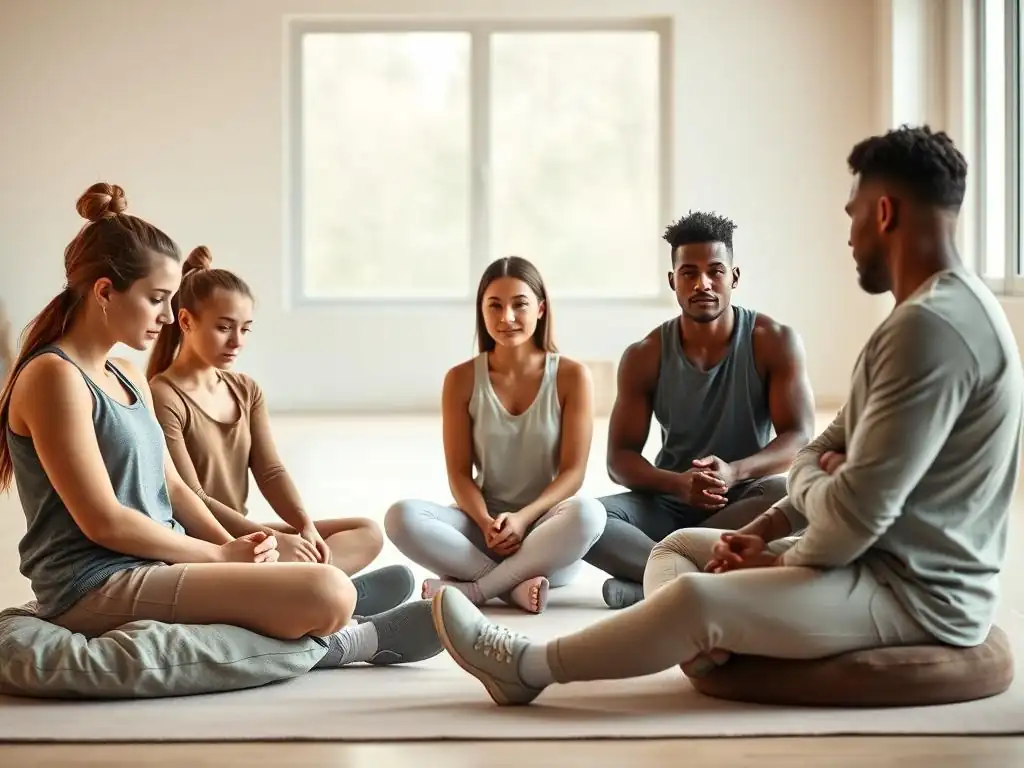
Leading by Example: Modeling Positive Mental Health Behaviors
A coach's behavior is one of the most powerful influences on team culture and the effectiveness of athlete group mental support. Coaches lead by example, and when they openly acknowledge the importance of mental health, demonstrate healthy coping strategies, and show vulnerability (appropriately), it signals to athletes that it is okay to do the same. This could involve a coach talking about how they manage stress, prioritizing sleep and recovery, or even sharing a personal story of overcoming a challenge. Such modeling reduces the stigma associated with mental health struggles and encourages athletes to prioritize their own wellbeing.
Conversely, coaches who perpetuate a "tough it out" mentality, dismiss emotional struggles, or show poor stress management themselves can inadvertently undermine athlete group mental support efforts. Athletes look to their coaches for cues on acceptable behavior and values. By visibly prioritizing mental health and demonstrating healthy practices, coaches create a safe and supportive environment where athlete group mental support can flourish, showing that attending to one's mind is as crucial as physical training.
Facilitating Open Dialogue About Mental Health Within the Team
Coaches play a crucial role in facilitating open dialogue about mental health within the team, moving it from a taboo subject to a normal part of team conversation and athlete group mental support. This doesn't mean coaches need to be therapists, but they need to create opportunities and a safe space for these conversations to occur. This could involve dedicating a portion of team meetings to checking in on wellbeing, initiating discussions about the psychological challenges of their sport, or sharing relevant resources.
It's important for coaches to listen more than they talk in these instances, validating athletes' feelings and experiences without judgment. They can use open-ended questions to encourage sharing and ensure that all voices, including quieter ones, are heard. Normalizing the conversation about mental health within the team by the coach sends a clear message that it is a priority and encourages athletes to lean on their peers for support, thereby strengthening athlete group mental support from the top down.
Providing Resources and Referrals for Athletes in Need
While coaches are not mental health professionals, a critical part of their role in cultivating athlete wellbeing and athlete group mental support is being aware of and providing access to appropriate resources. This means knowing who to turn to when an athlete is struggling beyond what peer support or basic team strategies can address. Coaches should be familiar with university counseling services, team psychologists, or external mental health professionals who specialize in working with athletes.
Having a clear protocol for referring athletes for professional help is essential. Coaches should communicate to the team that seeking professional support is a sign of strength, not weakness, further destigmatizing mental health care. Making information about available resources readily accessible, perhaps through team handouts or a dedicated section on a team website, ensures athletes know where to turn when they need help. By actively connecting athletes with professional support, coaches demonstrate their commitment to athlete wellbeing and reinforce that athlete group mental support is part of a larger, integrated support system.
Measuring the Impact of Athlete Group Mental Support Initiatives
Using Surveys and Assessments to Gauge Team Cohesion
Measuring the impact of athlete group mental support initiatives requires assessing relevant factors, starting with gauging team cohesion. Surveys and validated psychological assessments are valuable tools for this. Instruments like the Group Environment Questionnaire (GEQ) or adaptations can measure both task and social cohesion within the team. These surveys ask athletes about their feelings of belonging, their satisfaction with team relationships, their commitment to team goals, and their perceptions of group unity.
Administering these assessments periodically (e.g., at the beginning, middle, and end of a season) provides quantitative data on how cohesion levels change over time, potentially in response to specific interventions aimed at improving athlete group mental support. For example, if post-intervention surveys show a significant increase in social cohesion scores, it suggests the initiatives are positively impacting the sense of belonging and interpersonal connections crucial for effective peer support. Comparing scores across different teams or seasons can also provide valuable insights into what strategies are most effective.
Tracking Changes in Athlete Wellbeing and Performance Metrics
Tracking changes in athlete wellbeing and performance metrics provides a comprehensive view of the impact of athlete group mental support initiatives. Wellbeing can be assessed through various means, including validated mental health screening tools (administered confidentially by professionals), self-report measures of stress, anxiety, and depression, or even qualitative data from athlete check-ins or focus groups. Performance metrics can include individual statistics, team win-loss records, injury rates, or even subjective ratings of team functioning during competition.
While it can be challenging to isolate the impact of group support from other factors, observing positive trends in both wellbeing indicators (e.g., reduced self-reported stress, fewer symptoms of burnout) and performance outcomes (e.g., improved communication during games, better handling of pressure situations, fewer preventable errors) following the implementation of athlete group mental support strategies suggests a positive impact. For instance, a study might correlate an increase in team communication training with a decrease in miscommunication errors during plays and a simultaneous decrease in athlete-reported conflict stress.
Evaluating Intervention Effectiveness Through Performance Analysis
Evaluating the effectiveness of specific athlete group mental support interventions can be done through performance analysis, examining how team dynamics and individual behaviors change during practice and competition after an intervention. For example, if a team undergoes a workshop on communication under pressure, coaches and analysts can observe subsequent games to see if communication patterns during critical moments improve. Are athletes talking more effectively? Are they providing clearer feedback? Is there less evident frustration or negative body language after mistakes?
Analyzing game film or practice sessions for specific observable behaviors related to teamwork, communication, and responses to adversity can provide concrete evidence of the impact of athlete group mental support efforts. For instance, tracking the frequency of positive peer interactions after a challenging play, or the speed at which the team regroups after conceding a goal, can indicate improved resilience and cohesion. While correlation doesn't equal causation, a noticeable shift in these observable performance behaviors following targeted group support initiatives strongly suggests a positive influence on team mental dynamics and, by extension, athlete wellbeing and collective performance.
Case Studies: Real-World Examples of Athlete Group Mental Support
Elite Rowing Team Implements Mindfulness Program
An elite national rowing team, facing high levels of performance anxiety and burnout symptoms leading up to a major competition, implemented a team-wide mindfulness and meditation program. The program involved daily guided meditation sessions for 10-15 minutes before morning practice and weekly facilitated group discussions led by a sports psychologist focusing on applying mindfulness principles to training and competition stress. Athletes were encouraged to share their experiences with the practices and how they impacted their focus and emotional regulation.
Over a three-month period, the team reported a significant decrease in self-reported stress levels, with average scores on a stress questionnaire dropping by approximately 20%. Coaches observed improved focus during training sessions and better composure during simulated race scenarios.
Several athletes specifically cited the peer support during the group discussions as crucial, stating that hearing teammates share similar struggles with anxiety made them feel less alone and more willing to commit to the mindfulness practice. While performance is multifactorial, the team went on to achieve a stronger-than-expected result at their target competition, with athletes attributing improved mental fortitude and team cohesion partly to the collective mindfulness initiative and the resulting athlete group mental support.
Collegiate Basketball Team Utilizes Peer Mentorship for Mental Health
A large collegiate basketball team implemented a structured peer mentorship program to enhance athlete group mental support, pairing upperclassmen with incoming freshmen. Mentors received training on active listening, identifying signs of common athlete mental health challenges (like homesickness, academic stress, and performance slumps), and making appropriate referrals to the university's counseling services. The program required mentors and mentees to meet weekly for informal check-ins, discussing everything from adjusting to college life to navigating team dynamics and personal struggles.
Within the first year of the program, the university's counseling center reported a 15% increase in basketball players seeking mental health support, suggesting increased comfort and reduced stigma facilitated by the peer mentors. Freshman athletes reported feeling more connected to the team earlier in the season compared to previous years, with surveys showing a 25% increase in feelings of belonging among the first-year cohort.
Coaches noted that freshmen seemed more comfortable asking questions and integrating into team culture. The program not only provided direct athlete group mental support but also helped normalize conversations about challenges, making it easier for athletes to seek help, whether from a peer or a professional.
Conclusion: Investing in Athlete Group Mental Support for Long-Term Success
Recap of Key Benefits and Strategies
Athlete group mental support is not merely a supplementary aspect of team management but a fundamental component of athlete wellbeing and long-term success. We've explored how the unique pressures faced by athletes necessitate robust collective support systems. The benefits are manifold, including significant reductions in stress and anxiety, enhanced resilience and coping abilities, improvements in self-esteem and confidence, and the cultivation of a vital sense of belonging within the team. These positive outcomes contribute not only to individual athlete welfare but also to overall team cohesion and performance.
Achieving effective athlete group mental support requires intentional strategies. These include fostering strong team cohesion through targeted activities, empowering leaders to champion mental wellbeing, and implementing clear, empathetic communication strategies. Furthermore, practical tools like peer support programs, group therapy, collective mindfulness practices, and psychological skills training workshops provide concrete avenues for athletes to support each other and build collective mental strength. Addressing weaknesses like isolation, conflict, and communication barriers is also critical to ensure the support system is inclusive and effective for all team members.
The Future of Athlete Mental Health: Prioritizing Team-Based Approaches
The conversation around athlete mental health has gained significant momentum, moving towards a more holistic understanding that recognizes the environment in which athletes train and compete is paramount. The future of athlete mental health lies in prioritizing team-based approaches that leverage the inherent power of athlete group mental support. While individual therapy and professional interventions remain crucial, integrating mental wellbeing into the daily fabric of team life ensures that support is not just available reactively but is proactively woven into the culture.
This means sports organizations, universities, and teams must invest in training for coaches and support staff, educate athletes about mental health and peer support, and allocate resources for programs that build strong, supportive team dynamics. As the understanding grows that a mentally healthy team is a more resilient and higher-performing team, the focus on cultivating robust athlete group mental support will become standard practice rather than an optional add-on.
By continuing to explore and implement effective strategies, we can create environments where athletes not only strive for peak physical performance but also thrive mentally, supported by the unwavering strength of their team.
Frequently Asked Questions
What is the main benefit of group mental support for athletes?
Group mental support fosters a sense of shared experience and reduces feelings of isolation, which are crucial for athletes dealing with high-pressure environments. It helps build a strong team dynamic.
How does group support improve individual athlete performance?
By creating a safe space for open communication, athletes can better manage stress and anxiety, leading to improved focus and enhanced performance on the field. It facilitates emotional regulation.
What are some common challenges faced when implementing group mental support programs for athletes?
Common challenges include stigma surrounding mental health in sports culture, difficulty in creating a trusting environment, and ensuring confidentiality and privacy for participants.
How can coaches and team leaders promote a culture of mental well-being within an athlete group?
Coaches can prioritize open communication, actively encourage seeking help without judgment, and integrate mental skills training into regular practice routines. They act as role models.
What resources are available for athlete groups seeking to establish or improve their mental support systems?
Mind Care Guide offers comprehensive resources, including articles, support groups, and access to mental health professionals specializing in athlete well-being. We focus on athlete group mental support.
Final Reflection: The Unseen Power of Team Mental Dynamics
The mental wellbeing of athletes is no longer a niche topic; it's a cornerstone of peak performance and sustainable success. Ignoring the powerful impact of group mental support is not only detrimental to individual athletes but also undermines the overall potential of any team. The interconnectedness of mental health within a team environment is undeniable, and its influence on results is far-reaching.
The exploration of team mental dynamics reveals a profound truth: the strength of a team is not solely measured by physical prowess, but by the invisible bonds of mutual support and understanding. The single biggest problem in communication is the illusion that it has taken place.
– George Bernard Shaw. This quote highlights the critical need for open and honest communication regarding mental health within athletic teams. The lack of such communication can create a breeding ground for isolation and hinder the collective progress of the group. My own experiences coaching have underscored the importance of fostering a culture of empathy and support, where vulnerability is not a weakness but a strength.
You, the reader, now possess a deeper understanding of the crucial role group mental support plays in athletic success. Consider how you can cultivate a more supportive environment within your own team, whether as a coach, athlete, or even a spectator. Actively listen, offer encouragement, and create a space where open conversations about mental health are not only accepted but encouraged.
By prioritizing the mental wellbeing of your team, you're not just improving individual performance; you're building a stronger, more resilient, and ultimately, more successful collective. Let's champion a future where the mental health of athletes is prioritized as much as their physical capabilities.
Ignite Your Team's Potential: Level Up Your Mental Game!
Thanks for taking the time to explore the vital link between team support and athlete wellbeing! You've now armed yourself with valuable insights into fostering a mentally stronger and more resilient team. Ready to put this knowledge into action?
- Prioritize a team-building activity focused on open communication and vulnerability: This could be a simple check-in session, a shared meal, or a more structured exercise designed to build trust and connection. This is your primary action—it's the foundation of a supportive team environment.
- Share this article with your teammates or coach: Spread the word and encourage open discussions about mental health within your team.
- Explore MindCareGuide.org for more resources on team mental health: Discover additional strategies and tools to enhance the well-being of your entire team.
So, what small step can you take today to foster a more supportive and mentally healthy team dynamic?