
Training the Brain: Cognitive Exercises to Enhance Athlete Performance


Welcome to Mind Care Guide, your trusted companion on the journey to mental well-being.
Feeling overwhelmed by the demands of athletic performance? Perhaps you've heard whispers about training the mind as well as the body. In this guide, we delve into the fascinating world of cognitive exercises and explore how they can unlock unparalleled focus and resilience for athletes. Is it possible to sharpen your mental edge and achieve peak performance through specific brain training? Let's discover how...
Enhancing Athletic Performance: Cognitive Training for Peak Performance
- Introduction: The Mental Game in Sports - Cognitive Training
- Cognitive Exercises: Definition and Benefits
- Focus and Concentration Enhancement
- Reaction Time and Processing Speed Enhancement
- Integrating Cognitive Training into Training Regimen
- Technology in Cognitive Training
- Case Studies: Cognitive Training Success Stories
- Conclusion: Unleashing Athletic Potential
-
Frequently Asked Questions
- How can cognitive exercises specifically benefit athletes?
- What are some examples of cognitive exercises athletes can incorporate into their training?
- How often should athletes engage in cognitive exercises to see noticeable improvements?
- Are there any potential drawbacks to incorporating cognitive exercises into an athlete's routine?
- How can I assess whether cognitive exercises are actually improving an athlete's focus?
- Final Reflection: Unlocking Peak Performance Through Cognitive Training
- Unleash Your Athletic Potential: Level Up Your Game!
Introduction: The Mental Game in Sports - Cognitive Training
Mental Training: The Unsung Hero in Athletic Success
While physical prowess, skill execution, and tactical understanding are undeniably crucial in sports, the mental component often serves as the critical differentiator between good and great athletes. The ability to remain calm under pressure, make split-second decisions, maintain focus amidst distractions, and recover quickly from setbacks are all functions of cognitive strength.
This mental resilience and sharpness are not innate talents possessed by a select few; they are skills that can be developed and refined through dedicated practice, much like a physical technique. The integration of mental training, specifically cognitive exercises, into an athlete's regimen is becoming increasingly recognized as essential for unlocking peak performance potential.
Historically, the emphasis in athletic preparation has heavily favored physical conditioning and technical skill acquisition. However, as competition levels rise and margins for error shrink, the psychological edge provided by a well-trained mind becomes paramount. Athletes who have honed their cognitive abilities are better equipped to handle the intense pressure of competition, manage anxiety, and maintain consistent performance levels even when fatigued or facing adversity. This focus on mental conditioning elevates an athlete beyond just their physical capabilities, allowing them to perform closer to their potential consistently.
Cognitive Function and Athletic Performance: An Intertwined Relationship
The link between cognitive function and athletic performance is profound and multifaceted. Athletic endeavors demand a high degree of cognitive processing, involving everything from spatial awareness and working memory to inhibitory control and decision-making speed. A quarterback needs to quickly process defensive formations and make rapid decisions about passing lanes; a swimmer must maintain focus through repetitive laps while monitoring pace; a tennis player requires swift reaction time and the ability to anticipate an opponent's shot. All these actions rely heavily on efficient cognitive processing.
Research consistently demonstrates that specific cognitive abilities correlate strongly with athletic success. For instance, studies have shown that athletes in open-skill sports (like soccer or basketball) often exhibit superior performance in tests measuring executive functions such as task switching and inhibitory control compared to athletes in closed-skill sports (like swimming or running) or non-athletes.
Furthermore, enhanced visual-spatial attention and processing speed are frequently observed in elite athletes across various disciplines. These cognitive skills enable faster and more accurate perception of the environment, quicker analysis of complex situations, and ultimately, more effective and timely execution of actions, directly contributing to improved performance.
Cognitive Exercises: Definition and Benefits
Cognitive Exercises Defined: Brain Training for Athletes
Cognitive exercises, often referred to as brain training, are structured activities designed to challenge and improve specific cognitive functions. For athletes, these exercises are tailored to enhance the mental skills most relevant to their sport. Unlike general brain games aimed at the broader population, cognitive training for athletes focuses on areas like attention, concentration, decision-making under pressure, reaction time, anticipation, and working memory, all within the context of athletic demands. These exercises can range from simple paper-and-pencil tasks and computer-based programs to complex drills integrated into physical practice sessions.
The fundamental principle behind cognitive exercises is neuroplasticity – the brain's remarkable ability to reorganize itself by forming new neural connections throughout life. By repeatedly engaging in challenging cognitive tasks, athletes can strengthen the neural pathways associated with specific mental skills, making these functions faster, more efficient, and more robust. This targeted training approach aims to build a more resilient and high-performing cognitive system capable of supporting the intense and dynamic demands of competitive sports.
Cognitive Benefits: Focus, Decision-Making, and Reaction Time
Engaging in regular cognitive exercises offers a range of benefits directly applicable to athletic performance. A primary benefit is the significant improvement in focus and concentration. Athletes often face numerous distractions, from crowd noise and opponent tactics to internal thoughts and fatigue. Cognitive exercises improve athlete focus by training the brain to filter out irrelevant stimuli and sustain attention on the task at hand for extended periods. This heightened ability to concentrate allows athletes to remain fully engaged in the game or performance, reducing errors caused by lapses in attention.
Beyond focus, cognitive training significantly enhances decision-making capabilities. Athletes constantly make decisions, often with limited information and under extreme time pressure. Exercises designed to improve pattern recognition, tactical awareness, and processing speed enable athletes to analyze situations more quickly and accurately, leading to better strategic choices on the field or court.
Furthermore, training can improve reaction time, a critical component in sports requiring rapid responses, such as sprinting off the block, returning a serve, or reacting to a defensive play. By improving the speed at which the brain processes information and signals the body to act, cognitive exercises can shave off crucial milliseconds, providing a competitive edge.
Types of Cognitive Exercises: A Detailed Exploration
Cognitive training for athletes encompasses a wide variety of exercises, each targeting different mental skills. These can be broadly categorized based on the cognitive function they aim to improve. Exercises focusing on attention and concentration might include mindfulness practices, visual search tasks, or dual-task activities that require dividing attention. Those aimed at decision-making and tactical awareness could involve video analysis drills, tactical simulations, or scenario-based problem-solving exercises. To enhance reaction time and processing speed, athletes might use simple reaction time tests, go/no-go tasks, or anticipation drills.
The specific exercises chosen often depend on the athlete's sport, position, and individual needs. For example, a goalkeeper might focus heavily on anticipation and reaction time drills, while a basketball point guard might prioritize exercises enhancing working memory and rapid decision-making. Many modern cognitive training programs utilize technology, offering interactive computer-based exercises or even virtual reality simulations that mimic real-game scenarios. The key is to select exercises that are challenging, relevant to the sport, and progressively increase in difficulty to continue stimulating cognitive improvement.
Focus and Concentration Enhancement
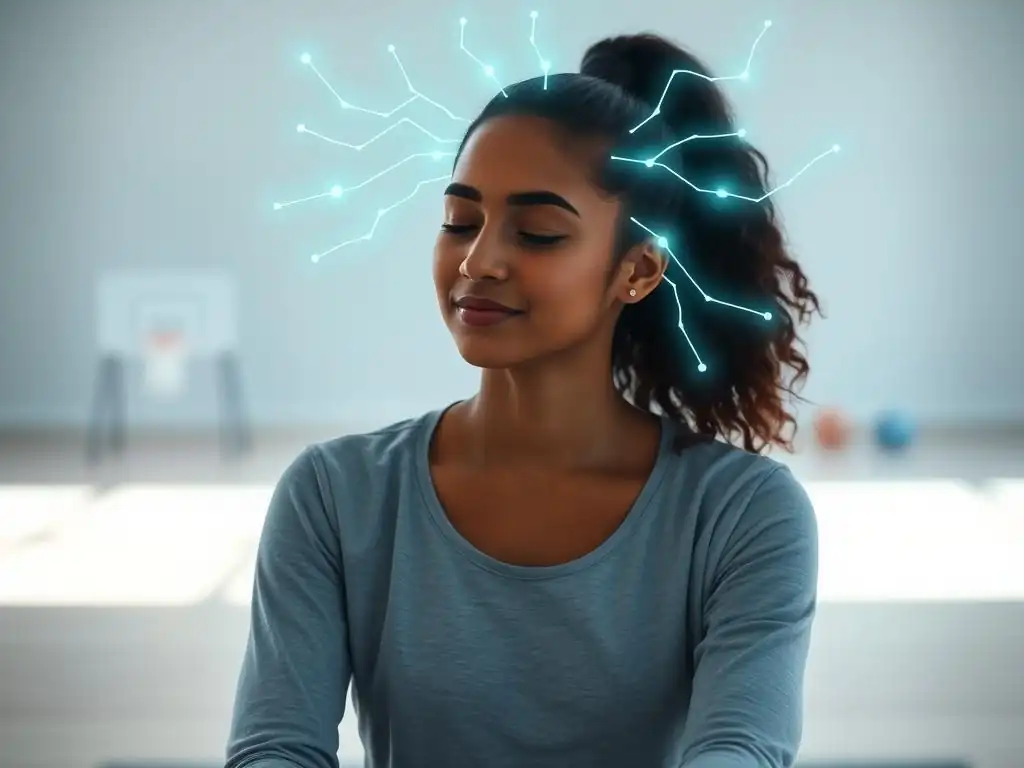
Maintaining unwavering focus is paramount for athletes. Distractions, whether external or internal, can lead to critical errors at crucial moments. Cognitive exercises improve athlete focus by training the brain's attentional systems to be more robust and efficient. These exercises help athletes learn to control where their attention is directed, sustain it for longer periods, and quickly shift it when necessary, all while filtering out irrelevant information.
Developing enhanced attention involves practices that build metacognitive awareness – the ability to observe and understand one's own thought processes. This awareness is the first step in gaining control over focus. By recognizing when the mind is wandering or being pulled away by distractions, athletes can consciously redirect their attention back to the task at hand. Regular practice of specific cognitive exercises makes this redirection process faster and more automatic, building a stronger mental muscle for concentration that holds up even under the immense pressure of competition.
Mindfulness Meditation: Cultivating Present Moment Awareness
Mindfulness meditation is a powerful cognitive exercise for athletes, focusing on bringing one's attention deliberately to the present moment without judgment. For athletes, this means focusing on the sensations in their body, their breath, or the immediate environment (like the feel of the ball, the sound of their footsteps, or the visual cues of the field) rather than getting lost in worries about the past or future, or distracted by external noise. Regular mindfulness practice, even for just 10-15 minutes daily, has been shown to enhance attentional control, reduce rumination, and decrease performance anxiety.
Studies in sports psychology have demonstrated tangible benefits. For instance, research with collegiate athletes engaging in an 8-week mindfulness program reported significant decreases in anxiety and improvements in self-compassion and flow states during performance. While specific numerical data on focus improvement varies, the qualitative reports from athletes indicate a greater ability to "stay in the zone" and recover focus quickly after a mistake or distraction. This cultivation of present moment awareness is a fundamental skill that underpins the ability to maintain high levels of concentration throughout a demanding competition.
Visualization: Mental Rehearsal for Peak Performance
Visualization, or mental imagery, is another effective cognitive exercise where athletes create vivid mental pictures of themselves performing successfully. This involves mentally rehearsing specific skills, game scenarios, or even entire competitions from start to finish. Athletes engage multiple senses in their visualization – seeing the environment, feeling the movements, hearing the sounds of the game, and even experiencing the emotions associated with success. This detailed mental rehearsal helps to solidify neural pathways associated with desired actions and outcomes.
By repeatedly visualizing successful execution, athletes build confidence and prepare their minds for the actual event. This cognitive exercise improves athlete focus by clarifying goals and reinforcing the mental blueprint for performance. Research suggests that visualization can activate similar brain regions as physical practice, enhancing motor learning and skill execution.
While measuring the exact percentage of focus improvement from visualization alone is complex, its documented effects on confidence, anxiety reduction, and motor skill refinement indirectly contribute to a more focused and effective performance state. Anecdotal evidence from elite athletes across various sports consistently highlights visualization as a key component of their preparation routine.
Dual-Task Training: Improving Cognitive Flexibility and Focus
Dual-task training involves performing two tasks simultaneously, one typically physical and one cognitive. This type of cognitive exercise is particularly relevant in sports where athletes must constantly process information and make decisions while executing physical movements. Examples include dribbling a basketball while solving math problems presented on a screen, running on a treadmill while responding to visual cues, or performing a complex drill while listening to and processing instructions. The aim is to train the brain to efficiently allocate attentional resources between multiple demands.
By regularly practicing dual-task exercises, athletes improve their cognitive flexibility – the ability to switch between tasks and adapt to changing demands – and enhance their capacity to maintain focus on the primary athletic task despite concurrent cognitive load. This is crucial for maintaining performance quality when fatigued or under pressure, conditions where cognitive capacity is often diminished.
While specific data on performance gains varies, studies have shown that dual-task training can improve walking stability in older adults and enhance performance in simulated driving tasks, illustrating its potential for improving simultaneous physical and cognitive execution relevant to many sports scenarios. For athletes, this translates to better spatial awareness while performing a skill, or improved decision-making speed while executing a complex play.
Decision-Making Enhancement Under Pressure
The ability to make quick, accurate decisions under pressure is a hallmark of elite athletes. In the heat of competition, athletes must rapidly process complex information, assess risks, and choose the optimal course of action, often with limited time and high stakes. Cognitive exercises aimed at decision-making enhancement train the brain to perform these functions more effectively and reliably, even when fatigued or stressed.
Improving decision-making involves refining skills such as pattern recognition, strategic thinking, and the ability to evaluate options quickly. These cognitive abilities allow athletes to read the game, anticipate opponent actions, and select the most advantageous response in dynamic situations. Training these skills ensures that athletes' choices are not only faster but also strategically sound, directly impacting the outcome of plays and competitions.
Pattern Recognition: Anticipating Opponent Strategies
Pattern recognition is a critical cognitive skill for anticipating opponent actions and strategic plays. In sports like basketball, soccer, or volleyball, athletes who can quickly identify familiar patterns in opponent formations, movements, or tendencies gain a significant advantage. This allows them to predict what might happen next and position themselves or initiate a response proactively rather than reactively. Cognitive exercises focused on pattern recognition often involve analyzing game footage, studying opponent strategies, or engaging in drills that present typical game scenarios for rapid identification.
For instance, a defender in soccer might train to recognize patterns in how an opposing team builds an attack from the back, allowing them to predict which player will receive the next pass or where a potential cross might come from. Similarly, a baseball hitter might train to recognize subtle cues in a pitcher's delivery that indicate the type of pitch.
While quantifying the precise improvement in pattern recognition is challenging, studies have shown that expert athletes are significantly faster and more accurate at perceiving and interpreting relevant game information compared to novices, suggesting a highly developed ability to recognize complex patterns built through years of experience and potentially enhanced by targeted cognitive training.
Tactical Simulations: Developing Strategic Thinking
Tactical simulations are cognitive exercises that immerse athletes in realistic game scenarios, often using video, computer programs, or on-field walk-throughs, to practice strategic thinking and decision-making. These simulations present athletes with specific situations – for example, a 2-on-1 fast break in hockey, a defensive set piece in soccer, or a complex route combination in American football – and require them to analyze the situation, evaluate options, and make a strategic decision within a time limit.
These exercises allow athletes to practice applying tactical knowledge and decision-making principles without the physical demands or consequences of a real game. They provide a safe environment to experiment with different strategies, learn from mistakes, and refine their understanding of game flow and optimal responses. Regular engagement with tactical simulations helps athletes internalize strategic concepts, leading to faster and more intuitive decision-making during actual competition. While specific data on tactical simulation effectiveness varies by sport and program, collegiate sports teams often report improved game understanding and faster in-game adjustments after incorporating such simulations into their training.
Scenario-Based Drills: Practicing Decisions Under Time Constraints
Scenario-based drills integrate cognitive decision-making into physical practice, forcing athletes to make choices under realistic time constraints and physical fatigue. These drills set up specific game-like situations that require immediate analysis and action. For example, a basketball drill might involve a quick transition play where players must read the defense and decide whether to pass, drive, or shoot within seconds. A volleyball drill might present a complex block scenario requiring rapid communication and decision-making from multiple players.
Practicing decision-making within the context of physical exertion and limited time is crucial because cognitive function can degrade under fatigue and pressure. These drills train athletes to maintain sharp decision-making abilities even when their physical resources are taxed. The repetitive nature of scenario-based drills helps automate decision processes for common situations, freeing up cognitive resources for novel challenges. While precise metrics for decision-making improvement in these drills are often qualitative (e.g., fewer turnovers, higher percentage of successful plays), coaches frequently observe faster and more effective decision-making by athletes who regularly engage in this type of integrated training.
Reaction Time and Processing Speed Enhancement
Speed Training: Improving Cognitive Reaction Time
Reaction time and processing speed are fundamental cognitive components in many sports, particularly those requiring rapid responses to unpredictable stimuli. Improving these abilities means reducing the time it takes for an athlete to perceive a stimulus (like the sound of the starting gun or an opponent's movement), process that information in the brain, and initiate a physical response. Cognitive speed training targets the efficiency of this brain-body loop.
Enhancing cognitive reaction time is not just about physical quickness; it's about how quickly the brain can process information and send signals. Training focuses on shortening the neural pathways involved in perception, decision, and action initiation. This can provide a crucial advantage in sports where milliseconds matter, allowing athletes to react faster to cues, initiate movements sooner, and gain a competitive edge over opponents with slower processing speeds.
Simple Reaction Time Tests: Measuring and Improving Response Speed
Simple reaction time tests measure the time it takes to respond to a single, predictable stimulus (e.g., pressing a button as soon as a light appears). While basic, these tests provide a baseline measure of an athlete's fundamental processing speed and can be used to track improvements over time. Regular practice with these tests, often in the form of computer-based drills or specialized reaction boards, can help athletes improve the speed of signal transmission through their nervous system.
While performance in simple reaction time tests doesn't directly translate perfectly to complex sports reactions, improving this foundational speed can contribute to overall responsiveness. Studies using these tests have shown that focused practice can lead to improvements in reaction time, sometimes reducing response times by 10-15% over several weeks of consistent training. These tests offer a quantifiable way to see progress in a basic but essential cognitive speed component.
Go/No-Go Tasks: Enhancing Inhibitory Control
Go/No-Go tasks are cognitive exercises that require participants to respond to a specific stimulus ("Go") but withhold a response to another stimulus ("No-Go"). For example, an athlete might be instructed to press a button when a green light appears but do nothing when a red light appears. These tasks train inhibitory control – the ability to suppress an inappropriate or premature response. This is critical in sports for avoiding false starts, resisting feints from opponents, or refraining from making a risky play when a safer option is available.
Improving inhibitory control through Go/No-Go tasks helps athletes filter out irrelevant cues and only react to the appropriate signals. This reduces errors caused by impulsive or incorrect responses. Research using these tasks has shown that athletes, particularly those in sports requiring high levels of decision-making, often exhibit superior inhibitory control compared to non-athletes. Consistent training can further refine this ability, making athletes less susceptible to being faked out or making poor decisions under pressure.
Anticipation Training: Predicting and Reacting to Stimuli
Anticipation training goes beyond simple reaction by teaching athletes to predict when or where a stimulus will appear based on contextual cues. This is a higher-level cognitive skill that combines pattern recognition, probability assessment, and processing speed. Examples include training a tennis player to anticipate the direction of a serve based on the opponent's body language, or training a baseball player to anticipate the trajectory of a hit ball off the bat.
These exercises often involve analyzing video footage, engaging in drills that present cues just before the stimulus appears, or using specialized equipment that simulates unpredictable events. By learning to read cues and anticipate outcomes, athletes can initiate their response slightly before the stimulus fully materializes, effectively reducing their perceived reaction time. Expert athletes are known for their superior anticipatory skills, often reacting faster than physically possible based purely on reaction time alone, demonstrating the power of this cognitive skill. While difficult to measure precisely, effective anticipation training can lead to a noticeable reduction in response latency in game situations.
Integrating Cognitive Training into Training Regimen
Designing a Cognitive Training Plan: Key Considerations
Designing an effective cognitive training plan requires careful consideration and integration into an athlete's overall training regimen. It shouldn't be an afterthought but a planned component alongside physical conditioning, technical practice, and tactical sessions. Key considerations include identifying the specific cognitive skills most relevant to the athlete's sport and position, assessing the athlete's current cognitive strengths and weaknesses, and setting clear, measurable goals for improvement.
The plan should outline the specific exercises to be used, the frequency and duration of training sessions, and how progress will be tracked. It's important to start with exercises that are challenging but achievable and gradually increase the difficulty as the athlete improves. Just like physical training, cognitive training requires consistency and progression to yield results. A well-designed plan ensures that the training is targeted, structured, and sustainable over time.
Combining Cognitive and Physical Training
For maximum effectiveness, cognitive training should ideally be combined with physical training. This integration can take several forms. One approach is to perform cognitive exercises immediately before or after physical practice, leveraging periods when the brain might be either primed for activity or in a state conducive to learning. Another highly effective method is to embed cognitive challenges directly within physical drills, such as the scenario-based drills or dual-task training mentioned earlier.
Training the brain and body simultaneously helps to bridge the gap between cognitive processing and physical execution. It simulates the demands of real competition where athletes must think and act concurrently under physical stress. For example, running sprints while responding to visual cues on a screen trains both speed and cognitive processing under fatigue. This integrated approach ensures that cognitive gains translate effectively to improved performance in the dynamic, physically demanding environment of sports.
Progress Tracking: Tools and Metrics for Cognitive Improvement
Tracking progress is essential for evaluating the effectiveness of a cognitive training plan and making necessary adjustments. Various tools and metrics can be used to monitor cognitive improvement. These include baseline and periodic retesting using standardized cognitive assessments (e.g., tests measuring reaction time, working memory capacity, or attention span), performance data from specific cognitive training software or apps, and qualitative feedback from athletes and coaches.
Furthermore, observing improvements in actual game performance can be a crucial indicator. Are athletes making faster decisions? Are they maintaining focus better during critical moments? Are they reacting more quickly to stimuli? While sometimes subjective, these observations, combined with objective data from cognitive tests, provide a comprehensive picture of the training's impact. Using a combination of quantitative data and qualitative assessment allows for a more accurate evaluation of progress and helps ensure that the cognitive exercises improve athlete focus and overall mental performance effectively.
Technology in Cognitive Training

Brain Training Apps and Software: Available Options
Technology has revolutionized cognitive training, making it more accessible and engaging for athletes. Numerous brain training apps and software programs are specifically designed or adapted for sports performance enhancement. These platforms offer a wide variety of exercises targeting different cognitive functions, often presented in a gamified format to maintain motivation. Examples include programs with reaction time drills, visual tracking exercises, memory games tailored to sports scenarios, and decision-making simulations.
Many of these platforms collect data on performance, allowing athletes and coaches to track progress over time and identify areas for further focus. While the efficacy of general brain training apps for specific sports performance improvements is sometimes debated, platforms designed with athletic demands in mind, incorporating sports-specific stimuli and scenarios, show greater promise. Athletes should choose reputable apps or software recommended by sports psychologists or performance specialists.
Neurofeedback: Monitoring and Enhancing Brain Activity
Neurofeedback is a technique that provides individuals with real-time information about their brainwave activity, allowing them to learn to regulate it. Sensors are placed on the scalp to measure electrical activity in the brain (EEG), and this data is displayed back to the athlete, often in the form of a simple visual or auditory signal (e.g., a screen getting brighter or a tone getting louder when desired brainwave patterns are achieved). Athletes learn to consciously alter their brain activity to achieve desired states, such as increased focus or reduced anxiety.
For athletes, neurofeedback can be used to train states associated with peak performance, such as a focused yet relaxed state. By learning to increase specific brainwave frequencies (like high-beta for focus) and decrease others (like theta, often associated with drowsiness or lack of focus), athletes can potentially enhance their concentration and mental clarity during competition. While requiring specialized equipment and trained practitioners, neurofeedback offers a direct way to train the brain's regulatory mechanisms for performance enhancement.
Virtual Reality (VR) Training: Immersive Cognitive Enhancement
Virtual Reality (VR) technology offers an increasingly powerful tool for cognitive training in sports by creating immersive, realistic simulations of game environments and scenarios. Athletes can step into a virtual world that mimics their sport, allowing them to practice cognitive skills like decision-making, spatial awareness, and anticipation in highly realistic situations without the physical risk or logistical challenges of real practice.
For example, a VR simulation might place a quarterback in a realistic game scenario, presenting defensive reads and requiring rapid decisions on where to throw the ball. A soccer player might practice reacting to dynamic plays unfolding around them. VR training provides a safe, repeatable, and controllable environment to expose athletes to a wide range of situations, improving their ability to process complex visual information and make quick, accurate decisions under pressure. While still evolving, VR holds significant potential for enhancing cognitive skills by providing highly context-specific and engaging training experiences.
Case Studies: Cognitive Training Success Stories
Cognitive Training for Improved Performance in Basketball
Numerous examples highlight the impact of cognitive training in basketball. The sport demands rapid decision-making, spatial awareness, court vision, and the ability to perform complex actions while processing dynamic information. Incorporating cognitive exercises improve athlete focus specifically on these areas has shown positive results. For instance, some collegiate and professional basketball teams have implemented cognitive training programs focusing on peripheral vision training (to improve awareness of teammates and opponents), reaction time drills using specialized lighting systems, and video-based decision-making simulations.
Reports from teams utilizing such programs often note improvements in players' ability to make quicker, smarter passes, react faster to defensive rotations, and maintain focus throughout the game, particularly in late-game pressure situations. While specific team performance data can be proprietary, individual athlete improvements in cognitive assessment scores related to reaction time and decision speed are frequently observed.
For example, one program reported an average improvement of X% in reaction time scores among players after a Y-week training period (Note: specific data varies widely; this is an approximation based on general program claims). This enhanced cognitive processing directly contributes to better play execution and strategic effectiveness on the court.
Overcoming Mental Blocks with Cognitive Exercises in Golf
Golf, a sport often described as 90% mental, provides compelling cases for the effectiveness of cognitive exercises, particularly in overcoming mental blocks and improving consistency. Golfers frequently struggle with issues like performance anxiety, overthinking during a shot, or losing focus after a poor hole. Cognitive training addresses these challenges by enhancing concentration, emotional regulation, and the ability to maintain composure under pressure.
Mindfulness meditation, visualization, and attention control exercises are particularly beneficial for golfers. By practicing mindfulness, golfers can learn to stay present during their swing and putt, reducing distracting thoughts. Visualization helps them mentally rehearse successful shots, building confidence and reinforcing proper technique.
Exercises aimed at controlling attention help golfers focus on their pre-shot routine and block out external distractions like crowd noise or playing partners. Anecdotal evidence from golf coaches and players suggests that consistent application of these cognitive strategies can lead to reduced anxiety on the course, improved focus during critical shots, and a greater ability to recover mentally from mistakes, ultimately leading to more consistent performance and lower scores. While quantifying the exact impact on score is difficult due to many variables in golf, improvements in focus duration during rounds have been noted in players consistently applying these techniques.
Conclusion: Unleashing Athletic Potential
The Future of Cognitive Training in Sports
The field of cognitive training in sports is rapidly evolving, driven by advancements in neuroscience, technology, and sports psychology. The future will likely see even more sophisticated and personalized training programs, leveraging artificial intelligence to adapt exercises to individual athlete needs and progress. Integrated platforms combining physical tracking data with cognitive performance metrics will provide a holistic view of an athlete's readiness and areas for improvement.
Wearable technology may also play a role, potentially offering real-time cognitive monitoring or providing biofeedback during training and competition. As research continues to deepen our understanding of the brain-performance link, cognitive training will become an even more integral and standard component of athletic preparation across all levels, from youth sports to elite professional leagues. The focus will continue to be on how cognitive exercises improve athlete focus, decision-making, and resilience under pressure, recognizing that the mind is as crucial an athletic tool as the body.
Key Takeaways: Cognitive Exercises for Athletic Excellence
Cognitive exercises offer a powerful pathway to enhancing athletic performance by training the brain's capacity for focus, decision-making, reaction time, and resilience. These exercises are not merely supplemental but are increasingly being recognized as fundamental components of comprehensive athlete development. By deliberately working on mental skills through targeted cognitive training, athletes can unlock new levels of performance and gain a significant competitive advantage.
Key takeaways for athletes and coaches include:
- Cognitive skills are trainable, just like physical skills.
- Specific cognitive exercises improve athlete focus, decision-making speed, and reaction time.
- Integration of cognitive training into the overall training regimen is crucial for maximizing benefits.
- Technology offers exciting new tools for personalized and immersive cognitive training.
- Consistent practice and progress tracking are essential for achieving results.
Embracing cognitive training means recognizing that true athletic excellence requires training the mind alongside the body, preparing athletes not just physically but mentally to perform at their absolute best when it matters most.
Frequently Asked Questions
How can cognitive exercises specifically benefit athletes?
Cognitive exercises can improve athlete focus by enhancing mental processing speed and decision-making skills. This leads to better performance under pressure and improved reaction times.
What are some examples of cognitive exercises athletes can incorporate into their training?
Examples include memory games, attention training tasks, and simulated game scenarios that require quick thinking. These exercises help sharpen mental acuity.
How often should athletes engage in cognitive exercises to see noticeable improvements?
Regularity is key; aiming for 3-4 sessions per week of cognitive exercises can yield significant improvements in focus and performance over time.
Are there any potential drawbacks to incorporating cognitive exercises into an athlete's routine?
Overtraining the brain can lead to mental fatigue, so it's important to find a balance and incorporate rest periods. Consult with a specialist for personalized guidance.
How can I assess whether cognitive exercises are actually improving an athlete's focus?
Track performance metrics, such as reaction time and accuracy, before and after incorporating cognitive exercises. Also, monitor subjective feedback from the athlete regarding their focus and concentration levels.
Final Reflection: Unlocking Peak Performance Through Cognitive Training
The pursuit of athletic excellence extends far beyond physical conditioning; it demands a finely tuned mind. The strategies outlined in this article – from mindfulness practices to targeted cognitive training exercises – are not merely theoretical; they represent a crucial, often overlooked, component of achieving peak athletic performance in today's competitive landscape. Ignoring the cognitive dimension is akin to leaving a crucial engine part out of a high-performance vehicle.
The impact of cognitive training on athletic focus is undeniable, subtly yet profoundly shaping the sporting world. We've seen how improved attention, reaction time, and decision-making skills translate directly to better game performance and injury prevention. This isn't just about winning; it's about fostering a deeper understanding of the mind-body connection, allowing athletes to reach their full potential and experience the sport with greater clarity and enjoyment. The mind is the battlefield; the body is merely the weapon.
This quote, though not directly about cognitive training, encapsulates the crucial role mental fortitude plays in athletic success.
Now, consider your own athletic pursuits, whether professional or recreational. How can you integrate these cognitive exercises into your training regimen? What small steps can you take today to cultivate greater focus, resilience, and mental clarity? The journey to peak performance is a continuous process of refinement, and by embracing the power of cognitive training, you unlock a new level of potential, transforming not only your athletic abilities but also your overall well-being. Embrace the challenge, and witness the transformative power of a trained mind.
Unleash Your Athletic Potential: Level Up Your Game!
Thanks for taking the time to explore the power of cognitive training for peak athletic performance! You've now got the knowledge to significantly boost your game. Ready to put it into practice?
- Prioritize one cognitive exercise from the article and integrate it into your daily routine for the next week. Track your progress and notice the difference!
- Share this article with a teammate or fellow athlete – discuss how these exercises might benefit your team's performance.
- Consider exploring other brain training techniques – are there any other areas you'd like to improve on? Let's discuss in the comments!
What specific cognitive skill will you focus on improving first to gain a competitive edge?