
Women of Color and Mental Health: Addressing Disparities

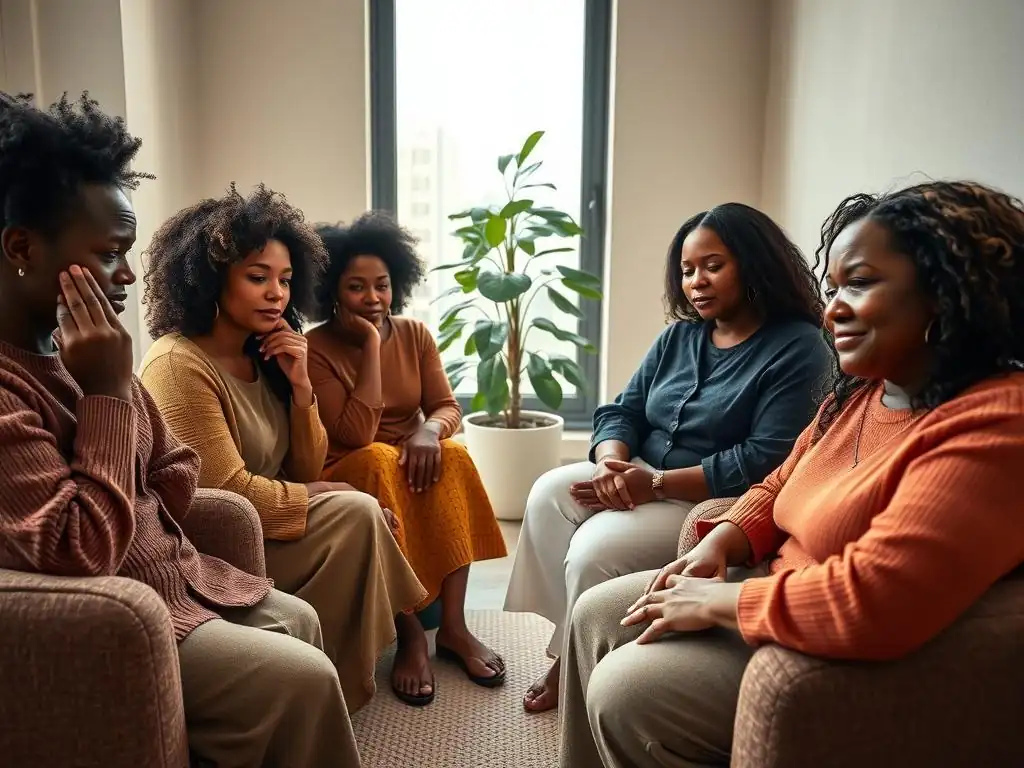
Welcome to Mind Care Guide, a sanctuary for your mental well-being.
We understand that navigating the complexities of life can be particularly challenging, and seeking support is a sign of strength. Are you a Black woman searching for resources tailored to your unique experiences? You're not alone. This guide on Black women mental health support aims to shed light on the disparities and offer pathways to healing and empowerment. Curious to learn how to access culturally relevant care and build resilience? Let's explore together...
- Women of Color and Mental Health: Addressing Disparities
- Understanding the Unique Mental Health Challenges Faced by Women of Color
- Disparities in Mental Health Treatment
- Finding Culturally Relevant Resources
- Addressing Specific Mental Health Conditions
- Strategies for Improving Mental Health and Well-being
- Breaking the Stigma: Promoting Mental Health Awareness
- Resources
-
Frequently Asked Questions
- How does the mental health of Black women differ from that of the general population?
- What are some common barriers to Black women accessing mental health support?
- Where can Black women find culturally sensitive mental health resources?
- What role does intersectionality play in the mental health of Black women?
- What steps can allies take to support Black women's mental health?
- Final Reflection: Unmasking the Strength and Resilience of Black Women
- Unlock Your Well-being: Take Charge of Your Mental Health
Women of Color and Mental Health: Addressing Disparities
Mind Care Guide: Empowering Women of Color Through Mental Well-being
Mind Care Guide is dedicated to shedding light on critical mental health issues, and the unique experiences of women of color are central to understanding mental well-being disparities. This platform aims to provide valuable information, foster empathy, and connect individuals with culturally relevant resources. By acknowledging the specific challenges faced by diverse groups, we can work towards a more equitable mental healthcare landscape where everyone feels seen, heard, and supported.
Our commitment extends to highlighting the resilience and strength within communities of color while advocating for systemic changes that improve access and quality of care. Understanding the historical context, societal pressures, and cultural nuances is vital to offering effective support and promoting healing. Through informative content and a focus on empathy, Mind Care Guide serves as a beacon for those seeking knowledge and pathways to improved mental health.
Understanding the Unique Mental Health Challenges Faced by Women of Color
Racial Discrimination and its Impact on Mental Health
Racial discrimination is not merely an abstract concept; it is a pervasive stressor that significantly impacts the mental health of women of color. Experiences ranging from overt racism to subtle microaggressions in daily life contribute to chronic stress, often referred to as race-based trauma. Research consistently shows that exposure to discrimination is linked to higher rates of anxiety, depression, and post-traumatic stress disorder (PTSD) among individuals from marginalized racial groups.
For Black women, navigating a society where they may face both racial and gender bias creates a compounded burden. Studies have indicated that this constant vigilance and the need to manage discriminatory encounters can lead to exhaustion and negatively affect psychological well-being. The cumulative effect of these experiences underscores the critical need for mental health support systems that acknowledge and validate the reality of racial stress.
The Intersection of Gender, Race, and Socioeconomic Status
The mental health challenges faced by women of color are deeply intertwined with the intersection of their identities – specifically gender, race, and socioeconomic status. A Black woman from a low-income background, for instance, may face a unique set of stressors related to financial instability, limited access to resources, and systemic inequities that are distinct from those faced by a woman of a different race or socioeconomic status. This intersectionality means that mental health is affected by multiple, overlapping forms of discrimination and disadvantage.
Data suggests that women of color, particularly Black and Latina women, are disproportionately represented in lower-wage jobs and face significant wealth gaps compared to white counterparts. These economic pressures, combined with racial and gender biases, create a complex landscape of stressors that increase vulnerability to mental health issues. Addressing these disparities requires a holistic approach that considers the full spectrum of an individual's lived experience.
Cultural Stigma and Barriers to Mental Health Care
Within many communities of color, cultural stigma surrounding mental health remains a significant barrier to seeking help. Attitudes rooted in historical mistrust of healthcare systems, beliefs about self-reliance, or concerns about shame and judgment within the community can prevent individuals from discussing their struggles or pursuing professional support. This often leads to suffering in silence, delaying intervention until conditions become more severe.
Furthermore, traditional cultural values may emphasize strength and resilience in the face of adversity, which, while positive in many ways, can inadvertently discourage open conversations about vulnerability and mental health challenges. For Black women seeking mental health support, navigating these cultural norms alongside external barriers like access and cost adds another layer of complexity. Efforts to provide mental health support for Black women must be culturally sensitive and actively work to dismantle these internal and external stigmas.
Disparities in Mental Health Treatment
Lack of Access to Culturally Competent Mental Health Professionals
A major hurdle in addressing mental health disparities is the severe shortage of culturally competent mental health professionals. Finding a therapist or counselor who understands the specific cultural background, experiences with discrimination, and unique challenges faced by women of color can be incredibly difficult. This lack of representation in the mental health field means that many women may encounter providers who do not fully grasp their lived reality, leading to misdiagnoses, ineffective treatment, or a sense of not being understood.
Statistics highlight this disparity: for example, while Black individuals make up approximately 13% of the U.S. population, less than 4% of psychologists identify as Black. This gap makes finding a therapist who shares a similar racial or cultural background, or who has received specific training in cultural competency, a significant challenge. Improving access to culturally competent mental health support for Black women and other women of color is essential for effective and trusting therapeutic relationships.
Implicit Bias in Mental Health Diagnosis and Treatment
Implicit bias within the mental healthcare system can also contribute to disparities in diagnosis and treatment for women of color. Unconscious biases held by clinicians can influence how symptoms are interpreted, potentially leading to underdiagnosis of conditions like depression or anxiety, or overdiagnosis of others. For example, symptoms of trauma or stress related to racial discrimination might be misinterpreted if a provider lacks awareness of race-based trauma.
These biases can affect treatment recommendations, potentially leading to less effective or appropriate interventions compared to those offered to white patients. Addressing implicit bias requires ongoing training and self-reflection among mental health professionals to ensure equitable and accurate care for all patients, particularly those from marginalized groups. Ensuring equitable mental health support for Black women necessitates confronting and mitigating these biases at every level of care.
Financial Barriers to Mental Health Care
Financial constraints represent a significant obstacle to accessing mental health care for many women of color. Lower average incomes and higher rates of uninsured or underinsured individuals within these communities mean that the cost of therapy, medication, and other services can be prohibitive. Even with insurance, high co-pays, deductibles, and limited coverage for mental health services can make regular care unaffordable.
A standard therapy session can cost anywhere from $100 to $250 or more, a significant expense for individuals or families already facing economic hardship. While community clinics and sliding scale options exist, they often have long waitlists and may not be readily available in all areas. Addressing these financial barriers is crucial for ensuring that mental health support for Black women and other women of color is not limited by economic circumstances.
Finding Culturally Relevant Resources
The Importance of Representation in Mental Health Care
Representation matters profoundly in mental health care. For women of color, seeing therapists, counselors, or peer support specialists who share their racial or cultural background can foster a deeper sense of trust, understanding, and safety. A provider who has personal or professional experience with the unique challenges faced by marginalized communities is often better equipped to offer culturally relevant support and validate lived experiences, including the impact of racism and discrimination.
Connecting with a therapist who understands cultural nuances, communication styles, and family dynamics can significantly improve the therapeutic alliance and treatment outcomes. While finding such a provider can be challenging due to the lack of diversity in the field, organizations and directories specifically focused on connecting people of color with therapists of color are growing. Seeking mental health support for Black women through these targeted resources can be a powerful step towards effective healing.
Community-Based Mental Health Initiatives
Community-based initiatives play a vital role in providing accessible and culturally relevant mental health support. These programs are often developed within and for specific communities of color, leveraging existing social networks, cultural institutions like churches or community centers, and trusted community leaders. They can offer a range of services, including support groups, workshops on coping skills, peer counseling, and connections to professional mental health providers, often at low or no cost.
Examples include programs run by local non-profits, faith-based organizations offering mental health ministries, or community health centers with culturally tailored services. These initiatives often succeed because they reduce stigma by integrating mental wellness into familiar community spaces and utilizing culturally appropriate language and practices. Accessing mental health support for Black women through community-based programs can provide a sense of belonging and shared experience.
Online Resources and Support Groups
The digital landscape offers increasingly valuable resources for finding mental health support, particularly for those who face geographical or logistical barriers. Numerous websites, apps, and online platforms are dedicated to connecting women of color with therapists of color or providing culturally specific mental health information and tools. Online directories like Therapy for Black Girls, Therapy for Latinx, and others specifically aim to increase access to representative care.
Online support groups and forums provide spaces for women of color to connect with peers who share similar experiences, offering mutual support, validation, and shared coping strategies. While online resources cannot replace professional therapy when needed, they serve as important avenues for education, initial support, and finding pathways to more formal care. Utilizing online resources for mental health support for Black women offers flexibility and anonymity for those who may prefer it.
Addressing Specific Mental Health Conditions
Anxiety and Depression: Recognizing the Signs
Anxiety and depression are common mental health conditions, but they can manifest differently and be influenced by unique stressors in women of color. Chronic exposure to discrimination, socioeconomic pressures, and the emotional labor of navigating biased environments can exacerbate symptoms. Recognizing the signs in oneself or others is crucial, though cultural factors may influence how symptoms are expressed or perceived.
Symptoms of anxiety might include persistent worry, restlessness, fatigue, difficulty concentrating, and irritability, potentially amplified by hypervigilance related to safety or discrimination. Depression symptoms can include persistent sadness, loss of interest, changes in appetite or sleep, fatigue, feelings of worthlessness, and difficulty functioning. For women of color, these feelings may be deeply intertwined with experiences of marginalization and require culturally informed approaches to diagnosis and treatment. Seeking mental health support for Black women experiencing these symptoms is a vital step towards healing.
Trauma and PTSD: Healing from Intergenerational Trauma
Trauma is a significant concern for women of color, encompassing not only individual experiences of violence, abuse, or discrimination but also the impact of historical and intergenerational trauma. The legacy of slavery, colonization, and systemic oppression can manifest as collective trauma that affects the mental and emotional well-being of subsequent generations. This can contribute to higher rates of PTSD and complex trauma among individuals from these communities.
Healing from trauma requires acknowledging its multifaceted nature, including its historical and social dimensions. Culturally relevant therapeutic approaches, such as trauma-informed care that considers the impact of race and culture, are essential. Therapies that incorporate cultural healing practices or focus on building resilience within a community context can be particularly effective. Addressing trauma is a critical component of providing comprehensive mental health support for Black women.
Eating Disorders and Body Image Issues
Eating disorders and body image issues are often perceived through a narrow, Western lens, but they affect women of color in unique ways, influenced by cultural ideals, racial stereotypes, and the impact of discrimination. While research has historically focused on white populations, studies show that women of color experience eating disorders at similar or even higher rates, though they are often less likely to be diagnosed or receive treatment.
Body image can be affected by racialized beauty standards and stereotypes. For instance, Black women may face pressure related to Eurocentric beauty ideals while also navigating stereotypes about body type. Cultural attitudes towards food and body size also play a role. Addressing eating disorders and body image issues in women of color requires culturally sensitive interventions that acknowledge these unique pressures and work to dismantle harmful stereotypes.
Strategies for Improving Mental Health and Well-being

Self-Care Practices
Implementing intentional self-care practices is a powerful strategy for women of color to protect and improve their mental well-being amidst daily stressors and systemic challenges. Self-care is not selfish; it is a necessary practice for building resilience and maintaining emotional health. This can include a wide range of activities tailored to individual needs and cultural preferences.
Examples of self-care might involve engaging in hobbies, spending time in nature, practicing mindfulness or meditation, journaling, setting healthy boundaries in relationships, ensuring adequate sleep, and engaging in physical activity. For many women of color, self-care also includes culturally specific practices like connecting with ancestors, participating in cultural rituals, or engaging in creative expression rooted in their heritage. Prioritizing self-care is a foundational element of effective mental health support for Black women.
Building Resilience and Coping Mechanisms
Building resilience involves developing effective coping mechanisms to navigate adversity and stress. Women of color have historically demonstrated immense resilience in the face of systemic challenges, often drawing strength from family, community, faith, and cultural heritage. Actively cultivating coping strategies is key to managing the ongoing impacts of discrimination and other stressors.
Effective coping mechanisms can include seeking support from trusted friends and family, engaging in activism or advocacy as a way to address root causes of stress, utilizing humor, practicing positive self-talk, and connecting with cultural sources of strength. Developing a robust toolkit of coping strategies empowers individuals to manage stress in healthy ways and bounce back from difficult experiences. Strengthening these mechanisms is a crucial aspect of promoting mental health support for Black women.
Seeking Professional Mental Health Support
Seeking professional mental health support from a therapist, counselor, or psychiatrist is a courageous and often necessary step towards healing and well-being. Despite the barriers and stigma, connecting with a qualified professional can provide invaluable tools, strategies, and support for navigating mental health challenges. It offers a confidential space to process experiences, develop coping skills, and address underlying issues.
Finding the right therapist, particularly one who is culturally competent or shares a similar background, can significantly enhance the effectiveness of therapy. Utilizing resources like online directories focused on therapists of color, community mental health centers, or university counseling services can help in this search. Deciding to seek professional mental health support for Black women is an act of self-advocacy and a pathway to profound personal growth and healing.
Breaking the Stigma: Promoting Mental Health Awareness
Open Conversations about Mental Health
Breaking the stigma surrounding mental health within communities of color requires fostering open and honest conversations. Sharing personal stories, whether through formal platforms or informal discussions among friends and family, helps normalize mental health challenges and encourages others to seek help. These conversations challenge the notion that mental health struggles are a sign of weakness and instead frame them as health issues that require care and attention, just like physical ailments.
Community leaders, influencers, and public figures who share their experiences can have a significant impact on reducing stigma. Creating safe spaces within families, schools, workplaces, and community centers where people feel comfortable discussing their mental health without fear of judgment is essential. Promoting open dialogue is a fundamental step in increasing mental health support for Black women and all women of color.
Advocacy and Policy Changes
Addressing mental health disparities requires systemic change, which includes advocacy and policy reform. Advocating for policies that increase funding for culturally competent mental health services, expand access to affordable care, and promote diversity within the mental health profession is crucial. This also involves challenging discriminatory practices in healthcare and other systems that negatively impact mental well-being.
Supporting organizations that are working to advance mental health equity and participating in advocacy efforts can help create a more just and supportive system. Policy changes that address social determinants of health, such as housing, employment, and education, also indirectly improve mental health outcomes in marginalized communities. Advocacy plays a key role in ensuring that effective mental health support for Black women is accessible and equitable.
Empowering Women of Color to Prioritize Mental Well-being
Empowering women of color to prioritize their mental well-being is an ongoing process that involves education, access to resources, and validation of their experiences. It means reinforcing the message that their mental health is just as important as their physical health and that seeking support is a sign of strength, not weakness. This empowerment comes from within communities and from external support systems.
Providing culturally relevant information about mental health conditions, treatment options, and coping strategies is essential. Celebrating resilience while also acknowledging vulnerability creates a balanced perspective. Ultimately, empowering women of color means equipping them with the knowledge, resources, and confidence to advocate for their own mental health needs and seek the support they deserve. This empowerment is central to improving mental health support for Black women.
Resources
Frequently Asked Questions
How does the mental health of Black women differ from that of the general population?
Black women often face unique challenges like racial discrimination and socioeconomic disparities, leading to higher rates of stress and trauma, impacting their mental well-being differently.
What are some common barriers to Black women accessing mental health support?
Barriers include stigma surrounding mental illness, lack of culturally competent providers, and financial constraints that limit access to quality care.
Where can Black women find culturally sensitive mental health resources?
Resources like the Black Mental Health Alliance, Therapy for Black Girls, and local community centers offer support tailored to the experiences of Black women.
What role does intersectionality play in the mental health of Black women?
Intersectionality highlights how multiple identities (race, gender, socioeconomic status, etc.) intersect to create unique experiences of discrimination and oppression, influencing mental health outcomes.
What steps can allies take to support Black women's mental health?
Allies can educate themselves on systemic issues, advocate for equitable healthcare access, and actively support Black-owned businesses and organizations focused on mental well-being.
Final Reflection: Unmasking the Strength and Resilience of Black Women
The mental health crisis disproportionately affecting Black women is not merely a statistic; it's a silent epidemic demanding immediate attention. This article has explored the complex interplay of systemic racism, cultural expectations, and individual experiences that contribute to this disparity, highlighting the urgent need for culturally competent and accessible mental health support. We've examined the unique challenges faced, from microaggressions to the added burden of navigating societal biases, and explored potential pathways towards healing and empowerment.
The journey towards acknowledging and addressing the mental health needs of Black women is a long and arduous one, but the progress made, however incremental, is profoundly significant. The voices shared throughout this piece underscore the strength and resilience inherent within the community, a strength often overlooked amidst the struggles. The most common way people give up their power is by thinking they don't have any.
– Alice Walker. This quote reminds us that recognizing our inherent power is the first step towards reclaiming our well-being and demanding the support we deserve. The ongoing fight for equity and justice is intrinsically linked to ensuring access to quality mental healthcare for all, particularly for those most marginalized.
Now, consider your own role in this crucial conversation. What steps can you take, both personally and collectively, to foster a more supportive and understanding environment for Black women struggling with their mental health? This might involve educating yourself on the specific challenges faced, advocating for policy changes that promote equity in healthcare access, or simply offering a listening ear and a compassionate presence to those in need. Let us move forward with empathy, action, and a commitment to building a future where every Black woman feels seen, heard, and supported on her journey to wellness.
Unlock Your Well-being: Take Charge of Your Mental Health
Thanks for taking the time to explore the crucial topic of mental health within the Women of Color community. We hope this article equipped you with valuable insights and empowered you to prioritize your well-being. Now, let's turn those insights into action!
- Prioritize self-care: Identify one small, manageable self-care practice you can implement this week (e.g., a 10-minute meditation, a relaxing bath, journaling). Consistency is key!
- Share this article: Spread awareness and help other women of color find resources and support by sharing this article with your network. Let's build a stronger community together.
- Explore additional resources: Dive deeper into the wealth of information available online regarding culturally sensitive mental health resources. You might be surprised by what you find!
What small step will you take today to nurture your mental well-being?