
Finding the Right Fit: Types of Couples Wellness Retreats Explained

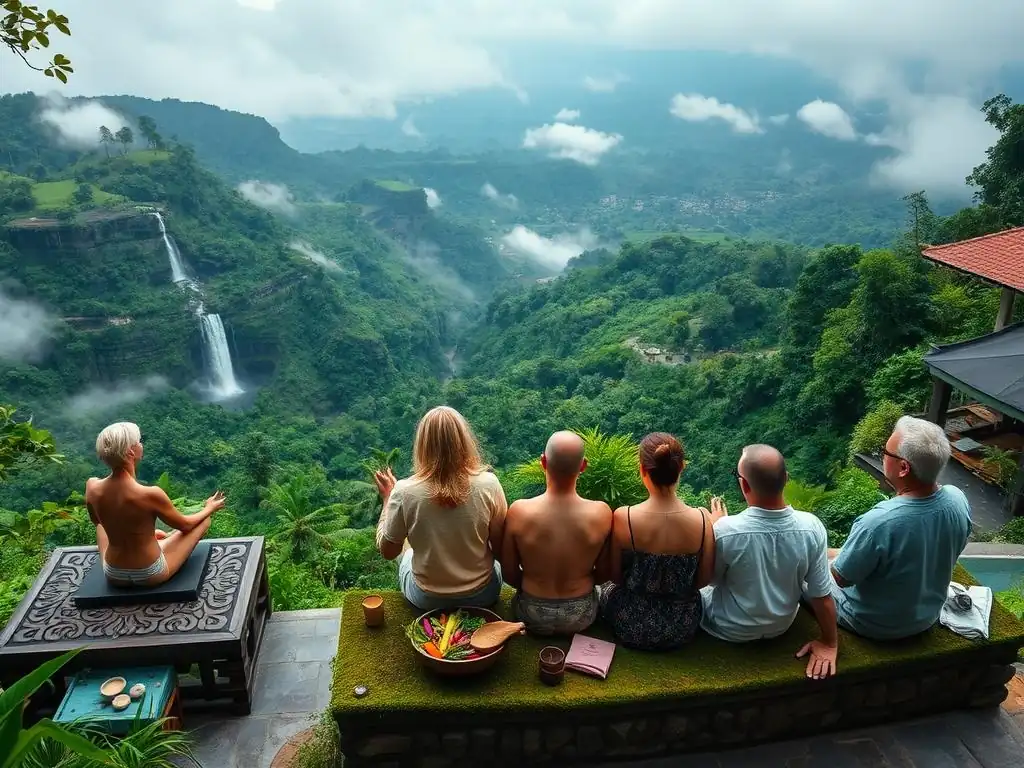
Welcome to Mind Care Guide, your trusted companion on the journey to mental well-being. Feeling lost in the sea of wellness options for you and your partner? Perhaps you're seeking a deeper connection and a renewed sense of shared peace? This article dives deep into the world of Couples Wellness Retreat Types, offering a comprehensive guide to help you find the perfect fit. Discover which retreat aligns with your relationship goals and begin your journey towards a healthier, happier "we." Intrigued? Let's explore the possibilities together...
Finding the Right Fit: Types of Couples Wellness Retreats Explained
- Understanding Couples Wellness Retreat Types for a Stronger Bond
-
Exploring Different Couples Retreat Options: Finding Your Ideal Fit
- 1. The Communication-Focused Retreat: Strengthening Your Connection
- 2. The Adventure & Reconnection Retreat: Sparking Intimacy Through Shared Experiences
- 3. The Mindfulness & Stress Reduction Retreat: Cultivating Inner Peace Together
- 4. The Intimacy & Sexuality Retreat: Deepening Physical and Emotional Connection
- 5. The Spiritual Wellness Retreat: Connecting on a Deeper Level
- Choosing the Right Couples Wellness Getaway: Key Considerations
- Maximizing Your Couples Wellness Retreat Experience: Tips for Success
- Investing in Your Relationship: The Value of Couples Wellness Retreats
-
Frequently Asked Questions
- What are the main benefits of attending a couples wellness retreat?
- What are some different types of couples wellness retreats available?
- How do I choose the right "Couples wellness retreat types" for me and my partner?
- How can a couples wellness retreat help with existing relationship challenges?
- What kind of follow-up support is typically offered after a couples wellness retreat?
- Final Reflection: Rediscovering Connection Through Wellness
- Unwind and Reconnect: Your Couples Wellness Journey Starts Now!
Understanding Couples Wellness Retreat Types for a Stronger Bond
Navigating the complexities of a relationship can be challenging, even for the strongest couples. Life's pressures, communication breakdowns, or simply drifting apart can take a toll. Seeking external support through specialized experiences like couples wellness retreats has become an increasingly popular way for partners to reconnect, heal, and grow together. These retreats offer a dedicated space away from daily distractions to focus solely on the relationship's health and vitality.
Understanding the different types of couples wellness retreats available is key to finding an experience that aligns with your specific needs and goals as a couple. Whether you're looking to improve how you talk to each other, reignite passion, navigate a difficult period, or simply spend quality time nurturing your bond, there is likely a retreat designed with your situation in mind. Exploring these options allows you to make an informed choice that can lead to lasting positive changes in your relationship.
Why Choose a Couples Wellness Retreat? The Benefits Explained
Choosing to attend a couples wellness retreat is an active step towards prioritizing your relationship's health, offering a multitude of benefits that go beyond a typical vacation. One of the primary advantages is the dedicated time and space it provides. In our busy lives, finding uninterrupted time to deeply connect and work on relationship issues can be difficult.
Retreats remove you from the daily grind, offering a focused environment where you can immerse yourselves in workshops, therapy sessions, and shared activities designed to foster closeness and understanding. This concentrated effort can lead to breakthroughs that might take much longer to achieve in weekly therapy sessions amidst daily life distractions.
Furthermore, couples wellness retreat types often incorporate therapeutic or guided sessions led by experienced professionals, such as licensed therapists, relationship coaches, or wellness experts. These facilitators provide valuable tools and techniques for improving communication, resolving conflict, building intimacy, and setting shared goals. For example, a retreat might dedicate several hours daily to guided communication exercises, helping couples practice active listening and empathetic responses in a safe, structured setting.
Statistics often highlight communication as a top challenge for couples; research from relationship experts frequently indicates that poor communication is a significant factor in marital dissatisfaction, sometimes cited as a primary issue in over 60-70% of couples seeking counseling. Retreats directly address this by equipping partners with practical skills to navigate conversations more effectively and empathetically, leading to a deeper understanding and reducing recurring arguments.
Exploring Different Couples Retreat Options: Finding Your Ideal Fit
As you consider investing in your relationship's well-being, exploring the various types of couples wellness retreats becomes essential. Each type offers a unique focus and set of activities, catering to different relationship needs and preferences. From intensive therapeutic programs to adventurous getaways, understanding the core purpose of each retreat type helps you identify the best path for your journey together.
Finding the right fit among the many couples wellness retreat types ensures that the experience is not only enjoyable but also genuinely beneficial for your specific situation. Do you need to rebuild trust after a challenge, or are you simply seeking to deepen an already strong connection? Are you looking for structured therapy, or do you prefer wellness activities that promote connection indirectly? Identifying what you hope to gain is the first step in narrowing down the options and selecting a retreat format that resonates with both partners.
1. The Communication-Focused Retreat: Strengthening Your Connection
Communication-focused retreats are specifically designed to help couples improve how they speak and listen to each other. These retreats often utilize structured workshops and guided exercises based on established therapeutic approaches like the Gottman Method or Emotionally Focused Therapy (EFT). The goal is to identify negative communication patterns, understand the underlying emotions driving conflict, and learn healthier ways to express needs, feelings, and desires. Sessions might include role-playing difficult conversations, practicing "speaker-listener" techniques, or exploring the impact of non-verbal cues.
Participants in these types of couples wellness retreats typically spend significant time engaging in facilitated discussions and practicing new communication skills in a supportive environment. For instance, a retreat might dedicate a morning to understanding "attachment styles" and how they influence communication patterns, followed by exercises designed to foster empathy and validate each other's perspectives.
Research consistently shows that couples who report higher levels of relationship satisfaction also report effective communication. A well-structured communication retreat provides the foundational tools necessary to build this crucial skill, helping partners feel heard, understood, and more connected, ultimately reducing conflict and increasing overall relationship harmony.
Adventure and reconnection retreats blend physical activity and exploration with opportunities for couples to bond and rekindle their spark. These retreats often take place in scenic natural settings, such as mountains, forests, or coastal areas, and incorporate activities like hiking, kayaking, rock climbing, or even wilderness survival skills. The shared challenge and excitement of these experiences can create powerful bonding moments, fostering teamwork, mutual support, and a sense of accomplishment together.
Beyond the physical activities, these types of couples wellness retreats also include facilitated sessions focused on processing the shared experiences and relating them back to the relationship dynamic. For example, navigating a challenging hike together can highlight communication styles under stress or patterns of mutual support.
Debriefing these experiences with a facilitator can provide insights into how the couple functions as a unit and how they can better support each other through life's challenges. While perhaps less intensive than therapy-focused retreats, the combination of adventure and guided reflection offers a unique pathway to reconnecting, building shared memories, and fostering a renewed sense of partnership and intimacy through action and shared vulnerability.
3. The Mindfulness & Stress Reduction Retreat: Cultivating Inner Peace Together
Mindfulness and stress reduction retreats for couples focus on teaching techniques to manage stress, cultivate present-moment awareness, and build emotional regulation skills, both individually and as a couple. These retreats often include practices such as meditation, yoga, mindful movement, breathwork, and guided relaxation. The aim is to help partners reduce individual stress levels, which can often spill over and negatively impact the relationship, and to learn how to be more present and less reactive with each other.
Participants learn how to approach challenges and interactions with greater calm and intention. For example, a session might involve a guided meditation focusing on extending compassion to oneself and one's partner, followed by a discussion on how stress manifests in their relationship and strategies for mindful responses. These types of couples wellness retreats emphasize the interconnectedness of individual well-being and relationship health. By reducing stress and increasing mindfulness, couples can create a more peaceful and supportive environment, improving their ability to navigate disagreements calmly and appreciate each other more fully in the present moment.
4. The Intimacy & Sexuality Retreat: Deepening Physical and Emotional Connection

Intimacy and sexuality retreats are designed to help couples explore and enhance their physical and emotional connection. These retreats often address common challenges related to intimacy, such as differing libidos, communication barriers around sex, past hurts, or simply a desire to deepen their sexual and emotional bond. Facilitators, often sex therapists or intimacy coaches, create a safe and non-judgmental space for couples to discuss sensitive topics and learn techniques to improve their sexual relationship and emotional closeness.
Workshops may cover topics like enhancing pleasure, exploring desires respectfully, maintaining passion over time, and integrating emotional intimacy with physical connection. Activities might include communication exercises specifically focused on sexual needs and preferences, sensual massage techniques (taught in a non-explicit manner), or guided discussions on building trust and vulnerability. These types of couples wellness retreats recognize that intimacy is a vital component of a healthy relationship and provide tools and knowledge to help couples navigate this often complex area, leading to a more fulfilling and connected partnership.
5. The Spiritual Wellness Retreat: Connecting on a Deeper Level
Spiritual wellness retreats for couples focus on exploring shared values, beliefs, and life purpose, fostering a deeper connection that transcends the everyday. These retreats are not necessarily tied to a specific religious denomination but rather encourage couples to connect on a soulful level, whether through shared spiritual practices, exploring existential questions, or simply spending time together in contemplation and reflection in a serene setting. Activities might include guided meditations, nature walks, shared journaling, exploring philosophical texts, or engaging in practices that promote gratitude and interconnectedness.
The emphasis is on building a shared spiritual or value-based foundation for the relationship. For instance, a retreat might include sessions on identifying shared life missions or values, followed by exercises on how to integrate these into daily life as a couple. These types of couples wellness retreats offer a unique opportunity for partners to explore their individual spiritual paths alongside their shared journey, fostering a sense of unity and purpose that can strengthen their bond and provide resilience in navigating life's challenges together.
Choosing the Right Couples Wellness Getaway: Key Considerations
Selecting the ideal couples wellness getaway requires careful consideration of several factors specific to your relationship and practical circumstances. It's not a one-size-fits-all decision, and taking the time to evaluate your options thoroughly will increase the likelihood of a positive and impactful experience. Discussing these considerations openly with your partner is the first step in making a choice that both individuals feel comfortable with and invested in.
Beyond identifying the type of retreat that aligns with your goals, practical elements like budget, location, and the credentials of the facilitators are crucial. A retreat, while an investment in your relationship, must also be financially feasible and logistically manageable. Ensuring that the professionals guiding the experience are qualified and experienced is paramount for safety, effectiveness, and ethical practice. Weighing these factors helps you move from identifying potential couples wellness retreat types to selecting a specific program that meets your needs on all levels.
Assessing Your Relationship Needs: What Are You Hoping to Achieve?
Before looking at specific couples wellness retreat types, sit down with your partner and honestly assess the current state of your relationship and what you both hope to gain from a retreat experience. Are you facing significant conflict or trust issues that require intensive therapeutic intervention? Are you simply seeking to deepen an already healthy connection and learn tools for future growth? Do you feel disconnected physically or emotionally? Identifying the core challenges or areas for growth will directly inform which type of retreat is most appropriate.
For example, if your primary struggle is navigating frequent arguments and feeling misunderstood, a communication-focused or therapy-intensive retreat would likely be more beneficial than an adventure or purely relaxation-based one. Conversely, if daily stress has eroded your sense of fun and connection, an adventure or mindfulness retreat might be the perfect way to reconnect without the pressure of deep therapeutic work.
Many retreats offer pre-retreat assessments or consultations, which can help clarify whether their program is a good fit for your specific relationship needs. Taking this step ensures you invest time and resources into an experience that genuinely targets the areas you wish to improve.
Budget and Location: Finding a Retreat that Fits Your Lifestyle
Couples wellness retreat types vary significantly in cost and location, and these practical factors play a major role in the decision-making process. Retreat prices can range widely, from a few hundred dollars for a weekend program to several thousand dollars or more for a week-long luxury experience with extensive private therapy sessions. Consider what you can realistically afford and view it as an investment in your future together, much like investing in financial planning or health care. Research different retreat providers and inquire about what is included in the price (accommodation, meals, sessions, activities) to compare options accurately.
Location is another key consideration. Do you prefer a retreat that is easily accessible by car, or are you looking for an exotic destination that offers a complete escape? The setting can significantly impact the retreat experience – a mountain lodge offers a different atmosphere than a beach resort or a rustic wilderness camp.
Consider the travel time and cost, as well as the environment that would be most conducive to relaxation and focus for both of you. Some couples wellness retreat types are offered internationally, while others are located closer to home, offering flexibility depending on your preferences and logistical constraints.
The Importance of Qualified Facilitators and Therapists
The quality and experience of the facilitators and therapists leading the couples wellness retreat are paramount to its effectiveness and safety. These professionals guide the workshops, facilitate discussions, and potentially provide individual or couples therapy sessions. It is crucial that they are properly licensed, certified, or possess extensive, relevant experience in relationship counseling, therapy, or the specific wellness modalities being offered. Don't hesitate to inquire about their credentials, background, and approach.
For retreats focusing on intensive therapeutic work, ensuring the facilitators are licensed therapists (e.g., Marriage and Family Therapists, Clinical Psychologists, Licensed Professional Counselors) is essential. For wellness-focused retreats, look for certified coaches, experienced mindfulness instructors, or practitioners with a strong track record in their specific field. A qualified facilitator creates a safe, ethical, and productive environment for vulnerable work.
They possess the skills to manage group dynamics, address individual couple's needs effectively, and provide evidence-based or time-tested tools. Choosing a retreat with experienced and reputable professionals significantly enhances the potential for positive outcomes and a truly transformative couples wellness retreat experience.
Maximizing Your Couples Wellness Retreat Experience: Tips for Success
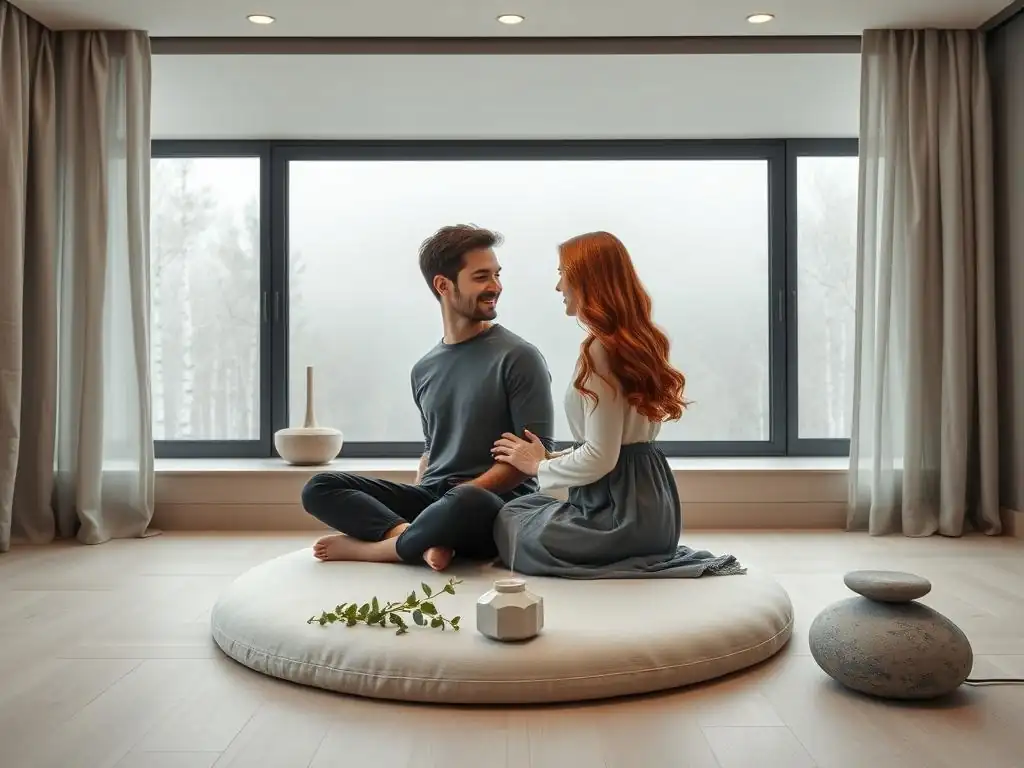
Once you've chosen the right type of couples wellness retreat and booked your spot, preparing to make the most of the experience is key. A retreat is an opportunity for focused work and connection, and approaching it with intention can significantly amplify the benefits. It's not just about showing up; it's about actively engaging with the process and being open to vulnerability and growth, both individually and as a couple.
Maximizing your time at a couples wellness retreat involves steps you can take before you even arrive, throughout the program, and importantly, after you return home. Thinking about your goals beforehand, participating fully in all aspects of the retreat, and having a plan to integrate what you've learned into your daily life are all crucial elements for turning a temporary getaway into lasting positive change for your relationship. These strategies help ensure that your investment in exploring couples wellness retreat types yields the desired results.
Setting Intentions and Goals Before You Go
Before attending your couples wellness retreat, take time individually and together to set clear intentions and goals for the experience. What specific issues are you hoping to address? What skills do you want to learn? What kind of connection do you hope to cultivate? Having a shared understanding of your objectives helps you stay focused during the retreat and can guide your participation in workshops and activities. Write down your intentions and discuss them openly with your partner.
For instance, a couple attending a communication-focused retreat might set a goal to learn to disagree respectfully without escalating into arguments, while a couple at an intimacy retreat might aim to understand each other's needs better and increase physical affection. Sharing these goals with your facilitators at the beginning of the retreat can also be helpful, allowing them to tailor support or suggest specific exercises relevant to your needs. Setting intentions creates a roadmap for your retreat journey and makes you more receptive to the learning and growth opportunities presented.
Engaging Fully in the Activities and Workshops
To truly benefit from a couples wellness retreat, active and full engagement is necessary. This means being present in all scheduled sessions, participating in discussions, completing exercises, and being open to trying new things, even if they feel uncomfortable or challenging at first. Resist the urge to check emails, scroll through social media, or get distracted by outside concerns during dedicated retreat time. The power of the retreat lies in the focused immersion away from daily life.
Be vulnerable and honest, both with your partner and with the facilitators. Sharing your thoughts and feelings, even when difficult, is crucial for making progress. Ask questions, seek clarification, and utilize the expertise of the facilitators. Participating in group discussions (if applicable) can also provide valuable insights from other couples' experiences. Remember, you are there to work on your relationship, and the more you put into the process, the more you will get out of it. Fully embracing the schedule and content provided by the couples wellness retreat types you choose is key to unlocking their potential benefits.
Maintaining the Momentum After the Retreat: Sustaining the Benefits
The true test of a couples wellness retreat's success lies in how well you integrate the lessons learned and the positive changes experienced back into your daily life. The period immediately following the retreat is critical for maintaining momentum. Schedule regular check-ins with your partner to discuss how you are implementing the new communication skills, mindfulness practices, or intimacy techniques you acquired. It's easy to fall back into old habits once the retreat "bubble" bursts, so conscious effort is required.
- [ ] Schedule weekly relationship check-ins.
- [ ] Practice learned communication techniques daily.
- [ ] Allocate dedicated time for intimacy or shared activities.
- [ ] Revisit notes or materials from the retreat.
- [ ] Seek follow-up therapy or coaching if needed.
Consider setting specific, achievable goals for the weeks and months after the retreat. For example, if you learned a new conflict resolution technique, commit to using it during your next disagreement. If the retreat fostered a desire for more quality time, schedule regular date nights or shared activities. Many retreat providers offer follow-up resources, booster sessions, or recommendations for ongoing support, such as local therapists or online coaching. Utilizing these resources can help sustain the benefits of your couples wellness retreat experience long after you've returned home.
Investing in Your Relationship: The Value of Couples Wellness Retreats
Choosing among the diverse couples wellness retreat types and committing to attending one is a significant investment – of time, money, and emotional energy. However, for many couples, the return on this investment in their relationship's health and vitality is immeasurable. These focused getaways provide a powerful opportunity to step away from daily pressures, gain fresh perspectives, learn invaluable skills, and reconnect on a deeper level.
Whether you are navigating challenges, seeking to strengthen a healthy bond, or simply desiring dedicated time together, a couples wellness retreat can offer a transformative experience. By understanding the different focuses available within couples wellness retreat types and choosing one that aligns with your specific needs, you are taking a proactive and powerful step towards building a more resilient, intimate, and fulfilling partnership for the future. The insights gained and the connection fostered during a retreat can serve as a strong foundation for navigating life's journey together with greater understanding, love, and support.
Frequently Asked Questions
What are the main benefits of attending a couples wellness retreat?
Couples wellness retreats offer a chance to reconnect and strengthen relationships, improve communication skills, and learn stress-reduction techniques together.
What are some different types of couples wellness retreats available?
Retreats can vary widely, focusing on areas like yoga and meditation, adventure and nature, or communication and intimacy building. Consider your shared interests.
How do I choose the right "Couples wellness retreat types" for me and my partner?
Consider your shared goals, budget, and desired activities. Read reviews and compare retreat itineraries to find the best fit.
How can a couples wellness retreat help with existing relationship challenges?
Many retreats offer workshops and therapy sessions designed to address communication breakdowns, conflict resolution, and emotional intimacy issues.
What kind of follow-up support is typically offered after a couples wellness retreat?
Some retreats provide ongoing resources, such as online support groups or individual coaching sessions, to help couples maintain their progress.
Final Reflection: Rediscovering Connection Through Wellness
The pursuit of shared well-being is no longer a luxury, but a vital ingredient for a thriving relationship in today's fast-paced world. Finding time and space to reconnect, to nurture the bond that underpins our lives, is more crucial than ever. This exploration of diverse couples wellness retreat types highlights the power of intentionality in strengthening partnerships.
The impact of prioritizing couple's wellness extends far beyond the retreat itself. It ripples outwards, influencing communication styles, conflict resolution, and the overall quality of life within the relationship. The best relationships are built on a foundation of mutual respect, understanding, and a shared commitment to growth.
This quote encapsulates the essence of what these retreats strive to achieve – a conscious effort to cultivate a deeper, more meaningful connection. The subtle shifts in perspective and communication skills learned during these experiences can transform the dynamics of a relationship long after the final yoga session or couples massage.
Now, consider your own relationship. What aspects of your connection need nurturing? What kind of environment would best facilitate growth and deeper understanding between you and your partner? Perhaps a silent retreat in nature, a vibrant adventure retreat, or a luxurious spa retreat – the possibilities are as diverse as the relationships themselves. Take the time to explore these options, to invest in the well-being of your partnership, and discover the transformative power of shared wellness. Your future selves will thank you for it.
Unwind and Reconnect: Your Couples Wellness Journey Starts Now!
Thanks for taking the time to explore the world of couples wellness retreats with Mind Care Guide! We hope this article helped you discover the perfect retreat type for you and your partner. Ready to take the next step towards a stronger, healthier relationship?
- Book a Discovery Call with a Retreat Specialist: Let's find the ideal retreat to match your needs and preferences. This personalized consultation is the quickest way to plan an unforgettable experience.
- Explore Retreat Options on Our Partner Websites: Dive deeper into specific retreats mentioned in the article and see stunning visuals and detailed itineraries.
- Share This Article with Your Partner: Start the conversation about prioritizing your relationship with a relaxing and rejuvenating retreat!
What unique element are you most excited to experience on your couples wellness retreat? Let us know in the comments!