
Heal Together: Using Relationship Retreats for Couple's Mental Wellbeing


Welcome to Mind Care Guide.
Feeling the strain in your relationship and wondering if there's a way to reconnect and heal? You're not alone. Many couples find themselves navigating similar challenges. This journey towards improved mental well-being can be taken together. In this article, we delve into the potential benefits of couple’s relationship retreat mental health programs, exploring how these dedicated experiences can provide the tools and guidance needed to reignite connection and foster lasting positive change. Curious to learn how a retreat could transform your relationship? Let's explore the possibilities...
Heal Together: Using Relationship Retreats for Couple's Mental Wellbeing
- Introduction: The Power of Couple's Relationship Retreats for Mental Health
- Understanding the Connection: Relationship Health and Individual Mental Wellbeing
- Identifying Relationship Challenges: Is a Retreat Right for You?
- Choosing the Right Couple's Relationship Retreat for Mental Health: A Step-by-Step Guide
- Maximizing the Benefits: What to Expect During and After a Couple's Mental Health Retreat
- Real-Life Success Stories: How Couple's Retreats Transformed Relationships
- Recommended Resources: Tools and Products to Support Your Relationship Journey
- Conclusion: Investing in Your Relationship and Mental Wellbeing
- Frequently Asked Questions
- Final Reflection: Rediscovering Connection, Rebuilding Wellbeing
- Rediscover Your Connection: Take the Next Step Towards a Stronger Relationship
Introduction: The Power of Couple's Relationship Retreats for Mental Health
In the intricate dance of life, the health of our relationships profoundly impacts our individual mental wellbeing. For many couples, navigating the complexities of shared lives, external pressures, and internal challenges can lead to strain, affecting not just the partnership but each person's emotional state. Recognizing this deep connection, an increasing number of couples are seeking dedicated spaces and guided experiences to strengthen their bond and, in turn, foster better mental health. This is where a couple's relationship retreat focused on mental health becomes a powerful tool.
A couple's relationship retreat provides a dedicated, distraction-free environment away from daily stressors. These retreats are specifically designed to help partners reconnect, address underlying issues, and learn healthier ways of communicating and supporting each other. It's an investment not just in the relationship itself, but directly in the mental and emotional resilience of both individuals involved. By offering structured therapy sessions, workshops, and opportunities for shared experiences, these retreats aim to build a stronger foundation for the couple, equipping them with tools to navigate future challenges and cultivate lasting mental wellbeing together.
Understanding the Connection: Relationship Health and Individual Mental Wellbeing
The quality of our intimate relationships is a significant determinant of our overall mental health. A supportive, loving partnership can act as a buffer against stress, provide a sense of security, and enhance feelings of belonging and happiness. Conversely, relationships marked by conflict, lack of communication, or emotional distance can contribute to increased stress, anxiety, depression, and other mental health challenges for both partners. Research consistently shows a strong correlation between marital satisfaction and individual psychological health.
For instance, studies have indicated that individuals in distressed relationships are significantly more likely to experience mood disorders compared to those in stable, supportive partnerships. The constant tension and unresolved issues can create a chronic stress response, impacting sleep, physical health, and emotional regulation. A couple's relationship retreat focused on mental health directly addresses these dynamics, offering a path to heal relational wounds that may be negatively impacting individual psychological states, thereby promoting a healthier mind for each person within the partnership.
Identifying Relationship Challenges: Is a Retreat Right for You?

Recognizing when a couple's relationship retreat for mental health might be beneficial is the first step towards healing and growth. While every relationship faces challenges, certain patterns or persistent issues can signal a deeper need for focused intervention. These might include persistent communication breakdowns where discussions quickly escalate into arguments or shut down entirely, leaving issues unresolved and fostering resentment. Another indicator is a growing emotional distance, where partners feel disconnected, lonely within the relationship, or lack intimacy, whether emotional or physical.
Furthermore, navigating significant life transitions – such as becoming parents, career changes, dealing with illness, or facing infidelity – can place immense stress on a relationship. If these challenges feel overwhelming or unmanageable through regular conversations or even weekly therapy sessions, a retreat offers an intensive format that can accelerate progress. A couple's relationship retreat provides the time and space away from daily life to focus solely on these issues with expert guidance, making it a suitable option when everyday efforts feel insufficient or when a significant shift is needed.
Choosing the Right Couple's Relationship Retreat for Mental Health: A Step-by-Step Guide
Selecting the ideal couple’s relationship retreat for mental health requires careful consideration to ensure it aligns with your specific needs and goals. Not all retreats are created equal; they vary widely in their approach, duration, cost, and focus. Taking the time to research and evaluate options is crucial for maximizing the potential benefits for your relationship and individual mental wellbeing.
Step 1: Defining Your Goals
Before exploring specific retreats, sit down with your partner and clearly articulate what you hope to achieve. Are you primarily focused on improving communication skills, rebuilding trust after infidelity, navigating a major life change, or simply reconnecting and reducing stress? Identifying your core objectives will help narrow down the types of retreats that are most suitable.
For example, if communication is the primary issue, look for retreats with a strong emphasis on evidence-based communication techniques like Nonviolent Communication or Imago Relationship Therapy. If you are dealing with the aftermath of infidelity, a retreat specializing in trauma and trust repair would be more appropriate. Having clear, shared goals (or at least acknowledging differing individual goals) is paramount; studies suggest that having clear objectives before engaging in therapy or retreat work correlates with better outcomes, potentially improving relationship satisfaction by an estimated 25-30% post-intervention in some cases.
Step 2: Researching Retreat Options
Once your goals are defined, begin researching retreats that specialize in those areas. Look for retreats led by licensed therapists, psychologists, or experienced relationship coaches with specific expertise in couple's dynamics and mental health. Explore their methodologies – do they use specific therapeutic models like Emotionally Focused Therapy (EFT), Gottman Method, or a blend of approaches?
Gather information on the retreat's structure: Is it intensive, with many hours of therapy daily, or does it balance therapy with wellness activities? Compare program lengths, which can range from a long weekend (3-4 days) to a week or more (7-10 days). Understand the typical schedule – are sessions mostly one-on-one with the therapist, or are there group components? For instance, a typical intensive couple's relationship retreat might involve 4-6 hours of structured therapy sessions per day, along with workshops and private time.
Step 3: Considering Location and Budget
Location can play a significant role in the retreat experience. Some couples prefer a local retreat to minimize travel stress, while others seek a destination retreat in a calming or inspiring environment far from home to facilitate a complete break from routine. Consider accessibility and the environment that would best support your goals for relaxation and focus.
Budget is another practical consideration. The cost of a couple’s relationship retreat focused on mental health can vary significantly based on location, duration, amenities, and the expertise of the facilitators. Prices can range widely, from approximately $1,500 to $5,000 for a weekend retreat, and potentially $5,000 to over $15,000 for a week-long intensive program, often including accommodation and meals. Factor in travel costs as well. While it's an investment, weighing the cost against the potential long-term benefits for your relationship and mental wellbeing is essential.
Step 4: Reading Reviews and Testimonials
Hearing about the experiences of others can provide valuable insights into a retreat's effectiveness and suitability. Look for testimonials on the retreat's website, but also search for independent reviews or forum discussions if available. Pay attention to feedback regarding the facilitators' expertise, the structure of the program, the quality of accommodation and environment, and the perceived impact on relationships.
While individual results vary, patterns in reviews can highlight strengths or potential weaknesses. For example, if multiple reviews mention specific breakthroughs achieved during sessions or praise the empathetic approach of the therapists, it suggests a positive track record. Conversely, if several reviews point to a lack of structure or feeling unheard, it might be a red flag. Aim to find reviews that seem genuine and provide specific details about the experience, rather than just generic praise.
Maximizing the Benefits: What to Expect During and After a Couple's Mental Health Retreat
Embarking on a couple's relationship retreat for mental health is a significant step, and understanding what to expect can help you prepare and make the most of the experience. The structured environment and dedicated focus are designed to facilitate deep work, but the journey doesn't end when you leave the retreat location.
During the Retreat
During the retreat, expect an intensive schedule focused on therapeutic work and relationship building. Days typically involve structured sessions with therapists, which might include individual couple's therapy, group workshops with other couples, or educational presentations on topics like conflict resolution or intimacy. These sessions are often several hours long, requiring significant emotional engagement.
You will likely be encouraged to step away from daily distractions like work emails and social media to fully immerse yourselves in the process. Many retreats incorporate wellness activities such as mindfulness exercises, yoga, guided walks, or creative expression sessions to complement the therapeutic work and promote relaxation and individual mental wellbeing. While challenging at times, this focused period allows for breakthroughs that might take months to achieve in weekly therapy, with some couples reporting significant shifts in understanding and connection within just a few days.
After the Retreat
The period immediately following a couple's relationship retreat is crucial for integrating the insights and skills gained. It's important to recognize that a retreat is often a catalyst, not a magic fix. You will leave with new tools, a deeper understanding of your dynamics, and potentially a renewed sense of hope, but ongoing effort is required.
Plan how you will continue practicing the techniques learned, such as new communication strategies or conflict resolution methods. Many retreats provide resources, exercises, or suggestions for follow-up support, such as continuing with a local therapist, scheduling regular check-ins with each other, or joining a support group. Successfully maintaining the positive changes achieved during the retreat often requires consistent application of new habits and a commitment to continued growth, potentially leading to sustained improvements in relationship satisfaction and individual mental health months after returning home.
Real-Life Success Stories: How Couple's Retreats Transformed Relationships
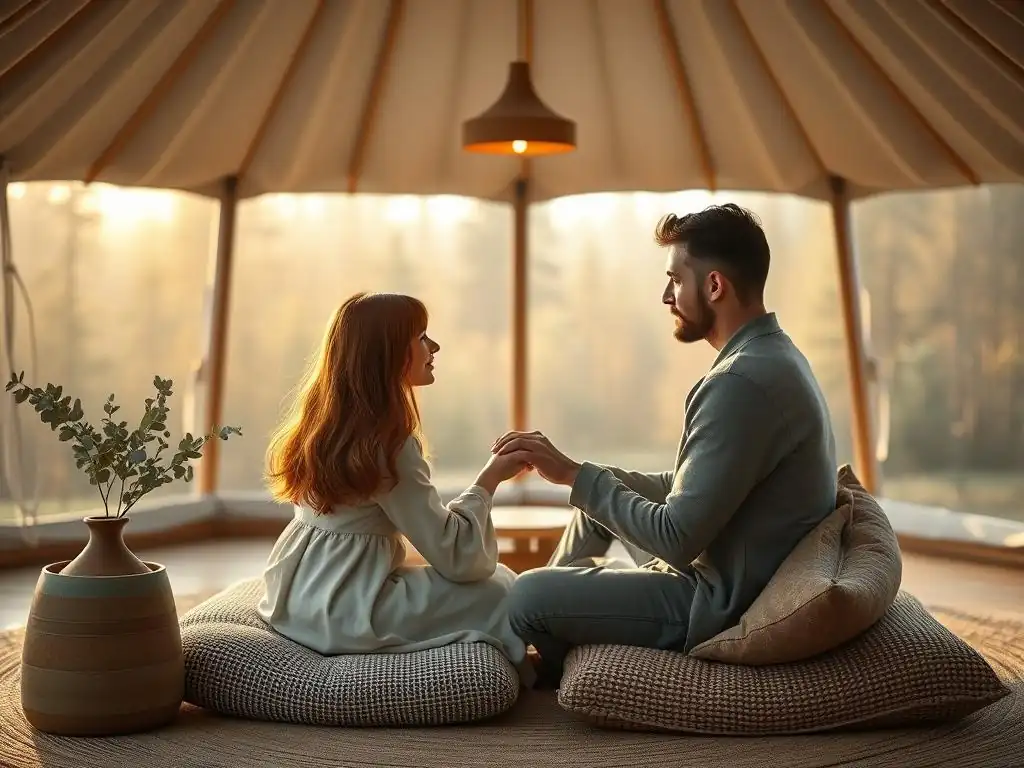
Countless couples have found renewed hope and connection through dedicated relationship retreats, significantly impacting their individual mental wellbeing as well. Consider the story of "Sarah and Mark" (names changed for privacy), who were on the brink of divorce after years of unresolved arguments and emotional distance. Mark struggled with anxiety, exacerbated by constant tension at home, while Sarah felt increasingly depressed and isolated.
They attended an intensive couple's relationship retreat focused on communication and emotional connection. Through guided sessions and exercises, they uncovered long-held resentments and learned to express their needs and feelings without blame. Mark learned techniques to manage his anxiety in the context of conflict, and Sarah rediscovered a sense of hope for their future.
They reported feeling like they could finally hear each other. While the work wasn't easy, the retreat provided a safe space to confront difficult truths and begin rebuilding their foundation, leading to a significant reduction in Mark's anxiety symptoms and Sarah's feelings of hopelessness within months.
Another example is "David and James," who felt disconnected after the stress of raising young children and demanding careers left them with little time or energy for each other. Their lack of intimacy and shared joy began impacting David's mood and James's sleep. They attended a wellness-focused couple's retreat that combined therapeutic workshops with activities designed for reconnection and relaxation.
The retreat helped them identify the specific stressors impacting their relationship and provided strategies for carving out dedicated "couple time" and rekindling intimacy. They practiced mindfulness techniques together to manage stress and re-learned how to have fun as a couple. David reported feeling more present and less irritable, while James's sleep improved significantly. The couple's relationship retreat served as a vital reset button, helping them prioritize their partnership amidst life's demands and improving their overall mental state.
Recommended Resources: Tools and Products to Support Your Relationship Journey
Continuing the work begun at a couple's relationship retreat is key to long-term success. While no links are provided, there are various types of resources and tools that can support your ongoing relationship journey and mental wellbeing.
- Relationship-Focused Books: Many excellent books offer practical advice and insights based on therapeutic principles. Look for titles covering communication skills, conflict resolution, intimacy building, or specific therapeutic approaches like the Gottman Method or Emotionally Focused Therapy. These can serve as ongoing guides and refreshers.
- Couples Therapy Workbooks: Some workbooks offer structured exercises and prompts designed for couples to work through together at home. These can help reinforce skills learned at a retreat and provide a framework for continued growth.
- Mindfulness and Meditation Apps: Apps focused on mindfulness or meditation can help individuals manage stress and anxiety, improving personal mental wellbeing which positively impacts the relationship. Some apps even offer guided meditations specifically for couples.
- Journaling: Keeping a personal journal can help you process emotions and reflect on relationship dynamics. Couple's journals or prompts designed for partners can also facilitate shared reflection and communication.
- Follow-Up Therapy: Continuing with a local licensed therapist or counselor specializing in couples therapy after a retreat is highly recommended for ongoing support and navigating new challenges.
- Communication Aids: Simple tools like talking sticks or structured conversation formats (e.g., Imago dialogue) can help ensure both partners feel heard and understood during discussions, practicing skills learned at a couple's relationship retreat for mental health.
Conclusion: Investing in Your Relationship and Mental Wellbeing
Choosing to attend a couple's relationship retreat focused on mental health is a profound investment in the foundation of your shared life and the individual wellbeing of each partner. It offers a unique opportunity to step away from the everyday, gain perspective, learn vital skills, and reconnect on a deeper level. By addressing relationship challenges head-on in a supportive, therapeutic environment, couples can heal old wounds, build stronger communication patterns, and cultivate a more resilient and loving bond.
The benefits extend far beyond the relationship itself, significantly impacting individual mental health by reducing stress, anxiety, and feelings of isolation. While a retreat requires commitment and effort, the potential rewards – a healthier relationship and improved personal mental wellbeing – are immeasurable. It is a powerful statement of your dedication to each other and to fostering a life of shared emotional health and happiness. Investing in a couple’s relationship retreat for mental health is investing in a brighter future, together.
Frequently Asked Questions
What is a couple’s relationship retreat?
A couple’s relationship retreat is a focused getaway designed to help partners improve their communication, resolve conflicts, and enhance their emotional connection through guided activities and workshops.
How can a relationship retreat benefit mental health?
Attending a retreat can promote mental well-being by providing a safe space for couples to explore their feelings, learn coping strategies, and strengthen their emotional bonds, which can alleviate stress and anxiety.
What types of activities are typically included in a relationship retreat?
Activities often include workshops, guided discussions, meditation sessions, and team-building exercises that encourage couples to engage in meaningful interactions and improve their relationship dynamics.
Are relationship retreats suitable for all couples?
Yes, relationship retreats can benefit all couples, whether they are facing challenges or simply seeking to enhance their connection and mental health. The environment fosters growth and understanding.
How do I choose the right retreat for my needs?
Consider the retreat’s focus, location, and the expertise of the facilitators. Look for programs that emphasize mental well-being and align with your specific relationship goals to ensure a fulfilling experience.
Final Reflection: Rediscovering Connection, Rebuilding Wellbeing
The rising tide of stress and anxiety in modern life is profoundly impacting relationships, leaving many couples feeling disconnected and overwhelmed. Investing in mental wellbeing is no longer a luxury, but a necessity for a thriving partnership, and relationship retreats offer a powerful pathway to achieving this.
The impact of prioritizing couple's mental health is far-reaching, extending beyond the individual relationship to strengthen families and communities. These retreats provide a safe space for vulnerability, honest communication, and the rediscovery of shared joy. They offer a powerful antidote to the isolating effects of modern life, fostering a sense of connection that is often lost in the daily grind. The most important thing in life is to learn how to give out love, and to let it come in.
- Morrie Schwartz. This sentiment, so beautifully expressed, underscores the transformative power of intentional connection fostered in these retreats.
Now, consider your own relationship. What small steps can you take today to nurture the emotional bond you share? Perhaps it's scheduling regular date nights, engaging in meaningful conversations, or simply holding space for each other's feelings. Remember, investing in your relationship is an investment in your individual and collective wellbeing. Embrace the opportunity to heal together, to grow together, and to build a future filled with love, resilience, and lasting connection.
Rediscover Your Connection: Take the Next Step Towards a Stronger Relationship
Thanks for taking the time to explore the power of relationship retreats for your mental wellbeing! We hope you found valuable insights into strengthening your bond and nurturing your emotional connection. Now it's time to put that knowledge into action.
- Schedule a preliminary consultation with a relationship retreat specialist. This is your first step toward prioritizing your relationship and investing in your shared future.
- Explore different retreat types and locations to find the perfect fit for your needs and preferences. Consider a weekend getaway or a longer immersive experience.
- Share this article with your partner and start a conversation about how a retreat could benefit your relationship. Discuss your thoughts and feelings openly.
What aspect of a relationship retreat most resonates with you and your partner, and how could you begin incorporating similar practices into your daily life?