
Mindfulness Retreats for Mental Health: Reviews, Pricing, and Support in [Region/Country]

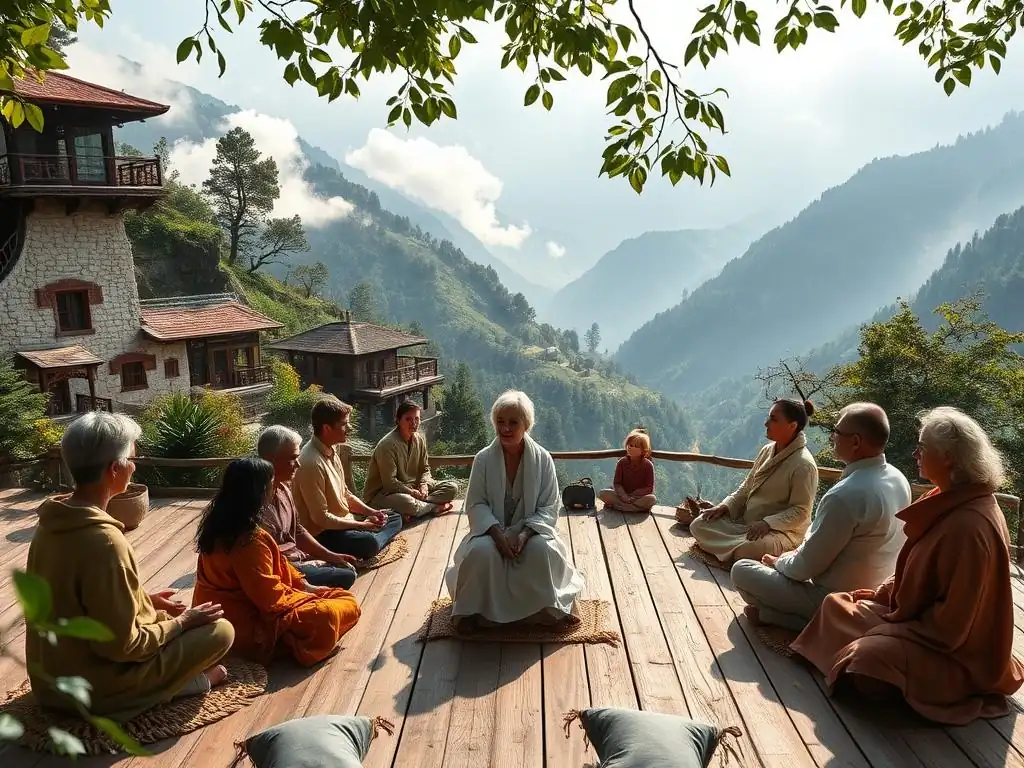
Welcome to Mind Care Guide, a sanctuary dedicated to nurturing your mental well-being. Feeling overwhelmed and seeking a path to inner peace? You're not alone. In this guide, we'll delve into the transformative world of mindfulness retreats and how they can provide essential mental health support. Curious about finding the perfect retreat in [Region/Country], understanding pricing, and accessing the right support system? Let's explore how these immersive experiences can help you rediscover yourself and cultivate lasting resilience.
- Finding the Best Mindfulness Retreat for Mental Health Support in the United States
- Top Mindfulness Retreats for Mental Health in the United States: Reviews & Pricing
- Comparing Mindfulness Retreats: Choosing the Right Mental Health Support
- Maximizing the Benefits of Your Mindfulness Retreat for Mental Health
- Conclusion: Investing in Your Mental Wellbeing Through Mindfulness Retreats in the United States
-
Frequently Asked Questions
- What are the key benefits of attending a mindfulness retreat for mental health?
- How do mindfulness retreats differ from traditional therapy for mental health?
- What factors should I consider when choosing a mindfulness retreat that provides mental health support?
- How much do mindfulness retreats typically cost, and are there any options for financial assistance?
- How can I integrate the benefits of a mindfulness retreat into my daily life after the retreat ends?
- Final Reflection: Finding Inner Peace in a World That Needs It
- Unleash Your Inner Calm: Take the Next Step Towards Wellbeing
Finding the Best Mindfulness Retreat for Mental Health Support in the United States
Prioritizing Mental Wellbeing: Why Choose a Mindfulness Retreat?
In today's fast-paced world, the demands of work, family, and constant digital connectivity can significantly impact our mental wellbeing. Stress, anxiety, and burnout are increasingly prevalent challenges. According to recent surveys, a substantial percentage of adults report experiencing high levels of stress, and rates of anxiety and depression have seen concerning increases in recent years. This highlights a critical need for dedicated time and space to disconnect from daily pressures and focus on internal calm and resilience. While therapy and medication are vital components of mental healthcare, complementary practices can offer profound support.
This is where mindfulness retreats for mental health support offer a unique opportunity. A mindfulness retreat provides an immersive environment specifically designed to cultivate present moment awareness without judgment. Scientific research, including studies on Mindfulness-Based Stress Reduction (MBSR) and Mindfulness-Based Cognitive Therapy (MBCT) programs, consistently demonstrates the efficacy of mindfulness practices in reducing symptoms of stress, anxiety, and depression, improving emotional regulation, and enhancing overall psychological resilience. By stepping away from routine, participants can deeply engage with these practices, fostering a greater understanding of their minds and developing practical tools for navigating life's challenges with more ease and clarity.
Understanding Your Needs: What to Look for in a Mental Health Retreat
Choosing the right mindfulness retreat is a deeply personal decision, and not all retreats offer the same level or type of mental health support. It's essential to consider what you hope to gain from the experience.
Factors like the duration of the retreat (ranging from a weekend to several weeks), the level of silence maintained, the specific tradition of mindfulness taught (e.g., Insight Meditation, Zen, secular mindfulness), and the overall structure and environment can significantly impact your experience and the benefits you receive. Some retreats are highly structured with extensive silent periods, while others offer a blend of practice, workshops, and discussion.
Beyond the core mindfulness instruction, consider the specific mental health support integrated into the retreat. Does the center have staff or teachers with experience in psychology or counseling? Are there specific workshops or programs tailored to address common mental health challenges such as anxiety, depression, or trauma?
Is there access to individual check-ins with teachers or support staff if difficulties arise? While a mindfulness retreat is typically not a substitute for clinical therapy, finding a program that acknowledges and supports participants' mental health journeys within a safe and compassionate environment is crucial. Look for information about the qualifications of the teachers and the retreat's approach to supporting emotional processing.
Top Mindfulness Retreats for Mental Health in the United States: Reviews & Pricing

Spirit Rock Meditation Center: A Comprehensive Review for Mental Wellness
Nestled in the hills of Woodacre, California, Spirit Rock Meditation Center is a cornerstone of Insight Meditation (Vipassana) in the West. Founded by prominent teachers like Jack Kornfield and Sylvia Boorstein, Spirit Rock is dedicated to making the teachings of the Buddha accessible to all who seek freedom from suffering and a deeper understanding of the mind. The center offers a serene environment conducive to deep contemplative practice, providing a powerful sanctuary for those seeking mental wellness through intensive mindfulness. Its beautiful natural setting supports quiet reflection and disconnection from the external world.
Spirit Rock primarily focuses on silent retreats, ranging from a few days to over two months. These retreats are led by highly experienced teachers, often monastics or long-term practitioners, who guide participants through periods of sitting and walking meditation, dharma talks (teachings), and sometimes question-and-answer sessions or individual interviews.
While the core practice is meditation, the focus on cultivating insight into the nature of stress and suffering directly supports mental health. Programs cater to various levels of experience, including specific retreats for different communities (e.g., people of color, LGBTQIA+ individuals, young adults), acknowledging the diverse needs for mental health support.
Key Features of Spirit Rock Meditation Center for Mindfulness and Mental Health
- Emphasis on silent, intensive Insight Meditation practice.
- Highly experienced and respected teachers.
- Structured daily schedule promoting deep contemplation.
- Beautiful, natural setting conducive to peace and reflection.
- Programs designed for different levels of experience and specific communities.
Mental Health Support Services Offered at Spirit Rock Meditation Center
While Spirit Rock is not a clinical mental health facility, it provides significant support through the practice itself and the retreat structure. Teachers are available for brief interviews to discuss meditation practice and challenges that arise. The structured, supportive community environment can also be healing. For participants experiencing significant emotional difficulty during a retreat, there are staff members available to provide compassionate support and guidance, though this is not formal therapy. The primary avenue for mental health support is the cultivation of mindfulness, compassion, and insight facilitated by the teachings and the silent practice.
Pricing and Packages for Spirit Rock Meditation Center: Finding the Right Fit
Pricing at Spirit Rock typically includes accommodation and meals, but the teaching itself is offered freely based on the practice of dana (generosity), meaning participants are invited to offer donations to the teachers and center at the end of the retreat. Base costs for room and board vary significantly depending on the length of the retreat and accommodation type (dormitory, double, or single room).
For approximation, a weekend retreat might have a base cost ranging from $300 to $600, while a 7-day retreat could range from $700 to $1500 or more. Spirit Rock is committed to accessibility and offers various financial aid options, including scholarships and payment plans, to help individuals access mindfulness retreats for mental health support regardless of their financial situation.
Real-Life Experiences: Testimonials and Reviews for Spirit Rock Meditation Center
Feedback from participants often highlights the transformative power of deep silence and intensive practice facilitated at Spirit Rock. Many report gaining profound insights into their habitual thought patterns and emotional reactivity, leading to a significant reduction in stress and anxiety after the retreat. Common themes in reviews include feeling a sense of deep peace, developing greater self-compassion, and acquiring practical tools for navigating difficult emotions in daily life. While the silence can be challenging, participants frequently describe the experience as profoundly healing and essential for cultivating lasting mental wellbeing and resilience.
Monetization Opportunity: Affiliate Link to Spirit Rock Meditation Center Booking Page
Omega Institute: Fostering Mental Health Through Mindfulness Practices
Located in Rhinebeck, New York, the Omega Institute for Holistic Studies is a renowned educational center offering a wide array of workshops, retreats, and programs focused on health, wellness, personal growth, and social change. Unlike traditional silent retreat centers, Omega operates as a vibrant campus hosting diverse faculty and programs, many of which incorporate mindfulness practices and are specifically designed to address mental health challenges. Its environment encourages connection, learning, and exploration across various modalities.
Omega's approach to fostering mental health through mindfulness is multifaceted. They host programs led by leading experts, including psychologists, therapists, and mindfulness teachers, covering topics from stress reduction and emotional intelligence to trauma healing and cultivating resilience. Programs range from weekend intensives to week-long workshops. Participants can choose programs tailored to their specific interests or needs, such as "Mindfulness for Anxiety," "The Power of Mindful Self-Compassion," or workshops integrating mindfulness with other practices like yoga or creative expression. This diversity allows individuals to find a program that resonates with their unique path to mental wellness.
Unique Mindfulness Programs at Omega Institute
- Wide variety of programs and teachers covering diverse aspects of mindfulness and mental health.
- Workshops specifically tailored to address conditions like anxiety, depression, and trauma.
- Integration of mindfulness with other holistic practices like yoga, movement, and creative arts.
- Programs available for various lengths, from weekends to extended stays.
- Campus environment fostering community and connection alongside personal practice.
Therapist-Led Sessions and Mental Health Counseling at Omega Institute
Omega Institute hosts programs led by licensed therapists, psychologists, and counselors who integrate therapeutic techniques and insights with mindfulness practices. These workshops can provide valuable psychoeducation and group process experiences. However, Omega itself does not provide individual clinical therapy or counseling as part of its standard retreat packages. The mental health support comes primarily through the structured program content, the expertise of the faculty, and the supportive group environment. Participants seeking individual therapy should arrange this separately.
Cost Breakdown and Payment Options for Omega Institute
Omega's pricing structure consists of two components: program tuition and accommodation/meals. Program tuition varies depending on the length and topic, typically ranging from $200 to $800+ for a weekend or week-long workshop. Accommodation and meal costs vary significantly based on the chosen housing option, from camping and dormitories to private rooms. For approximation, a weekend stay including program, housing, and meals could range from $400 to over $1000. Omega offers various payment plans and scholarship opportunities to make their programs accessible, recognizing the value of these mindfulness retreats for mental health support.
User Feedback: Omega Institute's Impact on Mental Wellbeing
Reviews for Omega Institute often praise the breadth and quality of its program offerings and faculty. Participants frequently report gaining practical tools for managing stress, improving emotional regulation, and developing greater self-awareness through the mindfulness-based workshops. The campus environment is often cited as supportive and nurturing. While experiences can vary greatly depending on the specific program chosen, many find the combination of insightful teachings, engaging activities, and a supportive community to be profoundly beneficial for their mental wellbeing and personal growth journey.
Monetization Opportunity: Affiliate Link to Omega Institute Booking & Special Offers
Kripalu Center for Yoga & Health: A Holistic Approach to Mental Health and Mindfulness
Situated in the Berkshire Mountains of Massachusetts, Kripalu Center for Yoga & Health is one of the largest and most established retreat centers in North America, dedicated to holistic health, yoga, and mindfulness. Kripalu offers a unique blend of immersive experiences, integrating physical practice (yoga) with mental and emotional exploration. Their philosophy centers on self-discovery and compassionate living, providing a supportive framework for addressing mental health challenges through a holistic lens.
Kripalu's approach to mental health and mindfulness is comprehensive. They offer "Guest Stays" which provide access to daily yoga, meditation, and mindfulness classes, allowing for a self-guided retreat experience. Additionally, they host a wide range of workshops and programs led by guest faculty, many specifically focused on using yoga and mindfulness for stress reduction, emotional resilience, trauma healing, and managing conditions like anxiety and depression. Programs like Mindfulness-Based Stress Reduction (MBSR) are frequently offered. The integration of movement, breathwork, and mindfulness cultivates a strong mind-body connection, which is foundational for robust mental health support.
Integrating Mindfulness and Mental Health Support at Kripalu Center for Yoga & Health
Kripalu seamlessly integrates mindfulness into its core offerings. Daily schedules include guided meditation and mindfulness sessions alongside various levels of yoga classes. Many guest faculty programs explicitly focus on applying mindfulness principles to emotional regulation, stress management, and cultivating self-compassion. The Kripalu approach emphasizes body awareness and the connection between physical sensations and emotional states, providing practical tools for navigating challenging feelings. The overall environment fosters acceptance, non-judgment, and community, which are inherently supportive of mental wellbeing.
Therapeutic Activities and Mental Wellness Workshops
Kripalu offers numerous programs relevant to mental health support. Examples include workshops on Stress Reduction, Trauma-Sensitive Yoga, Emotional Detox, Cultivating Resilience, and MBSR programs. These are often led by licensed therapists, psychologists, or certified mindfulness teachers with expertise in these areas. Beyond structured workshops, the availability of therapeutic bodywork and outdoor activities like hiking provides additional avenues for relaxation and healing, complementing the mindfulness and yoga practices.
Affordability and Value: Pricing Details for Kripalu Center for Yoga & Health
Kripalu's pricing varies based on whether you choose a guest stay or a specific workshop, and your accommodation type (dormitory, shared room, or private room). Guest stays, which include daily classes and meals, might range from $300 to $700+ for a weekend.
Attending a specific workshop adds a tuition fee to the base guest stay rate, which could be an additional $150 to $400+ for a weekend program, bringing the total to approximately $450 to $1100 or more. Kripalu offers package deals, payment plans, and financial assistance options, including scholarships, demonstrating a commitment to making their holistic approach to mindfulness and mental health accessible.
Success Stories: How Kripalu Center for Yoga & Health Helps with Mental Health Challenges
Participants at Kripalu often share powerful stories of transformation related to their mental health. Many report significant reductions in stress and anxiety, improved mood, and a greater sense of emotional balance. Testimonials frequently highlight the effectiveness of integrating yoga and mindfulness practices. Individuals struggling with burnout or depression find renewed energy and hope through the supportive environment and practical tools learned. The emphasis on self-compassion and acceptance within the Kripalu tradition is often cited as particularly healing for those navigating mental health challenges.
Monetization Opportunity: Affiliate Link to Kripalu Center for Yoga & Health & Partnered Mental Health Products
Comparing Mindfulness Retreats: Choosing the Right Mental Health Support
Feature Comparison: Spirit Rock Meditation Center vs. Omega Institute vs. Kripalu Center for Yoga & Health
When choosing among these prominent mindfulness retreats for mental health support, consider their core focus. Spirit Rock is ideal for those seeking deep, intensive silent meditation practice, particularly in the Insight Meditation tradition, and are comfortable with a highly structured, contemplative environment.
Omega Institute offers unparalleled diversity in programs and teachers, suitable for individuals looking for workshops on specific mental health topics or wanting to explore how mindfulness intersects with various other wellness modalities in a less strictly silent setting. Kripalu Center provides a holistic approach, integrating yoga and mindfulness with a focus on mind-body connection and emotional wellbeing, appealing to those who value physical practice alongside meditation and therapeutic workshops.
The level and type of mental health support also differ. Spirit Rock offers support primarily through the guidance of experienced meditation teachers within the retreat context, not clinical therapy. Omega hosts programs led by mental health professionals but doesn't offer individual counseling as part of the package. Kripalu integrates therapeutic themes and workshops led by experts into its holistic framework, offering a blend of practice and psychoeducation. Your specific needs regarding structure, practice style, and the type of support desired will help determine the best fit.
Price Comparison: Finding Affordable Mental Health Retreat Options
Comparing costs requires looking beyond the base price, as services included and accommodation types vary. As approximated earlier, weekend retreats at Spirit Rock, Omega, and Kripalu can range broadly, generally starting from around $300-$400 for the most basic options (e.g., dorms, guest stay) and potentially exceeding $1000+ for private rooms or specific high-cost workshops. Spirit Rock's reliance on dana for teaching adds a variable element to the total cost, though it can make the upfront room/board cost seem lower. Omega and Kripalu have clearer all-inclusive or tuition+board pricing.
To find more affordable mindfulness retreats for mental health support, explore shorter duration retreats (often weekends). Consider shared accommodation options like dormitories, which are significantly less expensive than private rooms. Many centers, including these three, offer financial aid, scholarships, or work-exchange programs; inquire about these options early in your planning. Attending during the off-season might also offer lower rates. Remember that the cost is an investment in your wellbeing, but accessibility is a priority for many centers.
Specialization Comparison: Which Retreat Caters to Your Specific Mental Health Needs? (e.g., anxiety, depression, burnout)
Matching the retreat's specialization to your specific mental health needs is key. If you are seeking deep insight into the roots of suffering and cultivating equanimity towards challenging experiences like anxiety or depression through intensive silent practice, Spirit Rock's traditional approach might be highly effective. If you are looking for practical, evidence-based tools and strategies for managing specific conditions like anxiety, burnout, or trauma, Omega or Kripalu likely offer workshops explicitly designed for these issues, often led by faculty with clinical expertise.
Carefully review the program descriptions offered by each center. Look for keywords related to your concerns (e.g., "stress reduction," "emotional regulation," "healing trauma," "mindfulness for depression"). Don't hesitate to contact the retreat centers directly to discuss your specific needs and ask if their programs are suitable for your current mental health situation. Some centers might have specific prerequisites or recommendations depending on the program and your needs. Choosing a retreat that acknowledges and addresses your particular challenges can significantly enhance the benefits you receive.
Maximizing the Benefits of Your Mindfulness Retreat for Mental Health

Preparing for Your Retreat: What to Expect and How to Get the Most Out of It
Preparing for a mindfulness retreat, especially one focused on mental health support, involves both practical and psychological readiness. Practically, ensure you understand the retreat's guidelines regarding silence, technology use, and daily schedule. Pack comfortable clothing suitable for meditation and potentially physical activity (like yoga or walking), and any personal items you need for comfort (e.g., a favorite meditation cushion, journal). Inform the center of any medical conditions, dietary restrictions, or significant mental health concerns they should be aware of.
Mentally, prepare for a period of introspection and potential challenge. Retreats can bring difficult emotions or physical discomfort to the surface as distractions are removed. Approach the experience with an open mind and a willingness to be present with whatever arises, without judgment. Setting an intention for your retreat – what you hope to learn or cultivate – can provide focus. Remember that the goal isn't to have a stress-free vacation, but to engage with practice and gain tools for navigating the full range of human experience with greater awareness and compassion, essential for robust mental health support.
Integrating Mindfulness Practices into Your Daily Life After the Retreat
The true measure of a retreat's success lies in how well you can integrate the principles and practices into your daily life. Committing to a regular formal mindfulness practice, even if it's just 10-20 minutes of sitting meditation each day, is crucial. Equally important is cultivating informal mindfulness – bringing present moment awareness to everyday activities like eating, walking, listening, or interacting with others. This consistent practice helps solidify the neural pathways cultivated during the immersive retreat experience.
Integration isn't about achieving perfect calm or never experiencing difficulty again. It's about developing the capacity to meet life's challenges with greater awareness, less reactivity, and more self-compassion. Find ways to support your practice: use meditation apps, join a local meditation group or center, continue reading and studying mindfulness texts, or connect with fellow retreatants for mutual encouragement. View the retreat as a powerful launchpad for a lifelong journey of cultivating mindfulness for mental health.
Continued Mental Health Support: Resources and Next Steps
While a mindfulness retreat can be profoundly beneficial, it is often a powerful tool within a broader strategy for mental health support, not a standalone cure, particularly for significant conditions. If you are managing ongoing mental health challenges, it is vital to continue or seek professional support from therapists, counselors, or psychiatrists. The mindfulness skills learned at a retreat can significantly complement traditional therapy by helping you become more aware of your thoughts and feelings and develop healthier coping mechanisms.
Consider what further steps can support your mental wellbeing journey. This might include continuing to attend classes or workshops, joining a local mindfulness or meditation community, exploring specific therapeutic modalities that integrate mindfulness (like MBCT or Dialectical Behavior Therapy - DBT), or engaging in other wellness practices like yoga, exercise, or spending time in nature. The insights gained during a mindfulness retreat provide a strong foundation, but ongoing practice and utilizing available mental health resources are key to long-term wellbeing.
Conclusion: Investing in Your Mental Wellbeing Through Mindfulness Retreats in the United States
Making an Informed Decision: Choosing the Best Retreat for Your Needs
Choosing to attend a mindfulness retreat is a significant investment in your mental wellbeing. It provides a dedicated opportunity to step away from the demands of daily life and cultivate practices that can profoundly impact your mental health.
When selecting the best retreat for you, consider your personal goals, your comfort level with silence and structure, the type of mindfulness practice offered, the duration of the retreat, and the specific mental health support services available. Researching centers like Spirit Rock, Omega, and Kripalu, and comparing their features, pricing, and specialization, as outlined above, is a crucial step in making an informed decision.
Ultimately, the "best" mindfulness retreat for mental health support is the one that aligns most closely with your individual needs and intentions. Whether you seek deep silent practice, specialized workshops on specific mental health topics, or a holistic integration of mindfulness and movement, there are options available in the United States. Taking this step is an act of self-care and a commitment to fostering greater peace, clarity, and resilience in your life.
The Long-Term Benefits of Mindfulness for Mental Health
The benefits gained from a mindfulness retreat extend far beyond the time spent in retreat. The skills cultivated – including present moment awareness, non-judgment, and self-compassion – provide a powerful foundation for navigating the stresses and challenges of everyday life. Regular mindfulness practice has been shown to reduce reactivity to difficult emotions, improve focus and concentration, enhance emotional regulation, and contribute to a greater sense of overall wellbeing. These long-term benefits build resilience, helping individuals better cope with future mental health challenges.
Investing in mindfulness retreats for mental health support is investing in a skill set that can serve you throughout your life. The experience offers a unique opportunity for deep introspection and learning, providing tools that, with continued practice, can lead to lasting positive changes in how you relate to your thoughts, emotions, and the world around you. It is a powerful pathway towards cultivating enduring mental wellness and a more fulfilling life.
Frequently Asked Questions
What are the key benefits of attending a mindfulness retreat for mental health?
Mindfulness retreats offer a dedicated space and time for focused practice, which can lead to reduced stress, improved focus, and increased self-awareness. They can also provide mental health support and coping mechanisms.
How do mindfulness retreats differ from traditional therapy for mental health?
While both aim to improve mental well-being, retreats emphasize experiential learning and group support through mindfulness practices. Therapy usually involves individual sessions focused on specific issues with a trained professional.
What factors should I consider when choosing a mindfulness retreat that provides mental health support?
Look for retreats led by qualified instructors with experience in mental health. Consider the retreat's program content, the level of individual attention offered, and the overall vibe and location.
How much do mindfulness retreats typically cost, and are there any options for financial assistance?
Prices vary widely depending on the location, duration, and amenities, ranging from a few hundred to several thousand dollars. Some retreats offer scholarships or payment plans to make them more accessible.
How can I integrate the benefits of a mindfulness retreat into my daily life after the retreat ends?
Continue practicing the mindfulness techniques you learned, schedule regular meditation sessions, and seek out ongoing mental health support if needed, such as support groups or therapy.
Final Reflection: Finding Inner Peace in a World That Needs It
The pursuit of mental well-being is no longer a luxury; it's a necessity. The overwhelming pressures of modern life demand that we actively seek strategies for managing stress, anxiety, and burnout, and mindfulness retreats are emerging as a powerful tool in this fight. This article has explored the diverse landscape of mindfulness retreats available in [Region/Country], examining their varying approaches, pricing structures, and the crucial support systems they offer.
The impact of mindfulness practices on our collective mental health is undeniable. These retreats aren't just temporary escapes; they provide a framework for cultivating lasting self-awareness and resilience. The ability to quiet the internal noise and connect with one's inner self is a skill that translates far beyond the retreat setting. The mind is everything. What you think you become.
– Buddha. This ancient wisdom resonates deeply today, reminding us of the profound power we hold within to shape our own mental landscapes. The growing popularity of these retreats reflects a societal shift – a recognition of the importance of prioritizing mental health and seeking proactive solutions for well-being.
Now, consider your own journey towards mental well-being. What steps can you take, inspired by the information presented here, to cultivate more mindfulness in your daily life? Perhaps it's scheduling regular meditation sessions, exploring nature, or simply taking a few moments each day to breathe deeply and connect with your inner self. The path to inner peace is a personal one, but the resources and inspiration are readily available. Embrace the opportunity to invest in your mental health; it's an investment in your overall well-being and a gift you give to yourself and the world.
Unleash Your Inner Calm: Take the Next Step Towards Wellbeing
Thanks for taking the time to explore the world of mindfulness retreats with us! We hope this article has provided you with valuable insights into finding the perfect retreat to support your mental health journey. Ready to turn your newfound knowledge into action?
- Book Your Transformative Retreat: Take the plunge and secure your spot at a retreat that resonates with you. Research the options highlighted in the article, or explore similar retreats in your area. This is your chance to prioritize your wellbeing.
- Share Your Experience: Inspire others on their path to better mental health! Share this article with friends or family who could benefit from the information, or leave a comment below detailing your experience with mindfulness retreats.
- Explore Complimentary Practices: Expand your wellness journey beyond retreats! Research other self-care practices like meditation, yoga, or journaling—all valuable tools for maintaining a calm and mindful lifestyle.
What specific aspect of mindfulness are you most excited to explore further, and what steps will you take to integrate it into your life?