
Recharging Your Mind: The Therapeutic Power of Solo Wellness Journeys

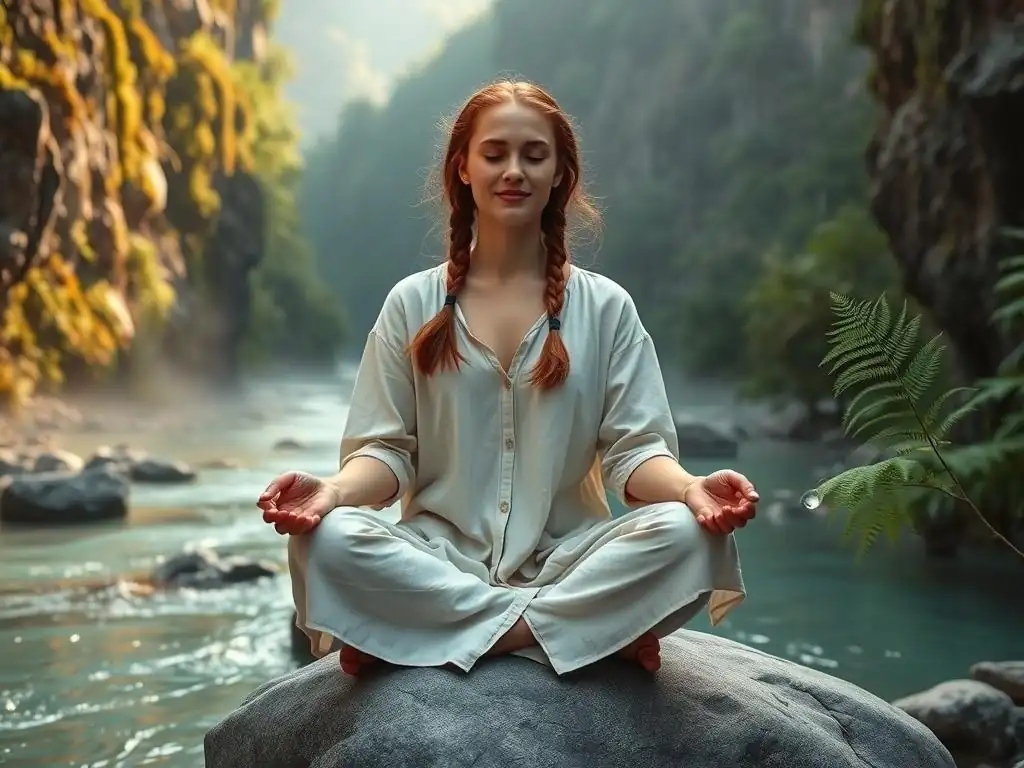
Welcome to Mind Care Guide.
Feeling overwhelmed? Perhaps a little lost in the daily grind? At Mind Care Guide, we understand. We believe in the transformative power of prioritizing your mental well-being. This week, we're diving into a particularly potent path to rejuvenation: exploring the profound solo wellness retreats benefits. Intrigued? Discover how escaping the noise and embracing solitude can unlock a new level of inner peace and self-discovery. Let's begin your journey to a healthier, happier you.
Recharging Your Mind: The Therapeutic Power of Solo Wellness Journeys
- Introduction: Discovering Inner Peace Through Solo Wellness Retreats
- Understanding the Solo Wellness Retreat Benefits for Mental Health
- How to Plan Your First Solo Wellness Journey: A Step-by-Step Guide
- Real-Life Examples: Stories of Transformation Through Solo Wellness
- Maintaining the Benefits After Your Solo Retreat
- Conclusion: Investing in Your Mental Health Through Solo Wellness Travel
-
Frequently Asked Questions
- What are the primary benefits of solo wellness retreats as opposed to group retreats?
- How can a solo wellness retreat help with managing stress and anxiety?
- What types of activities are commonly included in solo wellness retreats?
- How do I choose the right solo wellness retreat for my specific needs?
- What are some key things to keep in mind when planning a solo wellness journey?
- Final Reflection: The Enduring Call of the Solo Journey
- Unleash Your Inner Peace: Start Your Solo Wellness Journey Today!
Introduction: Discovering Inner Peace Through Solo Wellness Retreats
In our increasingly connected world, finding moments of true solitude and disconnection can feel like a luxury. Yet, intentionally stepping away from daily routines, demands, and even loved ones can be profoundly beneficial for mental well-being. This is the core idea behind solo wellness journeys – dedicated time spent alone, often in a supportive environment like a retreat center, focused entirely on self-care, reflection, and healing. Far from being lonely, these experiences offer a unique opportunity to reconnect with oneself on a deeper level, free from external distractions and expectations.
Embarking on a journey alone for the purpose of wellness allows for introspection that is often difficult to achieve amidst the hustle and bustle of everyday life. It's a conscious decision to prioritize mental health, offering a space to process emotions, gain clarity, and cultivate inner peace. The benefits of solo wellness retreats are multifaceted, touching upon emotional, psychological, and even physical dimensions of health. It's an investment in your most important relationship – the one with yourself – providing tools and insights to navigate life's challenges with greater resilience and presence.
Understanding the Solo Wellness Retreat Benefits for Mental Health
Choosing to attend a wellness retreat alone unlocks a unique set of advantages specifically tailored to individual growth and healing. Without the dynamics of traveling companions, you are free to follow your own rhythm, engage in activities that resonate most deeply with you, and simply be with yourself without compromise. This dedicated time fosters independence and self-reliance, proving to be a powerful catalyst for boosting self-esteem and confidence. The environment of a retreat, often serene and supportive, amplifies these effects, allowing for profound personal insights and emotional release that might not occur in a familiar setting.
The therapeutic power of solo wellness journeys lies in their ability to remove you from stressors and provide a container for healing. Many individuals report significant reductions in anxiety and stress levels after just a few days. By disconnecting from digital devices and daily obligations, the mind has space to quiet down.
This allows for a greater awareness of one's thoughts and feelings, which is the first step towards processing and managing them effectively. The structure of a retreat, typically including practices like meditation, yoga, or therapeutic workshops, provides guidance and support for this internal exploration, making the solo wellness retreats benefits tangible and lasting.
The Science Behind Solo Travel and Well-being
Research in psychology suggests that periods of solitude, when chosen intentionally, can enhance creativity, improve concentration, and foster a greater sense of freedom. When you travel alone for wellness, you remove yourself from familiar social cues and pressures, allowing your brain a chance to reset. This can lead to reduced activity in the amygdala, the brain's fear and stress center, promoting a state of calm. Furthermore, novel experiences and environments, typical of a retreat setting, can stimulate the release of dopamine, a neurotransmitter associated with pleasure and motivation, contributing to feelings of well-being and openness.
Engaging in mindfulness practices, a staple of many wellness retreats, has been shown to alter brain structure over time, potentially increasing gray matter in areas related to learning, memory, and emotional regulation, while decreasing it in the amygdala. During a solo retreat, without the need to engage in constant conversation or cater to others' schedules, individuals have ample opportunity to practice mindfulness consistently. This focused application of techniques like meditation or mindful movement leverages the brain's neuroplasticity, helping to build resilience against stress and cultivate a more positive emotional outlook, solidifying the therapeutic solo wellness retreats benefits.
Exploring the Spectrum: Types of Solo Wellness Retreats
The world of solo wellness retreats is incredibly diverse, catering to a wide array of needs and interests. For those seeking physical rejuvenation and stress reduction, spa and detox retreats are popular choices, often including therapeutic massages, body treatments, and nutritional guidance. Nature-based retreats, situated in mountains, forests, or by the sea, focus on the healing power of the natural world, incorporating activities like hiking, forest bathing, and outdoor meditation. These environments provide a profound sense of peace and perspective, enhancing the solo experience.
Beyond physical and nature-focused options, there are retreats centered on specific practices or personal growth. Yoga and meditation retreats offer immersive experiences for deepening practice, often including silent periods which are uniquely suited to solo travelers seeking profound introspection. Creative retreats, focused on writing, art, or music, provide a nurturing space to unlock creativity and self-expression. Specialized retreats might address specific challenges like grief, burnout, or trauma, offering targeted therapeutic support. The key is finding a retreat whose focus aligns with your personal goals for the solo wellness journey, ensuring you maximize the benefits.
How to Plan Your First Solo Wellness Journey: A Step-by-Step Guide
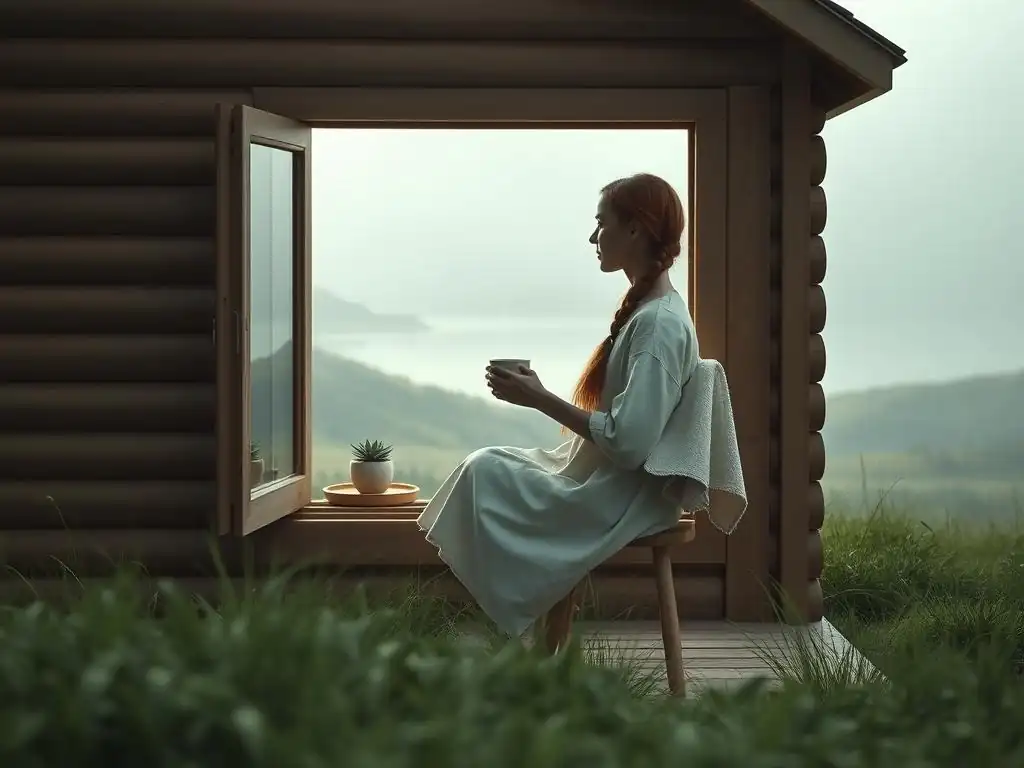
Embarking on your first solo wellness retreat can feel daunting, but breaking down the planning process makes it manageable. It's not just about booking a flight and accommodation; it's about preparing yourself mentally and practically for the experience of dedicated solitude and self-focus. Thinking through your intentions, choosing the right environment, and packing thoughtfully will set the stage for a transformative journey. This guide provides a roadmap to help you navigate the steps from decision to departure.
Planning a solo retreat is an act of self-care in itself, requiring you to tune into your needs and preferences. It’s an opportunity to design an experience that is solely for you, free from the compromises often necessary when traveling with others. By following a structured approach, you can alleviate potential anxieties and ensure that your retreat is as beneficial and restorative as possible. The goal is to arrive feeling prepared, open, and ready to fully embrace the unique solo wellness retreats benefits that await you.
Step 1: Defining Your Intentions and Goals
Before you even begin looking at destinations, take time to reflect on why you want to go on a solo wellness journey. Are you seeking rest and relaxation to recover from burnout? Do you want to deepen a spiritual practice like meditation or yoga? Are you navigating a life transition and seeking clarity? Perhaps you simply need uninterrupted time alone for introspection and self-discovery. Be specific about what you hope to gain from this experience. Write down your intentions – this clarity will be your compass throughout the planning process and during the retreat itself.
Understanding your goals is crucial because it will directly influence the type of retreat, location, and activities that will be most beneficial for you. If your goal is deep emotional healing, a retreat with therapeutic counseling or specific workshops might be ideal. If it's physical rejuvenation, a spa or detox retreat could be better.
If it's disconnecting and finding peace, a silent retreat or one focused on nature immersion might be the answer. Clarity on your intentions ensures you choose an experience that genuinely supports your mental and emotional well-being and helps you realize the specific solo wellness retreats benefits you seek.
Step 2: Choosing the Right Destination and Retreat Center
With your intentions clear, you can begin researching destinations and retreat centers that align with your goals and preferences. Consider factors like climate, accessibility, and the overall environment. Do you feel drawn to mountains, the ocean, a forest, or a desert? Each setting offers a different energy and potential for healing. Research specific retreat centers, looking at their philosophy, programs offered, schedule structure, and reviews from previous guests, particularly solo travelers. Some centers are specifically designed for solo guests, while others welcome them alongside couples or groups.
Evaluate the programs and daily schedule offered by potential centers. Do they include activities that support your goals, such as yoga, meditation, workshops, spa treatments, or nature excursions? How much free time is built into the schedule? Consider your budget, as retreat costs can vary significantly based on location, duration, and level of luxury. Look for centers that emphasize a supportive and non-judgmental atmosphere. Choosing a place where you feel safe and comfortable is paramount when traveling alone and seeking the profound solo wellness retreats benefits.
Step 3: Preparing Mentally and Emotionally for Solitude
Anticipating a period of dedicated solitude can bring up various emotions, including excitement but also potential anxiety or fear of loneliness. It's important to acknowledge these feelings without judgment. Prepare yourself mentally by setting realistic expectations. A retreat is not a magic fix; it's an opportunity for focused self-work and rest. Understand that there might be moments of discomfort or introspection that are challenging, but these are often part of the healing process. Remind yourself of your intentions and the positive solo wellness retreats benefits you are seeking.
Practicing mindfulness or meditation in the weeks leading up to your retreat can help you become more comfortable with your own thoughts and presence. Inform a trusted friend or family member about your plans and check-in schedule, if that makes you feel more secure, but also communicate your need for minimal contact during the retreat itself to allow for full immersion. mentally rehearse being present and open to the experience. Embrace the idea that this time is a gift to yourself, a chance to disconnect from external noise and reconnect with your inner landscape.
Step 4: Packing Essentials for a Solo Retreat
Packing for a solo wellness retreat is slightly different than packing for a typical vacation. Comfort is key, both physically and mentally.
- Comfortable Clothing: Pack layers suitable for the climate and activities (yoga clothes, hiking gear, casual wear).
- Journal and Pen: Essential for reflection, processing thoughts, and capturing insights.
- Books: Choose inspiring, reflective, or educational books related to well-being, avoiding heavy or distracting reads.
- Personal Comfort Items: Things like a favorite tea, a cozy scarf, or a special journal can make your space feel more personal.
- Toiletries: Pack your preferred self-care products to maintain a sense of routine and comfort.
- Alarm Clock: Use a separate alarm instead of your phone to facilitate digital detox.
- Open Mind: The most important item!
Consider packing items that support the specific activities offered at your retreat, such as a swimsuit, walking shoes, or perhaps art supplies if it's a creative retreat. While many retreats provide yoga mats and props, you might prefer to bring your own for hygiene or comfort. Remember to pack any necessary medications. By packing thoughtfully, you ensure you have everything you need to feel comfortable and supported, allowing you to focus fully on the solo wellness retreats benefits.
Step 5: Embracing the Experience and Practicing Self-Care
Once you arrive at your retreat, the key is to surrender to the experience and the schedule (or lack thereof). Allow yourself to fully disconnect from external pressures – this means limiting phone use, avoiding work emails, and resisting the urge to constantly check social media. Be present in each moment, whether you are participating in a guided meditation, enjoying a quiet meal alone, or walking in nature. Engage fully in the activities offered, even if they push you slightly outside your comfort zone, as this is often where growth happens.
Prioritize self-care throughout your stay. Listen to your body and mind. If you need extra rest, take it. If you feel overwhelmed, find a quiet space to process. Stay hydrated, eat nourishing food, and get enough sleep. Use the solitude as an opportunity for deep introspection – journal regularly, meditate, or simply sit in silence. Remember your intentions from Step 1 and revisit them throughout the retreat. By actively engaging in self-care and embracing the solitude, you maximize the profound solo wellness retreats benefits available to you.
Real-Life Examples: Stories of Transformation Through Solo Wellness
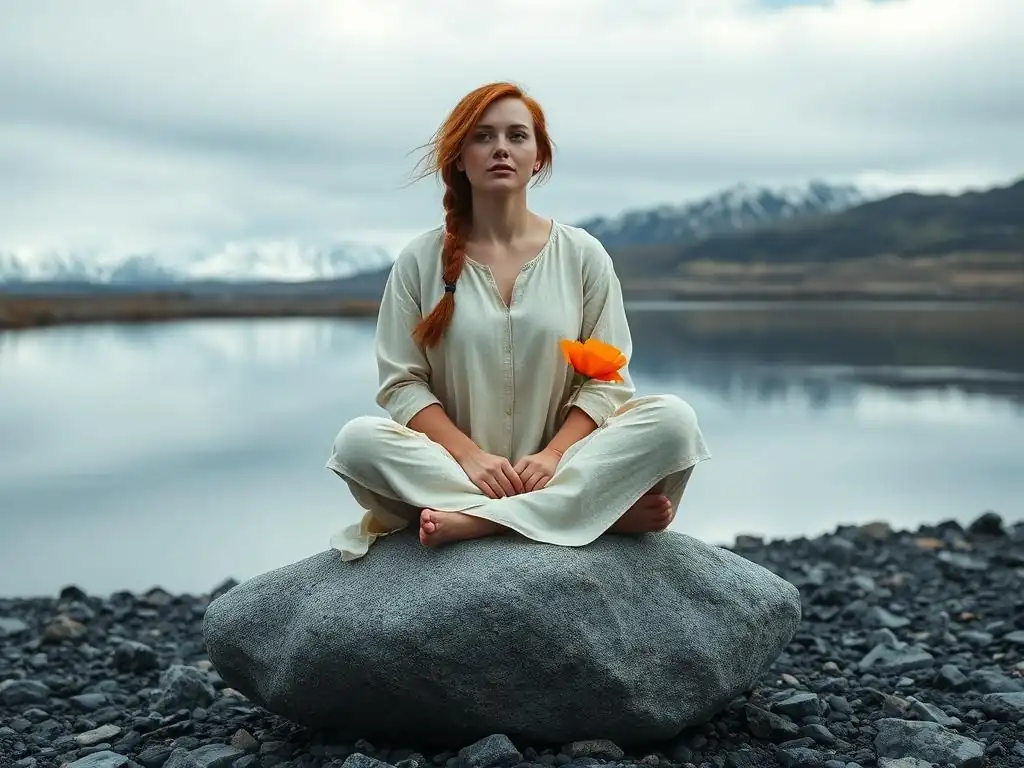
Consider the story of Sarah, a marketing executive in her late 30s who felt completely drained by her demanding job and the constant demands of city life. She booked a week-long silent meditation retreat in the mountains, something she never thought she could do alone. The initial silence was challenging, confronting her with the constant chatter of her own mind. However, through guided meditation and the simple rhythm of the retreat, she began to experience moments of profound peace.
She realized how much external noise she was constantly absorbing and learned practical techniques to quiet her mind. She left feeling not just rested, but with a newfound sense of inner calm and clarity, equipped to handle stress more effectively back home. This is one of the tangible solo wellness retreats benefits.
Another example is Mark, who was navigating a difficult divorce and felt lost and disconnected. He chose a nature-based retreat focused on mindfulness and gentle movement by the coast. The daily walks by the ocean, combined with guided reflection sessions, allowed him to process his emotions in a supportive, non-judgmental environment. Being alone in nature helped him feel grounded and gain perspective on his situation.
He connected with the simple beauty around him, which helped lift his spirits. He didn't solve all his problems, but he found a sense of acceptance and resilience he hadn't felt in months, realizing the powerful emotional solo wellness retreats benefits. These stories, while generalized, represent the transformative potential inherent in dedicating time and space for individual healing.
Maintaining the Benefits After Your Solo Retreat
The true measure of a successful solo wellness journey is not just how you feel during the retreat, but how you integrate the lessons and feelings of well-being into your daily life after you return. The transition back to reality can sometimes feel jarring, but with conscious effort, you can preserve the peace and clarity you gained. It requires commitment and consistency to keep the momentum going and ensure the long-term solo wellness retreats benefits.
Think of your retreat as a powerful reset button and a learning experience. You've been given tools and insights; now it's time to use them. Don't expect to maintain the exact same level of serenity as you had in the retreat bubble, but aim to weave the core practices and mindset shifts into your everyday routine. This ongoing effort is key to making the solo wellness experience a lasting positive force in your mental health journey.
Integrating Wellness Practices into Daily Life
One of the most effective ways to maintain the solo wellness retreats benefits is to continue practicing the techniques you learned. If you found meditation helpful, commit to even just 10-15 minutes daily. If yoga or mindful movement resonated, find local classes or practice at home. Incorporate journaling into your routine for reflection and emotional processing. Identify the practices that had the biggest impact on you during your retreat and make a realistic plan to continue them.
Beyond formal practices, integrate the mindset of the retreat. Try to bring mindfulness into everyday activities, like eating, walking, or doing chores. Be intentional about creating moments of quiet and disconnection throughout your day, even if it's just for a few minutes. Schedule regular check-ins with yourself to assess your emotional state and needs. Remember the feeling of peace you cultivated and actively seek ways to recreate that feeling amidst your daily responsibilities. Consistency, not perfection, is the goal.
Building a Supportive Community
While the retreat itself was a solo experience, maintaining your well-being afterward can be enhanced by connecting with others. Look for local groups or online communities that share your interests, whether it's meditation, yoga, hiking, or a specific personal growth topic. Sharing your experiences and challenges with like-minded individuals can provide encouragement, accountability, and a sense of belonging.
Consider connecting with fellow attendees from your retreat, if appropriate and comfortable for both parties. Sometimes the shared experience creates a unique bond. Even if you don't find a specific wellness community, ensure you have supportive friends or family members you can talk to about your journey and how you are feeling. Maintaining the solo wellness retreats benefits doesn't mean you have to be alone; it means you integrate your personal growth while still being connected to the world in a healthy way.
Conclusion: Investing in Your Mental Health Through Solo Wellness Travel
Embarking on a solo wellness journey is a powerful act of self-love and a significant investment in your mental health. It provides a unique opportunity to step away from the demands of everyday life, disconnect from distractions, and reconnect with your inner self. The solo wellness retreats benefits are numerous, including stress reduction, increased self-awareness, emotional processing, and the cultivation of lasting well-being practices.
While the idea of traveling alone for this purpose might seem intimidating at first, the potential for personal growth and healing is immense. By carefully planning your journey, setting clear intentions, and embracing the experience of solitude, you can unlock profound therapeutic benefits. Remember that the journey doesn't end when you leave the retreat; integrating what you've learned into your daily life is key to sustaining the positive changes. Consider this exploration into solo wellness travel not just a trip, but a vital step towards a more peaceful, resilient, and fulfilling life.
Frequently Asked Questions
What are the primary benefits of solo wellness retreats as opposed to group retreats?
Solo retreats offer personalized experiences allowing for focused introspection and self-discovery without external distractions. This can lead to deeper healing and relaxation.
How can a solo wellness retreat help with managing stress and anxiety?
By providing a peaceful and supportive environment, solo retreats facilitate mindfulness practices and stress-reduction techniques. This helps individuals build coping mechanisms for daily life.
What types of activities are commonly included in solo wellness retreats?
Activities often include yoga, meditation, nature walks, healthy cooking classes, and spa treatments. These are designed to promote relaxation, rejuvenation, and overall well-being.
How do I choose the right solo wellness retreat for my specific needs?
Consider your personal goals, budget, and desired location. Research retreats that specialize in areas like stress management, mindfulness, or specific health concerns.
What are some key things to keep in mind when planning a solo wellness journey?
Plan your itinerary, book accommodations in advance, and pack essentials like comfortable clothing and a journal. Most importantly, set realistic expectations and be open to new experiences.
Final Reflection: The Enduring Call of the Solo Journey
The pursuit of individual wellness is no longer a luxury; it's a necessity in our increasingly interconnected, yet isolating, world. The benefits of disconnecting to reconnect, as explored throughout this article, are more crucial than ever in navigating the pressures of modern life. Taking time for yourself, away from the demands of daily life, isn't selfish; it's an act of self-preservation, paving the way for a more balanced and fulfilling existence.
The impact of solo wellness retreats extends far beyond the immediate relaxation and rejuvenation experienced during the journey itself. They foster a deeper understanding of one's own needs and desires, allowing for a powerful process of self-discovery. This introspection, often difficult to achieve amidst the chaos of daily routines, is vital for personal growth and lasting well-being. The cave you fear to enter holds the treasure you seek.
– Joseph Campbell. This quote perfectly encapsulates the transformative potential inherent in venturing out on a solo journey, embracing the unknown and confronting inner challenges to uncover hidden strengths and perspectives.
Now, consider your own life. What aspects of your well-being are calling out for attention? What small step, perhaps a weekend getaway or even a dedicated hour of solitude, can you take today to begin your own journey of recharging and rediscovering the power within? Embrace the opportunity to prioritize your mental and emotional health; your future self will thank you for it. The path to a more vibrant and fulfilling life begins with a single, intentional step towards self-care.
Unleash Your Inner Peace: Start Your Solo Wellness Journey Today!
Thanks for taking the time to explore the therapeutic power of solo wellness journeys! We hope you’ve gained a new perspective on self-discovery and rejuvenation. Now it's time to turn those insights into action.
- Plan your first solo retreat: Consider a weekend getaway to a nearby nature reserve or a longer trip to a destination that resonates with you. Start small and let your intuition guide you!
- Share your aspirations: Discuss your plans with a friend or family member – their support can be invaluable. Alternatively, join a mindful travel community online to connect with like-minded individuals.
- Document your experiences: Keeping a journal or even just taking photos of the journey can help solidify your memories and track your personal growth. This will aid you when planning your next wellness adventure.
Ready to embark on a transformative journey of self-discovery? What’s the first step you’ll take to prioritize your mental wellbeing through solo travel?