
How Solo Travel Can Help You Manage Stress and Find Calm


Welcome to Mind Care Guide, a space dedicated to nurturing your mental well-being.
Feeling overwhelmed? You're not alone. Many find solace and rejuvenation in unexpected places. Could solo travel be your path to a calmer, more centered you? This week we delve into just that, exploring how solo travel can reduce stress and help you rediscover inner peace. Intrigued? Let's embark on this journey together and uncover the transformative power of traveling solo.
How Solo Travel Can Help You Manage Stress and Find Calm
- Solo Wellness Travel: Your Path to Stress Reduction and Inner Peace
- Preparing for Your Solo Stress-Relief Trip: Essential Steps
- Mastering the Art of Solo Exploration: Tips for a Stress-Free Experience
- Activities to Maximize Stress Relief During Solo Travel
- Post-Trip Integration: Maintaining Your Stress-Free State After Returning Home
- Solo Travel Reduces Stress: A Lasting Impact on Your Well-being
- Frequently Asked Questions
- Final Reflection: The Quiet Revolution of Solo Travel
- Unlock Your Inner Peace: Take the First Step Towards Solo Travel
Solo Wellness Travel: Your Path to Stress Reduction and Inner Peace
Embarking on a journey alone might seem daunting at first, but for many, it unveils a powerful pathway to managing stress and cultivating inner peace. The pressures of daily life – work deadlines, social obligations, constant connectivity – can accumulate, leading to chronic stress that impacts both mental and physical health.
Solo travel offers a unique escape, a chance to step away from familiar stressors and immerse oneself in new environments and experiences without the demands or compromises often present in group travel. This deliberate act of choosing solitude and exploration can be a profound form of self-care, actively countering the effects of stress.
This form of mindful travel isn't just about visiting new places; it's about intentionally creating space for reflection, disconnection from digital noise, and reconnection with oneself. It provides an opportunity to set your own pace, make your own decisions, and truly listen to your needs without external influence. The result for many is a significant reduction in stress levels, a clearer mind, and a renewed sense of calm that can extend far beyond the duration of the trip. It's a deliberate investment in your mental well-being, proving that solo travel reduce stress effectively for those seeking a personal reset.
Understanding the Link Between Solo Travel and Reduced Stress Levels
The connection between solo travel and reduced stress is rooted in several psychological benefits. Firstly, it removes you from your everyday environment, which is often saturated with stress triggers. Simply being in a new place can disrupt negative thought patterns and provide a fresh perspective. Furthermore, solo travel inherently requires you to rely on yourself, fostering a sense of independence and competence. Successfully navigating unfamiliar situations, solving small problems, and making choices about your day builds confidence, which is a powerful antidote to the feelings of helplessness that often accompany stress.
Secondly, traveling alone allows for unparalleled freedom and flexibility. You can choose exactly where to go, what to do, and when to do it, free from the need to compromise with companions. This autonomy is incredibly empowering and reduces the potential for interpersonal stress that can arise in group settings. Many solo travelers report feeling a profound sense of liberation, which directly contributes to lower anxiety levels. This self-directed experience, where the focus is entirely on your own needs and desires, is a key reason why solo travel reduce stress for so many individuals seeking respite from life's demands.
Preparing for Your Solo Stress-Relief Trip: Essential Steps
Preparing for a solo trip focused on stress relief involves more than just booking flights and accommodation; it's about setting the stage for a truly restorative experience. The planning phase itself can be a source of excitement, shifting your focus from daily worries to positive anticipation. Taking the time to research destinations that align with your goals – whether it's a tranquil beach, a serene mountain retreat, or a vibrant city where you can blend in and observe – is crucial.
Consider the pace you desire; some seek adventure, while others crave stillness. Tailoring your destination and activities to your specific needs for relaxation is the first step towards a successful stress-reducing journey.
Beyond the destination, practical preparations build confidence and minimize potential stressors during the trip. This includes organizing travel documents, informing a trusted contact about your itinerary, and understanding the local customs and safety considerations of your chosen location. Having these practicalities handled allows you to relax and be fully present during your travels. Remember, the goal is to reduce stress, and feeling prepared is fundamental to achieving that state of calm from the moment you depart. Effective preparation ensures that your solo travel reduce stress goals are supported by a solid foundation.
Planning Your Itinerary for Maximum Relaxation
A well-planned itinerary for a stress-relief trip prioritizes flexibility and personal well-being over cramming in as many sights as possible. Start by identifying the core experiences you seek – perhaps spending hours reading by the sea, hiking tranquil trails, visiting quiet museums, or simply enjoying leisurely meals. Schedule buffer time between activities to avoid feeling rushed, which is counterproductive to stress reduction. Consider incorporating activities that promote mindfulness, such as gentle yoga classes, nature walks, or visiting local markets without a strict shopping list.
Think about your energy levels and preferences throughout the day. Are you a morning person who enjoys quiet sunrises, or do you prefer relaxed afternoons? Structure your days to align with your natural rhythm. Don't be afraid to leave entire days unplanned, allowing yourself the freedom to wake up and decide what feels right in the moment. This spontaneity is a luxury often unavailable in daily life and is a powerful tool for shedding stress. Remember, the itinerary serves you; you don't serve the itinerary. This mindful approach ensures that your solo travel reduce stress efforts are effective.
Packing for a Peaceful Journey: Essential Items for Stress-Free Travel
Packing thoughtfully for a solo stress-relief trip can make a significant difference in your overall experience. The aim is to pack efficiently to avoid the stress of managing excessive luggage, while also including items that enhance comfort, security, and opportunities for relaxation. Start with the essentials: comfortable clothing layers suitable for the climate, necessary medications, travel adapters, and copies of important documents. Prioritize versatile items that can serve multiple purposes.
Consider adding items specifically chosen to support your stress reduction goals:
- A good book or e-reader
- Noise-canceling headphones for moments of quiet or peaceful listening
- A journal and pen for reflection
- Comfort items like a favorite scarf or small pillow
- Any personal items that help you relax, such as aromatherapy oils or a small meditation cushion (if space allows)
- A reliable portable charger to keep devices available for safety or navigation without scrambling for outlets.
- A reusable water bottle to stay hydrated and environmentally conscious.
Packing light but smart ensures you have what you need without the burden of unnecessary weight, allowing you to move freely and focus on enjoying your journey. Packing these items helps ensure that your solo travel reduce stress efforts are supported by comfort and readiness.
Mastering the Art of Solo Exploration: Tips for a Stress-Free Experience
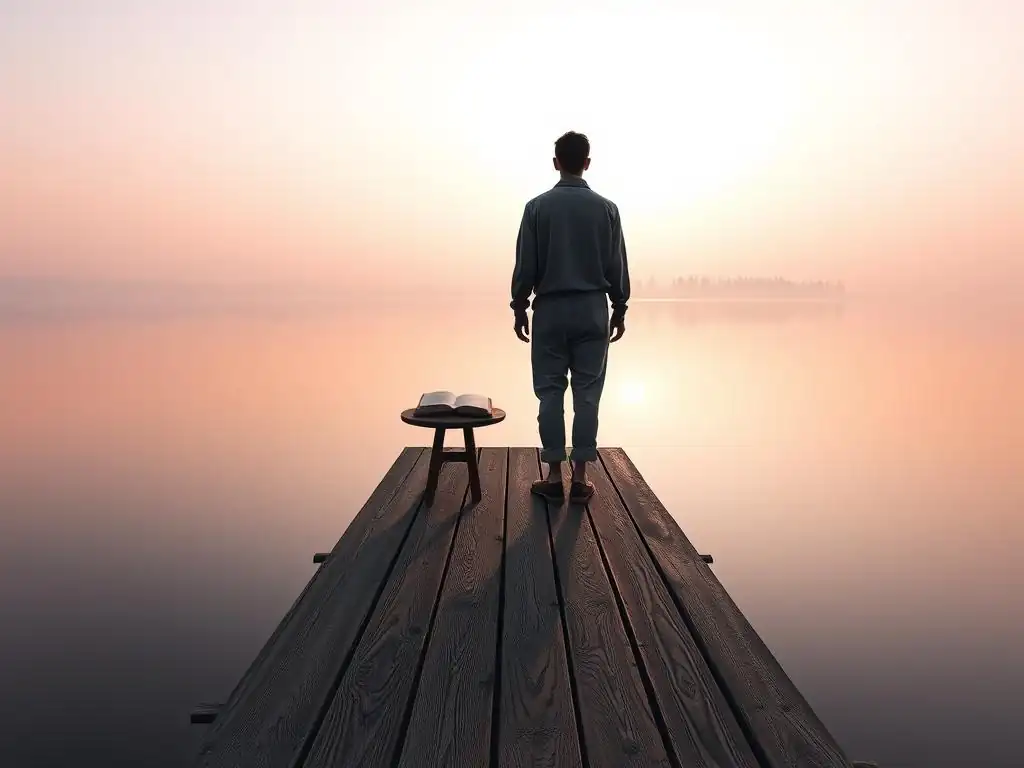
Exploring a new place alone is an art that blends independence with mindful engagement with your surroundings. It's about being fully present in each moment, whether you're navigating bustling streets or walking a deserted beach. The key to a stress-free solo exploration lies in preparation combined with a willingness to embrace the unexpected. Trust your instincts and allow yourself to be open to new experiences, while always prioritizing your safety and comfort. This balance enables you to fully reap the benefits of traveling alone, reinforcing the idea that solo travel reduce stress by empowering you.
One of the unique advantages of solo travel is the opportunity for deep immersion. Without the distraction of conversation or the need to adhere to someone else's pace, you can observe the nuances of a place – the rhythm of daily life, the architecture, the sounds, the smells. This heightened awareness is inherently grounding and can pull you out of the mental loop of stress. Embrace the freedom to linger in a park, spend an hour people-watching from a cafe, or change your plans entirely based on how you feel.
Navigating unfamiliar territory solo can initially feel daunting, but it quickly becomes a source of empowerment. Before heading out each day, familiarize yourself with your general route using a map or navigation app. Knowing the basic layout and key landmarks can significantly reduce anxiety. Don't hesitate to ask locals for directions or recommendations; most people are happy to help, and it can be a pleasant interaction. Learning a few basic phrases in the local language (like "hello," "thank you," and "excuse me") can also boost confidence and facilitate smoother interactions.
Embrace getting a little lost – sometimes the most wonderful discoveries happen off the beaten path. However, maintain awareness of your surroundings and trust your gut feeling about situations or areas. Having a reliable offline map downloaded to your phone and a backup battery pack provides peace of mind. Remember, each successful navigation, each friendly interaction, builds confidence and reinforces your capability, which are essential components of managing stress effectively. Confidently navigating new places is a core way solo travel reduce stress by building self-efficacy.
Staying Safe and Secure While Traveling Alone
Safety is a paramount concern for any traveler, especially when venturing out solo. Taking proactive steps ensures peace of mind, allowing you to relax and enjoy your trip without undue worry. Research the safety reputation of your destination and neighborhood beforehand. Choose accommodation that is well-reviewed and located in a safe area, ideally with good security measures. Keep your valuables secure and out of sight, and consider using a cross-body bag or money belt.
Inform a trusted friend or family member about your itinerary and check in regularly, perhaps sharing your location via a messaging app. Avoid walking alone late at night in unfamiliar areas. Be mindful of your alcohol consumption, as impaired judgment can increase vulnerability. While it's wonderful to be open to meeting people, exercise caution when sharing personal information and meeting new acquaintances. Trust your intuition; if a situation feels off, remove yourself from it. Prioritizing your safety allows you to fully experience the stress-reducing benefits of your solo journey. Feeling secure is vital for solo travel reduce stress effectively.
Activities to Maximize Stress Relief During Solo Travel
Solo travel offers a unique canvas upon which to paint experiences specifically designed for stress reduction. Without the need to compromise or cater to others' interests, you can dedicate time to activities that truly nourish your soul and calm your mind. Think about what helps you relax and rejuvenate in your daily life and seek out opportunities to expand upon those practices in your new environment. The freedom to pursue these activities wholeheartedly is a key benefit.
Consider activities that engage your senses and connect you with the present moment. This could involve spending time in nature, exploring local culture at your own pace, or dedicating time to creative pursuits like writing or sketching. The key is to choose activities that feel restorative and enjoyable, rather than feeling like obligations. This intentional focus on well-being is what makes solo travel a powerful tool for managing stress.
Embracing Mindfulness and Meditation in Nature
Nature has a profound calming effect on the mind and body, and solo travel often provides ample opportunity to immerse yourself in it. Whether it's a walk in a local park, a hike in the mountains, or simply sitting by the ocean, spending time outdoors can lower cortisol levels and reduce feelings of anxiety. Combine this with mindfulness practices for an even deeper impact. Find a quiet spot, perhaps with a scenic view, and simply observe your surroundings without judgment. Notice the colors, sounds, smells, and textures.
Engage in simple meditation exercises while in nature. This could be focusing on your breath, doing a body scan, or practicing walking meditation, paying attention to the sensation of your feet on the ground. Even just 10-15 minutes of focused mindfulness in a natural setting can significantly reduce mental chatter and promote a sense of peace. Many studies suggest that spending time in green spaces can improve mood by as much as 60-70%, making it a powerful tool for stress management. Utilizing nature for mindfulness is a highly effective way solo travel reduce stress.
Journaling Your Thoughts and Feelings for Emotional Release
Solo travel provides uninterrupted time and space for introspection, and journaling is an excellent way to utilize this opportunity for emotional processing and stress relief. Keeping a journal allows you to externalize your thoughts and feelings, providing clarity and perspective on stressors that might be weighing on you. It can be a space to reflect on your travel experiences, process emotions that arise, or simply free-write whatever comes to mind.
Dedicate a specific time each day, perhaps in the morning or evening, to write. There are no rules – you can write about what you saw, who you met, how you felt, or use prompts to explore specific topics. This practice can help you identify patterns in your thinking, understand the roots of your stress, and acknowledge your emotions without judgment. The simple act of putting thoughts onto paper can be incredibly cathartic and is a proven method for reducing anxiety. Journaling provides a private outlet and helps ensure solo travel reduce stress by facilitating emotional release.
Connecting with Locals (Safely) for Cultural Immersion
While solo travel emphasizes independence, genuine connection with the local culture can enrich your experience and provide moments of warmth and belonging. Engaging with locals offers insights into a different way of life, broadens your perspective, and can remind you of our shared humanity. This doesn't mean you need to seek out deep friendships; even brief, positive interactions can be meaningful.
Consider visiting local markets, attending community events (like festivals or performances), or dining at local eateries where interaction is common. Learn a few phrases in the local language – a simple "hello" and "thank you" can open doors. Be open to striking up casual conversations, perhaps asking for recommendations or sharing a brief observation about the place.
Always prioritize your safety and boundaries, but allow for authentic encounters. These connections can counteract feelings of isolation and add a layer of richness to your trip, contributing positively to your overall well-being and helping ensure solo travel reduce stress by fostering positive human interaction.
Post-Trip Integration: Maintaining Your Stress-Free State After Returning Home

Returning home after a solo trip can sometimes feel jarring, transitioning from a state of calm and freedom back to the demands of daily life. The key to making the benefits of your trip last is conscious integration – weaving the lessons and practices learned on your journey into your regular routine. Don't view the end of the trip as the end of your stress-reduction efforts; see it as the beginning of a new phase where you apply what you've gained.
Reflect on what aspects of your solo experience contributed most to your reduced stress levels. Was it the slower pace, the time in nature, the lack of digital connectivity, or the focus on personal interests? Identify these key elements and brainstorm ways to incorporate them into your life back home. This proactive approach helps maintain the positive shifts in your mental well-being achieved through your travels. Successfully integrating these practices ensures that solo travel reduce stress not just temporarily, but has a lasting impact.
Implementing Mindfulness Practices into Your Daily Routine
Mindfulness is a skill that can be cultivated anywhere, not just during a tranquil getaway. Make a conscious effort to continue the mindfulness practices you may have engaged in while traveling. This could be dedicating a few minutes each morning to meditation or deep breathing, taking mindful walks during your lunch break, or simply paying full attention to everyday activities like eating or showering.
Schedule short periods of intentional presence throughout your day. Use cues, like waiting in line or transitioning between tasks, as reminders to pause and check in with your breath and body. Even five minutes of focused mindfulness can make a difference in managing daily stress. Consistency is key; regular practice strengthens your ability to stay calm and centered amidst everyday pressures, solidifying the long-term benefits gained from your trip where solo travel reduce stress was the goal.
Reconnecting with Nature and the Outdoors
If spending time in nature was a significant source of stress relief during your solo trip, prioritize incorporating it into your life back home, even in small ways. Seek out local parks, nature trails, or green spaces in your city. Schedule regular walks or hikes, even if they are brief. Bring elements of nature indoors with plants or natural light.
Make it a habit to spend time outdoors each week, perhaps dedicating a weekend morning to a longer walk or simply enjoying your coffee on a balcony or in a garden. Even brief exposure to nature has been shown to lower stress hormones and improve mood. Continuing this connection helps maintain the sense of peace and grounding you experienced during your travels, ensuring that the positive effects of solo travel reduce stress on your well-being are sustained.
Solo Travel Reduces Stress: A Lasting Impact on Your Well-being
The true power of solo travel as a tool for stress reduction lies not just in the temporary escape it provides, but in the lasting personal growth it fosters. By stepping outside your comfort zone, navigating challenges independently, and dedicating time to self-care, you build internal resources that serve you long after you return home. The skills and perspectives gained on a solo journey contribute significantly to your overall resilience and ability to manage future stressors.
This form of travel encourages a deeper understanding of yourself – your strengths, weaknesses, and what truly brings you joy and peace. It's an investment in self-discovery that pays dividends in your mental health. The confidence gained from successfully navigating the world alone translates into greater confidence in handling challenges in your daily life. The ability to find comfort in your own company becomes a source of strength. Ultimately, traveling alone often proves that solo travel reduce stress by fundamentally changing your relationship with yourself and the world around you.
Cultivating Self-Reliance and Confidence
One of the most significant long-term benefits of solo travel is the cultivation of self-reliance. When you are traveling alone, you are solely responsible for making decisions, solving problems, and navigating unfamiliar situations. From figuring out public transport in a foreign city to deciding where to eat dinner, every small success builds confidence in your abilities. This independence is incredibly empowering and directly counteracts feelings of anxiety and helplessness that are often associated with stress.
This newfound self-reliance extends beyond the trip itself. You return home knowing that you are capable of handling challenges on your own, which makes everyday difficulties seem less overwhelming. This boost in self-esteem acts as a buffer against stress, allowing you to approach problems with a more positive and proactive mindset. The experience solidifies the understanding that solo travel reduce stress by building a stronger, more capable you.
Building Resilience to Future Stressors
Solo travel inherently involves navigating uncertainty and adapting to new circumstances. You might encounter unexpected delays, language barriers, or changes in plans. Successfully handling these minor challenges builds resilience – the ability to bounce back from adversity. Each time you adapt and overcome a hurdle on your own, you strengthen your capacity to cope with difficulties in your regular life.
The perspective gained from stepping away from your everyday stressors also contributes to resilience. You might return with a greater appreciation for what you have, a clearer sense of your priorities, or a renewed sense of purpose. This broader perspective can help you approach future stressful situations with more calm and clarity. By demonstrating your ability to thrive independently and adapt to change, solo travel reduce stress not just in the moment, but by equipping you with enhanced coping skills for the long run.
Frequently Asked Questions
How can solo travel help reduce stress?
Solo travel allows individuals to focus on their own needs and preferences, creating a personalized experience that promotes self-discovery and relaxation.
What are the mental health benefits of traveling alone?
Traveling alone can enhance self-confidence, encourage mindfulness, and provide an opportunity for introspection, all of which contribute to improved mental well-being.
Is solo travel safe for everyone?
While solo travel can be safe, it's important for individuals to assess their personal comfort level and research destinations to ensure a secure and enjoyable experience.
How do I prepare for a solo trip to maximize stress relief?
Planning ahead, staying organized, and setting realistic expectations can help ensure that your solo trip is both enjoyable and stress-free.
Can solo travel help with anxiety?
Yes, solo travel can be an effective way to manage anxiety by allowing individuals to step outside their comfort zones, face new challenges, and build a sense of accomplishment.
Final Reflection: The Quiet Revolution of Solo Travel
The rising tide of stress in modern life necessitates a radical shift in how we approach self-care, and solo travel offers a powerful antidote. It's not just a trend; it's a vital strategy for reclaiming mental wellbeing in an increasingly demanding world. The ability to disconnect from the everyday pressures, to reconnect with oneself, and to rediscover a sense of agency is more crucial now than ever before.
The profound impact of solo travel extends far beyond a simple vacation; it's a journey of self-discovery that reshapes our understanding of resilience and inner peace. It fosters independence, adaptability, and a deeper appreciation for the simple joys of life. As the writer Pico Iyer so eloquently stated, The journey, not the arrival, matters.
This rings especially true for solo travelers who find themselves not just reaching a destination, but reaching a new level of self-awareness and understanding. The quiet moments of reflection, the challenges overcome, and the unexpected connections forged all contribute to a lasting sense of accomplishment and calm.
Consider the lessons learned on your next adventure, or even on a smaller scale – a weekend getaway alone. Embrace the opportunity to listen to your inner voice, to prioritize your needs, and to cultivate a deeper connection with yourself. Don't underestimate the power of solitude to rejuvenate your spirit and equip you to navigate the complexities of modern life with greater ease and resilience. The journey to inner peace begins with a single step – perhaps a single, solo trip.
Unlock Your Inner Peace: Take the First Step Towards Solo Travel
Thank you for taking the time to explore the transformative power of solo travel! We hope this article has equipped you with the knowledge and inspiration to embark on your own journey of self-discovery. Now it's time to turn those insights into action.
- Plan your first solo adventure! Start small – a weekend getaway to a nearby town, a road trip to a scenic location, or even a day trip exploring a new part of your city. Imagine the possibilities!
- Share your travel aspirations with our community! Let's inspire each other with our travel dreams and experiences in the comments section below.
- Consider joining a local hiking or photography group to meet like-minded individuals who share a passion for exploration and relaxation.
What's the first step you'll take to integrate more solo travel into your life for better stress management?