
Traveling Alone, Feeling Safe: Practical Tips for a Secure Solo Trip


Welcome to Mind Care Guide, your trusted companion on the journey to mental well-being.
Embarking on a solo trip can be an incredibly empowering experience, a chance to reconnect with yourself and explore the world on your own terms. But feeling safe and secure is paramount. Are you yearning for adventure but hesitant about the potential risks? This guide dives deep into essential solo trip safety tips, offering practical strategies to ease your anxieties and empower you to travel confidently. Discover how to prioritize your mental and physical well-being while creating unforgettable memories. Curious to learn more about staying safe and grounded on your next adventure? Let's begin.
Traveling Alone, Feeling Safe: Practical Tips for a Secure Solo Trip
- Introduction: Embracing Solo Travel with Confidence - Your Guide to Solo Trip Safety
- Planning Your Safe and Enriching Solo Adventure: Essential Pre-Trip Steps
- On the Ground: Staying Safe and Aware During Your Solo Trip
- Mental Well-being and Solo Travel Safety: A Symbiotic Relationship
- Handling Emergencies: Being Prepared for the Unexpected
- Conclusion: Empowering Your Solo Journey with Proactive Safety Measures
-
Frequently Asked Questions
- What are the most important solo trip safety tips to consider before embarking on my journey?
- How can I maintain situational awareness and stay safe while exploring unfamiliar places on a solo trip?
- What are some practical tips for securing my belongings and preventing theft while traveling alone?
- How can I build a support network and combat feelings of isolation or loneliness during a solo trip?
- What should I do in case of an emergency situation while traveling alone?
- Final Reflection: Embracing the Solo Journey, Securely
- Unlock Your Solo Adventure: Practical Steps for Safe & Confident Travel
Introduction: Embracing Solo Travel with Confidence - Your Guide to Solo Trip Safety
Solo travel offers a unique pathway to self-discovery, independence, and profound personal growth. It's an opportunity to set your own pace, follow your interests without compromise, and step outside your comfort zone in ways that group travel often doesn't allow. This journey of independence can be incredibly empowering, fostering resilience and boosting self-esteem, making it a powerful tool for enhancing mental well-being.
However, the thought of navigating unfamiliar places alone can also bring anxieties, particularly concerning safety. Ensuring your safety is not just about avoiding physical harm; it's fundamentally linked to your peace of mind and ability to fully enjoy the transformative experience of traveling alone. Feeling secure allows you to be present, open, and receptive to the world around you, maximizing the mental health benefits of your solo adventure.
Understanding and implementing effective solo trip safety tips is paramount. While the vast majority of solo trips are completed without incident, being prepared for potential challenges significantly reduces stress and empowers you to handle situations calmly if they arise. This guide aims to equip you with practical strategies and actionable advice, transforming potential anxieties into confident preparedness.
We will delve into everything from pre-trip planning and packing smart to staying safe on the ground and managing your mental well-being throughout your journey. By proactively addressing safety concerns, you can embark on your solo adventure with confidence, fully embracing the freedom and enrichment it offers while prioritizing your security and peace of mind.
Why Solo Travel Boosts Mental Well-being & Why Safety Matters
Solo travel is often cited as a powerful catalyst for personal growth and improved mental health. Stepping out alone forces you to rely on your own capabilities, fostering independence and problem-solving skills. It provides ample opportunity for introspection and mindfulness, allowing you to connect with yourself away from daily routines and social pressures. Many solo travelers report significant reductions in stress and anxiety after a trip, replaced by a greater sense of confidence and self-reliance. This self-discovery aspect is a core benefit, enabling a deeper understanding of personal values, strengths, and desires.
However, the profound mental health benefits of solo travel can only be fully realized when a traveler feels genuinely safe and secure. Persistent anxiety about personal safety can overshadow the positive aspects of the journey, leading to heightened stress, disrupted sleep, and an inability to relax and be present. Feeling vulnerable can make a solo traveler withdraw, limiting interactions and experiences that contribute to growth and well-being.
Therefore, prioritizing solo trip safety tips is not merely a logistical concern but a fundamental requirement for a mentally enriching and positive solo travel experience. A secure traveler is a confident traveler, free to explore, connect, and truly benefit from the unique journey of traveling alone.
Understanding the Unique Safety Concerns for Solo Travelers
Traveling alone presents a different set of safety considerations compared to traveling with companions. Without someone watching your back or sharing responsibility for navigation and awareness, you are solely responsible for your security. This can make solo travelers, particularly women, perceived as easier targets for petty crime like pickpocketing or scams. For instance, reports indicate that solo travelers might face a slightly higher risk of certain types of street crime in popular tourist areas simply because they may appear less guarded or more easily distracted than a group.
Furthermore, emergencies, whether medical or otherwise, can feel more daunting when you are alone in an unfamiliar environment. Navigating a foreign healthcare system or dealing with lost documents requires independent problem-solving and communication skills under potentially stressful conditions. The lack of a built-in support system means that solo travelers must be more proactive in their planning, communication, and situational awareness. Understanding these unique challenges is the first step in developing effective solo trip safety tips and strategies to mitigate risks and ensure a secure and enjoyable journey.
Planning Your Safe and Enriching Solo Adventure: Essential Pre-Trip Steps
Effective planning is the cornerstone of a safe solo trip. It involves more than just booking flights and accommodation; it's about understanding your destination, preparing for potential challenges, and equipping yourself with the tools to handle unexpected situations. Thorough preparation significantly reduces anxiety and empowers you to navigate your journey with confidence.
Investing time in pre-trip research and arrangements allows you to make informed decisions about where to go, where to stay, and how to get around safely. It includes practical steps like securing appropriate insurance, packing essential safety items, and ensuring you have reliable ways to stay connected. These proactive measures are fundamental solo trip safety tips that lay the groundwork for a smooth and secure adventure, enabling you to focus on enjoying the experience rather than worrying about potential risks.
Researching Your Destination: Unveiling Safe Havens & Areas to Avoid
Thorough research is non-negotiable when planning a solo trip. Start by consulting official government travel advisories for your destination country; these often provide up-to-date information on political stability, crime rates, and specific areas or situations to avoid. For example, the U.S. State Department issues advisories categorized by risk level, offering insights into potential dangers ranging from petty theft to terrorism or civil unrest in specific regions. Similarly, the UK's Foreign, Commonwealth & Development Office (FCDO) provides country-specific advice covering safety and security, local laws, and health risks. Cross-referencing information from multiple official sources can provide a comprehensive safety overview.
Beyond official advisories, dive into recent news from your destination and read reviews and forum discussions from other travelers, especially those who have traveled solo. Websites like TripAdvisor, Lonely Planet forums, or dedicated solo travel blogs can offer ground-level insights into safe neighborhoods, common scams, and areas known for higher crime rates, particularly after dark.
For instance, while a city center might be bustling and safe during the day, specific side streets or parks could become less secure at night. Identifying these nuances allows you to plan your movements accordingly, choosing well-lit, populated routes and avoiding known hotspots for trouble, which is a crucial element of solo trip safety tips.
Utilizing Travel Safety Apps for Real-Time Risk Assessment
Travel safety apps can be powerful tools for real-time risk assessment and staying informed while on the go. Apps like GeoSure Global use aggregated data to provide hyper-local safety scores for neighborhoods based on factors like crime rates, health risks, and even risks specific to women or LGBTQ+ individuals. These apps can offer alerts about recent incidents in your vicinity or provide safety tips tailored to your location.
Another type of app focuses on personal safety features, such as emergency buttons that can quickly alert designated contacts or local authorities and share your GPS location. Some even offer "virtual escort" features where a contact can track your journey in real-time. While no app is a substitute for personal awareness, integrating these tools into your planning and on-the-ground strategy can provide an extra layer of information and emergency support, enhancing your overall solo trip safety.
Securing Travel Insurance: A Safety Net for Unexpected Events
Travel insurance is an essential, non-negotiable component of responsible solo travel planning. It provides a crucial financial safety net against a wide range of potential disruptions and emergencies that could otherwise derail your trip or lead to significant out-of-pocket expenses.
This includes coverage for medical emergencies (which can be incredibly costly overseas, potentially running into tens or even hundreds of thousands of dollars for serious incidents), trip cancellation or interruption due to unforeseen circumstances, lost or delayed luggage, and even personal liability. Having comprehensive travel insurance significantly reduces financial stress and provides access to emergency assistance services, which are vital resources when you're navigating a crisis alone.
Choosing the right policy requires carefully assessing your trip's specifics and your personal needs. Basic policies might only cover emergency medical expenses and trip cancellation, while more comprehensive plans could include coverage for adventure activities, rental car damage, or specific types of theft. Consider the duration of your trip, your destination's healthcare costs, and the value of your belongings.
Comparing different providers and policy details is key to ensuring you have adequate coverage for your specific solo travel plans. While the cost varies widely (often between 5% to 15% of the total trip cost depending on factors like age, destination, duration, and coverage level), it is a small price to pay for the peace of mind and protection it affords, making it a fundamental element of solo trip safety tips.
Comparing Travel Insurance Providers: Which is Right for You?
The travel insurance market offers numerous providers, each with varying policy options, coverage limits, and customer service reputations. It's important to compare quotes and policy wordings from several reputable companies. Look beyond just the price; examine the details of the coverage provided for medical emergencies (including evacuation), trip interruption reasons covered, baggage limits, and any exclusions (e.g., pre-existing conditions, specific activities).
Pay attention to the deductible amount (the amount you pay before insurance covers the rest) and the process for filing claims. Reading customer reviews regarding claim handling and emergency assistance services can also provide valuable insights into a provider's reliability when you need them most. Some providers specialize in specific types of travel, such as adventure travel or long-term trips, which might offer more tailored coverage. Taking the time to make an informed choice ensures that your safety net is robust and reliable, contributing significantly to your solo trip safety and overall peace of mind.
Packing Smart: Essential Safety Gadgets and Self-Defense Tools
Packing intentionally with safety in mind is a key aspect of solo trip preparation. Beyond your clothes and toiletries, consider including a few practical items designed to enhance your security and confidence. These aren't about preparing for conflict but rather about deterrence, awareness, and providing options in uncomfortable situations.
Essential safety items can range from personal alarms to simple door reinforcement tools. The goal is to have discreet tools that can help you feel more secure in various environments, from walking alone at night to staying in unfamiliar accommodation. Integrating these items into your packing list is a proactive step in bolstering your solo trip safety.
Personal Safety Alarms: A Discreet and Powerful Deterrent
A personal safety alarm is a small, inexpensive gadget that can be easily carried on a keychain or in a pocket. When activated (usually by pulling a pin), it emits an extremely loud, piercing sound, often exceeding 120 decibels. This sudden, jarring noise is designed to startle an attacker, draw attention from people nearby, and provide you with a critical window of opportunity to escape a dangerous situation.
These alarms are legal in most places and are not considered weapons. Their primary function is as a deterrent and a call for help. They are particularly useful when walking alone, especially at night, or in isolated areas. While not a guarantee of safety, having this simple device accessible can provide a significant boost in confidence and serve as an effective tool in an emergency, embodying a practical element of solo trip safety tips.
Portable Door Locks: Enhancing Security in Accommodations
Even when staying in hotels or hostels with seemingly secure locks, adding an extra layer of protection can provide significant peace of mind, particularly for solo travelers. Portable door locks are small, easy-to-use devices that reinforce a door from the inside. They work by inserting a metal piece into the door frame's strike plate and then attaching a locking mechanism that prevents the door from being opened, even if someone has a key.
These devices are lightweight, compact, and do not require any modifications to the door or frame, making them suitable for use in various types of accommodation, including hotel rooms, guesthouses, or even some Airbnbs. Using a portable door lock, especially at night, can make you feel much more secure in your private space, allowing you to relax and rest better, knowing that your entry is further protected. This simple tool is a valuable addition to your solo trip safety kit.
On the Ground: Staying Safe and Aware During Your Solo Trip

Once you've arrived at your destination, maintaining awareness and employing smart strategies for transportation, communication, and accommodation become crucial for solo trip safety. Your vigilance and preparedness on the ground are just as important as your pre-trip planning.
Staying safe while navigating a new place involves being mindful of your surroundings, making secure choices about how you get around, where you stay, and how you interact with others. It's about being street smart and trusting your instincts, while also leveraging technology and communication to stay connected and informed.
Staying Connected: Reliable Communication is Key for Solo Travel Safety
Maintaining reliable communication is fundamental for solo trip safety. Having a working phone allows you to contact emergency services, reach out to loved ones, access maps and information, and use safety apps. Relying solely on finding public Wi-Fi can be risky and inconvenient, especially in unfamiliar areas or during emergencies.
Ensuring you have a consistent way to access data and make calls provides a crucial lifeline. This might involve planning for international roaming, purchasing a local SIM card, or using a portable Wi-Fi device. The ability to quickly look up directions, call for help, or simply check in with someone significantly enhances your security and reduces potential stress during your solo journey.
Portable Wi-Fi Hotspots: Ensuring Connectivity in Remote Locations
For travelers needing consistent internet access across multiple devices or in areas where local SIM cards might be less reliable or expensive, a portable Wi-Fi hotspot can be an excellent solution. These devices connect to cellular networks and create a personal Wi-Fi signal, allowing your phone, tablet, or laptop to access the internet.
Many providers offer daily or weekly rental plans for these devices, or you can purchase unlocked devices and use local data SIMs. While they add an item to your packing list and require charging, they offer the convenience of guaranteed connectivity, which is invaluable for using navigation apps, communication tools, and accessing online safety resources, particularly when venturing into more remote or less developed areas where finding reliable public Wi-Fi is difficult. This ensures you can always access critical information and communicate effectively, bolstering your solo trip safety.
Local SIM Cards: Economical Communication Options and Data Access
Purchasing a local SIM card upon arrival in a new country is often the most cost-effective way to ensure consistent phone service and data access for your solo trip. This avoids potentially exorbitant international roaming charges from your home provider. Local SIMs are typically available at airports, phone stores, or convenience stores and require an unlocked phone.
The process usually involves showing your passport and paying a relatively small fee for the SIM card and a prepaid data/call plan. For example, in many parts of Southeast Asia or Europe, you can get a SIM with a generous data allowance for a few weeks for around $20-$40. Having a local number can also be useful for making local bookings or contacting local services. This reliable and affordable connectivity is essential for using mapping apps, ride-sharing services, translation tools, and staying in touch with your emergency contacts, making it a vital component of solo trip safety tips.
Getting around in a new place is part of the adventure, but it also requires vigilance, especially when traveling alone. Whether using ride-sharing services, public transportation, or taxis, making safe choices is paramount.
Being aware of your surroundings, understanding local norms, and utilizing available safety features can significantly mitigate risks associated with transportation. It's not about being fearful, but about being smart and prepared for the potential challenges of navigating unfamiliar transit systems or hiring private vehicles.
Ride-Sharing Safety: Using Apps with Awareness
Ride-sharing apps like Uber and Lyft offer a convenient way to get around, especially in cities. However, when traveling solo, it's important to use them with awareness. Always verify that the car make, model, and license plate match the information provided in the app before getting in. Confirm the driver's name and photo as well.
Once in the car, share your trip details with a trusted friend or family member using the app's built-in safety features. Stay alert during the ride; avoid being engrossed in your phone to the point where you're unaware of the route being taken. If something feels off, trust your intuition; you can ask the driver to stop or contact the ride-sharing company's safety line. Using these services responsibly is a key solo trip safety tip for urban navigation.
Public Transportation: Avoiding Risky Situations and Protecting Your Belongings
Public transportation, like buses, trains, and subways, is often an economical and efficient way to explore. To use it safely as a solo traveler, be mindful of your surroundings, especially during crowded rush hours or late at night when fewer people are around. Keep your valuables secure and out of sight; pickpocketing is a common issue in busy transit hubs and on crowded vehicles. Carry bags in front of you, use anti-theft bags if possible, and be wary of distractions.
Plan your route ahead of time so you appear confident and know where you're going, making you less of a target. Avoid displaying expensive jewelry or electronics openly. If you're traveling late, consider alternative transportation options like a registered taxi or ride-share if the public transport route feels unsafe or deserted. Understanding the safest times and routes for public transport in your destination is a practical solo trip safety measure.
Accommodation Safety: Choosing Secure and Trustworthy Places to Stay
Where you choose to sleep each night significantly impacts your solo trip safety. Prioritize accommodations that have good security measures and positive reviews regarding safety from other solo travelers. Researching your options thoroughly before booking is crucial.
Different types of accommodation offer varying levels of security. Hotels typically have reception staff and key card access, while hostels often provide lockers. Airbnbs can vary widely depending on the host and property. Understanding the security features of your chosen lodging and knowing how to enhance them yourself is a vital part of solo trip safety.
Smart Locks for Airbnbs: Adding a Layer of Protection
Many Airbnbs use keypads or smart locks for entry, which can offer convenience. However, for added security as a solo traveler, consider bringing a portable door lock or doorstop alarm. These devices provide an extra physical barrier beyond the standard lock, making it more difficult for someone to enter your space.
Before booking, check reviews specifically mentioning safety and security at the property. Upon arrival, inspect the locks on doors and windows. If anything seems insecure, contact the host immediately. While Airbnbs can offer unique local experiences, taking proactive steps to ensure the physical security of your rental is essential for peace of mind and solo trip safety.
Hostel Safety: Selecting Reputable Hostels and Securing Your Valuables with Padlocks
Hostels are popular among solo travelers for their social atmosphere and budget-friendly rates. When choosing a hostel, look for ones with 24-hour reception, secure key card access to rooms, and positive reviews regarding safety and cleanliness. Many reputable hostels provide individual lockers in rooms; using these is essential for securing your valuables.
Bring a sturdy padlock (combination or key-based) to secure your locker. Do not leave expensive items like passports, laptops, or significant amounts of cash unsecured in your bed area. Be mindful of your belongings in common areas as well. While hostels encourage interaction, always be aware of who is around and keep your personal space secure. Utilizing the provided security features and adding your own padlock are fundamental solo trip safety tips for hostel stays.
One of the simplest yet most effective solo trip safety tips is to share your itinerary with a trusted friend or family member back home. Provide them with details such as your flight numbers, accommodation addresses and booking dates, and rough plans for each day or week.
Agree on check-in times – perhaps a quick message or call every couple of days – so they know you are safe. This designated contact can be invaluable if something unexpected happens; they know where you are supposed to be and can raise an alert if they don't hear from you. This simple act provides peace of mind for both you and your loved ones.
Using Location Sharing Apps: Stay Connected and Safe
Location sharing apps, such as 'Find My Friends' for iOS or 'Google Location Sharing' for both platforms, offer a way for trusted contacts to see your real-time location. You can choose who you share your location with and for how long.
While there are privacy considerations, enabling location sharing with a close contact during your solo trip can be a significant safety measure. In an emergency, if you are unable to call for help, your contact can see your last known location and alert authorities. Use this feature judiciously with someone you trust completely, understanding its benefits for emergency preparedness as a component of your solo trip safety strategy.
Mental Well-being and Solo Travel Safety: A Symbiotic Relationship
Solo travel can be immensely beneficial for mental health, fostering independence, resilience, and self-awareness. However, concerns about safety can introduce stress and anxiety, potentially undermining these benefits. Addressing safety proactively is therefore crucial not just for physical security, but for maintaining a positive mental state throughout your journey.
The relationship between mental well-being and solo trip safety is symbiotic: feeling secure reduces anxiety and allows you to be more present and open to experiences, while practicing self-care and managing stress enhances your ability to stay alert and make safe decisions. Integrating mental wellness techniques with practical safety measures creates a holistic approach to a successful and fulfilling solo adventure.
Managing Anxiety and Stress During Solo Travel: Techniques and Tools
It's natural to experience some level of anxiety or stress when traveling alone, especially in unfamiliar surroundings. Recognizing these feelings and having strategies to manage them is vital for maintaining your mental well-being and decision-making capacity. Simple techniques like deep breathing, meditation, or taking short breaks to ground yourself can be very effective.
Carrying familiar items from home, like a favorite book or comfort object, can also provide a sense of continuity and security. Don't hesitate to reach out to your trusted contact back home if you're feeling overwhelmed or lonely. Prioritizing sleep and nutrition also play a significant role in managing stress and staying alert, which is crucial for solo trip safety.
Mindfulness Apps: Finding Peace on the Go
Mindfulness and meditation apps like Headspace or Calm can be excellent companions for managing travel-related anxiety. They offer guided meditations, breathing exercises, and calming sounds that you can access anytime, anywhere, even in a bustling airport or a quiet hotel room.
Taking just a few minutes each day to practice mindfulness can help you stay centered, reduce stress, and improve your ability to be present in the moment rather than getting lost in worries. These apps are discreet and easily accessible on your phone, providing a readily available tool for maintaining mental calm and focus, which positively impacts your solo trip safety by keeping you alert and grounded.
Journaling for Self-Reflection: Capturing Your Experiences and Processing Emotions
Journaling is a powerful tool for self-reflection and processing the emotions that arise during a solo trip. Writing down your experiences, thoughts, and feelings can help you make sense of new situations, manage anxieties, and appreciate the positive aspects of your journey.
It provides a private space to express any fears or challenges you encounter, helping to prevent them from building up. Reviewing your journal can also highlight your resilience and growth throughout the trip. Dedicating time each day to write, even just a few sentences, can be incredibly therapeutic and contribute to your overall mental well-being, supporting a more confident and secure solo travel experience.
Building Confidence and Assertiveness: Projecting Strength and Awareness
Projecting confidence and assertiveness can be a subtle yet effective solo trip safety tip. Appearing aware, purposeful, and confident can make you less likely to be targeted by opportunists. This doesn't mean being unfriendly, but rather carrying yourself with an air of knowing where you are and what you're doing.
Stand tall, make eye contact when appropriate, and walk with purpose. If approached by someone who makes you feel uncomfortable, use clear, firm language to decline interactions and move away. Building your assertiveness skills, both before and during your trip, empowers you to handle potentially awkward or challenging social situations more effectively, contributing to your overall security.
Online Self-Defense Courses: Empowering Yourself with Practical Skills
While physical confrontation is rare, having basic self-defense knowledge can significantly boost your confidence and provide practical skills in an emergency. Many online platforms offer introductory self-defense courses that teach fundamental techniques and strategies for de-escalation and escape.
Learning a few simple moves and understanding principles like situational awareness and boundary setting can make you feel more capable and less vulnerable. These courses are accessible and can be practiced in your own space before your trip. Feeling physically more capable contributes to a stronger mental state, enhancing your ability to navigate potential risks and reinforcing your solo trip safety.
Recognizing and Avoiding Potentially Dangerous Situations: Intuition and Awareness
Developing and trusting your intuition is one of the most critical solo trip safety skills. If a person or situation makes you feel uneasy, pay attention to that feeling. Your subconscious mind often picks up on subtle cues that your conscious mind might miss.
Avoid situations that feel "off." This might mean leaving a bar if the atmosphere changes, taking a different route if a street feels deserted or poorly lit, or declining an invitation that seems too good to be true. Stay aware of your surroundings; avoid walking while constantly looking at your phone, especially in busy or unfamiliar areas. Be cautious of overly friendly strangers who approach you with unsolicited help or offers, as these can sometimes be part of scams. Situational awareness and trusting your gut are invaluable for navigating safely as a solo traveler.
Handling Emergencies: Being Prepared for the Unexpected
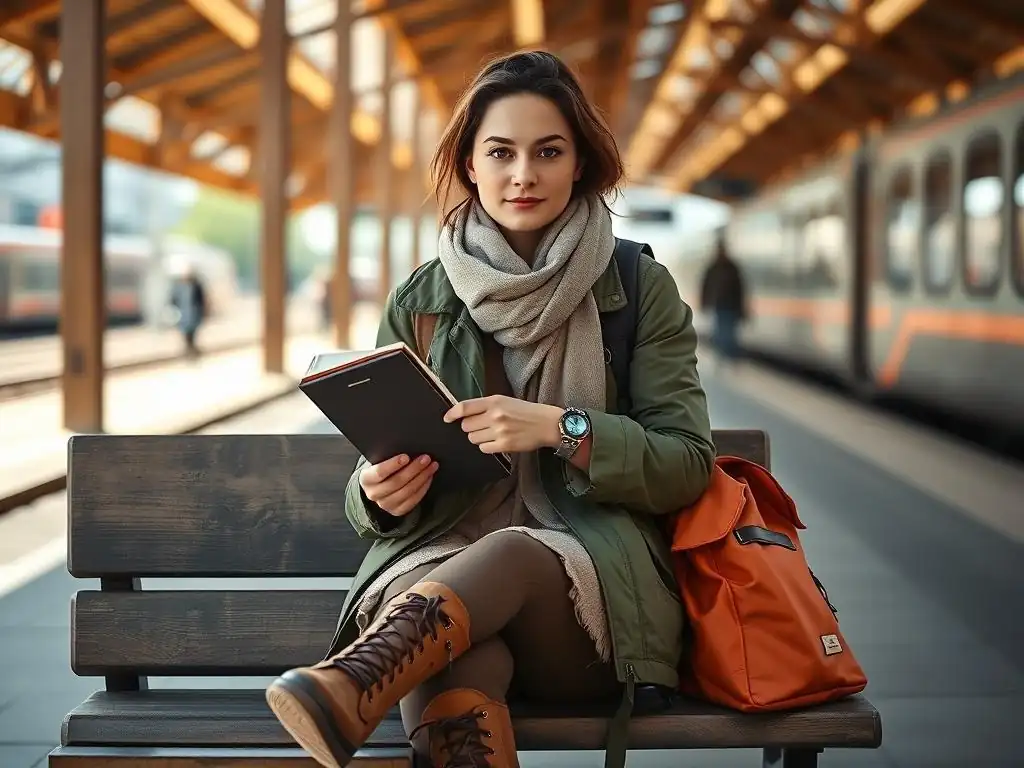
Despite thorough planning and vigilance, emergencies can sometimes occur. Being prepared for unexpected situations, whether a minor injury or a more serious incident, is a crucial aspect of solo trip safety. Knowing what to do and having essential information readily accessible can make a significant difference in managing a crisis effectively.
Preparation involves having emergency contacts, securing important documents, and possessing basic knowledge of first aid. These steps empower you to respond calmly and efficiently if faced with an emergency, minimizing stress and potential harm.
Emergency Contacts and Important Documents: Keeping Everything Accessible
Before you leave, compile a list of essential emergency contacts. This should include the local emergency services number for your destination (which can vary significantly by country, e.g., 911 in the U.S., 112 in Europe, 999 in the UK), the contact information for your country's embassy or consulate in your destination, your travel insurance provider's emergency assistance line, and the phone numbers of your trusted contacts back home. Keep this list in multiple formats – a physical copy in your wallet and a digital copy on your phone and possibly in a secure cloud storage.
Equally important is having access to copies of your vital documents. If your passport, visa, or other identification is lost or stolen, having copies will greatly expedite the process of getting replacement documents and proving your identity. This is a fundamental solo trip safety measure.
Digital Document Storage: Securely Storing Passports and Travel Information
Using secure digital storage is an excellent way to back up copies of your essential travel documents. Services like encrypted cloud storage (e.g., Dropbox with strong passwords, Google Drive with two-factor authentication enabled) or dedicated secure document apps allow you to access copies of your passport, visa, driver's license, travel insurance policy, accommodation bookings, and credit card details from anywhere with internet access.
Avoid storing these documents unencrypted on your phone's photo gallery. Instead, use secure methods. For added safety, email copies to your trusted emergency contact back home. This ensures that even if your physical documents and phone are lost or stolen, you can still access critical information needed for identification and assistance, enhancing your solo trip safety preparedness.
Physical Document Organizer: A Waterproof Wallet for Essential Papers
While digital copies are convenient, having physical copies of essential documents is also crucial, especially if your phone battery dies or you lack internet access. Carry photocopies of your passport's main page, visa (if applicable), and travel insurance policy in a separate, secure place from where you keep the originals.
A small, waterproof wallet or pouch is ideal for keeping these copies protected from moisture and damage. Keep this physical backup in a different bag or pocket than your main wallet or passport holder. This redundancy ensures that you have access to critical information even in challenging circumstances, providing an important layer of solo trip safety.
Basic First Aid Knowledge: Equipping Yourself for Minor Injuries
Knowing basic first aid can be incredibly helpful for managing minor injuries that might occur during your travels, such as cuts, scrapes, blisters, or sprains. You don't need to be a medical expert, but understanding how to clean a wound, apply a bandage, or treat a minor burn can prevent small issues from becoming bigger problems, especially when traveling alone.
Consider taking a basic online first aid course or reviewing a reliable first aid guide before your trip. Knowing how to assess a situation and provide initial care can empower you to handle common incidents confidently and safely, contributing to your self-reliance and solo trip safety.
Travel First Aid Kits: Compact and Comprehensive
A well-stocked, compact travel first aid kit is an essential item for any solo traveler. Pre-packaged kits are readily available and typically include items like adhesive bandages in various sizes, antiseptic wipes, sterile gauze pads, medical tape, pain relievers (like ibuprofen or acetaminophen), hydrocortisone cream for insect bites or rashes, and possibly blister treatment.
Customize your kit based on your destination and personal needs; for example, include motion sickness medication, allergy relief, or any personal prescriptions. Keep the kit easily accessible in your daypack or luggage. Having the necessary supplies on hand to address minor medical issues quickly and effectively is a practical aspect of ensuring your well-being and solo trip safety.
Conclusion: Empowering Your Solo Journey with Proactive Safety Measures
Embarking on a solo trip is a courageous and rewarding endeavor that offers unparalleled opportunities for personal growth and enhanced mental well-being. While the prospect of traveling alone can initially feel daunting due to safety concerns, adopting a proactive and informed approach to solo trip safety can transform potential anxieties into confident preparedness. By focusing on smart planning, maintaining situational awareness, and leveraging practical tools and strategies, you empower yourself to navigate the world securely and enjoy the profound benefits of traveling independently.
Recap: Key Solo Trip Safety Tips for a Worry-Free Experience
Let's quickly recap the fundamental solo trip safety tips discussed:
- Thoroughly research your destination: Understand local safety conditions and areas to avoid.
- Secure comprehensive travel insurance: A crucial safety net for emergencies.
- Pack smart: Include essential safety gadgets like personal alarms and portable door locks.
- Stay connected: Ensure reliable communication via local SIMs or Wi-Fi hotspots.
- Be vigilant during transportation: Use ride-sharing apps safely and protect belongings on public transit.
- Choose secure accommodation: Research lodging and enhance security with portable locks.
- Share your itinerary: Keep a trusted contact informed of your whereabouts.
- Prioritize mental well-being: Manage anxiety and stress with techniques like mindfulness and journaling.
- Trust your intuition: Pay attention to uneasy feelings and avoid risky situations.
- Prepare for emergencies: Have contacts, documents, and basic first aid ready.
Following these guidelines significantly reduces risks and allows you to travel with greater peace of mind. Solo trip safety is an ongoing practice of awareness and preparedness, enabling you to feel secure and empowered throughout your journey.
Embracing the Freedom and Fulfillment of Safe Solo Travel
With solid solo trip safety measures in place, you are free to fully immerse yourself in the enriching experience of traveling alone. The freedom to make your own decisions, explore at your own pace, and connect with destinations on a deeply personal level is incredibly fulfilling. You'll build resilience, gain new perspectives, and create unforgettable memories.
Traveling alone safely isn't about avoiding the world; it's about engaging with it confidently and securely. By prioritizing your well-being and implementing these practical solo trip safety tips, you unlock the full potential of your solo adventure, returning home not just with souvenirs, but with a stronger sense of self and a profound appreciation for the journey.
Frequently Asked Questions
What are the most important solo trip safety tips to consider before embarking on my journey?
Prioritize planning and communication. Share your itinerary with a trusted contact and research your destinations thoroughly. Also, invest in travel insurance that covers unexpected events.
How can I maintain situational awareness and stay safe while exploring unfamiliar places on a solo trip?
Be mindful of your surroundings, avoid distractions like excessive phone use, and trust your instincts. Learn some basic self-defense techniques for added confidence and security.
What are some practical tips for securing my belongings and preventing theft while traveling alone?
Use a hidden money belt or travel wallet to store valuables. Be cautious when displaying expensive items and never leave your belongings unattended, especially in public areas.
How can I build a support network and combat feelings of isolation or loneliness during a solo trip?
Connect with other travelers through hostels, tours, or online forums. Stay in touch with friends and family back home and embrace opportunities for genuine human interaction.
What should I do in case of an emergency situation while traveling alone?
Know the local emergency numbers and keep important documents readily accessible. Have a backup plan for accommodation and transportation and inform someone of your location.
Final Reflection: Embracing the Solo Journey, Securely
The world is opening up again, and the allure of solo travel is stronger than ever. But the freedom of exploring independently shouldn't come at the cost of personal safety. This article has highlighted practical strategies to navigate the exciting, yet sometimes unpredictable, world of solo adventures, ensuring you can embrace the journey with confidence and peace of mind.
The impact of solo travel on personal growth is undeniable. It fosters self-reliance, resilience, and a deeper understanding of oneself and the world. Not all those who wander are lost.
This quote, often attributed to J.R.R. Tolkien, perfectly encapsulates the spirit of solo travel – a journey of self-discovery that transcends mere sightseeing. The tips shared here – from meticulous planning to mindful awareness – are not just about physical safety, but about empowering you to fully experience the transformative power of traveling alone.
Now, consider your own aspirations. What destinations have been calling to you? What fears have been holding you back? This article provides a foundation; it's now your turn to build upon it. Don't let apprehension stifle your dreams. Plan carefully, research diligently, and embrace the incredible opportunity to connect with yourself and the world on a solo adventure. The journey awaits – travel safely, travel wisely, and travel boldly.
Unlock Your Solo Adventure: Practical Steps for Safe & Confident Travel
Thanks for joining us on this journey into the world of solo travel! We hope you gained valuable insights and feel more confident about embarking on your own adventure. Now, let's turn that newfound confidence into action.
- Plan your first solo trip today: Start small! Pick a destination that feels comfortable, research accommodation options, and create a basic itinerary. This is the most crucial step towards turning your dream into a reality.
- Share your travel plans with trusted friends or family: Let loved ones know your itinerary, including contact details for your accommodation. This simple step can provide significant peace of mind.
- Join a solo travel community online: Connect with fellow adventurers, share tips, and find inspiration for your next trip!
Ready to embrace the freedom and fulfillment of solo travel? What's the first destination on your solo adventure wishlist?