
Unplug and Unwind: Designing Your Perfect Solo Wellness Getaway

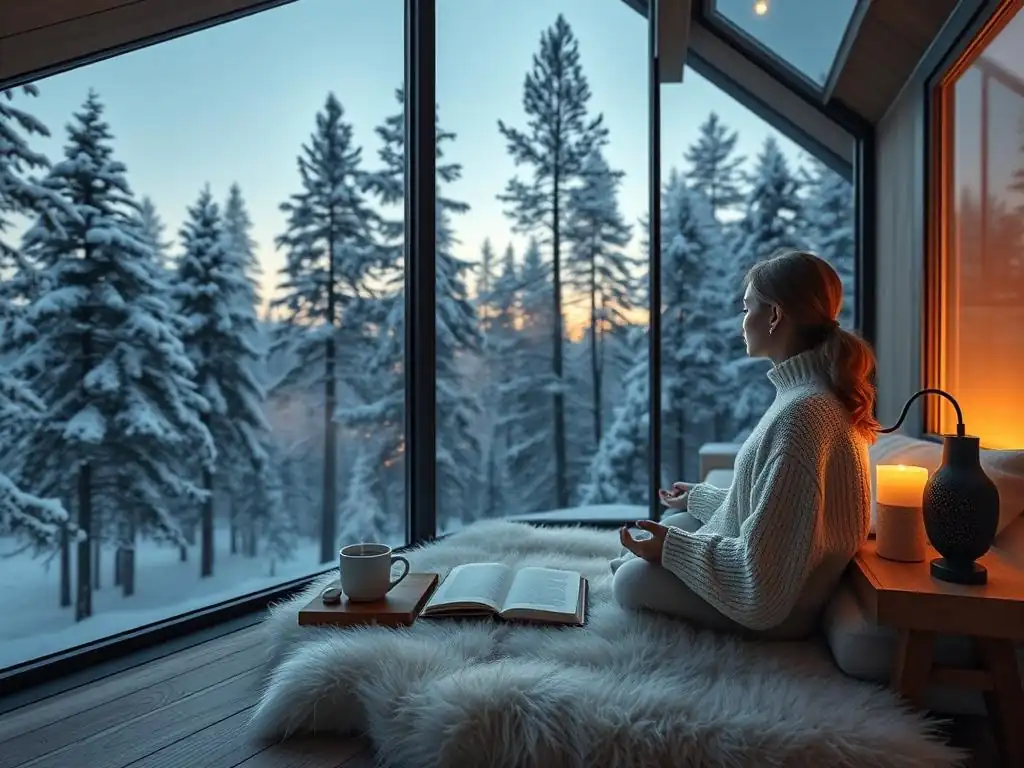
Welcome to Mind Care Guide.
Feeling overwhelmed and desperately needing a break? You're not alone. Discover the transformative power of solitude and self-care as we delve into solo wellness getaway planning. We understand the challenges of carving out time for yourself, and we're here to guide you through crafting the perfect escape designed to rejuvenate your mind, body, and spirit. Ready to rediscover inner peace? Let's begin.
Unplug and Unwind: Designing Your Perfect Solo Wellness Getaway
- Introduction: Why Solo Wellness Travel is Essential for Mental Health
- Step 1: Defining Your Wellness Goals for Your Solo Trip
- Step 2: Selecting Your Ideal Solo Wellness Destination
- Step 3: Packing Essentials for a Mindful Solo Trip
- Step 4: Planning Your Daily Wellness Activities
- Step 5: Post-Trip Integration: Maintaining Your Wellness at Home
- Conclusion: Embrace the Power of Solo Wellness Getaway Planning.
-
Frequently Asked Questions
- What are the key benefits of planning a solo wellness getaway?
- How do I choose the right destination for my solo wellness trip?
- What are some essential elements to include in my solo wellness getaway itinerary?
- How can I stay safe and secure while traveling alone on a wellness trip?
- What are some budget-friendly tips for planning a solo wellness getaway?
- Final Reflection: Reclaiming Your Well-being Through Solo Travel
- Rediscover Your Inner Peace: Plan Your Escape Today!
Introduction: Why Solo Wellness Travel is Essential for Mental Health
In our increasingly connected world, finding moments of true disconnection and self-reflection can feel like a luxury. Yet, taking time away from the demands of daily life is not just a luxury; it's often a necessity for maintaining robust mental well-being. A solo wellness getaway offers a unique opportunity to step back, breathe deeply, and reconnect with yourself without the distractions or compromises that group travel can sometimes entail. It's a deliberate act of self-care, providing space for introspection, healing, and personal growth.
Embarking on a solo journey focused on wellness allows you to set your own pace, listen intently to your own needs, and engage in activities that nourish your mind, body, and spirit. This can range from quiet contemplation in nature to participating in structured wellness programs. The simple act of planning a solo wellness getaway can itself be empowering, giving you control over your environment and schedule in a way that fosters a sense of autonomy and peace. It's about creating a personal sanctuary, however temporary, where your well-being is the sole priority.
Step 1: Defining Your Wellness Goals for Your Solo Trip
Before you even look at destinations or book a single night's stay, the most crucial first step in solo wellness getaway planning is to clearly define what you hope to achieve from this time away. Are you seeking stress reduction, a digital detox, physical rejuvenation, emotional healing, or a deeper connection with nature? Perhaps you want to learn new coping mechanisms, establish a meditation practice, or simply experience profound rest. Identifying your primary goals will act as your compass, guiding every subsequent decision you make about your trip.
Be specific about what 'wellness' means to you in this context. If it's stress reduction, what activities or environments help you de-stress? If it's physical rejuvenation, are you looking for spa treatments, hiking, or perhaps gentle movement like yoga? Write down your intentions. This isn't just a mental exercise; putting it on paper makes it tangible and helps keep you focused throughout the solo wellness getaway planning process. Understanding your 'why' will ensure your trip is not just a vacation, but a truly transformative experience tailored to your unique needs.
Choosing the Right Type of Solo Wellness Retreat
Once your wellness goals are clear, you can begin to explore the types of solo wellness experiences that align best. Options vary widely, from structured retreats focusing on specific modalities like yoga, meditation, or detox, to less formal trips centered around nature, creative pursuits, or quiet relaxation in a peaceful setting. For instance, if your goal is deep stress reduction and learning mindfulness, a dedicated meditation retreat might be ideal.
These often include daily guided sessions, silent periods, and teachings on mindfulness principles. A typical 3-day mindfulness retreat in a serene location might cost between $500 and $1,500, often including accommodation, meals, and all activities, offering a structured environment designed for solo introspection.
Alternatively, if your aim is physical rejuvenation and connection with nature, a hiking or nature-focused retreat could be perfect. These might involve guided treks, forest bathing sessions, and healthy, locally sourced meals. Consider also spa and thermal wellness centers, which focus on physical relaxation and therapeutic treatments.
A week-long stay at a reputable spa retreat could range from $2,000 to $5,000 or more, depending on the services included and the location. The key is to research programs and environments that actively support your specific goals, whether it's silence and contemplation, physical activity, creative expression, or therapeutic treatments, ensuring your solo wellness getaway planning leads you to the right experience.
Step 2: Selecting Your Ideal Solo Wellness Destination
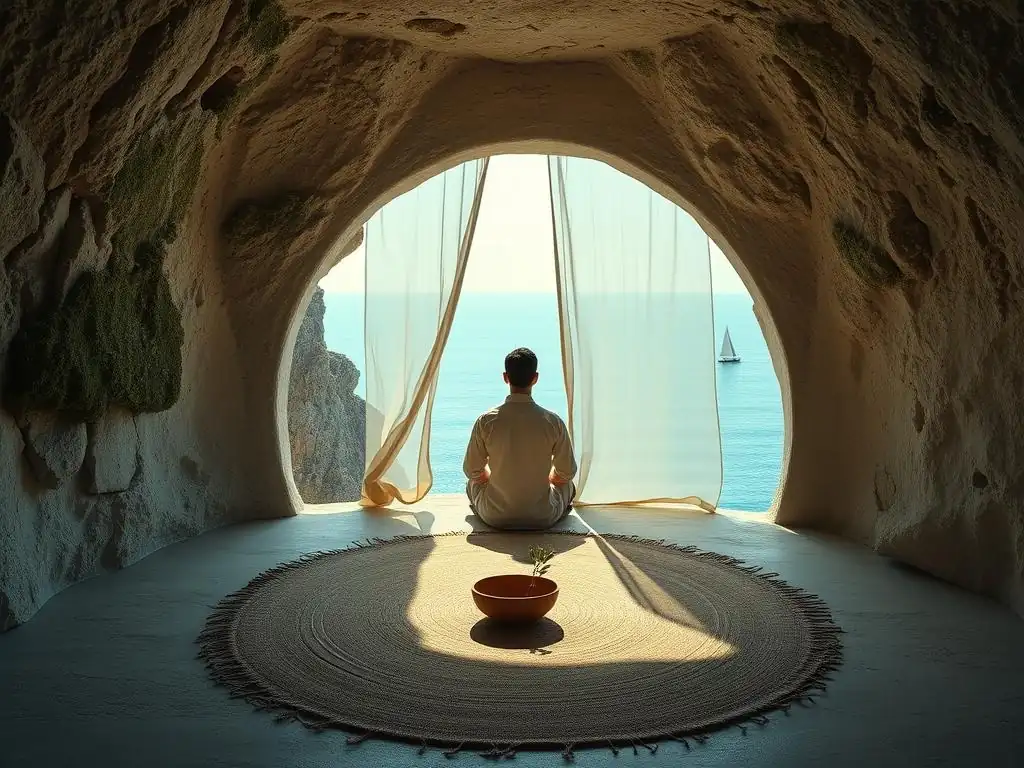
Choosing the right destination is a significant part of successful solo wellness getaway planning. Consider factors like climate, natural environment, accessibility, and safety. Do you crave mountain air, ocean breezes, or tranquil forests? Is ease of travel a priority, or are you willing to go somewhere more remote for solitude? Research the destination's reputation for solo travelers and its overall safety, especially if you plan to explore on your own. Look for places known for their natural beauty and opportunities for quiet reflection or outdoor activities that support your wellness goals.
Think about the 'vibe' of the place. Some destinations are inherently more conducive to relaxation and introspection than others. A bustling city might offer cultural enrichment, but if your goal is peace and quiet, a rural or coastal location might be more suitable. Consider the time of year and potential for crowds. Traveling during the shoulder season can often provide a more peaceful experience and potentially lower costs, making your solo wellness getaway planning more efficient and enjoyable.
Accommodation Options for Solo Travelers
Your choice of accommodation plays a crucial role in shaping your solo wellness experience. Dedicated wellness retreat centers are designed specifically for this purpose, offering structured programs, healthy meals, and environments free from typical hotel distractions. Staying at a retreat center means you're immediately immersed in a wellness-focused community (even if interacting minimally) and have access to planned activities, removing the burden of daily scheduling. For example, a 5-night stay at a well-regarded yoga and meditation retreat in Bali might cost approximately $1,000-$2,500, covering accommodation, meals, and all classes, providing a comprehensive wellness package.
Other options include boutique hotels focused on serenity, eco-lodges nestled in nature, or even private vacation rentals. Boutique hotels often offer a more personalized experience than large chains and may have amenities like spas or quiet gardens. An eco-lodge provides a strong connection to the natural environment, which can be incredibly restorative.
Renting a small cabin or apartment via platforms like Airbnb in a peaceful location gives you complete autonomy over your schedule and meals, which can be beneficial for those with specific dietary needs or who prefer complete solitude. The cost for a week in a peaceful vacation rental could range from $700 to $2,000, depending on the location and size. Weigh the benefits of a structured environment versus complete independence when making your choice during solo wellness getaway planning.
Step 3: Packing Essentials for a Mindful Solo Trip
Packing for a solo wellness getaway goes beyond just clothes and toiletries. It involves considering items that will support your wellness practices and enhance your ability to relax and be present. Think about comfort: layers of clothing suitable for various activities and temperatures, comfortable walking shoes, and perhaps cozy loungewear for evenings.
Bring items that help you unwind, such as a journal, a favorite book (physical or digital), or materials for a creative hobby like drawing or knitting. Don't forget any personal items that bring you comfort or help you feel grounded, like a special blanket or a calming essential oil.
Practical essentials are also key for peace of mind during solo travel. This includes any necessary medications, a basic first-aid kit, and chargers or power banks for your devices (even if you plan to limit usage). Consider bringing a reusable water bottle and perhaps a small thermos for hot drinks. If you're staying somewhere with limited dining options or have specific dietary needs, packing some healthy snacks is a good idea. Packing thoughtfully contributes significantly to a stress-free solo wellness getaway planning process and the trip itself.
Tech to Enhance Your Solo Wellness Experience
While a solo wellness getaway often involves a degree of digital detox, certain technologies can actually enhance your experience when used mindfully. A high-quality e-reader, for instance, allows you to carry multiple books without the weight, perfect for quiet reading sessions. Many people find solace in reading uplifting or informative material related to mental health or personal growth while away.
Furthermore, several apps are specifically designed to support wellness practices. Meditation apps like Calm, Headspace, or Insight Timer offer guided meditations, calming music, and sleep stories that can be invaluable for establishing or maintaining a daily practice during your trip. Sleep tracking apps can also provide insights into your rest patterns.
For safety, especially if exploring nature alone, consider using a reliable GPS app or a safety app that allows loved ones to track your location (used judiciously, of course, to maintain your sense of being unplugged). The key is to use tech as a tool to support your goals, rather than allowing it to become a distraction, ensuring it complements your solo wellness getaway planning.
Step 4: Planning Your Daily Wellness Activities
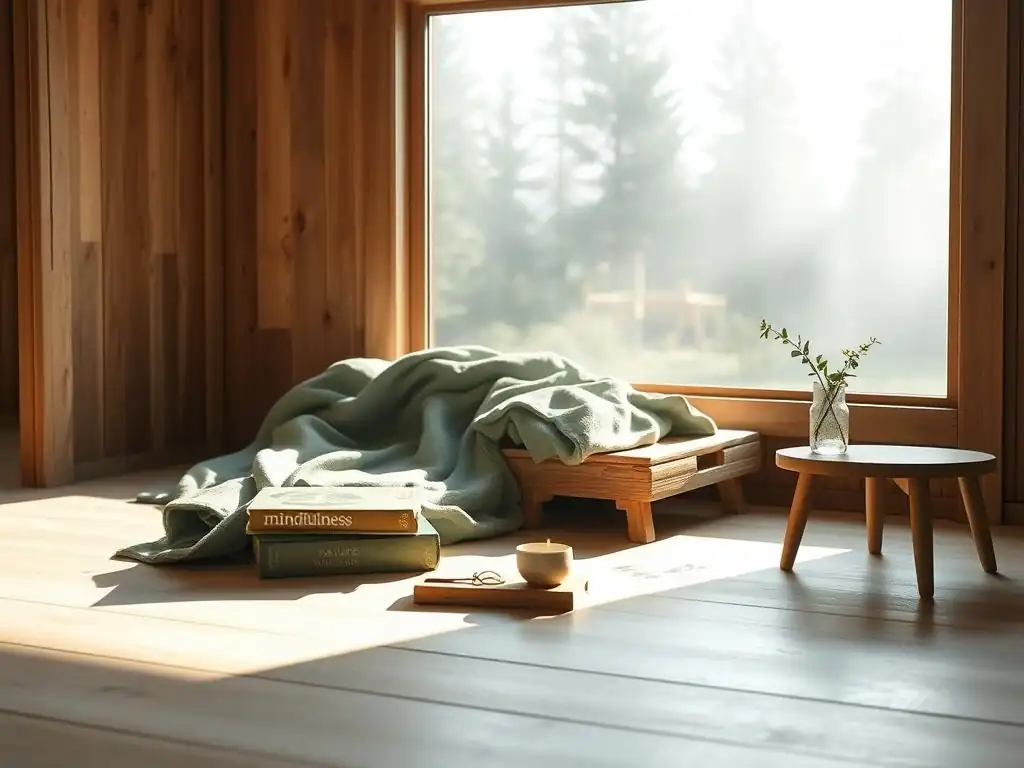
Structuring your days during a solo wellness getaway involves finding a balance between planned activities that support your goals and ample free time for spontaneity and rest. While some retreats provide a strict schedule, if you're planning your own trip, you have the freedom to design your ideal rhythm. Start by blocking out time for core wellness activities you identified in Step 1, such as morning meditation, a mid-day walk in nature, or an evening yoga session.
However, resist the urge to overschedule. Leave significant pockets of time open to simply 'be'. This unstructured time is often where unexpected moments of insight, creativity, or profound relaxation occur. Allow yourself the freedom to change your plans based on how you feel each day. The beauty of solo travel is the ability to pivot without consulting anyone else. Listen to your body and mind – if you feel tired, rest; if you feel inspired to explore a quiet trail, go for it. This flexibility is a core benefit of solo wellness getaway planning.
Incorporating Mindfulness into Your Routine
Integrating mindfulness into your daily routine during your solo wellness getaway is paramount. Mindfulness is simply the practice of being fully present and engaged in the moment, without judgment. Start your day with a few minutes of mindful breathing or a body scan meditation, bringing awareness to physical sensations. During meals, practice mindful eating: pay attention to the colors, textures, smells, and tastes of your food, chewing slowly and savoring each bite. This simple practice can transform eating from a routine necessity into a nourishing experience.
Extend mindfulness to activities like walking. Instead of rushing, try a walking meditation, focusing on the sensation of your feet touching the ground, the rhythm of your breath, and the sights and sounds around you. Even mundane tasks like brushing your teeth or showering can become opportunities for mindfulness by simply paying full attention to the physical sensations involved. By intentionally weaving these practices throughout your day, your solo wellness getaway becomes a continuous exercise in presence, helping to quiet the mental chatter and deepen your sense of peace.
Step 5: Post-Trip Integration: Maintaining Your Wellness at Home
The benefits of a solo wellness getaway shouldn't end the moment you return home. A critical final step is planning how you will integrate the positive changes and practices you experienced into your daily life. Reflect on what felt most beneficial during your trip. Was it the morning meditation, the daily walks, the healthy eating, or the reduced screen time? Identify one or two key practices you realistically commit to continuing. Starting small is often more sustainable than trying to replicate your entire retreat schedule at home.
Schedule time for these practices in your regular routine. Perhaps it's waking up 15 minutes earlier for meditation, blocking out time for a walk during your lunch break, or dedicating an evening each week to a digital detox. Share your experience with a trusted friend or family member for support and accountability. The goal is to maintain the momentum and continue nurturing your well-being, ensuring the investment you made in your solo wellness getaway planning yields lasting results.
Resources for Ongoing Mental Well-being
Maintaining the positive shifts from your solo wellness getaway often requires ongoing support. Fortunately, numerous resources are available to help you continue your journey toward mental well-being. Therapy, whether in-person or through online platforms like BetterHelp or Talkspace, offers a confidential space to process challenges and learn coping strategies. Online therapy sessions can range from $60 to $90 per week, depending on the platform and your plan, providing flexible support.
Joining local support groups or online communities related to mindfulness, anxiety, or specific mental health conditions can provide a sense of connection and shared understanding. Many communities offer free or low-cost meetings. Additionally, continuing to use wellness apps for meditation, sleep tracking, or mood journaling can help reinforce practices learned during your trip. Books and podcasts on mental health, mindfulness, and personal development offer continuous learning and inspiration. Exploring these resources is a vital part of extending the benefits of your solo wellness getaway planning far beyond your return date.
Conclusion: Embrace the Power of Solo Wellness Getaway Planning.
Designing and taking a solo wellness getaway is a profound act of self-care that can significantly boost your mental well-being. From the initial steps of defining your personal goals and choosing the right type of experience to selecting a destination and planning daily activities, each stage of solo wellness getaway planning is an opportunity to focus on what truly nourishes you. It allows for deep rest, introspection, and the chance to build sustainable wellness habits.
By embracing the power of traveling alone with a focus on wellness, you grant yourself the precious gift of uninterrupted time and space dedicated solely to your health. Remember to integrate what you learned back into your daily life and utilize available resources for ongoing support. Your solo wellness journey doesn't end when you unpack your bags; it's a continuous path, and your solo wellness getaway is a powerful step along that path, providing a foundation for lasting peace and resilience.
Frequently Asked Questions
What are the key benefits of planning a solo wellness getaway?
A solo wellness getaway allows for deep self-reflection and rejuvenation without external distractions. It provides an opportunity to focus solely on your personal well-being and needs.
How do I choose the right destination for my solo wellness trip?
Consider your personal preferences and desired activities. Look for destinations that offer peaceful environments, wellness-focused activities, and align with your budget.
What are some essential elements to include in my solo wellness getaway itinerary?
Prioritize activities that promote relaxation and mindfulness, such as yoga, meditation, or nature walks. Incorporate healthy meals and ensure adequate rest and sleep. Don't forget to schedule time for personal reflection.
How can I stay safe and secure while traveling alone on a wellness trip?
Share your itinerary with a trusted friend or family member. Research the area beforehand and be aware of your surroundings. Trust your instincts and avoid risky situations.
What are some budget-friendly tips for planning a solo wellness getaway?
Consider traveling during the off-season for lower prices. Look for affordable accommodations, like hostels or guesthouses. Take advantage of free or low-cost activities, such as hiking or meditation apps.
Final Reflection: Reclaiming Your Well-being Through Solo Travel
The pursuit of personal wellness is no longer a luxury; it's a necessity in our increasingly demanding world. The overwhelming pace of modern life often leaves us feeling depleted and disconnected, making the intentional design of a solo wellness getaway more crucial than ever before. This article has explored the practical steps involved in crafting a truly restorative experience, from choosing the perfect location to prioritizing mindful activities.
The impact of prioritizing self-care, especially through the lens of solo travel, is profound and far-reaching. It's about more than just relaxation; it's about rediscovering your inner strength, reconnecting with your authentic self, and fostering a deeper understanding of your own needs. As Anaïs Nin wisely said, We don't see things as they are, we see them as we are.
A solo wellness getaway provides the space and solitude necessary to peel back the layers and truly see yourself, unfiltered by external pressures and expectations. This self-discovery is not a one-time event, but a continuous journey that begins with the conscious decision to prioritize your well-being.
Now, consider your own life. What small steps can you take today to cultivate more self-compassion and prioritize your mental and physical health? Perhaps it's scheduling a weekly yoga class, carving out time for mindful meditation, or simply planning that long-overdue solo trip. Remember, the journey to wellness is a personal one, and the first step is often the hardest. But the rewards—a renewed sense of self, increased resilience, and a deeper connection to your inner peace—are immeasurable. Embrace the opportunity to design your own perfect escape, and begin your journey towards a more balanced and fulfilling life.
Rediscover Your Inner Peace: Plan Your Escape Today!
Thanks for taking the time to explore the world of solo wellness getaways with us! We hope you've gained valuable insights into designing the perfect rejuvenating escape. Ready to turn those ideas into reality?
- Book that long-awaited solo trip: Identify your ideal destination and start searching for flights and accommodation. Remember, even a weekend escape can make a world of difference!
- Share your wellness journey: Inspire others by posting your plans on social media, using #MindCareSoloEscape. Let's create a supportive community of mindful travelers!
- Explore unique wellness experiences: Consider adding a yoga retreat, a meditation workshop, or a sound bath to enhance your self-care practices. Think outside the box – what truly nourishes your soul?
What unique wellness activity are you most excited to incorporate into your next solo getaway?