
The Importance of Routine: Stability for Children with Early Onset Depression


Welcome to Mind Care Guide, a supportive space dedicated to nurturing your mental well-being.
Feeling overwhelmed by the challenges of childhood depression? You're not alone. Discover how a structured day can be a powerful tool in your child's mental health journey. This week, we delve into how routine helps children with depression, providing practical strategies to build stability and foster emotional resilience. Explore the article below and begin crafting a brighter, more predictable future for your child today. Let's embark on this path to healing together.
The Importance of Routine: Stability for Children with Early Onset Depression
- Understanding Early Onset Depression in Children
- How Routine Helps Children with Depression: The Benefits
- Creating Effective Routines for Children with Depression
- Addressing Challenges and Adapting Routines
- Parental Involvement and Support: Key to Routine Success
- Long-Term Benefits of Routine for Children's Mental Health
-
Frequently Asked Questions
- How does a consistent daily routine benefit children struggling with early onset depression?
- What are some key elements of a beneficial daily routine for children experiencing depression?
- Can a disrupted routine worsen the symptoms of depression in a child?
- How can parents effectively establish and maintain a consistent routine, especially when a child is resistant?
- Where can parents find additional resources and support for managing their child's depression and implementing helpful routines?
- Final Reflection: The Enduring Power of Routine in Childhood Depression
- Unlock Your Child's Potential: Cultivate a Thriving Routine
Understanding Early Onset Depression in Children
Early onset depression is a serious mood disorder that can affect children, sometimes as young as preschool age. Unlike the transient sadness all children experience, early onset depression involves persistent feelings of sadness, loss of interest, and changes in behavior that interfere with a child's daily functioning and development. Recognizing this condition early is vital because it can significantly impact a child's academic performance, social relationships, and overall well-being.
Research suggests that while major depressive disorder is less common in young children than in adolescents or adults, it does occur, with some estimates indicating that perhaps 2-3% of pre-adolescent children may experience some form of depression. These numbers, while seemingly small, represent a significant population of young individuals struggling silently. Early intervention, including establishing stability through routine, is critical for improving outcomes for these children.
Recognizing the Signs and Symptoms of Childhood Depression
Identifying depression in young children can be challenging as symptoms may present differently than in adults. While adults might articulate feelings of hopelessness, children may express it through irritability, physical complaints, or behavioral changes. Parents and caregivers should be attentive to persistent changes rather than isolated incidents.
Common signs include a pervasive sad or irritable mood for most of the day, nearly every day; loss of interest or pleasure in activities they once enjoyed (anhedonia); significant changes in appetite or weight; changes in sleep patterns (insomnia or hypersomnia); fatigue or low energy; feelings of worthlessness or excessive guilt; difficulty concentrating; and in some severe cases, recurrent thoughts of death or suicide. For example, a child who previously loved playing soccer might suddenly refuse to participate and become withdrawn from friends, showing a marked decrease in energy and enthusiasm.
The Impact of Early Onset Depression on Child Development
Early onset depression can have profound and lasting effects on a child's developmental trajectory. It can disrupt critical periods of social-emotional learning, cognitive development, and skill acquisition. Children struggling with depression may find it difficult to engage with peers, learn new concepts in school, or develop healthy coping mechanisms.
Studies have shown that children with early depression are at a higher risk for future depressive episodes, anxiety disorders, and other mental health challenges later in life. They may also face academic difficulties, including lower grades and increased absenteeism, potentially impacting their long-term educational and career prospects. The emotional toll can also strain family relationships, making it harder for the child to feel understood and supported without appropriate intervention.
Why Stability is Crucial for Children with Depression
Children thrive on predictability and structure, and this is especially true for those grappling with the internal chaos of depression. Depression can make the world feel unpredictable and overwhelming. Providing a stable, consistent environment helps counteract these feelings, offering a sense of safety and grounding.
Stability reduces uncertainty, which is often a significant source of anxiety for children, particularly those predisposed to or experiencing depression. A predictable environment allows children to anticipate what comes next, reducing the mental energy spent worrying about the unknown. This conserved energy can then be directed towards more positive engagements, such as participating in activities or interacting with others, fostering a sense of control and reducing feelings of helplessness often associated with depression.
How Routine Helps Children with Depression: The Benefits
Consistent daily and weekly schedules provide a framework that helps children with depression navigate their day with greater ease and less distress. Establishing a routine helps children depression by creating predictability and reducing the cognitive load associated with making choices or facing unexpected transitions.
A structured routine provides a sense of normalcy during a period when a child's internal world may feel anything but normal. It acts as an external regulator, helping to manage the fluctuations in mood and energy levels that are characteristic of depression. This structured approach directly addresses some core challenges of childhood depression, paving the way for improved emotional regulation and overall functioning.
Routine Helps Children Depression: Creating a Sense of Security
One of the most significant benefits of routine for children with depression is the profound sense of security it provides. Knowing what to expect throughout the day eliminates much of the anxiety and uncertainty that can exacerbate depressive symptoms. This predictability builds trust in their environment and the people around them.
For a child feeling overwhelmed or out of control due to depression, a consistent schedule acts like an anchor. It assures them that even when their internal feelings are turbulent, the external world has a reliable pattern. This sense of security is fundamental for emotional healing and provides a stable base from which they can begin to engage with therapeutic interventions.
Predictability and Reduced Anxiety: The Power of Consistent Schedules
Predictability is a powerful tool against anxiety, a common co-occurring condition with depression in children. When a child knows the sequence of events for their day – wake up, breakfast, school, homework, free time, dinner, bedtime – it reduces the mental effort required to process transitions and anticipate demands.
This reduction in cognitive load frees up mental and emotional resources. Instead of worrying about what might happen next or struggling with unstructured time, the child can focus on the task at hand or simply relax during designated downtime. This consistent structure helps children depression by minimizing triggers related to uncertainty and allowing them to experience moments of calm within their day.
Establishing Healthy Habits Through Routine: Sleep, Diet, and Exercise
Routine is instrumental in establishing and maintaining healthy lifestyle habits, which are critical for managing depression symptoms. Sleep, diet, and exercise are often disrupted by depression, and a structured routine can help regulate these areas.
For instance, a consistent bedtime and wake-up schedule, even on weekends, helps regulate the child's circadian rhythm, improving sleep quality, which is often poor in children with depression. Similarly, scheduled meal times can ensure adequate nutrition, preventing energy dips. Incorporating regular physical activity at specific times can boost mood through the release of endorphins and provide a healthy outlet for stress. Establishing these habits through routine helps children depression by addressing the physical manifestations of the illness.
Routine Fosters Emotional Regulation in Depressed Children
Emotional dysregulation is a hallmark of depression. Children may struggle with intense sadness, irritability, or difficulty managing frustration. A predictable routine provides opportunities for planned activities that can support emotional regulation.
By structuring the day to include calming activities (like reading or quiet play) or enjoyable hobbies (like drawing or playing an instrument) at specific times, children learn to transition between different emotional states and engage in self-soothing behaviors. The predictability of the routine itself reduces overall stress levels, making it easier for the child to handle difficult emotions when they arise. This structured approach helps children depression by building their capacity to manage their internal emotional landscape.
Creating Effective Routines for Children with Depression
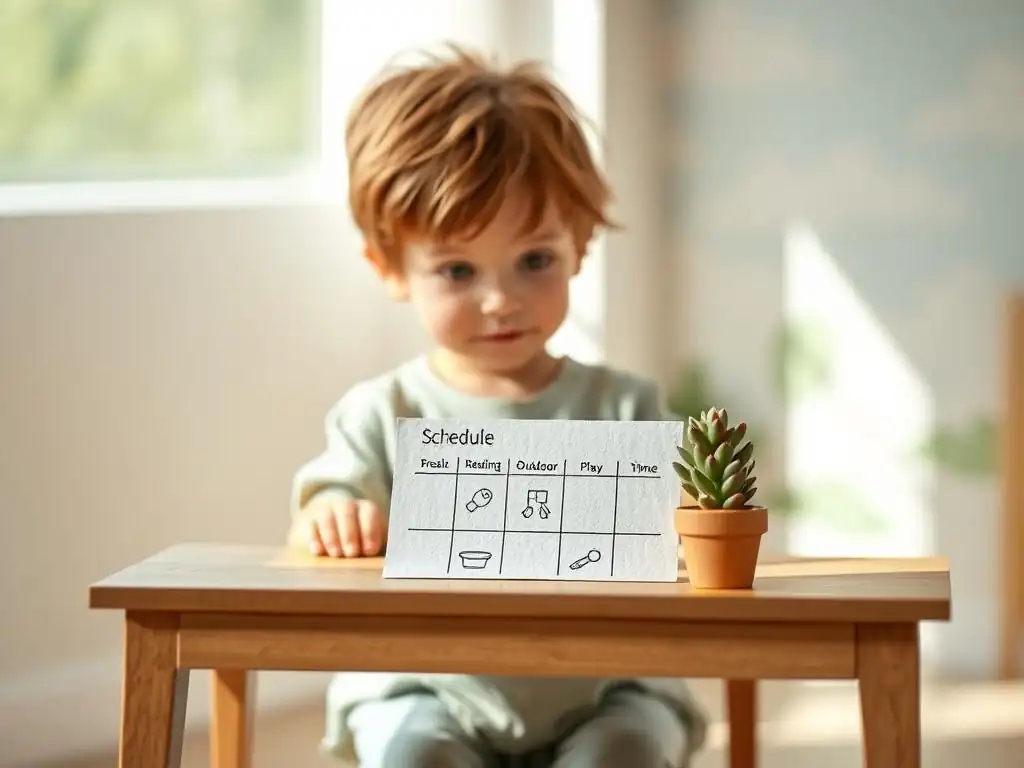
Developing a routine that effectively supports a child with depression requires careful consideration and tailoring to their specific needs, energy levels, and preferences. There is no one-size-fits-all solution; what works for one child may not work for another. The goal is to create a structure that is supportive, not punitive or overly rigid.
It is essential to start small and gradually introduce elements of the routine. Overwhelming a child with too many changes at once can be counterproductive. The routine should balance necessary activities (school, hygiene) with opportunities for rest, play, and connection. Flexibility is key, as energy levels and moods can fluctuate daily.
Tailoring Routines to Individual Needs and Preferences
An effective routine must be personalized. Consider the child's age, developmental stage, specific symptoms of depression, and what activities they genuinely find enjoyable or calming. What might be energizing for one child (e.g., playing outside) could be exhausting for another.
Involve the child in the process as much as possible, even if their input is limited due to their age or depression. Offering choices within the routine (e.g., "Do you want to read or listen to music before bed?") can give them a sense of control and increase their buy-in. Observing the child's reactions to different activities and adjusting the schedule accordingly is crucial for long-term success.
Sample Daily Routine for a Child with Depression: A Template
Here is a sample template for a school-aged child, illustrating how a routine helps children depression by providing structure. This is a flexible guide, not a rigid prescription:
- Morning (7:00 AM - 8:00 AM):
- Wake up, hygiene
- Get dressed
- Breakfast (structured mealtime)
- Prepare for school (pack bag, check homework)
- School Day (approx. 8:00 AM - 3:00 PM):
- Follow school schedule
- Encourage participation in classes and social interactions
- Scheduled breaks
- Afternoon (3:00 PM - 6:00 PM):
- Arrive home, transition time (snack, short break)
- Homework time (structured, with breaks as needed)
- Scheduled free time/activity (play, hobby, outdoor time)
- Evening (6:00 PM - 9:00 PM):
- Dinner (family mealtime if possible)
- Family time or quiet activity
- Prepare for bed (hygiene, lay out clothes for next day)
- Wind-down routine (reading, quiet music, gentle stretching)
- Bedtime
This structure provides anchors throughout the day, reducing ambiguity and helping the child anticipate transitions.
Morning Routine: Setting a Positive Tone for the Day
The morning routine is critical for setting a positive, predictable tone. Starting the day with a clear sequence of achievable tasks can help combat the inertia and low energy often experienced by children with depression.
A consistent wake-up time, followed by simple, non-negotiable steps like hygiene and getting dressed, provides early wins and a sense of accomplishment. A structured breakfast ensures they start the day with necessary nutrients. This predictable start minimizes morning chaos and helps them transition smoothly into the demands of the school day, demonstrating how routine helps children depression by building momentum.
Afternoon and Evening Routines: Promoting Relaxation and Sleep
The afternoon and evening routines focus on managing energy levels after school, completing necessary tasks like homework, and preparing for restful sleep. These periods are crucial for decompressing and recharging.
Including structured homework time with built-in breaks prevents overwhelm. Scheduled free time allows for enjoyable activities that can lift mood. The evening routine is particularly important for promoting sleep hygiene: a consistent bedtime, a calming wind-down period free from screens, and a predictable sequence of activities signal to the child's body and mind that it's time to rest. This consistency in the evening helps children depression by regulating sleep patterns, a key factor in managing mood.
Incorporating Therapy and Mental Health Activities into the Routine
Therapy sessions and other mental health-supporting activities should be seamlessly integrated into the child's routine. Scheduling these appointments at consistent times helps the child anticipate them and reduces anxiety about attending.
Beyond formal therapy, the routine can include daily or weekly activities specifically designed to support mental well-being, such as mindfulness exercises, journaling (if age-appropriate), creative expression time, or scheduled conversations with a parent about feelings. These dedicated times reinforce the importance of mental health and provide structured opportunities for emotional processing, showing how routine helps children depression by prioritizing their psychological needs.
Addressing Challenges and Adapting Routines

Implementing and maintaining routines for children with depression is not always smooth sailing. There will be days when the child resists, when symptoms make adherence difficult, or when external factors disrupt the schedule. Recognizing these challenges and having strategies to address them is vital for long-term success.
It is important to approach difficulties with empathy and patience, remembering that the child is struggling with an illness. Flexibility within the structure is necessary, as is a willingness to adapt the routine as the child's needs change or improve.
Dealing with Resistance to Routine Changes
Resistance to routine, especially new ones or during periods of heightened symptoms, is common. This resistance may manifest as irritability, defiance, or passive non-compliance. It's important to understand that this often stems from the depression itself – low energy, lack of motivation, or feeling overwhelmed – rather than deliberate misbehavior.
Strategies include involving the child in the routine creation process (as mentioned earlier), using positive reinforcement for adherence, breaking down tasks into smaller steps, and offering limited choices within the routine. Explaining the why behind the routine in simple terms ("This helps your body feel better," "Knowing what's next helps you worry less") can also increase cooperation. Consistency from caregivers is paramount, even when faced with resistance.
Adjusting Routines During Difficult Times or Setbacks
Depression can have periods of exacerbation, often triggered by stress, illness, or other factors. During these times, the child may have less energy or ability to stick to the established routine. It's crucial to be able to adapt without abandoning structure entirely.
This might mean temporarily simplifying the routine, reducing the number of scheduled activities, or adjusting expectations. For example, homework time might be shorter, or screen time rules might be slightly relaxed for a day or two if the child is particularly struggling. The key is to maintain some core elements – like consistent wake-up/bedtimes and meal times – while allowing flexibility in others. This adaptability helps children depression by preventing the routine from becoming another source of stress during difficult periods.
The Importance of Flexibility and Avoiding Rigidity
While consistency is the bedrock, rigidity can be detrimental. A routine should serve as a supportive framework, not a prison. Life happens – appointments shift, the child gets sick, or spontaneous positive opportunities arise.
An overly rigid routine can cause undue stress if it's disrupted, leading to feelings of failure for both the child and caregivers. Building in buffer times or designated "free choice" slots allows for spontaneity. Understanding that missing a step occasionally is okay and doesn't ruin everything is important. The goal is progress, not perfection. This balanced approach ensures that routine helps children depression without adding unnecessary pressure.
Parental Involvement and Support: Key to Routine Success
Parents and caregivers play the most critical role in establishing and maintaining routines for children with early onset depression. Their consistent support, encouragement, and active participation are indispensable. A routine cannot succeed if it is simply imposed; it must be a collaborative effort supported by the entire family system.
Parents act as the navigators and cheerleaders, helping the child stay on track, offering reminders, providing encouragement, and modeling healthy habits themselves. Their understanding and patience are crucial, especially on challenging days.
Collaborative Routine Creation: Involving the Child
Involving the child in creating their routine, even in small ways, empowers them and fosters a sense of ownership. Depending on their age and capacity, this could range from asking their preference for a bedtime story to letting them choose the order of certain activities.
Sitting down together to map out the day or week on a visual schedule can be helpful. Asking for their input on what activities they'd like to include or what times feel most manageable acknowledges their feelings and experiences. This collaboration helps children depression by giving them a voice in structuring their own lives, which can be particularly important when they feel a loss of control due to their illness.
Maintaining Consistency and Providing Encouragement
Consistency from parents is the cornerstone of an effective routine. Children need to know that the structure is reliable. This means parents sticking to the schedule as much as possible and reacting predictably to adherence and challenges.
Positive reinforcement is much more effective than punishment for promoting routine adherence in children with depression. Praising effort, acknowledging small successes ("You got dressed so quickly today! "), and offering small rewards for sticking to the schedule can be very motivating. Encouragement helps counteract the negative self-talk and low motivation associated with depression, reinforcing how routine helps children depression by providing positive feedback loops.
Seeking Professional Guidance and Support for Parents
Supporting a child with depression is demanding, and parents need support too. Mental health professionals, such as child psychologists or therapists, can provide invaluable guidance on tailoring routines, managing challenging behaviors, and supporting the child's emotional needs.
Therapists can offer specific strategies for integrating therapeutic techniques into the daily schedule and help parents navigate their own stress and emotions. Connecting with parent support groups or seeking individual therapy can also provide parents with the resources and resilience needed to consistently implement and maintain the routine, ultimately benefiting the child.
Long-Term Benefits of Routine for Children's Mental Health
The positive impact of establishing routine for children with early onset depression extends far beyond the immediate management of symptoms. It lays a foundation for long-term mental wellness, equipping children with skills and habits that can serve them throughout their lives.
By providing stability, reducing anxiety, and promoting healthy habits, routine helps children build resilience against future challenges. The structure learned in childhood can become an internalized tool for managing stress and maintaining well-being in adolescence and adulthood.
Building Resilience and Coping Skills
A consistent routine helps children develop resilience by teaching them structure and predictability in the face of internal distress. It provides a framework for practicing coping skills, such as mindfulness during quiet time or problem-solving during homework challenges.
Navigating the daily routine, even with its inevitable bumps, helps children build confidence in their ability to manage their days and challenges. The predictability reduces the mental load, freeing up energy that can be used to learn and practice new ways of coping with difficult emotions, thereby building long-term resilience. This demonstrates how routine helps children depression not just manage symptoms but build foundational psychological strength.
The stability and reduced anxiety provided by routine often translate into improved functioning in other areas of a child's life, including school and social settings. When a child is less overwhelmed by unpredictable days and better rested, they are more able to focus and engage.
Improved concentration and energy levels can lead to better academic performance. Similarly, feeling more secure and less anxious can make it easier for children to interact with peers, participate in group activities, and build social connections that are vital for mental well-being. The structure provided by routine helps children depression by freeing them up to engage more fully with their environment.
Promoting Overall Well-being and a Brighter Future
Ultimately, the importance of routine for children with early onset depression lies in its capacity to promote overall well-being and pave the way for a brighter future. By providing a stable foundation, routine supports not just symptom reduction but holistic growth.
Children who learn to thrive within a supportive structure are better equipped to handle the transitions and challenges of adolescence and adulthood. The healthy habits and emotional regulation skills developed through routine can contribute to sustained mental health and a higher quality of life over the long term. Establishing a consistent routine helps children depression by giving them the tools for lasting stability and happiness.
Frequently Asked Questions
How does a consistent daily routine benefit children struggling with early onset depression?
A consistent routine provides stability and predictability, which can significantly reduce anxiety and stress in children. This predictability creates a sense of security and control, helping them manage their emotions more effectively.
What are some key elements of a beneficial daily routine for children experiencing depression?
Key elements include consistent wake-up and bedtime schedules, regular mealtimes, designated time for homework and play, and planned opportunities for social interaction and physical activity.
Can a disrupted routine worsen the symptoms of depression in a child?
Yes, disruptions can indeed exacerbate symptoms. The lack of predictability and structure can lead to increased anxiety, feelings of helplessness, and a disruption in their ability to cope with daily challenges.
How can parents effectively establish and maintain a consistent routine, especially when a child is resistant?
Start small with gradual changes and involve the child in the planning process to foster a sense of ownership. Use positive reinforcement and offer rewards for sticking to the routine.
Where can parents find additional resources and support for managing their child's depression and implementing helpful routines?
Resources are available through mental health professionals, school counselors, and organizations like Mind Care Guide, which offer information, support, and guidance on managing childhood depression.
Final Reflection: The Enduring Power of Routine in Childhood Depression
The consistent implementation of a daily routine is not merely a suggestion for children battling early-onset depression; it's a vital tool for fostering stability and resilience. The research presented clearly demonstrates the profound impact structured days can have on managing symptoms and improving overall well-being. This isn't simply about tidiness or organization; it's about providing a predictable framework within which a child can navigate the turbulent emotional landscape of depression.
The ongoing struggle against childhood mental health challenges underscores the importance of preventative measures and accessible support systems. The power of routine extends beyond symptom management; it cultivates a sense of control and self-efficacy, crucial for a child's developing sense of self. The best way to predict the future is to create it,
Abraham Lincoln once said, and for children facing depression, establishing a consistent routine is a powerful way to actively shape a more positive future. This proactive approach empowers both the child and their caregivers, offering a tangible strategy in the face of an often invisible illness.
You, the reader, are now equipped with a deeper understanding of how routine can be a powerful ally in the fight against early-onset depression. Consider the children in your life – your own, your students, your neighbors. Reflect on how you can incorporate the principles discussed here into their daily lives, fostering a sense of stability and predictability that can make a world of difference.
Even small, consistent changes can create a ripple effect of positive change, empowering children to navigate their challenges with greater strength and hope. Let's work together to build a future where every child has the support they need to thrive.
Unlock Your Child's Potential: Cultivate a Thriving Routine
Thanks for taking the time to learn about the vital role routines play in supporting children struggling with early-onset depression. We hope this article provided valuable insights and empowered you with practical strategies. Now, let's put that knowledge into action!
- Prioritize building a consistent daily routine: This is the cornerstone of stability, and even small, incremental changes can make a big difference. Start with one aspect (bedtime, mealtimes) and gradually expand.
- Share your experience: Connect with other parents facing similar challenges. Sharing your journey can be incredibly supportive and may inspire others.
- Explore new calming activities: Try introducing a new mindfulness technique or creative outlet that you and your child can enjoy together – even just 5 minutes a day!
What small step will you take today to build a more structured and supportive environment for your child?