
Lifestyle Hacks for SAD: Simple Changes for Brighter Days


Welcome to Mind Care Guide, a safe space to navigate the complexities of mental well-being. Feeling the weight of the changing seasons? You're not alone. Could small, everyday adjustments really lift the cloud of winter blues? Dive into our guide and discover practical seasonal affective disorder coping tips that can help you reclaim your joy and embrace brighter days. Let's explore simple lifestyle hacks together!
Lifestyle Hacks for SAD: Simple Changes for Brighter Days
- Understanding Seasonal Affective Disorder (SAD) and Its Impact
-
Seasonal Affective Disorder Coping Tips: Practical Lifestyle Adjustments
- Brighten Your Environment: Optimizing Light Exposure at Home
- Diet and Nutrition for SAD: Fueling Your Mood
- Exercise and Physical Activity: Moving Your Way to a Better Mood
- Sleep Hygiene for SAD: Prioritizing Restful Sleep
- Stress Management Techniques for SAD: Finding Your Calm
- Social Connection and Support: Combating Isolation
- Simple Changes for Brighter Days: Implementing Your SAD Action Plan
- Beyond Lifestyle Hacks: Additional SAD Treatment Options
- Maintaining a Positive Outlook Through Winter: Long-Term Strategies for Managing SAD
-
Frequently Asked Questions
- What is Seasonal Affective Disorder (SAD) and how does it relate to the changing seasons?
- What are some key lifestyle changes I can make to cope with SAD, as mentioned in the "Mind Care Guide" article?
- How important is light therapy in managing Seasonal Affective Disorder, and how does it work?
- Besides light therapy and lifestyle changes, what other resources does "Mind Care Guide" offer for mental well-being?
- When should I seek professional help for Seasonal Affective Disorder, and what are some signs that I need it?
- Final Reflection: Embracing the Light Within, Even in the Darkest Months
- Unveil Your Sunnier Self: Actionable Steps to Beat the Winter Blues
Understanding Seasonal Affective Disorder (SAD) and Its Impact
What is Seasonal Affective Disorder? Defining SAD
Seasonal Affective Disorder, often referred to as SAD, is a type of depression that is related to changes in seasons. It typically begins and ends at about the same times every year. For most people with SAD, symptoms start in the fall and continue into the winter months, sapping their energy and making them feel moody.
Less commonly, SAD can cause depression in the spring or early summer. While the exact cause is not fully understood, it is believed to be linked to the reduction in sunlight exposure during the darker months. This decreased light can disrupt your internal biological clock (circadian rhythm), lower serotonin levels (a brain chemical that affects mood), and affect melatonin levels (a hormone that plays a role in sleep and mood).
SAD is more than just feeling a bit down during winter; it's a clinically recognized form of depression that can significantly impact daily life. Estimates suggest that SAD affects about 5% of the U.S. population, with another 10% to 20% experiencing a milder form of the winter blues. It is more common in women than men and in people living in northern latitudes where winter days are shorter and darker. The recurring nature of SAD means that individuals experience these symptoms year after year, making effective seasonal affective disorder coping tips essential for maintaining well-being.
Recognizing the Symptoms of SAD: Beyond the Winter Blues
The symptoms of SAD can vary in severity and typically mirror those of major depression. Common signs include feeling depressed most of the day, nearly every day, losing interest in activities you once enjoyed, and experiencing changes in appetite or weight (often craving carbohydrates and gaining weight). Many individuals with winter-pattern SAD also report low energy, fatigue, difficulty concentrating, and problems sleeping, often oversleeping.
Beyond these core depressive symptoms, people with SAD might withdraw socially, feel irritable, or experience feelings of hopelessness. For instance, someone might find it increasingly difficult to get out of bed in the morning, skip social events they would normally look forward to, or find their work productivity significantly declining from October through March. Recognizing these patterns and understanding that they are part of a treatable condition is the first step toward finding effective seasonal affective disorder coping tips that can make a real difference.
The Link Between Sunlight and Seasonal Mood Changes
The primary theory behind winter-pattern SAD centers on the decreased exposure to sunlight. Sunlight plays a crucial role in regulating our body's internal clock, which governs sleep-wake cycles and other biological processes. During the shorter, darker days of winter, the reduction in natural light can disrupt this rhythm. Less sunlight can also lead to a drop in serotonin levels, a neurotransmitter that helps regulate mood. Lower serotonin is associated with increased feelings of depression.
Furthermore, reduced sunlight can affect the body's production of melatonin, a hormone that influences sleep patterns. Melatonin levels tend to increase in the dark, and prolonged darkness in winter can lead to overproduction, causing feelings of lethargy and fatigue. For example, studies have shown that people in regions with less winter sunlight, such as Scandinavia or Alaska, report higher rates of SAD compared to those in sunnier climates. Understanding this fundamental link between light and mood is key to appreciating why many effective seasonal affective disorder coping tips involve optimizing light exposure.
Seasonal Affective Disorder Coping Tips: Practical Lifestyle Adjustments
Brighten Your Environment: Optimizing Light Exposure at Home
Optimizing your environment to increase light exposure is one of the most accessible and effective seasonal affective disorder coping tips. The goal is to mimic the effects of natural sunlight, which can help regulate circadian rhythms and boost mood. This doesn't necessarily require expensive equipment initially; simple changes can make a significant difference.
Simple adjustments within your home can dramatically increase your natural light exposure. For example, rearranging furniture to be closer to windows, keeping blinds and curtains open during the day, and using light-colored paint on walls can help maximize the light that enters and reflects within your space. Even small actions like spending your lunch break near a window or ensuring your workspace receives ample natural light can contribute positively to your mood during the darker months.
Maximizing Natural Light: Window Placement and Room Layout
Maximizing natural light is a fundamental step in implementing seasonal affective disorder coping tips. Position desks, chairs, and common areas near windows. Clear obstructions from windowsills and ensure windows are clean to allow maximum light penetration. Consider using sheer curtains instead of heavy drapes during the day.
Think about the rooms you spend the most time in during daylight hours. If your kitchen is dark, but you spend mornings there, explore ways to brighten it, perhaps with under-cabinet lighting or strategically placed mirrors to reflect light. Similarly, if your home office is in a dimly lit area, relocating it to a room with more windows, if possible, can significantly improve your daily light exposure. The aim is to integrate natural light into your routine as much as possible.
Artificial Light Therapy: Choosing the Right Light Box for SAD
When natural light is insufficient, artificial light therapy using a specialized light box is a highly recommended seasonal affective disorder coping tip. These devices emit a bright light, typically 10,000 lux, which is significantly brighter than standard indoor lighting. The light is designed to simulate natural sunlight and should be used for a prescribed amount of time, usually 20-30 minutes each morning, shortly after waking up.
Choosing the right light box is crucial. Look for a box specifically designed for SAD treatment, emitting 10,000 lux and ideally filtering out UV light. The size and style can vary, from desk lamps to larger panels. Positioning is important: the light should be at eye level or slightly above, and you should sit close enough to receive the full intensity, but you don't need to look directly into the light. Consistency is key; using the light box daily during the affected season yields the best results.
Diet and Nutrition for SAD: Fueling Your Mood
Diet plays a role in overall mental well-being, and making conscious food choices can be a supportive seasonal affective disorder coping tip. While diet alone isn't a cure, proper nutrition can help stabilize blood sugar levels, provide essential nutrients for brain function, and potentially influence neurotransmitter production.
Focusing on a balanced diet rich in whole foods can help manage energy levels and mood swings often associated with SAD. This involves prioritizing nutrient-dense options while minimizing foods that can lead to energy crashes.
Foods That Boost Serotonin: Incorporating Mood-Enhancing Nutrients
Certain nutrients are precursors to neurotransmitters like serotonin or are essential for their proper function. While you can't directly eat serotonin, consuming foods rich in tryptophan, an amino acid that the body converts into serotonin, can be beneficial. Examples include poultry, eggs, dairy, nuts, seeds, and soy products.
Omega-3 fatty acids, found in fatty fish like salmon, mackerel, and sardines, as well as flaxseeds and walnuts, are also linked to mood regulation and brain health. Including foods rich in B vitamins (like leafy greens, whole grains, and legumes) and Vitamin D (found in fortified foods and fatty fish, though sunlight exposure is the primary source) can also support mental well-being. Aim to incorporate these foods regularly into your meals.
Avoiding SAD-Triggering Foods: Minimizing Processed Foods and Sugar
Just as some foods can support mood, others can potentially exacerbate SAD symptoms. Highly processed foods, sugary snacks, and refined carbohydrates can cause rapid spikes and crashes in blood sugar, leading to irritability, fatigue, and mood swings. Think about the energy slump you might feel after consuming a large sugary pastry versus a balanced meal.
Minimizing or avoiding excessive consumption of these items is a practical seasonal affective disorder coping tip. Instead of reaching for a candy bar when feeling low energy, opt for a piece of fruit, a handful of nuts, or yogurt. Reducing caffeine and alcohol intake, especially in the afternoon and evening, can also improve sleep quality, which is often disrupted in SAD.
Exercise and Physical Activity: Moving Your Way to a Better Mood
Regular physical activity is a powerful and widely recommended seasonal affective disorder coping tip. Exercise is known to release endorphins, natural mood boosters, and can also help reduce stress and anxiety. It can also improve sleep quality and boost energy levels, directly counteracting common SAD symptoms like fatigue and lethargy.
Aim for at least 30 minutes of moderate-intensity exercise most days of the week. This doesn't have to be a strenuous gym session; even a brisk walk can be beneficial. Finding activities you enjoy makes it easier to stick to a routine, which is crucial for managing SAD symptoms consistently throughout the season.
The Benefits of Outdoor Exercise: Combining Sunlight and Activity
Combining exercise with outdoor exposure offers a double benefit for managing SAD. Being outdoors, even on a cloudy day, provides more light exposure than typical indoor environments. This can help reinforce your circadian rhythm and may contribute to increased serotonin levels. A study published in the Environmental Health Perspectives journal, for instance, highlighted the positive impact of green space exposure on mental health.
Taking a walk in a park, going for a run, or even just doing some light stretching in your backyard can be incredibly helpful. Schedule outdoor activities during the brightest part of the day, usually late morning or early afternoon, to maximize the potential light exposure. Even a 20-minute brisk walk outdoors can make a noticeable difference in your mood and energy levels.
Indoor Exercise Options: Staying Active on Cloudy Days
When outdoor conditions are unfavorable, having indoor exercise options is essential for consistent seasonal affective disorder coping tips. Joining a gym, taking fitness classes (like yoga, spin, or dance), or setting up a home workout space are all viable options. The key is to keep moving.
Many free resources are available online, from workout videos to guided exercise routines. Consider activities like swimming, using a treadmill or elliptical, or following a strength training program. Even simple activities like walking laps inside a mall or doing household chores can contribute to your daily activity level. The goal is to maintain a regular exercise schedule regardless of the weather.
Sleep Hygiene for SAD: Prioritizing Restful Sleep
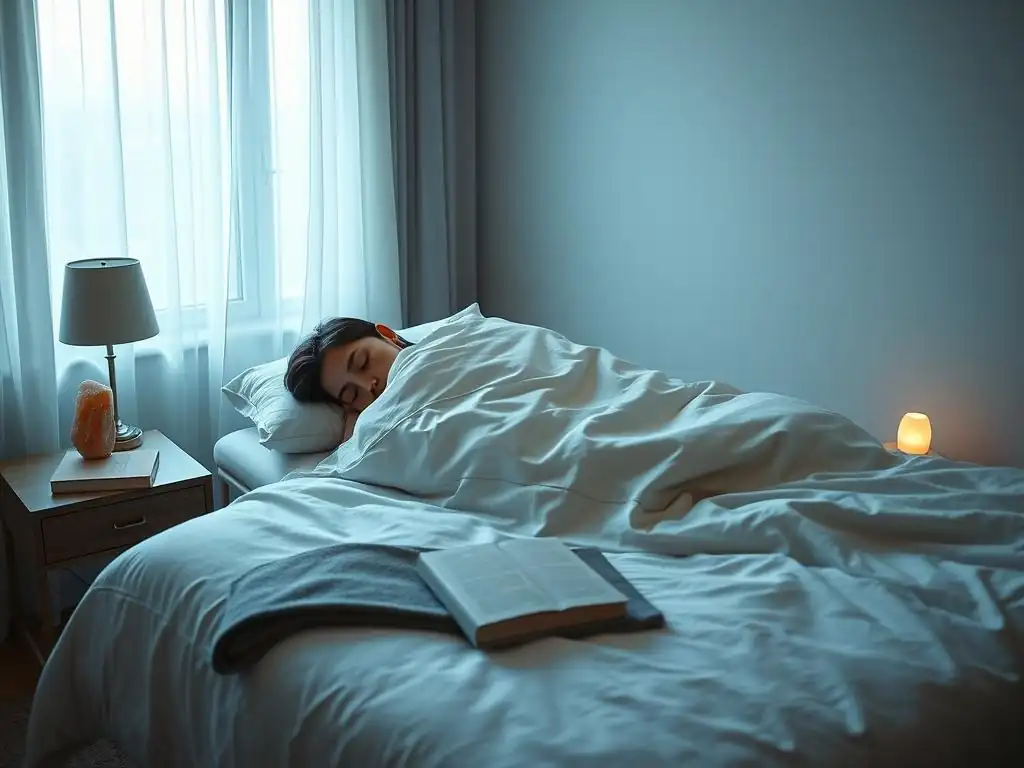
Sleep disturbances, particularly oversleeping and feeling unrefreshed, are common symptoms of winter-pattern SAD. Establishing good sleep hygiene is a critical seasonal affective disorder coping tip to help regulate your sleep-wake cycle and improve overall energy and mood.
Poor sleep can exacerbate depression and anxiety symptoms, creating a negative cycle. By prioritizing restful and consistent sleep, you can help stabilize your mood and improve your ability to cope with the challenges of SAD.
Establishing a Consistent Sleep Schedule: Regulating Your Circadian Rhythm
Maintaining a consistent sleep schedule is paramount for regulating your body's internal clock. Go to bed and wake up at the same time every day, even on weekends. This helps train your circadian rhythm, making it easier to fall asleep and wake up naturally.
While it can be tempting to sleep in significantly on weekends, large variations in your sleep schedule can disrupt your rhythm, similar to jet lag. Aim for no more than an hour's difference between your weekday and weekend sleep times. Consistency sends a clear signal to your body about when to be awake and when to rest.
Creating a Relaxing Bedtime Routine: Preparing for Sleep
A relaxing bedtime routine signals to your body that it's time to wind down and prepare for sleep. This routine should be consistent and performed in the hour or two before bed. Activities might include taking a warm bath, reading a book (not on a bright screen), listening to calming music, or practicing gentle stretching or meditation.
Avoid stimulating activities like working, engaging in intense discussions, or using electronic devices (phones, tablets, computers) with bright screens, as the blue light can interfere with melatonin production. Ensure your bedroom is dark, quiet, and cool, creating an optimal environment for sleep.
Stress Management Techniques for SAD: Finding Your Calm
SAD can heighten feelings of stress and anxiety. Incorporating stress management techniques into your daily or weekly routine is a valuable seasonal affective disorder coping tip. Reducing stress can help prevent symptoms from worsening and improve your overall resilience.
Stress management isn't about eliminating all stressors but about developing healthy ways to respond to them. This can involve mind-body practices, relaxation techniques, or engaging in activities you find calming.
Mindfulness and Meditation: Cultivating Inner Peace
Mindfulness and meditation are powerful tools for managing stress and improving mood. Mindfulness involves focusing on the present moment without judgment, which can help interrupt negative thought patterns common in depression. Even a few minutes of daily practice can make a difference.
There are many ways to practice mindfulness, from guided meditations available through apps or online resources to simply paying attention to your breath or the sensations in your body. Regular practice can help you become more aware of your emotional state and develop a greater sense of calm amidst challenging feelings.
Yoga and Deep Breathing Exercises: Reducing Stress and Anxiety
Yoga combines physical movement, breathing exercises, and meditation, offering a holistic approach to stress reduction. Gentle yoga postures can help release physical tension, while the focus on breath calms the nervous system. Even a short 15-20 minute yoga session can alleviate feelings of stress.
Deep breathing exercises are another simple yet effective technique. Practices like diaphragmatic breathing or box breathing can quickly activate the body's relaxation response, lowering heart rate and reducing feelings of panic or anxiety. These can be done anywhere, anytime you feel stress levels rising, making them an accessible seasonal affective disorder coping tip.
One of the common symptoms of SAD is social withdrawal. However, maintaining social connections is crucial for mental well-being and serves as an important seasonal affective disorder coping tip. Isolation can worsen depressive symptoms, while connection provides support, perspective, and a sense of belonging.
Make an effort to stay connected with friends and family, even when you don't feel like it. Social interaction can lift your spirits and remind you that you're not alone in your experience.
Staying Connected with Loved Ones: Building a Support Network
Proactively scheduling time with loved ones is key. This could involve regular phone calls, video chats, or in-person meetups if possible. Don't wait for others to reach out; initiate contact yourself. Share how you're feeling with trusted friends or family members; simply talking about your experience with SAD can be therapeutic.
Consider planning activities with others that you enjoy, such as going for a walk, cooking a meal together, or engaging in a hobby. Even passive interaction, like having someone else present while you work on separate tasks, can reduce feelings of isolation.
Joining a SAD Support Group: Sharing Experiences and Strategies
Connecting with others who understand what you're going through can be incredibly validating and empowering. Joining a SAD support group, whether online or in person, allows you to share your experiences, learn from others' seasonal affective disorder coping tips, and feel less alone.
These groups provide a safe space to discuss challenges and successes in managing SAD. Hearing how others navigate the darker months can offer new perspectives and practical strategies you might not have considered. Many mental health organizations offer SAD-specific support groups during the fall and winter months.
Simple Changes for Brighter Days: Implementing Your SAD Action Plan
Implementing seasonal affective disorder coping tips doesn't require drastic overnight changes. Start with small, manageable adjustments and gradually build them into your routine. Creating a personalized action plan can help you stay organized and motivated.
Think of your plan as a toolkit of strategies you can draw upon throughout the season. It should be flexible and adaptable to your needs on any given day.
Creating a Personalized SAD Coping Strategy: Tailoring Techniques to Your Needs
Reflect on which seasonal affective disorder coping tips resonate most with you and seem most feasible to implement. Do you feel you'd benefit most from focusing on light exposure, or is improving your sleep hygiene the priority? Perhaps a combination of dietary changes and increased exercise feels most manageable.
Write down the specific actions you plan to take. For example: "Use light box for 25 minutes every morning," "Take a 30-minute walk outdoors daily," "Limit sugary snacks to one per day," or "Call a friend twice a week." Having concrete goals makes them easier to track and achieve.
Tracking Your Progress: Monitoring Your Mood and Identifying Triggers
Keeping track of your mood and the strategies you're using can help you understand what works best for you. Use a journal, a mood tracking app, or a simple calendar to note your mood each day (e.g., on a scale of 1-10) and which seasonal affective disorder coping tips you implemented.
This tracking can help you identify patterns. You might notice that your mood is consistently better on days you used your light box or exercised outdoors. You might also identify specific triggers that worsen your symptoms, such as lack of sleep or excessive time spent indoors. This data is invaluable for refining your personalized coping strategy.
When to Seek Professional Help: Recognizing the Need for Therapy or Medication
While lifestyle changes are powerful seasonal affective disorder coping tips, they may not be sufficient for everyone. It's important to recognize when professional help is needed. If your symptoms are severe, significantly impacting your daily life, work, or relationships, or if you have thoughts of self-harm, seek professional help immediately.
Consulting a doctor or mental health professional is recommended if your symptoms persist despite trying lifestyle adjustments, if they worsen, or if they are overwhelming. A professional can provide a proper diagnosis, discuss treatment options like therapy or medication, and offer additional support tailored to your specific needs.
Beyond Lifestyle Hacks: Additional SAD Treatment Options

Beyond lifestyle-based seasonal affective disorder coping tips, several clinically proven treatments are available that can be used alone or in combination with lifestyle changes. These options address the underlying mechanisms of SAD and can provide significant relief for many individuals.
Understanding these options is important when discussing a comprehensive approach to managing SAD symptoms.
Light Therapy for SAD: Understanding the Science and Benefits
Light therapy, as mentioned earlier in the context of light boxes, is a first-line treatment for SAD and arguably the most studied. It involves daily exposure to a specific type of bright light during the fall and winter months. The high-intensity light is thought to affect brain chemicals linked to mood and sleep, helping to reset the body's internal clock.
Studies have demonstrated that light therapy can be effective for 50% to 80% of people with SAD, often producing results within a few days or weeks. It is typically most effective when used consistently each morning. While generally safe, it's best to consult a healthcare provider before starting light therapy, especially if you have eye conditions or are taking medications that increase sensitivity to light.
Cognitive Behavioral Therapy (CBT) for SAD: Changing Negative Thought Patterns
Cognitive Behavioral Therapy (CBT) is a type of talk therapy that has been adapted specifically for SAD (CBT-SAD). It focuses on identifying and changing negative thought patterns and behaviors associated with the condition. For example, it might help individuals challenge thoughts like "Winter is unbearable, I can't cope" and develop more positive coping strategies.
CBT-SAD often includes behavioral activation, encouraging individuals to increase their engagement in enjoyable activities, even when they don't feel like it. Research suggests that CBT-SAD can be as effective as light therapy and may have longer-lasting benefits, with lower rates of recurrence in subsequent winters.
Medication for SAD: Exploring Antidepressant Options
In some cases, particularly for severe SAD or when other treatments are not effective, antidepressant medication may be prescribed. Selective serotonin reuptake inhibitors (SSRIs) are a common type of antidepressant used for SAD. These medications work by affecting serotonin levels in the brain.
Medication for SAD is often started before the typical onset of symptoms in the fall and continued until spring. It's crucial to discuss the potential benefits and side effects with a healthcare provider. Medication is typically used as part of a broader treatment plan that may also include light therapy and lifestyle-based seasonal affective disorder coping tips.
Maintaining a Positive Outlook Through Winter: Long-Term Strategies for Managing SAD
Managing SAD is often about proactive planning and consistent effort throughout the season. Developing long-term strategies helps build resilience and makes each winter feel more manageable.
These strategies involve preparation, ongoing self-care, and fostering hope.
Planning Ahead for Winter: Preparing for Seasonal Mood Changes
Don't wait until symptoms hit to start implementing seasonal affective disorder coping tips. Begin preparing in late summer or early fall. This might involve scheduling your light therapy sessions, making plans for regular exercise, stocking up on healthy foods, and arranging social engagements.
Think about what has helped in past winters and what hasn't. Anticipate potential challenges, such as reduced motivation or increased cravings, and have strategies ready to address them. Having a plan in place can reduce anxiety about the coming season and provide a sense of control.
Practicing Self-Care: Prioritizing Your Mental and Physical Well-being
Self-care is not a luxury; it's a necessity, especially when managing SAD. This involves consistently prioritizing activities that support your mental and physical health. This could be anything from taking time for hobbies, getting regular massages, spending time in nature (when possible), or simply allowing yourself adequate rest.
Listen to your body and mind. If you're feeling overwhelmed, give yourself permission to rest or scale back commitments. Nurture yourself with compassion, recognizing that SAD is a real condition that requires active management.
Staying Hopeful: Embracing the Promise of Spring
Finally, maintaining a positive outlook and remembering that SAD is temporary is a vital psychological seasonal affective disorder coping tip. While the winter months can feel long and challenging, spring will return, bringing increased light and warmth.
Focus on the fact that symptoms are seasonal and will lift. Use the winter months as a time to focus on self-care, reflection, and building healthy habits. Look forward to the gradual return of longer, brighter days, which signify the natural end of the SAD season for most individuals. Holding onto this hope can make the darker months feel less daunting.
Frequently Asked Questions
What is Seasonal Affective Disorder (SAD) and how does it relate to the changing seasons?
SAD is a type of depression that's related to changes in the seasons, typically starting in the fall and continuing through the winter months. It's often linked to a lack of sunlight, which can affect your mood.
What are some key lifestyle changes I can make to cope with SAD, as mentioned in the "Mind Care Guide" article?
The article emphasizes simple lifestyle hacks, such as increasing light exposure, practicing regular exercise, and focusing on maintaining a consistent sleep schedule to combat SAD symptoms.
How important is light therapy in managing Seasonal Affective Disorder, and how does it work?
Light therapy is very important; it involves using a special light box that mimics outdoor light. This helps regulate your body's internal clock and can improve mood and energy levels significantly.
Besides light therapy and lifestyle changes, what other resources does "Mind Care Guide" offer for mental well-being?
"Mind Care Guide" provides a comprehensive platform with information, support, and resources for various mental health challenges, including articles, guides, and links to professional help.
When should I seek professional help for Seasonal Affective Disorder, and what are some signs that I need it?
If your SAD symptoms are severe or persistent, impacting your daily life and overall well-being, it's crucial to seek professional help. Signs include persistent sadness, loss of interest, and significant changes in sleep or appetite.
Final Reflection: Embracing the Light Within, Even in the Darkest Months
The struggle with Seasonal Affective Disorder (SAD) is far from uncommon, affecting millions and impacting daily life in profound ways. This article has explored practical, accessible lifestyle hacks—from optimizing light exposure to prioritizing mindful movement—to navigate the challenges of SAD and cultivate a sense of well-being even during the shorter, darker days. These aren't just fleeting fixes; they are tools for building resilience and reclaiming joy.
The impact of SAD extends far beyond individual experience, weaving itself into the fabric of our social interactions and collective well-being. The pervasive nature of winter blues, often minimized or misunderstood, highlights the urgent need for open conversations and compassionate support. As the poet Mary Oliver wisely reminds us, Tell me, what is it you plan to do with your one wild and precious life?
This question becomes even more poignant when grappling with the emotional and physical limitations imposed by SAD. We must actively choose to nurture ourselves, both mentally and physically, to live fully, even when the external world seems dim.
You now possess a toolkit of strategies to combat the darkness. Don't just read these tips; embrace them. Experiment with different approaches, find what resonates with you, and build a personalized routine that supports your mental and emotional health. Remember, self-care isn't selfish; it's essential. This winter, let's choose to illuminate our lives from within, embracing the light we find within ourselves and sharing that light with others. Your journey to brighter days begins now.
Unveil Your Sunnier Self: Actionable Steps to Beat the Winter Blues
Thanks for taking the time to explore simple ways to combat Seasonal Affective Disorder! We hope you found practical strategies to brighten your days. Now it's time to put these ideas into action. Ready to feel the difference?
- Prioritize your light exposure: Start with 15 minutes of morning sunlight each day, gradually increasing the time as you feel comfortable. This small change can make a big difference in your mood.
- Share your newfound wisdom: Tell a friend or family member about a lifestyle change that resonates with you. Supporting each other can create a powerful ripple effect.
- Challenge yourself to a 'sunshine experiment': Track your mood and energy levels each day as you incorporate more sunlight into your routine. What interesting patterns do you discover?
What small step will you take today to embrace more light and boost your mood?