
Navigating the Digital Storm: Social Media's Influence on Mental Wellbeing

Welcome to Mind Care Guide, a sanctuary for your mental well-being.
Are you feeling the ever-present hum of social media impacting your mood and sense of self? You're not alone. In Navigating the Digital Storm: Social Media's Influence on Mental Wellbeing, we delve into the complex relationship between these platforms and our mental health, offering insights and strategies to help you reclaim control. Discover how to navigate the digital world with greater awareness and cultivate a healthier, happier you. Intrigued? Let's explore the impact together...
Navigating the Digital Landscape: Social Media's Impact on Mental Wellbeing
- Introduction: Understanding the Complex Relationship Between Social Media and Mental Health
- The Double-Edged Sword: Positive and Negative Aspects of Social Media Engagement
- Social Media and Mood Disorders: Exploring the Connections
- Identifying Problematic Social Media Use: Recognizing the Signs
- Strategies for Healthy Social Media Usage and Improved Mental Wellbeing
- Building a Positive Online Environment for Better Mental Health
- Resources for Social Media and Mental Health Support
- Conclusion: Reclaiming Mental Wellbeing in the Digital Age
-
Frequently Asked Questions
- How does excessive social media use potentially harm mental well-being?
- What are some signs that social media is negatively impacting my mental health?
- Can social media ever be beneficial for mental health?
- What steps can I take to mitigate the negative effects of social media on my mental wellbeing?
- Where can I find reliable resources and support if I'm struggling with the impact of social media on my mental health?
- Final Reflection: The Enduring Ripple Effect of the Digital Tide
- Unlock Your Digital Wellbeing
In the early 21st century, social media platforms emerged as novel ways to connect online. Fast forward two decades, and they have become deeply interwoven into the fabric of daily life for billions globally. Platforms like Facebook, Instagram, Twitter (now X), TikTok, and others boast staggering user numbers, often exceeding hundreds of millions, sometimes billions, of active monthly users.
This omnipresence means that for many, interacting with social media is as routine as checking email or watching television, influencing everything from how we get our news to how we maintain personal relationships. The sheer volume of time spent scrolling, liking, and sharing underscores the profound integration of these digital spaces into personal and collective consciousness.
This constant connectivity presents a unique challenge and opportunity for mental health. The average person spends a significant portion of their day engaged with social media – estimates often range from 2 to 3 hours daily for typical users, and considerably more for heavy users.
This sustained exposure means the digital environment is no longer just a supplementary space but a primary one, shaping experiences, perceptions, and emotional states. Understanding this pervasive reach is the first step in analyzing the complex and multifaceted social media impact mental health, exploring both its potential benefits and significant risks in the context of psychological wellbeing.
As social media use has escalated, so too have concerns regarding its psychological effects. Initial optimism about its potential for connection and information sharing has been tempered by a growing body of research highlighting potential negative consequences. Mental health professionals, researchers, and public health advocates are increasingly examining the correlation between high levels of social media engagement and various mental health challenges, including anxiety, depression, loneliness, and poor sleep quality. The conversation has shifted from whether social media can impact mental health to how and to what extent it does, particularly for vulnerable populations like adolescents and young adults.
The evolving nature of social media platforms, with their constant updates, algorithmic feeds designed to maximize engagement, and the rise of influencer culture, adds layers of complexity to this issue. What might have been a simple tool for keeping in touch has transformed into a dynamic, often overwhelming, environment that can profoundly affect self-esteem, body image, and social connection quality. Addressing the social media impact mental health requires a nuanced understanding of these platforms' mechanics and the psychological vulnerabilities they may exploit or exacerbate, making it a critical area of focus for promoting overall wellbeing in the digital age.
The Upsides: Connection, Community, and Information Access
Building Online Communities and Fostering Social Support
One of the most lauded benefits of social media is its capacity to connect individuals across geographical boundaries, fostering a sense of belonging and community. For people with niche interests, rare health conditions, or marginalized identities, online groups and forums can provide invaluable support networks where they feel understood and accepted.
For instance, individuals managing chronic illnesses might find support groups on Facebook or Reddit offering shared experiences, coping strategies, and emotional validation that they might not easily find in their immediate physical environment. These connections can combat feelings of isolation, which are known risk factors for depression and anxiety, thereby demonstrating a positive social media impact mental health by enhancing social support.
Beyond specific support groups, social media allows individuals to maintain relationships with friends and family who live far away, sharing daily moments and milestones. During periods of physical isolation, such as the COVID-19 pandemic, social media served as a critical lifeline for many, enabling virtual gatherings, shared activities, and continuous communication. This ability to stay connected, even when physically apart, highlights social media's potential to strengthen social ties and provide a sense of continuity and support, contributing positively to users' psychological resilience and overall mental wellbeing.
Access to Mental Health Resources and Information
Social media platforms have also become significant conduits for disseminating mental health information and resources. Organizations, therapists, and advocates use platforms like Instagram, TikTok, and Twitter (X) to share educational content, de-stigmatize mental illness, and promote help-seeking behaviors. A quick search can yield accounts dedicated to sharing coping mechanisms for anxiety, explaining symptoms of depression, or providing links to crisis hotlines and therapy services. This accessibility can be particularly beneficial for individuals who face barriers to traditional mental healthcare, such as geographical distance, cost, or social stigma.
Furthermore, online campaigns and hashtags related to mental health awareness have gained significant traction on social media, reaching millions and fostering global conversations. Initiatives like #BellLetsTalk or #MentalHealthAwarenessMonth have helped to raise awareness, share personal stories, and encourage open dialogue about mental health challenges. While the quality of information can vary, and caution is always necessary, the sheer volume and accessibility of mental health resources and supportive content available through social media offer a tangible benefit, helping to educate the public and guide individuals towards support, showcasing another facet of social media's impact on mental health.
The Downsides: Cyberbullying, Comparison Culture, and Information Overload
Cyberbullying and Online Harassment: A Significant Threat
Despite the potential for positive connection, social media environments can also be fertile ground for negative interactions, with cyberbullying and online harassment being particularly harmful. Unlike traditional bullying, cyberbullying can occur at any time, follow a person into their home, and reach a potentially vast audience quickly. This relentless nature can inflict severe emotional distress, leading to increased rates of anxiety, depression, low self-esteem, and in tragic cases, suicidal ideation among victims.
Studies have consistently shown a strong correlation between experiencing cyberbullying and negative mental health outcomes, especially in young people. For instance, research indicates that adolescents who report being cyberbullied are significantly more likely to experience depressive symptoms or consider self-harm compared to their peers.
The anonymity or perceived distance that social media provides can embolden individuals to engage in aggressive or cruel behavior they might not exhibit in face-to-face interactions. This can range from hurtful comments and rumors to threats and harassment. The public nature of many platforms means that embarrassing or malicious content can spread rapidly, causing lasting damage to a person's reputation and psychological state. The persistent threat and experience of online harassment represent a critical negative aspect of social media's impact on mental health, requiring robust preventative measures and support systems for those affected.
The Pressure of Perfection: Social Comparison and its Psychological Effects
Social media platforms are often curated spaces where users present idealized versions of their lives, showcasing achievements, attractive appearances, and exciting experiences. This constant exposure to seemingly perfect lives can fuel social comparison, a natural human tendency that becomes amplified and distorted online. Viewing endless streams of highlight reels can lead individuals to unfavorably compare their own realities – including everyday struggles and imperfections – to these unrealistic portrayals.
This can erode self-esteem, increase feelings of inadequacy, and contribute to body image issues. For example, studies have linked frequent viewing of highly curated images on platforms like Instagram to increased body dissatisfaction among young women.
The pressure to present a similarly flawless online persona can also be exhausting and anxiety-inducing, creating a cycle of striving for unattainable perfection. This constant performance can lead to feelings of inauthenticity and detachment from one's true self. The psychological toll of this comparison culture is a significant factor in the negative social media impact mental health, fostering environments where feelings of envy, shame, and dissatisfaction can flourish. It highlights the need for users to cultivate critical media literacy and recognize the constructed nature of online identities.
Information Overload: Its Impact on Anxiety and Stress
The sheer volume and speed of information available on social media can be overwhelming, contributing to feelings of anxiety and stress. Users are constantly bombarded with news updates, notifications, messages, and a seemingly infinite scroll of content. This perpetual influx can make it difficult to focus, lead to mental fatigue, and create a sense of being constantly "on call." The pressure to keep up with feeds, respond to messages promptly, and absorb vast amounts of information can elevate stress levels and contribute to burnout.
Furthermore, exposure to negative news, conflict, or distressing content can be unavoidable on social media, potentially triggering anxiety or exacerbating existing mental health conditions. The phenomenon known as "doomscrolling," where individuals compulsively consume negative news online, is a direct result of this information overload and has been linked to increased anxiety and depressive symptoms. Managing this constant stream of information is crucial for mitigating the negative social media impact mental health and maintaining a sense of calm and control in the digital environment.
Research on Social Media Usage and Increased Anxiety Levels
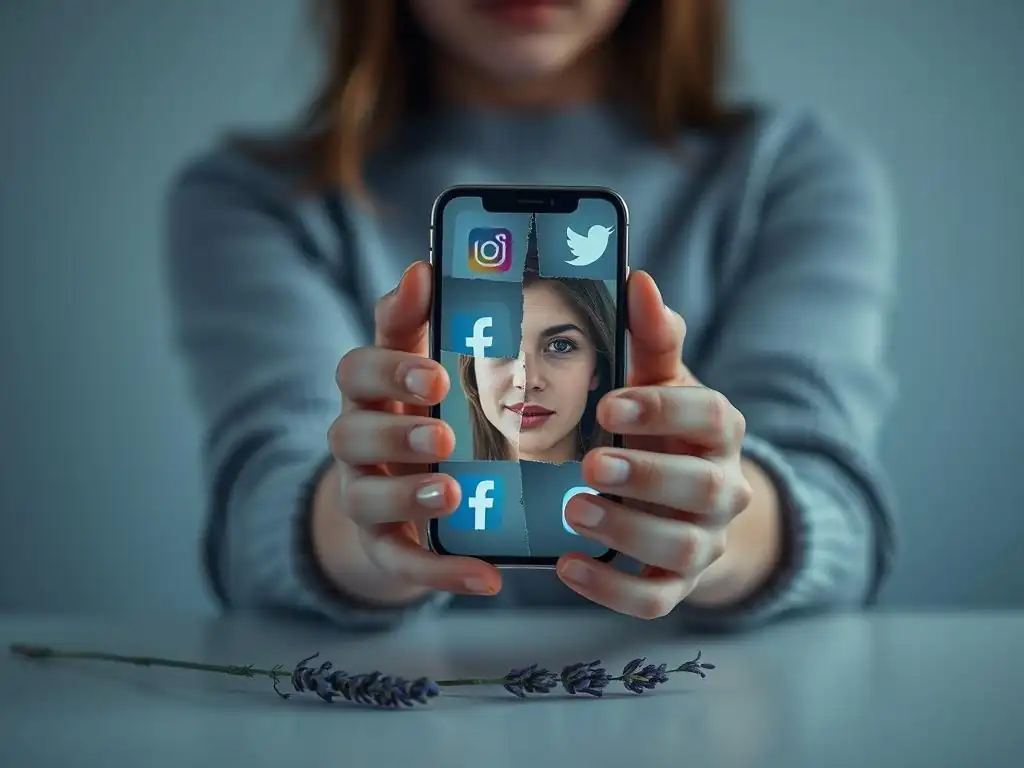
Numerous studies have explored the link between social media use and anxiety. While correlation doesn't equal causation, research consistently finds that higher levels of social media engagement, particularly passive consumption (scrolling without interacting) and frequent checking, are associated with increased symptoms of anxiety.
For example, a systematic review of studies published up to 2018 found that problematic social media use was significantly associated with higher rates of anxiety and depression. The constant influx of information, the pressure to present a perfect self, and the fear of missing out (FOMO) discussed later, all contribute to a state of heightened alert and worry that can manifest as anxiety.
One study involving young adults found that reducing social media use by just 30 minutes a day over three weeks led to significant reductions in feelings of loneliness and depression. This suggests that the amount and type of engagement play a crucial role in the social media impact mental health, with excessive or unmindful use potentially exacerbating anxious tendencies. The unpredictable nature of notifications and likes can also create a variable reinforcement schedule akin to gambling, fostering a compulsive checking habit that fuels anxiety.
Correlation Between Social Media and Symptoms of Depression
The relationship between social media use and depression is complex and widely studied. While social media can offer connection, excessive or certain types of usage are frequently linked to depressive symptoms. Research indicates that spending prolonged periods on social media, experiencing cyberbullying, engaging in high levels of social comparison, and feeling envy towards others' online lives are all associated with increased risk of depression. For instance, a study published in the Journal of Social and Clinical Psychology found that limiting social media use led to improvements in depression and loneliness.
Moreover, the quality of online interactions matters. While active engagement (messaging friends, posting) can sometimes be positive, passive consumption (just viewing others' posts) is more often linked to negative feelings, including envy and the belief that others are happier or more successful. This passive scrolling can reduce face-to-face interactions, which are vital for mental wellbeing, and increase feelings of social isolation despite being digitally connected. The cumulative effect of these factors contributes significantly to the negative social media impact mental health, particularly concerning depressive states.
Unrealistic Beauty Standards and Their Influence on Self-Perception
Social media platforms are saturated with images that often portray highly curated, filtered, and sometimes digitally altered bodies and faces. Influencers and celebrities frequently present an idealized standard of beauty that is often unattainable for the average person. This constant exposure to seemingly flawless appearances can significantly distort individuals' perceptions of what is normal or desirable, leading to unfavorable self-comparisons and dissatisfaction with one's own body. For example, a survey found that over half of teenage girls reported that images on social media made them feel dissatisfied with their bodies.
The ubiquitous use of filters and editing tools further blurs the line between reality and fantasy, creating a "filter-feeding" phenomenon where users strive to achieve an appearance that doesn't exist offline. This pursuit can lead to increased anxiety about appearance, body dysmorphia, and a decline in self-esteem. The relentless focus on physical appearance and the pressure to conform to these unrealistic standards represent a profound negative social media impact mental health, particularly affecting body image and self-worth, especially among young people.
Social Media's Role in Body Dissatisfaction and Disordered Eating
The link between social media use, body dissatisfaction, and disordered eating behaviors is increasingly recognized by researchers. Platforms that are highly visual, such as Instagram and TikTok, can expose users to content promoting extreme dieting, unrealistic fitness goals, or even pro-anorexia/bulimia content (despite platform efforts to remove it). Constant exposure to images of thin or muscular bodies, coupled with the pressure to compare oneself to others, can exacerbate existing body image issues or trigger new ones. Research indicates a correlation between time spent on social media, particularly viewing appearance-focused content, and increased risk of developing disordered eating patterns.
For individuals already struggling with eating disorders, social media can be a particularly challenging environment, potentially serving as a source of triggers, comparisons, and negative reinforcement. The emphasis on external validation through likes and comments on appearance-related posts can further entrench unhealthy behaviors. Understanding this specific social media impact mental health is crucial for developing targeted interventions and promoting healthier online environments and body positive messaging.
Understanding FOMO and Its Psychological Effects
Fear of Missing Out, or FOMO, is a pervasive anxiety that others might be having rewarding experiences from which one is absent. While not exclusive to the digital age, social media significantly amplifies FOMO by providing a constant stream of updates about what friends, acquaintances, and even strangers are doing. Seeing posts about parties, travel, social gatherings, or exciting opportunities can trigger feelings of envy, inadequacy, and exclusion. This can lead to a compulsive need to check social media frequently to stay updated and avoid the unpleasant feeling of missing out, creating a cycle of anxiety.
Psychologically, FOMO is linked to lower mood and life satisfaction. It can make individuals feel restless, dissatisfied with their own lives, and pressured to constantly seek out new experiences to share online, rather than genuinely enjoying the moment. The feeling of being left out, repeatedly reinforced by social media feeds, can significantly impact self-esteem and contribute to feelings of loneliness, even when physically surrounded by others. This demonstrates a distinct way the social media impact mental health manifests through the psychological pressure to be constantly connected and involved.
How FOMO Contributes to Anxiety and Stress
The constant worry associated with FOMO directly contributes to increased anxiety and stress levels. The need to be constantly checking notifications and feeds stems from an underlying fear of missing something important or enjoyable, which keeps the mind in a state of perpetual vigilance. This hyper-awareness can make it difficult to relax, focus on tasks, or be present in offline interactions. For example, experiencing FOMO has been correlated with higher levels of stress and poorer sleep quality.
Furthermore, FOMO can drive individuals to overcommit socially or financially in an effort to participate in everything they see online, leading to burnout and financial strain. The pressure to constantly present an exciting life online to avoid triggering FOMO in others or to feel validated can also be a significant source of stress. Managing the anxiety driven by FOMO is a key aspect of navigating the social media landscape in a way that supports, rather than harms, mental wellbeing.
Identifying problematic social media use is crucial for protecting mental wellbeing. Signs can include spending excessive amounts of time on platforms, often much longer than intended. Individuals might feel a strong urge to check social media frequently throughout the day, sometimes even waking up at night to do so. There might be a sense of restlessness or anxiety when unable to access social media, a withdrawal-like symptom. Another sign is prioritizing social media interaction over real-life activities or responsibilities, such as neglecting work, school, or face-to-face relationships.
- [ ] Do you spend more time on social media than you planned?
- [ ] Do you feel anxious or restless when you cannot check social media?
- [ ] Do you neglect responsibilities (work, school, chores) because of social media?
- [ ] Do you think about social media even when you are not using it?
- [ ] Have others expressed concern about your social media use?
- [ ] Do you use social media to escape from problems or difficult feelings?
- [ ] Do you feel the need to be constantly updated on what others are doing online?
Experiencing several of these points might indicate a pattern of compulsive use. It's not just about the amount of time spent, but the loss of control over usage and the negative impact it has on other areas of life. Recognizing these signs is the first step in addressing the potential negative social media impact mental health stemming from overuse.
Beyond compulsive usage, evaluating the overall impact of social media on daily functioning and emotional state is essential. Ask yourself if social media use is negatively affecting your sleep patterns; many people stay up late scrolling, leading to sleep deprivation which in turn impacts mood and cognitive function. Consider if it's reducing your engagement in hobbies, exercise, or spending time with loved ones in person. Is it contributing to feelings of inadequacy, envy, or sadness after logging off? For example, if you consistently feel worse about yourself after spending time on Instagram, that's a significant negative impact.
Furthermore, assess if social media is a source of significant stress or conflict in your relationships or personal life. Are arguments arising from online interactions or time spent online? Is it interfering with your ability to concentrate on tasks? A critical evaluation of how social media integrates into and affects your daily routine and emotional landscape can provide clarity on whether your usage patterns are detrimental to your mental wellbeing. This self-assessment is key to understanding the personal social media impact mental health.
Recognizing problematic social media use is important, but knowing when it warrants professional intervention is vital. If your social media habits are significantly contributing to symptoms of anxiety, depression, or other mood disorders, and these symptoms are interfering with your ability to function in daily life – affecting work, school, relationships, or self-care – it may be time to seek help. For instance, if feelings of hopelessness or persistent low mood are exacerbated by social media comparison, or if cyberbullying has led to severe distress or suicidal thoughts, professional support is necessary.
If you've tried to reduce your social media use on your own but have been unsuccessful, or if the thought of limiting it causes significant distress, this could also be a sign that professional guidance is needed. A therapist or counselor can help you understand the underlying reasons for compulsive use, develop healthier coping mechanisms, and address any co-occurring mental health conditions.
They can provide strategies for setting boundaries and rebuilding a healthy relationship with technology. Seeking help is a sign of strength and a crucial step in mitigating the negative social media impact mental health when it becomes overwhelming.
Setting Boundaries and Managing Time Online
Techniques for Reducing Social Media Consumption
Taking control of the amount of time spent on social media is a foundational step towards healthier usage. One effective technique is to set specific time limits using built-in features on smartphones or third-party apps designed for this purpose. For example, you might decide to limit yourself to 30-60 minutes per day across all platforms. Another strategy is to schedule social media use for specific times of the day, rather than allowing it to be a constant, reactive habit. This could mean checking in only during a lunch break or in the evening for a set period.
Turning off notifications for social media apps is another powerful technique. Each notification is a potential interruption that pulls you back onto the platform. Disabling these alerts reduces the urge to check compulsively throughout the day, freeing up mental space and reducing distractions. Consider deleting apps from your phone and only accessing platforms via a web browser on a computer, which can make casual, frequent checking less convenient. Implementing just one or two of these techniques can significantly reduce passive scrolling time and positively influence social media impact mental health by reducing overall exposure.
Establishing Digital-Free Zones and Times
Creating deliberate periods and places where social media is off-limits can help break the cycle of constant connectivity and encourage presence in the physical world. Designating bedrooms as digital-free zones, especially before sleep, can improve sleep quality, which is intrinsically linked to mental wellbeing. Avoid using phones or tablets in bed; the blue light emitted can interfere with melatonin production, and the stimulating content can make it harder to wind down.
Establishing digital-free times during the day is also beneficial. This could include refraining from checking social media during meals, during family time, while exercising, or for the first hour after waking up. These dedicated periods allow for focused attention on real-life activities and interactions, strengthening offline relationships and fostering mindfulness. Consistently observing these boundaries reinforces that life happens beyond the screen and helps mitigate the negative social media impact mental health by reducing the dominance of the digital world.
Curating Your Feed: Unfollowing and Muting Accounts
The Power of Unfollowing Negative Influences
Your social media feed is a reflection of the accounts you follow, and it has a direct impact on your emotional state. If scrolling through your feed consistently leaves you feeling inadequate, envious, angry, or anxious, it's a strong sign that you need to curate it more intentionally. Unfollowing accounts that promote unrealistic lifestyles, excessive consumerism, or toxic comparison is a powerful act of self-care. This includes accounts that make you feel bad about your body, your achievements, or your life circumstances.
Cleaning up your follows can feel liberating and immediately improve your online experience. Think of it as decluttering your digital space for better mental hygiene. The goal is to transform your feed from a source of negativity and pressure into a space that is neutral, inspiring, or genuinely connecting. This active management of who and what you allow into your digital space is a critical strategy for minimizing the negative social media impact mental health.
Prioritizing Positive and Supportive Content
Once you've cleared out negative influences, actively seek out and follow accounts that share positive, inspiring, educational, or genuinely connecting content. This could include accounts from friends and family whose posts bring you joy, accounts related to your hobbies and interests, mental health advocates sharing helpful tips, or creators promoting body positivity and self-acceptance. Engaging with content that uplifts and informs can make social media a more positive and beneficial experience.
Consider using features like "mute" if you don't want to unfollow someone entirely but need a break from their content. Most platforms also allow you to see less of certain types of content or flag posts that make you feel uncomfortable. By being intentional about the content you consume and actively shaping your feed, you can harness social media's potential for positive connection and information while reducing exposure to content that harms your mental wellbeing. This conscious curation is key to a healthier social media impact mental health.
Being Present and Intentional with Online Interactions
Mindful social media use involves engaging with platforms with awareness and intention, rather than on autopilot. Before opening an app, ask yourself why you are checking it. Are you bored? Anxious? Genuinely wanting to connect with someone specific? Being aware of your motivation can help you decide if using social media at that moment aligns with your wellbeing goals. When you are online, try to pay attention to how certain posts or interactions make you feel. If you notice yourself feeling stressed, jealous, or sad, acknowledge those feelings without judgment and consider taking a break.
Instead of endless passive scrolling, try to be more active and intentional. If you're looking for information, search specifically for that. If you want to connect with a friend, send them a direct message or comment thoughtfully on their post. Avoid mindlessly consuming content. Practicing mindfulness while online can help you detach from the constant comparison and external validation seeking, fostering a more grounded and less reactive experience. This intentional approach significantly alters the social media impact mental health from potentially harmful to more controlled and even positive.
Focusing on Authentic Connection and Engagement
Shift the focus from performance and presentation to genuine connection. Instead of posting solely for likes and comments, use social media to engage in meaningful conversations with people you care about. Reach out to friends personally, offer support, and share authentic aspects of your life (not just the highlight reel) in ways that feel comfortable and genuine to you. Authenticity online, while challenging, can lead to more satisfying interactions and reduce the pressure to maintain a perfect facade.
Remember that likes and followers are metrics, not measures of your worth or the quality of your relationships. Prioritizing quality interactions over quantity of connections or engagement can make social media a tool for strengthening real-life bonds rather than a source of anxiety. Focusing on authentic connection helps to counteract the isolating effects that social media can sometimes have, thereby improving the social media impact mental health by leveraging its potential for positive relationship building.
Promoting Self-Care and Offline Activities
Engaging in Activities That Promote Joy and Relaxation
Balancing online life with robust offline self-care activities is fundamental for maintaining mental wellbeing. Make time for activities that genuinely bring you joy, help you relax, or allow you to de-stress, independent of screens. This could include hobbies like reading, gardening, playing music, creating art, or spending time in nature. Physical activity, such as exercise, yoga, or walking, is also a powerful antidote to stress and anxiety and provides a break from sedentary screen time.
Schedule these activities into your routine and protect that time fiercely. Treat them as important appointments. Engaging in fulfilling offline pursuits helps to build a sense of self-worth that is not dependent on online validation and provides alternative coping mechanisms for stress and boredom, reducing the urge to turn to social media out of habit or discomfort. Prioritizing these activities is a proactive step in managing the overall social media impact mental health by ensuring a rich and balanced life beyond the digital realm.
Prioritizing Real-Life Relationships and Experiences
Nurturing face-to-face relationships and engaging in real-world experiences are vital for psychological health and often provide deeper satisfaction than online interactions. Make an effort to spend quality time with friends, family, and loved ones in person. Share meals, go for walks, engage in conversations without the distraction of phones. These interactions provide crucial social support, emotional connection, and a sense of belonging that digital communication, while convenient, cannot fully replicate.
Prioritizing real-life experiences, whether it's exploring a new place, attending an event, or simply enjoying a quiet moment outdoors, grounds you in the present moment and creates authentic memories. Consciously choosing to invest time and energy in these offline connections and activities helps to put social media in its proper perspective – as a tool for connection, not a replacement for life itself. This balance is essential for mitigating the potential negative social media impact mental health and fostering overall resilience.
Building a Positive Online Environment for Better Mental Health

Tips for Fostering a Supportive Online Community
Creating and participating in positive online communities can significantly enhance the beneficial aspects of social media. Start by actively seeking out groups, forums, or accounts that align with your interests, values, and support your wellbeing. Engage thoughtfully in these spaces by offering encouragement, sharing helpful information, and participating in constructive discussions. For example, joining a group related to a hobby or a mental health support forum can provide a sense of belonging and mutual aid.
Be the change you want to see online. Post content that is positive, encouraging, or informative. Celebrate the achievements of others, offer words of kindness, and respond empathetically to those sharing struggles. Curate your own online presence in a way that reflects positivity and authenticity. By actively contributing to a supportive atmosphere, you not only improve your own experience but also help create a better online environment for others, demonstrating how social media impact mental health can be steered towards the positive through collective effort.
Cultivating kindness and empathy in online interactions is crucial for counteracting negativity and fostering a healthier digital space. Before posting or commenting, take a moment to consider the potential impact of your words on others. Would you say this face-to-face? Is it kind, necessary, or true? Practice empathy by trying to understand different perspectives and responding with compassion, especially when encountering differing opinions or sensitive topics.
Challenge negativity and unkindness when you see it, not by engaging in arguments, but by posting positive counter-comments or reporting harmful content. Encourage your friends and followers to do the same. Small acts of kindness online, such as leaving a supportive comment on someone's post or sharing a positive message, can have a ripple effect and contribute to a more compassionate online culture. Promoting kindness actively helps to reduce the toxicity that often contributes to the negative social media impact mental health.
Reporting and Addressing Cyberbullying and Harassment
Taking a stand against cyberbullying and harassment is a vital part of building a safe online environment. If you witness cyberbullying, do not be a passive bystander. Report the content or behavior to the platform immediately. Most social media sites have mechanisms for reporting harassment, hate speech, and other violations of their community guidelines. While enforcement can vary, reporting is a necessary step in holding users accountable and removing harmful content.
If you or someone you know is experiencing cyberbullying, it's important to document the harassment (screenshots, saving messages) and block the perpetrators. Do not engage with the bully, as this can sometimes escalate the situation. Reach out for support from friends, family, or mental health professionals. Many online safety organizations also offer resources and support for victims of cyberbullying. Taking action against harassment is essential for mitigating one of the most damaging social media impact mental health issues.
Online Mental Health Resources and Support Groups
Numerous reputable online resources and support groups exist for individuals struggling with mental health challenges potentially related to social media use. Websites from organizations like the National Alliance on Mental Illness (NAMI) or the Anxiety & Depression Association of America (ADAA) offer information, forums, and directories of support groups. Platforms like Reddit host numerous subcommunities (subreddits) dedicated to specific mental health topics, where users share experiences and offer peer support.
Many non-profit organizations and mental health charities also offer online helplines, chat services, or resource libraries accessible through their websites. While online peer support is not a substitute for professional help, it can provide valuable connection, reduce feelings of isolation, and offer insights from others with similar experiences. When seeking online resources, it's important to look for credible sources and be mindful of privacy and safety.
Professional Help and Therapy Options
For significant mental health concerns exacerbated by social media, professional help is often necessary. Licensed therapists, counselors, psychologists, and psychiatrists can provide diagnosis, therapy (such as Cognitive Behavioral Therapy or CBT, which can help address thought patterns related to social comparison or anxiety), and medication if needed. Many mental health professionals are experienced in helping individuals navigate the challenges of the digital world and its impact on wellbeing.
Telehealth and online therapy options have become increasingly accessible, allowing individuals to connect with licensed professionals remotely. Websites like Psychology Today or the Anxiety & Depression Association of America offer directories to find therapists in your area or those offering online services. Seeking professional guidance provides personalized strategies and support to address the root causes of distress and develop healthier coping mechanisms, offering crucial support in managing the social media impact mental health.
A variety of apps and digital tools are available to help individuals monitor and manage their social media consumption. Most smartphones now come with built-in screen time tracking features that show you exactly how much time you spend on each app and allow you to set daily limits. When you reach your limit, the app may be blocked for the rest of the day.
Third-party apps like Freedom, StayFree, or OffScreen offer more advanced features, including blocking specific websites or apps for set periods, scheduling internet downtime, and providing detailed usage reports. Some apps also incorporate mindfulness exercises or goal-setting features to encourage healthier digital habits. Utilizing these tools can provide concrete support in setting boundaries and reducing compulsive checking, empowering users to take control of their social media use and mitigate its potential negative social media impact mental health.
Conclusion: Reclaiming Mental Wellbeing in the Digital Age
The Importance of Awareness and Self-Reflection
Navigating the complex relationship between social media and mental wellbeing begins with awareness and self-reflection. Understanding how social media platforms are designed to capture attention, recognizing the potential pitfalls like comparison and cyberbullying, and honestly assessing your own usage patterns and their emotional impact are crucial first steps. It requires looking beyond the surface-level interactions to understand the deeper psychological effects at play.
Regularly checking in with yourself about how social media makes you feel and whether it is adding value to your life or detracting from it is essential. This ongoing process of self-reflection allows you to identify when your relationship with social media might be becoming unhealthy and empowers you to make conscious choices about how you engage with the digital world. This awareness is fundamental to mitigating the negative social media impact mental health and fostering a healthier digital life.
Taking control of your social media use requires empowering yourself to engage mindfully and intentionally. This means moving away from passive, reactive scrolling towards active, purposeful interaction. By setting boundaries, curating your feed, practicing intentional use, and prioritizing real-life connections, you can shift the balance of the social media impact mental health from potentially harmful to more beneficial. It's about using social media as a tool for connection, information, and support, rather than allowing it to control your time, mood, or self-worth.
Empowerment comes from recognizing that you have agency over your digital habits and the content you consume. It involves making conscious decisions about when, why, and how you use social media, aligning your online behavior with your values and wellbeing goals. This shift from passive consumption to active management is key to reclaiming your mental space in the digital age.
Future Directions: Research and Innovation in Digital Wellbeing
The conversation around social media and mental health is constantly evolving, driven by ongoing research and innovation. Scientists continue to explore the nuances of this relationship, examining the effects of different platforms, types of content, and usage patterns across diverse populations. This research is vital for developing evidence-based strategies and interventions to support digital wellbeing.
Innovation is also playing a role, with platforms beginning to implement features aimed at promoting healthier use, such as screen time tracking tools, prompts to take breaks, and efforts to curb harmful content. Furthermore, the development of digital wellbeing apps and therapeutic technologies shows promise in helping individuals manage their online lives. As our understanding grows and technology evolves, the focus will increasingly be on creating digital environments that support, rather than detract from, human mental health, aiming for a future where the social media impact mental health is overwhelmingly positive.
Frequently Asked Questions
Excessive use can lead to increased anxiety and depression due to social comparison and the fear of missing out (FOMO). It can also disrupt sleep patterns and create a cycle of dependence.
Signs include decreased self-esteem, feeling constantly overwhelmed, experiencing increased anxiety or depression, and neglecting real-life relationships. Also, spending excessive time comparing yourself to others online is a warning sign.
Yes, social media can provide connection and support through online communities. It can also offer access to valuable mental health resources and information, as well as facilitating social support.
Implement strategies like setting time limits, being mindful of who you follow, and prioritizing real-life interactions. Consider taking regular "digital detox" breaks to reset your mind.
Websites like Mind Care Guide offer comprehensive information and mental health resources. You can also seek support from therapists, counselors, and online support groups.
Final Reflection: The Enduring Ripple Effect of the Digital Tide
The pervasive nature of social media in modern life demands a critical examination of its impact on our mental wellbeing, a conversation that is far from over. The carefully curated realities presented online often clash with the messy complexities of real life, leading to feelings of inadequacy, anxiety, and depression. This disconnect, amplified by algorithms designed to maximize engagement, presents a significant challenge to our collective mental health.
The insidious creep of social comparison and the relentless pressure to project a perfect image online have profoundly shaped our cultural landscape. We are constantly bombarded with idealized versions of reality, leaving many feeling inadequate and disconnected from their own authentic selves. This pervasive influence has fostered a generation grappling with anxieties previously unseen on this scale. We are all now connected by the Internet, like neurons in a giant brain.
– This quote, while initially optimistic, highlights the double-edged sword of hyper-connectivity, exposing us to both incredible opportunities and significant mental health risks.
The digital storm rages on, but you have the power to navigate it. Consider your own relationship with social media: Are you consuming content that nourishes your soul or depletes your energy? Take a moment to reflect on your online habits, and consciously curate your digital experience to prioritize your mental wellbeing. Unfollow accounts that trigger negative emotions, limit your screen time, and actively seek out positive and uplifting content. Your mental health is worth protecting; take control of the narrative and choose a healthier, more balanced digital life.
Unlock Your Digital Wellbeing
Thanks for taking the time to explore the impact of social media on mental wellbeing. We hope you gained valuable insights into managing your online life for a healthier you! Now it's time to put that knowledge into action.
- Prioritize a Digital Detox: Schedule dedicated time each day, even just 30 minutes, completely free from screens. Notice how you feel – more present, calmer, perhaps even more energized?
- Share your experience: Tell a friend or family member about your digital detox. Discussing your efforts can help you stay accountable and inspired.
- Explore mindful alternatives: Replace some screen time with activities that nurture your wellbeing – reading, spending time in nature, pursuing a hobby. What small change could bring the biggest positive impact?
What small step will you take today to improve your digital wellbeing?