
The Science Behind How ECT Impacts the Brain

Welcome to Mind Care Guide, your trusted companion on the journey to mental well-being.
Feeling overwhelmed by the complexities of mental health treatments? It's okay, you're not alone. Today, we delve into a topic that often sparks questions: ECT brain stimulation therapy benefits. Unravel the science behind this treatment and discover how it can offer a path toward renewed hope and stability. Curious to learn more? Let's explore the fascinating impact of ECT on the brain...
Electroconvulsive Therapy (ECT): Mechanisms, Benefits, and Cognitive Effects
Electroconvulsive therapy (ECT) is a medical treatment that involves passing small electric currents through the brain, intentionally triggering a brief seizure. This controlled seizure activity causes changes in brain chemistry that can rapidly reverse symptoms of certain severe mental health conditions. While historically controversial, modern ECT is performed under general anesthesia and with muscle relaxants, significantly reducing risks compared to earlier forms. It is typically administered in a series of treatments, often 2-3 times per week for a course of 6 to 12 treatments.
ECT is primarily used for severe major depression that has not responded to other treatments, but it is also effective for other conditions. The decision to use ECT is carefully considered based on a patient's specific condition, history, and the severity of their symptoms. It is often considered when rapid improvement is needed due to the severity of the illness, such as when a person is suicidal or catatonic.
- Understanding Electroconvulsive Therapy
- Neurobiological Effects of ECT
- ECT and Neuroplasticity: Promoting Brain Recovery
- Cognitive Effects of ECT
- Long-Term Effects of ECT
- ECT Compared to Other Brain Stimulation Therapies
- Advancements in ECT Research
-
Frequently Asked Questions
- What exactly is ECT and how does it work to impact the brain?
- What are the main ECT brain stimulation therapy benefits highlighted in the article?
- Is ECT a safe procedure, considering it involves inducing a seizure?
- For which specific mental health conditions is ECT typically recommended?
- What are the potential side effects of ECT and how are they managed?
- Final Reflection: The Enduring Promise of ECT Brain Stimulation
- Unleash the Power of Your Mind – Take Action!
Understanding Electroconvulsive Therapy
Understanding what ECT is and how it works is the first step in appreciating its role as a powerful therapeutic tool in psychiatry. It's a complex process involving controlled electrical stimulation leading to a therapeutic seizure.
What is ECT and How Does it Work?
Electroconvulsive Therapy (ECT) is a procedure performed under general anesthesia, where small electric currents are passed through the brain, intentionally triggering a brief (typically 25-60 seconds) generalized seizure. Prior to the procedure, the patient receives an anesthetic to induce sleep and a muscle relaxant to prevent physical convulsions, minimizing the risk of injury. Electrodes are placed on specific areas of the scalp, and a carefully calibrated electrical pulse is delivered. The resulting seizure activity is monitored using electroencephalography (EEG) to ensure it is adequate for therapeutic effect.
The precise mechanisms by which ECT exerts its therapeutic effects are not fully understood, but research points to significant changes in brain function and chemistry. The induced seizure affects various neurotransmitter systems, including serotonin, dopamine, and norepinephrine, which are often implicated in mood disorders. It also appears to alter gene expression and the release of neurotrophic factors, which are proteins that support the survival and growth of neurons. These widespread effects contribute to the significant clinical improvements observed in many patients, making ECT a unique and often highly effective form of brain stimulation therapy.
ECT for Treatment-Resistant Depression and Other Psychiatric Conditions
One of the primary indications for ECT is severe, treatment-resistant depression (TRD), defined as depression that has not responded adequately to multiple courses of antidepressant medication and psychotherapy. Studies consistently show high response rates for severe depression, often exceeding 70% or even 80% in some patient populations, significantly higher than response rates to further medication trials in TRD. This powerful and rapid response makes ECT a vital option for individuals whose lives are severely impacted by persistent depressive episodes.
Beyond TRD, ECT is also highly effective for several other psychiatric conditions. It is considered a first-line treatment for catatonia, a state of immobility, stupor, and other behavioral abnormalities often associated with severe mood disorders or schizophrenia, showing rapid improvement in a large majority of cases, sometimes within just a few treatments.
ECT is also used for severe manic episodes in bipolar disorder, especially when psychotic features are present or when medications are ineffective or contraindicated. Furthermore, it can be beneficial for certain forms of schizophrenia, particularly when symptoms include catatonia or severe affective components, providing significant ECT brain stimulation therapy benefits where other treatments have failed.
Neurobiological Effects of ECT
The therapeutic effects of ECT are rooted in its profound influence on the brain's complex network of cells and chemicals. The controlled seizure acts as a powerful stimulus, triggering a cascade of neurobiological changes.
Therapeutic Mechanisms: Seizure Induction and Neurotransmitter Modulation
The core therapeutic event in ECT is the induced generalized seizure. While the exact link between the seizure and symptom relief isn't fully clear, the seizure activity triggers widespread changes throughout the brain. One key area of impact is the modulation of neurotransmitter systems. ECT has been shown to increase the release and improve the function of monoamines like serotonin, norepinephrine, and dopamine in various brain regions. These neurotransmitters are critically involved in regulating mood, motivation, and cognitive function, and imbalances are strongly linked to conditions like depression and bipolar disorder.
In addition to monoamines, ECT also influences other neurochemical systems, including GABA (an inhibitory neurotransmitter) and glutamate (an excitatory neurotransmitter), helping to restore a better balance of excitation and inhibition in the brain. Furthermore, the seizure promotes the release of endogenous opioids and other neuropeptides, which may contribute to the antidepressant and anxiolytic (anxiety-reducing) effects. These complex neurochemical shifts are thought to reset or rebalance dysfunctional brain circuits, leading to the observed clinical improvements, highlighting the significant benefits of ECT brain stimulation therapy.
Impact on Brain Activity, Connectivity, and Neuroplasticity
Beyond neurotransmitter changes, ECT significantly alters brain activity and connectivity patterns. Functional neuroimaging studies, such as fMRI, have shown that ECT can decrease activity in certain areas often hyperactive in depression, such as the subgenual anterior cingulate cortex. Concurrently, it can increase activity in other areas associated with mood regulation. Furthermore, ECT appears to normalize disrupted functional connectivity between different brain regions, restoring more typical communication patterns in circuits involved in emotion processing and cognitive control.
Perhaps one of the most exciting areas of research concerns ECT's impact on neuroplasticity – the brain's ability to reorganize itself by forming new neural connections. ECT promotes the expression of neurotrophic factors, most notably Brain-Derived Neurotrophic Factor (BDNF). BDNF is crucial for the survival, growth, and differentiation of neurons and synapses.
Elevated BDNF levels following ECT are thought to play a significant role in its long-term therapeutic effects by fostering structural and functional changes in brain areas affected by psychiatric illness. This enhancement of the brain's own repair mechanisms is a key aspect of the benefits of ECT brain stimulation therapy.
ECT and Neuroplasticity: Promoting Brain Recovery
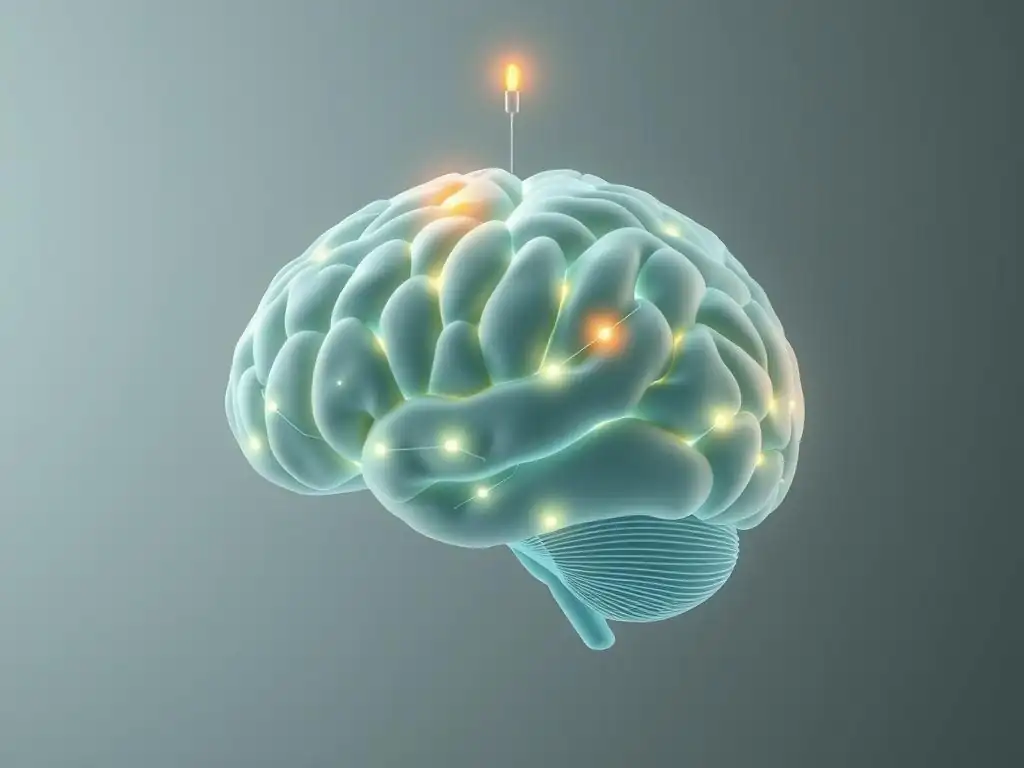
The ability of ECT to promote neuroplastic changes is a cornerstone of understanding its long-term therapeutic effects and its role in brain recovery from severe mental illness.
Enhancing Synaptic Plasticity
Synaptic plasticity refers to the ability of synapses, the junctions between neurons, to strengthen or weaken over time in response to activity. This process is fundamental to learning, memory, and adaptive brain function. Research indicates that ECT enhances synaptic plasticity, particularly in brain regions like the hippocampus and prefrontal cortex, which are critical for mood regulation and cognitive processes and are often negatively impacted by chronic stress and depression.
Studies in animal models have shown that ECT increases the density of dendritic spines (small protrusions on neurons that receive synaptic inputs) and the number of synapses. These structural changes suggest an increased capacity for neuronal communication and network reorganization. This enhancement of synaptic connections is mediated, in part, by the increase in neurotrophic factors like BDNF mentioned earlier. By facilitating the formation and strengthening of synapses, ECT helps rebuild and optimize neural circuits that may have become impaired during an episode of severe mental illness, contributing significantly to the sustained benefits of ECT brain stimulation therapy.
ECT and Hippocampal Neurogenesis
Neurogenesis, the birth of new neurons, primarily occurs in specific brain regions in adults, most notably the hippocampus. The hippocampus is vital for memory formation and is also implicated in mood regulation; reduced hippocampal volume and impaired neurogenesis have been observed in individuals with chronic depression and stress. ECT has been shown to promote neurogenesis in the hippocampus.
Evidence from animal studies clearly demonstrates that ECT increases the proliferation and survival of new neurons in the hippocampus. While direct evidence of this in humans is more challenging to obtain, indirect evidence from neuroimaging studies shows increases in hippocampal volume following a course of ECT in some patients. This suggests that ECT may help counteract the negative effects of severe mood disorders on hippocampal structure and function. The generation of new neurons and their integration into existing neural circuits could contribute to improved mood, cognitive function, and resilience, representing a profound benefit of this brain stimulation therapy.
Cognitive Effects of ECT
While highly effective, ECT can have temporary cognitive side effects, primarily affecting memory. Understanding these effects and strategies to mitigate them is crucial for patient care.
Potential Cognitive Side Effects: Memory and Attention
The most commonly reported cognitive side effect of ECT is memory impairment. This can manifest in two ways:
- Retrograde amnesia: Difficulty recalling events that occurred before the ECT treatment course. This memory loss is often patchy and tends to improve over weeks to months after treatment ends, though some gaps, particularly for events immediately preceding the course, may persist.
- Anterograde amnesia: Difficulty learning and remembering new information during and shortly after the treatment course. This type of memory impairment is typically temporary and resolves relatively quickly once the ECT course is completed.
Other cognitive effects can include temporary difficulties with attention, concentration, and processing speed during the treatment period. While distressing for patients, it is important to emphasize that these effects are usually transient. A significant majority of patients report that their memory returns to or near their baseline level within a few weeks or months post-treatment. Furthermore, for individuals whose cognitive function was impaired by severe depression (e.g., psychomotor retardation, poor concentration), effective ECT brain stimulation therapy often leads to an improvement in overall cognitive function as the underlying illness remits.
Strategies for Minimizing Cognitive Impact: Electrode Placement and Dosage
Clinical practice has evolved significantly to minimize the cognitive impact of ECT while maintaining therapeutic efficacy. Two primary factors influencing cognitive side effects are electrode placement and the electrical dose delivered.
- Electrode Placement: Bilateral electrode placement (electrodes placed on both sides of the head) is often more effective for severe depression but is associated with a higher risk of cognitive side effects, particularly retrograde amnesia, compared to unilateral placement. Right unilateral ultrabrief pulse stimulation (electrodes placed on the right side only, using very short electrical pulses) is now a common approach. Studies show that right unilateral ultrabrief ECT can be as effective as bilateral ECT for many patients, particularly when the electrical dose is optimized, while resulting in significantly fewer cognitive side effects. For example, some studies report half the rate of significant memory complaints with ultrabrief right unilateral ECT compared to standard bilateral ECT.
- Dosage and Pulse Width: The electrical dose needs to be sufficiently high to induce a therapeutic seizure, but excessive doses are associated with increased cognitive risk. Titrating the dose based on the individual's seizure threshold (the minimum electrical energy required to induce a seizure) helps optimize efficacy and minimize side effects. Using ultrabrief electrical pulses (pulse widths less than 0.5 milliseconds) instead of brief pulses (0.5-1.5 milliseconds) has been shown to reduce the impact on memory while maintaining therapeutic efficacy, particularly with right unilateral placement. These advancements in technique are crucial for enhancing the benefits of ECT brain stimulation therapy while mitigating its potential downsides.
Long-Term Effects of ECT
Understanding the long-term impact of ECT on the brain and overall health is important for patients and clinicians when considering this treatment option.
Studies on Long-Term Brain Structure and Function
Research on the long-term effects of ECT on brain structure and function has yielded complex findings. Some studies using structural MRI have reported transient increases in the volume of certain brain regions, such as the hippocampus and amygdala, following a course of ECT. These changes are often interpreted as potentially beneficial, aligning with the neurogenesis and neuroplasticity findings discussed earlier. However, these volume changes may not always persist long-term after treatment completion.
Longitudinal studies examining cognitive function months to years after ECT generally find that most patients report their memory returning to or near their baseline. While some individuals may report persistent, though usually mild, memory difficulties, particularly for events immediately preceding treatment, significant long-term cognitive impairment is not a typical outcome.
Functional imaging studies suggest that while ECT induces significant short-term changes in brain connectivity patterns during the treatment course, these patterns tend to normalize over time after treatment ends. The prevailing scientific view is that ECT does not cause permanent structural brain damage, and its long-term effects are primarily related to the sustained remission of the psychiatric illness it treated, which itself can have positive long-term effects on brain health.
Maintaining Brain Health and Managing Potential Side Effects After ECT
Maintaining overall brain health after a course of ECT is similar to maintaining brain health at any time and is crucial for supporting long-term well-being and managing any subtle residual effects. Key strategies include:
- Adherence to Maintenance Treatment: For conditions like severe recurrent depression, maintenance ECT (less frequent sessions, e.g., every few weeks or months) or maintenance medication is often recommended to prevent relapse. Preventing the return of the illness is perhaps the most significant factor in maintaining long-term brain health post-ECT.
- Lifestyle Factors: Regular physical exercise, a balanced diet rich in omega-3 fatty acids and antioxidants, adequate sleep, and stress management techniques (like mindfulness or yoga) are all important for supporting neuroplasticity and overall brain function.
- Cognitive Engagement: Engaging in mentally stimulating activities, such as reading, learning new skills, or puzzles, can help support cognitive function and resilience.
- Follow-up Care: Regular follow-up appointments with a psychiatrist are essential to monitor mood, manage any potential long-term side effects (though rare), and adjust maintenance treatment as needed.
While most cognitive side effects resolve, for the minority of patients who experience persistent, mild memory issues, strategies might include using memory aids, establishing routines, and being patient with oneself during the recovery process. The overall long-term outcome of ECT is typically positive due to the significant benefits of ECT brain stimulation therapy in achieving remission from severe, debilitating mental illness.
ECT Compared to Other Brain Stimulation Therapies
ECT is one of several brain stimulation therapies used in psychiatry. While they share the goal of modulating brain activity to treat mental illness, their mechanisms, applications, and side effect profiles differ significantly.
ECT vs. TMS (Transcranial Magnetic Stimulation)
Transcranial Magnetic Stimulation (TMS) is a non-invasive brain stimulation technique that uses a magnetic coil placed on the scalp to generate focused magnetic pulses. These pulses induce electrical currents in a specific brain region, typically the prefrontal cortex, aiming to modulate its activity.
| Feature | ECT (Electroconvulsive Therapy) | TMS (Transcranial Magnetic Stimulation) |
|---|---|---|
| Invasiveness | Requires general anesthesia and muscle relaxants | Non-invasive, performed while patient is awake |
| Stimulus | Electrical current inducing a generalized seizure | Magnetic pulses inducing localized electrical currents |
| Target Area | Widespread effects across the brain due to seizure | Localized effects, typically prefrontal cortex |
| Efficacy (TRD) | Generally higher response rates for severe TRD (70-80%+) | Moderate response rates for TRD (around 50-60%) |
| Speed of Response | Often rapid (within 1-2 weeks) | Typically slower (takes several weeks for response) |
| Side Effects | Temporary memory loss, headache, muscle aches, confusion | Headache, scalp discomfort, rare seizure risk (non-ECT seizure) |
| Typical Course | 6-12 sessions, 2-3 times/week | 20-30+ sessions, 5 times/week |
| Conditions Treated | Severe Depression, Bipolar Mania, Catatonia, some Schizophrenia | Depression, OCD (specific protocols) |
While TMS is a valuable tool, particularly for less severe or non-catatonic depression, ECT generally offers a more robust and rapid response for severe, treatment-resistant cases and other specific conditions like catatonia. The benefits of ECT brain stimulation therapy in these severe contexts are often considered unparalleled by TMS.
ECT vs. VNS (Vagus Nerve Stimulation) and DBS (Deep Brain Stimulation)
Vagus Nerve Stimulation (VNS) and Deep Brain Stimulation (DBS) are more invasive surgical procedures compared to ECT and TMS.
- VNS: Involves implanting a device under the skin that sends electrical pulses to the vagus nerve in the neck, which in turn sends signals to the brain. VNS is FDA-approved as an adjunctive long-term treatment for chronic or recurrent TRD in adults who have failed to respond to four or more adequate antidepressant treatments. Response to VNS is typically slow, often taking many months to a year or longer to become apparent, and response rates are generally lower than ECT (e.g., around 30-40% achieving response after a year).
- DBS: Involves surgically implanting electrodes deep within specific brain regions (like the subgenual cingulate cortex or nucleus accumbens) connected to a pulse generator. DBS is an experimental treatment for severe, refractory depression and OCD, not yet widely approved for psychiatric indications. It is typically reserved for the most extreme, treatment-resistant cases. DBS involves chronic stimulation and significant surgical risks.
Compared to VNS and DBS, ECT is a non-surgical procedure with a much faster onset of action and higher acute response rates for severe symptoms. While VNS and DBS are considered for chronic, enduring treatment-resistance, the benefits of ECT brain stimulation therapy lie in its ability to rapidly and effectively induce remission in acute, severe episodes when other treatments have failed or when immediate improvement is necessary.
Advancements in ECT Research
Ongoing research continues to refine ECT techniques, aiming to enhance its efficacy while further minimizing side effects.
Innovations in ECT Techniques and Protocols
Innovations in ECT have focused on optimizing the electrical stimulus and electrode placement. The development and widespread adoption of ultrabrief pulse width stimulation (pulse widths < 0.5 ms) represents a significant advancement. As mentioned, using ultrabrief pulses, particularly with right unilateral placement, has been shown in multiple studies to reduce cognitive side effects, especially memory impairment, compared to standard brief pulse stimulation, while maintaining comparable efficacy for many patients. This allows clinicians to deliver the benefits of ECT brain stimulation therapy with a better cognitive profile.
Further research explores personalized dosing strategies based on individual seizure thresholds and brain anatomy, as well as optimizing the number and frequency of treatments. Some centers are investigating novel electrode placements or combining ECT with other modalities. There is also ongoing work in developing more sophisticated monitoring techniques to better understand the physiological effects of the seizure and predict treatment response and potential side effects.
Personalizing ECT Treatment for Optimal Outcomes
The future of ECT lies increasingly in personalization. Recognizing that patients respond differently and have varying sensitivities to side effects, efforts are being made to tailor treatment parameters to the individual. This involves:
- Careful Patient Selection: Identifying which patients are most likely to benefit from ECT and which might respond equally well to less intensive treatments.
- Optimized Electrode Placement: Choosing between bilateral and unilateral placement based on symptom severity, need for rapid response, and concern for cognitive effects, often favoring right unilateral ultrabrief ECT when appropriate.
- Individualized Dosing: Titrating the electrical dose based on the patient's unique seizure threshold, rather than using fixed or age-based protocols alone.
- Flexible Treatment Course: Adjusting the number and frequency of treatments based on clinical response and the emergence of side effects.
- Integration with Other Therapies: Combining ECT with psychotherapy and pharmacotherapy before, during, and after the ECT course to maximize and maintain the benefits of ECT brain stimulation therapy.
By leveraging research findings and clinical experience, clinicians can increasingly customize ECT delivery to enhance therapeutic outcomes, reduce cognitive burden, and improve the overall patient experience, solidifying ECT's role as a crucial and evolving treatment in psychiatry.
Frequently Asked Questions
What exactly is ECT and how does it work to impact the brain?
ECT, or Electroconvulsive Therapy, is a procedure that involves inducing a brief seizure in the brain to alleviate symptoms of certain mental illnesses. The exact mechanism isn't fully understood, but it's believed to affect neurotransmitter levels and brain connectivity.
What are the main ECT brain stimulation therapy benefits highlighted in the article?
The article focuses on how ECT can provide significant relief from severe depression, particularly when other treatments have failed. Key benefits include rapid symptom reduction and potential improvements in brain function.
Is ECT a safe procedure, considering it involves inducing a seizure?
While ECT does carry some risks, it's generally considered a safe and effective treatment when administered properly. Modern techniques minimize risks through careful monitoring and the use of anesthesia and muscle relaxants.
For which specific mental health conditions is ECT typically recommended?
ECT is most commonly recommended for individuals with severe depression, especially when accompanied by psychosis or suicidal ideation. It can also be effective for mania and certain forms of schizophrenia.
What are the potential side effects of ECT and how are they managed?
Common side effects include memory loss, confusion, and headache. These are usually temporary and can be managed with medication and supportive care. Short-term memory impairment is the most concerning side effect.
Final Reflection: The Enduring Promise of ECT Brain Stimulation
The groundbreaking research detailed in this article highlights the complex interplay between electrical stimulation and brain function, offering a powerful counterpoint to outdated misconceptions surrounding ECT. While still shrouded in some mystery, the scientific understanding of ECT's mechanisms is rapidly evolving, revealing its potential as a life-altering treatment for severe mental illness.
The impact of ECT on the lives of countless individuals struggling with treatment-resistant depression and other severe mental health conditions cannot be overstated. It represents a beacon of hope in the face of debilitating illness, offering a pathway to recovery when other options have failed. The most important thing is to remember that hope is not a luxury, but a necessity.
This quote, though not directly about ECT, perfectly encapsulates the vital role this therapy plays in restoring hope and improving the quality of life for those who need it most. The ongoing research into its precise mechanisms will only further refine its application and minimize potential side effects, solidifying its place as a valuable tool in the psychiatrist's arsenal.
Consider the implications of this research for yourself, your loved ones, and the broader community. Are you willing to challenge preconceived notions about mental illness and its treatment? Perhaps you know someone struggling with a severe mental health condition. This article serves as a call to action – to learn more, to advocate for improved access to evidence-based treatments like ECT, and to foster a more compassionate and informed understanding of mental health challenges. Let us embrace the scientific advancements in this field and work towards a future where effective treatments are accessible to all who need them.
Unleash the Power of Your Mind – Take Action!
Thank you for taking the time to explore the fascinating science behind ECT and its impact on the brain. You've gained valuable insights that can enhance your understanding of mental health treatments and their profound effects. Now, it's time to turn your interest into action!
- Connect with a mental health professional to discuss how ECT or other treatments could benefit you or a loved one.
- Join a local or online support group to share experiences and learn from others who are navigating similar journeys.
- Educate someone in your life about ECT and its benefits—your knowledge can empower others.
What’s your biggest takeaway from this article, and how do you plan to use this information in your mental health journey?