
The Science of Resilience: Neurochemical Factors That Protect Against Mood Disorders

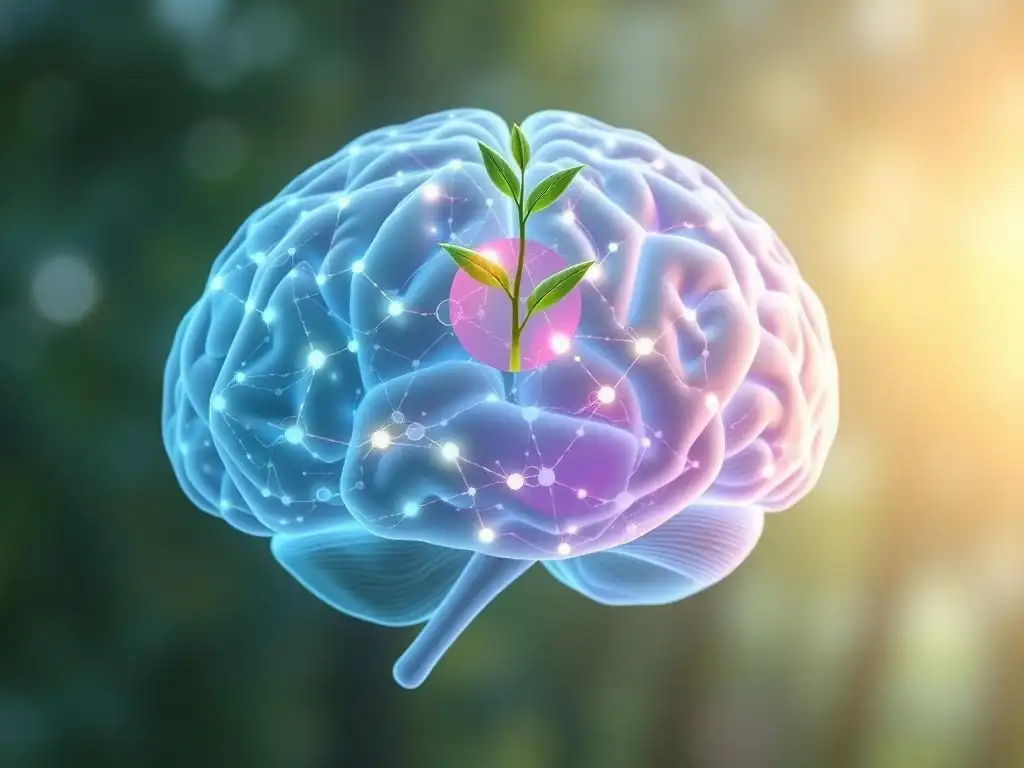
Welcome to Mind Care Guide, a sanctuary for your mental well-being. Feeling overwhelmed by the complexities of mood disorders? You're not alone. This is where we delve into the science behind feeling better. Discover the fascinating world of neurochemical resilience and learn how you can boost your mood naturally. Ever wondered what internal factors protect you from those dark days? Let's unlock the secrets together and empower you to cultivate a more resilient mind.
The Science of Resilience: Neurochemical Factors That Protect Against Mood Disorders
- Understanding Neurochemical Resilience and Mood Stability
-
Key Neurochemicals Involved in Emotional Resilience
- Serotonin's Role in Mood Regulation and Stress Response
- Dopamine: Motivation, Reward, and Protection Against Depression
- Norepinephrine: Alertness, Focus, and the Fight Against Anxiety
- GABA: Calming the Nervous System and Reducing Anxiety Symptoms
- BDNF: Brain-Derived Neurotrophic Factor and Neuroplasticity in Resilience
-
Neurochemical Imbalances and Vulnerability to Mood Disorders
- The Impact of Serotonin Deficiency on Depression and Anxiety
- Dopamine Dysregulation and its Connection to Mood Instability
- Norepinephrine Depletion and the Risk of Fatigue and Apathy
- GABA Imbalances and Increased Susceptibility to Anxiety Disorders
- The Role of Chronic Stress in Disrupting Neurochemical Balance
-
Strategies for Boosting Neurochemical Resilience Naturally
- Diet and Nutrition for Optimal Brain Chemistry
- Exercise and Physical Activity: A Natural Antidepressant
- Mindfulness and Meditation: Training the Brain for Emotional Regulation
- Sleep Hygiene: Prioritizing Rest for Neurochemical Balance
- Social Connection and Support: Building a Resilient Social Network
- Neurochemical Interventions and Mood Disorder Treatment
- The Future of Neurochemical Research in Mood Disorders
- Building a Resilient Mind: A Holistic Approach
-
Frequently Asked Questions
- How exactly does the concept of neurochemical resilience relate to mood disorders?
- What are some key neurochemicals involved in boosting mood and fostering resilience?
- Can lifestyle changes actually influence neurochemical resilience?
- What kind of support and resources are available for people struggling with mood disorders related to neurochemical imbalances?
- How can I proactively work towards building my own neurochemical resilience and improving my mental well-being?
- Final Reflection: Unlocking the Brain's Resilience: A Path to Emotional Wellbeing
- Unlock Your Brain's Resilience: Take Charge of Your Mood
Understanding Neurochemical Resilience and Mood Stability
What is Neurochemical Resilience? Defining the Brain's Ability to Cope
Neurochemical resilience refers to the brain's capacity to maintain stable emotional and cognitive function in the face of stress, adversity, or challenging life events. This capacity is intricately linked to the balance and effective functioning of various neurotransmitter systems and other brain chemicals. Essentially, it's the biological foundation that allows individuals to adapt, recover, and even thrive after experiencing difficulties, preventing the onset or severity of mood disorders like depression and anxiety. A brain with high neurochemical resilience is better equipped to regulate stress hormones, process emotional information constructively, and maintain a positive outlook despite internal or external pressures.
This inherent ability isn't static; it can be influenced by genetics, life experiences, environment, and lifestyle choices. Research, including studies published in journals like Molecular Psychiatry, suggests that factors influencing neurochemical resilience include the density and function of receptors for neurotransmitters like serotonin and dopamine, the efficiency of stress hormone feedback loops (like the HPA axis), and the brain's capacity for neuroplasticity, which is the ability to reorganize itself by forming new neural connections. Understanding this complex interplay is crucial for developing strategies aimed at boosting neurochemical resilience boosting mood and preventing mental health challenges.
The Link Between Brain Chemistry and Mood Disorders
The connection between brain chemistry and mood disorders is well-established in neuroscience. Mood disorders such as major depressive disorder (MDD) and generalized anxiety disorder (GAD) are often associated with dysregulation in the levels or activity of key neurotransmitters like serotonin, dopamine, and norepinephrine. For instance, a widely supported hypothesis suggests that low levels of serotonin in certain brain regions can contribute to feelings of sadness, hopelessness, and irritability characteristic of depression. Similarly, imbalances in dopamine pathways are implicated in issues with motivation and reward, core symptoms of MDD.
However, it's important to understand that mood disorders are complex and not solely caused by simple "chemical imbalances." They arise from a combination of genetic predisposition, environmental factors, psychological influences, and complex interactions within neural circuits. Brain imaging studies, for example, often show altered activity in areas like the prefrontal cortex and amygdala in individuals with mood disorders, areas heavily modulated by these very same neurochemicals.
Therefore, while brain chemistry is a critical piece of the puzzle, the link is multifaceted, involving how these chemicals interact within specific circuits and how those circuits respond to stress and experiences. Targeting these neurochemical pathways is a primary strategy in pharmacological treatments for mood disorders, aiming to restore a balance that supports emotional stability and resilience.
Key Neurochemicals Involved in Emotional Resilience
Serotonin's Role in Mood Regulation and Stress Response
Serotonin, often dubbed the "feel-good" neurotransmitter, plays a pivotal role in regulating mood, sleep, appetite, and social behavior. Its influence extends significantly to emotional resilience. In the brain, serotonin pathways project to areas involved in processing emotions, decision-making, and stress responses, such as the amygdala and prefrontal cortex. Adequate serotonin signaling helps dampen the brain's response to stress, preventing the chronic activation of stress pathways that can erode mental well-being over time. Studies have shown that individuals with lower serotonin activity or fewer serotonin transporters may be more vulnerable to developing depression or anxiety when faced with significant stressors.
Beyond simply influencing mood, serotonin is critical for cognitive flexibility and emotional processing. It helps the brain learn from negative experiences without becoming overwhelmed by them. Research indicates that optimal serotonin levels are associated with greater emotional stability and a reduced likelihood of ruminating on negative thoughts. This suggests that supporting healthy serotonin function is a key component of boosting neurochemical resilience, enabling individuals to navigate life's challenges with greater equanimity and recover more effectively from setbacks.
Boosting Serotonin Levels for Enhanced Resilience
Strategies aimed at boosting serotonin levels naturally can significantly contribute to enhancing neurochemical resilience. Dietary choices play a role; while serotonin itself doesn't cross the blood-brain barrier, its precursor, tryptophan (an amino acid found in foods like turkey, eggs, nuts, and seeds), does. Consuming tryptophan-rich foods, particularly alongside carbohydrates, can help increase brain tryptophan levels, potentially supporting serotonin synthesis. However, dietary impact is complex and not a guaranteed solution on its own.
Regular aerobic exercise is another powerful method. Physical activity has been shown in numerous studies to increase tryptophan availability in the brain and potentially boost serotonin synthesis and release. For example, studies suggest that engaging in moderate-intensity exercise for 30-60 minutes several times a week can have antidepressant effects, partly attributed to this neurochemical impact.
Furthermore, exposure to bright light, particularly natural sunlight, has been linked to increased serotonin activity, which is why light therapy is a common treatment for seasonal affective disorder (SAD), a type of depression linked to reduced sunlight exposure. These lifestyle interventions offer promising avenues for supporting serotonin pathways and fostering a brain chemistry that supports resilience.
Dopamine: Motivation, Reward, and Protection Against Depression
Dopamine is a central neurotransmitter in the brain's reward and motivation system. It's released when we experience pleasure or achieve a goal, reinforcing behaviors that are necessary for survival and well-being. Beyond reward, dopamine is crucial for executive functions like planning, focus, and working memory.
A well-functioning dopamine system is vital for feelings of vitality, drive, and the ability to pursue goals, all of which are protective factors against the apathy and lack of motivation often seen in depression. Dysregulation in dopamine pathways, particularly in areas like the nucleus accumbens and prefrontal cortex, is strongly linked to anhedonia (the inability to experience pleasure) and lack of motivation, core symptoms of major depressive disorder.
Maintaining healthy dopamine levels and signaling is key for building neurochemical resilience boosting mood. It provides the internal drive needed to engage with the world, pursue rewarding activities, and maintain hope during difficult times. When dopamine signaling is impaired, individuals may feel stuck, lose interest in activities they once enjoyed, and struggle to initiate action, making them more vulnerable to falling into depressive states. Conversely, supporting healthy dopamine function can enhance one's ability to seek out positive experiences, learn from positive reinforcement, and maintain motivation even when facing obstacles.
How Dopamine Pathways Contribute to a Resilient Mindset
The intricate network of dopamine pathways significantly contributes to developing and maintaining a resilient mindset. The mesolimbic pathway, originating in the ventral tegmental area (VTA) and projecting to the nucleus accumbens and amygdala, is central to reward processing and motivation. When this pathway functions optimally, it facilitates learning from positive experiences and motivates goal-directed behavior, even after failures. This allows individuals to persist in the face of adversity, understanding that effort can lead to positive outcomes.
Another key pathway is the mesocortical pathway, connecting the VTA to the prefrontal cortex. This pathway is critical for executive functions like planning, decision-making, and inhibiting impulsive behaviors. A robust mesocortical pathway supports cognitive control, enabling resilient individuals to regulate their emotional responses, think through problems logically, and make adaptive choices under stress.
For example, research suggests that individuals with higher dopamine activity in prefrontal areas may be better at reappraising negative situations, a key cognitive strategy for resilience. By supporting both the motivational and executive aspects of dopamine signaling, we enhance the brain's capacity to navigate challenges effectively and maintain a positive trajectory.
Norepinephrine: Alertness, Focus, and the Fight Against Anxiety
Norepinephrine, also known as noradrenaline, is a neurotransmitter and hormone involved in the body's "fight or flight" response. In the brain, it plays a critical role in alertness, arousal, attention, and focus. It helps regulate sleep-wake cycles and is essential for mobilizing the brain and body to respond to perceived threats or challenges. While chronic over-activation of the norepinephrine system can contribute to anxiety and stress-related disorders, appropriate levels and regulation are crucial for maintaining vigilance, concentration, and the ability to react effectively in demanding situations – all components of resilience.
Balanced norepinephrine activity supports the ability to stay focused on tasks, maintain energy levels, and respond appropriately to stress without becoming overwhelmed or shutting down. Dysfunction in norepinephrine systems has been linked to symptoms of depression, such as fatigue, difficulty concentrating, and psychomotor retardation, as well as anxiety symptoms like hypervigilance and restlessness. Therefore, modulating norepinephrine activity is often a target for medications treating both depression and anxiety, aiming to restore a balance that supports alertness and focus without inducing excessive anxiety.
Norepinephrine's Impact on Stress Management and Emotional Control
Norepinephrine significantly impacts stress management and emotional control through its influence on the autonomic nervous system and brain regions like the amygdala and prefrontal cortex. During acute stress, a surge in norepinephrine prepares the body for action by increasing heart rate, blood pressure, and glucose release. While necessary for survival, the ability to regulate this response and return to baseline is a marker of resilience. Efficient norepinephrine reuptake and receptor sensitivity are key to preventing prolonged states of hyperarousal that can erode mental health.
Furthermore, norepinephrine interacts closely with other neurotransmitters, including serotonin and dopamine, in regulating mood and behavior. Its influence on the prefrontal cortex helps modulate attention and executive control, allowing individuals to focus on problem-solving rather than getting stuck in worry or fear. For example, studies on stress and resilience often highlight the importance of norepinephrine pathways in facilitating adaptive coping mechanisms. Supporting the balanced function of norepinephrine is essential for maintaining energy, focus, and the capacity for regulated responses under pressure, contributing significantly to neurochemical resilience boosting mood.
GABA: Calming the Nervous System and Reducing Anxiety Symptoms
Gamma-aminobutyric acid (GABA) is the primary inhibitory neurotransmitter in the central nervous system. Its main function is to reduce neuronal excitability, essentially acting as the brain's natural tranquilizer. By inhibiting the firing of neurons, GABA counteracts the excitatory effects of neurotransmitters like glutamate, helping to calm the nervous system, reduce feelings of anxiety, and promote relaxation. A well-functioning GABA system is critical for preventing the brain from becoming overstimulated, which can lead to panic, excessive worry, and sleep disturbances often associated with anxiety disorders.
Adequate GABAergic activity is a cornerstone of emotional resilience. It allows the brain to recover more quickly from stressful events, preventing the persistent state of heightened arousal that characterizes chronic anxiety. Individuals with lower GABA levels or impaired GABA receptor function may be more susceptible to anxiety symptoms and have a harder time calming down after experiencing stress. Supporting GABA function helps maintain a state of calm and stability, providing a buffer against the overwhelming feelings that can accompany adversity and contributing significantly to neurochemical resilience boosting mood.
Enhancing GABA Activity for Improved Mental Well-being
Enhancing GABA activity is a promising strategy for improving mental well-being and fostering neurochemical resilience. Certain lifestyle factors have been shown to support GABAergic function. For instance, regular physical exercise, particularly practices like yoga and tai chi, has been associated with increased GABA levels in the brain, as shown in studies using magnetic resonance spectroscopy (MRS). These activities not only provide physical benefits but also promote relaxation and stress reduction, likely mediated in part by their impact on GABA.
Mindfulness and meditation practices are also linked to increased GABA levels. Research, including studies from institutions like Boston University School of Medicine, has demonstrated that individuals who regularly practice yoga or meditation show higher levels of GABA in certain brain regions compared to those who do not.
This suggests that these practices can actively modulate brain chemistry in a way that promotes calmness and reduces anxiety, thereby enhancing the brain's natural resilience mechanisms. Dietary factors, such as consuming fermented foods containing probiotics, are also being explored for their potential indirect effects on GABA production via the gut-brain axis, highlighting a holistic approach to supporting this crucial neurotransmitter.
BDNF: Brain-Derived Neurotrophic Factor and Neuroplasticity in Resilience
Brain-Derived Neurotrophic Factor (BDNF) is a protein that plays a vital role in neuronal growth, survival, differentiation, and plasticity. It acts like a "fertilizer" for the brain, supporting the health of existing neurons and encouraging the formation of new ones and new connections (synaptogenesis). This process of neuroplasticity – the brain's ability to change and adapt – is fundamental to learning, memory, and recovery from brain injury or stress. High levels of BDNF are associated with enhanced cognitive function and are considered a key factor in neurochemical resilience.
BDNF is particularly important in brain regions critical for mood regulation and stress response, such as the hippocampus (involved in memory and emotional regulation) and the prefrontal cortex. Chronic stress, inflammation, and mood disorders like depression are often associated with reduced levels of BDNF, which can lead to neuronal atrophy and impaired neuroplasticity. Conversely, interventions that promote resilience, such as exercise and certain antidepressants, have been shown to increase BDNF levels, suggesting that supporting BDNF is a crucial aspect of protecting the brain against the damaging effects of stress and fostering a brain chemistry that supports resilience.
BDNF's Role in Neuronal Growth and Protection Against Mood Disorders
BDNF's role in promoting neuronal growth and survival directly contributes to protection against mood disorders. In the hippocampus, for example, BDNF supports neurogenesis (the birth of new neurons) and synaptogenesis, processes that are often impaired in depression. A larger, healthier hippocampus is associated with better stress regulation and emotional memory processing, making individuals less vulnerable to persistent negative mood states. By facilitating the formation of new neural connections, BDNF also enhances the brain's ability to adapt to changing circumstances and learn new, more adaptive ways of coping with stress.
Moreover, BDNF interacts with neurotransmitter systems, influencing their function and potentially modulating the effects of stress hormones like cortisol. Studies have shown that BDNF can protect neurons from stress-induced damage and support the function of serotonin and dopamine systems. For instance, research indicates that antidepressant medications often increase BDNF levels, and this increase is correlated with clinical improvement. This highlights BDNF not just as a marker of brain health but as an active player in the mechanisms underlying neurochemical resilience, making its promotion a key target for preventing and treating mood disorders and boosting neurochemical resilience boosting mood.
Neurochemical Imbalances and Vulnerability to Mood Disorders
The Impact of Serotonin Deficiency on Depression and Anxiety
A deficiency or dysfunction in the serotonin system is one of the most widely studied neurochemical imbalances linked to mood disorders. While the simple "low serotonin" theory is an oversimplification, evidence suggests that impaired serotonin signaling in specific brain circuits contributes significantly to symptoms of depression and anxiety. For example, reduced serotonin transporter availability or function, as sometimes observed in studies using PET imaging, can lead to less efficient reuptake of serotonin from the synaptic cleft, altering signal transmission. This can impact mood regulation, increase sensitivity to negative stimuli, and impair the ability to cope with stress.
Clinical observations and research support this link. Medications that increase serotonin availability in the synapse, such as Selective Serotonin Reuptake Inhibitors (SSRIs), are effective treatments for many individuals with depression and anxiety disorders. While the exact mechanisms are complex and involve downstream effects and neuroadaptation over weeks, the initial target is the serotonin system. Symptoms often associated with serotonin deficiency or dysfunction include persistent sadness, loss of interest, sleep disturbances, appetite changes, and increased worry or panic, underscoring its critical role in maintaining emotional stability and contributing to neurochemical resilience boosting mood.
Dopamine Dysregulation and its Connection to Mood Instability
Dysregulation in dopamine pathways is strongly implicated in the motivational and anhedonic symptoms of depression, as well as aspects of bipolar disorder. In major depressive disorder, reduced dopamine activity in the mesolimbic pathway, which is associated with reward and pleasure, can lead to a profound loss of interest or pleasure in activities (anhedonia) and lack of motivation.
This makes it difficult for individuals to engage in behaviors that might typically provide positive reinforcement or help them cope with challenges, thus reducing their neurochemical resilience. For instance, studies using functional MRI sometimes show reduced activation in reward-related brain areas in depressed individuals when anticipating or receiving rewards.
In bipolar disorder, fluctuations in dopamine activity are thought to contribute to the extreme mood swings between manic and depressive episodes. Increased dopamine signaling may play a role in the heightened energy, euphoria, and impulsivity seen during manic phases, while decreased activity is associated with the depressive phases. While not a simple imbalance, the complex dysregulation of dopamine systems significantly impacts mood stability, motivation, and the ability to experience pleasure, making it a key factor in vulnerability to these severe mood disorders.
Norepinephrine Depletion and the Risk of Fatigue and Apathy
Depletion or dysfunction of norepinephrine signaling is often associated with symptoms of depression related to energy, focus, and motivation. When norepinephrine levels are low or its signaling is impaired, individuals may experience significant fatigue, difficulty concentrating, psychomotor slowness (slowed thoughts and movements), and a general lack of interest or apathy. These symptoms can severely impact daily functioning and the ability to engage in activities that support well-being and resilience. For example, individuals with norepinephrine dysfunction might find it overwhelming to even perform simple tasks.
Medications that target norepinephrine, such as Serotonin-Norepinephrine Reuptake Inhibitors (SNRIs), are often effective in treating depression, particularly for individuals experiencing prominent fatigue and concentration problems. These medications work by increasing the availability of both serotonin and norepinephrine in the brain, helping to restore the balance needed for energy, focus, and motivation. This highlights how imbalances in norepinephrine can undermine the brain's ability to maintain alertness and drive, increasing vulnerability to depressive states and reducing neurochemical resilience.
GABA Imbalances and Increased Susceptibility to Anxiety Disorders
Imbalances in the GABA system are strongly linked to increased susceptibility to anxiety disorders. Insufficient GABAergic inhibition or reduced sensitivity of GABA receptors can lead to excessive neuronal firing and heightened arousal in brain regions involved in fear and anxiety, such as the amygdala. This can manifest as chronic worry, restlessness, irritability, muscle tension, and panic attacks. Individuals with impaired GABA function may find it difficult to relax, calm down from stress, or quiet their racing thoughts, making them highly vulnerable to developing conditions like generalized anxiety disorder, panic disorder, or social anxiety disorder.
Benzodiazepines, a class of anti-anxiety medications, work by enhancing the effects of GABA at GABA-A receptors, increasing inhibitory signaling and reducing neuronal excitability. While effective for acute anxiety relief, their use is often limited due to potential for dependence. This underscores the critical role of the GABA system in regulating anxiety levels and maintaining emotional calm. Supporting healthy GABAergic function through lifestyle or therapeutic interventions is therefore a key strategy for building neurochemical resilience and mitigating vulnerability to anxiety.
The Role of Chronic Stress in Disrupting Neurochemical Balance
Chronic stress is a major factor that can profoundly disrupt the delicate balance of neurochemicals involved in mood regulation and resilience. Prolonged exposure to stress hormones, particularly cortisol, can have detrimental effects on the brain. High cortisol levels can impair the function of serotonin, dopamine, and norepinephrine systems and reduce BDNF levels, leading to structural and functional changes in brain areas like the hippocampus and prefrontal cortex. For instance, studies have shown that chronic stress can lead to atrophy in the hippocampus, a region critical for memory and emotional regulation and rich in stress hormone receptors.
This stress-induced neurochemical disruption erodes neurochemical resilience. It can lead to a state where the brain is less able to cope with even minor stressors, increasing vulnerability to depression, anxiety, and other stress-related disorders. The feedback loops designed to shut off the stress response can become impaired, leading to a vicious cycle of heightened stress reactivity and further neurochemical imbalance. Understanding the pervasive impact of chronic stress on brain chemistry highlights the importance of stress management techniques as a core component of building and maintaining neurochemical resilience boosting mood.
Strategies for Boosting Neurochemical Resilience Naturally
Diet and Nutrition for Optimal Brain Chemistry
Diet and nutrition play a significant, though complex, role in supporting optimal brain chemistry and enhancing neurochemical resilience. The brain requires a steady supply of specific nutrients to synthesize neurotransmitters, maintain neuronal health, and regulate inflammation, which can impact brain function. For example, omega-3 fatty acids, found in fatty fish, flaxseeds, and walnuts, are crucial components of neuronal membranes and have anti-inflammatory properties. Research suggests that higher omega-3 intake is associated with a reduced risk of depression, potentially by influencing neurotransmitter function and reducing neuroinflammation.
A diet rich in fruits, vegetables, whole grains, lean proteins, and healthy fats provides the necessary building blocks and antioxidants to protect brain cells and support neurotransmitter synthesis. B vitamins (like B6, B12, and folate) are essential cofactors for the synthesis of serotonin, dopamine, and norepinephrine. Magnesium, found in leafy greens, nuts, and seeds, is also involved in numerous enzymatic reactions in the brain, including those related to neurotransmitter function and stress response. Focusing on a balanced, nutrient-dense diet is a foundational step in supporting brain health and enhancing neurochemical resilience boosting mood.
Foods That Support Serotonin, Dopamine, and Norepinephrine Production
Specific foods can provide precursors or cofactors necessary for the production of key neurotransmitters. For serotonin, while dietary tryptophan is the precursor, its conversion and transport into the brain are complex. However, consuming tryptophan-rich foods like poultry, eggs, dairy, nuts, and seeds, especially alongside complex carbohydrates (which help transport tryptophan across the blood-brain barrier), can be beneficial. For dopamine, the precursor is tyrosine, an amino acid found in protein-rich foods like meat, fish, eggs, dairy, beans, and nuts. Phenylalanine, another amino acid, can also be converted to tyrosine.
Norepinephrine is synthesized from dopamine, so supporting dopamine production also supports norepinephrine. Additionally, iron, copper, and Vitamin C are cofactors required for the enzymatic steps in norepinephrine synthesis. Foods rich in these nutrients include red meat, legumes (iron), nuts, seeds (copper), and citrus fruits, berries, and leafy greens (Vitamin C). While simply eating these foods won't instantly boost mood like medication, consistently providing the brain with these essential building blocks through a balanced diet supports the underlying biological processes vital for neurochemical resilience.
Exercise and Physical Activity: A Natural Antidepressant
Regular exercise is one of the most potent natural interventions for boosting neurochemical resilience and protecting against mood disorders. Physical activity triggers the release of endorphins, which have mood-boosting and pain-relieving effects. More importantly, consistent exercise has profound long-term effects on brain chemistry. It increases levels of BDNF, promoting neurogenesis and synaptogenesis, particularly in the hippocampus, which helps counteract the effects of stress and depression on this region.
Furthermore, exercise modulates neurotransmitter systems. Studies have shown that regular aerobic exercise can increase the synthesis and release of serotonin, dopamine, and norepinephrine, improving mood, motivation, and focus. For example, engaging in moderate-intensity exercise for 30-45 minutes several times a week has been shown in clinical trials to be as effective as some antidepressant medications for mild to moderate depression. Exercise also helps regulate the stress response by reducing cortisol levels and improving the sensitivity of stress hormone receptors. This multifaceted impact on brain chemistry makes exercise an indispensable tool for enhancing neurochemical resilience boosting mood.
Mindfulness and Meditation: Training the Brain for Emotional Regulation
Mindfulness and meditation practices are powerful techniques for training the brain to improve emotional regulation and enhance neurochemical resilience. These practices involve focusing attention on the present moment without judgment, cultivating awareness of thoughts, feelings, and bodily sensations. Regular meditation has been shown in neuroimaging studies to lead to structural and functional changes in the brain, particularly in areas involved in attention, emotional regulation (like the amygdala and prefrontal cortex), and self-awareness.
From a neurochemical perspective, mindfulness and meditation are associated with changes that support resilience. As mentioned earlier, studies indicate that these practices can increase GABA levels, promoting a state of calm. They also help regulate the stress response system, reducing the chronic activation of the HPA axis and lowering cortisol levels. By strengthening prefrontal cortex control over the amygdala, meditation helps individuals respond to stressors more calmly and less reactively. This training in emotional awareness and regulation directly contributes to building a brain chemistry that is less susceptible to being overwhelmed by negative emotions, thereby fostering neurochemical resilience.
Sleep Hygiene: Prioritizing Rest for Neurochemical Balance

Prioritizing good sleep hygiene is fundamental for maintaining neurochemical balance and supporting resilience. Sleep is a critical period for brain restoration, consolidation of memories, and regulation of neurotransmitter systems. Chronic sleep deprivation or poor sleep quality can significantly disrupt the delicate balance of serotonin, dopamine, norepinephrine, and GABA. For instance, insufficient sleep is known to impair dopamine signaling, leading to reduced motivation and increased impulsivity. It also dysregulates the stress hormone system, increasing cortisol levels.
Studies have consistently shown a strong link between sleep problems and increased risk of mood disorders. Individuals with insomnia are significantly more likely to develop depression or anxiety. Establishing a regular sleep schedule (going to bed and waking up around the same time, even on weekends), creating a relaxing bedtime routine, ensuring a dark, quiet, and cool sleep environment, and avoiding caffeine and alcohol before bed are crucial components of good sleep hygiene. By allowing the brain adequate time to rest and restore itself, good sleep directly supports optimal neurochemical function and enhances neurochemical resilience.
Social connection and strong support networks are vital, though often overlooked, factors in building neurochemical resilience. Positive social interactions trigger the release of oxytocin, sometimes called the "bonding hormone," which can reduce stress and promote feelings of trust and well-being. Social support also helps regulate the stress response system; feeling connected and supported can buffer the impact of stressors, preventing the chronic activation of the HPA axis and the subsequent disruption of neurochemical balance.
Studies have shown that individuals with robust social networks tend to have better mental health outcomes and are more resilient in the face of adversity. Loneliness and social isolation, conversely, are associated with increased stress hormone levels, inflammation, and a higher risk of depression and anxiety. Engaging in meaningful social activities, maintaining close relationships, and seeking support from friends and family when needed are not just psychological comforts; they have tangible neurochemical benefits that strengthen the brain's capacity to cope with challenges and contribute significantly to neurochemical resilience boosting mood.
Neurochemical Interventions and Mood Disorder Treatment
Medications That Target Serotonin, Dopamine, and Norepinephrine
Pharmacological interventions are a mainstay in the treatment of moderate to severe mood disorders, specifically targeting the neurochemical imbalances associated with these conditions. Selective Serotonin Reuptake Inhibitors (SSRIs) like fluoxetine (Prozac) or sertraline (Zoloft) work by blocking the reabsorption of serotonin in the brain, increasing its availability in the synapse. Similarly, Serotonin-Norepinephrine Reuptake Inhibitors (SNRIs) like venlafaxine (Effexor) or duloxetine (Cymbalta) block the reuptake of both serotonin and norepinephrine. These medications aim to restore more balanced neurotransmitter signaling over time, which can alleviate symptoms of depression and anxiety and support the brain's own neurochemical resilience mechanisms.
Other medications may target dopamine or have complex effects on multiple systems. For example, some atypical antidepressants have effects on dopamine receptors or reuptake. While these medications do not "cure" mood disorders, they can effectively manage symptoms for many individuals, reducing the severity and frequency of episodes and allowing the individual to engage in other therapeutic activities and lifestyle changes that further build resilience. It's important to note that the response to medication is highly individual, and finding the right treatment often requires careful evaluation and monitoring by a healthcare professional.
The Role of Therapy in Modulating Brain Chemistry
Psychotherapy, such as Cognitive Behavioral Therapy (CBT) or Interpersonal Therapy (IPT), plays a significant role in treating mood disorders and can actually modulate brain chemistry and enhance neurochemical resilience. While not directly altering neurotransmitter levels in the same way as medication, therapy works by helping individuals identify and change negative thought patterns and behaviors that contribute to distress. This process of learning new coping skills and perspectives can lead to functional and even structural changes in the brain.
Studies using neuroimaging have shown that successful psychotherapy for depression and anxiety is associated with changes in activity in brain regions involved in emotional regulation, such as the prefrontal cortex and amygdala, often mirroring changes seen with medication. It is thought that by changing how the brain processes information and responds to stress, therapy can indirectly influence neurotransmitter activity and connectivity within neural circuits.
For example, learning to reappraise negative situations in CBT can strengthen prefrontal control pathways that modulate amygdala activity, potentially influencing norepinephrine and GABA signaling. This demonstrates that psychological interventions are not just "talk therapy" but have tangible impacts on the brain's biological state, contributing to neurochemical resilience.
Emerging Therapies for Enhancing Neurochemical Resilience
Research continues to explore novel therapies aimed at directly or indirectly enhancing neurochemical resilience, particularly for individuals who do not respond well to traditional treatments. These emerging therapies often target pathways involved in neuroplasticity and rapid modulation of neurotransmitter systems.
Vagus Nerve Stimulation (VNS)
Vagus Nerve Stimulation (VNS) is a neuromodulation technique approved for treatment-resistant depression. It involves implanting a device that sends electrical pulses to the vagus nerve, which transmits signals to various brain regions involved in mood regulation, including areas rich in norepinephrine and serotonin neurons. VNS is thought to exert its antidepressant effects by influencing the activity of these neurotransmitter systems and potentially promoting neuroplasticity. While not a first-line treatment, it represents an approach that directly modulates neural activity to restore function and support resilience.
Ketamine Infusion Therapy
Ketamine, an anesthetic, has shown remarkable rapid antidepressant effects in individuals with treatment-resistant depression, often working within hours or days, which is much faster than traditional antidepressants. While its exact mechanism is still being researched, it is believed to primarily act on the glutamate system, the brain's main excitatory neurotransmitter.
However, its effects are complex and also involve modulating dopamine and opioid systems and, importantly, rapidly increasing BDNF levels and promoting synaptogenesis in areas affected by depression. This swift neuroplastic response is thought to contribute to its rapid antidepressant action and potential for rebuilding neural circuits related to mood and resilience.
The Future of Neurochemical Research in Mood Disorders
Personalized Approaches to Mental Health Treatment
The future of neurochemical research in mood disorders is increasingly focusing on personalized approaches. Recognizing that mood disorders are heterogeneous and individuals respond differently to treatments, researchers are working to identify biomarkers – biological indicators such as genetic variations, specific protein levels, or patterns of brain activity – that can predict an individual's vulnerability to mood disorders or their likely response to specific therapies. For example, genetic variations in genes related to serotonin transporters or BDNF have been studied for their potential influence on treatment outcomes.
This personalized approach aims to move away from trial-and-error treatment selection towards prescribing the most effective therapy based on an individual's unique neurochemical profile and genetic makeup. While still in its early stages, this research holds the promise of optimizing treatment efficacy, minimizing side effects, and more effectively boosting neurochemical resilience by tailoring interventions to the specific underlying biological mechanisms contributing to an individual's mood disorder.
Developing Novel Therapies for Enhancing Neurochemical Resilience
Future research is also dedicated to developing novel therapies that directly target mechanisms for enhancing neurochemical resilience. This includes exploring compounds that promote neurogenesis and synaptogenesis (like BDNF mimetics), drugs that modulate specific neurotransmitter receptors with greater precision, and interventions that specifically target the neuroinflammatory processes often implicated in mood disorders. The goal is to develop treatments that not only alleviate symptoms but also strengthen the brain's intrinsic capacity to withstand stress and maintain emotional stability over the long term.
Beyond pharmaceuticals, research is investigating the neurochemical effects of non-invasive brain stimulation techniques, such as transcranial magnetic stimulation (TMS) or transcranial direct current stimulation (tDCS), which can modulate activity in specific brain circuits. Furthermore, the role of the gut microbiome and its interaction with the brain (the gut-brain axis) in influencing neurotransmitter production and stress response is a rapidly expanding field of research, offering potential new avenues for intervention through dietary changes or probiotics aimed at boosting neurochemical resilience boosting mood from within.
Understanding the Complex Interplay of Neurochemicals in Mood Regulation
A major focus of ongoing research is to gain a deeper understanding of the complex interplay between different neurochemical systems rather than studying them in isolation. Mood regulation and resilience are not governed by a single neurotransmitter but by the dynamic interaction of multiple chemicals and neural circuits. For example, serotonin and dopamine systems interact extensively in areas like the prefrontal cortex and striatum, influencing motivation and decision-making. Norepinephrine modulates the activity of both serotonin and dopamine neurons.
Future research will utilize advanced techniques like optogenetics, chemogenetics, and sophisticated neuroimaging to map these complex interactions in real-time and understand how their dysregulation contributes to mood disorders. By unraveling these intricate networks, scientists hope to identify new therapeutic targets that can restore balance across multiple systems, leading to more effective and enduring improvements in mood and significantly enhancing neurochemical resilience. This holistic view of brain chemistry is key to developing the next generation of mental health treatments.
Building a Resilient Mind: A Holistic Approach
Integrating Lifestyle Changes, Therapy, and Medication for Optimal Mental Health
Building a resilient mind and achieving optimal mental health requires a holistic approach that integrates multiple strategies. Relying solely on one intervention, whether it's medication, therapy, or lifestyle changes, may not be sufficient for everyone, especially for those facing significant challenges or more severe mood disorders. The most effective approach often involves combining these elements in a personalized plan. Medication can help stabilize neurochemical imbalances, providing a foundation for other interventions to be effective. Therapy equips individuals with coping skills and helps restructure thought patterns, fostering cognitive and emotional resilience.
Simultaneously incorporating lifestyle changes such as regular exercise, a nutrient-rich diet, adequate sleep, and stress management techniques directly supports the biological underpinnings of neurochemical resilience. For instance, someone taking an antidepressant might also benefit from CBT to address negative thinking and start an exercise routine to boost BDNF and neurotransmitter levels naturally. This integrated approach addresses the biological, psychological, and environmental factors influencing mental well-being, creating a synergistic effect that strengthens the brain's capacity to cope with stress and maintain stable mood.
Case Study: Cognitive Behavioral Therapy and Increased BDNF Levels in Depressed Patients
A compelling example of how non-pharmacological interventions can impact brain chemistry and resilience comes from research on Cognitive Behavioral Therapy (CBT). While primarily a psychological treatment, studies have investigated its biological effects. For instance, research published in journals like Biological Psychiatry has shown that successful treatment of depression with CBT is associated with increases in Brain-Derived Neurotrophic Factor (BDNF) levels in the blood of depressed patients. One study, for example, reported a significant increase in serum BDNF levels after a course of CBT in responders compared to non-responders.
This finding suggests that by helping individuals change their negative thought patterns and behaviors, CBT doesn't just alter their psychological state; it can trigger positive biological changes in the brain, specifically promoting neuroplasticity via BDNF. This increase in BDNF likely contributes to the long-term benefits of CBT, helping to rebuild neural circuits affected by depression and enhancing the brain's capacity for adaptation and recovery – essentially, boosting neurochemical resilience from a psychological starting point.
The Importance of Early Intervention in Promoting Neurochemical Resilience
Early intervention is crucial for promoting neurochemical resilience and preventing the progression or worsening of mood disorders. Addressing symptoms of stress, anxiety, or low mood when they first emerge can prevent the chronic neurochemical disruptions that make the brain more vulnerable over time. Chronic stress and untreated mood episodes can lead to structural and functional changes in the brain, including reduced BDNF, impaired neuroplasticity, and dysregulation of neurotransmitter systems, making subsequent episodes potentially more severe or resistant to treatment.
Providing support, education about mental health, access to therapy, and, when necessary, pharmacological intervention early in the course of a mood challenge can help stabilize brain chemistry, preserve neuroplasticity, and strengthen the neural circuits involved in resilience. For example, teaching stress management techniques or initiating therapy at the first signs of chronic stress can help prevent the cascade of neurochemical changes that might lead to depression. Investing in early identification and intervention is a powerful strategy for protecting brain health and fostering neurochemical resilience boosting mood across the lifespan.
Frequently Asked Questions
How exactly does the concept of neurochemical resilience relate to mood disorders?
Neurochemical resilience refers to the brain's ability to adapt and recover from stressful events. A lack of this resilience can make individuals more vulnerable to developing mood disorders like depression and anxiety.
What are some key neurochemicals involved in boosting mood and fostering resilience?
Several neurochemicals play a critical role, including serotonin, dopamine, and norepinephrine. These neurotransmitters are heavily involved in regulating mood, motivation, and stress response.
Can lifestyle changes actually influence neurochemical resilience?
Absolutely! Factors such as regular exercise, a healthy diet, and sufficient sleep can positively impact the production and regulation of these crucial neurochemicals. This leads to improved mood and greater resilience.
Many resources exist, including therapy (CBT, DBT), medication, and support groups. Seeking professional help from a qualified mental health professional is a crucial first step.
How can I proactively work towards building my own neurochemical resilience and improving my mental well-being?
Focus on building healthy habits, such as managing stress through mindfulness, engaging in regular physical activity, and fostering strong social connections. These actions can significantly boost your natural resilience.
Final Reflection: Unlocking the Brain's Resilience: A Path to Emotional Wellbeing
The science of resilience isn't just a laboratory curiosity; it's the key to unlocking a future where mood disorders are less debilitating and emotional wellbeing is more accessible. Understanding the neurochemical pathways that bolster our ability to cope with stress and adversity offers a powerful antidote to the pervasive impact of mental health challenges. This knowledge empowers us to move beyond simply managing symptoms and towards actively cultivating inner strength.
The exploration of neurochemical resilience has profoundly shifted my understanding of mental health, moving away from a purely deficit-based model to one that emphasizes inherent capacity for healing and growth. It's a paradigm shift that resonates deeply with the growing movement towards preventative mental healthcare. The best way to predict the future is to create it,
and by understanding the neurochemical mechanisms of resilience, we are actively creating a future where individuals are better equipped to navigate life's inevitable challenges. This isn't just about treating illness; it's about fostering flourishing.
Consider the implications of this research for your own life. What steps can you take today to nurture your brain's natural resilience? Perhaps it's incorporating regular exercise, prioritizing sleep, cultivating mindful practices, or building strong social connections. The journey to emotional wellbeing is a personal one, but the science of resilience provides a roadmap, guiding you towards a future where you are not merely surviving, but thriving, empowered by the incredible capacity of your own mind and body.
Unlock Your Brain's Resilience: Take Charge of Your Mood
Thank you for taking the time to explore the science of resilience! We hope you gained valuable insights into how your brain's neurochemistry can protect against mood disorders. Now, it's time to put that knowledge into action.
Here's how you can start building your own resilience toolkit:
- Prioritize Daily Practices: Start incorporating even 15 minutes of mindful activity like meditation, yoga, or deep breathing exercises into your daily routine. This is your primary step towards strengthening your brain's natural resilience mechanisms.
- Share Your Journey: Discuss your experience and learnings with a friend or family member. Sharing your insights can deepen your understanding and provide mutual support.
- Explore Further: Dive deeper into the research on specific neurochemicals mentioned – serotonin, dopamine, etc. – and discover what lifestyle choices support their optimal function.
Ready to take the first step towards a more resilient and balanced you? What daily practice are you most excited to try today?