
Sharing Your Journey: The Potential of Online Communities for Mood Disorder Support

Welcome to Mind Care Guide, a safe space dedicated to nurturing your mental well-being.
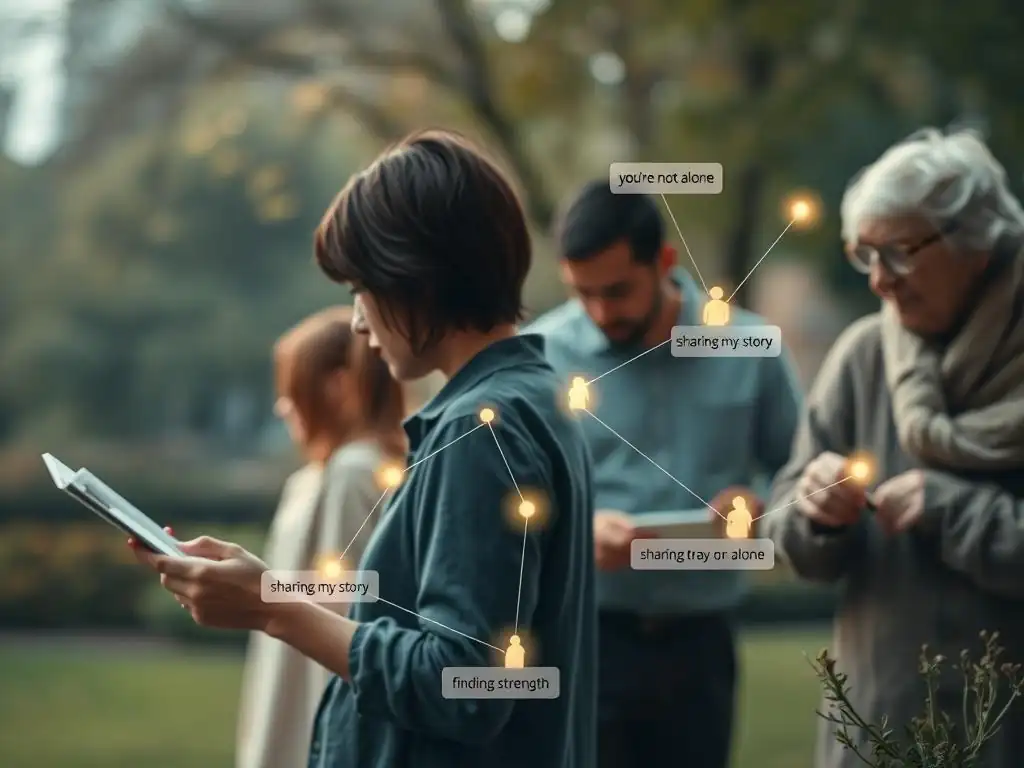
Feeling overwhelmed? Know that you're not alone. Many find solace and strength in shared experiences, and our guide explores the transformative power of online mood disorder support groups. Discover how connecting with others can offer understanding, validation, and practical strategies for navigating your unique journey. Ready to find your community and reclaim your emotional well-being? Let's begin.
- Sharing Your Journey: The Potential of Online Communities for Mood Disorder Support | Mind Care Guide
- The Landscape of Online Mood Disorder Support Groups
- Benefits of Joining Online Mood Disorder Support Groups
- Navigating Online Support: Finding the Right Mood Disorder Community
- Maximizing the Benefits of Online Mood Disorder Support Groups
- Potential Challenges and How to Overcome Them in Online Mental Health Communities
- The Role of Professionals in Online Mood Disorder Support
- Real-Life Examples: Stories of Hope and Healing Through Online Support
- Finding the Right Online Mood Disorder Support Group for You
- Conclusion: Embracing the Power of Connection for Mood Disorder Recovery
-
Frequently Asked Questions
- What are online mood disorder support groups, and how do they work?
- How can joining an online mood disorder support group benefit my mental well-being?
- Are online mood disorder support groups anonymous and confidential?
- How do I find a reputable online mood disorder support group for mood disorders?
- What are some potential drawbacks to consider before joining an online mood disorder support group?
- Final Reflection: Weaving a Web of Support Online
- Unlock Your Support Network: Join the Conversation!
Introduction: Finding Strength in Connection Through Online Mood Disorder Support
Living with a mood disorder, such as depression or bipolar disorder, can often feel like a solitary experience. The weight of symptoms, the challenges of daily life, and the potential for stigma can create a profound sense of isolation. While traditional therapy and medication are cornerstones of treatment, the need for peer connection and understanding is equally vital for many individuals navigating these conditions. This is where online mood disorder support groups emerge as a powerful resource, offering a lifeline of shared experiences and empathetic listening in the digital realm.
These digital spaces provide a unique environment where individuals can connect with others who genuinely understand the complexities of mood disorders. Unlike general social circles, online mood disorder support groups are specifically designed to foster understanding, validation, and mutual encouragement. They offer a safe haven to discuss struggles, celebrate small victories, and learn from the collective wisdom of people walking a similar path. Exploring the potential of these online communities is an essential step for anyone seeking additional layers of support on their journey toward well-being.
The Landscape of Online Mood Disorder Support Groups
Understanding Different Types of Online Support Communities
The digital world offers a diverse range of options for finding online mood disorder support groups, each with its own structure, focus, and level of moderation. It's not a one-size-fits-all solution, and understanding the differences is key to finding a community that best suits your needs and preferences. These communities vary widely in their formality, anonymity levels, and the specific conditions they address, providing multiple avenues for connection and support.
From large, open forums where anyone can post, to smaller, curated groups requiring approval, the landscape is rich and varied. Some focus purely on peer interaction, while others integrate professional guidance or educational resources. Navigating this landscape requires some exploration to find the atmosphere and structure that feels most comfortable and beneficial for your personal journey with a mood disorder.
Peer-to-Peer Forums and Discussion Boards for Mood Disorders
These are often the most accessible types of online mood disorder support groups. They typically function as open platforms where members can create posts, ask questions, share experiences, and respond to others. Moderation might be minimal or focused primarily on removing spam and harmful content, rather than clinical oversight.
Moderated Support Groups for Specific Mood Disorders
These groups often focus on a particular condition, like bipolar disorder or major depressive disorder. They may be affiliated with established mental health organizations. Moderation tends to be more active, ensuring discussions stay on topic, remain respectful, and adhere to guidelines that prioritize safety and constructive dialogue.
Social Media Groups Focused on Mental Health and Well-being
Found on platforms like Facebook or Reddit, these groups can range from very large, general mental health communities to smaller, niche groups focused on specific aspects of living with a mood disorder. Their structure and moderation vary greatly, from loosely organized peer spaces to tightly controlled, professionally guided environments.
Online Therapy Platforms Offering Group Support
Some online therapy services include professionally led group therapy sessions as part of their offerings. These are distinct from peer support groups as they are facilitated by licensed mental health professionals and often follow a structured therapeutic curriculum, providing a clinical layer of support.
Benefits of Joining Online Mood Disorder Support Groups
Reduced Feelings of Isolation and Loneliness
One of the most significant challenges for individuals with mood disorders is the pervasive feeling of being alone in their struggles. Online mood disorder support groups directly address this by providing a space where experiences of low mood, anxiety, or manic episodes are not only understood but shared by others.
Connecting with peers who articulate similar feelings – the exhaustion of depression, the rapid thoughts of mania, or the difficulty explaining symptoms to loved ones – can profoundly reduce the sense of isolation. Knowing that you are not the only one experiencing these challenges creates a powerful bond of solidarity.
Research and anecdotal evidence consistently highlight the impact of social connection on mental health. For someone housebound by severe depression or hesitant to share their diagnosis locally due to stigma, online mood disorder support groups offer accessible connection 24/7. A survey might show, for instance, that upwards of 70% of individuals participating in online mental health communities report a decrease in feelings of loneliness after joining, underscoring the tangible benefit of these digital connections in combating the isolating nature of mood disorders.
Online mood disorder support groups are treasure troves of lived experience. Members frequently share the coping mechanisms, tools, and strategies they have found helpful in managing their symptoms. This can include practical tips for sleep hygiene, advice on communicating with doctors, recommendations for helpful apps, or personal routines that aid stability. Unlike clinical advice, which is often generalized, peer-shared strategies come with the credibility of having been tested and refined by someone who truly understands the daily reality of living with the condition.
These shared experiences go beyond mere tips; they offer nuanced perspectives on what works and why, often highlighting the trial-and-error process involved in finding effective strategies. For example, someone might share how a specific journaling technique helped them track mood swings, or how a particular breathing exercise eased anxiety during a depressive episode. While not a substitute for professional medical advice, learning from the collective wisdom of thousands of individuals navigating similar challenges provides a rich source of potential strategies that can be adapted and discussed with a therapist.
Enhanced Self-Esteem and Empowerment
Contributing to an online mood disorder support group can be incredibly empowering. When individuals share their story and receive validation and encouragement from others, it reinforces their sense of self-worth. Offering support to newer members, sharing insights that help someone else, or simply being present and listening can shift the focus from feeling like a burden to feeling like a valuable member of a community with something meaningful to offer. This sense of contribution is a powerful antidote to the feelings of worthlessness that often accompany mood disorders.
Furthermore, actively seeking and engaging with online mood disorder support groups is an act of agency. It signifies taking control of one's well-being and actively pursuing resources for improvement. Learning about the condition from peers, understanding triggers, and finding effective coping tools through shared experiences empowers individuals with knowledge and confidence. This journey of learning and mutual support within the community fosters resilience and builds a stronger sense of self-efficacy in managing the challenges posed by a mood disorder.
Improved Mood Regulation and Emotional Well-being
Regular engagement with online mood disorder support groups can contribute to better emotional regulation. Having a safe space to express difficult emotions without fear of judgment can prevent feelings from becoming overwhelming. The process of articulating one's feelings, whether in writing or verbally in an online group session, can provide clarity and release. Receiving empathetic responses and validation from peers helps normalize challenging emotional states, making them feel less frightening and more manageable.
Moreover, the consistent availability of support means that individuals have an outlet during moments of crisis or distress, potentially preventing escalation. Knowing that others are online and willing to listen can provide comfort during periods of intense low mood or anxiety. While not a replacement for crisis services, the ability to connect with empathetic peers in real-time can offer immediate relief and a sense of being understood, contributing positively to overall emotional stability and well-being over time.
Convenient and Accessible Support, Regardless of Location
One of the most practical advantages of online mood disorder support groups is their accessibility. For individuals living in remote areas with limited local mental health resources, those with mobility issues, or people whose symptoms make it difficult to leave home consistently, online groups remove geographical barriers. Support is available from anywhere with an internet connection, making it easier to participate regularly without the logistical challenges of transportation or scheduling around physical meetings.
This convenience also extends to time flexibility. Many online forums and social media groups are active 24/7, allowing individuals to seek or offer support whenever they need it, day or night. This is particularly valuable for those experiencing symptoms that peak at unusual hours. The ability to access support on demand, whether through posting a message or joining a scheduled online meeting from the comfort of one's home, significantly lowers the threshold for seeking connection and help, making online mood disorder support groups a vital resource for many.
Identifying Your Specific Needs and Preferences
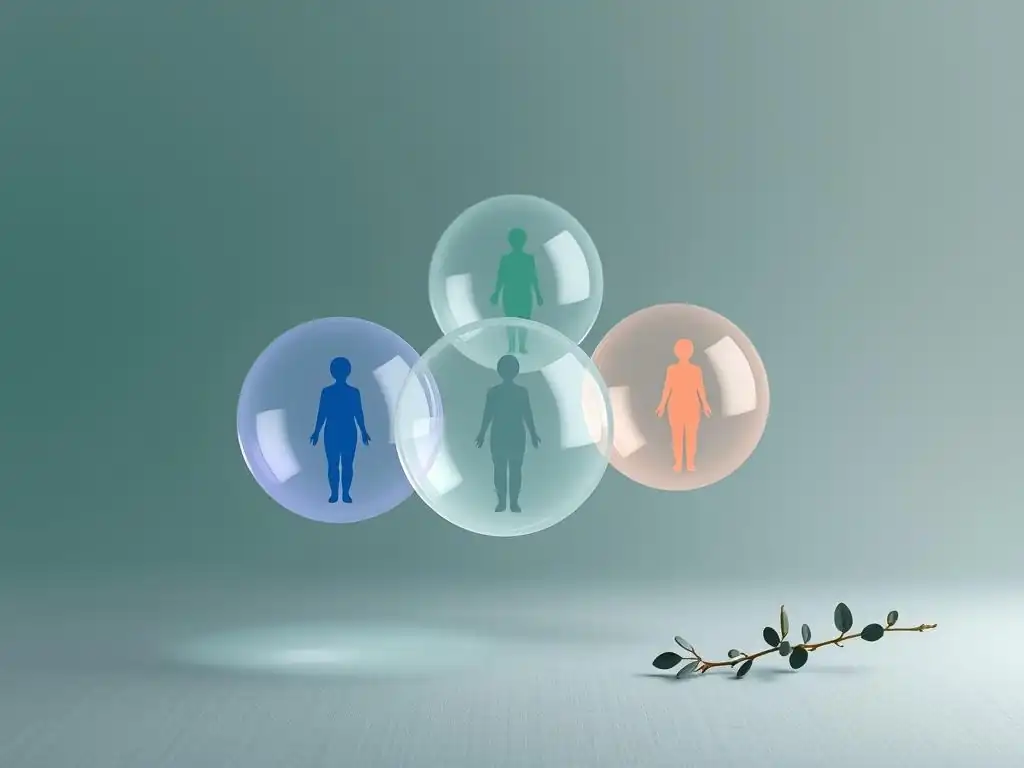
Before diving into the vast ocean of online mood disorder support groups, it's crucial to pause and consider what you are hoping to gain. Are you looking for a community focused on a specific diagnosis, like bipolar II or seasonal affective disorder? Do you prefer a more general mental wellness space?
Are you seeking practical coping strategies, emotional validation, or a mix of both? Reflecting on your current challenges and what kind of support feels most relevant to you will help narrow down your search. Consider also your comfort level with anonymity and the type of interaction you prefer – large, bustling forums or smaller, more intimate groups.
Understanding your preferences also involves thinking about your communication style. Do you prefer writing lengthy posts and reading detailed discussions, which might make a forum or discussion board ideal? Or do you thrive in more immediate, chat-based interactions, which might point you towards a social media group or live online sessions?
Some individuals might prefer a group with significant professional oversight, while others seek purely peer-led spaces. Taking the time to identify these specific needs and preferences is the first, essential step in finding online mood disorder support groups that will genuinely resonate with you and provide the most beneficial experience.
Researching and Evaluating Potential Online Groups
Once you have a clearer idea of what you're looking for, the next step is to research potential online mood disorder support groups. Start by searching for groups related to your specific condition or general mental health topics. Look for groups affiliated with reputable mental health organizations, as these often have established guidelines and moderation. Read descriptions carefully to understand the group's focus, membership criteria, and stated purpose. Don't be afraid to explore a few different options before committing to one.
When evaluating a group, spend some time observing the interactions before actively participating. Read existing posts to get a feel for the community's tone, the types of discussions that take place, and how members interact with each other. Look for signs of empathy, respect, and constructive dialogue. Conversely, be wary of groups where interactions seem predominantly negative, overly focused on complaining without seeking solutions, or where members dispense medical advice inappropriately. A good online mood disorder support group fosters a sense of safety and mutual respect.
Understanding Community Guidelines and Moderation Policies
Reputable online mood disorder support groups will have clear community guidelines or rules. These rules are essential for maintaining a safe and supportive environment. Take the time to read them thoroughly before joining or posting. Guidelines often cover topics such as respecting others, maintaining confidentiality (within the group context), avoiding the promotion of harmful behaviors, and refraining from giving medical advice. Understanding these rules helps you know what is expected and what kind of behavior is not tolerated, contributing to a more positive experience for everyone.
Equally important is understanding how the group is moderated. Is there active moderation? Who are the moderators (peers, professionals, or a mix)? How are conflicts or rule violations handled? Effective moderation is crucial in preventing harassment, misinformation, and the hijacking of discussions by individuals who may be disruptive or harmful. A well-moderated online mood disorder support group ensures that the space remains focused on providing support and is a safe environment for vulnerable individuals to share.
Assessing the Level of Professional Moderation
The presence and level of professional moderation in online mood disorder support groups can vary significantly and is an important factor to consider based on your needs. Some groups are purely peer-led, meaning the moderators are individuals with lived experience but no formal mental health training. These groups can offer incredible peer insight and validation. Others may have moderators who are also mental health professionals, or the group might be directly affiliated with a clinic or organization, incorporating professional oversight or even led sessions.
If you are seeking a more structured environment, access to expert insights, or a group where discussions are gently guided towards therapeutic goals, a professionally moderated group might be more suitable. If you prioritize raw, unfiltered peer connection and shared lived experience above all else, a peer-led group might be a better fit. It's vital to understand that peer support, while invaluable, is not a substitute for professional therapy or medical treatment, and the level of professional involvement can indicate the type of support you can expect to receive.
Considering Anonymity and Privacy Settings
Privacy is a critical consideration when participating in online mood disorder support groups. Different platforms and groups offer varying levels of anonymity. Some forums allow you to use a username without revealing your real identity, providing a strong layer of privacy. Social media groups, depending on your settings and the group's rules, might display your real name and profile picture to other members. Consider how comfortable you are with your identity being known within the group.
Review the platform's and the group's privacy settings and policies. Understand how your data is used and what information is visible to others. While these communities are designed for sharing, it's wise to be mindful of the personal details you disclose, especially in less strictly moderated or more public-facing groups. Protecting your privacy is key to feeling safe and secure while engaging with online mood disorder support groups, allowing you to share openly without unnecessary risk.
Maximizing the Benefits of Online Mood Disorder Support Groups
Actively Participating in Discussions and Sharing Your Story
To truly benefit from online mood disorder support groups, active participation is key. Simply reading posts can be informative, but sharing your own experiences, thoughts, and feelings creates a deeper connection. When you share your story, you not only process your own experiences but also provide valuable insight and validation for others who may be going through something similar. It opens the door for reciprocal support and makes you a more integrated part of the community.
Think of it as a two-way street. While it can feel vulnerable to share personal struggles, the act of doing so in a safe environment can be cathartic. Furthermore, responding to others' posts with empathy, encouragement, or relevant insights strengthens the bonds within the group. Active engagement transforms you from a passive observer into an active participant in a network of mutual support, significantly enhancing the positive impact of online mood disorder support groups on your well-being.
Offering Support and Encouragement to Others
One of the most rewarding aspects of being part of an online mood disorder support group is the opportunity to help others. Sharing a few words of encouragement, validating someone's feelings, or offering a brief anecdote about how you navigated a similar challenge can make a significant difference to someone else. This act of giving support not only benefits the recipient but also has a positive effect on the person offering it, fostering a sense of purpose and connection.
Helping others in the community reinforces your own coping skills and perspective. It reminds you of how far you've come and strengthens your understanding of the shared struggles within the group. This mutual support dynamic is fundamental to the success of online mood disorder support groups, creating a positive feedback loop where giving and receiving support go hand-in-hand, ultimately enriching the experience for everyone involved.
Setting Realistic Expectations and Managing Potential Triggers
While online mood disorder support groups offer immense value, it's important to approach them with realistic expectations. They are communities of peers, not professional treatment centers. While you will find empathy and shared wisdom, you should not expect clinical diagnosis, personalized therapy, or immediate solutions to complex issues. Understanding these limitations helps prevent disappointment and ensures you continue to rely on professional care for medical and therapeutic needs.
Furthermore, be mindful of potential triggers within discussions. Reading about intense struggles, specific symptoms, or difficult life events shared by others could potentially trigger your own distress. Develop strategies for managing this, such as taking breaks from the forum, setting limits on how long you spend online, or having a plan for self-soothing if you encounter triggering content. Being aware of your own vulnerabilities and proactively managing your exposure is crucial for a positive experience in online mood disorder support groups.
Practicing Self-Care and Mindfulness Techniques
Engaging with online mood disorder support groups, especially when discussing difficult topics, can be emotionally demanding. It's vital to balance your online interactions with healthy self-care practices. Ensure you are not sacrificing sleep, exercise, or other essential activities to spend excessive time online. Use the insights gained from the group to support your self-care efforts, rather than letting online engagement become another source of stress or avoidance.
Incorporate mindfulness techniques before or after engaging with the group to stay grounded. Taking a few deep breaths, doing a quick body scan, or spending a moment focusing on your senses can help you process the emotions that may arise during discussions and prevent you from feeling overwhelmed. Integrating self-care and mindfulness with your participation in online mood disorder support groups ensures that your engagement is a positive and sustainable part of your overall well-being strategy.
Avoiding Misinformation and Seeking Professional Advice When Needed
While the collective wisdom of online mood disorder support groups is valuable, it's crucial to critically evaluate the information shared. Members share from their personal experience, which is subjective and not always applicable to everyone. Be cautious of any advice that contradicts your doctor's recommendations or suggests stopping prescribed medication without professional consultation. Misinformation, however well-intentioned, can be harmful, especially regarding medical treatment or diagnosis.
Always prioritize advice from qualified mental health professionals. Use the insights gained from online mood disorder support groups as starting points for discussions with your therapist or doctor. If something resonates with you or raises questions, bring it up in your professional sessions. Online communities are excellent for emotional support and shared coping strategies, but they are not a substitute for clinical expertise. Knowing when and how to seek professional advice is paramount for your safety and effective management of your mood disorder.
Potential Challenges and How to Overcome Them in Online Mental Health Communities
Dealing with Negative or Unhelpful Interactions
Despite the best intentions and moderation, online mood disorder support groups can sometimes expose you to negative or unhelpful interactions. This might include encountering individuals who are overly negative, dismissive of others' experiences, or who dominate discussions in an unconstructive way. While rare in well-moderated groups, these interactions can be disheartening and potentially triggering. It's important to have strategies for navigating such situations to protect your own mental space.
One effective strategy is to simply disengage. You are not obligated to respond to every post or engage with every member. If a conversation or individual is causing you distress, it's perfectly acceptable to stop reading or interacting with them. Utilize moderation tools if available – many platforms allow you to block or mute specific users. If the behavior violates group rules, report it to the moderators. Remember that your well-being within the group is a priority, and you have the right to protect yourself from harmful interactions.
Maintaining Boundaries and Protecting Your Privacy
Sharing in online mood disorder support groups requires vulnerability, but it's essential to maintain healthy boundaries. Decide beforehand how much personal information you are comfortable sharing and stick to those limits. Avoid disclosing highly sensitive details that could compromise your safety or privacy outside the group. Be mindful of connecting with group members on personal social media profiles unless you are entirely comfortable doing so, as this can blur the lines between support and personal relationships.
Protecting your privacy also involves being aware of the platform's security. Use strong, unique passwords and be cautious about clicking on external links shared within the group. While the community is built on trust, it's prudent to exercise caution in the digital space. Establishing and maintaining clear boundaries regarding what you share and how you interact helps ensure that your participation in online mood disorder support groups remains a positive and safe experience.
Recognizing the Limits of Online Support
It bears repeating that online mood disorder support groups, while incredibly valuable, are not a substitute for professional medical and therapeutic care. They offer peer support, shared experiences, and a sense of community, but they cannot diagnose conditions, prescribe medication, or provide the structured, individualized therapy that a licensed professional can. Relying solely on online groups for managing a complex mood disorder is not advisable and can even be detrimental if it leads to neglecting necessary clinical treatment.
Understand that while peers can offer empathy and helpful tips based on their own journeys, they are not trained to handle crises in the same way a mental health professional or crisis hotline is. If you are experiencing a mental health emergency, your first step should always be to contact emergency services or a crisis hotline, not an online support group. Recognizing and respecting the inherent limits of online mood disorder support groups ensures you utilize them as a valuable complement to, rather than a replacement for, professional care.
Avoiding Over-Reliance on Online Communities

While connection is beneficial, it's possible to become overly reliant on online mood disorder support groups to the exclusion of other important aspects of life. Spending excessive amounts of time online can detract from real-world interactions, responsibilities, and other healthy activities. It's important to strike a balance between engaging with the online community and nurturing offline relationships, pursuing hobbies, and attending to daily tasks.
Over-reliance can also manifest as using the group as the only outlet for distress, rather than developing a broader range of coping mechanisms or seeking professional help when needed. If you find yourself turning to the group for every minor challenge or feeling unable to cope without constant online reassurance, it might be a sign to re-evaluate your reliance. Healthy engagement with online mood disorder support groups involves integrating them into a balanced life that includes professional support, offline connections, and personal coping strategies.
Addressing Harassment
Unfortunately, even in spaces intended for support, harassment can occur. This might include receiving unwanted private messages, experiencing cyberbullying, or encountering predatory behavior. Such incidents are serious and should not be tolerated. Reputable online mood disorder support groups will have clear policies against harassment and mechanisms for reporting it.
If you experience or witness harassment within an online mood disorder support group, report it immediately to the group moderators. Provide as much detail as possible, including screenshots if available. If the harassment occurs on a larger platform (like a social media site), report the user and the content to the platform administrators as well. Do not engage with or try to handle the harasser yourself. Protecting yourself and others from harmful behavior is crucial, and utilizing the reporting mechanisms in place is the appropriate way to address harassment in these online spaces.
The Role of Professionals in Online Mood Disorder Support
Licensed Therapists and Counselors Offering Online Group Therapy
Beyond peer support, licensed mental health professionals are increasingly offering group therapy sessions online. These are distinct from peer support groups in that they are facilitated by trained therapists who guide discussions, introduce therapeutic techniques, and ensure a clinical framework for the group's interactions. Online group therapy can focus on specific skills, such as dialectical behavior therapy (DBT) or cognitive behavioral therapy (CBT) techniques, or provide process-oriented support for individuals with similar diagnoses.
These professionally led groups offer the convenience of online access combined with the expertise and structure of traditional therapy. They provide a safe, confidential space guided by a clinician, which can be particularly beneficial for individuals who need more than peer support but face barriers to attending in-person group therapy. Participation in such groups often requires an assessment by the facilitating therapist to ensure it's an appropriate fit for the individual's needs and goals.
Mental Health Experts Providing Educational Resources and Guidance
Many online mood disorder support initiatives include components led by mental health experts, even if the primary focus is peer support. This can take the form of webinars, Q&A sessions with psychologists or psychiatrists, or curated libraries of articles and videos created by professionals. These resources provide evidence-based information about mood disorders, treatment options, coping strategies, and related topics, complementing the lived experiences shared within the community.
Having access to expert-provided educational content within or alongside online mood disorder support groups helps members stay informed and differentiate between personal anecdotes and clinical information. It adds a layer of credibility and ensures that participants have access to accurate information about their conditions and available treatments. This integration of professional knowledge with peer support creates a more comprehensive resource for individuals seeking to understand and manage their mood disorder.
Integrating Online Support with Traditional Treatment
Perhaps the most effective way to utilize online mood disorder support groups is by integrating them with traditional forms of treatment, such as individual therapy with a licensed counselor or psychiatrist visits for medication management. Online communities can provide daily or weekly connection and validation between therapy sessions, helping individuals feel less alone during difficult periods. They offer a space to practice communication skills learned in therapy or discuss challenges encountered while implementing coping strategies.
Many therapists encourage their clients to seek out online or in-person support groups as a valuable adjunct to individual treatment. It allows clients to feel connected to a wider community and gain perspectives from others who understand their struggles firsthand. By combining the structured guidance of professional therapy with the empathetic connection found in online mood disorder support groups, individuals can build a robust support system that addresses both their clinical needs and their need for belonging and shared experience.
Real-Life Examples: Stories of Hope and Healing Through Online Support
Showcasing Positive Outcomes and Testimonials
Across countless online mood disorder support groups, stories of transformation and healing are shared daily. Consider the individual who, crippled by severe social anxiety linked to their depression, found it impossible to attend an in-person support group. Through an online forum, they were able to anonymously share their struggles, receive messages of understanding from people across the globe, and gradually build the confidence to engage more openly. Over several months, the consistent validation and shared coping tips from peers helped them feel less isolated and more hopeful, complementing their individual therapy sessions.
Another common narrative involves individuals navigating the complexities of bipolar disorder. In online mood disorder support groups specifically for bipolar disorder, members frequently share insights on identifying early warning signs of manic or depressive episodes, managing medication side effects, or communicating effectively with family members about their condition.
One person might share how learning about a specific sleep tracking method from a peer post helped them identify a trigger for mood swings, leading to better stability in their life. These stories, though varying in detail, consistently highlight the power of shared experience and mutual support in fostering resilience and contributing to recovery journeys within online communities.
Finding the Right Online Mood Disorder Support Group for You
Resources and Directories for Locating Reputable Online Communities
Navigating the multitude of online options to find a safe and effective online mood disorder support group can feel daunting. Fortunately, several reputable resources and directories exist specifically to help individuals locate suitable communities. Major mental health organizations often list recommended online forums or groups on their websites, sometimes even hosting their own. These resources typically vet the groups they list, providing a degree of assurance regarding their legitimacy and adherence to supportive principles.
Searching directories provided by national mental health alliances or non-profit foundations dedicated to specific conditions (like depression, bipolar disorder, or anxiety disorders) is a good starting point. These resources often categorize groups by condition, type of support offered, and platform, making the search more targeted. While this article does not provide specific links, knowing that such curated lists and directories are available empowers you to conduct your own informed search for trustworthy online mood disorder support groups that align with your needs.
Conclusion: Embracing the Power of Connection for Mood Disorder Recovery
The Future of Online Mental Health Support
The landscape of online mental health support is continuously evolving, with online mood disorder support groups playing an increasingly prominent role. Advancements in technology, including more sophisticated platforms and improved moderation tools, are making these communities safer and more effective. We are likely to see further integration of professional resources within peer support spaces, potentially offering hybrid models that combine clinical guidance with the unique benefits of peer connection. The future points towards online support becoming an even more accessible, integral, and sophisticated component of mental health care, reaching individuals who might otherwise remain isolated.
The growth in telemedicine and digital health solutions also suggests that online mood disorder support groups will become more seamlessly connected with formal treatment pathways. Imagine platforms where your therapist can recommend specific online groups based on your needs, or where group participation insights could, with your permission, inform your individual treatment plan. This integration holds the potential to create a more holistic and connected support ecosystem for individuals managing mood disorders, making help more readily available and tailored.
The Importance of Combining Online and Offline Resources
While online mood disorder support groups offer invaluable benefits, it's crucial to remember that they are most effective when used as part of a comprehensive approach to well-being. Relying solely on online interactions, while sometimes necessary, should ideally be balanced with offline connections and professional care. Nurturing relationships with understanding friends and family, participating in local support groups if available, and engaging in enjoyable activities outside the digital realm are all vital components of a healthy life with a mood disorder.
The ideal scenario involves building a diverse support network that includes professional medical and therapeutic care, connections with loved ones, and the unique peer support offered by online mood disorder support groups. Each element provides different types of support and contributes uniquely to resilience and recovery. Embracing both online and offline resources creates a robust safety net, ensuring that individuals have multiple avenues for help and connection when facing the challenges of a mood disorder.
Empowering Individuals to Seek Help and Build Supportive Networks
Ultimately, the potential of online mood disorder support groups lies in their ability to empower individuals. They provide a tangible way for people to take an active role in their recovery journey, offering a low-barrier entry point to finding connection and understanding. For someone struggling to take the first step towards seeking help, joining an online community can be less intimidating than making an appointment with a therapist or attending an in-person group. It allows for exploration and connection at one's own pace.
By providing access to shared experiences, coping strategies, and a sense of belonging, online mood disorder support groups help demystify living with these conditions and reduce the associated stigma. They empower individuals to share their stories, learn from others, and realize they are not alone. Building these supportive networks, both online and off, is fundamental to fostering resilience, promoting recovery, and enabling individuals with mood disorders to live fuller, more connected lives.
Frequently Asked Questions
What are online mood disorder support groups, and how do they work?
Online mood disorder support groups are virtual communities that connect individuals experiencing similar mental health challenges. They typically function through forums, chat rooms, or video conferencing, providing a safe space for sharing experiences and receiving support.
How can joining an online mood disorder support group benefit my mental well-being?
These groups offer a sense of community and belonging, reducing feelings of isolation. They provide opportunities to learn coping strategies from others and receive emotional support during difficult times.
Are online mood disorder support groups anonymous and confidential?
The level of anonymity and confidentiality varies depending on the platform. However, most reputable groups emphasize respect for privacy and encourage members to maintain confidentiality within the group. It's important to review the specific platform's policies.
How do I find a reputable online mood disorder support group for mood disorders?
Look for groups affiliated with recognized mental health organizations or those moderated by qualified professionals. Check user reviews and testimonials to gauge the group's effectiveness and safety.
What are some potential drawbacks to consider before joining an online mood disorder support group?
It's important to be aware that online groups are not a substitute for professional therapy. Be mindful of unsolicited advice and potential triggers. Ensure the group has clear moderation policies to prevent harmful interactions.
Final Reflection: Weaving a Web of Support Online
The power of shared experience in navigating mood disorders is undeniable, and the rise of online communities offers a vital lifeline for those seeking connection and understanding. These digital spaces are no longer a niche alternative; they are becoming essential tools in managing mental health, offering accessibility and anonymity that traditional support systems often lack. The potential for positive impact is immense, but it requires careful consideration and responsible engagement.
The impact of online mood disorder support groups extends far beyond simple information sharing. They foster a sense of belonging, validating experiences that can often feel isolating and misunderstood. This shared journey, this collective struggle and triumph, creates a powerful sense of community that transcends geographical boundaries. The greatest glory in living lies not in never falling, but in rising every time we fall.
- Nelson Mandela. This quote perfectly encapsulates the resilience fostered within these online spaces, where members uplift and encourage one another through difficult times.
Now, it's your turn. Consider how you can leverage the power of online communities to support your own mental well-being, or how you can contribute to the supportive environment for others. Perhaps you can join a group, share your experiences (respectfully and responsibly), or simply offer a kind word to someone who might need it. Remember, your journey is valuable, and sharing it can make a world of difference, both for yourself and for others navigating similar paths. Let's build a stronger, more connected, and supportive online landscape for those facing mood disorders.
Unlock Your Support Network: Join the Conversation!
Thanks for taking the time to explore the power of online communities for managing mood disorders. We hope you gained valuable insights into finding connection and support. Now it's time to take the next step!
- Find your tribe: Search for online forums or support groups related to your specific mood disorder. Don't be afraid to try a few different groups until you find the right fit! This is your first step to building a supportive network.
- Share your story (if you feel comfortable): Your experience can help others. Sharing your journey, even anonymously, can make a difference in someone else's life.
- Explore Mind Care Guide's resources: Dive deeper into helpful tools and information we offer to enhance your wellness journey.
Ready to connect and start your supportive journey? What's one small step you can take today to build your online support network?