
TopRated SAD Light Therapy Lamps: Reviews and Recommendations

Welcome to Mind Care Guide, your compassionate companion on the path to mental well-being. Feeling the winter blues creeping in? You're not alone. Millions experience Seasonal Affective Disorder (SAD), and finding effective relief is crucial. This week, we delve into a promising solution: SAD light therapy.
Could a specially designed lamp be the key to boosting your mood and energy levels? Join us as we explore the SAD light therapy benefits review, uncovering top-rated lamps and expert recommendations to help you brighten your days, even when the sun is hiding. Curious to know if light therapy is right for you? Let's illuminate the possibilities...
- Mind Care Guide: Top-Rated SAD Light Therapy Lamps - Reviews and Recommendations
- The Importance of Light Therapy for SAD: A Comprehensive Review
- Top SAD Light Therapy Lamps: Reviews and Recommendations for 2024
- In-Depth Reviews of Top-Rated SAD Light Therapy Lamps
- Comparing SAD Light Therapy Lamps: A Side-by-Side Analysis
- Maximizing SAD Light Therapy Benefits: Usage Guidelines
- Beyond Lamps: Other Light Therapy Options for SAD
- Choosing the Right SAD Light Therapy Lamp for Your Needs: A Personalized Approach
- Conclusion: Improving Your Well-being with SAD Light Therapy
-
Frequently Asked Questions
- What is Seasonal Affective Disorder (SAD), and how does light therapy help?
- How effective is light therapy for treating SAD, according to reviews?
- What are the key features to consider when choosing a SAD light therapy lamp?
- How long and how often should I use a SAD light therapy lamp to experience benefits?
- Are there any potential side effects associated with SAD light therapy?
- Final Reflection: Illuminating the Path to Well-being Through Light
- Unveil Your Brighter Self: Next Steps to Better Days
Mind Care Guide: Top-Rated SAD Light Therapy Lamps - Reviews and Recommendations
Understanding Seasonal Affective Disorder (SAD) and Light Therapy
Seasonal Affective Disorder (SAD) is a type of depression that's related to changes in seasons. It typically begins and ends at about the same times every year. For most people with SAD, symptoms start in the fall and continue into the winter months, sapping energy and making them feel moody.
Less often, SAD causes depression in the spring or early summer. Understanding the cyclical nature of SAD is crucial for managing its impact on daily life and overall well-being. The reduction in natural sunlight during the shorter days of fall and winter is widely believed to be a major contributing factor to this condition.
The concept of using light to treat mood disorders is rooted in the understanding of how light affects our biological clock, or circadian rhythm. When natural sunlight diminishes, this can disrupt the body's internal clock, leading to feelings of fatigue, changes in sleep patterns, and depressed mood. Light therapy, also known as phototherapy, involves exposure to a special type of light box that mimics natural outdoor light.
This exposure helps to regulate the body's circadian rhythm and can alleviate symptoms of SAD, offering a non-pharmacological approach that many individuals find beneficial. This therapeutic approach has been a cornerstone in the management of SAD for decades, providing a tangible way to counteract the effects of reduced light exposure.
The Importance of Light Therapy for SAD: A Comprehensive Review
What is SAD (Seasonal Affective Disorder)?
Seasonal Affective Disorder (SAD) is formally recognized as a specifier within the Diagnostic and Statistical Manual of Mental Disorders (DSM-5), categorized as a major depressive disorder with seasonal pattern. Symptoms commonly include feeling depressed most of the day, nearly every day, losing interest in activities you once enjoyed, low energy, difficulty sleeping (often oversleeping), carbohydrate craving, weight gain, and feeling sluggish or agitated.
These symptoms typically emerge as the days grow shorter in the fall and remit in the spring, creating a predictable pattern of seasonal distress for affected individuals. The prevalence of SAD varies geographically, generally increasing with distance from the equator; for instance, studies suggest prevalence rates may be around 1-2% in Florida but up to 9-10% in Alaska.
The underlying mechanisms of SAD are thought to involve disruptions in the body's production of melatonin and serotonin, and the regulation of the circadian rhythm. Melatonin, a hormone that influences sleep patterns, is produced in greater quantities in the dark, potentially leading to increased sleepiness and lethargy in winter. Serotonin, a neurotransmitter that affects mood, is also influenced by sunlight exposure, and lower levels during darker months may contribute to depressive symptoms. Furthermore, the disruption of the circadian rhythm can lead to misalignment between the body's internal clock and the external light-dark cycle, exacerbating mood and energy issues.
How Light Therapy Works to Combat SAD Symptoms
Light therapy works by exposing the individual to bright light, typically 10,000 lux, which is significantly brighter than standard indoor lighting. This bright light is believed to affect brain chemicals linked to mood and sleep, particularly serotonin and melatonin. By mimicking natural sunlight, the therapy helps to reset the body's internal clock, regulating sleep-wake cycles and improving mood. The timing and duration of exposure are critical; sessions are often recommended for 20-30 minutes shortly after waking up in the morning, when the body is most receptive to light cues that regulate the circadian rhythm.
The specific wavelength and intensity of the light emitted by SAD therapy lamps are designed to be therapeutic. While standard indoor lighting might be 200-500 lux, SAD lamps provide much higher intensity (commonly 10,000 lux at a specific distance) to effectively influence the brain. This high-intensity light is absorbed through the retinas, sending signals to the suprachiasmatic nucleus (SCN) in the brain, which controls the circadian rhythm. This signal then influences the pineal gland's production of melatonin, suppressing its release during the day, and potentially increasing serotonin levels, helping to alleviate symptoms of depression and fatigue associated with SAD.
Key Benefits of Using SAD Light Therapy Lamps: A Detailed Look
One of the primary benefits highlighted in a SAD light therapy benefits review is its effectiveness in reducing core depressive symptoms associated with SAD, such as low mood, fatigue, and increased appetite. Many users report feeling more energetic, experiencing improved mood, and finding it easier to wake up in the morning after consistently using a SAD lamp. This therapeutic effect is often noticeable within one to two weeks of starting daily treatment, offering relatively rapid relief compared to some other treatment modalities. The convenience of administering therapy at home also contributes significantly to its appeal and adherence.
Beyond symptom relief, another significant advantage noted in reviews of SAD light therapy benefits is its non-invasive nature and generally low incidence of side effects compared to pharmacological treatments. For individuals seeking alternatives or adjuncts to antidepressant medication, light therapy presents a compelling option. It can be used safely alongside other treatments, including medication and psychotherapy, potentially enhancing overall therapeutic outcomes. The ability to manage symptoms proactively at home empowers individuals and provides a sense of control over their seasonal well-being. A comprehensive SAD light therapy benefits review often emphasizes this combination of effectiveness, convenience, and safety.
Top SAD Light Therapy Lamps: Reviews and Recommendations for 2024
Criteria for Selecting the Best SAD Light Therapy Lamps
Choosing the right SAD light therapy lamp involves considering several factors to ensure effectiveness, safety, and suitability for individual needs. Not all lamps marketed as "light therapy" are created equal, and understanding the key specifications is vital. These criteria form the basis of any thorough SAD light therapy benefits review and help consumers make informed decisions. Factors like light intensity, size, portability, and user feedback play crucial roles in determining a lamp's overall quality and therapeutic value.
- [x] Confirm Lux output and recommended distance
- [x] Evaluate lamp size and design for placement and storage
- [x] Check for UV filtration for eye safety
- [x] Consider adjustable settings (brightness, color temperature)
- [x] Read user reviews and look for clinical backing
Light Intensity (Lux) and its Importance
Light intensity for SAD therapy is measured in lux, which is the illumination of a surface. The generally accepted standard for effective SAD treatment is exposure to 10,000 lux. Many SAD lamps are designed to provide this intensity, but the crucial detail is the distance at which the lamp achieves 10,000 lux.
A lamp might boast 10,000 lux, but if you have to sit only 6 inches away, it might not be practical for daily use. Ensure the lamp provides 10,000 lux at a comfortable distance, typically 12-24 inches, allowing you to engage in other activities like reading or working while undergoing therapy.
Using a lamp with insufficient lux or sitting too far away can render the treatment ineffective, wasting time and potentially leading to disappointment. Clinical studies supporting the efficacy of light therapy for SAD are primarily based on exposure to 10,000 lux for a specific duration. Therefore, verifying this specification is paramount when evaluating a SAD light therapy lamp. Some lamps offer adjustable intensity, which can be useful for starting at a lower level and gradually increasing, or for maintenance therapy.
Lamp Size and Portability Considerations
The physical size and portability of a SAD light therapy lamp are important practical considerations. If you plan to use the lamp primarily at a desk or table in one location, a larger, more stationary unit might be suitable. These often have larger light surfaces, potentially allowing for effective therapy at a slightly greater distance. However, if you need to move the lamp between rooms, take it to work, or travel, a smaller, more portable design is essential.
Many modern SAD lamps are designed with portability in mind, featuring slim profiles and lightweight construction. Some are even small enough to fit into a carry-on bag. Consider where and how you intend to use the lamp most often when assessing its size and portability. A compact design, while convenient for travel, might require you to sit closer to achieve the recommended lux level compared to a larger, more powerful unit. Balancing therapeutic needs with practical convenience is key.
Light Spectrum and Color Temperature
While the intensity (lux) is the most critical factor, the quality of the light, including its spectrum and color temperature, can also play a role and affect user comfort. SAD therapy lamps typically emit white light. It's essential that the lamp filters out ultraviolet (UV) light, as UV radiation can be harmful to the eyes and skin. Reputable SAD lamps are specifically designed to emit UV-filtered light for safe use.
The color temperature of the light, measured in Kelvin (K), refers to how "warm" (more yellow/red, lower K) or "cool" (more blue/white, higher K) the light appears. Most SAD therapy lamps emit cool white or blue-white light, often in the range of 5,000K to 6,500K, which mimics natural daylight on a clear day. Some lamps offer adjustable color temperature settings, allowing users to choose between warmer or cooler light based on personal preference, although the therapeutic effect is primarily linked to intensity and the blue wavelengths present in bright white light.
User Reviews and Clinical Studies
Consulting user reviews provides valuable insights into the real-world experience of using a specific SAD light therapy lamp. Reviews can offer perspectives on ease of use, durability, effectiveness based on personal experience, and any unexpected issues. Look for reviews from individuals who have used the lamp for SAD specifically and note common themes, both positive and negative. While individual experiences vary, consistent feedback can highlight potential strengths or weaknesses.
Beyond anecdotal evidence, checking for clinical studies or certifications that support the lamp's effectiveness is important. Some manufacturers cite studies or have certifications from relevant health organizations, which can add credibility to their claims. While not all lamps will have extensive published clinical trials specific to their model, checking that the underlying technology and specifications (like 10,000 lux output) align with established research standards for SAD treatment provides reassurance regarding the potential SAD light therapy benefits.
In-Depth Reviews of Top-Rated SAD Light Therapy Lamps
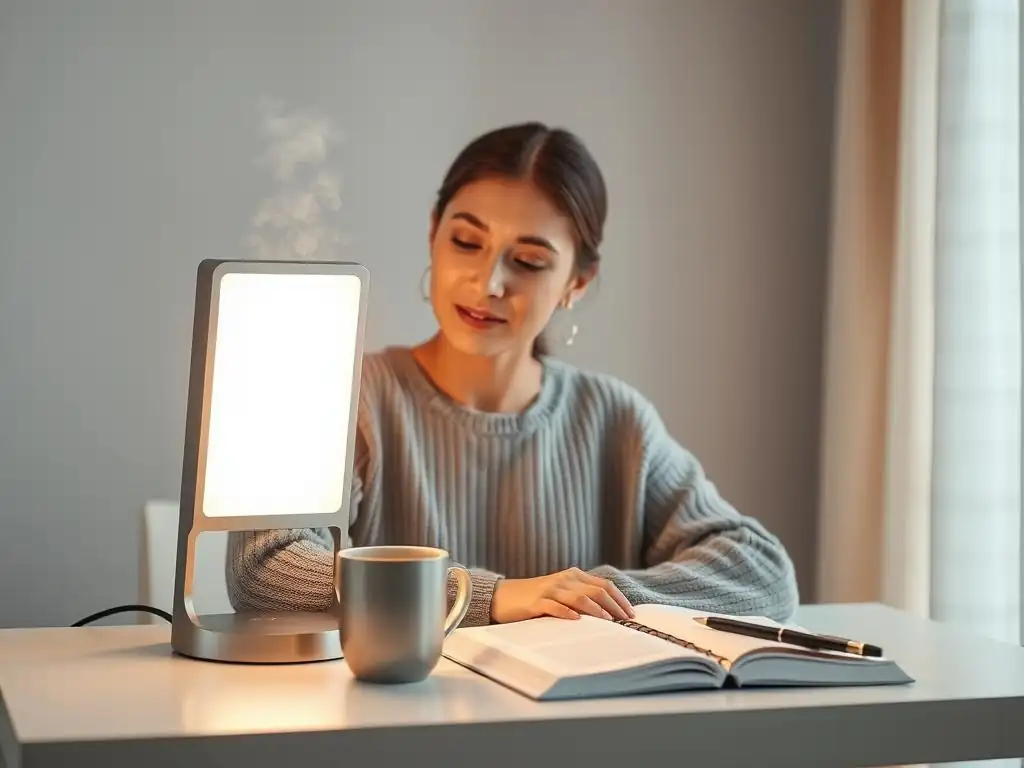
Verilux HappyLight Lumi Plus: A Review Focused on Portability
The Verilux HappyLight Lumi Plus is a popular choice known for its compact size and portability, making it ideal for users who need flexibility in where and when they use their therapy lamp. Measuring approximately 6.5 x 6.5 inches, it's small enough to fit comfortably on a desk, bedside table, or even in a travel bag. This model offers adjustable brightness levels (up to 10,000 lux) and color temperatures, allowing users to customize their therapy session. Its sleek design and ease of use contribute to its high ratings among users seeking a convenient and effective SAD solution.
This lamp typically achieves 10,000 lux at a distance of about 6 inches, requiring users to sit relatively close for the full therapeutic effect. While perhaps not ideal for multitasking at a distance, its small footprint makes it unobtrusive in various settings. The ability to choose between different color temperatures (often Warm White, Natural White, and Daylight) can also enhance user comfort and preference during sessions. Many SAD light therapy benefits review articles highlight this model for its blend of features in a portable package.
Pros of Verilux HappyLight Lumi Plus
- Highly portable and compact design, easy to move and store.
- Offers adjustable brightness levels (lux) and color temperatures.
- Simple, intuitive controls for ease of use.
- Generally affordable compared to larger, more clinical models.
- Utilizes LED technology, making it energy-efficient and long-lasting.
Cons of Verilux HappyLight Lumi Plus
- Requires relatively close proximity (around 6 inches) to achieve 10,000 lux.
- Smaller light surface area compared to larger box-style lamps.
- Some users report the stand can feel a bit less stable than heavier units.
Carex Day-Light Classic Plus: A Review Focused on Light Intensity
The Carex Day-Light Classic Plus is a well-regarded, larger light box designed to provide powerful, consistent light therapy. It stands out due to its ability to deliver 10,000 lux at a comfortable distance, often cited as 12 inches or more, allowing users to sit further away while still receiving effective treatment. Its larger size and robust build are reminiscent of the light boxes used in early clinical trials for SAD therapy. This lamp is often recommended for users who prioritize maximum intensity and want a stationary unit for dedicated therapy sessions.
This model typically features a tilted design to direct light downwards towards the eyes, mimicking the angle of natural sunlight. The large diffusion screen ensures even light distribution, minimizing glare. While less portable than smaller lamps, its sturdy base provides stability. A review of SAD light therapy benefits often includes this type of high-intensity, clinical-style lamp as a benchmark for efficacy. It's important to note that while it delivers high lux at a good distance, it lacks adjustable brightness or color temperature settings found in some modern LED lamps.
Pros of Carex Day-Light Classic Plus
- Delivers 10,000 lux at a comfortable distance (often 12+ inches).
- Large light surface area for even light distribution.
- Sturdy, stable design suitable for stationary use.
- Trusted brand with a history in light therapy products.
- Mimics the design of lamps used in clinical research.
Cons of Carex Day-Light Classic Plus
- Larger and less portable than compact models.
- Lacks adjustable brightness or color temperature settings.
- Higher price point compared to smaller, entry-level lamps.
- Uses fluorescent bulbs which may need replacement over time.
TheraLite Aura Day Light Therapy Lamp: A Review Focused on Affordability
The TheraLite Aura Day Light Therapy Lamp is often highlighted in a SAD light therapy benefits review for its accessibility, offering light therapy at a more budget-friendly price point. Despite its lower cost, it aims to provide effective therapy, typically offering up to 10,000 lux, though the distance at which it achieves this maximum intensity may be closer than premium models. Its design is generally simple and functional, often featuring a foldable stand for convenient positioning.
This lamp serves as a good entry point for individuals new to light therapy or those seeking a cost-effective solution. While it may lack some of the advanced features of more expensive units, such as multiple color temperatures or highly adjustable stands, it fulfills the basic requirement of providing bright, white light therapy. Users often appreciate its straightforward operation and compact footprint. Checking the specific lux distance in the product specifications is crucial to ensure it meets therapeutic needs.
Pros of TheraLite Aura Day Light Therapy Lamp
- More affordable price point, making light therapy accessible.
- Provides up to 10,000 lux output (check distance requirement).
- Compact design, often with a foldable stand for easy setup.
- Simple and easy to operate.
- Good option for those trying light therapy for the first time.
Cons of TheraLite Aura Day Light Therapy Lamp
- May require closer proximity for 10,000 lux compared to pricier models.
- Fewer features (e.g., no adjustable color temperature or advanced timers).
- Build quality may feel less robust than premium options.
Comparing SAD Light Therapy Lamps: A Side-by-Side Analysis
Light Intensity Comparison: Which Lamp Provides Optimal Lux?
When comparing SAD light therapy lamps, the ability to deliver 10,000 lux at a practical distance is paramount. The Carex Day-Light Classic Plus excels in this area, designed specifically to provide high intensity (often 10,000 lux at 12-20 inches) suitable for sitting at a desk or table. This allows for greater flexibility in positioning and multitasking during sessions. Its design prioritizes consistent, powerful light output over adjustability.
In contrast, portable models like the Verilux HappyLight Lumi Plus and the TheraLite Aura typically achieve 10,000 lux at closer distances, often requiring you to be within 6-10 inches. While they still meet the 10,000 lux standard, the required proximity means you need to position the lamp quite close to your face. This might be less convenient for some activities but is a trade-off for their smaller size and portability. Always check the manufacturer's specifications for the exact distance to achieve 10,000 lux for any lamp you consider.
Size and Portability: Finding the Right Lamp for Your Lifestyle
The physical dimensions and weight of a SAD lamp significantly impact its usability in different environments. The Carex Day-Light Classic Plus, being a larger, more traditional light box, is best suited for a dedicated spot in your home or office where it can remain set up. Its size (often around 20-25 inches tall) and weight make it less practical for frequent relocation or travel.
Portable options like the Verilux HappyLight Lumi Plus (around 6.5 inches square) and many models in the TheraLite range are designed for maximum flexibility. They are lightweight and small enough to fit in a bag, making them suitable for travel or moving between different rooms. If you anticipate needing light therapy in various locations or have limited space, a compact, portable model will be a better fit for your lifestyle, even if it requires sitting closer during use.
Price vs. Performance: Balancing Cost and Effectiveness
The price of SAD light therapy lamps can vary significantly, from under $50 for basic models to over $200 for features-rich or larger units. Generally, lamps offering higher lux at greater distances, larger light surfaces, more robust build quality, and additional features like adjustable brightness and color temperature tend to be more expensive. A comprehensive SAD light therapy benefits review should weigh these factors against the cost.
Entry-level lamps like the TheraLite Aura offer a cost-effective way to access light therapy, providing the essential 10,000 lux output, albeit potentially at a closer distance. Mid-range lamps like the Verilux HappyLight Lumi Plus offer a balance of features, portability, and often adjustable settings at a moderate price. Premium lamps, such as the Carex Day-Light Classic Plus or other high-end models, command a higher price but offer maximum intensity at a distance, larger treatment areas, and often clinical-grade reliability. Consider your budget and prioritize the features most important to your specific needs and lifestyle when making a choice.
Maximizing SAD Light Therapy Benefits: Usage Guidelines
Optimal Timing and Duration of Light Therapy Sessions
To maximize the SAD light therapy benefits, consistency in timing and duration is crucial. For most people with winter-pattern SAD, the optimal time for light therapy is within the first hour of waking up in the morning. This timing helps to reset the body's circadian rhythm effectively, signaling to the brain that the day has begun and helping to suppress melatonin production. Using the lamp later in the day can interfere with sleep patterns.
The typical recommended duration for a session with a 10,000 lux lamp is 20 to 30 minutes. Some individuals may find shorter sessions (15 minutes) sufficient, while others might need slightly longer. It's often recommended to start with a shorter duration and gradually increase as needed, observing how your body responds. The key is daily, consistent use throughout the fall and winter months, or whenever symptoms of SAD appear. Skipping sessions can diminish the therapeutic effect.
Positioning Your Light Therapy Lamp for Maximum Effectiveness
Proper positioning of your SAD light therapy lamp is essential for ensuring that the light reaches your eyes indirectly. You should not look directly into the light, as this can be harmful. Instead, position the lamp at an angle, typically to your side or slightly in front of you, allowing the light to enter your peripheral vision. This setup enables you to engage in other activities like eating breakfast, reading, or working on a computer while receiving therapy.
Ensure the lamp is at the correct distance recommended by the manufacturer to achieve the desired lux level (usually 10,000 lux). If the lamp provides 10,000 lux at 12 inches, make sure it is positioned approximately 12 inches away from your face. Sitting too far away will significantly reduce the intensity of light reaching your eyes, potentially making the therapy less effective. The light surface should generally be at eye level or slightly above, angled downwards.
Potential Side Effects of Light Therapy and How to Manage Them
While generally safe and well-tolerated, light therapy can cause some minor side effects, particularly when starting treatment. The most common side effects include eye strain or headache, nausea, and feeling jittery or agitated. These side effects are usually mild and temporary, often resolving within a few days of starting therapy or by adjusting the session duration or distance from the lamp.
If you experience side effects, try reducing the duration of your session (e.g., from 30 minutes to 20 minutes) or increasing your distance from the lamp. Ensure you are not looking directly into the light. Using the lamp earlier in the morning may also help mitigate feelings of agitation or difficulty sleeping at night. If side effects persist or are bothersome, consult with a healthcare professional. Individuals with certain eye conditions (like glaucoma, cataracts, or retinal disorders) or those taking medications that increase sensitivity to light should always consult a doctor before starting light therapy.
Beyond Lamps: Other Light Therapy Options for SAD
Light Boxes vs. Dawn Simulators: Which is Right for You?
While bright light boxes providing 10,000 lux are the most common and well-researched form of light therapy for SAD, dawn simulators offer an alternative approach that some individuals find beneficial, particularly for difficulties waking up. A dawn simulator is an alarm clock that gradually increases the intensity of light in your bedroom over a period of time (e.g., 30 minutes) before your set wake-up time, mimicking a natural sunrise.
The primary benefit of a dawn simulator is its gentle approach to waking and potential impact on the circadian rhythm, which can help alleviate morning grogginess. However, dawn simulators typically do not provide the high intensity (10,000 lux) considered standard for treating the core depressive symptoms of SAD. While they can be a helpful adjunct, particularly for sleep-related SAD symptoms, they are generally not considered a direct replacement for a 10,000 lux light box for treating moderate to severe SAD depression. The choice depends on your primary symptoms and preferences; some people use both.
Considerations for Vitamin D and Natural Sunlight Exposure
It's important to distinguish between light therapy for SAD and the benefits of natural sunlight for Vitamin D production. While natural sunlight does provide the bright light needed for SAD therapy and is essential for Vitamin D synthesis, relying solely on natural light during winter months in higher latitudes is often insufficient for both purposes. The angle of the sun during winter prevents adequate UV-B radiation from reaching the skin for Vitamin D production, and the reduced daylight hours and intensity make it difficult to get consistent, therapeutic light exposure for SAD.
SAD light therapy lamps filter out UV rays, meaning they do not contribute to Vitamin D synthesis. Therefore, individuals concerned about Vitamin D levels during winter should consider dietary sources, fortified foods, or supplements, in consultation with a healthcare provider. While spending time outdoors in natural light is always beneficial for mood and well-being, it should not be considered a substitute for targeted 10,000 lux light therapy for treating diagnosed SAD, nor does light therapy replace the need for Vitamin D if levels are low.
Choosing the Right SAD Light Therapy Lamp for Your Needs: A Personalized Approach
Factors to Consider Based on Your SAD Symptoms
Selecting the best SAD light therapy lamp requires considering your specific symptoms and lifestyle. If your primary SAD symptoms include low energy and difficulty getting out of bed in the morning, focusing on a lamp that provides 10,000 lux at a comfortable distance for use while you have breakfast or get ready might be most effective. The ability to multitask during your session is often a key factor for consistent use.
If you experience significant mood disturbances and find it hard to sit still for a dedicated therapy session, a portable lamp you can easily move might fit better into your routine, allowing you to use it while working at different locations in your home or office. Consider also if you have light sensitivity or prefer a specific type of light; some lamps offer adjustable intensity and color temperature, allowing for greater personalization and comfort during your therapy sessions. A review of SAD light therapy benefits tailored to specific symptom profiles can help narrow down options.
Consulting with a Healthcare Professional for Personalized Recommendations
While a SAD light therapy benefits review can provide valuable information about different lamps and general usage guidelines, consulting with a healthcare professional is always recommended before starting light therapy, especially if you have pre-existing health conditions, particularly eye issues or bipolar disorder. A doctor can confirm a SAD diagnosis and determine if light therapy is an appropriate treatment for you.
A healthcare provider can offer personalized recommendations based on your medical history, the severity of your symptoms, and any other treatments you may be receiving. They can also advise on the optimal timing, duration, and intensity of light therapy for your specific situation and help you monitor your response to treatment. This professional guidance ensures that light therapy is used safely and effectively as part of a comprehensive mental health plan.
Conclusion: Improving Your Well-being with SAD Light Therapy
Recap of Top SAD Light Therapy Lamp Recommendations
Our review of top-rated SAD light therapy lamps highlights several models that offer effective solutions for managing Seasonal Affective Disorder. Lamps like the Carex Day-Light Classic Plus excel in delivering high intensity (10,000 lux) at a greater distance, suitable for dedicated home use. Portable options such as the Verilux HappyLight Lumi Plus provide flexibility and adjustable features in a compact form factor.
More affordable options like the TheraLite Aura make light therapy accessible to a wider audience. Each type offers distinct advantages, and the best choice depends on individual needs, lifestyle, and budget, all contributing to a positive SAD light therapy benefits review experience.
Ultimately, the effectiveness of any SAD light therapy lamp hinges on consistent, proper use according to manufacturer instructions and, ideally, guidance from a healthcare professional. Regardless of the model chosen, the goal is to receive adequate exposure to bright, therapeutic light daily during the darker months to help regulate circadian rhythms, improve mood, and increase energy levels.
Taking Control of Your Mental Health During Seasonal Changes.
Seasonal Affective Disorder can significantly impact quality of life, but effective treatments like light therapy offer a powerful way to mitigate its effects. By understanding SAD, exploring the benefits of SAD light therapy lamps, and choosing a lamp that fits your needs, you can take proactive steps to support your mental well-being during seasonal transitions. Light therapy, when used correctly, can make a substantial difference in navigating the challenges posed by shorter days and reduced sunlight.
Incorporating a SAD light therapy lamp into your daily routine is an investment in your health. Alongside other strategies such as maintaining a regular sleep schedule, engaging in physical activity, and seeking support from friends, family, or therapists, light therapy can be a cornerstone of managing SAD. Empower yourself with knowledge and tools like top-rated SAD light therapy lamps to brighten your mood and energy throughout the year.
Frequently Asked Questions
What is Seasonal Affective Disorder (SAD), and how does light therapy help?
SAD is a type of depression related to changes in seasons, typically starting in the fall and continuing into the winter months. Light therapy helps by mimicking natural sunlight, which can boost your mood and regulate your circadian rhythm.
How effective is light therapy for treating SAD, according to reviews?
Reviews suggest light therapy is highly effective for many individuals with SAD, often leading to significant improvements in mood and energy levels. However, individual results can vary.
What are the key features to consider when choosing a SAD light therapy lamp?
Important features include the light intensity (measured in lux), the type of light emitted (full-spectrum is preferred), and the size and portability of the lamp.
How long and how often should I use a SAD light therapy lamp to experience benefits?
Most recommendations suggest using the lamp for 20-30 minutes daily, typically in the morning. It's crucial to follow the manufacturer's instructions and consult with a healthcare professional.
Are there any potential side effects associated with SAD light therapy?
While generally safe, some people may experience mild side effects like headaches, eye strain, or nausea. These are usually temporary and can often be mitigated by adjusting the distance or duration of use.
Final Reflection: Illuminating the Path to Well-being Through Light
The pervasive nature of Seasonal Affective Disorder (SAD) and the increasing awareness of its impact on mental and physical health highlight the critical need for effective treatment options. The search for relief from the debilitating symptoms of SAD—fatigue, low mood, and decreased motivation—is a journey many undertake, and finding the right tools can be transformative. This article has explored the world of SAD light therapy lamps, offering reviews and recommendations to help navigate this journey towards brighter days.
The power of light therapy to positively influence our circadian rhythms and overall well-being is undeniable. It's more than just a treatment; it's a testament to the intricate connection between our environment and our internal state. Light is the very essence of life, and it's only natural that we should seek its healing power.
This simple truth underscores the profound impact light therapy can have, not only on those suffering from SAD but also on our understanding of the human body's delicate balance. The ongoing research and development in this field promise even more sophisticated and accessible solutions in the future.
Consider the ways in which light influences your own life. Do you notice a shift in your mood depending on the season? Are you actively seeking ways to improve your well-being? This article is not just a guide to choosing a lamp; it's an invitation to prioritize your mental and physical health. Take the time to reflect on your relationship with light and consider how incorporating light therapy, even in small ways, might illuminate your path to a happier, healthier you. The journey towards well-being is a personal one, and the right tools can make all the difference.
Unveil Your Brighter Self: Next Steps to Better Days
Thanks for taking the time to explore the world of SAD lamps with us! We hope you now feel more confident in choosing a lamp that fits your needs and brightens your winter.
Ready to take the next step towards feeling your best?
- Invest in your well-being: Order your top-rated SAD lamp today and experience the transformative power of light therapy firsthand. Consider keeping a journal to track your mood improvements.
- Share your experience: Tell us (and others!) about your experience with light therapy. Leave a comment below sharing your favorite lamp or any tips you've discovered.
- Explore further: Research other self-care techniques to complement your light therapy routine. What other strategies can you integrate for optimal wellness?
What simple change will you make today to prioritize your mental well-being?