
The Ultimate Checklist for Recognizing Teen Depression Signs


Welcome to Mind Care Guide, a sanctuary for your mental well-being.
Are you worried about a teenager in your life? Navigating the emotional landscape of adolescence can be challenging, but recognizing the signs of depression early is crucial. This week, we’re providing you with The Ultimate Checklist for Recognizing Teen Depression Signs to help you identify potential struggles and offer the support they need. Don't let confusion cloud your judgment; discover the key indicators and learn how to make a difference. What subtle signs might you be missing? Let's explore them together.
Recognizing Teen Depression: A Guide for Parents and Educators
- Understanding Teen Depression: An Essential Introduction
- Teen Depression Recognition: A Detailed Guide
- Actionable Steps: What to Do If You Suspect Depression
- Fostering Mental Well-being: Support and Resources
- Conclusion: Empowering Teens and Families to Address Depression
-
Frequently Asked Questions
- How can I tell if my teen is just being moody or if it's something more serious like depression?
- What are some of the key behaviors included in a Teen Depression Recognition Checklist?
- Where can I find a reliable Teen Depression Recognition Checklist?
- What should I do if I suspect my teen is depressed based on the checklist?
- Is there a cure for teen depression, or is it something they'll always struggle with?
- Final Reflection: Recognizing the Silent Struggle of Teen Depression
- Unlock Your Teen's Wellbeing: Take Action Today!
Understanding Teen Depression: An Essential Introduction
The Importance of Early Identification of Teen Depression
Recognizing teen depression early is paramount for improving outcomes and preventing long-term consequences. Adolescence is a critical period of development, and untreated depression can disrupt academic performance, social development, and overall well-being. Studies indicate that the average duration of a depressive episode in adolescents can be significant, potentially lasting several months or even longer if not addressed. Early recognition allows for timely intervention, which significantly increases the likelihood of successful treatment and recovery.
Furthermore, the risk of more severe issues, including substance abuse and suicidal ideation, increases substantially when depression goes unnoticed and untreated. Data from public health organizations highlight that suicide is a leading cause of death among young people aged 10-24, and mental health conditions, particularly depression, are significant risk factors. A comprehensive teen depression recognition checklist serves as a vital tool for parents and educators to identify potential signs proactively, opening the door for necessary support and professional help before a crisis develops.
Unique Challenges in Recognizing Depression in Adolescents
Identifying depression in teenagers presents unique challenges compared to adults. While adults often exhibit overt sadness, adolescents may mask their feelings or express distress through irritability, anger, or withdrawal. These behaviors can sometimes be misinterpreted as typical teenage moodiness or rebellion, delaying recognition and intervention. The developmental stage itself, marked by hormonal changes and identity exploration, can make it difficult to distinguish between normal adolescent turbulence and the symptoms of clinical depression.
Moreover, teens may lack the language or insight to articulate their feelings of hopelessness or worthlessness effectively. They might internalize their struggles or fear judgment, making them less likely to seek help or disclose their symptoms to adults. Peer influence and social pressures also play a significant role, sometimes leading teens to hide their vulnerability. Therefore, a comprehensive teen depression recognition checklist must account for these nuances, providing specific indicators that go beyond stereotypical depressive symptoms and focusing on changes in behavior, mood, and cognitive patterns unique to this age group.
Teen Depression Recognition: A Detailed Guide
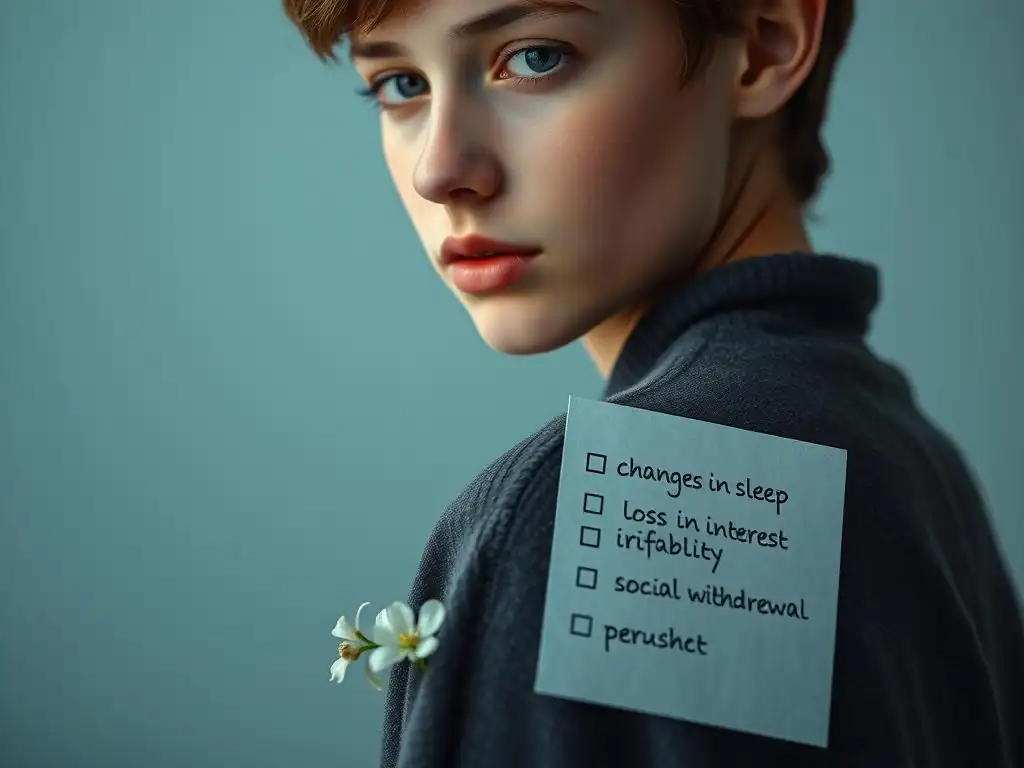
Section 1: Emotional and Mood Indicators
Persistent Sadness or Irritability
A key indicator on any teen depression recognition checklist is a noticeable and persistent shift in mood. While occasional sadness is normal, depression involves a prolonged state of low mood that doesn't lift. This might manifest as constant feelings of sadness, emptiness, or hopelessness. For many teens, however, irritability is a more prominent symptom than sadness. They might be easily frustrated, quick to anger, or display disproportionate emotional reactions to minor issues.
Observing these mood changes over a period of at least two weeks is crucial. For example, a teen who was typically easygoing might become constantly moody, snapping at family members, or expressing persistent dissatisfaction. This isn't just a bad day; it's a pervasive shift in their emotional baseline that significantly impacts their interactions and overall demeanor. Recognizing this persistent irritability as a potential sign of depression is a critical component of effective teen depression recognition.
Loss of Interest in Hobbies and Activities
Anhedonia, or the reduced ability to feel pleasure, is a hallmark symptom of depression and a significant item on a teen depression recognition checklist. Teens experiencing depression often lose interest in activities they once enjoyed. This could range from hobbies like sports, art, or music to spending time with friends or engaging in social events. What was once a source of joy becomes something they avoid or participate in without enthusiasm.
Consider a teen who was passionate about playing video games or participating in a school club, spending hours on these activities. If they suddenly stop engaging, show no interest when prompted, or seem completely indifferent to their former passions, it warrants attention. This withdrawal from enjoyable activities isn't just boredom; it's a potential sign that the brain's reward system is being affected by depression, making it difficult for the teen to experience pleasure or motivation.
Feelings of Hopelessness, Guilt, or Worthlessness
Depression often distorts a teen's self-perception and outlook on the future, leading to profound feelings of hopelessness, excessive guilt, or worthlessness. These thoughts can be deeply distressing and contribute to a negative self-image. A teen might express beliefs that things will never get better, that they are a burden to others, or that they are inherently flawed or inadequate.
These feelings are more than just low self-esteem; they are pervasive negative cognitions that align with depressive thought patterns. A teen might excessively apologize for minor things, blame themselves for problems outside their control, or talk about feeling like a failure despite evidence to the contrary. Such expressions, especially when persistent, are strong indicators that should be noted on a teen depression recognition checklist and explored with sensitivity and concern.
Section 2: Behavioral Changes
Social Withdrawal and Isolation from Friends and Family
A common behavioral change associated with teen depression is withdrawal from social interactions. Teens might stop hanging out with friends, decline invitations to social events, or spend significantly more time alone in their room. This isn't just preferring solitude occasionally; it's a marked decrease in social engagement that was previously typical for them.
For example, a teen who was previously very social, constantly texting friends or going out on weekends, might suddenly become reclusive, ignoring calls and avoiding family gatherings. This isolation can exacerbate feelings of loneliness and hopelessness, creating a vicious cycle. Observing a significant shift in a teen's social patterns is a crucial element of any comprehensive teen depression recognition checklist.
Significant Changes in Sleep Patterns (Insomnia or Hypersomnia)
Sleep disturbances are frequently linked to depression and are important signs to look for. These changes can manifest in two primary ways: insomnia (difficulty falling asleep or staying asleep) or hypersomnia (sleeping excessively). A teen might complain of being unable to sleep, waking up frequently during the night, or waking up very early and being unable to get back to sleep.
Conversely, some depressed teens may sleep for unusually long periods, struggling to get out of bed, napping excessively during the day, or sleeping through classes or appointments. A drastic change from their typical sleep schedule, whether it's a significant reduction or increase in total sleep time, warrants attention. Monitoring sleep habits is a practical item for a teen depression recognition checklist.
Noticeable Changes in Appetite or Weight
Changes in eating habits and weight are also common physical symptoms of depression. Some teens may lose their appetite altogether, leading to significant weight loss. Food may seem unappealing, and they might skip meals frequently. Others may experience an increase in appetite, sometimes using food as a coping mechanism, leading to weight gain.
A sudden, unexplained change in weight – either significant loss or gain – without an accompanying illness or change in diet/exercise routine is a potential red flag. For instance, a teen might lose 10 pounds in a month without trying, or conversely, gain a significant amount of weight rapidly. Noting these physical changes related to eating is a necessary part of a thorough teen depression recognition checklist.
Persistent Fatigue and Low Energy Levels
Feeling constantly tired or lacking energy, even after getting enough sleep, is a prevalent symptom of depression. This isn't just feeling sleepy; it's a pervasive sense of exhaustion that makes even simple tasks feel overwhelming. Teens might struggle to get out of bed, lack motivation to do schoolwork, or feel physically heavy and drained throughout the day.
This fatigue differs from normal tiredness after strenuous activity; it's a persistent lack of vitality that impacts daily functioning. A teen who was previously energetic might seem sluggish, lethargic, and constantly complain of being tired, even when well-rested. This persistent low energy is a key indicator to include when developing a personal teen depression recognition checklist for observation.
Increased Agitation or Restlessness
While depression is often associated with slowness or lethargy, some teens experience increased agitation or restlessness. They might feel keyed up, unable to sit still, or constantly fidgeting. This can manifest as pacing, hand wringing, or an inability to relax. They might describe feeling "on edge" or irritable with nervous energy.
This symptom can sometimes be mistaken for anxiety, but it can also be a manifestation of depression, particularly in adolescents. The teen might seem physically restless or emotionally agitated, displaying impatience or frustration easily. Recognizing that agitation, not just sadness, can be a sign is vital for effective teen depression recognition.
Section 3: Cognitive Impairment
Difficulty Concentrating or Making Decisions
Depression can significantly impair cognitive function, making it difficult for teens to focus, concentrate, or make even simple decisions. They might find it hard to pay attention in class, follow instructions, or complete tasks that require sustained mental effort. Decision-making can become overwhelming, leading to indecisiveness or avoidance of choices.
This cognitive fog can impact academic performance and daily functioning. A teen who was previously able to manage schoolwork might suddenly struggle with assignments, forget important details, or take an unusually long time to complete tasks. Noting these difficulties with focus and decision-making is an important part of any teen depression recognition checklist.
Decline in Academic Performance
A noticeable drop in grades or academic engagement is often one of the first signs of depression that adults observe, especially in school settings. This decline isn't necessarily due to a lack of effort or interest in learning itself, but rather the result of impaired concentration, memory problems, fatigue, and lack of motivation caused by the depression.
A teen who was previously a good student might start missing assignments, failing tests, or showing a general disinterest in schoolwork. Teachers might report that the student seems distracted, withdrawn, or unable to keep up with the material. While other factors can cause academic decline, when combined with other symptoms, it becomes a strong indicator on a teen depression recognition checklist.
Negative Self-Talk and Self-Blame
Depression often involves a pattern of negative thinking, including critical self-talk and excessive self-blame. Teens might repeatedly put themselves down, focus on their perceived flaws or failures, and attribute negative events to their own shortcomings, even when they are not at fault. This internal dialogue reinforces feelings of worthlessness and hopelessness.
Listening for phrases like "I'm so stupid," "It's all my fault," or "I can't do anything right" can provide insight into a teen's internal state. They might dwell on mistakes, magnify minor errors, or constantly criticize their appearance, abilities, or personality. Recognizing and gently challenging this negative self-talk is a crucial step when using a teen depression recognition checklist.
Preoccupation with Death or Suicidal Thoughts (Seek Immediate Help)
Perhaps the most serious cognitive symptom is a preoccupation with death, dying, or suicidal ideation. This can range from casual comments about not wanting to be alive to making explicit statements about suicide, researching methods, or giving away possessions. Any mention of self-harm or suicide should be taken extremely seriously and requires immediate action.
If a teen expresses thoughts of self-harm or suicide, it is imperative to seek professional help immediately. Do not leave the teen alone, and contact a crisis hotline, mental health professional, or emergency services without delay. This is the most critical item on any teen depression recognition checklist and demands an urgent response.
Section 4: Physical Manifestations
Frequent Headaches or Stomachaches
Depression can manifest physically, leading to unexplained aches and pains that don't have a clear medical cause. Frequent headaches, stomachaches, or digestive issues are common complaints among depressed teens. These physical symptoms are real and not imagined; the stress and chemical imbalances associated with depression can directly impact the body.
A teen might visit the school nurse or doctor repeatedly for these complaints, but medical tests reveal no underlying physical illness. When such physical symptoms are chronic and coincide with changes in mood or behavior, they should be considered potential indicators on a teen depression recognition checklist.
Unexplained Aches and Pains
Beyond headaches and stomachaches, depressed teens might report generalized body aches, muscle pain, or stiffness without a discernible physical explanation. They might feel perpetually unwell or complain of feeling physically heavy or sore. These somatic symptoms are a way the body expresses psychological distress.
For example, a teen might complain of back pain or joint stiffness that limits their activity, even though a physical examination shows no injury or condition. Recognizing that depression can present with these seemingly unrelated physical complaints is key to a thorough teen depression recognition process.
Changes in Energy Levels
As mentioned under behavioral changes, persistent fatigue is common, but changes in energy levels can also manifest as physical slowness or agitation. Some teens might move and speak more slowly than usual, a symptom known as psychomotor retardation. Their reactions might be delayed, and they might seem physically drained.
Conversely, some might display psychomotor agitation, appearing physically restless, fidgety, or unable to sit still. These physical manifestations of altered energy levels are tangible signs that can be observed and included in a teen depression recognition checklist.
Actionable Steps: What to Do If You Suspect Depression
Utilizing This Guide Effectively
This guide serves as a comprehensive teen depression recognition checklist, but it is not a diagnostic tool. Its purpose is to empower parents and educators to recognize potential signs and know when to seek professional help. Use this checklist as a starting point for observation. Note which signs are present, how long they have lasted, and how significantly they impact the teen's daily life.
Consider discussing your observations with other trusted adults who interact with the teen, such as teachers, coaches, or other family members, to see if they have noticed similar changes. Documenting the specific behaviors and mood shifts you observe can be helpful when discussing your concerns with a mental health professional. This proactive approach, guided by a thorough teen depression recognition checklist, is the first step towards getting help.
Seeking Professional Evaluation and Treatment
If you identify several persistent signs from this teen depression recognition checklist, the next crucial step is to seek a professional evaluation. A qualified mental health professional, such as a child and adolescent psychiatrist, psychologist, or licensed therapist, can conduct a thorough assessment to determine if the teen is experiencing depression or another mental health condition.
Treatment for teen depression is effective and often involves a combination of therapy (such as Cognitive Behavioral Therapy or Interpersonal Therapy) and, in some cases, medication. Early intervention by professionals significantly improves recovery rates. Do not delay in seeking expert help; a professional diagnosis and treatment plan are essential.
Communicating with Your Teen About Your Concerns
Approaching your teen about your concerns requires sensitivity, empathy, and an open mind. Choose a private, comfortable time to talk. Express your observations using "I" statements (e.g., "I've noticed you seem more tired lately" or "I'm concerned because you've stopped going to soccer practice") rather than accusatory "you" statements.
Listen actively and validate their feelings, even if they deny being depressed or react defensively. Let them know you are there for them and want to help them feel better. Frame seeking professional help as a positive step towards feeling better, like seeing a doctor for a physical illness. Open and honest communication is vital, even if it's difficult, and using your observations from the teen depression recognition checklist can provide concrete examples to discuss.
Fostering Mental Well-being: Support and Resources

Creating a Supportive and Understanding Home Environment
A home environment that is supportive, understanding, and non-judgmental is fundamental for a teen's mental well-being, especially when they are struggling with depression. Ensure your teen feels safe to express their emotions without fear of criticism or punishment. Offer unconditional love and acceptance.
Maintain open lines of communication and be available to listen. Encourage healthy routines around sleep, diet, and exercise. Reduce academic or extracurricular pressure where possible, focusing instead on well-being. A supportive home base is a critical protective factor and complements the insights gained from using a teen depression recognition checklist.
Promoting Healthy Coping Skills and Stress Management
Teaching and encouraging healthy coping mechanisms is vital for managing depression symptoms and preventing future episodes. Help your teen identify positive ways to deal with stress and difficult emotions, such as exercise, mindfulness, creative expression (art, music, writing), spending time in nature, or talking to a trusted friend or family member.
Limit unhealthy coping strategies like excessive screen time, social withdrawal (beyond needing downtime), or substance use. Model healthy coping behaviors yourself. Equipping teens with effective stress management tools is an investment in their long-term mental health and works hand-in-hand with the process of teen depression recognition and intervention.
Accessing Mental Health Resources and Support Networks
Navigating mental health challenges requires accessing appropriate resources. This includes professional help from therapists and psychiatrists, as well as community-based support networks. Many schools offer counseling services, and there are numerous non-profit organizations dedicated to supporting youth mental health.
Familiarize yourself with local mental health services, crisis hotlines, and online resources that provide reliable information and support. Support groups for teens and families dealing with depression can also be incredibly beneficial. Knowing where to turn for help is a crucial step after utilizing a teen depression recognition checklist and suspecting a problem.
Conclusion: Empowering Teens and Families to Address Depression
Frequently Asked Questions
How can I tell if my teen is just being moody or if it's something more serious like depression?
It can be tricky! Look for persistent changes in mood, behavior, and interests. A key indicator is when these changes significantly impact their daily functioning and last for more than two weeks.
What are some of the key behaviors included in a Teen Depression Recognition Checklist?
The checklist includes behaviors such as increased irritability, withdrawal from friends and family, changes in sleep or appetite, and feelings of hopelessness or worthlessness. These are red flags that warrant further investigation.
Where can I find a reliable Teen Depression Recognition Checklist?
Mind Care Guide offers a comprehensive checklist that you can access on our website. Many other reputable mental health organizations also provide similar resources for parents and caregivers.
What should I do if I suspect my teen is depressed based on the checklist?
The first step is to talk to your teen in a supportive and non-judgmental way. Then, consult with a mental health professional, such as a therapist or psychiatrist, for a formal evaluation.
Is there a cure for teen depression, or is it something they'll always struggle with?
Teen depression is treatable with therapy, medication, or a combination of both. Early intervention and ongoing support can significantly improve their long-term well-being and prevent future episodes.
Final Reflection: Recognizing the Silent Struggle of Teen Depression
The alarming rise in teen depression demands our immediate attention, and understanding the subtle signs is the first crucial step towards effective intervention. Ignoring the warning signals can have devastating consequences, but armed with knowledge and empathy, we can create a supportive environment where young people feel safe to seek help. This checklist isn't just a tool; it's a lifeline.
The impact of teen depression extends far beyond the individual; it ripples through families, schools, and communities. The societal pressure to succeed, coupled with the complexities of navigating adolescence in the digital age, creates a perfect storm for mental health challenges. The single biggest problem in communication is the illusion that it has taken place.
- George Bernard Shaw. This quote highlights the critical need for open communication and active listening, not just in identifying depression, but in fostering genuine connection and understanding with teenagers. We must move beyond assumptions and actively engage in meaningful conversations to truly grasp the struggles faced by our youth.
You, the reader, now possess a valuable tool to recognize the signs of teen depression. But more than just recognition, I urge you to take action. Don't hesitate to reach out to a trusted adult, a mental health professional, or a support organization if you suspect a young person is struggling. Your intervention could be the difference between despair and hope, between silence and healing. Let's work together to create a world where every teenager feels seen, heard, and supported.
Unlock Your Teen's Wellbeing: Take Action Today!
Thanks for taking the time to learn about recognizing the signs of teen depression. You've now equipped yourself with valuable knowledge to support your teen's mental health. Let's put that knowledge into action!
- Prioritize open communication: Schedule a dedicated time to talk with your teen, free from distractions, and focus on active listening. This is the most impactful step you can take right now.
- Explore additional resources: Visit MindCareGuide.org for more articles and tools dedicated to supporting teenage mental health. We have a wealth of information available.
- Share this vital information: Forward this article to other parents or guardians who might find this information helpful. Let's build a supportive community around teen mental health.
What small step will you take today to strengthen your connection with your teen and foster their wellbeing?