
Walking Your Way to Calm: The Therapeutic Power of Simple Movement


Welcome to Mind Care Guide, a sanctuary for your mental well-being.
Are you feeling overwhelmed by anxiety's grip? You're not alone. Many find solace in the simplest of actions. In this guide, we explore how something as fundamental as walking for anxiety relief can be a powerful tool in your journey towards calm. Discover the science behind this therapeutic movement and unlock practical tips to integrate it into your life. Ready to take the first step?
Walking Your Way to Calm: The Therapeutic Power of Simple Movement
- Introduction: Discover the Calming Benefits of Walking
- Understanding the Link Between Walking and Anxiety Reduction
- Walking for Anxiety Relief: Practical Strategies and Techniques
- Addressing Common Concerns About Walking for Anxiety
- Optimizing Your Walking Experience
- Maximizing the Therapeutic Power of Walking
- The Long-Term Benefits of Walking for Mental Well-being
- Conclusion: Embrace the Journey to Calm Through Walking
-
Frequently Asked Questions
- How does walking specifically help reduce anxiety?
- How long and how often should I walk to experience anxiety relief?
- What type of environment is best for walking to reduce anxiety?
- Can walking replace other forms of anxiety treatment?
- What if I have physical limitations that make walking difficult?
- Final Reflection: The Unfolding Path to Calm
- Unleash Your Inner Calm: Start Walking Today!
Introduction: Discover the Calming Benefits of Walking
The Growing Need for Natural Anxiety Relief Methods
In today's fast-paced world, anxiety is a prevalent challenge affecting millions globally. While clinical interventions like therapy and medication are crucial for many, there's a significant and growing interest in natural, accessible strategies to complement these approaches or provide initial support. People are actively seeking ways to manage daily stress and anxiety symptoms without relying solely on external solutions.
This shift reflects a desire for greater personal agency in mental wellness, focusing on lifestyle changes that foster resilience and calm from within. The demand for practical, non-pharmacological methods is rising, driven by a desire for sustainable well-being practices that can be integrated into everyday life.
This increasing awareness highlights the need for readily available techniques that empower individuals to take proactive steps for their mental health. Many are exploring options like mindfulness, yoga, and dietary adjustments, but often overlook one of the simplest and most effective tools at their disposal: walking.
The search for gentle yet impactful ways to navigate anxious feelings underscores the potential of straightforward activities that require minimal resources but offer substantial therapeutic benefits. As people become more informed about the mind-body connection, the appeal of natural, holistic methods for anxiety relief becomes ever stronger, paving the way for broader adoption of simple movement practices.
Introducing Walking as a Powerful Tool for Mental Well-being
Walking is perhaps the most fundamental form of human movement, yet its profound impact on mental health is often underestimated. Far from being just a physical activity, walking serves as a powerful, accessible, and highly effective tool for managing anxiety and improving overall mental well-being. It requires no special equipment or location (beyond a safe place to move) and can be adjusted to suit almost any fitness level or time constraint. This inherent simplicity makes walking an ideal candidate for a go-to strategy when feeling overwhelmed or stressed.
Incorporating regular walking into your routine can yield significant psychological benefits. It offers a natural way to interrupt anxious thought patterns, release pent-up energy, and provide a much-needed mental break. Whether it's a brisk walk around the block, a leisurely stroll in a park, or simply pacing in your living room, the act of moving the body has a direct positive effect on the mind. Recognizing walking as a legitimate and potent method for anxiety relief opens up new possibilities for individuals seeking practical, everyday solutions to enhance their sense of calm and control.
Understanding the Link Between Walking and Anxiety Reduction
How Walking Impacts Brain Chemistry: Serotonin and Endorphins
Walking, like other forms of aerobic exercise, triggers a cascade of beneficial neurochemical changes in the brain. One of the most significant impacts is the release of endorphins, often referred to as the body's natural painkillers and mood elevators. These powerful chemicals produce feelings of euphoria and well-being, effectively counteracting feelings of stress and anxiety. Studies have shown that even moderate-intensity walking can lead to a noticeable increase in endorphin levels, providing a tangible mood boost that can last for hours after the activity.
Furthermore, regular walking positively influences neurotransmitters crucial for mood regulation, such as serotonin and norepinephrine. Low levels of serotonin are often associated with mood disorders, including anxiety and depression. Exercise, including walking, helps regulate serotonin levels, contributing to a more stable and positive emotional state. While the exact mechanisms are complex, the consistent stimulation provided by walking appears to enhance the brain's ability to produce and utilize these vital chemicals, offering a natural form of support for emotional balance and effective walking for anxiety relief.
The Science Behind Walking's Calming Effects on the Nervous System
Beyond chemical changes, walking directly impacts the nervous system, particularly the autonomic nervous system (ANS), which controls involuntary bodily functions like heart rate, breathing, and digestion. The ANS has two main branches: the sympathetic nervous system (responsible for the "fight or flight" response associated with anxiety) and the parasympathetic nervous system (responsible for the "rest and digest" state). Chronic anxiety can lead to an overactive sympathetic system.
Engaging in rhythmic, repetitive movement like walking helps to activate the parasympathetic nervous system. This activation promotes a state of relaxation and counteracts the heightened arousal caused by anxiety. The steady pace and focus required for walking can also act as a form of moving meditation, distracting the mind from anxious rumination and promoting a sense of presence and calm. Over time, regular walking helps to regulate the ANS, making it more resilient to stress triggers and reducing the frequency and intensity of the physical symptoms of anxiety, making it a cornerstone strategy for walking for anxiety relief.
Walking and Stress Hormone Reduction: Lowering Cortisol Levels
Chronic stress and anxiety are linked to elevated levels of stress hormones, particularly cortisol. While cortisol is essential for the body's stress response, persistently high levels can have detrimental effects on both physical and mental health, including exacerbating anxiety symptoms. Exercise, including regular walking, has been shown to help regulate the body's stress response system and lower cortisol levels.
When you walk, especially at a moderate intensity, it provides a healthy outlet for the body's stress response. The physical exertion helps metabolize stress hormones and signals to the body that the "threat" has passed, allowing the system to return to a state of equilibrium. Research indicates that individuals who engage in regular physical activity tend to have a blunted cortisol response to stressors compared to sedentary individuals.
This means their bodies don't react as strongly or for as long to stressful situations, contributing to a greater sense of calm and resilience in the face of daily challenges. Consistent walking for anxiety relief is a powerful tool in managing these physiological responses to stress.
Walking for Anxiety Relief: Practical Strategies and Techniques
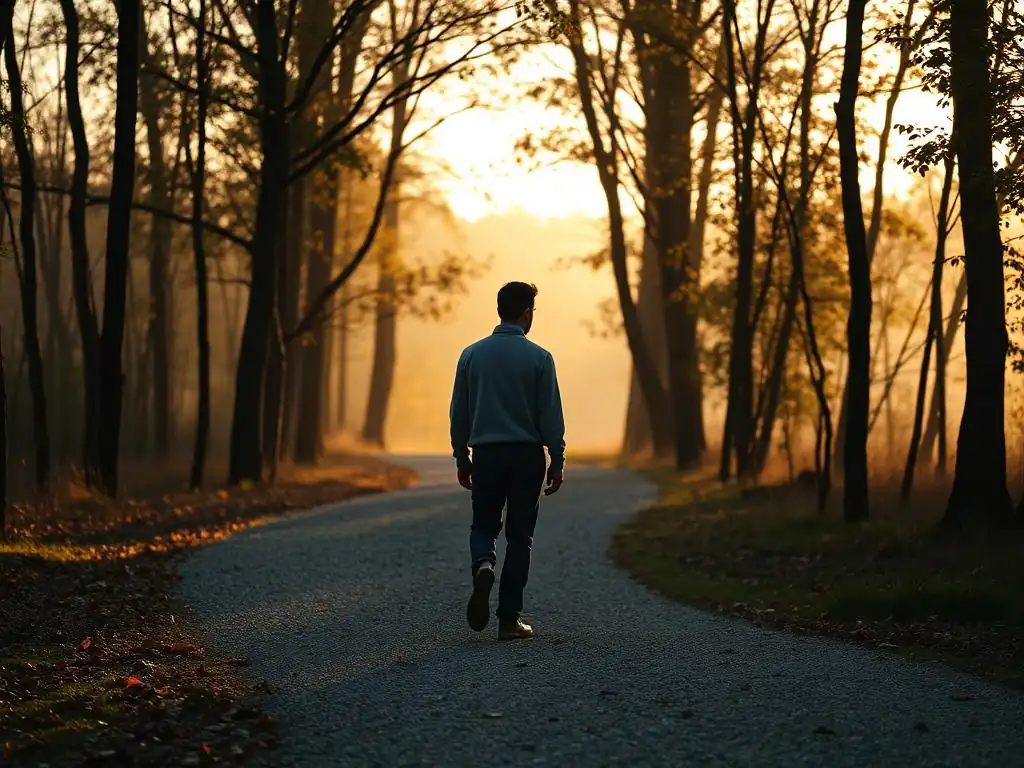
Establishing a Walking Routine for Optimal Mental Health
Consistency is key when using walking for anxiety relief. Aiming for regularity, rather than sporadic long walks, is more effective for establishing lasting benefits. Start small if needed – even a 10 or 15-minute walk can make a difference.
Gradually increase the duration or frequency as you feel comfortable. Many health organizations recommend at least 150 minutes of moderate-intensity aerobic activity per week, which could translate to about 30 minutes of brisk walking five days a week. Finding a time that works best for you – whether it's first thing in the morning to set a positive tone, during a lunch break to decompress, or in the evening to wind down – is crucial for adherence.
Consider scheduling your walks like any other important appointment. Putting it on your calendar can increase the likelihood that you'll stick to it. Think about incorporating walking into your existing activities; perhaps walk part of the way to work or school, take the stairs instead of the elevator, or walk to run errands if feasible. The goal is to make walking a natural, integrated part of your day, reducing the mental barrier to starting. Experiment with different times and durations to see what feels most sustainable and beneficial for your mood and anxiety levels.
Mindful Walking: Enhancing Calmness Through Awareness
Mindful walking involves paying deliberate attention to your experience during the walk, engaging your senses and focusing on the present moment rather than letting your mind wander into anxious thoughts. This practice transforms a simple physical activity into a powerful meditation in motion, significantly enhancing its calming effects. As you walk, gently bring your attention to the physical sensations in your body – the rhythm of your steps, the swing of your arms, the feeling of your feet touching the ground. Notice your breath without trying to change it.
Extend your awareness outward to your environment. What do you see? What do you hear? What do you smell?
Engage with the world around you rather than getting lost in internal dialogue. If your mind drifts (which it will), gently acknowledge the thought and guide your attention back to your senses or your breath. The purpose isn't to empty your mind, but to practice focusing it and non-judgmentally observing your thoughts and surroundings. This active engagement with the present moment is a core component of mindfulness and a highly effective technique for interrupting anxious rumination and promoting a sense of peace while walking for anxiety relief.
Focusing on Breath and Sensory Input During Your Walk
During mindful walking, consciously direct your attention to your breath. Feel the air entering and leaving your lungs. Notice the rhythm of your breathing in relation to your steps – perhaps inhaling for three steps and exhaling for three steps. This simple focus can anchor you in the present and regulate your nervous system.
Simultaneously, engage your senses:
- See: Notice the colors, shapes, and textures around you – leaves on trees, cracks in the pavement, the architecture of buildings.
- Hear: Listen to the sounds – birds chirping, distant traffic, the rustle of leaves, your own footsteps.
- Smell: Pay attention to scents in the air – fresh cut grass, rain on pavement, blooming flowers.
- Feel: Notice the sensation of the ground beneath your feet, the temperature of the air on your skin, the movement of your clothes.
By deliberately focusing on these sensory inputs, you draw your attention away from internal worries and connect more fully with the external world, fostering a sense of grounding and calm.
Incorporating Nature into Your Walks: The Power of Green Spaces
Walking in nature offers amplified benefits for anxiety relief compared to walking in urban or built environments. Spending time in green spaces – parks, forests, gardens, or even tree-lined streets – has a unique restorative effect on the mind. This isn't just anecdotal; research consistently shows that exposure to nature can lower blood pressure, reduce stress hormones, and decrease feelings of anxiety and depression. The visual and auditory stimuli in natural environments are often less demanding and more soothing than those in busy urban settings, allowing the mind to relax and recover from cognitive fatigue.
Access to green spaces can vary, but even small patches of nature can be beneficial. Seek out local parks, walking trails, or botanical gardens. If access is limited, even choosing a route with more trees or green landscaping can make a difference. The calming effect of natural environments is so significant that the practice of "forest bathing" (shinrin-yoku), originating in Japan, has gained international recognition for its therapeutic benefits, particularly for stress and anxiety reduction. Making an effort to walk in nature whenever possible is a powerful enhancement to your walking for anxiety relief strategy.
The Benefits of Forest Bathing for Anxiety Management
Forest bathing, or shinrin-yoku, translates literally to "taking in the forest atmosphere." It's not about hiking or strenuous exercise, but rather about mindfully immersing oneself in the sensory experience of the forest. This practice has been studied extensively, particularly in Japan, showing significant physiological and psychological benefits. Spending time in forests has been linked to reduced levels of cortisol, lower heart rate, and decreased sympathetic nervous system activity.
Beyond the physiological effects, the sensory input from the forest – the scent of trees (phytocides), the sounds of nature, the dappled light – promotes a state of relaxation and reduces rumination. Participants in forest bathing studies often report decreased feelings of anxiety, worry, and stress, alongside increased feelings of peace and well-being. While a full forest immersion might not be feasible regularly, consciously bringing the principles of forest bathing – slow pace, sensory awareness, connection with nature – into any walk in a green space can significantly boost its therapeutic power for anxiety management.
Addressing Common Concerns About Walking for Anxiety
"I Don't Have Time": Overcoming Time Constraints
One of the most frequently cited barriers to regular walking is a perceived lack of time. However, integrating movement doesn't always require setting aside large blocks of time. Even short bursts of walking throughout the day can be beneficial.
Consider breaking down your walking goal into smaller segments: two 15-minute walks or three 10-minute walks can be just as effective as one 30-minute session over the course of a day for walking for anxiety relief. Look for opportunities to multitask, such as taking a walking meeting, listening to a podcast or audiobook while you walk, or walking while talking on the phone.
Examine your daily schedule to identify pockets of time that could be repurposed for walking. Can you wake up 15 minutes earlier? Can you walk during your lunch break? Can you walk to the nearest store instead of driving? Sometimes, the issue isn't a complete lack of time, but rather how time is prioritized. Viewing walking as a vital component of your mental health strategy, rather than a luxury, can help shift priorities. Remember that even a brief walk offers a mental reset, which can ultimately save you time by improving focus and productivity later.
"I Don't Enjoy Exercise": Making Walking Appealing
For individuals who find the idea of exercise unappealing, framing walking specifically for anxiety relief can change the perspective. It's not about training for a marathon; it's about gentle movement that helps your mind feel better. Focus on the feeling of stress reduction and calm it provides, rather than viewing it solely as a physical workout. Find ways to make walking more enjoyable. Listen to music or a podcast you love. Walk with a friend, family member, or pet for companionship. Explore new routes and environments to keep it interesting – discover local parks, nature trails, or interesting neighborhoods.
Consider integrating a hobby or interest into your walk, such as photography, bird watching, or simply observing the world around you. Varying your pace and route can prevent monotony. If walking outdoors isn't appealing, explore options like walking on a treadmill while watching a favorite show or listening to music indoors. The key is to find a way to make the experience pleasant and something you look forward to, rather than dread. Start with short durations and gradually increase as you build comfort and begin to experience the benefits of walking for anxiety relief.
"I Have Physical Limitations": Adapting Walking to Your Needs
Physical limitations should not be a barrier to experiencing the benefits of movement for anxiety relief. Walking is highly adaptable and can be modified to suit a wide range of physical abilities. If traditional walking is difficult, explore alternatives like using a cane or walker for support. Consider walking in a pool (aquatic walking) which reduces impact on joints. If standing or walking for extended periods is challenging, even short periods of paced walking indoors or around a small, safe area can be beneficial.
Consult with a healthcare provider or a physical therapist to develop a walking plan that is safe and appropriate for your specific needs and limitations. They can offer guidance on proper form, assistive devices, and exercises to improve mobility and endurance over time. Focus on what you can do and celebrate small increments of progress. The goal is consistent, gentle movement that feels comfortable and manageable, not to push through pain. Adapting the activity ensures you can still access the significant mental health benefits of walking for anxiety relief, regardless of physical challenges.
Optimizing Your Walking Experience
Varying Your Walking Intensity for Enhanced Mood Boost
While even a leisurely stroll offers benefits, varying your walking intensity can further enhance the mood-boosting effects and provide additional physical health advantages that indirectly support mental well-being. Incorporating periods of brisk walking, where your heart rate is elevated and you can still talk but not sing, can increase the release of endorphins and improve cardiovascular health. Interval walking, alternating between periods of faster and slower paces, is another effective way to boost intensity and keep the activity engaging.
Listen to your body and adjust intensity based on how you feel each day. Some days, a gentle, mindful walk might be exactly what your nervous system needs. On others, a more vigorous pace might help release tension and provide a greater sense of accomplishment. Mixing intensities throughout the week can provide a broader range of benefits. For example, dedicate a few walks each week to a brisker pace and others to a slower, more mindful approach. This variety keeps your routine fresh and allows you to tailor your walking for anxiety relief to your current needs.
Walking can be a solitary, meditative practice, but it can also be a social activity, which offers its own distinct benefits for mental health. Walking with a friend, family member, colleague, or joining a walking group combines the physical benefits of movement with the psychological benefits of social connection. Social interaction is a powerful antidote to feelings of isolation, which can often accompany anxiety.
Walking and talking provides an informal setting for connection and support. Sharing experiences, concerns, or simply enjoying pleasant conversation while moving can significantly reduce stress and lift spirits. Group walking can also provide motivation and accountability, making it easier to stick to a routine. Many communities have walking clubs or informal groups that meet regularly. Exploring these options can be a wonderful way to enhance your walking for anxiety relief strategy by adding a social dimension. Even walking alongside someone in comfortable silence can provide a sense of shared experience and reduce feelings of being alone with your anxiety.
Maximizing the Therapeutic Power of Walking

Combining Walking with Mindfulness Meditation
Integrating formal mindfulness meditation practices with your walking routine can amplify the therapeutic benefits for anxiety relief. Consider starting or ending your walk with a few minutes of seated or standing meditation. Alternatively, use the mindful walking techniques discussed earlier as a moving meditation throughout your walk. The combination leverages the physical calming effect of walking with the mental training of mindfulness, creating a powerful synergy.
For instance, before you step out, sit quietly for 5-10 minutes, focusing on your breath. Set an intention for your walk, perhaps to simply be present or to move with kindness towards yourself. During the walk, practice the sensory awareness techniques. When you return, sit again for a few minutes to observe how you feel, acknowledging any shifts in your mood or physical state. This integrated approach deepens your connection to the present moment and enhances the overall sense of calm derived from walking.
Tracking Your Progress: Monitoring Mood and Anxiety Levels
Keeping track of your walking habits and how they correlate with your mood and anxiety levels can be incredibly insightful and motivating. You don't need complicated tools; a simple notebook or a basic smartphone app can suffice. Note down:
- Date and time of walk
- Duration and approximate intensity
- Location (e.g., park, street, treadmill)
- How you felt before the walk (e.g., anxiety level on a scale of 1-10, specific symptoms)
- How you felt during the walk (e.g., calm, distracted, energized)
- How you felt after the walk (e.g., anxiety level, mood, energy)
Over time, reviewing these entries can reveal patterns and demonstrate the positive impact walking has on your anxiety. Seeing tangible evidence of how walking helps can serve as powerful motivation to maintain consistency, especially on days when you feel less inclined to move. This data-driven approach reinforces walking as a valuable tool for managing your mental health.
Setting Realistic Goals and Celebrating Small Victories
Setting achievable goals is crucial for building a sustainable walking habit for anxiety relief. Instead of aiming for an hour-long walk every day from the start, which might feel overwhelming, begin with a goal that feels easily manageable, such as three 15-minute walks per week. Once you consistently meet that goal, gradually increase either the duration or frequency. Realistic goals prevent discouragement and build confidence.
Celebrating small victories along the way helps reinforce the positive behavior. Acknowledge yourself for sticking to your plan, for walking on a day you didn't feel like it, or for noticing a positive shift in your mood after a walk. These small acknowledgements, whether it's a mental pat on the back, sharing your progress with a supportive friend, or simply enjoying a few extra minutes of relaxation after your walk, reinforce the connection between the effort and the benefit. This positive feedback loop is vital for maintaining motivation and making walking a long-term practice for anxiety relief.
The Long-Term Benefits of Walking for Mental Well-being
Building Resilience to Stress and Anxiety
Regular walking doesn't just provide immediate relief from anxiety; it also helps build long-term resilience to stress and anxious feelings. By consistently engaging in physical activity, you train your body and mind to better handle stressors. The physiological adaptations that occur, such as improved cardiovascular health, reduced inflammation, and better regulation of stress hormones, contribute to a more robust stress response system.
Psychologically, the routine of walking provides a sense of structure and control, which can be grounding for those with anxiety. Overcoming the initial inertia to go for a walk, especially when feeling anxious, builds mental fortitude. The repeated experience of feeling better after a walk reinforces a sense of agency – the understanding that you have the power to positively influence your own mental state through your actions. This cumulative effect strengthens your ability to navigate life's challenges with greater calm and confidence.
Maintaining a Positive Mood
Beyond reducing anxiety, consistent walking significantly contributes to maintaining a more positive overall mood. The regular release of feel-good neurotransmitters, the reduction in stress hormones, and the sense of accomplishment derived from sticking to a routine all play a role. Walking outdoors, particularly in nature, also increases exposure to sunlight, which can help regulate circadian rhythms and improve mood, especially for those affected by seasonal changes.
Furthermore, the simple act of moving the body can help break cycles of negative thinking and rumination often associated with low mood. It provides a physical outlet for restless energy and shifts focus from internal worries to external surroundings. Over time, incorporating walking as a regular part of your lifestyle helps to elevate your baseline mood, making you less susceptible to dips and providing a natural buffer against feelings of sadness or apathy. It's a gentle yet powerful way to cultivate consistent positive emotional states.
Integrating Walking into a Holistic Mental Health Plan
Walking is a powerful tool, but it is most effective when integrated into a broader, holistic approach to mental well-being. It complements other essential strategies such as therapy, mindfulness practices, adequate sleep, balanced nutrition, and social connection. Viewing walking as one piece of a larger puzzle helps to maximize its benefits and ensures you are addressing your mental health from multiple angles.
Discussing your walking routine with your therapist or doctor can also be beneficial. They can help you understand how it fits into your overall treatment plan and offer personalized advice. Remember that seeking professional support for anxiety is a sign of strength, and lifestyle changes like walking are excellent supportive practices. By incorporating regular walking alongside other healthy habits and seeking help when needed, you create a comprehensive strategy for managing anxiety and fostering long-term mental resilience and well-being. Walking for anxiety relief is a cornerstone, not the sole solution.
Conclusion: Embrace the Journey to Calm Through Walking
Reaffirming the Power of Simple Movement for Anxiety Relief
We've explored how the simple act of walking holds remarkable therapeutic power for managing anxiety. From its immediate effects on brain chemistry and the nervous system to its long-term benefits in building resilience and maintaining positive mood, walking is a readily available and highly effective tool. It doesn't require specialized skills or expensive equipment, making it accessible to almost everyone. The science supports what many walkers intuitively experience: movement helps calm the mind.
By understanding the mechanisms behind why walking works – the release of endorphins and serotonin, the regulation of the nervous system, the reduction of cortisol – we can appreciate its significance as a mental health strategy. Whether practiced mindfully in nature or simply as a brisk daily habit, walking offers a consistent way to interrupt anxious cycles, reduce stress, and promote a sense of peace. It is a testament to the profound connection between our physical and mental states, highlighting how even the most basic movements can yield powerful psychological benefits.
Encouraging Readers to Start Their Walking Journey Today
If you are seeking natural and accessible ways to manage anxiety, consider taking the first step towards incorporating regular walking into your life. Start small, be consistent, and be kind to yourself. Find a pace, time, and place that feels comfortable and enjoyable. Experiment with mindful walking techniques or seek out the calming influence of nature. Remember that any amount of walking is better than none, and the benefits accumulate over time.
Don't wait for the "perfect" moment or feel pressured to become a power walker overnight. The journey to using walking for anxiety relief begins with a single step. Embrace the simplicity and accessibility of this powerful tool. Lace up your shoes, step outside (or onto a treadmill), and allow the rhythm of your steps to guide you towards a greater sense of calm and well-being. Your mind and body will thank you for it.
Frequently Asked Questions
How does walking specifically help reduce anxiety?
Walking triggers the release of endorphins, the body's natural mood boosters, and helps regulate the stress hormone cortisol. The rhythmic movement can also promote a sense of calm and mindfulness.
How long and how often should I walk to experience anxiety relief?
Aim for at least 30 minutes of brisk walking most days of the week. Even shorter walks, such as 10-15 minutes, can provide immediate relief. Consistency is key.
What type of environment is best for walking to reduce anxiety?
Nature is ideal! Walking in green spaces, like parks or forests, can further enhance the benefits due to the calming effects of nature. However, any safe and comfortable environment will work.
Can walking replace other forms of anxiety treatment?
Walking can be a valuable addition to an anxiety management plan. However, it's not a replacement for professional therapy or medication if needed. Talk to your doctor.
What if I have physical limitations that make walking difficult?
Adapt the intensity and duration of your walks to suit your abilities. Even gentle movement, such as a slow stroll or chair exercises, can provide some anxiety relief. Consult with your healthcare provider.
Final Reflection: The Unfolding Path to Calm
The simple act of walking, often overlooked in our fast-paced lives, emerges as a potent antidote to the anxieties of the modern world. It's not just about physical fitness; it's a profound pathway to mental well-being, a readily accessible tool for managing stress and cultivating inner peace. The research presented underscores the undeniable link between movement and mental clarity, offering a practical and empowering solution to a pervasive problem.
The impact of walking on our collective mental health is undeniable, quietly reshaping our relationship with stress and self-care. It's a practice that transcends age, socioeconomic status, and physical limitations, offering a universal language of calm. This accessibility is its greatest strength. As the poet Mary Oliver so eloquently stated: One doesn't have to be a poet to feel the beauty of the world.
Similarly, one doesn't need specialized equipment or extensive training to harness the therapeutic benefits of walking; simply stepping outside and moving your body can be transformative.
Now, consider your own life. What small steps can you take today to incorporate more walking into your routine? Perhaps it's a mindful stroll during your lunch break, a brisk walk after dinner, or even a dedicated time each day to connect with nature through movement. Embrace the simplicity, the quiet power of putting one foot in front of the other, and discover the profound calm that awaits you on the unfolding path. Let the rhythm of your footsteps become the rhythm of your inner peace.
Unleash Your Inner Calm: Start Walking Today!
Thanks for taking the time to explore the therapeutic benefits of walking! We hope you discovered new ways to incorporate mindful movement into your daily routine. Now it's time to put that knowledge into action.
- Prioritize a daily walk: Even 15-20 minutes can make a world of difference. Find a scenic route or listen to calming music to enhance your experience. This is your primary action – your step towards a calmer you!
- Share your walking journey: Inspire others by posting a picture of your favorite walking spot on social media, using the hashtag #MindfulMovement.
- Explore different walking styles: Try incorporating mindful stretching before or after your walk to deepen the relaxation benefits. Consider trying Nordic walking for a different approach.
Ready to embrace the peace and clarity that regular walking can bring? What small step will you take towards a more mindful and calming lifestyle today?