
Anxiety Relief: Using Brain Plasticity to Calm Overactive Circuits

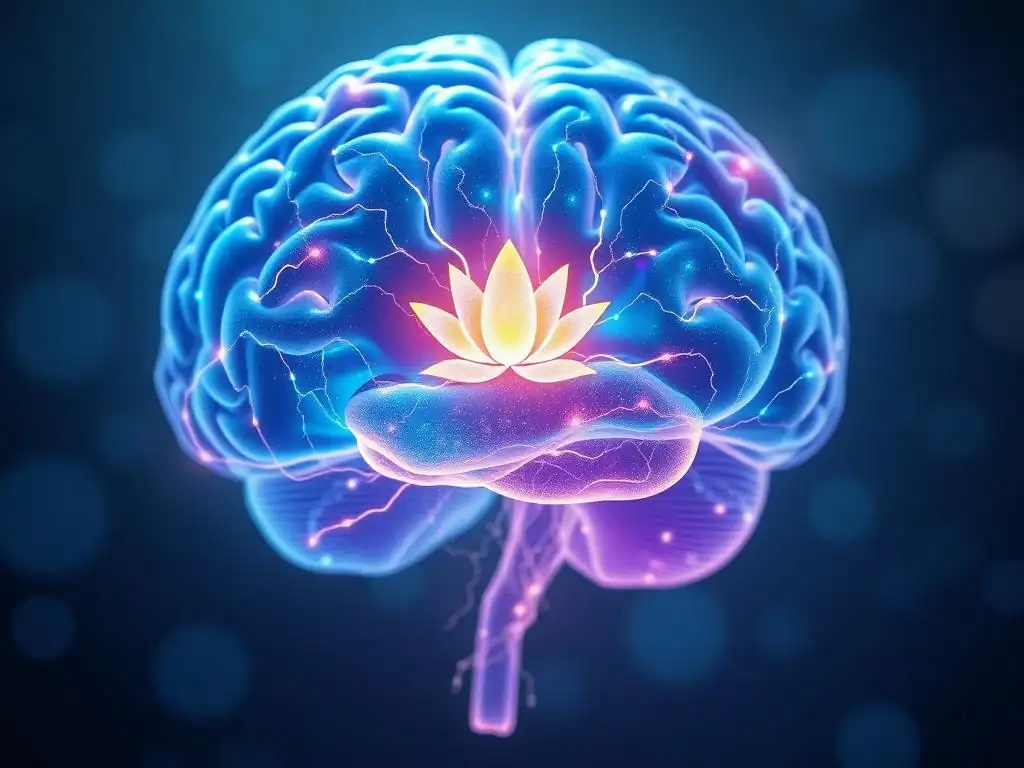
Welcome to Mind Care Guide, a sanctuary for your mental well-being.
Feeling trapped by anxiety? Imagine a future where you're not just managing your symptoms, but actively reshaping the very circuits in your brain that fuel them. This article delves into the groundbreaking science of brain plasticity anxiety relief, offering practical strategies to calm overactive neural pathways. Discover how your brain's remarkable ability to adapt can be your key to lasting peace. Intrigued? Let's explore the possibilities together...
Anxiety Relief: Using Brain Plasticity to Calm Overactive Circuits
- Understanding Brain Plasticity and Anxiety
- How Brain Plasticity Can Reduce Anxiety Symptoms
- Techniques to Harness Brain Plasticity for Anxiety Relief
- Practical Steps for Brain Plasticity-Based Anxiety Management
- Brain Plasticity Anxiety Relief: Long-Term Strategies for Sustained Calm
- The Future of Anxiety Treatment: Brain Plasticity and Beyond
-
Frequently Asked Questions
- What is brain plasticity, and how does it relate to anxiety relief?
- How can I use brain plasticity to reduce my anxiety symptoms?
- Are there specific exercises or techniques that can enhance brain plasticity for anxiety relief?
- How long does it typically take to see noticeable improvements in anxiety using brain plasticity techniques?
- Is brain plasticity a permanent solution for anxiety, or does it require ongoing effort?
- Final Reflection: Rewiring Your Way to Calm
- Unlock Your Calm: Harness Brain Plasticity for Anxiety Relief
Understanding Brain Plasticity and Anxiety
The Science of Brain Plasticity: Rewiring for Mental Health
Brain plasticity, also known as neuroplasticity, is the remarkable ability of the brain to reorganize itself by forming new neural connections throughout life. This dynamic process allows the brain to adapt, learn, and change in response to experience, injury, or environmental changes. Far from being a static organ after childhood, the adult brain continuously reshapes its structure and function, influencing everything from memory formation and learning new skills to emotional regulation and recovery from brain damage. This capacity for change is fundamental to understanding how we can influence our mental states.
Research in neuroscience has demonstrated that various experiences and activities can stimulate neuroplasticity. For instance, engaging in complex learning tasks can increase the density of synapses (connections between neurons) in relevant brain regions. Studies have shown that even short periods of focused training, such as learning to juggle, can lead to observable changes in grey matter volume in specific areas like the parietal lobe. This scientific understanding provides a powerful foundation for the idea that intentional practices can potentially alter the brain's circuitry, including those involved in anxiety.
Anxiety's Impact on Brain Circuits: An Overactive Response
Anxiety is often characterized by an overactive response in certain brain circuits, particularly those involving the amygdala, the brain region responsible for processing fear and emotional responses. In individuals with anxiety disorders, the amygdala may be hyper-responsive to perceived threats, even when those threats are minimal or non-existent. This heightened activity can lead to a cascade of physiological and psychological symptoms, including excessive worry, racing thoughts, physical tension, and avoidance behaviors.
Chronic anxiety can also influence other brain areas, such as the prefrontal cortex (involved in decision-making and emotional regulation) and the hippocampus (involved in memory and learning). The persistent state of alert can weaken the connections between the prefrontal cortex and the amygdala, making it harder for the rational brain to regulate the emotional response. Over time, these changes can become more entrenched, creating a cycle where the brain is wired for heightened reactivity, perpetuating the experience of anxiety.
Brain Plasticity Anxiety Relief: A New Approach
The concept of Brain plasticity anxiety relief offers a hopeful perspective: if anxiety involves maladaptive wiring, then perhaps intentional efforts can promote adaptive rewiring. This new approach leverages the brain's natural capacity for change to calm overactive circuits and build stronger pathways associated with calm, resilience, and rational processing. Instead of solely focusing on managing symptoms, a brain plasticity-based approach aims to address the underlying neural patterns contributing to anxiety.
This perspective is supported by growing evidence suggesting that therapeutic interventions and lifestyle changes known to reduce anxiety also promote positive neuroplastic changes. For example, practices like meditation and cognitive behavioral therapy (CBT) have been shown in neuroimaging studies to alter activity and structure in brain regions implicated in anxiety. By understanding and harnessing the principles of brain plasticity, individuals can actively participate in rewiring their brains for a more peaceful and less reactive state, opening new avenues for effective anxiety relief.
How Brain Plasticity Can Reduce Anxiety Symptoms
Neuroplasticity for Anxiety: Changing Thought Patterns
Neuroplasticity provides the biological basis for changing negative or anxious thought patterns. Anxious thinking often involves repetitive, worry-filled loops that become deeply ingrained neural pathways. The more these thoughts are repeated, the stronger the connections supporting them become, making them feel automatic and difficult to break. However, neuroplasticity means these pathways are not fixed; they can be modified.
By consciously challenging and replacing anxious thoughts with more balanced or realistic ones, individuals can begin to weaken the old, unhelpful neural connections and strengthen new ones. This process requires consistent effort and practice, similar to learning any new skill. Over time, as the new thought patterns are reinforced, the brain's circuitry shifts, making it easier to access calmer, more rational ways of thinking and thereby providing significant neuroplasticity for anxiety relief.
Strengthening Healthy Neural Pathways for Anxiety Management
Managing anxiety effectively involves not just weakening problematic pathways but also strengthening healthy ones. This includes enhancing connections in brain regions associated with emotional regulation, focus, and calm. For example, strengthening the connections between the prefrontal cortex and the amygdala can improve the brain's ability to modulate fear responses and prevent the amygdala from triggering false alarms.
Activities that promote focus, self-awareness, and emotional regulation are particularly effective in building these beneficial pathways. Practices like mindfulness, meditation, and certain types of therapy actively train the brain to shift its attention away from anxiety triggers and towards the present moment or more constructive internal states. Consistent practice of these techniques helps to solidify these healthier neural circuits, making resilience and calm more accessible responses over time, a core principle of brain plasticity anxiety relief.
Calming Overactive Brain Circuits Through Neuroplasticity
A primary goal of using brain plasticity for anxiety relief is to calm the overactive circuits, particularly the hyperactive amygdala response. Neuroplasticity allows for a reduction in the sensitivity and reactivity of these fear-processing centers. This can be achieved through various targeted interventions that train the brain to respond differently to anxiety-provoking stimuli.
Techniques that promote relaxation, reduce physiological arousal, and encourage a sense of safety can help dial down the activity in these circuits. Over time, as the brain learns that perceived threats are not always real or manageable, the neural pathways associated with the fight-or-flight response become less dominant. This calming effect on overactive brain circuits is a direct result of neuroplastic changes, demonstrating the power of neuroplasticity for anxiety management.
Techniques to Harness Brain Plasticity for Anxiety Relief
Mindfulness and Meditation: Cultivating Present Moment Awareness
Mindfulness and meditation are powerful tools for cultivating present moment awareness without judgment. These practices involve focusing attention on the breath, bodily sensations, thoughts, or feelings as they arise, observing them without getting carried away by them. Regular mindfulness practice has been shown to induce structural and functional changes in the brain areas involved in attention, emotional regulation, and self-awareness, directly supporting brain plasticity anxiety relief.
Neuroimaging studies have provided compelling evidence of mindfulness's impact on brain plasticity. For example, research using fMRI scans has shown that after just an 8-week mindfulness-based stress reduction (MBSR) program, participants exhibit decreased grey matter density in the amygdala and increased grey matter density in the prefrontal cortex. These changes correlate with reduced self-reported stress and anxiety levels, illustrating how cultivating present moment awareness can physically alter the brain's anxiety circuitry.
How Mindfulness Alters Brain Structure and Reduces Anxiety
Mindfulness practice appears to work by strengthening the connections between the prefrontal cortex and the amygdala, allowing the more rational part of the brain to gain better control over the emotional, reactive part. It also seems to increase activity in areas associated with attention and self-awareness, helping individuals to notice anxious thoughts and feelings without automatically reacting to them. This shift from automatic reactivity to conscious observation is key to breaking the anxiety cycle.
Furthermore, mindfulness has been linked to increased levels of gamma-aminobutyric acid (GABA), a neurotransmitter that inhibits nerve activity and can help calm the nervous system. By promoting these changes in brain structure, function, and neurochemistry, mindfulness provides a direct pathway for utilizing neuroplasticity for anxiety reduction. It helps individuals build a greater capacity to tolerate distress and respond to challenges with more calm and clarity.
Practical Mindfulness Exercises for Anxiety Sufferers
- Mindful Breathing: Find a comfortable position. Close your eyes or soften your gaze. Bring your attention to your breath as it enters and leaves your body. Notice the sensation of the breath without trying to change it. When your mind wanders (and it will), gently guide your attention back to your breath. Start with 5 minutes daily and gradually increase the duration.
- Body Scan Meditation: Lie down or sit comfortably. Bring your awareness to different parts of your body, starting from your toes and moving up to the top of your head. Notice any sensations (warmth, tingling, pressure) without judgment. This helps ground you in the present moment and can interrupt the cycle of anxious thoughts.
- Mindful Walking: Pay attention to the sensation of your feet hitting the ground, the movement of your legs, the swing of your arms, and the environment around you. Engage your senses – what do you see, hear, smell? Use a walk as an opportunity to practice being fully present.
Cognitive Behavioral Therapy (CBT) and Brain Plasticity
Cognitive Behavioral Therapy (CBT) is a widely effective therapeutic approach for anxiety disorders. It operates on the principle that our thoughts, feelings, and behaviors are interconnected, and that changing negative thought patterns and behaviors can lead to significant reductions in anxiety. From a neuroplasticity perspective, CBT works by actively training the brain to form new neural connections that support more adaptive ways of thinking and responding to anxiety triggers.
CBT sessions involve identifying irrational or unhelpful thought patterns (cognitive restructuring) and gradually confronting feared situations (exposure therapy). These techniques require consistent practice and reinforcement, which are the very mechanisms that drive neuroplastic change. By repeatedly practicing new ways of thinking and behaving in the face of anxiety, individuals effectively "reprogram" their brains, weakening the old, anxiety-inducing pathways and strengthening the new, healthier ones.
CBT's Role in Rewiring Negative Thought Patterns
Negative or catastrophic thinking is a hallmark of anxiety. CBT specifically targets these thought patterns, helping individuals to identify cognitive distortions (e.g., all-or-nothing thinking, fortune-telling) and challenge their validity. For instance, someone with social anxiety might believe, "Everyone will judge me if I speak up." CBT helps them examine the evidence for and against this thought and develop a more balanced perspective, such as, "Some people might disagree, but many won't judge, and even if they do, I can handle it."
This process of questioning and reframing anxious thoughts is not just a mental exercise; it's a process of actively engaging the prefrontal cortex to override the automatic, amygdala-driven negative interpretations. With repeated practice, the neural circuits associated with challenging and re-evaluating thoughts become stronger, while the pathways supporting the automatic negative thoughts weaken. Studies have shown that successful CBT treatment for anxiety is associated with measurable changes in brain activity and connectivity, reflecting this rewiring process and highlighting CBT's role in promoting brain plasticity for anxiety relief.
Using CBT Techniques to Promote Brain Plasticity for Anxiety
- Cognitive Restructuring:
- Identify the thought: What thought is causing anxiety in a specific situation? (e.g., "I'm going to fail this presentation.")
- Challenge the thought: What evidence supports this thought? What evidence contradicts it? What's a more balanced perspective? (e.g., "I've prepared well, I've succeeded before, even if I make a mistake it's not the end of the world.")
- Replace the thought: Formulate a more realistic and helpful thought.
- Practice: Consistently apply this process whenever anxious thoughts arise.
- Exposure Therapy: Gradually and systematically expose yourself to feared situations or stimuli in a controlled environment. This helps the brain learn that the feared outcome is unlikely or manageable, reducing the conditioned fear response. Starting with less anxiety-provoking steps and gradually moving to more challenging ones is key. For example, someone with a fear of public speaking might start by practicing alone, then in front of one friend, then a small group, etc. Each successful exposure helps to extinguish the fear response and build new, non-anxious associations in the brain.
Neurofeedback: Training the Brain to Regulate Anxiety
Neurofeedback is a type of biofeedback that trains individuals to alter their brainwave activity. By providing real-time information about brain electrical activity (measured via EEG sensors placed on the scalp), neurofeedback allows individuals to learn to regulate specific brainwave patterns associated with anxiety. The underlying principle is that with visual or auditory feedback, the brain can learn to produce more desirable patterns, thereby promoting neuroplasticity for anxiety relief.
For example, anxiety is often associated with excessive high-frequency beta waves or insufficient low-frequency alpha/theta waves in certain brain regions. A neurofeedback session might involve a person watching a screen or listening to sounds that change based on their brainwave activity. If their brain produces the desired pattern (e.g., more alpha waves), they receive positive feedback (e.g., a video plays smoothly, a sound becomes clearer). This reinforcement helps the brain learn to self-regulate these patterns over time.
Understanding Neurofeedback and Its Impact on Brainwaves
Neurofeedback targets the brain's electrical activity, which reflects the communication patterns between neurons. Different brainwave frequencies are associated with different states of consciousness: delta (sleep), theta (relaxed, drowsy), alpha (calm, alert), beta (active, focused), and gamma (high-level processing). Anxiety is often linked to dysregulation in these patterns, particularly an imbalance between calming alpha/theta waves and activating beta waves.
By providing immediate feedback, neurofeedback sessions create a learning loop that encourages the brain to shift towards healthier patterns. This repeated practice of self-regulation strengthens the neural pathways that support the desired brainwave states. While more research is needed to fully understand the long-term neuroplastic effects, studies have shown that neurofeedback training can lead to lasting changes in brainwave activity and significant reductions in anxiety symptoms, suggesting its potential as a direct method for promoting brain plasticity anxiety relief.
Neurofeedback Protocols for Anxiety Reduction
Specific neurofeedback protocols are often used for anxiety. Some common approaches include:
- Alpha/Theta Training: This protocol aims to increase the ratio of alpha (calm) and theta (relaxed, creative) waves, often used for generalized anxiety and stress. It encourages a relaxed, meditative state.
- SMR (Sensorimotor Rhythm) Training: SMR is a specific beta wave (12-15 Hz) associated with calm focus and reduced muscle tension. Increasing SMR can help reduce restlessness and promote a state of relaxed alertness, often beneficial for symptoms like fidgeting and racing thoughts.
- Decreasing High Beta: Some protocols focus on reducing excessive high-frequency beta waves (above 20 Hz), which are often associated with hyperarousal, worry, and rumination.
- Coherence Training: This involves training different brain areas to communicate more effectively, particularly improving coherence between the prefrontal cortex and the amygdala.
The specific protocol used depends on the individual's unique brainwave patterns and anxiety symptoms, often determined through a quantitative EEG (qEEG) assessment.
Exercise and Physical Activity: Boosting Neuroplasticity for Anxiety
Regular exercise and physical activity are not just good for physical health; they are powerful promoters of brain health and neuroplasticity, offering a significant avenue for brain plasticity anxiety relief. Physical activity increases blood flow to the brain, delivering essential oxygen and nutrients. More importantly, it stimulates the production of neurotrophic factors, chemicals that support the growth, survival, and differentiation of neurons and synapses.
One key neurotrophic factor influenced by exercise is Brain-Derived Neurotrophic Factor (BDNF). BDNF is often referred to as "Miracle-Gro" for the brain because it plays a crucial role in neurogenesis (the creation of new neurons, particularly in the hippocampus) and synaptic plasticity (strengthening connections between neurons). Higher levels of BDNF are associated with improved cognitive function, better mood regulation, and increased resilience to stress and anxiety.
The Link Between Exercise, Brain Health, and Anxiety Reduction
Exercise directly impacts brain regions involved in anxiety. It can reduce activity in the amygdala and increase activity in the prefrontal cortex, helping to shift the balance towards calmer, more rational processing. Furthermore, exercise has been shown to influence neurotransmitter systems, increasing levels of serotonin, dopamine, and norepinephrine, which are all implicated in mood regulation and anxiety.
Studies have consistently demonstrated the anxiety-reducing effects of regular physical activity. For example, engaging in aerobic exercise for 30 minutes several times a week has been shown to significantly reduce symptoms in individuals with generalized anxiety disorder. The neuroplastic changes induced by exercise, such as increased BDNF levels and improved connectivity between brain regions, provide a strong biological explanation for these observed benefits, making exercise a vital component of any brain plasticity anxiety relief strategy.
Recommended Exercises to Enhance Brain Plasticity and Reduce Anxiety
While any physical activity is beneficial, some types may be particularly effective for brain health and anxiety reduction:
- Aerobic Exercise: Activities like brisk walking, running, swimming, cycling, or dancing are excellent for increasing heart rate and promoting blood flow, stimulating BDNF production. Aim for at least 150 minutes of moderate-intensity or 75 minutes of vigorous-intensity aerobic exercise per week.
- Strength Training: Lifting weights or using resistance bands also boosts BDNF and supports overall brain health. Include strength training sessions 2-3 times per week.
- Mind-Body Practices: Activities like yoga and Tai Chi combine physical movement with mindfulness and breathwork, offering both physical benefits and direct anxiety reduction through present moment awareness. Practicing yoga regularly has been associated with increased GABA levels, further contributing to a calming effect.
Consistency is key. Integrating regular physical activity into your routine is a powerful way to leverage neuroplasticity for sustained anxiety relief.
Practical Steps for Brain Plasticity-Based Anxiety Management
Identifying and Challenging Anxiety-Provoking Thoughts
The first step in applying brain plasticity principles to anxiety management is becoming aware of your specific anxiety-provoking thoughts. These are the automatic negative thoughts or beliefs that trigger your anxiety response. They might be about future events ("What if I fail? "), self-worth ("I'm not good enough"), or danger ("Something bad is going to happen"). Keeping a thought journal can be helpful in identifying these recurring patterns.
Once identified, the next crucial step is to challenge these thoughts. Ask yourself: Is this thought based on fact or feeling? What is the evidence for and against it? What is a more realistic or helpful way of looking at this situation? This process, borrowed from CBT, actively engages the prefrontal cortex to evaluate and reframe the thought. Repeatedly challenging these thoughts weakens their hold and the associated neural pathways, paving the way for brain plasticity anxiety relief.
Creating New, Positive Thought Patterns
Challenging negative thoughts is only half the battle; you also need to actively cultivate new, positive, or more balanced thought patterns to replace them. This involves consciously choosing to focus on alternative perspectives, possibilities, or self-affirming statements. For example, if your anxiety-provoking thought is "I can't handle this," a new, positive thought pattern might be "I am capable and can handle challenges one step at a time."
Practice these new thought patterns consistently. Affirmations, positive self-talk, and focusing on gratitude can help reinforce these new ways of thinking. The more you practice these new thoughts, the stronger the neural connections supporting them become. This deliberate effort to create and strengthen positive pathways is a direct application of neuroplasticity for anxiety relief, actively rewiring your brain for resilience and calm.
Practicing Relaxation Techniques Consistently
Relaxation techniques are vital for calming the nervous system and promoting brain plasticity conducive to anxiety relief. Practices like deep diaphragmatic breathing, progressive muscle relaxation, and guided imagery help to activate the body's relaxation response, which is the opposite of the fight-or-flight response triggered by anxiety. Consistent practice trains the brain and body to return to a state of calm more easily.
Deep breathing, for instance, stimulates the vagus nerve, which plays a key role in regulating heart rate and promoting relaxation. Regularly engaging the relaxation response helps to quiet the overactive amygdala and strengthen pathways associated with parasympathetic nervous system activity (rest and digest). Aim to practice a relaxation technique for at least 10-15 minutes daily. This consistent effort helps to build the neural infrastructure for a calmer baseline state, a crucial aspect of brain plasticity anxiety relief.
The Role of Lifestyle in Supporting Brain Plasticity and Anxiety Reduction
Lifestyle factors play a significant role in supporting the brain's capacity for plasticity and resilience, which in turn aids anxiety reduction. A healthy lifestyle provides the optimal environment for the brain to function effectively and rewire itself.
Diet and Nutrition for Optimal Brain Function
Proper nutrition is fundamental for brain health and neuroplasticity. The brain requires a steady supply of nutrients to build and maintain neural connections. A diet rich in omega-3 fatty acids (found in fatty fish, flaxseeds), antioxidants (found in fruits and vegetables), vitamins (especially B vitamins and Vitamin D), and minerals (like magnesium and zinc) supports brain cell growth and function.
Conversely, diets high in processed foods, sugar, and unhealthy fats can contribute to inflammation and oxidative stress, which can impair brain function and plasticity. Ensuring adequate hydration is also crucial, as dehydration can negatively impact cognitive function and mood. Focusing on a balanced, nutrient-dense diet provides the essential building blocks for a brain capable of effective anxiety management through plasticity.
Sleep Hygiene for Promoting Brain Plasticity and Reducing Anxiety
Sleep is a critical period for brain plasticity, memory consolidation, and emotional regulation. During sleep, the brain clears metabolic waste products and strengthens or prunes synaptic connections based on the day's experiences. Chronic sleep deprivation impairs these processes, negatively impacting mood, increasing stress reactivity, and hindering the brain's ability to effectively manage anxiety.
Prioritizing good sleep hygiene – maintaining a consistent sleep schedule, creating a relaxing bedtime routine, ensuring a dark, quiet, and cool sleep environment, and avoiding caffeine and alcohol before bed – is essential for supporting the neuroplastic processes necessary for anxiety relief. Aim for 7-9 hours of quality sleep per night. Sufficient restorative sleep enhances the brain's capacity to adapt and build resilience against anxiety.
Brain Plasticity Anxiety Relief: Long-Term Strategies for Sustained Calm
Building Resilience Through Brain Plasticity
Brain plasticity is not just about recovering from challenges; it's also about building resilience – the ability to adapt well in the face of adversity. By intentionally engaging in practices that promote positive neuroplastic changes, individuals can build a more resilient brain capable of handling stress and anxiety more effectively in the long term. This involves consistently strengthening the neural pathways associated with calm, positive emotion, and effective coping mechanisms.
Resilience isn't an inherent trait but a capacity that can be developed. Each time you successfully navigate an anxious situation using new coping skills, challenge a negative thought, or engage in a calming practice, you reinforce the neural circuits that support resilience. Over time, these pathways become more robust, making it easier to bounce back from stressful experiences and reducing the likelihood of chronic or debilitating anxiety, embodying the essence of Brain plasticity anxiety relief.
Maintaining a Growth Mindset for Continued Progress
Adopting a growth mindset is crucial for sustained brain plasticity anxiety relief. A growth mindset, as opposed to a fixed mindset, is the belief that abilities and intelligence can be developed through dedication and hard work. When applied to mental health, this means believing that you can improve your capacity to manage anxiety and that your brain is capable of changing.
Viewing challenges as opportunities for growth, embracing effort as a path to mastery, and learning from setbacks are all components of a growth mindset that fuel neuroplasticity. Instead of feeling discouraged by occasional anxious moments, someone with a growth mindset sees them as opportunities to practice new skills and further strengthen resilient neural pathways. This perspective fosters persistence and engagement in the very practices that promote brain plasticity for long-term anxiety relief.
Seeking Professional Guidance for Brain Plasticity-Based Therapy
While many techniques for harnessing brain plasticity for anxiety relief can be practiced independently, seeking professional guidance can significantly enhance progress. Therapists trained in approaches like CBT, mindfulness-based therapies, or neurofeedback can provide personalized strategies, support, and accountability. They can help identify specific thought patterns, develop tailored exposure hierarchies, guide meditation practices, or administer neurofeedback protocols.
A mental health professional can also help address any underlying issues contributing to anxiety and ensure that the chosen techniques are appropriate and effective for your specific needs. They can monitor progress and adjust strategies as needed, optimizing the process of rewiring the brain for reduced anxiety. Combining self-directed efforts with professional support offers a comprehensive and powerful approach to achieving lasting brain plasticity anxiety relief.
The Future of Anxiety Treatment: Brain Plasticity and Beyond
Emerging Research in Neuroplasticity and Mental Health
The field of neuroscience continues to uncover new insights into brain plasticity and its implications for mental health. Emerging research is exploring more targeted ways to promote beneficial neuroplastic changes for conditions like anxiety. This includes investigating the effects of specific compounds (like certain supplements or medications) on neurotrophic factors, the potential of non-invasive brain stimulation techniques (like Transcranial Magnetic Stimulation - TMS or Transcranial Direct Current Stimulation - tDCS) to modulate brain activity and enhance plasticity, and the development of more sophisticated neurofeedback protocols.
Studies are also using advanced neuroimaging techniques to better understand the precise neural circuits involved in different types of anxiety and how various interventions specifically alter these circuits. This research is paving the way for more personalized and effective treatments by identifying which approaches are most likely to induce the desired neuroplastic changes in individual brains, furthering the science of Brain plasticity anxiety relief.
Personalized Approaches to Anxiety Relief Through Brain Rewiring
The growing understanding of neuroplasticity highlights the potential for highly personalized approaches to anxiety relief. Recognizing that each individual's brain is unique and shaped by their specific experiences, future treatments may involve detailed brain mapping (e.g., using qEEG) to identify specific areas of dysregulation contributing to anxiety.
Based on this personalized assessment, a tailored treatment plan could be developed, combining specific therapeutic techniques (like targeted CBT or mindfulness practices), neurofeedback protocols designed for the individual's brainwave patterns, and lifestyle recommendations optimized for their needs. This personalized approach, focused on inducing specific neuroplastic changes in the individual brain, holds promise for more efficient and effective long-term anxiety relief than one-size-fits-all methods.
Combining Pharmacological Interventions with Brain Plasticity Techniques
While the focus on brain plasticity offers exciting non-pharmacological avenues for anxiety relief, it's important to note that medication can also play a role, particularly in managing severe symptoms that make engaging in therapeutic practices difficult. Future approaches may increasingly involve combining pharmacological interventions with brain plasticity-enhancing techniques.
Medications might be used initially to reduce overwhelming anxiety, creating a window of opportunity for individuals to effectively engage in therapies like CBT, mindfulness, or neurofeedback. Some medications may even have direct effects on neuroplasticity. Research is ongoing to understand how medications can be optimally combined with behavioral and neurofeedback techniques to enhance positive brain changes and support sustained anxiety relief. This integrated approach recognizes the value of both pharmacological and neuroplasticity-based strategies in comprehensive anxiety management.
Frequently Asked Questions
What is brain plasticity, and how does it relate to anxiety relief?
Brain plasticity is the brain's ability to reorganize itself by forming new neural connections throughout life. This means we can retrain our brains to react differently to anxious thoughts and triggers, leading to relief.
How can I use brain plasticity to reduce my anxiety symptoms?
You can use brain plasticity by engaging in activities that promote new neural pathways, such as mindfulness, cognitive behavioral therapy (CBT), and exposure therapy. These techniques help rewire your brain's response to anxiety.
Are there specific exercises or techniques that can enhance brain plasticity for anxiety relief?
Yes, mindfulness meditation, regular exercise, and learning new skills can all enhance brain plasticity. These practices help strengthen neural connections associated with calm and focus, ultimately reducing anxiety.
How long does it typically take to see noticeable improvements in anxiety using brain plasticity techniques?
The timeframe varies depending on the individual and the severity of their anxiety. However, consistent practice of brain plasticity-enhancing techniques can lead to noticeable improvements within a few weeks to a few months.
Is brain plasticity a permanent solution for anxiety, or does it require ongoing effort?
While brain plasticity offers a promising path to anxiety relief, it typically requires ongoing effort and maintenance. Regularly practicing techniques that support brain plasticity is crucial for sustaining long-term benefits and preventing anxiety symptoms from returning.
Final Reflection: Rewiring Your Way to Calm
The ability to reshape our brains, to literally rewire our anxieties, is not a futuristic fantasy; it's a powerful tool available to us right now. Understanding and harnessing the principles of brain plasticity offers a tangible path towards managing and even overcoming anxiety, a pervasive challenge in our increasingly demanding world. This isn't about quick fixes or superficial solutions; it's about cultivating a deeper, more sustainable relationship with our own minds.
The impact of anxiety on our individual lives and collective well-being is undeniable. It shapes our relationships, our career choices, and even our physical health. Anxiety is the dizziness of freedom.
This quote, often attributed to Søren Kierkegaard, highlights the paradoxical nature of anxiety – a feeling born from the very possibilities that life offers. By understanding how neuroplasticity allows us to literally change the neural pathways associated with anxiety, we can begin to reclaim that freedom, to choose a different response to the challenges life throws our way. This isn't just about managing symptoms; it's about fundamentally altering our relationship with fear and uncertainty.
You now hold the key to unlocking your brain's incredible capacity for change. Consider the practices discussed – mindfulness, cognitive behavioral therapy, regular exercise, and sufficient sleep – not as mere suggestions, but as active tools for reshaping your neural landscape. Begin today. Choose one small step, one mindful breath, one moment of self-compassion. Embrace the journey of rewiring your brain towards calm; it's a journey of self-discovery and empowerment, leading to a life lived with greater peace and resilience.
Unlock Your Calm: Harness Brain Plasticity for Anxiety Relief
Thanks for taking the time to explore the power of brain plasticity in managing anxiety! You've just learned valuable techniques to help quiet those overactive circuits. Now, let's put that knowledge into action.
- Prioritize one calming practice: Choose one technique from the article (mindfulness, exercise, cognitive restructuring) and commit to practicing it daily for at least 15 minutes. This consistent effort is key.
- Share your journey: Tell a friend or family member about your experience. Sharing your progress can boost your motivation and provide valuable support. Consider starting a small journal to track your improvements.
- Explore further: Dive deeper into the specific technique you've chosen. Research additional resources, or simply reflect on how it's affecting your daily life.
What small step will you take today to cultivate a calmer, more resilient mind?