
Your Brain on Stress: Understanding the Impact on Plasticity

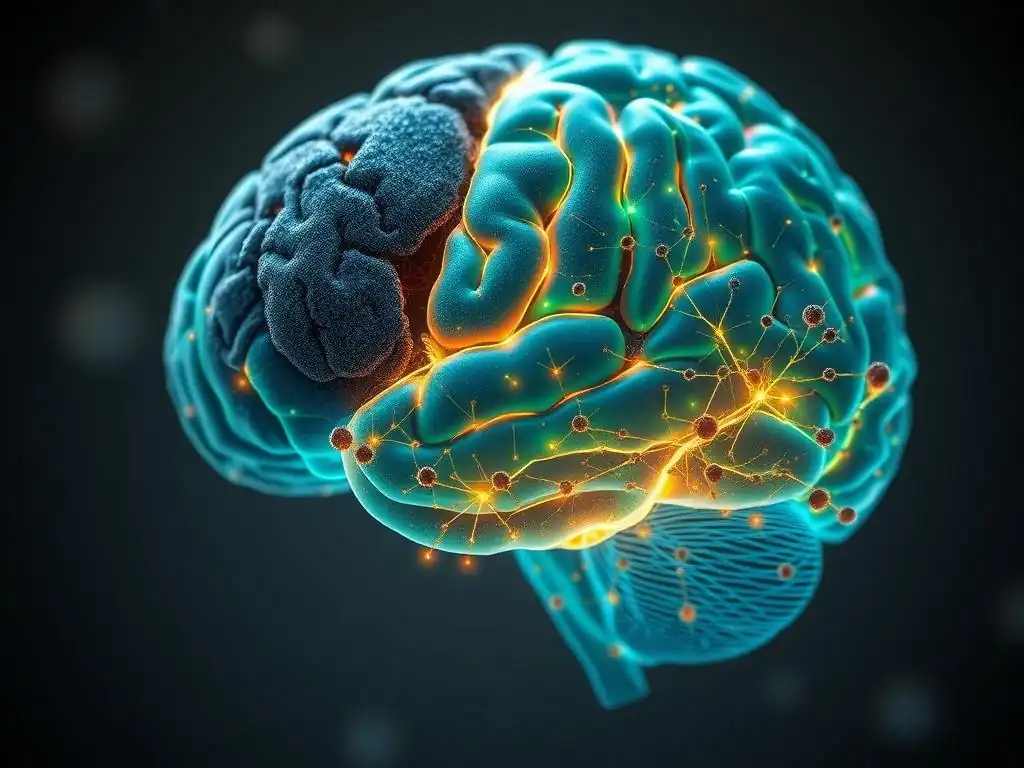
Welcome to Mind Care Guide.
Feeling overwhelmed? It's no secret that stress can take a toll, but did you know it can actually impact your brain's ability to adapt and heal? This can be worrying, but there is hope. In this article, we'll delve into the science behind stress brain plasticity recovery, exploring how stress affects your brain's flexibility and, more importantly, what you can do to promote its resilience. Ready to understand how to help your brain bounce back? Let's explore.
Your Brain on Stress: Understanding the Impact on Plasticity
- Introduction: Stress and the Brain's Adaptability
- How Stress Alters Brain Plasticity: A Deep Dive
- The Negative Effects of Chronic Stress on Brain Plasticity
- Understanding the Mechanisms: Stress and Neural Pathways
- Can the Brain Recover from Stress? The Power of Neuroplasticity
-
Techniques for Promoting Brain Plasticity and Reducing Stress
- Mindfulness and Meditation: Stress Reduction and Neural Rewiring
- Exercise and Physical Activity: Boosting Brain Health
- Cognitive Behavioral Therapy (CBT): Changing Thought Patterns and Brain Function
- Nutrition and Gut Health: Fueling Brain Plasticity and Reducing Inflammation
- Sleep Optimization: Enhancing Brain Repair and Plasticity
- Lifestyle Changes to Support Stress Resilience and Brain Health
- The Future of Stress Research and Brain Plasticity
- Conclusion: Embracing Brain Plasticity for Stress Recovery
- Frequently Asked Questions
- Final Reflection: Reclaiming Your Brain's Plasticity from the Grip of Stress
- Unlock Your Brain's Resilience: Take Control of Stress Today!
Introduction: Stress and the Brain's Adaptability
The Connection Between Chronic Stress and Brain Function
Chronic stress, unlike acute stress which is a short-lived response to immediate danger, involves prolonged exposure to stressors. This persistent activation of the body's stress response system has profound and lasting effects on the brain's structure and function. Studies have consistently shown that chronic stress can lead to observable changes in key brain regions involved in emotion regulation, memory, and decision-making, such as the amygdala, hippocampus, and prefrontal cortex. These alterations are not merely temporary shifts in activity but can involve physical changes to neurons and their connections, significantly impacting overall cognitive health and emotional well-being.
For example, research has indicated that individuals experiencing chronic work-related stress may exhibit reduced grey matter volume in areas like the prefrontal cortex, a region crucial for executive functions like planning and problem-solving. This structural change correlates with observed difficulties in cognitive tasks and impaired emotional regulation. The sustained release of stress hormones, particularly cortisol, acts as a primary mediator of these changes, disrupting the delicate balance required for optimal brain function and contributing to a range of mental health challenges.
Brain Plasticity: The Key to Stress Recovery
Brain plasticity, also known as neuroplasticity, is the remarkable ability of the brain to reorganize itself by forming new neural connections throughout life. This dynamic process allows the brain to adapt, learn, and recover from injury or environmental changes. In the context of stress, brain plasticity is a double-edged sword: stress can negatively alter neural circuits, but the inherent capacity for plasticity also provides the foundation for recovery and resilience. It is the mechanism by which the brain can potentially reverse some of the detrimental effects of chronic stress.
Understanding brain plasticity is crucial for appreciating the potential for stress brain plasticity recovery. The brain is not a static organ; it is constantly being reshaped by experiences, including stressful ones. However, positive interventions and lifestyle changes can promote adaptive plasticity, helping to rebuild damaged circuits and strengthen new, healthier pathways. This capacity for rewiring offers hope for individuals impacted by chronic stress, suggesting that the brain can heal and regain its optimal function over time.
How Stress Alters Brain Plasticity: A Deep Dive
The Neuroscience of Stress: Amygdala, Hippocampus, and Prefrontal Cortex
The stress response involves a complex interplay between several brain regions. The amygdala, often dubbed the brain's "fear center," is highly responsive to threats and triggers the initial stress reaction. Under chronic stress, the amygdala can become hyperactive and even increase in size, leading to heightened anxiety and fear responses. Simultaneously, the hippocampus, vital for memory formation and contextualizing stressful events, is particularly vulnerable to stress hormones.
Chronic stress can impair hippocampal function, reducing its volume and disrupting its ability to form new memories or recall past events effectively. The prefrontal cortex (PFC), responsible for higher-level cognitive functions, emotional regulation, and inhibiting the stress response, can also be negatively impacted. Stress can reduce activity and structural complexity in the PFC, leading to difficulties with focus, decision-making, and emotional control. This triad of affected regions – amygdala, hippocampus, and PFC – forms the core neural network dysregulated by chronic stress, directly impacting brain plasticity.
Impact of Stress Hormones (Cortisol) on Neural Connections
Cortisol, the primary stress hormone released by the adrenal glands, plays a critical role in mediating the brain's response to stress. While essential for the acute stress response, chronically elevated levels of cortisol are detrimental to neural health and plasticity. Cortisol readily crosses the blood-brain barrier and binds to receptors found in high concentrations in the hippocampus, amygdala, and prefrontal cortex. This binding can trigger a cascade of events that impair neuronal function and survival.
High cortisol levels have been shown to inhibit neurogenesis, the birth of new neurons, particularly in the hippocampus. They can also reduce synaptic plasticity by interfering with the formation and strength of connections between neurons. Research suggests that chronic stress and elevated cortisol can lead to a reduction in dendritic spines, the tiny protrusions on neurons that receive signals, effectively decreasing the brain's communication capacity. These hormonal effects directly undermine the brain's ability to adapt and rewire, hindering potential stress brain plasticity recovery.
Stress-Induced Synaptic Changes and Reduced Neurogenesis
Chronic stress causes significant changes at the synaptic level, the junctions where neurons communicate. Specifically, it can lead to a decrease in synaptic density and efficacy, particularly in the hippocampus and prefrontal cortex. This means that the connections between neurons become weaker or fewer, impairing the flow of information and the ability of neural circuits to function optimally. For instance, studies in animal models have shown that chronic stress reduces the number of synapses in the hippocampus, impacting learning and memory.
Furthermore, chronic stress is a potent inhibitor of neurogenesis, the process by which new neurons are born, primarily occurring in the hippocampus throughout adulthood. This reduction in the birth rate of new neurons limits the brain's capacity for repair and adaptation. A decreased supply of new neurons compromises the hippocampus's role in learning, memory, and mood regulation, making the brain less resilient to future stressors and impeding the natural processes that support stress brain plasticity recovery.
The Negative Effects of Chronic Stress on Brain Plasticity
Impaired Cognitive Function and Memory Problems
The impact of chronic stress on brain plasticity directly translates into noticeable cognitive deficits. The hippocampus, being central to learning and memory, is particularly vulnerable. Chronic stress can impair both the formation of new memories and the retrieval of existing ones. Individuals under prolonged stress often report difficulty concentrating, reduced attention span, and problems with working memory – the ability to hold and manipulate information temporarily.
Studies have shown, for instance, that students facing significant chronic academic stress may perform worse on memory recall tasks compared to their less stressed peers. These cognitive impairments are a direct consequence of stress-induced changes in hippocampal structure and function, including reduced neurogenesis and altered synaptic plasticity. The prefrontal cortex's diminished capacity under stress also contributes to difficulties with executive functions like planning, problem-solving, and decision-making, further highlighting the widespread cognitive impact.
Increased Risk of Mental Health Disorders (Anxiety, Depression)
Chronic stress is a significant risk factor for developing various mental health disorders, most notably anxiety and depression. The stress-induced alterations in the amygdala, hippocampus, and prefrontal cortex create a neurobiological environment that predisposes individuals to these conditions. The hyperactive amygdala contributes to heightened fear and anxiety responses, while impaired function in the hippocampus and prefrontal cortex undermines emotional regulation and cognitive control over negative thoughts and feelings.
For example, research indicates that individuals with major depressive disorder often exhibit reduced hippocampal volume and altered activity in the prefrontal cortex, changes consistent with the effects of chronic stress. Similarly, anxiety disorders are frequently associated with an enlarged and hyperactive amygdala. These structural and functional changes, driven by stress's impact on brain plasticity, illustrate how prolonged exposure to stressors can fundamentally alter the brain in ways that increase vulnerability to mental illness.
Reduced Resilience and Adaptability to New Situations
Brain plasticity is the foundation of resilience – the ability to bounce back from adversity and adapt to new challenges. Chronic stress, by impairing plasticity, directly reduces this capacity. A brain compromised by stress struggles to form the new neural pathways necessary to learn from experiences, adjust to changing circumstances, or develop effective coping strategies. This can lead to a feeling of being overwhelmed by even minor stressors.
When the prefrontal cortex's ability to regulate emotions and inhibit the stress response is weakened, individuals may find it harder to manage their reactions to difficult situations. The impaired hippocampus also means that contextual information about past stressors is not processed effectively, making it harder to distinguish between real threats and perceived ones. This reduced adaptability is a hallmark of chronic stress impact, making it more challenging for individuals to navigate life's challenges and hindering their potential for stress brain plasticity recovery.
Understanding the Mechanisms: Stress and Neural Pathways
The Role of the Amygdala in Stress Response and Brain Plasticity
The amygdala plays a central, albeit complex, role in both the stress response and brain plasticity. As the primary processor of emotional stimuli, particularly fear, the amygdala's rapid response is crucial for survival. Under acute stress, it triggers the fight-or-flight response. However, chronic stress leads to maladaptive plasticity within the amygdala, often resulting in hypertrophy (increase in size) and increased connectivity with other brain regions involved in fear and anxiety.
This stress-induced potentiation of amygdala pathways contributes to a state of chronic hypervigilance and heightened emotional reactivity. While the amygdala itself exhibits plasticity, chronic stress drives it towards states associated with increased fear and anxiety. Understanding this stress-induced amygdala plasticity is key to developing interventions aimed at dampening its overactivity and promoting a more balanced emotional response, facilitating overall stress brain plasticity recovery.
The Prefrontal Cortex: Resilience and Recovery from Stress
The prefrontal cortex (PFC) is critically involved in top-down control over the stress response and emotional regulation. Different areas within the PFC, such as the ventromedial PFC (vmPFC) and dorsolateral PFC (dlPFC), play roles in inhibiting the amygdala and appraising stressful situations. A healthy and well-connected PFC is essential for resilience, allowing individuals to regulate their emotions, make rational decisions under pressure, and learn from past experiences.
Chronic stress, however, can impair the structure and function of the PFC, reducing its ability to exert control over the amygdala. This can manifest as reduced gray matter volume, decreased synaptic density, and impaired functional connectivity between the PFC and other brain regions. Strengthening PFC function through interventions like cognitive therapy or mindfulness practices is a key strategy for enhancing resilience and promoting adaptive brain plasticity, which is fundamental to stress brain plasticity recovery.
Hippocampus: Stress, Memory Formation, and Neuroplasticity
The hippocampus is a powerhouse of neuroplasticity, being one of the few brain regions where neurogenesis continues throughout adulthood. It is crucial for forming new memories (episodic and spatial) and plays a vital role in contextualizing fears and regulating the stress response loop by inhibiting the release of cortisol. Its high concentration of cortisol receptors makes it particularly susceptible to stress's negative effects.
Chronic stress significantly impairs hippocampal plasticity. It suppresses neurogenesis, reduces synaptic density, and can even lead to a decrease in overall hippocampal volume. These changes directly affect memory formation, spatial navigation, and the ability to regulate the stress response itself. Restoring hippocampal health and promoting neurogenesis and synaptic plasticity in this region is a primary target for strategies aimed at stress brain plasticity recovery.
Can the Brain Recover from Stress? The Power of Neuroplasticity
Stress Brain Plasticity Recovery: Hope for Healing
The good news is that the brain possesses a remarkable capacity for stress brain plasticity recovery. While chronic stress can cause significant detrimental changes, the inherent neuroplasticity of the brain means that these changes are not necessarily permanent. With the removal of chronic stressors and the implementation of supportive interventions, the brain can begin to heal, rewire, and regain function. This recovery process leverages the same mechanisms of plasticity that were negatively impacted by stress.
Studies have shown that interventions aimed at reducing stress and promoting brain health can lead to structural and functional improvements in the amygdala, hippocampus, and prefrontal cortex. For instance, research suggests that successful treatment for depression, often linked to chronic stress, can be associated with an increase in hippocampal volume. This demonstrates that the brain can indeed recover and reorganize itself, offering significant hope for individuals seeking to mitigate the long-term effects of stress on their brain health.
Strategies to Enhance Brain Plasticity After Stress Exposure
Enhancing brain plasticity after chronic stress involves actively engaging in activities and practices that promote neural growth, strengthen synaptic connections, and regulate the stress response system. These strategies often target the very same brain regions negatively affected by stress. Engaging the brain in novel and challenging activities, for example, encourages the formation of new neural pathways.
Furthermore, lifestyle changes that reduce inflammation and oxidative stress, both of which are exacerbated by chronic stress, also support brain health and plasticity. The goal is to create an environment within the brain that is conducive to neurogenesis, synaptogenesis (formation of new synapses), and the strengthening of adaptive neural circuits. Implementing these strategies can actively facilitate stress brain plasticity recovery.
Techniques for Promoting Brain Plasticity and Reducing Stress
Mindfulness and Meditation: Stress Reduction and Neural Rewiring
Mindfulness and meditation practices have gained significant attention for their ability to reduce stress and positively impact brain structure and function. Regular meditation has been associated with structural changes in brain regions involved in attention, self-awareness, and emotion regulation, including increased gray matter density in areas of the prefrontal cortex and hippocampus. These practices help train the mind to observe thoughts and feelings without judgment, effectively reducing the reactivity of the amygdala.
By cultivating a non-reactive stance towards stressors, mindfulness helps to dampen the chronic activation of the stress response system. This reduction in cortisol exposure creates a more favorable environment for neuroplasticity. Furthermore, the focused attention required during meditation strengthens neural pathways related to concentration and cognitive control, which can be impaired by stress. These practices are powerful tools for both reducing ongoing stress and actively promoting the kind of adaptive plasticity crucial for stress brain plasticity recovery.
Exercise and Physical Activity: Boosting Brain Health
Regular physical exercise is one of the most powerful interventions for both reducing stress and promoting brain plasticity. Exercise increases blood flow to the brain, delivering essential oxygen and nutrients. More importantly, it stimulates the production of neurotrophic factors, such as Brain-Derived Neurotrophic Factor (BDNF). BDNF is often referred to as "Miracle-Gro" for the brain because it supports the survival of existing neurons and encourages the growth and differentiation of new neurons and synapses.
Aerobic exercise, in particular, has been shown to increase neurogenesis in the hippocampus and improve executive function, which relies on the prefrontal cortex. Even moderate levels of regular physical activity can help buffer the brain against the negative effects of stress and improve mood. Incorporating exercise into a routine is a tangible way to enhance brain health and actively support stress brain plasticity recovery.
Cognitive Behavioral Therapy (CBT): Changing Thought Patterns and Brain Function
Cognitive Behavioral Therapy (CBT) is a psychotherapeutic approach that helps individuals identify and change negative thought patterns and behaviors that contribute to stress and mental health issues. By challenging distorted thinking and developing more adaptive coping strategies, CBT can effectively alter the neural pathways associated with stress responses. It helps strengthen the prefrontal cortex's ability to regulate the amygdala and reappraise stressful situations.
Through repeated practice of new thought and behavior patterns, CBT facilitates structural and functional changes in the brain. For instance, successfully learning to manage anxiety through CBT can lead to decreased activity in the amygdala and increased connectivity between the prefrontal cortex and the amygdala. This process of therapeutic change is a direct example of how guided behavioral and cognitive interventions can drive positive brain plasticity and contribute significantly to stress brain plasticity recovery.
Nutrition and Gut Health: Fueling Brain Plasticity and Reducing Inflammation
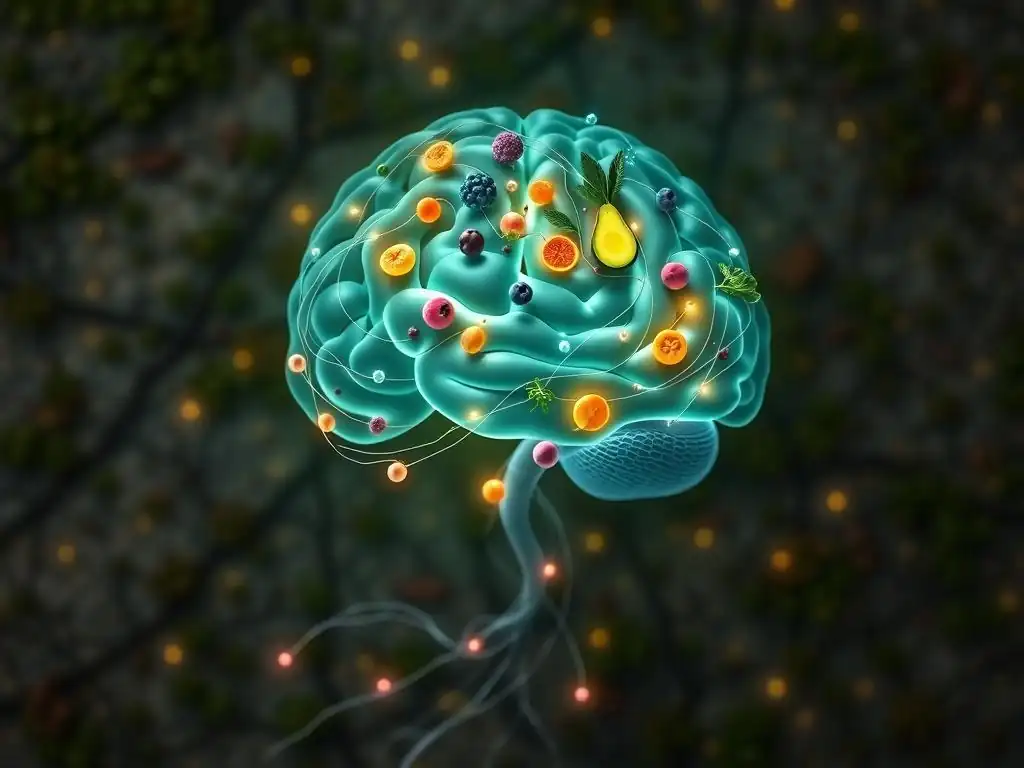
The link between nutrition, gut health, and brain health is increasingly clear. A diet rich in whole foods, omega-3 fatty acids, antioxidants, vitamins, and minerals provides the essential building blocks and energy required for optimal brain function and plasticity. Conversely, a diet high in processed foods, sugar, and unhealthy fats can contribute to chronic inflammation and oxidative stress, both of which damage neurons and impair plasticity.
The gut-brain axis, a bidirectional communication system between the gut microbiota and the brain, also plays a crucial role. A healthy gut microbiome can produce neuroactive compounds and reduce systemic inflammation, which benefits brain health. Consuming probiotics and prebiotics, and a diverse range of plant fibers, supports a healthy gut environment. Optimizing nutrition and gut health provides a vital foundation for supporting brain plasticity and resilience in the face of stress, aiding stress brain plasticity recovery.
Sleep Optimization: Enhancing Brain Repair and Plasticity
Quality sleep is absolutely essential for brain health, repair, and plasticity. During sleep, particularly during deep sleep and REM sleep, the brain consolidates memories, clears metabolic waste products (like amyloid-beta, which is associated with neurodegenerative diseases), and undergoes processes critical for synaptic plasticity. Chronic sleep deprivation, a common consequence of stress, severely impairs these functions.
Lack of sleep is itself a stressor on the body and brain, increasing cortisol levels and impairing cognitive function. Prioritizing sufficient, restful sleep (typically 7-9 hours per night for adults) allows the brain to perform vital maintenance and consolidation activities that support neurogenesis and synaptic strengthening. Optimizing sleep is a fundamental step in mitigating the effects of stress and enabling effective stress brain plasticity recovery.
Lifestyle Changes to Support Stress Resilience and Brain Health
Strong social connections act as a powerful buffer against stress. Positive social interactions trigger the release of oxytocin, a hormone that counteracts the effects of cortisol and promotes feelings of calm and connection. Having a supportive network provides emotional support, practical assistance, and a sense of belonging, all of which reduce the perceived threat of stressors and enhance coping abilities.
Engaging regularly with friends, family, or community groups helps to regulate the body's stress response system. Loneliness and social isolation, conversely, are linked to increased stress hormones and poorer health outcomes, including negative impacts on brain health. Actively nurturing social relationships is a vital component of a lifestyle that supports stress resilience and fosters an environment conducive to stress brain plasticity recovery.
Engaging in Meaningful Activities
Engaging in activities that are personally meaningful and enjoyable can significantly reduce stress and promote brain health. Hobbies, creative pursuits, volunteering, or spending time in nature can provide a sense of purpose, accomplishment, and relaxation. These activities help to shift focus away from stressors, activate different brain circuits, and provide opportunities for positive emotional experiences.
Finding flow states in engaging activities, where one is fully immersed and focused, can reduce rumination and anxiety. These experiences can also stimulate areas of the brain associated with reward and motivation, counteracting the negative effects of stress-induced changes. Prioritizing time for meaningful pursuits is not just about relaxation; it's an active strategy for managing stress and supporting the brain's capacity for repair and growth, contributing to stress brain plasticity recovery.
Setting Realistic Goals and Managing Expectations
Chronic stress often arises from feeling overwhelmed by demands and expectations, both external and internal. Learning to set realistic goals and manage expectations is a crucial skill for reducing this type of stress. Breaking down large tasks into smaller, manageable steps can make challenges feel less daunting and provide a sense of progress and control.
Practicing self-compassion and accepting that perfection is unattainable can also significantly reduce self-imposed stress. Learning to say "no" to excessive demands and prioritizing tasks helps prevent burnout. By reducing the chronic feeling of being overwhelmed, individuals can lower cortisol levels and create a more stable internal environment, which supports brain health and creates better conditions for stress brain plasticity recovery.
The Future of Stress Research and Brain Plasticity
Research into the impact of stress on brain plasticity is a rapidly evolving field, leading to the development of promising new therapies. Scientists are exploring interventions that specifically target the neurobiological mechanisms underlying stress-induced changes. This includes pharmacological approaches aimed at modulating stress hormone receptors or enhancing neurotrophic factor production.
Beyond traditional medication, novel therapies like transcranial magnetic stimulation (TMS) or transcranial direct current stimulation (tDCS) are being investigated for their potential to modulate activity in key brain regions like the prefrontal cortex, aiming to restore balance in stress-affected circuits. Psychedelic-assisted therapy is also a subject of intense research for its potential to induce profound changes in neural connectivity and perspective, offering new avenues for treating chronic stress-related conditions like PTSD and depression by potentially facilitating rapid and significant stress brain plasticity recovery.
Personalized Approaches to Enhancing Brain Plasticity
Recognizing that individuals respond differently to stress and interventions, the future of promoting brain plasticity is moving towards personalized approaches. This involves understanding an individual's unique genetic predispositions, stress history, lifestyle factors, and specific patterns of brain activity and structure. Technologies like fMRI and EEG are helping researchers map how stress impacts individual brains.
Based on this personalized understanding, interventions can be tailored. For example, someone with significant hippocampal vulnerability might benefit most from strategies specifically shown to boost neurogenesis, while someone with prefrontal cortex dysfunction might require interventions focused on executive function training. Personalized medicine holds the potential to optimize strategies for stress brain plasticity recovery, making interventions more effective and efficient.
The Importance of Early Intervention and Prevention
The long-term impact of chronic stress underscores the critical importance of early intervention and prevention. Addressing stress and its effects on the brain as early as possible can prevent the cascade of negative plastic changes that contribute to mental health disorders and cognitive decline. Education about stress management techniques and the brain's vulnerability and resilience is key, starting from childhood and adolescence, critical periods for brain development.
Implementing stress reduction programs in schools and workplaces, promoting mental health literacy, and ensuring access to timely support services are crucial preventive measures. Early identification of individuals at high risk for chronic stress or those beginning to show signs of its impact allows for interventions before significant maladaptive plasticity occurs. Focusing on prevention and early intervention maximizes the brain's natural capacity for adaptive plasticity and greatly enhances the potential for lifelong stress brain plasticity recovery.
Conclusion: Embracing Brain Plasticity for Stress Recovery
Key Takeaways: Stress, Brain Plasticity, and Mental Well-being
Chronic stress has a profound and detrimental impact on brain plasticity, altering the structure and function of key regions like the amygdala, hippocampus, and prefrontal cortex. These changes contribute to impaired cognitive function, increased risk of mental health disorders, and reduced resilience. The mechanisms involve stress hormones like cortisol disrupting neurogenesis and synaptic connections.
However, the brain's inherent capacity for neuroplasticity offers a powerful pathway for recovery. The concept of stress brain plasticity recovery highlights the potential for the brain to heal and rewire itself after stress exposure. Strategies such as mindfulness, exercise, CBT, proper nutrition, and sleep optimization actively promote this healing process by fostering beneficial changes at the neural level.
The Ongoing Journey of Brain Health and Resilience
Recovering from the effects of chronic stress on the brain is often an ongoing journey, not a one-time fix. It requires consistent effort and commitment to lifestyle changes and practices that support brain health and resilience. Embracing the power of brain plasticity means recognizing that the brain is capable of change and improvement throughout life.
By understanding the relationship between stress and brain plasticity, individuals can take proactive steps to protect their brain health, mitigate the negative impacts of stress, and actively engage in the process of stress brain plasticity recovery. Building resilience is about cultivating habits that nurture the brain's capacity to adapt, learn, and thrive, enabling individuals to navigate life's challenges with greater strength and well-being.
Frequently Asked Questions
What is brain plasticity and why is it important?
Brain plasticity refers to the brain's ability to reorganize itself by forming new neural connections throughout life. It's crucial for learning, adaptation, and recovery from injuries.
How does stress affect brain plasticity?
Chronic stress can impair brain plasticity, making it harder for the brain to adapt. This can lead to difficulties in learning new things and regulating emotions.
What are some signs that my brain's plasticity might be affected by stress?
Symptoms can include difficulty concentrating, memory problems, and increased anxiety or irritability. These are often indicators of reduced brain plasticity.
Can the brain recover plasticity after periods of high stress?
Yes, the brain can recover its plasticity through various strategies like mindfulness, exercise, and a healthy diet. These help to promote new neural connections.
What strategies can help support stress brain plasticity recovery?
Effective strategies include stress management techniques, regular physical activity, and cognitive training. These methods all support and enhance brain plasticity.
Final Reflection: Reclaiming Your Brain's Plasticity from the Grip of Stress
The pervasive nature of stress in modern life is undeniable, and its impact on our brain's remarkable plasticity is a critical issue we must confront. Understanding how stress hinders our brain's ability to adapt and learn is not just an academic exercise; it's a crucial step towards building resilience and reclaiming our cognitive well-being. The research presented highlights the urgent need to prioritize stress management techniques, not just as a means to alleviate immediate discomfort, but as a vital investment in our long-term mental health.
The ongoing exploration of stress's influence on neuroplasticity reveals a complex interplay between our environment and our brain's capacity for change. This understanding has profoundly shifted my perspective on the importance of self-care and proactive stress management. It's no longer simply about feeling better in the moment; it's about actively shaping the very structure and function of our brains. The brain is the ultimate learning machine. It's constantly changing, adapting, and rewiring itself based on our experiences.
This quote encapsulates the power we hold to influence our own cognitive destiny, even in the face of chronic stress.
Now, consider your own relationship with stress. What strategies do you currently employ to manage it? Are they effective? This article is not just an informative piece; it's a call to action. I encourage you to actively explore the various techniques discussed – mindfulness, exercise, healthy eating, and sufficient sleep – and discover which ones resonate most with you. Invest in your brain's plasticity; nurture its incredible capacity for adaptation and growth. Your future self will thank you for it.
Unlock Your Brain's Resilience: Take Control of Stress Today!
Thanks for diving deep into the world of stress and brain plasticity! You've now armed yourself with valuable insights into how stress affects your mind and what you can do about it. Let's turn that knowledge into action.
- Prioritize one stress-reducing activity this week: Whether it's meditation, exercise, spending time in nature, or connecting with loved ones, commit to something that truly nourishes your mind. This is your first step towards building resilience.
- Share this article with someone who might benefit: Helping others understand the impact of stress is a powerful way to spread awareness and support. Consider sending it to a friend, family member, or colleague.
- Explore mindful breathing techniques: Try a simple 5-minute breathing exercise each day. Search online for guided sessions if you need some support to get started. It's a small change, but it can make a big difference!
Ready to make a positive impact on your brain health? What's the first stress-reducing activity you'll be adding to your routine this week?