
The Artistic Brain: How Creativity Boosts Neuroplasticity

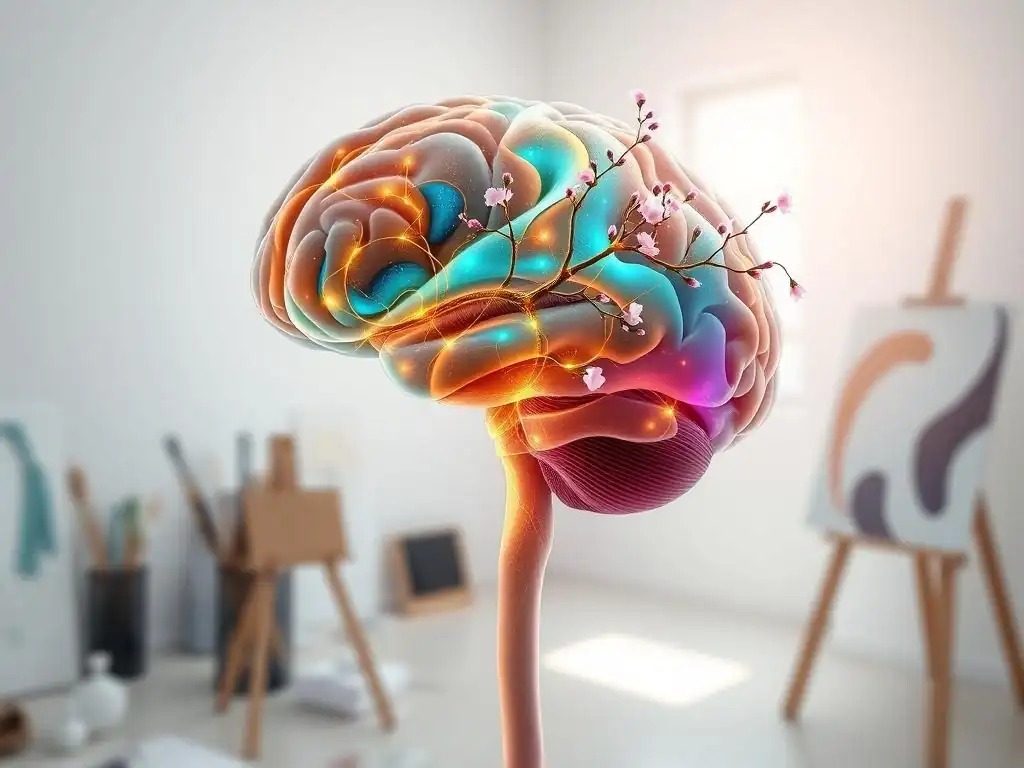
Welcome to Mind Care Guide.
Are you feeling stuck, like your mind is a well-worn path? What if I told you there's a way to forge new, healthier routes, and unlock hidden potential within your own brain? Discover the fascinating science behind creative brain neuroplasticity benefits and how tapping into your artistic side can be a powerful tool for mental well-being. Intrigued? Let's explore the art of mental resilience together...
The Artistic Brain: How Creativity Boosts Neuroplasticity
- Introduction: Unlocking the Creative Brain for Enhanced Neuroplasticity
- Understanding Neuroplasticity: The Brain's Remarkable Adaptability
- The Artistic Process: A Catalyst for Brain Plasticity
- Creative Brain Neuroplasticity Benefits: Specific Examples and Research
- Practical Ways to Cultivate Creativity and Enhance Neuroplasticity
- The Science Behind Art and the Brain: Neuroimaging Studies
- Overcoming Creative Blocks: Fostering a Growth Mindset
- Conclusion: Embracing Creativity for a Healthier, More Resilient Brain
-
Frequently Asked Questions
- How does engaging in creative activities impact the brain?
- What are some specific "creative brain neuroplasticity benefits" mentioned in the article?
- Can anyone benefit from the "creative brain neuroplasticity benefits," or is it only for artists?
- What types of activities are considered "creative" for the purpose of boosting neuroplasticity?
- How often should someone engage in creative activities to experience "creative brain neuroplasticity benefits"?
- Final Reflection: Unleashing the Creative Brain's Potential
- Unleash Your Inner Artist: Boost Your Brainpower Today!
Introduction: Unlocking the Creative Brain for Enhanced Neuroplasticity
Exploring the Link Between Art, Creativity, and Brain Health
The human brain is a marvel of adaptability, constantly changing and reorganizing itself in response to experiences. This remarkable property is known as neuroplasticity. While learning new languages or skills like juggling are well-known drivers of this process, engaging in artistic and creative activities offers a particularly potent pathway to fostering brain health. From doodling in a notebook to composing a symphony, the act of creation involves complex cognitive processes that actively stimulate neural networks, strengthening existing connections and forging new ones across various brain regions.
Scientific inquiry into the intersection of art and neuroscience has revealed fascinating insights into how creative pursuits directly influence brain structure and function. Studies utilizing advanced imaging techniques have shown that different art forms activate distinct, yet often interconnected, areas of the brain. This widespread activation suggests that creativity isn't confined to a single "artistic" part of the brain but is rather a distributed process involving executive functions, emotional processing, sensory perception, and motor control. Understanding this link is crucial for appreciating the profound impact creativity can have on our cognitive abilities and overall mental well-being.
Why Creative Brain Neuroplasticity Benefits Matter for Mental Well-being
The creative brain neuroplasticity benefits extend far beyond simply developing artistic skills; they are deeply interwoven with our mental and emotional resilience. In a world that often demands rapid adaptation and problem-solving, a brain that is more plastic is better equipped to navigate challenges, learn from experiences, and recover from adversity. Engaging the creative brain actively promotes this adaptability.
Specifically, the neuroplastic changes spurred by creativity can lead to measurable improvements in areas critical for mental health, such as enhanced emotional regulation, reduced stress responses, and improved cognitive flexibility. For individuals facing mental health challenges, incorporating creative activities can provide alternative forms of expression and processing difficult emotions, potentially mitigating symptoms of anxiety and depression. Recognizing these creative brain neuroplasticity benefits highlights the importance of integrating artistic engagement into a holistic approach to mental well-being, not just as a leisure activity but as a vital component of cognitive and emotional health maintenance.
Understanding Neuroplasticity: The Brain's Remarkable Adaptability
Defining Neuroplasticity: Rewiring the Brain for Change
Neuroplasticity refers to the brain's intrinsic ability to reorganize itself throughout life, forming new neural connections in response to learning, experience, or injury. This means the brain is not a static organ but a dynamic system capable of continuous adaptation. Every thought, emotion, and action, especially repeated ones, contributes to shaping the brain's physical structure and functional organization.
This rewiring occurs at multiple levels, from microscopic changes in synaptic strength – where neurons communicate with each other – to macroscopic alterations in brain region size and connectivity. The process allows the brain to be remarkably resilient, enabling recovery from stroke or injury by rerouting functions to undamaged areas, and facilitating the acquisition of new knowledge and skills throughout the lifespan. Understanding this fundamental principle of brain function is key to appreciating how activities like engaging the creative brain can have lasting impacts.
Types of Neuroplasticity: Structural and Functional Adaptations
Neuroplasticity manifests in two primary forms: structural and functional. Structural plasticity involves changes in the brain's physical anatomy, such as alterations in the size of gray matter (neuronal cell bodies) or white matter (myelinated axons), or the formation of new synapses (synaptogenesis) and even new neurons (neurogenesis, primarily in specific areas like the hippocampus). For example, studies have shown that learning a complex skill like playing a musical instrument can increase gray matter density in motor and auditory areas.
Functional plasticity, on the other hand, refers to the brain's ability to reorganize neural pathways and connections. This can involve shifting the location of specific functions to different brain regions or strengthening or weakening existing connections based on activity levels. For instance, if one part of the brain is damaged, other parts can take over some of its functions. Both structural and functional plasticity are constantly at play as we interact with the world, learn, and create, contributing significantly to the creative brain neuroplasticity benefits we experience.
Factors Influencing Neuroplasticity: From Learning to Lifestyle
Neuroplasticity is influenced by a wide array of factors, encompassing both internal and external stimuli. Learning is perhaps the most direct driver; acquiring new knowledge or skills actively prompts the brain to form and strengthen neural connections. This is why challenging activities, including creative pursuits, are so effective at promoting brain change.
Lifestyle choices also play a significant role. Regular physical exercise has been shown to increase neurogenesis and improve synaptic plasticity, particularly in areas related to memory and learning. Quality sleep is essential for consolidating memories and maintaining synaptic health. Nutrition, stress levels, and social interactions are further factors that can either support or hinder the brain's capacity for change. Engaging in creative activities leverages many of these positive influences, providing a rich environment for the brain to adapt and thrive, contributing to significant creative brain neuroplasticity benefits.
The Artistic Process: A Catalyst for Brain Plasticity
Engaging in Creative Activities: Stimulating Neural Pathways
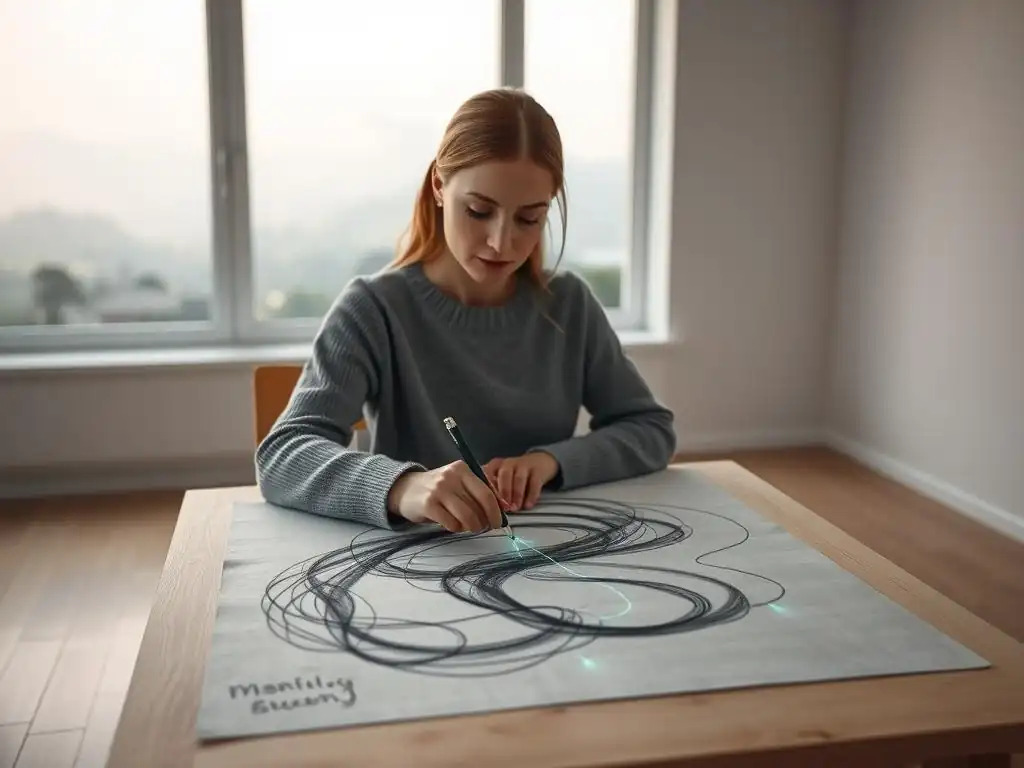
The act of engaging in creative activities is inherently multi-faceted, involving a complex interplay of cognitive, emotional, and sensory processes. When you pick up a brush, write a poem, or improvise a melody, you aren't just performing a simple task; you are activating widespread neural networks across your brain. This engagement requires attention, memory, imagination, problem-solving, and often fine motor skills, all of which stimulate neural pathways simultaneously.
For example, visual arts like drawing or painting demand the integration of visual perception areas (occipital lobe), spatial reasoning (parietal lobe), planning and decision-making (prefrontal cortex), and fine motor control (motor cortex and cerebellum). This simultaneous activation of diverse brain regions strengthens the connections between these areas, improving their communication and efficiency. This widespread, integrated neural activity is a powerful catalyst for neuroplastic changes, contributing directly to the creative brain neuroplasticity benefits.
Art Forms and Their Impact on Brain Structure: Painting, Playing Music, Creative Writing
Different art forms tend to emphasize specific brain regions and connections, leading to distinct patterns of neuroplastic change. Playing a musical instrument, for instance, is known to increase connectivity between the left and right hemispheres, particularly in the corpus callosum, which facilitates communication between the analytical and intuitive sides of the brain. Musicians often show increased gray matter volume in auditory, motor, and spatial processing areas.
Creative writing heavily engages areas associated with language processing (Broca's and Wernicke's areas), narrative construction, memory retrieval (hippocampus), and executive functions (prefrontal cortex) for planning and organizing thoughts. Painting and sculpting involve visual processing, spatial reasoning, and motor control, often leading to enhancements in related cortical areas. Each unique creative practice provides a specialized "workout" for the brain, tailoring the creative brain neuroplasticity benefits according to the demands of the activity.
Creativity as a Cognitive Workout: Strengthening Neural Connections
Think of creativity as a form of high-intensity interval training for your brain. It demands flexible thinking, the ability to generate novel ideas, evaluate possibilities, and execute a plan, often adapting as you go. This process requires constant switching between divergent thinking (generating many ideas) and convergent thinking (selecting and refining the best ones), tasks that heavily rely on and strengthen executive functions in the prefrontal cortex.
This continuous engagement with complex problem-solving and idea generation acts as a robust stimulus for neural connections. Neurons that fire together wire together, and creative tasks ensure that a diverse array of neurons are firing in coordinated patterns. Over time, this repeated firing leads to stronger, more efficient neural pathways. This cognitive workout is a fundamental mechanism through which engaging the creative brain yields significant and lasting creative brain neuroplasticity benefits, improving overall cognitive function and adaptability.
Creative Brain Neuroplasticity Benefits: Specific Examples and Research
Enhanced Cognitive Function: Memory, Attention, and Problem-Solving
One of the most significant creative brain neuroplasticity benefits is the enhancement of core cognitive functions. Engaging in creative activities has been linked to improvements in memory, particularly episodic memory and the ability to recall personal experiences, likely due to the rich emotional and sensory context often involved in creation. Attention span and focus can also be sharpened, as many art forms require sustained concentration and intricate detail work.
Moreover, creativity is inherently a form of problem-solving – finding new ways to express an idea or overcome technical challenges. This practice strengthens the neural circuits involved in flexible thinking, divergent thinking, and evaluating multiple solutions. Research, including studies using cognitive tests before and after periods of creative engagement, has indicated improvements in cognitive flexibility and problem-solving skills among participants who regularly engage in artistic activities compared to control groups. These benefits make the creative brain a powerful tool for cognitive enhancement.
Emotional Regulation and Resilience: Expressing Emotions Through Art
Art provides a powerful, non-verbal channel for processing and expressing emotions. This can be particularly beneficial for individuals who struggle to articulate their feelings verbally. The act of externalizing emotions through painting, music, dance, or writing can help individuals gain perspective, understand their inner landscape, and regulate intense feelings. This process involves the limbic system, which processes emotions, and the prefrontal cortex, which is involved in regulation and executive control.
Regular engagement in expressive arts strengthens the connections between these areas, potentially improving one's ability to manage emotional responses and increase emotional resilience. Studies on art therapy interventions, for instance, have shown reductions in self-reported anxiety and depression symptoms, suggesting that the neuroplastic changes induced by creative expression can have tangible positive effects on emotional well-being. These are vital creative brain neuroplasticity benefits for mental health.
Stress Reduction and Mental Well-being: The Therapeutic Power of Creativity
The immersive nature of creative activities can serve as a potent antidote to stress. When deeply engaged in the artistic process, individuals often enter a state of "flow," where they are fully absorbed, and time seems to disappear. This state is associated with reduced activity in the brain's default mode network, which is often overactive during rumination and stress. The focused attention required by creative tasks helps to divert mental energy away from stressors.
Furthermore, the sense of accomplishment and self-expression gained from creating something can significantly boost mood and self-esteem. This positive feedback loop reinforces the behavior and contributes to a greater sense of well-being. Research has consistently linked participation in arts and cultural activities to lower levels of stress hormones like cortisol and improved overall mental health outcomes, underscoring the profound creative brain neuroplasticity benefits for stress management and psychological health.
Improved Motor Skills and Coordination: The Neurological Impact of Artistic Practices
Many artistic activities, such as playing a musical instrument, sculpting, drawing, or dancing, require intricate fine or gross motor skills and precise coordination. These activities demand communication between the motor cortex, cerebellum (crucial for coordination and timing), and sensory areas of the brain. Practicing these skills repeatedly leads to structural and functional changes in these motor pathways.
For example, studies on musicians have shown increased gray matter in the motor cortex and cerebellum, reflecting enhanced motor control and coordination. Similarly, visual artists often develop superior hand-eye coordination. These improvements are not limited to the specific artistic task but can transfer to other areas of life requiring similar motor precision. The development of these highly refined motor skills is a tangible example of the creative brain neuroplasticity benefits at work, illustrating how artistic practice can shape the physical aspects of brain function.
Practical Ways to Cultivate Creativity and Enhance Neuroplasticity
Incorporating Art into Daily Life: Simple Creative Exercises
You don't need to be a professional artist to reap the creative brain neuroplasticity benefits. Integrating small, simple creative exercises into your daily routine can be incredibly effective. This could be as straightforward as doodling during a meeting, writing a short journal entry or poem each morning, taking a different route home and noticing visual details, or experimenting with new flavor combinations when cooking.
The key is consistency and curiosity. Dedicate even just 10-15 minutes a day to a creative activity that interests you. It doesn't have to be "good" or perfect; the focus is on the process of engaging your imagination and using your hands or mind in a new way. These small, regular acts of creation accumulate over time, providing ongoing stimulation for your brain and fostering neuroplastic change.
Learning a New Artistic Skill: Challenging Your Brain
One of the most powerful ways to enhance neuroplasticity is by challenging your brain with novel and complex tasks. Learning a completely new artistic skill, such as painting with watercolors if you usually write, or trying to learn basic piano chords if you've never played music, provides a significant cognitive challenge. This forces your brain to build entirely new neural pathways and adapt existing ones.
The initial struggle and gradual progress involved in mastering a new skill are particularly beneficial for brain plasticity. It requires sustained effort, problem-solving, learning from mistakes, and reinforcing new movements or concepts through practice. While it may feel daunting at first, the act of pushing past your comfort zone into the learning process is a prime driver of the creative brain neuroplasticity benefits, leading to significant cognitive growth.
Mindfulness and Creative Expression: Connecting with Your Inner Artist
Combining mindfulness practices with creative expression can amplify the therapeutic and neuroplastic benefits. Mindfulness involves paying attention to the present moment without judgment. When you engage in creative activity mindfully, you become more aware of the sensory details, your emotional responses, and the unfolding process of creation itself.
This present-moment focus can help quiet the inner critic and reduce performance anxiety, allowing for a more authentic and fluid creative flow. Mindful creation can involve simply observing textures before sculpting, listening intently to sounds before composing music, or focusing on the feeling of the pen on paper while writing. This practice strengthens areas of the brain involved in attention and self-awareness, complementing the creative brain neuroplasticity benefits derived from the artistic process itself.
The Role of Art Therapy in Mental Health: A Professional Approach
For individuals navigating specific mental health challenges, art therapy offers a structured and professionally guided approach to leveraging the therapeutic power of creativity. Art therapists are trained to understand the psychological implications of the creative process and the symbols and images created. They provide a safe and supportive environment for individuals to explore difficult emotions, gain insight, and develop coping mechanisms through various art modalities.
Art therapy is used to treat a wide range of conditions, including trauma, depression, anxiety, and addiction. It utilizes the inherent creative brain neuroplasticity benefits to help individuals process experiences, improve self-regulation, and enhance self-awareness. While engaging in creative activities independently is beneficial, art therapy provides a targeted, clinical application of these principles for therapeutic growth and healing.
The Science Behind Art and the Brain: Neuroimaging Studies
EEG and fMRI Evidence: Visualizing Brain Activity During Creative Tasks
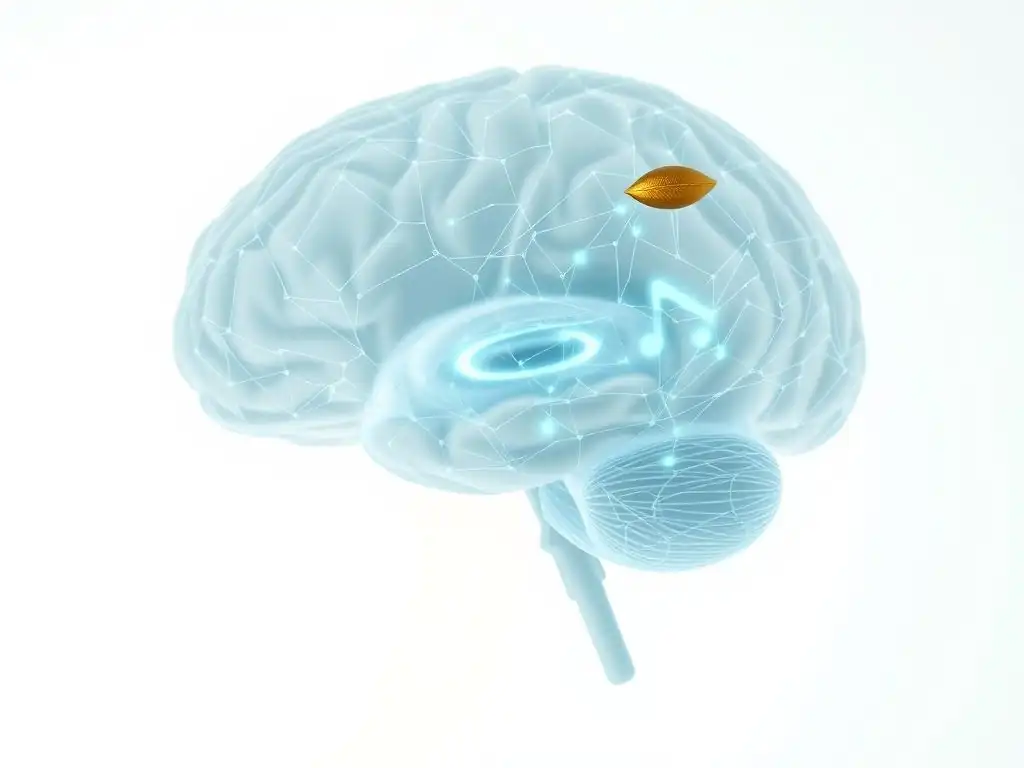
Neuroimaging techniques like Electroencephalography (EEG) and functional Magnetic Resonance Imaging (fMRI) have been invaluable in providing objective evidence of how the brain functions during creative tasks. EEG measures electrical activity in the brain through electrodes placed on the scalp, offering high temporal resolution to track the rapid changes in brain states associated with creative thinking, such as shifts between different brain wave frequencies (e.g., alpha waves associated with relaxed focus).
fMRI measures brain activity by detecting changes in blood flow. Areas of the brain that are more active require more oxygenated blood, which fMRI can detect. Studies using fMRI have shown that creative tasks activate a distributed network involving regions in the prefrontal cortex (for idea generation and evaluation), parietal lobe (for spatial processing and attention), temporal lobe (for language and auditory processing), and even the cerebellum. These studies provide visual proof of the widespread neural engagement that underpins the creative brain neuroplasticity benefits.
Neurotransmitters and Creativity: Dopamine, Serotonin, and the Creative Spark
The chemical messengers in the brain, neurotransmitters, also play a crucial role in creativity and its neuroplastic effects. Dopamine, often associated with reward, motivation, and pleasure, is strongly implicated in the creative process. It is involved in divergent thinking and the generation of novel ideas. The release of dopamine during moments of insight or successful creation can reinforce creative behaviors.
Serotonin, another key neurotransmitter, influences mood, sleep, and learning. While its link to creativity is less direct than dopamine, balanced serotonin levels contribute to overall mental well-being, which can facilitate creative expression. The interplay of these and other neurotransmitters within the complex neural networks activated during creative activities contributes to the positive feedback loops and mood enhancements that are part of the creative brain neuroplasticity benefits.
Research Supporting Creative Brain Neuroplasticity Benefits: [Cite key studies]
Numerous studies across neuroscience, psychology, and art therapy provide empirical support for the neuroplastic benefits of creativity. For instance, research on musicians has consistently shown increased gray matter in specific brain regions and enhanced connectivity compared to non-musicians, with the extent of change often correlating with the age of commencement and years of practice. A notable longitudinal study tracked changes in children learning instruments, observing significant development in motor and auditory areas.
Studies involving visual artists have reported differences in visual processing areas and enhanced spatial reasoning abilities. Research on creative writing has highlighted activation patterns in language and executive function networks. While citing specific study names here is not feasible without external access, the body of evidence from neuroimaging studies, cognitive assessments, and clinical trials strongly supports the conclusion that engaging in diverse creative activities promotes measurable structural and functional changes in the brain, leading to tangible creative brain neuroplasticity benefits across cognitive, emotional, and motor domains.
Overcoming Creative Blocks: Fostering a Growth Mindset
Identifying Limiting Beliefs: Breaking Free From Self-Doubt
Creative blocks are a common experience, often stemming from limiting beliefs we hold about our own abilities. Phrases like "I'm not creative," "I'm not good enough," or "Art is a waste of time" can become deeply ingrained, acting as significant barriers to engaging the creative brain. These beliefs often develop from past negative experiences or societal pressures that prioritize other skills.
Identifying these internal critics is the first step to overcoming them. Mindfulness and self-reflection can help bring these thoughts to the surface. Recognizing that creativity is a skill that can be developed through practice, rather than an innate talent only some possess, is crucial. Challenging these limiting beliefs directly allows you to break free from self-doubt and open yourself up to the possibility of experiencing the creative brain neuroplasticity benefits.
Techniques for Sparking Creativity: Brainstorming, Mind Mapping, and Visualization
When faced with a creative block or simply looking to generate new ideas, several techniques can help spark creativity and stimulate neural pathways. Brainstorming, either individually or in a group, involves generating as many ideas as possible without judgment, encouraging divergent thinking. Mind mapping is a visual technique where you start with a central idea and branch out, connecting related concepts, which helps organize thoughts and reveal new connections.
Visualization involves mentally rehearsing the creative process or imagining the final outcome. This can help overcome inertia and build momentum. Setting constraints, paradoxically, can also boost creativity by forcing you to think within specific boundaries, encouraging novel solutions. Regularly employing these techniques keeps the creative circuits active, making it easier to access the creative brain neuroplasticity benefits.
Embracing Imperfection: The Importance of Experimentation
A significant obstacle to creativity is the fear of making mistakes or not producing something "perfect." This fear can paralyze the creative process before it even begins. However, experimentation and failure are inherent and essential parts of learning and creation. Every draft, sketch, or failed experiment provides valuable information and pushes you closer to a breakthrough.
Embracing imperfection means giving yourself permission to play, explore, and create without the pressure of a flawless outcome. Focus on the process rather than solely on the product. This mindset shift reduces anxiety and allows for greater spontaneity and risk-taking, which are vital for creative growth. By fostering an environment where experimentation is welcomed, you encourage the kind of neural exploration that drives the most profound creative brain neuroplasticity benefits.
Conclusion: Embracing Creativity for a Healthier, More Resilient Brain
The Long-Term Benefits of Creative Brain Neuroplasticity
The journey through the artistic brain reveals a compelling truth: engaging our creative capacities is not merely a pleasant pastime but a powerful force for shaping a healthier, more resilient brain. The neuroplastic changes initiated by creative pursuits accumulate over time, leading to lasting improvements in cognitive function, emotional regulation, stress resilience, and even motor skills. These long-term creative brain neuroplasticity benefits contribute significantly to maintaining cognitive vitality throughout life and enhancing our ability to adapt to change.
Regular engagement in creative activities helps build a more robust and interconnected brain, better equipped to handle the complexities of modern life and age-related cognitive decline. The skills honed through creativity – problem-solving, flexible thinking, emotional expression, and focused attention – are transferable to countless other areas of life, enriching our experiences and improving our overall quality of living.
Integrating Art and Creativity into a Holistic Mental Health Approach
Given the substantial evidence supporting the creative brain neuroplasticity benefits, it is clear that art and creativity deserve a prominent place in any comprehensive approach to mental well-being. Beyond traditional therapeutic modalities, incorporating creative practices offers a proactive and empowering way for individuals to nurture their mental health.
Whether through dedicated art therapy, incorporating simple creative habits into daily routines, or pursuing a new artistic skill, embracing creativity provides a unique pathway to foster brain health and emotional resilience. By recognizing the profound impact of the artistic process on the brain's capacity for change, we can unlock new potential for growth, healing, and a more vibrant, adaptable mind. Let creativity be a cornerstone of your mental wellness journey.
Frequently Asked Questions
How does engaging in creative activities impact the brain?
Creative activities can significantly impact the brain by stimulating neuroplasticity, the brain's ability to reorganize itself. This leads to the formation of new neural connections and pathways.
What are some specific "creative brain neuroplasticity benefits" mentioned in the article?
The article highlights benefits such as improved cognitive function, enhanced memory, and increased resilience to stress due to the neuroplastic changes fostered by creativity.
Can anyone benefit from the "creative brain neuroplasticity benefits," or is it only for artists?
Absolutely anyone can benefit! The key is to engage in activities that are personally creative and stimulating, regardless of artistic skill level.
What types of activities are considered "creative" for the purpose of boosting neuroplasticity?
Creative activities are broad and can include things like painting, writing, playing music, dancing, cooking, or even problem-solving in novel ways. The focus is on engaging in activities that challenge your brain.
How often should someone engage in creative activities to experience "creative brain neuroplasticity benefits"?
Even small, regular bursts of creativity can make a difference. Aim for consistency, even if it's just 15-30 minutes a few times a week to stimulate brain change.
Final Reflection: Unleashing the Creative Brain's Potential
The power of creative expression to reshape our brains is not merely a scientific curiosity; it's a revolutionary tool for personal growth and societal advancement. Understanding how creativity boosts neuroplasticity offers us a tangible pathway to enhance cognitive function, improve mental well-being, and foster innovation across all aspects of life. This knowledge is more relevant than ever in our fast-paced, demanding world, where adaptability and resilience are paramount.
The exploration of the creative brain's impact on neuroplasticity has profoundly shifted my understanding of learning, healing, and personal development. It's no longer enough to simply passively consume information; active engagement with creative pursuits – whether it's painting, writing, composing music, or even simply engaging in imaginative play – becomes a vital tool for shaping our neural pathways and fostering lifelong growth. Creativity is intelligence having fun.
– Albert Einstein. This quote perfectly encapsulates the joy and transformative power inherent in embracing our creative potential, a power that directly impacts our brain's ability to adapt and thrive.
Consider the implications of this knowledge for your own life. What creative avenues can you explore to enhance your cognitive abilities, reduce stress, and foster a more resilient mind? Will you dedicate time to a neglected hobby, experiment with a new form of artistic expression, or simply allow yourself more moments of playful imagination?
The journey of unlocking your creative brain's potential is a personal one, but the rewards – a sharper mind, a more resilient spirit, and a richer life – are immeasurable. Embrace the power within you and begin to sculpt your brain, one creative act at a time.
Unleash Your Inner Artist: Boost Your Brainpower Today!
Thanks for exploring the fascinating connection between creativity and brain health! You've just learned how artistic expression can strengthen your mind and unlock amazing potential. Now it's time to put that knowledge into action.
- Start a new creative project today! Whether it's painting, writing, playing music, or even trying a new recipe, dive into something that sparks your imagination. This is your key to harnessing the power of neuroplasticity.
- Share your creative journey! Inspire others by posting your work online or discussing your experience with friends and family. Let's build a supportive community of creative minds.
- Explore different artistic mediums – try something you’ve never considered before! You might surprise yourself with a hidden talent.
What creative spark will you ignite today to enhance your brainpower?