
Beyond Therapy: How Neuroplasticity Aids Mood Disorder Recovery

Welcome to Mind Care Guide, your sanctuary for understanding and nurturing your mental well-being.
Feeling stuck in a cycle of mood disorder symptoms? You're not alone, and there's more hope than you might realize. Delve into our exploration of Neuroplasticity and Mood Disorder Recovery and discover how your brain's remarkable ability to rewire itself can offer a path towards lasting healing and a brighter future. Are you ready to unlock your brain's potential for positive change?
Beyond Therapy: How Neuroplasticity Aids Mood Disorder Recovery
- Introduction: Understanding Neuroplasticity and Mood Disorders
- The Science Behind Neuroplasticity in Mood Disorder Treatment
-
Neuroplasticity-Based Therapies for Mood Disorder Recovery
- Cognitive Behavioral Therapy (CBT) and Neuroplasticity: Rewiring Negative Thought Patterns
- Mindfulness-Based Interventions (MBIs): Enhancing Neuroplasticity Through Meditation
- Exercise and Brain Plasticity: The Benefits of Physical Activity for Mood and Cognition
- Nutrition and Neuroplasticity: How Diet Impacts Brain Health and Mood
- Emerging Therapies: TMS, Neurofeedback, and Their Impact on Brain Plasticity
-
Practical Strategies for Enhancing Neuroplasticity in Mood Disorder Recovery
- Creating a Supportive Environment: The Importance of Social Connections
- Setting Realistic Goals and Celebrating Progress: Fostering a Growth Mindset
- Engaging in Novel Activities: Stimulating Brain Plasticity Through New Experiences
- Incorporating Daily Gratitude Practices to Strengthen Positive Neural Pathways
- Neuroplasticity and Medication: A Synergistic Approach
- Overcoming Challenges in Neuroplasticity-Based Recovery
- The Future of Neuroplasticity in Mental Health Care
- Conclusion: Embracing Neuroplasticity for Lasting Mood Disorder Recovery
-
Frequently Asked Questions
- How does neuroplasticity specifically help in mood disorder recovery?
- What role does therapy play in leveraging neuroplasticity for mood disorders?
- Are there lifestyle changes that can enhance neuroplasticity and aid mood disorder recovery?
- How long does it typically take to see improvements in mood disorders through neuroplasticity-based approaches?
- Is neuroplasticity a permanent solution for mood disorders, or is ongoing maintenance required?
- Final Reflection: Harnessing the Brain's Power to Heal
- Unlock Your Brain's Healing Power
Introduction: Understanding Neuroplasticity and Mood Disorders
What is Neuroplasticity? The Brain's Remarkable Ability to Change
Neuroplasticity refers to the brain's incredible capacity to reorganize itself throughout life – not just during childhood development. It's the biological process that allows neurons to forge new connections, strengthen existing ones, or prune away those that are no longer needed. This dynamic ability underpins learning, memory formation, and adaptation to new experiences, demonstrating that the brain is far from a static organ.
This adaptability is not limited to minor adjustments; it can involve significant structural and functional changes. For instance, studies have shown that learning complex skills, like navigating a large city as a taxi driver, can lead to observable increases in grey matter volume in areas like the hippocampus, crucial for spatial memory. Similarly, acquiring a new language or mastering a musical instrument can alter the connectivity and size of specific brain regions, illustrating that our daily activities and experiences are constantly shaping our neural landscape.
Mood Disorders: An Overview of Depression, Anxiety, and Bipolar Disorder
Mood disorders are a category of mental health conditions characterized by significant disturbances in a person's emotional state. They represent a spectrum of challenges, with major depressive disorder, various anxiety disorders (like generalized anxiety disorder, panic disorder, and social anxiety disorder), and bipolar disorder being among the most common. These conditions can profoundly impact daily life, affecting thoughts, feelings, behavior, and physical health.
While sharing the common thread of emotional dysregulation, these disorders manifest differently. Major depression is often marked by persistent sadness, loss of interest or pleasure, fatigue, and changes in sleep and appetite. Anxiety disorders are characterized by excessive worry, fear, and nervousness, often accompanied by physical symptoms like rapid heartbeat and difficulty breathing. Bipolar disorder involves dramatic shifts in mood, energy, and activity levels, ranging from periods of elevated mood (mania or hypomania) to episodes of depression.
The Link Between Neuroplasticity and Mental Health: A New Perspective on Recovery
Emerging research strongly suggests that mood disorders are associated with altered neuroplasticity. Instead of viewing them solely as chemical imbalances or fixed conditions, the neuroplasticity perspective highlights that these disorders involve disruptions in the brain's ability to adapt and form healthy neural connections. This offers a powerful and hopeful reframing: if abnormal brain states are linked to altered plasticity, then enhancing or restoring healthy plasticity could be a key pathway to recovery.
This perspective moves beyond traditional models by emphasizing the brain's potential for positive change. It suggests that therapeutic interventions, lifestyle changes, and even certain medications may work, at least in part, by promoting beneficial neuroplastic changes. Understanding this link empowers individuals and clinicians to focus on strategies that actively build resilience and restore healthy brain function, providing a biological basis for the effectiveness of various recovery methods aimed at improving neuroplasticity mood disorder recovery.
The Science Behind Neuroplasticity in Mood Disorder Treatment
How Mood Disorders Affect Brain Structure and Function: Neuroimaging Insights
Neuroimaging studies using techniques like fMRI (functional Magnetic Resonance Imaging) and structural MRI have provided crucial insights into how mood disorders manifest in the brain. In individuals with chronic depression, for instance, findings often include reduced volume in areas critical for mood regulation and cognition, such as the hippocampus and prefrontal cortex. These structural changes suggest a potential impairment in processes like neurogenesis (the birth of new neurons) and synaptic connectivity in these regions.
Beyond structural alterations, functional imaging reveals disrupted communication patterns between different brain networks. Studies in anxiety disorders might show heightened activity in the amygdala, the brain's fear center, and reduced connectivity or activity in areas of the prefrontal cortex responsible for regulating emotional responses. Bipolar disorder is associated with complex changes, including altered activity in circuits involved in reward processing and emotional regulation, particularly during manic and depressive episodes. These findings underscore that mood disorders are linked to tangible, observable changes in brain architecture and function.
The Role of Neurotransmitters in Mood Regulation and Neuroplasticity
Neurotransmitters are chemical messengers that transmit signals between neurons, playing a fundamental role in mood regulation. Key neurotransmitters implicated in mood disorders include serotonin, norepinephrine, and dopamine. Imbalances or dysregulation in these systems are associated with the symptoms of depression, anxiety, and bipolar disorder. For example, low levels or reduced activity of serotonin are commonly linked to depressive symptoms.
Crucially, these neurotransmitter systems are not isolated from neuroplasticity; they actively influence it. Serotonin, for instance, is known to promote neurogenesis in the hippocampus. Norepinephrine and dopamine systems are involved in reward, motivation, and attention, all of which can influence synaptic plasticity and learning. Many psychiatric medications target these neurotransmitter systems, and their long-term effects on mood are thought to be mediated, in part, by their influence on neuroplastic processes, facilitating the brain's ability to adapt and restore healthier functioning.
Neuroplasticity Mechanisms: Synaptic Plasticity, Neurogenesis, and Long-Term Potentiation
Neuroplasticity operates through several key mechanisms at the cellular level. Synaptic plasticity refers to the ability of synapses (the junctions between neurons) to strengthen or weaken over time. This is the fundamental basis of learning and memory, allowing for efficient communication between neurons. Long-Term Potentiation (LTP) is a persistent strengthening of synapses based on recent patterns of activity, often considered a cellular mechanism underlying learning and memory consolidation. Conversely, Long-Term Depression (LTD) weakens synapses.
Neurogenesis, the birth of new neurons, primarily occurs in specific brain regions in adults, notably the hippocampus. This process is vital for learning, memory, and mood regulation. Reduced neurogenesis in the hippocampus has been implicated in depression, and treatments that alleviate depression are often associated with increased neurogenesis. Together, these mechanisms – dynamic synaptic strength, the creation of new neurons, and the enduring potentiation of neural pathways – provide the biological foundation for how the brain can change and adapt, offering targets for interventions aimed at fostering neuroplasticity mood disorder recovery.
Neuroplasticity-Based Therapies for Mood Disorder Recovery
Cognitive Behavioral Therapy (CBT) and Neuroplasticity: Rewiring Negative Thought Patterns
Cognitive Behavioral Therapy (CBT) is a widely effective psychotherapeutic approach for mood disorders that directly targets and aims to modify unhelpful thought patterns and behaviors. From a neuroplasticity perspective, CBT helps individuals identify and challenge negative automatic thoughts and core beliefs that contribute to emotional distress. By consciously practicing alternative, more balanced ways of thinking and responding, individuals are essentially engaging in a process of "rewiring" their brains.
This therapeutic process, through repeated exposure to new cognitive and behavioral strategies, is thought to strengthen neural pathways associated with more adaptive responses while weakening those linked to negative rumination and avoidance. Research using fMRI has shown that successful CBT treatment for depression and anxiety is associated with changes in activity and connectivity within brain circuits involved in emotional regulation, such as the prefrontal cortex and amygdala, providing neurobiological support for how actively changing one's thoughts and behaviors can drive beneficial brain changes.
Mindfulness-Based Interventions (MBIs): Enhancing Neuroplasticity Through Meditation
Mindfulness-Based Interventions (MBIs), such as Mindfulness-Based Stress Reduction (MBSR) and Mindfulness-Based Cognitive Therapy (MBCT), cultivate present-moment awareness without judgment. Regular mindfulness practice, often involving meditation, encourages individuals to observe their thoughts and feelings as transient phenomena rather than identifying with them or reacting automatically. This practice helps to reduce reactivity to negative internal experiences, a common struggle in mood disorders.
The consistent practice of mindfulness has been linked to structural and functional changes in the brain, supporting enhanced neuroplasticity mood disorder recovery. Studies have indicated increases in grey matter density in areas associated with self-awareness, compassion, and introspection, such as the insula and temporo-parietal junction. Furthermore, MBIs appear to strengthen the connectivity between the prefrontal cortex and the amygdala, improving the brain's capacity to regulate emotional responses and reducing the dominance of stress-reactive pathways.
Exercise and Brain Plasticity: The Benefits of Physical Activity for Mood and Cognition
Regular physical activity is a powerful promoter of brain health and neuroplasticity, with significant benefits for mood disorder recovery. Exercise increases blood flow to the brain, delivering vital oxygen and nutrients. It also stimulates the production of neurotrophic factors, such as Brain-Derived Neurotrophic Factor (BDNF), which acts like a fertilizer for the brain, supporting the growth, survival, and differentiation of neurons and synapses.
Engaging in aerobic exercise, resistance training, or even moderate physical activity multiple times a week has been shown to improve symptoms of depression and anxiety, often comparable to or augmenting the effects of medication or therapy. These benefits are linked to increased neurogenesis in the hippocampus, enhanced synaptic plasticity, and improved connectivity in brain networks involved in mood regulation and cognitive function. The physical act of moving the body directly contributes to building a more resilient and adaptable brain.
Nutrition and Neuroplasticity: How Diet Impacts Brain Health and Mood
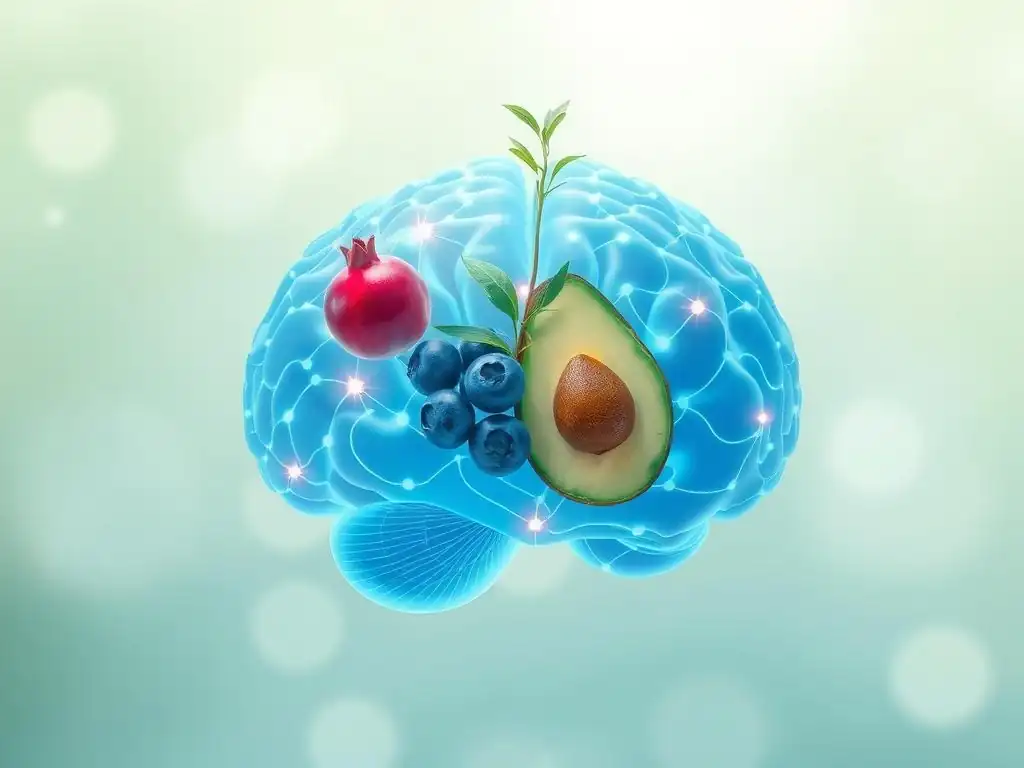
The nutrients we consume provide the building blocks and energy required for optimal brain function and neuroplasticity. A diet rich in omega-3 fatty acids, antioxidants, vitamins (especially B vitamins and vitamin D), and minerals (like zinc and magnesium) supports neuronal health, reduces inflammation, and promotes the synthesis of neurotransmitters. Conversely, diets high in processed foods, sugar, and saturated fats can contribute to inflammation and oxidative stress, potentially impairing neuroplastic processes.
Specific dietary patterns, such as the Mediterranean diet, which emphasizes fruits, vegetables, whole grains, lean proteins, and healthy fats, have been associated with a reduced risk of depression and better cognitive function. While the direct causal link between specific nutrients and neuroplasticity in mood disorder recovery is complex, ensuring adequate intake of essential brain-supportive nutrients provides the necessary foundation for the brain to build and repair itself effectively, complementing other therapeutic strategies.
Emerging Therapies: TMS, Neurofeedback, and Their Impact on Brain Plasticity
Beyond traditional approaches, several emerging therapies are leveraging our understanding of neuroplasticity to treat mood disorders. Transcranial Magnetic Stimulation (TMS) is a non-invasive procedure that uses magnetic pulses to stimulate specific areas of the brain, typically the prefrontal cortex, which is often underactive in depression. By delivering targeted stimulation, TMS aims to modulate neuronal activity and connectivity in these circuits, promoting adaptive neuroplastic changes.
Neurofeedback is another technique that allows individuals to learn to regulate their own brainwave activity. By providing real-time feedback on their brain activity patterns (often via EEG), individuals can learn to increase or decrease activity in specific brain regions or networks associated with mood regulation. Over time, this operant conditioning for the brain is believed to facilitate lasting changes in neural activity and connectivity, enhancing the brain's capacity for self-regulation and supporting neuroplasticity mood disorder recovery.
Practical Strategies for Enhancing Neuroplasticity in Mood Disorder Recovery
Human beings are inherently social creatures, and strong social connections are vital for mental well-being and can significantly influence neuroplasticity. Positive interactions release neurochemicals like oxytocin, which is associated with bonding and stress reduction. Feeling safe, understood, and supported within relationships can buffer against stress, reduce inflammation, and promote a sense of belonging, all of which create a more favorable environment for the brain to heal and adapt.
Conversely, social isolation and loneliness are significant risk factors for mood disorders and can negatively impact brain health. Engaging regularly with friends, family, or support groups provides opportunities for emotional regulation, shared experiences, and cognitive stimulation. Participating in meaningful social activities strengthens neural pathways associated with empathy, trust, and positive emotional processing, actively contributing to the brain's capacity for resilience and fostering neuroplasticity mood disorder recovery.
Setting Realistic Goals and Celebrating Progress: Fostering a Growth Mindset
Adopting a growth mindset – the belief that abilities and intelligence can be developed through dedication and hard work – is intrinsically linked to promoting neuroplasticity. When recovering from a mood disorder, setting small, achievable goals provides a roadmap for progress and builds self-efficacy. Each successful step, no matter how small, reinforces positive behaviors and thought patterns, strengthening the neural circuits associated with motivation, reward, and accomplishment.
Celebrating these small victories is crucial. Acknowledging progress activates the brain's reward system, releasing dopamine, which not only feels good but also plays a role in reinforcing learning and synaptic plasticity. This positive feedback loop encourages continued effort and reinforces the belief in one's capacity for change, counteracting the feelings of hopelessness and helplessness often associated with mood disorders and actively supporting the process of neuroplasticity mood disorder recovery.
Engaging in Novel Activities: Stimulating Brain Plasticity Through New Experiences
Introducing novelty into your routine is a powerful way to stimulate brain plasticity. Learning a new skill, taking a different route home, trying a new hobby, or visiting a new place challenges the brain to create new neural pathways and strengthen existing ones. These new experiences require focused attention, problem-solving, and adaptation, engaging diverse brain regions and promoting connectivity.
Think about learning a musical instrument or a new language; these activities demand sustained effort and lead to measurable changes in brain structure and function over time. Even smaller acts of novelty, like trying a new recipe or engaging in a different type of exercise, can provide beneficial cognitive stimulation. Regularly stepping outside of your comfort zone in small ways helps keep the brain agile and responsive, enhancing its capacity for change and supporting neuroplasticity mood disorder recovery.
Incorporating Daily Gratitude Practices to Strengthen Positive Neural Pathways
Cultivating gratitude is more than just a pleasant feeling; it's a practice that can actively influence brain function and promote positive neuroplasticity. Regularly focusing on things you are thankful for, whether by keeping a gratitude journal or simply taking a moment each day to reflect, shifts attention away from negative biases that are common in mood disorders. This intentional focus on positive aspects of life can help retrain the brain to notice and appreciate the good.
Research suggests that gratitude practices can increase activity in brain regions associated with social bonding and reward, such as the medial prefrontal cortex. Over time, consistently practicing gratitude can strengthen neural pathways associated with positive emotions and well-being, making it easier to access these states and reducing the dominance of negative thought patterns. This simple daily practice offers a tangible way to encourage the brain to build pathways that support resilience and a more positive outlook.
Neuroplasticity and Medication: A Synergistic Approach
How Antidepressants and Mood Stabilizers Influence Brain Plasticity
Psychiatric medications, such as antidepressants (like SSRIs, SNRIs) and mood stabilizers, are cornerstone treatments for many mood disorders, and their effects extend beyond simply altering neurotransmitter levels. While they acutely affect chemical signaling, their long-term therapeutic benefits are increasingly understood to involve the promotion of neuroplasticity. For example, antidepressants, over weeks or months, are thought to facilitate changes in synaptic function and potentially increase neurogenesis in areas like the hippocampus, counteracting the effects of chronic stress and depression.
Mood stabilizers used in bipolar disorder, such as lithium and valproate, have also been shown in studies to influence neurotrophic factors like BDNF and potentially protect against neuronal damage, contributing to the stability of neural circuits. While medications can provide critical relief from severe symptoms and create a window for other interventions, their role in neuroplasticity mood disorder recovery highlights that they are not just band-aids but can actively support the brain's capacity for repair and adaptation at a cellular level.
Combining Medication with Neuroplasticity-Based Therapies for Optimal Outcomes
For many individuals, the most effective approach to mood disorder recovery involves a combination of medication and neuroplasticity-enhancing therapies. Medication can help regulate severe mood swings or lift profound depression, making it possible for individuals to engage more fully in psychotherapy, exercise, mindfulness, and other lifestyle changes. These therapies, in turn, provide the active strategies and experiences that directly stimulate beneficial neuroplastic changes.
The synergy lies in medication potentially creating a more receptive biological environment for the brain to undergo change, while therapies provide the specific 'input' or 'training' that guides how the brain changes. For example, an antidepressant might increase BDNF levels, making neurogenesis more likely, while CBT provides the structured cognitive practice that strengthens specific positive neural pathways. This combined approach leverages both pharmacological support and active brain training for more robust and lasting neuroplasticity mood disorder recovery.
Considerations for Gradually Reducing Medication Under Medical Supervision While Implementing Neuroplasticity Strategies
As individuals progress in their recovery and build resilience through neuroplasticity-enhancing strategies, the possibility of gradually reducing or discontinuing medication may arise. This process must always be done in close consultation with and under the strict supervision of a qualified medical professional. Abruptly stopping medication can lead to withdrawal symptoms or relapse.
However, integrating lifestyle changes, therapy, and other neuroplasticity-focused practices can potentially strengthen the brain's inherent capacity for self-regulation. As the brain develops more robust and adaptive neural networks through these efforts, it may become less reliant on pharmacological support to maintain stable mood. The medical professional can assess the individual's stability, symptom levels, and the strength of their implemented neuroplasticity strategies to determine if and how medication reduction can be safely attempted as part of a long-term neuroplasticity mood disorder recovery plan.
Overcoming Challenges in Neuroplasticity-Based Recovery

Addressing Treatment Resistance: Strategies for Stimulating Brain Change
Treatment resistance is a significant challenge in mood disorder recovery, where individuals do not respond adequately to standard interventions like initial medications or therapies. From a neuroplasticity perspective, this might indicate that the brain's capacity for positive change is significantly impaired, or that the chosen interventions are not effectively stimulating the necessary neural adaptations. Addressing this requires a persistent and often multi-faceted approach.
Strategies for treatment resistance might involve trying alternative medications or combinations, exploring novel neuromodulation techniques like TMS or ECT (Electroconvulsive Therapy), or intensifying psychotherapeutic interventions. It's also crucial to examine lifestyle factors more closely, ensuring consistent engagement in exercise, optimizing nutrition, addressing sleep disturbances, and reducing stress, as these factors are foundational to promoting brain health and facilitating neuroplasticity mood disorder recovery even in challenging cases. A thorough reassessment and potentially integrating new approaches are key.
The Role of Personalized Medicine in Optimizing Neuroplasticity Interventions
Individuals respond very differently to treatments for mood disorders, and the degree and nature of neuroplastic changes can vary widely. Personalized medicine aims to tailor treatment approaches based on an individual's unique biological, psychological, and environmental profile. This includes considering genetic factors that might influence neurotransmitter systems or neurotrophic factor levels, individual differences in brain structure and function observed via neuroimaging, and specific life experiences or trauma histories.
Applying a personalized approach to neuroplasticity mood disorder recovery means selecting interventions most likely to promote beneficial changes for that specific person. For example, someone with significant hippocampal volume loss might benefit more from interventions known to promote neurogenesis (like aerobic exercise), while someone with specific connectivity issues in emotional regulation circuits might benefit more from targeted therapies like neurofeedback or specific forms of psychotherapy. Moving towards personalized strategies enhances the potential for successful and efficient brain change.
Addressing the Challenge of Maintaining Consistent Engagement in Neuroplasticity-Enhancing Activities
One of the primary challenges in leveraging neuroplasticity for mood disorder recovery is maintaining consistent engagement in the activities that promote brain change. Mood disorders themselves, particularly depression, often manifest with symptoms like low motivation, fatigue, anhedonia (loss of pleasure), and difficulty concentrating, which directly interfere with the ability to exercise regularly, practice mindfulness, or pursue new hobbies.
Overcoming this requires empathy, patience, and strategic planning. Breaking down activities into very small, manageable steps can make them less daunting. Focusing on process rather than outcome, and celebrating tiny increments of progress, helps build momentum. Building a strong support system, incorporating activities into a structured daily routine, and finding ways to make these activities enjoyable and meaningful are crucial for fostering the consistency needed to drive lasting neuroplastic changes and sustain neuroplasticity mood disorder recovery.
The Future of Neuroplasticity in Mental Health Care
Advancements in Neuroimaging and Personalized Treatment Approaches
The future of leveraging neuroplasticity for mental health care is incredibly promising, driven by ongoing advancements in neuroimaging technology. Techniques like ultra-high field MRI and advanced computational analyses are providing increasingly detailed maps of brain structure, function, and connectivity, allowing researchers to identify specific neural signatures associated with different mood disorders and individual variations within them.
These advancements pave the way for truly personalized treatment approaches. By understanding an individual's unique brain profile – which circuits are disrupted, which areas show reduced volume, how networks are communicating – clinicians may one day be able to prescribe highly targeted interventions, whether specific types of therapy, neuromodulation techniques, or even lifestyle recommendations, that are predicted to elicit the most effective neuroplasticity mood disorder recovery for that person. This moves us closer to precision psychiatry.
The Potential of Neuroplasticity to Prevent Mood Disorders
Understanding neuroplasticity not only offers new avenues for treatment but also holds significant potential for the prevention of mood disorders. If risk factors like chronic stress, trauma, or genetic predispositions exert their influence, in part, by negatively impacting brain plasticity, then interventions aimed at bolstering healthy neuroplasticity could build resilience and reduce vulnerability before a full-blown disorder develops.
Promoting brain-healthy lifestyles from a young age – encouraging regular physical activity, stress management techniques, strong social connections, and cognitive stimulation – could help individuals develop more robust and adaptable neural networks capable of better navigating life's challenges. Educational programs about brain health and neuroplasticity could empower individuals with the knowledge and tools to proactively nurture their brain's capacity for resilience, potentially lowering the incidence of mood disorders across populations.
Ethical Considerations in the Responsible Application of Neuroplasticity-Based Interventions
As our ability to intentionally influence brain plasticity grows, it is essential to consider the ethical implications. Interventions like TMS, neurofeedback, and potentially future technologies raise questions about informed consent, equitable access to costly treatments, and the potential for unintended consequences of altering brain function. There is also a need to ensure that the focus on neurobiological mechanisms does not overshadow the complex psychological and social factors contributing to mood disorders.
Responsible application of neuroplasticity-based interventions requires careful research, transparency with patients about potential benefits and risks, and a commitment to using these tools to alleviate suffering and restore healthy function, not for enhancement beyond therapeutic need. Ensuring these powerful techniques are used safely, effectively, and ethically will be paramount as they become more integrated into standard mental health care, supporting neuroplasticity mood disorder recovery in a manner that respects individual autonomy and well-being.
Conclusion: Embracing Neuroplasticity for Lasting Mood Disorder Recovery
Key Takeaways: The Power of Brain Change in Mental Well-being
The journey through mood disorder recovery is complex, but the science of neuroplasticity offers a deeply hopeful perspective. The key takeaway is that your brain is not fixed; it possesses a remarkable ability to change and adapt throughout life. This means that recovery is not just about managing symptoms, but about actively participating in a process of rewiring and strengthening the neural pathways that support resilience, emotional regulation, and overall mental well-being.
Understanding neuroplasticity empowers you to see that actions like engaging in therapy, practicing mindfulness, exercising, nurturing relationships, and even cultivating gratitude are not just coping mechanisms but powerful tools for driving tangible, beneficial changes in your brain. This scientific understanding validates the effort required in recovery and highlights the profound impact that consistent, intentional practices can have on building a healthier, more adaptable brain capable of sustained neuroplasticity mood disorder recovery.
Resources for Learning More About Neuroplasticity and Mood Disorders
For those interested in delving deeper into the fascinating intersection of neuroplasticity and mood disorders, a wealth of resources is available. Scientific journals publish cutting-edge research, though often technical. Reputable mental health organizations and neuroscience education websites frequently provide accessible summaries of key findings and their implications for recovery.
Books written by neuroscientists, psychologists, and mental health advocates often translate complex concepts into understandable language, offering practical insights into how brain science informs therapeutic approaches and self-care strategies. Engaging with these resources can deepen your understanding of the biological basis of mood disorders and the potential for brain change, further empowering your journey towards neuroplasticity mood disorder recovery.
Call to Action: Empowering Individuals to Actively Participate in Their Mental Wellness Journey Through Neuroplasticity.
Armed with the knowledge of neuroplasticity, you have the power to become an active participant in your mental wellness journey. Recovery is not a passive process; it involves engaging in practices that intentionally shape your brain for the better. Start by exploring therapies that resonate with you, whether CBT, MBIs, or others that promote new ways of thinking and being.
Integrate brain-healthy habits into your daily life: make time for regular physical activity, nourish your body with nutrient-rich foods, prioritize sufficient sleep, and cultivate meaningful social connections. Be patient and compassionate with yourself; neuroplastic change takes time and consistent effort. Embrace the power of your brain's adaptability and take intentional steps today towards fostering neuroplasticity mood disorder recovery and building lasting mental well-being.
Frequently Asked Questions
How does neuroplasticity specifically help in mood disorder recovery?
Neuroplasticity allows the brain to rewire itself by forming new neural connections. This helps individuals overcome negative thought patterns associated with mood disorders and build resilience.
What role does therapy play in leveraging neuroplasticity for mood disorders?
Therapy, such as CBT or DBT, provides the structured interventions that stimulate neuroplasticity. It helps patients consciously practice new behaviors and thought patterns, reinforcing new neural pathways.
Are there lifestyle changes that can enhance neuroplasticity and aid mood disorder recovery?
Yes, lifestyle factors like exercise, mindfulness, and a healthy diet can significantly boost neuroplasticity. These changes support brain health and resilience, contributing to improved mood regulation.
How long does it typically take to see improvements in mood disorders through neuroplasticity-based approaches?
The timeline varies depending on the individual and the severity of the disorder. However, noticeable improvements often occur within several weeks to months with consistent effort and engagement in targeted interventions.
Is neuroplasticity a permanent solution for mood disorders, or is ongoing maintenance required?
While neuroplasticity can lead to significant and lasting changes, ongoing maintenance is often beneficial. Continuing to practice healthy habits and coping strategies helps reinforce new neural pathways and prevent relapse.
Final Reflection: Harnessing the Brain's Power to Heal
The revolutionary understanding of neuroplasticity offers not just hope, but a tangible pathway to recovery from mood disorders. No longer are we bound by the limitations of a "broken" brain; instead, we possess the inherent capacity to reshape our neural pathways and rewrite our emotional narratives. This is not merely a theoretical concept; it's a scientifically-backed reality transforming the landscape of mental health treatment.
The impact of this discovery is profound, shifting the focus from solely managing symptoms to actively fostering lasting change. It empowers individuals to become active participants in their own healing journey, fostering a sense of agency and control often absent in the experience of mood disorders. This shift in perspective is crucial. The brain is not a static organ; it is constantly changing and adapting in response to our experiences.
This quote encapsulates the essence of neuroplasticity and its transformative potential for those struggling with depression, anxiety, and other mood disorders. It underscores the importance of proactive engagement in therapeutic interventions and lifestyle changes that promote neural growth and resilience.
You now hold the key to unlocking your brain's remarkable ability to heal. Consider the practices discussed throughout this article – mindfulness, targeted therapies, lifestyle adjustments – and actively integrate them into your life. Embrace the empowering knowledge that your brain is not fixed, but fluid, capable of remarkable transformation. Begin today to cultivate the neural pathways that lead to lasting well-being and a brighter, more resilient future. Your journey to recovery is not just possible; it is within your reach.
Unlock Your Brain's Healing Power
Thanks for exploring the incredible potential of neuroplasticity in mood disorder recovery! You've taken a significant step towards understanding how your brain can heal and adapt. Now, let's put that knowledge into action.
- Prioritize one small, brain-boosting activity this week: This could be anything from a 15-minute mindfulness session to a brisk walk in nature. Focus on consistency, not intensity.
- Share this article with someone you care about: Helping others learn about neuroplasticity can be incredibly rewarding, and discussion can deepen your own understanding.
- Consider journaling your progress: Track your mood and the activities you're doing to support your brain's healing. This self-reflection can be surprisingly insightful.
What small change will you make today to nurture your brain's amazing capacity for healing?