
Big Data in Brain Imaging: Pooling Scans for Global Mental Health Discoveries

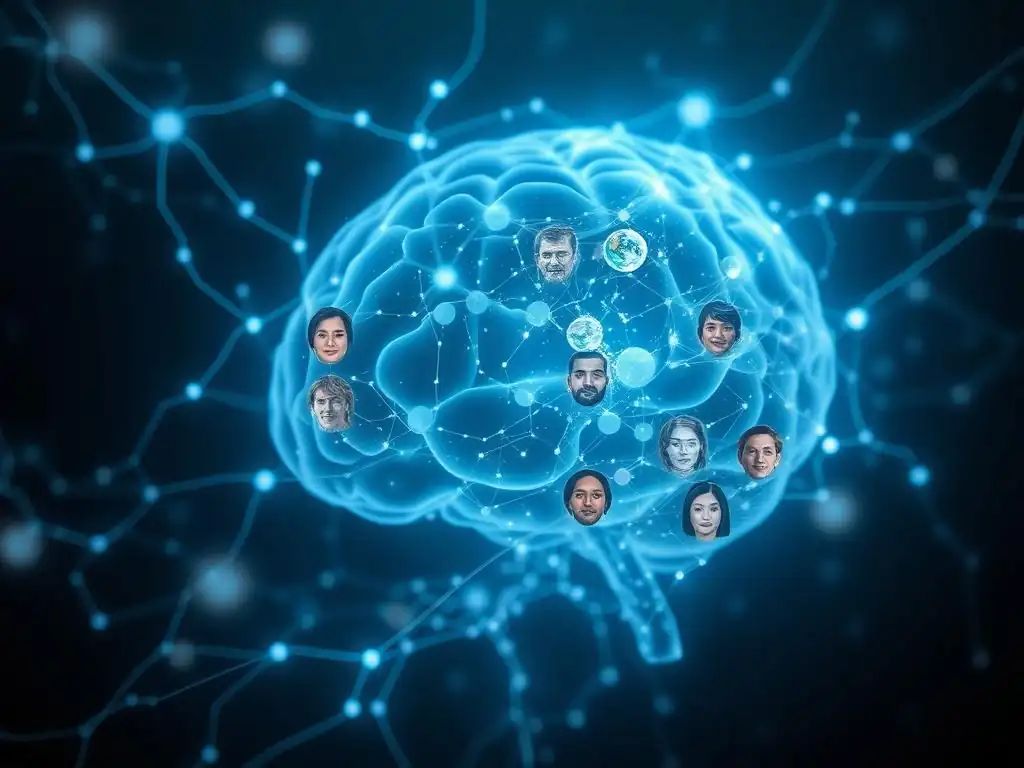
Welcome to Mind Care Guide, a sanctuary for understanding and nurturing your mental well-being. Are you curious about how big data and cutting-edge brain imaging are revolutionizing our understanding of mental health? This article delves into the transformative power of pooling scans from around the globe, potentially unlocking unprecedented insights into the complexities of the mind. Join us as we explore how this collaborative approach is paving the way for a brighter, healthier future for all – and discover how this research might impact you.
Big Data in Brain Imaging: Pooling Scans for Global Mental Health Discoveries
- Introduction: The Promise of Big Data for Brain Health
- What is Big Data Brain Imaging?
- Benefits of Pooling Brain Scans for Mental Health Research
- Challenges and Considerations in Big Data Brain Imaging for Mental Health
- Applications of Big Data Brain Imaging in Mental Health Research
- Case Studies: Successful Big Data Brain Imaging Initiatives in Mental Health
- The Future of Big Data in Brain Imaging and Mental Health
- Conclusion: Harnessing the Power of Pooled Brain Scans for a Better Understanding of Mental Health
-
Frequently Asked Questions
- What is the role of big data in brain imaging for mental health?
- How does pooling brain scans contribute to global mental health discoveries?
- What are the potential benefits of using big data brain imaging for mental health treatment?
- What are the ethical considerations associated with using big data in brain imaging for mental health?
- How can big data brain imaging help improve early detection and diagnosis of mental health disorders?
- Final Reflection: Unlocking the Mind's Potential Through Global Data Sharing
- Unleash the Power of Collective Insights: Join the Global Brain Imaging Initiative!
Introduction: The Promise of Big Data for Brain Health
Understanding the Intersection of Big Data, Brain Imaging, and Mental Health
The human brain, a complex network of billions of neurons, is the seat of our thoughts, emotions, and behaviors. When this intricate system faces challenges, it can manifest as mental health conditions like depression, anxiety, or schizophrenia. Understanding the biological underpinnings of these conditions often involves studying the brain itself.
Brain imaging techniques, such as MRI, fMRI, and PET, provide invaluable windows into the brain's structure, function, and chemistry. However, individual studies with limited sample sizes often struggle to capture the full spectrum of variation seen in mental illness across diverse populations. This is where the concept of big data brain imaging mental health research emerges – the aggregation and analysis of massive datasets of brain scans combined with clinical and genetic information from thousands, sometimes hundreds of thousands, of individuals.
Big data, characterized by its immense volume, rapid velocity, diverse variety, and inherent veracity challenges, offers an unprecedented opportunity to uncover subtle patterns and relationships within brain imaging data that are invisible in smaller datasets. By pooling brain scans from multiple sites and studies worldwide, researchers can achieve the statistical power needed to identify consistent brain alterations associated with specific mental health conditions, differentiate subtypes of disorders, and even predict individual responses to treatment.
This large-scale approach to big data brain imaging mental health research moves beyond examining single brain regions in isolation, allowing for a more holistic, network-level understanding of complex psychiatric disorders. It represents a paradigm shift, transforming how we investigate the biological basis of mental well-being.
The Need for Collaborative Brain Imaging Studies in Mental Health Research
Mental health conditions are globally prevalent, affecting hundreds of millions of people worldwide. For example, according to the World Health Organization (WHO), depression is a leading cause of disability globally, affecting an estimated 280 million people. The sheer scale and heterogeneity of these conditions necessitate research efforts that can match this complexity. Traditional single-site studies, while valuable, are limited by their sample size and the specific characteristics of their participant recruitment, which may not be representative of the global population experiencing these conditions. This limitation hinders the discovery of robust and generalizable findings.
Collaborative big data brain imaging mental health initiatives address this challenge by bringing together data from numerous research centers and clinical settings. Projects like the ENIGMA Consortium, for instance, have aggregated data from over 200 institutions across 40+ countries, allowing researchers to analyze brain imaging data from tens of thousands of individuals with various psychiatric conditions and healthy controls.
This level of collaboration is crucial for achieving the statistical power required to detect subtle yet significant differences in brain structure or function that might serve as biomarkers. Furthermore, pooling data from diverse geographical locations and demographic backgrounds improves the generalizability of findings, ensuring that insights gained are applicable to a wider range of individuals, ultimately accelerating the pace of discovery in big data brain imaging mental health.
What is Big Data Brain Imaging?
Defining Big Data in Neuroimaging: Volume, Velocity, Variety, and Veracity
Defining big data in the context of neuroimaging involves applying the "Vs" framework: Volume, Velocity, Variety, and Veracity. Volume refers to the sheer amount of data generated. A single MRI scan can produce hundreds of megabytes of data, and a functional MRI (fMRI) session can generate gigabytes.
When pooling scans from thousands or tens of thousands of participants, the total volume quickly escalates into petabytes (thousands of terabytes). For instance, the UK Biobank imaging study aims to scan 100,000 participants, generating an estimated 14 petabytes of imaging and associated data. This massive scale requires specialized infrastructure for storage and processing.
Velocity pertains to the speed at which data is generated and needs to be processed. While not as high-velocity as stock market data, neuroimaging studies, especially large-scale, multi-site projects, continuously acquire new data that must be integrated and analyzed efficiently.
Variety highlights the different types of data involved: structural MRI scans (T1, T2), functional MRI (resting-state, task-based), diffusion tensor imaging (DTI), PET scans measuring metabolic activity or neurotransmitter binding, EEG/MEG data capturing electrical/magnetic brain activity, and crucially, associated clinical data (symptoms, diagnoses, treatment history) and genetic information. Integrating these disparate data types is a major challenge in big data brain imaging mental health.
Finally, Veracity addresses the uncertainty and variability inherent in the data. Differences in scanner hardware, acquisition protocols, participant compliance, and data processing pipelines all introduce noise and potential biases that must be carefully managed to ensure the reliability of findings in big data brain imaging mental health research.
Common Brain Imaging Modalities Used in Big Data Mental Health Studies (MRI, fMRI, PET, EEG, MEG)
Several brain imaging modalities contribute to big data initiatives in mental health research, each offering unique insights into brain structure and function. Magnetic Resonance Imaging (MRI), particularly structural MRI, provides detailed anatomical images, allowing researchers to measure the size and shape of brain regions (e.g., gray matter volume, cortical thickness). For example, big data studies using structural MRI have identified consistent patterns of reduced gray matter volume in certain brain areas in large cohorts of individuals with major depressive disorder compared to controls.
Functional MRI (fMRI) measures brain activity by detecting changes in blood flow. Resting-state fMRI, which scans the brain while the participant is at rest, is particularly popular in big data studies as it requires less participant effort and reveals intrinsic functional connectivity between brain regions.
Positron Emission Tomography (PET) uses radioactive tracers to measure metabolic activity, neurotransmitter systems, or molecular targets, offering unique biochemical insights. While PET data is often more expensive to acquire and thus less common in massive datasets than MRI, large consortia are increasingly pooling PET data for specific research questions, such as dopamine receptor availability in schizophrenia.
Electroencephalography (EEG) and Magnetoencephalography (MEG) measure electrical and magnetic activity generated by neurons with high temporal resolution, useful for studying rapid brain dynamics and oscillations associated with various mental states or disorders. Big data approaches are now being applied to aggregate and analyze these complex time-series datasets to understand the dynamic nature of brain dysfunction in mental health conditions.
The Role of Data Standardization and Harmonization in Big Data Brain Imaging
A critical hurdle in pooling brain scans from multiple sources for big data brain imaging mental health research is the inherent variability introduced by different scanners, acquisition protocols, and processing pipelines. Data standardization aims to define common formats, metadata standards, and quality control procedures before data collection begins in new studies contributing to a consortium. For instance, using standard file formats like NIfTI for images and BIDS (Brain Imaging Data Structure) for organizing raw and processed neuroimaging data along with associated metadata greatly facilitates data sharing and integration.
Data harmonization, on the other hand, involves techniques applied after data collection to minimize the impact of site-specific variations. This often involves sophisticated statistical methods or machine learning algorithms trained to identify and correct for systematic differences between datasets acquired on different scanners or using slightly different parameters.
For example, studies within the ENIGMA consortium have developed harmonization protocols to account for differences in MRI field strength (e.g., 1.5T vs. 3T scanners) and pulse sequences when analyzing structural brain metrics like cortical thickness. Without rigorous standardization and harmonization efforts, the statistical power gained from pooling data can be undermined by site-specific artifacts, leading to spurious findings or obscuring genuine biological effects in big data brain imaging mental health studies.
Benefits of Pooling Brain Scans for Mental Health Research
Increased Statistical Power: Detecting Subtle Brain Differences
One of the most significant advantages of big data brain imaging mental health research is the substantial increase in statistical power. Mental health conditions are often associated with subtle, distributed changes in brain structure or function, rather than large, focal lesions. Detecting these nuanced differences reliably requires analyzing data from a large number of individuals to distinguish true biological effects from random noise and individual variability. A typical single-site study might enroll 50-100 participants per group (e.g., patients vs. controls), offering limited power to detect small effect sizes.
By pooling data from thousands or tens of thousands of participants, as seen in initiatives like the ENIGMA consortium which has analyzed data from over 50,000 individuals for some analyses, researchers can detect effect sizes that are too small to be significant in smaller studies. For example, while individual studies might report inconsistent findings on amygdala volume in depression, a large-scale mega-analysis pooling thousands of scans can provide a more precise estimate of the average difference, if any, and assess its statistical significance with high confidence.
This enhanced power is essential for identifying reliable brain correlates of complex disorders and moving beyond findings that might be false positives due to small sample sizes, significantly advancing big data brain imaging mental health discoveries.
Enhanced Generalizability: Studying Diverse Populations
Mental health conditions affect people from all backgrounds, ages, ethnicities, and geographical locations. However, much of the historical neuroimaging research has been conducted on relatively homogeneous populations, often from Western, educated, industrialized, rich, and democratic (WEIRD) countries. This can limit the generalizability of findings, as brain structure, function, and the manifestation of mental illness can be influenced by genetic background, environmental factors, lifestyle, and cultural context.
Pooling brain scans from diverse populations across multiple continents allows big data brain imaging mental health studies to examine the influence of these factors and identify brain patterns that are universally associated with a condition versus those that might be population-specific. For example, the PGC-ENIGMA initiative is specifically working to increase representation from historically underrepresented populations in psychiatric genetics and neuroimaging studies.
Analyzing data from thousands of individuals from different ancestral backgrounds helps ensure that potential biomarkers or brain signatures identified are relevant and applicable to a broader range of people seeking mental health support, making the research more equitable and globally relevant.
Accelerating the Pace of Discovery: Identifying Novel Biomarkers for Mental Illness
The traditional research cycle, from hypothesis generation to data collection, analysis, and publication, can be lengthy. By creating large, readily accessible repositories of harmonized big data brain imaging mental health datasets, researchers can significantly accelerate the pace of discovery. Instead of spending years collecting data, researchers can access existing pooled datasets and test hypotheses much more rapidly.
This accelerated process facilitates the identification of novel brain-based biomarkers – measurable indicators of a biological state or condition. For instance, big data analyses have identified specific patterns of functional connectivity that show promise as potential biomarkers for predicting response to antidepressant treatment.
While still in the research phase, these findings emerge much faster when researchers can analyze data from thousands of patients who have undergone treatment, rather than conducting new, smaller treatment outcome studies. This rapid hypothesis testing and exploration of large datasets are crucial for translating research findings into clinical applications, ultimately benefiting individuals affected by mental health challenges.
Challenges and Considerations in Big Data Brain Imaging for Mental Health

Data Privacy and Security: Protecting Patient Confidentiality (GDPR, HIPAA)
Handling massive datasets of sensitive brain imaging and clinical information raises significant data privacy and security concerns. Brain scans, especially when combined with other identifying information, could potentially be used to re-identify individuals. Protecting patient confidentiality is paramount, and researchers and institutions involved in big data brain imaging mental health initiatives must comply with stringent regulations like the General Data Protection Regulation (GDPR) in Europe and the Health Insurance Portability and Accountability Act (HIPAA) in the United States.
Compliance typically involves robust data anonymization or pseudonymization techniques, where direct identifiers are removed or replaced with codes. However, complete anonymization of complex datasets like neuroimaging can be challenging. Data access is usually restricted and granted only to approved researchers under strict data use agreements. Secure computing environments, encryption, and access controls are essential technical safeguards. Despite these measures, the risk of data breaches or re-identification remains a significant concern that requires continuous vigilance and ethical consideration in the field of big data brain imaging mental health.
Ethical Considerations in Sharing and Analyzing Sensitive Brain Data
Beyond legal compliance, sharing and analyzing sensitive brain data in big data initiatives involves complex ethical considerations. Participants volunteer their data with the understanding that it will be used for research purposes aimed at improving mental health outcomes. Researchers have an ethical obligation to ensure that this data is used responsibly and does not inadvertently cause harm. This includes obtaining appropriate informed consent, which can be challenging for broad data sharing initiatives where the exact future research questions may not be known at the time of consent.
Another ethical consideration relates to the potential implications of identifying brain-based correlates of mental health conditions. Findings from big data brain imaging mental health studies could potentially be misinterpreted or misused, leading to stigma, discrimination, or premature clinical applications before findings are fully validated. Ensuring equitable access to the benefits of this research and avoiding the exacerbation of health disparities are also critical ethical considerations. Researchers must engage with participants and the wider community about how data is used and the potential societal impact of their findings.
Technical Challenges: Data Storage, Processing, and Analysis Pipelines
Managing the sheer volume and variety of big data brain imaging mental health datasets presents substantial technical challenges. Storing petabytes of data requires significant infrastructure, including large-scale storage arrays and secure cloud computing resources. Processing this data, which involves computationally intensive steps like image registration, segmentation, and quality control, demands high-performance computing (HPC) clusters or scalable cloud computing platforms. A single structural MRI scan can take minutes to process, but processing tens of thousands requires distributed computing power.
Developing robust and standardized analysis pipelines that can handle data from multiple sites and modalities is another major technical hurdle. Differences in data acquisition and initial processing can lead to batch effects that confound analyses. Researchers must invest considerable effort in developing, validating, and sharing open-source software tools and pipelines designed for large-scale neuroimaging analysis. Examples include the Freesurfer software suite for structural analysis or fMRIPrep for fMRI preprocessing. Ensuring reproducibility across different computing environments and analysis platforms is also a constant challenge in big data brain imaging mental health research.
Overcoming Bias in Big Data Mental Health Datasets (Demographic, Scanner-Specific)
While big data offers the potential for enhanced generalizability, pooled datasets are not immune to bias. Demographic biases can arise if certain populations are over- or under-represented in the contributing studies. For example, if most pooled data comes from studies conducted in high-income countries with predominantly white participants, findings might not accurately reflect the brain correlates of mental illness in other ethnic groups or socioeconomic strata. Addressing this requires proactive efforts to include data from diverse populations globally.
Scanner-specific biases, also known as "site effects," are systematic differences introduced by the particular scanner or acquisition protocol used at a research site. These effects can sometimes be larger than the biological effects researchers are trying to study. Rigorous data harmonization techniques, as discussed earlier, are essential to mitigate scanner bias. However, even with harmonization, residual site effects can persist. Researchers must employ statistical methods designed to account for site variability in their analyses and interpret findings cautiously, recognizing that biases can still subtly influence the results obtained from big data brain imaging mental health studies.
Applications of Big Data Brain Imaging in Mental Health Research
Identifying Brain-Based Biomarkers for Depression
Major Depressive Disorder (MDD) is a heterogeneous condition, and identifying objective, brain-based markers could significantly improve diagnosis and treatment selection. Big data brain imaging mental health studies have been instrumental in this area. For instance, large-scale studies pooling structural MRI data have identified consistent patterns of reduced gray matter volume in regions like the hippocampus and prefrontal cortex in individuals with MDD compared to healthy controls, though the effect sizes are often small.
Functional MRI big data studies have explored connectivity patterns, finding altered connectivity within and between brain networks such as the default mode network, salience network, and executive control network in depression. While no single imaging biomarker has yet been validated for clinical use, big data analyses involving thousands of participants have identified promising candidates.
For example, specific patterns of connectivity in the subcallosal cingulate cortex have shown some potential for predicting response to certain treatments. The power of big data allows researchers to find these subtle, distributed patterns that are likely more reflective of complex disorders like depression than single-region abnormalities.
Understanding the Neural Correlates of Anxiety Disorders
Anxiety disorders, including generalized anxiety disorder, social anxiety disorder, and panic disorder, are characterized by excessive fear and worry. Big data brain imaging mental health research is helping to delineate the neural circuits involved. Pooled studies using fMRI have consistently implicated the amygdala, a region involved in processing fear, and its connectivity with prefrontal regions responsible for emotion regulation.
Analyzing large datasets allows researchers to identify shared neural correlates across different anxiety subtypes while also exploring potential brain differences that might distinguish them. For example, big data analysis of fMRI data from several thousand individuals might reveal distinct patterns of functional connectivity associated with social anxiety versus generalized anxiety. These insights into the underlying brain mechanisms are crucial for developing more targeted therapeutic interventions and potentially identifying individuals at higher risk, leveraging the scale provided by big data brain imaging mental health initiatives.
Investigating the Brain Changes Associated with Schizophrenia
Schizophrenia is a severe and complex psychiatric disorder associated with significant alterations in brain structure and function. Big data brain imaging mental health studies have provided powerful evidence for widespread structural and functional abnormalities. Large-scale meta-analyses of structural MRI data, including tens of thousands of individuals, have confirmed consistent patterns of reduced gray matter volume across multiple cortical and subcortical regions in patients with schizophrenia compared to controls.
Functional connectivity studies using pooled fMRI data have revealed disruptions in connectivity within and between various brain networks, including those involved in perception, cognition, and social processing. For example, studies have shown reduced connectivity within the default mode network and altered connectivity between frontal and temporal regions.
The scale of big data allows researchers to investigate how these brain changes relate to different symptoms (e.g., hallucinations vs. negative symptoms) and disease stages, offering a more comprehensive picture than smaller studies. This robust evidence from big data brain imaging mental health research is critical for understanding the neurobiology of schizophrenia and informing the development of new treatments.
Exploring the Impact of Trauma on Brain Structure and Function
Experiencing trauma can have profound and lasting effects on mental health, contributing to conditions like Post-Traumatic Stress Disorder (PTSD). Big data brain imaging mental health research is being used to investigate the neurobiological imprint of trauma. Pooled studies involving individuals with PTSD have identified consistent alterations in brain regions involved in fear processing, memory, and emotion regulation, such as the amygdala, hippocampus, and prefrontal cortex.
Large datasets allow researchers to examine how different types of trauma, timing of trauma exposure, and individual factors might influence brain changes. For example, analyzing pooled data from thousands of individuals with varying trauma histories can help differentiate brain patterns associated with childhood trauma versus adult trauma, or explore how genetic predispositions interact with trauma exposure to affect brain structure and function. This level of detail is often only possible with the statistical power and diverse data available through big data brain imaging mental health initiatives, providing crucial insights into the neural basis of trauma-related disorders.
Predicting Treatment Response in Mental Health Conditions
Predicting whether an individual will respond to a specific mental health treatment (e.g., a particular antidepressant, psychotherapy) remains a major challenge in clinical practice. Big data brain imaging mental health research holds significant promise for developing predictive biomarkers. By analyzing brain scans acquired before treatment in large cohorts of patients and tracking their treatment outcomes, researchers can identify baseline brain features that predict response.
For example, studies pooling fMRI data have explored whether patterns of functional connectivity in specific brain circuits can predict response to antidepressant medication or cognitive behavioral therapy in patients with depression. While these findings are still largely experimental, initial results from datasets involving hundreds to thousands of participants show potential. The ability to analyze large amounts of pre-treatment brain data combined with detailed outcome information is essential for developing clinically useful predictive models. This is a key application area where big data brain imaging mental health research could directly impact personalized mental healthcare.
Case Studies: Successful Big Data Brain Imaging Initiatives in Mental Health

ENIGMA Consortium: A Collaborative Effort to Study Major Depressive Disorder
The ENIGMA (Enhancing Neuro Imaging Genetics through Meta-Analysis) Consortium is a prime example of a successful big data brain imaging mental health initiative. Initially focused on genetics and imaging, ENIGMA has grown into a global network pooling data for various psychiatric and neurological conditions. For Major Depressive Disorder (MDD), the ENIGMA-MDD working group has conducted large-scale mega-analyses of structural MRI data from over 20,000 individuals with MDD and 30,000 healthy controls across dozens of sites worldwide.
These analyses have provided the most robust evidence to date for specific structural brain differences in MDD, confirming smaller average volumes in regions like the hippocampus and amygdala, while also highlighting the widespread nature of subtle alterations across cortical regions. By standardizing analysis protocols and pooling data, ENIGMA has achieved statistical power far beyond any single research lab. This collaborative big data brain imaging mental health approach has led to numerous high-impact publications, providing foundational insights into the neurobiology of depression and serving as a model for similar initiatives in other disorders.
UK Biobank: Leveraging Big Data to Understand White Matter Hyperintensities
The UK Biobank is a large-scale biomedical database containing in-depth genetic, lifestyle, and health information, including brain imaging, from over half a million UK participants. A subset of approximately 100,000 participants is undergoing comprehensive brain imaging (MRI, fMRI, DTI), creating one of the largest single-study big data brain imaging mental health resources globally. While not exclusively focused on primary psychiatric disorders, this dataset allows for the investigation of brain changes across a wide spectrum of health and disease, including mental health.
Researchers using the UK Biobank big data have investigated factors associated with white matter hyperintensities (WMHs), which are often seen on MRI scans and linked to aging and cerebrovascular disease, but also potentially relevant to mental health in older adults. Analyzing data from tens of thousands of participants, studies have identified genetic variants and lifestyle factors associated with WMH burden. This massive dataset allows for the exploration of complex relationships between brain imaging markers, physical health, genetic predisposition, and mental well-being in an unprecedented way, demonstrating the power of large-scale, multi-modal big data resources for brain health research.
The Future of Big Data in Brain Imaging and Mental Health
Emerging Technologies: AI and Machine Learning for Brain Data Analysis
The future of big data brain imaging mental health research is inextricably linked with advancements in Artificial Intelligence (AI) and Machine Learning (ML). Traditional statistical methods are powerful for testing specific hypotheses about group differences, but AI/ML algorithms are particularly adept at identifying complex, non-linear patterns within massive datasets that might not be obvious to human researchers. For example, ML models can be trained on large datasets of brain scans and clinical data to classify individuals with different mental health conditions or predict individual treatment response based on their unique brain signature.
Deep learning, a subset of ML, is showing promise in tasks like automated segmentation of brain structures or identifying subtle anomalies in images that are difficult for standard software to detect. As big data brain imaging mental health datasets continue to grow, AI/ML will become increasingly essential for extracting meaningful insights, developing predictive models, and potentially identifying novel subtypes of disorders based on brain imaging features. However, challenges remain in ensuring the interpretability, generalizability, and ethical use of these powerful tools.
The Potential for Personalized Mental Healthcare Through Big Data Brain Imaging
One of the ultimate goals of big data brain imaging mental health research is to pave the way for personalized mental healthcare. Currently, treatment decisions for conditions like depression or anxiety are often made based on trial and error. Imagine a future where, informed by big data analyses, clinicians could use an individual's brain scan, combined with other clinical and genetic information, to predict which specific therapy or medication is most likely to be effective for them.
By identifying brain-based biomarkers that predict treatment response or stratify patients into different neurobiological subtypes, big data initiatives can provide the evidence base needed to move towards precision psychiatry. While still some years away from routine clinical implementation, this vision relies heavily on the ability to analyze vast amounts of data to identify reliable patterns that generalize across individuals. Big data brain imaging mental health is a key pillar supporting the aspiration for more effective, tailored interventions that improve individual outcomes.
The Importance of Open Science and Data Sharing in Accelerating Mental Health Discoveries
The progress made in big data brain imaging mental health research is largely thanks to the principles of open science and data sharing. Initiatives like ENIGMA and the availability of resources like the UK Biobank demonstrate the power of making data accessible to the wider research community. Open data policies allow researchers worldwide to contribute their data, increasing sample sizes, and also allow independent researchers to access and analyze existing pooled data, fostering reproducibility and accelerating discovery.
Promoting open-source software for data processing and analysis further enhances collaboration and transparency. Moving forward, continued commitment to open science principles, including the responsible sharing of de-identified data and analysis pipelines, will be crucial. Overcoming institutional barriers, funding challenges for data management, and addressing privacy concerns in a transparent manner are necessary steps to fully harness the potential of big data brain imaging mental health for global well-being.
Conclusion: Harnessing the Power of Pooled Brain Scans for a Better Understanding of Mental Health
The Transformative Potential of Big Data Brain Imaging for Global Mental Well-being
Big data brain imaging mental health research represents a transformative approach to understanding the complex biological underpinnings of psychiatric conditions. By moving beyond the limitations of small, single-site studies, the pooling and analysis of massive datasets of brain scans and associated information from diverse populations offer unprecedented statistical power and the ability to identify subtle, distributed brain patterns. This scale is essential for uncovering reliable brain correlates of mental illnesses, differentiating subtypes, and identifying potential biomarkers for diagnosis, prognosis, and treatment response.
The insights gained from these large-scale initiatives are not merely academic; they hold the potential to directly impact global mental well-being. A deeper, more precise understanding of how mental health conditions manifest in the brain is a crucial step towards developing more effective, targeted, and potentially preventative interventions. Big data brain imaging mental health research is laying the groundwork for a future where mental healthcare is more personalized, evidence-based, and ultimately more successful in alleviating suffering for millions worldwide.
Moving Forward: Recommendations for Advancing Big Data Mental Health Research
To fully realize the promise of big data brain imaging mental health, several key areas require continued focus and investment. Firstly, there is a critical need for increased funding and infrastructure to support the collection, storage, and processing of massive neuroimaging datasets. Secondly, ongoing efforts in data standardization and harmonization are essential to ensure data quality and comparability across diverse sites and modalities. Developing and disseminating robust, open-source analysis tools capable of handling complex big data is also paramount.
Furthermore, fostering global collaboration and promoting open science principles are vital for increasing sample sizes and diversity. This includes developing ethical frameworks and technical solutions that ensure data privacy and security while facilitating responsible data sharing. Finally, continued research into advanced AI/ML techniques is needed to extract maximum value from these large datasets and translate findings into clinically relevant applications. By addressing these challenges collaboratively, the field can accelerate the pace of discovery and leverage big data brain imaging mental health to significantly improve our understanding and treatment of mental illness globally.
Frequently Asked Questions
What is the role of big data in brain imaging for mental health?
Big data allows researchers to analyze massive datasets of brain scans, identifying patterns and biomarkers that would be impossible to detect with smaller sample sizes. This leads to improved understanding of mental health conditions and potential for new treatments.
How does pooling brain scans contribute to global mental health discoveries?
Pooling scans across different locations and populations creates a larger and more diverse dataset. This helps researchers identify universal patterns and variations in brain activity related to mental health, leading to more generalizable findings.
What are the potential benefits of using big data brain imaging for mental health treatment?
Big data analysis can help develop personalized treatment plans based on an individual's brain imaging data. This could lead to more effective and targeted interventions for various mental health challenges.
What are the ethical considerations associated with using big data in brain imaging for mental health?
Ethical considerations include ensuring patient privacy and data security, as well as addressing potential biases in the data that could lead to inequitable outcomes. Transparency and responsible data governance are crucial.
How can big data brain imaging help improve early detection and diagnosis of mental health disorders?
By identifying subtle brain changes associated with mental health conditions early on, big data can enable earlier intervention and treatment. This can lead to better outcomes and improved quality of life for individuals at risk.
Final Reflection: Unlocking the Mind's Potential Through Global Data Sharing
The convergence of big data and brain imaging represents a paradigm shift in mental health research, promising breakthroughs previously unimaginable. By pooling vast datasets of brain scans, we can unlock powerful insights into the biological underpinnings of mental illness, paving the way for more effective diagnoses, treatments, and ultimately, a world where mental health struggles are better understood and addressed.
The sheer scale of this undertaking is both daunting and inspiring. The potential to identify subtle patterns and biomarkers across diverse populations, previously obscured by smaller, isolated studies, is truly transformative. The greatest discoveries are often made when we dare to look beyond the limitations of our individual perspectives.
This quote underscores the necessity of collaborative, global efforts in this field. The ethical considerations, of course, remain paramount, requiring careful attention to data privacy and the equitable representation of diverse populations in research.
Now, consider the implications for your own life. Perhaps you've been touched by mental illness, either personally or through loved ones. This research holds the potential to alleviate suffering and improve lives. I urge you to reflect on the power of collective action and the importance of supporting initiatives that promote open data sharing in mental health research. By embracing this collaborative approach, we can accelerate the pace of discovery and build a future where mental well-being is prioritized for all.
Unleash the Power of Collective Insights: Join the Global Brain Imaging Initiative!
Thanks for exploring the fascinating world of big data in brain imaging and its potential for revolutionizing mental health research! You've gained valuable insights into how pooled data can unlock breakthroughs. Now it's time to take action.
- Become a Data Contributor: If you're a researcher with relevant anonymized datasets, consider sharing them to fuel collaborative discovery. This is the core step to unlocking the potential highlighted in the article.
- Share this article: Spread awareness and inspire others to participate in building a global resource for mental health research. Let's ignite a movement!
- Join the discussion: What innovative approaches do you envision leveraging big data to improve mental health care worldwide? Share your thoughts below!
Ready to contribute to a healthier future through data-driven insights?