
The Future of Personalized Mental Health: Imaging as a Predictive Tool

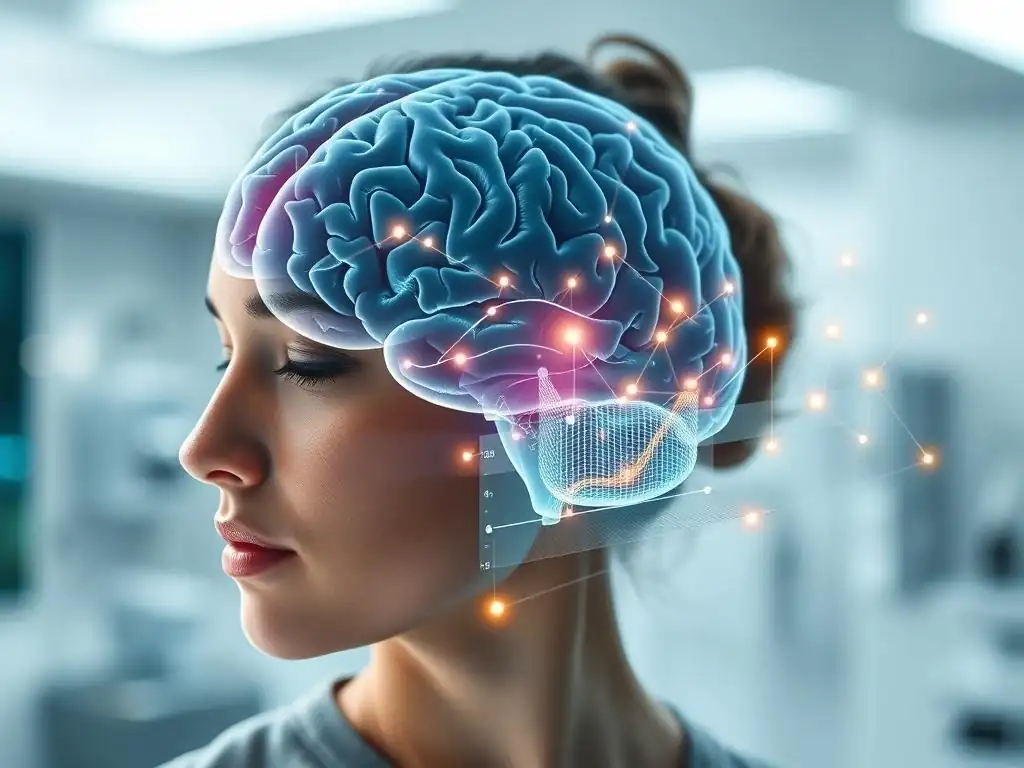
Welcome to Mind Care Guide, a sanctuary for your mental well-being.
Feeling lost in the maze of mental health care? You're not alone. We delve into the evolving landscape of neuroscience to bring you the latest insights. Ever wondered how technology can truly understand your unique mental state? Explore Personalized Mental Health Imaging Trends and discover how cutting-edge techniques are poised to revolutionize diagnosis and treatment. This is just the beginning of a journey towards a brighter, more informed future for mental healthcare... are you ready to see what's possible?
The Future of Personalized Mental Health: Imaging as a Predictive Tool
- Introduction: Revolutionizing Mental Healthcare with Personalized Brain Imaging
- Understanding the Current Landscape of Mental Health Imaging
- Personalized Mental Health Imaging Trends: A Deep Dive
- The Power of Predictive Imaging in Mental Health
- Ethical Considerations in Personalized Mental Health Imaging
- Challenges and Opportunities in Implementing Personalized Mental Health Imaging
- Case Studies: Examples of Personalized Mental Health Imaging in Practice
- The Future Vision: Personalized Mental Health Ecosystem
- Conclusion: Embracing the Potential of Personalized Mental Health Imaging
-
Frequently Asked Questions
- What is personalized mental health imaging and how does it relate to mental well-being?
- How can imaging act as a predictive tool in mental health?
- What are some of the ethical considerations surrounding the use of personalized mental health imaging?
- What are the current limitations of using imaging for personalized mental health treatment?
- Where can I find more information and support related to mental health challenges and imaging technologies?
- Final Reflection: The Dawn of Personalized Mental Healthcare
- Unlock Your Mind's Potential: Explore Personalized Mental Wellness
Introduction: Revolutionizing Mental Healthcare with Personalized Brain Imaging
The Promise of Personalized Mental Health Treatment
For too long, mental healthcare has largely relied on a trial-and-error approach. Patients presenting with similar symptoms, such as those indicative of major depressive disorder or generalized anxiety, are often prescribed the same initial treatments, whether medication or therapy.
The effectiveness of these interventions can vary dramatically from one individual to the next, leading to prolonged suffering, frustration, and increased healthcare costs as clinicians work to find the right fit through a process of adjustment and switching. The inherent biological and psychological diversity among people means that a 'one-size-fits-all' model is inherently limited in its ability to provide optimal care for everyone.
The emerging paradigm of personalized mental health aims to move beyond this by tailoring diagnosis, prognosis, and treatment strategies to the individual's unique biological makeup, psychological profile, and environmental factors. This shift promises to enhance treatment efficacy, reduce the time spent on ineffective interventions, and ultimately improve outcomes for those struggling with mental health conditions.
Instead of treating a diagnostic label, the goal is to treat the specific manifestation of the illness in that particular person, recognizing that depression, for example, might arise from different underlying brain circuit dysfunctions in different individuals. This personalized approach requires sophisticated tools capable of capturing the individual's unique biological signature.
The Role of Brain Imaging in Predictive Mental Healthcare
Brain imaging techniques are poised to play a transformative role in the realization of personalized mental healthcare. By providing non-invasive windows into the structure, function, and chemistry of the living brain, these technologies can potentially identify specific biomarkers or patterns that are unique to an individual's condition. Unlike traditional symptom-based diagnoses, which rely on subjective reporting and observed behaviors, imaging can reveal objective biological correlates of mental distress and dysfunction. This allows for a deeper understanding of the underlying mechanisms driving a person's symptoms.
The true power of brain imaging in this context lies in its potential for prediction. By analyzing brain scans, researchers and clinicians are exploring the possibility of predicting an individual's risk of developing a mental health condition, forecasting the likely course of their illness, and most importantly, predicting how they will respond to specific treatments before treatment even begins.
This predictive capacity is a cornerstone of personalized mental health, enabling clinicians to select the most promising intervention from the outset, thereby accelerating recovery and minimizing exposure to potentially ineffective or adverse treatments. The ability to foresee treatment response or relapse risk based on brain characteristics is a key aspect of the exciting personalized mental health imaging trends currently under investigation.
Understanding the Current Landscape of Mental Health Imaging
Traditional vs. Advanced Brain Imaging Techniques in Psychiatry
Historically, structural imaging techniques like Computed Tomography (CT) scans and standard Magnetic Resonance Imaging (MRI) have been used in psychiatry primarily to rule out organic causes of symptoms, such as tumors, strokes, or structural abnormalities. While invaluable for excluding neurological conditions that mimic mental illness, these methods typically provide limited information about the functional or molecular underpinnings of psychiatric disorders themselves. They show the static structure but not the dynamic activity or chemical processes of the brain.
In contrast, advanced neuroimaging techniques offer a much more dynamic and detailed view. Functional MRI (fMRI) measures brain activity by detecting changes in blood flow. Diffusion Tensor Imaging (DTI) maps white matter tracts, providing insights into brain connectivity.
Positron Emission Tomography (PET) scans use radioactive tracers to visualize metabolic activity, neurotransmitter receptor binding, or protein accumulation (like amyloid plaques). Magnetoencephalography (MEG) measures magnetic fields produced by electrical currents in the brain, offering excellent temporal resolution. These advanced methods move beyond structure to explore function, connectivity, and molecular targets, providing the granular data necessary for understanding individual differences relevant to personalized mental health.
Limitations of Current Diagnostic Methods in Mental Health
Current diagnostic approaches in mental health, largely based on criteria outlined in manuals like the DSM (Diagnostic and Statistical Manual of Mental Disorders), rely heavily on symptom clusters and behavioral observations. While useful for standardizing diagnoses and facilitating communication among clinicians, this categorical system often fails to capture the vast heterogeneity within a single diagnosis. For example, two individuals both diagnosed with Major Depressive Disorder might have vastly different symptom profiles, underlying biological factors, and responses to treatment. The DSM criteria describe what a person experiences but not why they experience it or how their brain is functioning differently.
This symptom-based approach provides little guidance for personalized treatment selection. A clinician chooses an antidepressant based on general efficacy data and perhaps patient preference or side effect profile, rather than specific biological indicators of who will respond best. This can lead to significant delays in effective treatment, as patients may cycle through several medications over months or even years before finding one that provides relief. Imaging and other biological markers offer the potential to supplement or even transform diagnosis by identifying the biological subtypes of disorders, paving the way for truly personalized interventions based on objective neural signatures.
Personalized Mental Health Imaging Trends: A Deep Dive
Cutting-Edge Neuroimaging Technologies for Personalized Mental Healthcare
The field of personalized mental health imaging is rapidly evolving, driven by technological advancements that provide increasingly detailed and nuanced views of brain structure and function. These cutting-edge techniques are moving beyond group-level analyses typical in research to focus on individual-level data that can inform personalized care. The goal is to identify unique neural patterns, often referred to as "brain signatures," that correlate with specific aspects of mental health conditions, such as symptom severity, risk factors, or predicted response to particular treatments.
These advancements are central to the current personalized mental health imaging trends. They involve refining existing technologies and developing new methods to extract clinically relevant information from complex brain data at the individual level. The computational power required to process and interpret this high-dimensional data is immense, leading to significant overlap between advancements in imaging hardware/protocols and the development of sophisticated analytical techniques, particularly those involving artificial intelligence and machine learning.
Functional MRI (fMRI) and Personalized Treatment Prediction
Functional MRI (fMRI) measures brain activity by detecting changes in blood oxygenation level-dependent (BOLD) signals. It allows researchers to observe which brain regions are more or less active during specific tasks or while the brain is at rest (resting-state fMRI).
In the context of personalized mental health, fMRI is being explored to identify patterns of brain activity or connectivity that predict how well an individual will respond to a particular therapy or medication. For instance, studies have investigated whether the connectivity patterns within certain brain networks, like the default mode network or the salience network, can predict response to antidepressants or psychotherapy for depression or anxiety.
Research has shown promising results, with some studies indicating that pre-treatment fMRI scans can predict antidepressant response with accuracies sometimes exceeding 70-80% in specific patient populations. For example, activity levels in the anterior cingulate cortex (ACC) have been consistently linked to antidepressant response, with different patterns predicting response to cognitive behavioral therapy versus selective serotonin reuptake inhibitors (SSRIs). While not yet a standard clinical tool, these findings highlight the potential of fMRI to guide treatment decisions and are a key area within personalized mental health imaging trends.
Diffusion Tensor Imaging (DTI) for Understanding Brain Connectivity
Diffusion Tensor Imaging (DTI) is an MRI technique that measures the diffusion of water molecules in brain tissue. Because water diffuses more freely along the direction of white matter tracts (the brain's wiring), DTI can be used to infer the integrity and directionality of these pathways. Disruptions in white matter integrity or connectivity between brain regions are implicated in various mental health conditions, including schizophrenia, bipolar disorder, and anxiety disorders.
By mapping an individual's unique pattern of white matter connectivity, DTI provides insights into how different brain areas communicate. These connectivity patterns can serve as potential biomarkers for personalized mental health. For example, altered connectivity in circuits involving the amygdala and prefrontal cortex has been observed in individuals with anxiety disorders.
Researchers are investigating whether specific DTI measures of connectivity can predict an individual's susceptibility to stress or their likely response to treatments that target these circuits, such as exposure therapy or certain medications. Understanding these individual connectivity profiles is a vital part of advancing personalized mental health imaging trends.
PET Scans and Molecular Imaging in Mental Health
Positron Emission Tomography (PET) is a nuclear medicine imaging technique that uses small amounts of radioactive tracers to visualize and measure metabolic processes, blood flow, neurotransmitter activity, or receptor binding in the brain. Unlike fMRI or DTI, which primarily measure activity or structure/connectivity, PET provides a view of the brain's molecular landscape. This is particularly relevant for mental health conditions that are thought to involve dysregulation of neurotransmitter systems, such as dopamine in psychosis or serotonin in depression and anxiety.
PET scans can measure the density of specific neurotransmitter receptors (e.g., dopamine D2 receptors, serotonin transporters) or metabolic activity in different brain regions. These molecular profiles can vary significantly between individuals and may relate to symptom presentation or treatment response.
For instance, studies using PET have explored whether the availability of certain receptors predicts response to specific psychotropic medications that target those receptors. While PET is more expensive and less widely available than MRI techniques, its ability to provide direct molecular information makes it a powerful tool in the pursuit of personalized mental health imaging trends, especially for understanding the pharmacological basis of disorders.
Machine Learning and AI in Interpreting Mental Health Imaging Data
The advanced brain imaging techniques described generate vast amounts of complex data for each individual scan. Interpreting these high-dimensional datasets to find clinically meaningful patterns that predict outcomes is a significant challenge, far beyond the capabilities of traditional statistical methods. This is where machine learning (ML) and artificial intelligence (AI) become indispensable tools in the advancement of personalized mental health imaging trends. AI and ML algorithms are designed to identify subtle, complex patterns within data that may not be apparent to the human eye, enabling the extraction of personalized insights from imaging.
These computational approaches can integrate information from multiple brain regions, different imaging modalities (e.g., combining fMRI and DTI data), and even non-imaging data (like genetics or clinical history) to build predictive models. The development of robust, generalizable AI models capable of interpreting neuroimaging data for clinical use is a major focus of current research. These models are essential for translating the potential of advanced imaging from the research lab to the clinical setting, making personalized prediction a reality.
AI-Powered Diagnostic Tools for Mental Health Conditions
AI algorithms are being developed and trained on large datasets of brain scans from individuals with and without various mental health conditions to identify imaging-based biomarkers that can aid in diagnosis. Instead of relying solely on subjective symptom reports, AI could potentially analyze an individual's brain scan to identify objective neural patterns associated with specific disorders or subtypes of disorders. For example, researchers are using ML to distinguish between different forms of depression or to differentiate between bipolar disorder and schizophrenia based on patterns in structural or functional MRI data.
While still largely in the research phase, AI-powered diagnostic tools hold the promise of providing more objective, earlier, and potentially more accurate diagnoses. Some preliminary studies have reported high accuracy rates (e.g., over 80% in distinguishing certain conditions) using AI analysis of imaging data. These tools could complement clinical assessment, helping clinicians make more informed diagnostic decisions and potentially identify individuals at risk before the onset of severe symptoms. The integration of AI with imaging data is a critical component of the personalized mental health imaging trends shaping the future of diagnosis.
Predicting Treatment Response using Machine Learning Algorithms
Perhaps one of the most impactful applications of AI in personalized mental health imaging is predicting how an individual will respond to a specific treatment. ML algorithms can be trained on imaging data from patients who subsequently received a particular treatment (like an antidepressant or a specific type of therapy) and whose treatment outcomes were recorded. The algorithm learns to identify the subtle patterns in the baseline scan that were predictive of a good response versus a poor response.
Once trained, these models can then analyze the brain scan of a new patient and predict their likely response to different treatment options. For example, an algorithm might analyze an fMRI scan and predict a high probability of response to Citalopram but a low probability of response to Sertraline, guiding the clinician's prescription choice.
Similarly, ML models using DTI data are being explored to predict who is most likely to benefit from cognitive behavioral therapy. This predictive capability, powered by ML interpreting personalized mental health imaging trends, is a significant step towards eliminating the trial-and-error associated with current treatment selection.
The Power of Predictive Imaging in Mental Health

Early Detection and Intervention through Brain Imaging Biomarkers
One of the most exciting prospects of personalized mental health imaging is the ability to identify individuals at high risk of developing a mental health condition before the full onset of symptoms. Just as imaging biomarkers are used to detect early signs of Alzheimer's disease (e.g., amyloid or tau pathology via PET), researchers are searching for neural signatures that indicate vulnerability to disorders like schizophrenia, bipolar disorder, or severe depression. These biomarkers might involve subtle differences in brain structure, connectivity, or function observable years before a clinical diagnosis is typically made.
Identifying these early biomarkers through imaging allows for the possibility of proactive, preventative interventions. Instead of waiting for a crisis, support and treatment could be offered during a prodromal phase or even earlier. For example, identifying specific connectivity patterns via DTI in adolescents with a family history of schizophrenia might prompt early, targeted support services. This shift from reactive to proactive care could significantly alter the trajectory of severe mental illness, potentially reducing severity, improving prognosis, and enhancing overall well-being.
Tailoring Treatment Plans Based on Individual Brain Signatures
The ultimate goal of personalized mental health imaging is to use the information gleaned from an individual's brain scan to select the most effective treatment from a range of options. This moves beyond simply predicting response to one treatment; it involves using the brain signature as a roadmap to the individual's specific neurobiological dysfunction and matching it to the intervention most likely to address that dysfunction.
If an fMRI scan reveals hypoactivity in a specific reward circuit linked to anhedonia (inability to experience pleasure), this might suggest a different treatment approach than if the scan shows hyperactivity in fear circuits linked to anxiety.
Consider the diversity within Major Depressive Disorder. Some individuals exhibit reduced activity in areas associated with motivation, while others show excessive rumination linked to hyperconnectivity in the default mode network. A personalized approach, guided by imaging, could potentially match the former to treatments targeting reward pathways and the latter to therapies or neuromodulation techniques aimed at regulating the default mode network. This contrasts sharply with current practice, where treatment choice for depression is often based on broad symptom categories rather than the specific underlying brain dysfunction.
Predicting Risk of Relapse and Preventing Mental Health Crises
Beyond initial diagnosis and treatment selection, personalized mental health imaging holds potential for monitoring recovery and predicting future outcomes, including the risk of relapse. Changes in brain structure, function, or connectivity that occur during successful treatment could serve as indicators of recovery, while the persistence of certain abnormal patterns or the emergence of new ones might signal an increased risk of relapse. For example, if a connectivity pattern associated with vulnerability to depression returns after a period of remission, it could trigger a preventative intervention.
Regular or periodic imaging could become a tool for managing chronic mental health conditions, allowing clinicians to intervene proactively before a full-blown crisis occurs. If a scan indicates a return to a neural state associated with symptom exacerbation, treatment adjustments could be made early. This predictive monitoring capability, informed by personalized mental health imaging trends, could empower both patients and clinicians to stay ahead of potential challenges, reducing the frequency and severity of relapses and improving long-term stability and quality of life.
Ethical Considerations in Personalized Mental Health Imaging
Data Privacy and Security in Neuroimaging Research
The collection and analysis of brain imaging data for personalized mental health raise significant ethical challenges, particularly regarding data privacy and security. Brain scans are highly sensitive and unique to an individual, potentially revealing information not only about mental health but also cognitive abilities, future health risks, and even aspects of personality. Ensuring the anonymity and security of this data is paramount. Large datasets are needed for training AI models, increasing the risk of breaches or unintended exposure.
Robust data protection measures, including de-identification techniques, secure storage, and strict access protocols, are essential. The potential for re-identification of individuals from complex imaging data, even if initially anonymized, is a growing concern. As personalized mental health imaging trends involve sharing data across institutions for research and model development, establishing standardized, secure data-sharing frameworks is crucial to protect patient confidentiality and maintain public trust in these technologies.
Potential Biases in AI-Driven Mental Health Diagnostics
AI algorithms are only as unbiased as the data they are trained on. If the datasets used to train AI models for interpreting mental health imaging are not representative of the diverse human population in terms of race, ethnicity, socioeconomic status, or geographical location, the resulting models may exhibit biases. An AI model trained primarily on data from one demographic group might perform poorly or inaccurately when applied to individuals from different backgrounds, potentially leading to misdiagnosis or inappropriate treatment recommendations.
Addressing potential biases requires diverse and inclusive data collection efforts. Researchers and developers must be mindful of the demographics represented in their training data and actively work to build datasets that reflect the true diversity of the population seeking mental healthcare. Furthermore, AI models need to be rigorously tested for fairness and accuracy across different groups. Ensuring equitable access to the benefits of personalized mental health imaging requires proactively identifying and mitigating algorithmic biases.
Informed Consent and Patient Autonomy in Personalized Treatment
As personalized mental health imaging becomes more integrated into clinical care, ensuring genuine informed consent and protecting patient autonomy are critical. Patients must fully understand what information can be gleaned from their brain scan, how that information will be used to inform their treatment, and the potential implications of the findings, including predictions about future risk or treatment response. The complex nature of imaging data and AI interpretations can make this challenging.
Patients should have the right to choose whether or not to undergo imaging for personalized insights and to control how their data is used. The predictive nature of these tools also raises questions about how risk information is communicated to patients without causing undue anxiety or distress. Clinicians need to be trained not only in interpreting the technical output of imaging and AI but also in sensitively communicating this information to patients, empowering them to make informed decisions about their care based on their personal values and preferences.
Challenges and Opportunities in Implementing Personalized Mental Health Imaging
Overcoming Technical Barriers to Widespread Adoption
Despite the exciting potential, several technical barriers hinder the widespread adoption of personalized mental health imaging in routine clinical practice. Obtaining high-quality, consistent imaging data is challenging, as scanner hardware, acquisition protocols, and even patient movement during scans can introduce variability that affects results. Analyzing the complex data requires sophisticated computational resources and technical expertise that are not readily available in most clinical settings.
Developing standardized imaging protocols that can be used across different sites and scanners is crucial for collecting comparable data necessary for large-scale research and clinical application. Furthermore, creating user-friendly software and infrastructure that allows clinicians to easily acquire, process, and interpret personalized imaging data is essential for integration into clinical workflows. Overcoming these technical hurdles represents both a challenge and a significant opportunity for innovation in the field.
Addressing the Cost and Accessibility of Advanced Imaging Technologies
Advanced neuroimaging technologies like fMRI and PET scans are expensive, both in terms of equipment purchase and maintenance costs and the operational costs per scan. This high cost limits their availability primarily to large academic medical centers and research institutions, making them inaccessible to a significant portion of the population, particularly in underserved areas. For personalized mental health imaging to truly revolutionize care, it must be accessible and affordable.
Finding ways to reduce the cost of imaging, perhaps through technological advancements or more efficient protocols, is a key challenge. Exploring alternative, lower-cost imaging techniques or developing methods to extract maximum value from less expensive scans could improve accessibility. Furthermore, advocating for healthcare policies that support the use of personalized imaging when clinically indicated is necessary to ensure that financial barriers do not prevent individuals from benefiting from these advancements.
The Need for Standardized Protocols and Data Sharing in Mental Health Imaging Research
Advancing personalized mental health imaging requires large, diverse datasets to train robust predictive models and validate findings across different populations. However, research in this field is often fragmented, with different labs using varying imaging protocols, data formats, and analytical methods. This lack of standardization makes it difficult to combine data from different studies or replicate findings, slowing down progress.
Establishing widely accepted standardized protocols for acquiring and processing mental health imaging data is essential. Initiatives promoting data sharing among researchers, while carefully addressing privacy concerns, are crucial for building the large datasets needed to unlock the full potential of personalized mental health imaging trends. Collaborative efforts to create open-access repositories of standardized imaging data could accelerate discoveries and the development of clinically useful tools.
Case Studies: Examples of Personalized Mental Health Imaging in Practice

Using fMRI to Predict Antidepressant Response in Major Depressive Disorder
One prominent area of research demonstrating personalized mental health imaging trends involves using fMRI to predict which patients with Major Depressive Disorder (MDD) are likely to respond to specific antidepressants. Studies have focused on patterns of activity and connectivity in brain regions known to be involved in mood regulation, such as the anterior cingulate cortex (ACC), amygdala, and prefrontal cortex. For example, research has consistently shown that different levels of activity in the subgenual ACC at baseline can predict response to SSRIs versus placebo or other treatment types.
In a representative study approach, patients undergo an fMRI scan before starting antidepressant treatment. Activity or connectivity patterns in key brain networks are analyzed. ML algorithms are trained on this data to correlate specific neural signatures with treatment outcomes (e.g., significant reduction in depression scores after 8 weeks). While not yet routine, this research suggests that imaging could one day help clinicians select the most appropriate antidepressant for an individual patient based on their unique brain function profile, potentially improving the current average response rate for first-line antidepressants, which is often cited as around 50-60%.
DTI and Cognitive Behavioral Therapy (CBT) for Generalized Anxiety Disorder
Research using Diffusion Tensor Imaging (DTI) is exploring whether white matter connectivity patterns can predict response to psychotherapy, such as Cognitive Behavioral Therapy (CBT), for conditions like Generalized Anxiety Disorder (GAD). GAD is characterized by excessive worry and often involves dysregulation in brain circuits that process fear and emotion, including connections between the amygdala and prefrontal regions responsible for executive control and emotion regulation. DTI can assess the integrity and strength of these white matter connections.
Studies have investigated whether specific characteristics of white matter tracts, such as fractional anisotropy (a measure of white matter integrity), in pathways connecting emotional processing centers to cognitive control centers predict how well a person with GAD will respond to CBT. Preliminary findings suggest that certain patterns of connectivity might be associated with better outcomes in therapy, potentially indicating a greater capacity for cognitive restructuring and emotional regulation learned in CBT.
While more research is needed, this highlights the potential of DTI within personalized mental health imaging trends to match patients to the therapy modality they are most likely to benefit from.
Amyloid PET Scans for Early Detection of Alzheimer's Disease
While primarily a neurodegenerative disorder, Alzheimer's Disease (AD) is deeply intertwined with mental health, often presenting with symptoms like depression, anxiety, apathy, and cognitive decline that significantly impact mental well-being. Amyloid PET scans use a radioactive tracer that binds to amyloid plaques, a hallmark protein pathology of AD that can accumulate in the brain years or even decades before the onset of significant cognitive symptoms.
Amyloid PET allows for the early detection of this specific pathology in living individuals. While it doesn't diagnose AD on its own (clinical symptoms and other factors are needed), detecting significant amyloid burden via PET in someone presenting with mild cognitive concerns or even mental health symptoms like late-life depression associated with cognitive changes can help determine if AD pathology is a contributing factor.
This early, personalized biological insight is crucial for prognosis, treatment planning (including access to new anti-amyloid therapies), and providing personalized support and future care planning, representing a significant application of molecular imaging within personalized mental health imaging trends, particularly at the intersection of neurology and psychiatry.
The Future Vision: Personalized Mental Health Ecosystem
Integrating Brain Imaging with Other Personalized Data (Genetics, Lifestyle)
The brain does not operate in isolation; it is influenced by genetics, environment, lifestyle, and the body's overall health. The most comprehensive vision for personalized mental health involves integrating brain imaging data with other layers of personalized information. This could include genetic profiles (e.g., variants associated with risk for certain conditions or metabolism of medications), data from wearables tracking sleep and activity, environmental exposures, psychological assessments, and medical history.
Combining these diverse data types through advanced computational models could create a holistic, multi-dimensional profile of an individual's mental health state and vulnerabilities. A brain imaging signature indicating a certain functional pattern, combined with genetic risk factors and lifestyle data suggesting poor sleep and high stress, could provide a much richer picture than any single data source alone. This integrated approach is seen as the next frontier, moving beyond just personalized mental health imaging trends to a truly comprehensive personalized mental wellness plan.
The Role of Telemedicine in Delivering Personalized Mental Healthcare
Telemedicine has rapidly expanded, increasing access to mental healthcare, particularly in remote or underserved areas. In the future, telemedicine could play a crucial role in delivering personalized mental healthcare informed by imaging. While the imaging itself requires a physical visit to a scanning facility, the interpretation of the scan data and the subsequent personalized treatment recommendations could be delivered remotely.
Consultations with specialists who can interpret complex imaging and AI reports, personalized therapy sessions guided by imaging insights, and remote monitoring using data integrated with imaging findings could all be facilitated through telemedicine platforms. This could democratize access to highly specialized personalized care that might otherwise only be available at distant centers of excellence. Integrating secure data transfer and visualization tools into telemedicine platforms is an important step in realizing this future.
The Potential for Proactive and Preventative Mental Health Interventions
The combination of predictive personalized mental health imaging and other data, interpreted through advanced AI, opens the door to a future focused on proactive and preventative mental health interventions. Instead of waiting for symptoms to become debilitating, individuals could be assessed for risk based on their unique biological and psychological profile. Early risk identification could trigger targeted preventative strategies.
For example, an adolescent identified through imaging and genetic data as having a high risk for developing psychosis might receive early cognitive remediation, social skills training, and stress reduction techniques. An individual with a family history of depression showing early signs of altered connectivity in mood circuits might be offered preventative psychotherapy or lifestyle interventions. This shift towards preventing illness or mitigating its severity before it fully takes hold represents a fundamental transformation in how mental healthcare is delivered, moving towards a model of maintaining wellness rather than solely treating sickness.
Conclusion: Embracing the Potential of Personalized Mental Health Imaging
The Future of Mental Healthcare is Personalized and Predictive
The journey towards truly personalized mental healthcare is underway, and brain imaging is emerging as a powerful tool to guide this transformation. By moving beyond symptom-based diagnoses to understand the unique neurobiological underpinnings of an individual's mental health challenges, imaging, combined with advanced computational techniques like AI, offers the potential to revolutionize diagnosis, treatment selection, and prediction of outcomes.
The personalized mental health imaging trends discussed here – from fMRI predicting treatment response to DTI mapping connectivity relevant to therapy and PET identifying molecular targets – are paving the way for a future where mental healthcare is significantly more precise, effective, and tailored to the individual.
This shift promises to reduce the burden of mental illness by minimizing trial-and-error in treatment, facilitating earlier intervention, and potentially preventing crises. While significant challenges remain in terms of technology, cost, accessibility, and ethics, the progress in personalized mental health imaging research is undeniable. Embracing these advancements means moving towards a healthcare system that recognizes and responds to the inherent biological diversity of individuals struggling with mental health conditions.
Call to Action: Supporting Research and Innovation in Mental Health Imaging
Realizing the full potential of personalized mental health imaging requires continued investment and support. Further research is needed to validate imaging biomarkers, refine predictive models, and understand how best to integrate this complex information into clinical workflows. Supporting initiatives that promote data standardization and sharing is crucial for accelerating discovery and developing robust, generalizable tools.
Beyond research, investment in infrastructure and training is necessary to make advanced imaging and computational expertise more widely available in clinical settings. Addressing the ethical considerations proactively, through thoughtful policy and guidelines, is essential to ensure that personalized imaging is used responsibly and equitably. By supporting research, fostering collaboration, and engaging in thoughtful dialogue about the future of personalized mental health imaging trends, we can help bring about a future where mental healthcare is truly personalized, predictive, and ultimately, more effective for everyone.
Frequently Asked Questions
What is personalized mental health imaging and how does it relate to mental well-being?
Personalized mental health imaging uses advanced imaging techniques like fMRI to identify individual brain patterns related to mental health conditions. This allows for a more tailored approach to diagnosis and treatment. It aims to improve overall well-being by providing targeted interventions.
How can imaging act as a predictive tool in mental health?
By analyzing brain scans, researchers and clinicians can potentially identify early markers of mental illness or predict the likelihood of developing certain conditions. This allows for proactive interventions and preventative strategies. It is not yet a perfect science.
What are some of the ethical considerations surrounding the use of personalized mental health imaging?
Concerns arise regarding data privacy, potential misuse of information, and the possibility of discrimination based on imaging results. Careful consideration must be given to ensuring responsible and ethical implementation. Informed consent is crucial.
What are the current limitations of using imaging for personalized mental health treatment?
The technology is still relatively new and expensive, and there's a need for more standardized protocols and larger-scale studies. The interpretation of brain scans can also be complex and subjective.
Websites like the Mind Care Guide offer valuable resources, information on various mental health conditions, and updates on emerging technologies. Talking to a qualified mental health professional is always recommended for personalized advice and support.
Final Reflection: The Dawn of Personalized Mental Healthcare
The convergence of advanced brain imaging and artificial intelligence is poised to revolutionize mental healthcare, ushering in an era of truly personalized treatment. No longer will we rely solely on subjective assessments; objective, data-driven insights will empower clinicians to diagnose, predict, and treat mental illnesses with unprecedented accuracy and efficacy. This shift promises a future where mental health struggles are met not with generic solutions, but with tailored interventions that address the unique biological underpinnings of each individual's condition.
The implications of this personalized approach are profound, extending far beyond the clinic. It challenges the stigma surrounding mental illness by emphasizing the biological basis of these conditions, fostering greater understanding and empathy. The potential to predict and even prevent mental health crises before they occur is particularly compelling. The greatest advances in medicine are those that prevent disease rather than treat it,
and this principle holds especially true for mental health, where early intervention is crucial. This journey towards personalized mental health is not just a technological advancement; it's a fundamental shift in how we perceive and address mental well-being, moving away from a one-size-fits-all approach towards a future of truly individualized care.
Consider the potential impact on your own life and the lives of those you care about. Imagine a future where mental health screenings are as routine and accessible as physical check-ups, where personalized treatment plans are developed based on your unique brain patterns, and where early intervention prevents debilitating mental health crises. This future is not a fantasy; it is within our grasp. Embrace the possibilities, engage in the conversation, and advocate for a future where personalized mental healthcare is a reality for everyone.
Unlock Your Mind's Potential: Explore Personalized Mental Wellness
Thanks for taking the time to learn about the exciting future of personalized mental health care! We hope you gained a valuable understanding of how brain imaging is transforming mental wellness predictions. Now, it's time to take the next steps towards a healthier you.
- Dive deeper into personalized mental health resources: Explore MindCareGuide.org for articles on specific conditions and treatment options tailored to your needs. This is your primary step toward proactive mental wellness.
- Share this insightful article with someone who might benefit: Help spread awareness about the advancements in mental health care and the potential of personalized approaches.
- Consider scheduling a consultation with your healthcare provider: Discuss the possibilities of personalized mental healthcare strategies based on your unique needs and circumstances.
Ready to embark on your journey toward a more personalized and proactive approach to mental wellness? What's the first step you'll take to integrate these insights into your self-care routine?